
TCM Lab · Health reading
Should I Use Heat or Ice for Knee Pain? — Heat or Ice for Knee Pain and Ice or Heat for Knee Pain
Published Updated
The short answer is to use cold for a newly injured knee that is swollen, warm or visibly irritated, and to consider gentle warmth when stiffness or surrounding muscle tightness is the main problem without swelling. The choice is not a diagnosis: a painful knee may follow a twist, overuse, arthritis, bursitis or another cause. Think first about what changed, what the knee looks and feels like, and whether you can walk safely. Use either measure carefully as a temporary comfort step, then arrange assessment if the problem is severe, persistent or interfering with everyday life.
Appointments are confirmed through WhatsApp. If you have language requirements, please mention them in your enquiry.
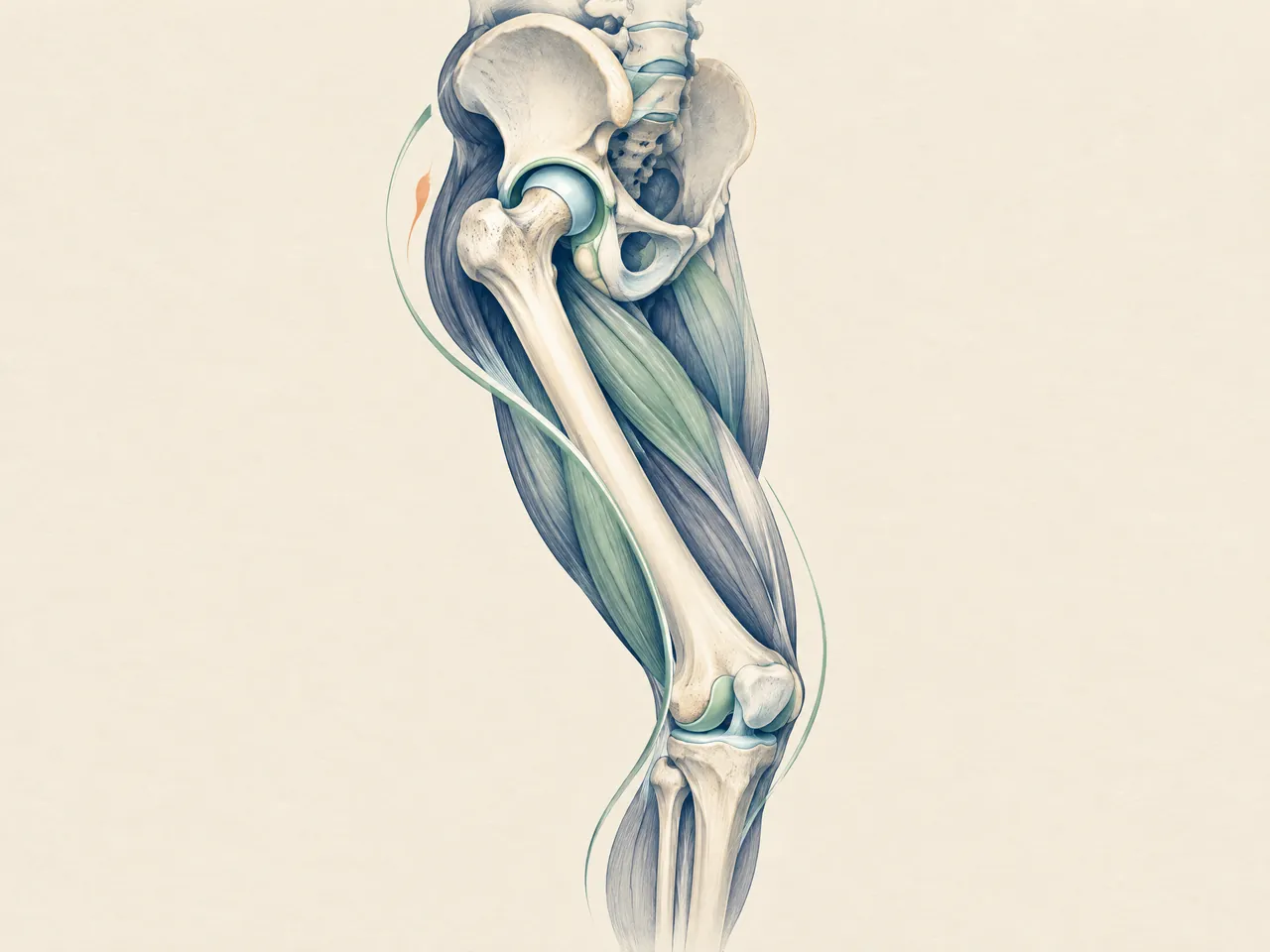
The short answer
For a recent knee injury or a knee that is swollen, red or hot, choose a wrapped cold pack first. If there is no swelling and the problem is stiffness or muscle tightness rather than a new injury, gentle heat may be more comfortable. Never put ice or a heat source directly on skin. Stop if your skin changes colour, blisters or symptoms worsen, and seek prompt medical advice for inability to bear weight, deformity, locking, giving way, or fever with a hot red knee.
Transparent pricing
See the fees.
Choose your care.
Explore our complete official price list, including first-trial prices, regular prices, packages and branch-specific options.
Opening WhatsApp prepares an enquiry; it does not send a message, take payment or confirm an appointment. Suitability and individual arrangements are confirmed during consultation.
Pain care
All prices in HKDExtracorporeal shockwave treatment
Shockwave treatment for deep-tissue and fascial care. The Kwun Tong clinic offers the multi-area options shown below.
Priced by branch
Branch-specific pricing
Prince Edward: HK$250 per area
Kwun Tong: HK$250 for 1 area / HK$450 for 2 areas / HK$600 for 3 areas
Pain care (manual therapy)
Includes Chinese medicine musculoskeletal assessment, manual joint techniques and tui na.
HK$580 (single session)
Chinese medicine musculoskeletal assessment
Pain care (acupuncture and manual therapy)
Combines acupuncture and manual therapy.
HK$680 (single session)
Combined care
Hair and scalp
All prices in HKDScalp health and hair-loss management
Includes AI scalp analysis, deep scalp and follicle cleansing, and scalp oil-control care.
HK$380 (first trial)
Regular price: HK$680
- 6 sessions: HK$3,480 (HK$580 per session)
- 12 sessions: HK$5,760 (HK$480 per session)
- 20 sessions: HK$8,600 (HK$430 per session)
- 30 sessions: HK$11,400 (HK$380 per session)
Hair acupuncture and Chinese herbal medicine package
Includes scalp acupuncture and 3 days of Chinese herbal medicine that does not require decoction.
HK$580 (single session)
Registered Chinese Medicine Practitioner consultation
- 6 sessions: HK$3,180 (HK$530 per session)
- 12 sessions: HK$5,760 (HK$480 per session)
- 20 sessions: HK$8,600 (HK$430 per session)
- 30 sessions: HK$11,400 (HK$380 per session)
Combined hair and scalp treatment
Combines acupuncture and Chinese herbal medicine with salon-level scalp and follicle care. Packages include complimentary hair-care shampoo and serum.
HK$1,260 (single session)
Combined treatment
- 8 sessions: HK$8,640 (HK$1,080 per session)
- 16 sessions: HK$15,680 (HK$980 per session)
- 20 sessions: HK$18,600 (HK$930 per session)
- 30 sessions: HK$26,400 (HK$880 per session)
Weight management
All prices in HKDFull-body acupoint embedding for weight management
Includes full-body acupoint embedding. Packages include complimentary Chinese herbal medicine for weight management, with the number of included days scaled to the package. Embedding material and the individual treatment arrangement are confirmed during consultation; this is not a cosmetic thread lift.
HK$980 (single session)
No trial session
- 10 sessions: HK$7,800 (HK$780 per session)
- 20 sessions: HK$14,600 (HK$730 per session)
- 30 sessions: HK$20,400 (HK$680 per session)
Facial acupuncture
All prices in HKDFacial acupuncture (basic)
Includes facial acupuncture and meridian-based facial care, including care for facial puffiness.
HK$480 (first trial)
Regular price: HK$680
- 10 sessions: HK$5,200 (HK$520 per session)
- 20 sessions: HK$9,600 (HK$480 per session)
- 30 sessions: HK$13,500 (HK$450 per session)
Facial acupuncture (advanced)
Includes enhanced facial acupuncture with a specially formulated moisturising mask and serum.
HK$780 (first trial)
Regular price: HK$1,180
- 10 sessions: HK$9,000 (HK$900 per session)
- 20 sessions: HK$16,600 (HK$830 per session)
- 30 sessions: HK$23,400 (HK$780 per session)
Chinese medicine
All prices in HKDAcupuncture and Chinese herbal medicine package
Includes a Chinese medicine consultation with pulse assessment, body acupuncture and 3 days of Chinese herbal granules that do not require decoction.
HK$580 (single session)
Chinese medicine consultation with pulse assessment
Should I Use Heat or Ice for Knee Pain? — Heat or Ice for Knee Pain and Ice or Heat for Knee Pain in Acute Swelling
When deciding between heat or ice for knee pain, start with the present pattern rather than a label. A knee that became painful after a fall, twist, awkward landing or direct knock may feel tender and swell over the next hours. In that early, reactive situation, cold is commonly used for short-term comfort. NHS Inform says ice is most beneficial when a knee problem is related to injury, while the NHS advises a wrapped ice pack for knee pain and swelling. [1] [2] Cold is not a way to prove that an injury is minor, and it should not delay assessment when the knee cannot be used normally.
Visible swelling, redness or heat is a reason to pause the idea of warming the area. Heat can feel soothing, but it is not the first choice for a knee that is already hot or puffy. Instead, reduce the activity that triggered the symptoms, avoid standing for long periods if it aggravates the knee, and use a protected cold pack if it is safe for you. If the knee is red and hot with fever or you feel unwell, do not treat this as an ordinary post-exercise flare. [2]

Should I Use Heat or Ice for Knee Pain? — Heat or Ice for Knee Pain and Ice or Heat for Knee Pain After an Injury
After an injury, the useful question is not whether the pain is intense enough to ‘deserve’ ice. It is whether there are features that make a simple pack inappropriate as the only response. Stop activity if putting weight through the leg is sharply painful, the joint looks misshapen, the swelling is marked, or the knee cannot bend or straighten as usual. A knee that locks, gives way, or makes a painful click also deserves timely medical advice. [2]
For a milder-looking incident, make the next few hours easier on the knee rather than testing it repeatedly. Choose a supportive position, avoid deep squats, running, jumping and frequent stairs, and move the knee gently only as symptoms permit. NHS Inform recommends reducing activity but continuing to move as much as symptoms allow in the first day or two, then building use back up as comfort and movement improve. [1] A cold pack can fit into that plan; it is not a substitute for a gradual return to ordinary walking, work duties or sport.
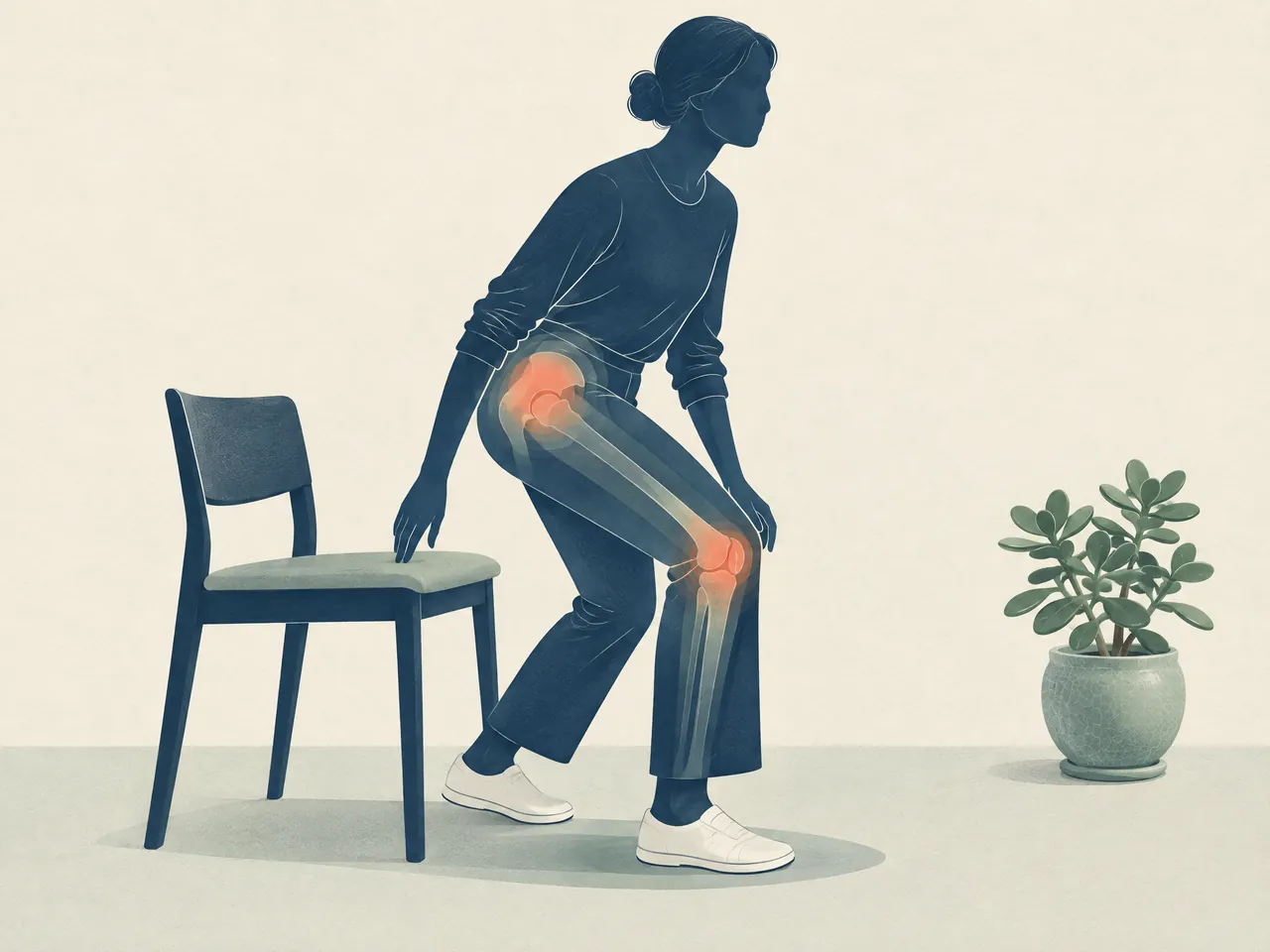
Should I Use Heat or Ice for Knee Pain? — Heat or Ice for Knee Pain and Ice or Heat for Knee Pain When the Knee Is Stiff
A different pattern is waking with a stiff knee, feeling tight after sitting through a meeting, or noticing that the muscles around the thigh feel guarded without a new accident. If the knee is not swollen and the symptoms are not linked to a recent injury, gentle heat may be a reasonable comfort option. NHS Inform makes the same distinction: heat can be tried for pain when there is no swelling and no recent injury. [1] The aim is comfort before easy movement, not to heat through pain or force a resistant joint further than it wants to go.
Warmth can be followed by a calm transition into movement: a brief walk around the home, slow knee bends within comfort, or the activity plan already agreed with a healthcare professional. Avoid treating a warm pack as permission to resume a hard training session, a long downhill walk or repeated stair climbing immediately. Note whether stiffness eases after moving, returns after a particular load, or comes with swelling later in the day. Those details are more useful at an assessment than simply saying the knee ‘always hurts’. For ideas focused on this non-swollen pattern, see knee stiffness heat therapy.
Compare your options
| What you notice | More suitable first comfort step | What to do alongside it |
|---|---|---|
| Recent twist, knock or overuse with swelling | Wrapped cold pack | Reduce aggravating activity, keep gentle movement within comfort, and watch for loss of function. |
| Knee feels hot, red or increasingly swollen | Do not apply heat; a protected cold pack may be considered only while arranging appropriate advice | Seek urgent advice if fever, chills, severe pain or feeling unwell accompanies the hot red knee. |
| Stiffness or tight muscles without swelling or a recent injury | Gentle protected warmth | Follow with easy movement; do not force deep bending or return immediately to high-load activity. |
| Numbness, poor circulation, blistering or worsening skin change | Neither heat nor ice until professional advice | Stop the pack, protect the skin and discuss the symptom or circulation issue with a healthcare professional. |
| Cannot bear weight, knee locks, gives way or looks deformed | Do not rely on a pack as the main response | Obtain prompt medical assessment; temporary comfort must not delay evaluation of an acute injury. |
On smaller screens, scroll the table sideways to compare all columns.
Should I Use Heat or Ice for Knee Pain? — Heat or Ice for Knee Pain and Ice or Heat for Knee Pain Safely
Whether you choose heat or cold, skin protection is part of the treatment, not an optional extra. Put a towel or similar barrier between the pack and the skin. NHS Inform advises applying heat or ice for up to 15 minutes and leaving a few hours between treatments; the NHS knee-pain page gives an alternative ice-pack schedule of up to 20 minutes every two to three hours. [1] [2] Because advice varies with the pack and situation, follow the product instructions as well as the guidance given by your clinician, and stop before the skin becomes painful or excessively numb.
Check the area before and after each application. New or increasing redness, discolouration, blistering, burning, marked numbness or worsening pain means stop and seek advice. Do not use a pack while asleep, and do not fall asleep with an electric heat source on the knee. People with reduced sensation or circulation problems should not use ice or heat for knee pain without professional advice, because they may not notice tissue damage early enough. [1]
Should I Use Heat or Ice for Knee Pain? — Heat or Ice for Knee Pain and Ice or Heat for Knee Pain: Timing and Skin Protection
Prepare the pack before you sit down. For cold, use a purpose-made gel pack or a bag of frozen food wrapped in a clean towel; never press loose ice directly onto the knee. For heat, use a comfortably warm source with a fabric layer between it and your skin. Stay awake, remain in a position that does not put pressure on the sore knee, and keep the session short. A timer is safer than relying on memory, especially if the pack is part of an evening routine. Remove it promptly, inspect the skin, and allow the area to return to its usual sensation before deciding on another session.
Avoid the common ‘more is better’ trap. Longer exposure does not make a cold pack more effective, and a hotter pack is not a better treatment for stiffness. If the pack gives no useful comfort, do not keep escalating temperature or duration. Reassess what is loading the joint: a low chair, a long commute, a change in running distance, uneven ground, heavy lifting or repeated kneeling may matter more than the choice of pack.
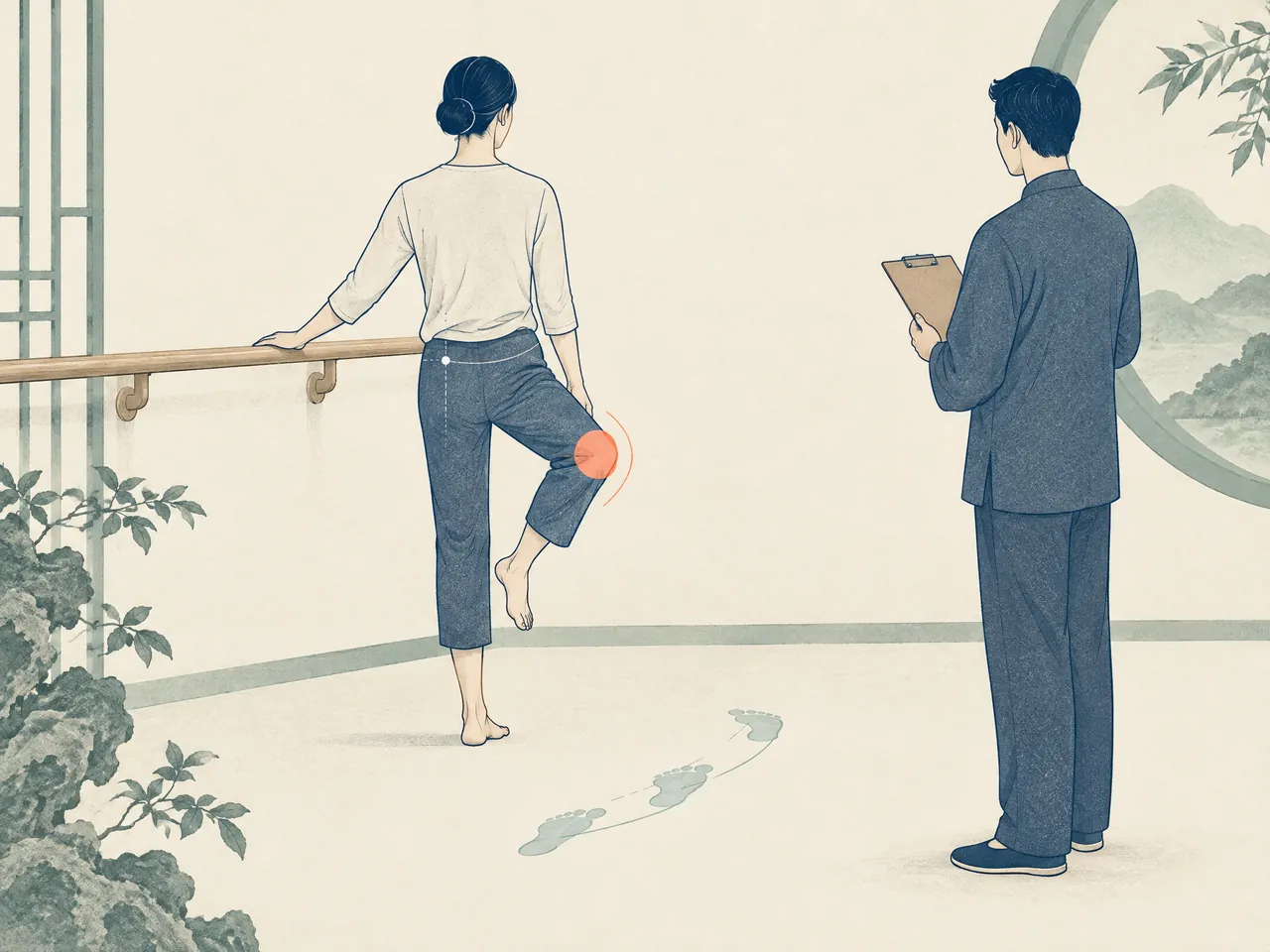
Should I Use Heat or Ice for Knee Pain? — Heat or Ice for Knee Pain and Ice or Heat for Knee Pain: When to Stop
Stop using heat or ice immediately if the skin becomes more red, discoloured, blistered, painful or unusually numb. Stop and arrange urgent assessment instead of continuing self-care if you cannot move the knee or put weight through the leg, it is badly swollen or has changed shape, or it locks or gives way. The NHS also identifies fever or feeling hot, cold or shivery alongside redness or heat around the knee as a prompt for urgent help, because infection is one possible concern. [2] These symptoms are not a situation for trying a hotter compress or repeated icing.
It is also time to move beyond home measures when the knee problem keeps interrupting sleep, work, walking or basic tasks, or when it is not improving over the next few weeks. [2] This is especially important when pain follows a significant injury, begins suddenly without a clear explanation, or returns whenever normal activity resumes. Do not use temporary relief from a pack to judge that a painful twist, unstable knee or recurrent swelling is resolved. The purpose of assessment is to consider the history, physical findings and need for any further care; it is not simply to choose a different pack.
Should I Use Heat or Ice for Knee Pain? — Heat or Ice for Knee Pain and Ice or Heat for Knee Pain: Assessment and Next Steps
Heat and ice treat a feeling, not the full reason for knee pain. A useful assessment starts with the story: did pain begin after a twist, collision, new exercise pattern or a gradual increase in load? Is it at the front, side, back or inside the joint? Is there swelling, warmth, catching, a sense that the knee will give way, or pain on stairs? The clinician will also ask about health conditions, medicines and the effect on work, sleep and mobility. This helps separate a routine self-care question from a problem that needs conventional medical investigation or a coordinated rehabilitation plan.
For people with diagnosed knee osteoarthritis, NICE identifies therapeutic exercise, information and support, plus weight management where appropriate, as core management. [3] That does not mean every painful knee is osteoarthritis or that an online page can diagnose it. It does mean that a pack is usually only one small part of a broader, personalised plan. Keep moving within tolerable limits, adapt a task that repeatedly flares symptoms, and ask about exercise tailored to your condition rather than choosing an exercise programme solely because it is popular online.
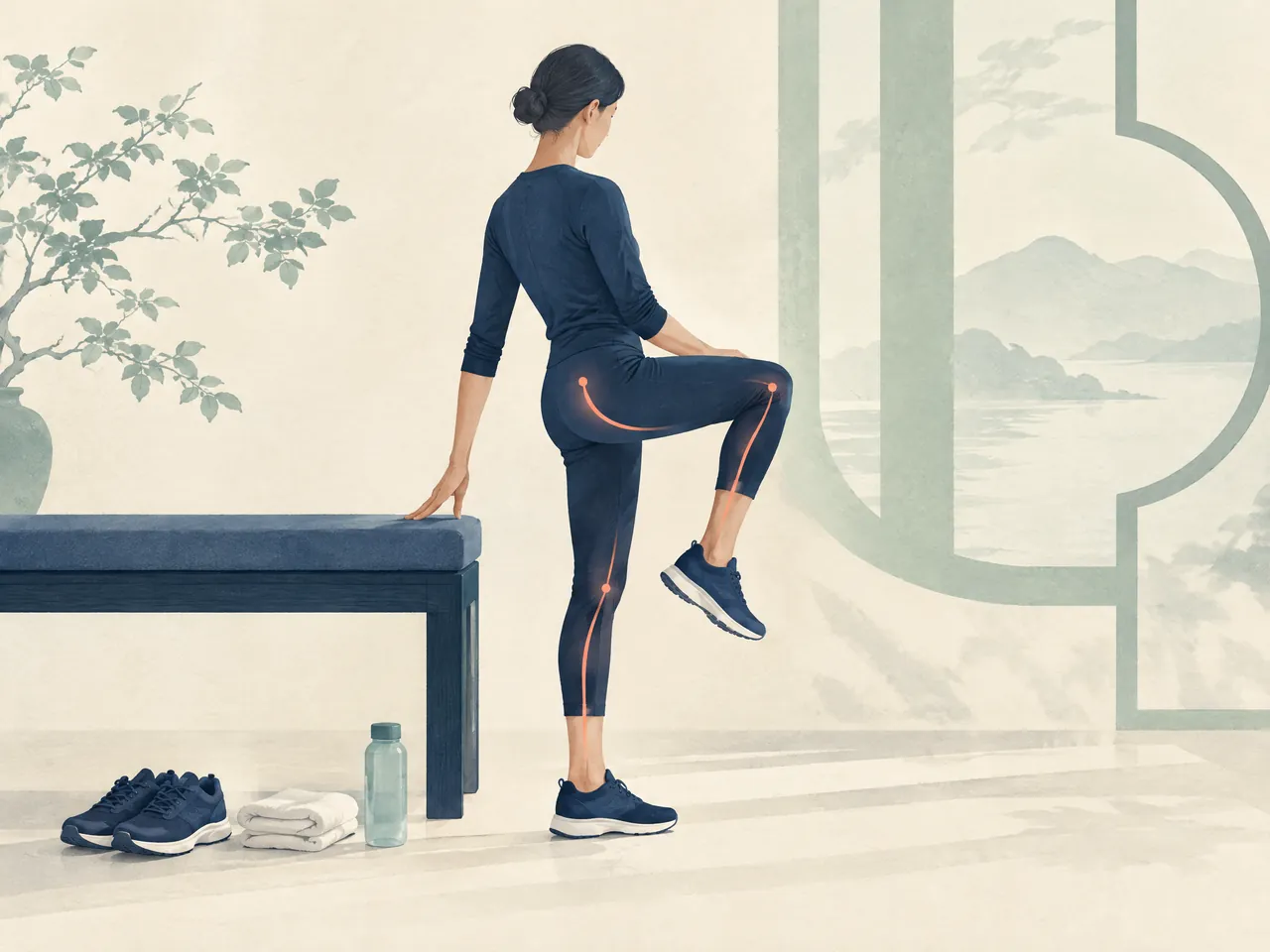
Should I Use Heat or Ice for Knee Pain? — Heat or Ice for Knee Pain and Ice or Heat for Knee Pain: What an Assessment Considers
If you choose a Chinese medicine consultation, a Registered Chinese Medicine Practitioner may ask about the quality and timing of pain, previous injury, sleep, digestion, sensitivity to cold or heat, and everyday demands alongside examining the knee. In traditional Chinese medicine, this information is considered through a pattern-based approach. That traditional approach is not the same as a conventional diagnosis of a ligament injury, meniscal problem, infection or arthritis, so it should not replace appropriate medical assessment when those conditions are possible. Bring prior scans or reports if you have them, and mention all medicines and treatments you are using.
Some people ask whether acupuncture should be the next step for knee pain. The answer depends on the cause, the person’s goals and the care already in place; it should not be presented as a guaranteed result. For knee osteoarthritis specifically, NICE says not to offer acupuncture or dry needling for management. [3] A page about knee pain acupuncture can help frame questions for a clinician, but it does not establish that acupuncture is appropriate for every painful knee. Keep the assessment focused on safe choices, realistic symptom management and communication with any doctor or physiotherapist involved.

Should I Use Heat or Ice for Knee Pain? — Heat or Ice for Knee Pain and Ice or Heat for Knee Pain: Activity and Medical Advice
In Hong Kong, a practical next step can be to adjust the task rather than abandon all movement. Use a handrail on stairs, break up long periods on your feet, choose a route with fewer steep steps when symptoms are active, and postpone sport or heavy lifting until movement and comfort have improved. NHS Inform notes that staying active, with modification where needed, supports general health and that sport or heavy lifting should wait until there is less discomfort and good movement. [1] If a walking aid, brace or other device is being considered, ask a clinician how and when it fits your situation rather than buying one based only on an advertisement.
To ask about a knee-pain consultation with TCM Lab, contact the team and describe the injury or stiffness pattern, how long it has been present, whether there is swelling, and any red-flag symptoms. You can enquire about an appointment at the Kwun Tong Chinese medicine clinic or the Chinese medicine clinic Prince Edward; appointment availability should be confirmed directly. If you are comparing consultation costs, the Chinese medicine clinic price list Hong Kong provides the relevant information. Seek urgent conventional care first for the warning signs described above rather than waiting for a clinic appointment.
Care and health guide
Knee discomfort: care information
This directory brings together services, reading, and visit information related to knee discomfort, to help you prepare questions for a consultation.
When knee discomfort affects your day, noting when it occurs, its relation to activity, and what you have already tried can help prepare a consultation; Chinese medicine pain management Hong Kong is a relevant service or reading entry point.
Individual circumstances differ, and acupuncture Hong Kong offers related information to help you understand options and prepare questions.


Your questions, answered
Frequently asked questions
How long should I use heat or ice on a painful knee?
NHS Inform advises up to 15 minutes with a barrier and a few hours between treatments, while the NHS knee-pain page advises a wrapped ice pack for up to 20 minutes every two to three hours. Follow the pack instructions and your clinician’s advice, protect your skin, stay awake, and stop if numbness, burning, discolouration or blistering develops.
Can I use heat if my knee hurts after exercise?
First check for a recent injury, swelling or heat in the joint. If exercise was followed by a twist, knock or swelling, cold is generally the more appropriate first comfort choice. Heat may be considered only when there is no swelling and the problem is stiffness or tightness rather than a new injury.
When should knee pain be assessed urgently?
Seek urgent medical advice if you cannot move the knee or put weight on it, it is badly swollen or changed shape, it locks or gives way, or you have fever or feel shivery with redness or heat around the knee. These signs need assessment rather than repeated heat or ice.
Can Chinese medicine replace a medical assessment for knee pain?
No. A Chinese medicine consultation may consider your symptom pattern and overall health within a traditional approach, but it does not replace conventional assessment when an acute injury, infection, unstable knee or another medical cause is possible. Share your medical history, current medicines and other treatments with every clinician involved.
Sources and further information
- [1] NHS Inform: Knee problems
Referenced for: Supports the injury-versus-no-swelling heat and ice distinction, towel barrier, application duration, skin warnings, activity adjustment and escalation advice.
- [2] NHS: Knee pain
Referenced for: Supports ice-pack self-care and urgent signs including inability to bear weight, deformity, locking, giving way, and fever with a hot red knee.
- [3] NICE: Osteoarthritis in over 16s: diagnosis and management
Referenced for: Supports therapeutic exercise and weight management as core osteoarthritis management and NICE’s recommendation not to offer acupuncture or dry needling for osteoarthritis.