
TCM Lab · Health reading
Lateral Epicondylitis and Tennis Elbow Acupuncture Hong Kong: A Practical Guide
Published Updated
Outer-elbow pain can make a cup, mouse or towel hard to manage. Lateral epicondylitis, often called tennis elbow, is one possible explanation, but location alone is not a diagnosis. Notice which movement, grip or workload changes the pain, then consider self-care, rehabilitation and a TCM consultation. This guide explains what to observe, where tennis elbow acupuncture Hong Kong may fit as an adjunct, and when medical assessment should come first.
Appointments are confirmed through WhatsApp. If you have language requirements, please mention them in your enquiry.
The short answer
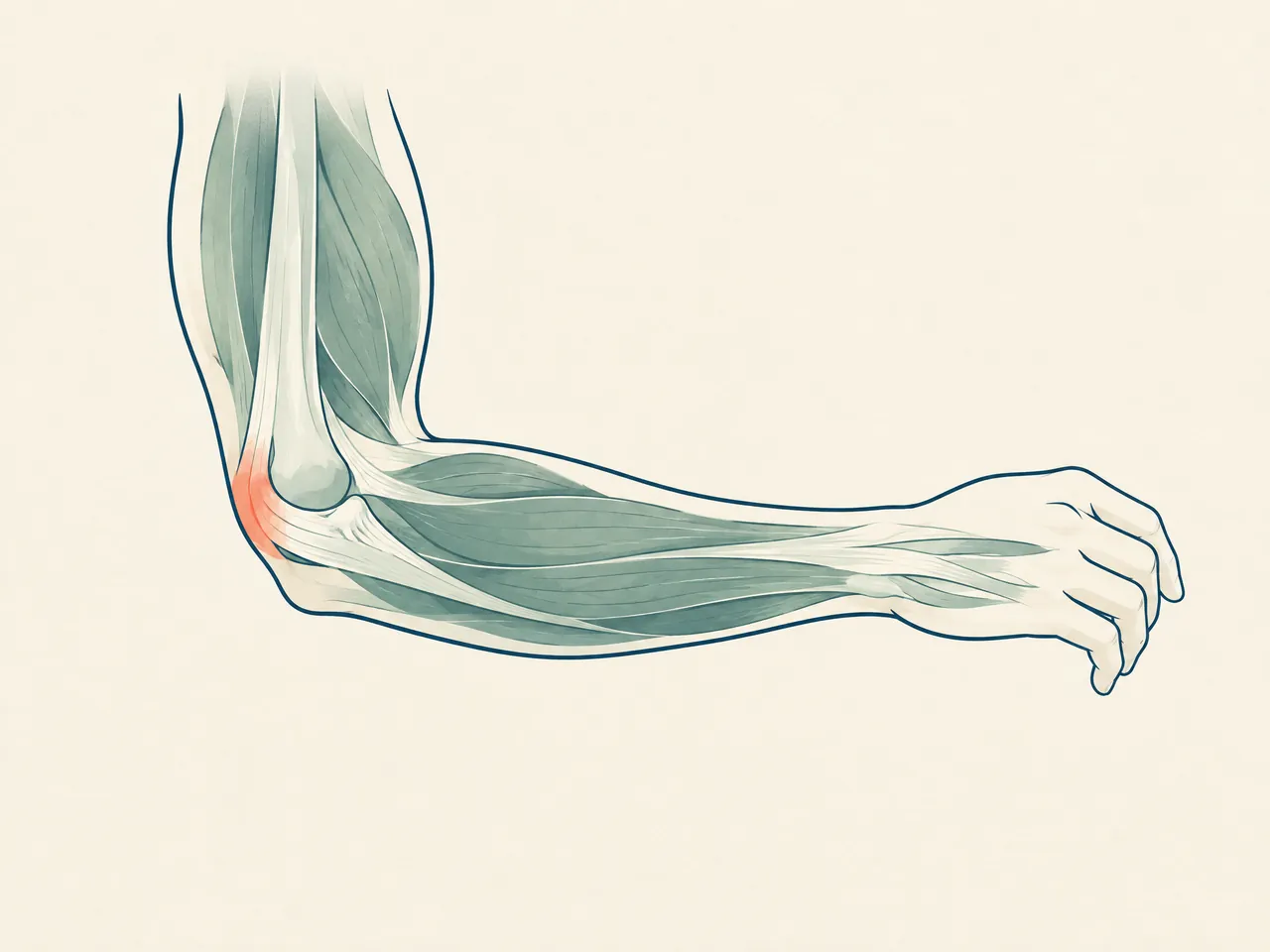
Lateral epicondylitis is a common name for pain around the outer elbow that often changes with gripping, wrist movement or repeated forearm work. For a tennis elbow acupuncture Hong Kong enquiry, start by noting the exact trigger, function and any altered sensation. Acupuncture may be discussed as one adjunct to activity adjustment and progressive rehabilitation; it should not replace medical assessment for injury, feverish red swelling, persistent numbness, major weakness or pain travelling from the neck.
Transparent pricing
See the fees.
Choose your care.
Explore our complete official price list, including first-trial prices, regular prices, packages and branch-specific options.
Opening WhatsApp prepares an enquiry; it does not send a message, take payment or confirm an appointment. Suitability and individual arrangements are confirmed during consultation.
Pain care
All prices in HKDExtracorporeal shockwave treatment
Shockwave treatment for deep-tissue and fascial care. The Kwun Tong clinic offers the multi-area options shown below.
Priced by branch
Branch-specific pricing
Prince Edward: HK$250 per area
Kwun Tong: HK$250 for 1 area / HK$450 for 2 areas / HK$600 for 3 areas
Pain care (manual therapy)
Includes Chinese medicine musculoskeletal assessment, manual joint techniques and tui na.
HK$580 (single session)
Chinese medicine musculoskeletal assessment
Pain care (acupuncture and manual therapy)
Combines acupuncture and manual therapy.
HK$680 (single session)
Combined care
Hair and scalp
All prices in HKDScalp health and hair-loss management
Includes AI scalp analysis, deep scalp and follicle cleansing, and scalp oil-control care.
HK$380 (first trial)
Regular price: HK$680
- 6 sessions: HK$3,480 (HK$580 per session)
- 12 sessions: HK$5,760 (HK$480 per session)
- 20 sessions: HK$8,600 (HK$430 per session)
- 30 sessions: HK$11,400 (HK$380 per session)
Hair acupuncture and Chinese herbal medicine package
Includes scalp acupuncture and 3 days of Chinese herbal medicine that does not require decoction.
HK$580 (single session)
Registered Chinese Medicine Practitioner consultation
- 6 sessions: HK$3,180 (HK$530 per session)
- 12 sessions: HK$5,760 (HK$480 per session)
- 20 sessions: HK$8,600 (HK$430 per session)
- 30 sessions: HK$11,400 (HK$380 per session)
Combined hair and scalp treatment
Combines acupuncture and Chinese herbal medicine with salon-level scalp and follicle care. Packages include complimentary hair-care shampoo and serum.
HK$1,260 (single session)
Combined treatment
- 8 sessions: HK$8,640 (HK$1,080 per session)
- 16 sessions: HK$15,680 (HK$980 per session)
- 20 sessions: HK$18,600 (HK$930 per session)
- 30 sessions: HK$26,400 (HK$880 per session)
Weight management
All prices in HKDFull-body acupoint embedding for weight management
Includes full-body acupoint embedding. Packages include complimentary Chinese herbal medicine for weight management, with the number of included days scaled to the package. Embedding material and the individual treatment arrangement are confirmed during consultation; this is not a cosmetic thread lift.
HK$980 (single session)
No trial session
- 10 sessions: HK$7,800 (HK$780 per session)
- 20 sessions: HK$14,600 (HK$730 per session)
- 30 sessions: HK$20,400 (HK$680 per session)
Facial acupuncture
All prices in HKDFacial acupuncture (basic)
Includes facial acupuncture and meridian-based facial care, including care for facial puffiness.
HK$480 (first trial)
Regular price: HK$680
- 10 sessions: HK$5,200 (HK$520 per session)
- 20 sessions: HK$9,600 (HK$480 per session)
- 30 sessions: HK$13,500 (HK$450 per session)
Facial acupuncture (advanced)
Includes enhanced facial acupuncture with a specially formulated moisturising mask and serum.
HK$780 (first trial)
Regular price: HK$1,180
- 10 sessions: HK$9,000 (HK$900 per session)
- 20 sessions: HK$16,600 (HK$830 per session)
- 30 sessions: HK$23,400 (HK$780 per session)
Chinese medicine
All prices in HKDAcupuncture and Chinese herbal medicine package
Includes a Chinese medicine consultation with pulse assessment, body acupuncture and 3 days of Chinese herbal granules that do not require decoction.
HK$580 (single session)
Chinese medicine consultation with pulse assessment
Lateral Epicondylitis and Tennis Elbow Acupuncture Hong Kong: Recognising Pain Triggers
Outer-elbow pain is often described as a pinpoint ache at or near the bony prominence, sometimes with discomfort running into the upper forearm. It can be mild at rest yet become obvious when a hand has to hold, lift or turn something. Tennis elbow is the familiar name for lateral epicondylitis, which is linked with overuse of the muscles and tendons that help lift the wrist and hand. It is commonly associated with repeated wrist and arm movements, although an individual assessment is needed to decide whether that description actually fits your symptoms. [2]
Instead of testing the elbow repeatedly during the day, make a short, ordinary-activity record for several days. Note the task, the hand position, whether the elbow is straight or bent, the feeling during the task and how long it takes to settle. Include practical effects: can you shake hands, open a jar, lift a pan or type without changing how you move? The NHS lists pain with gripping, wrist movement, lifting or bending as typical aggravators, and also notes tenderness, forearm pain or difficulty fully straightening the arm. [1] This record can give a practitioner or rehabilitation professional a clearer starting point than a label alone.
Lateral Epicondylitis and Tennis Elbow Acupuncture Hong Kong: Which Movements May Aggravate Pain?
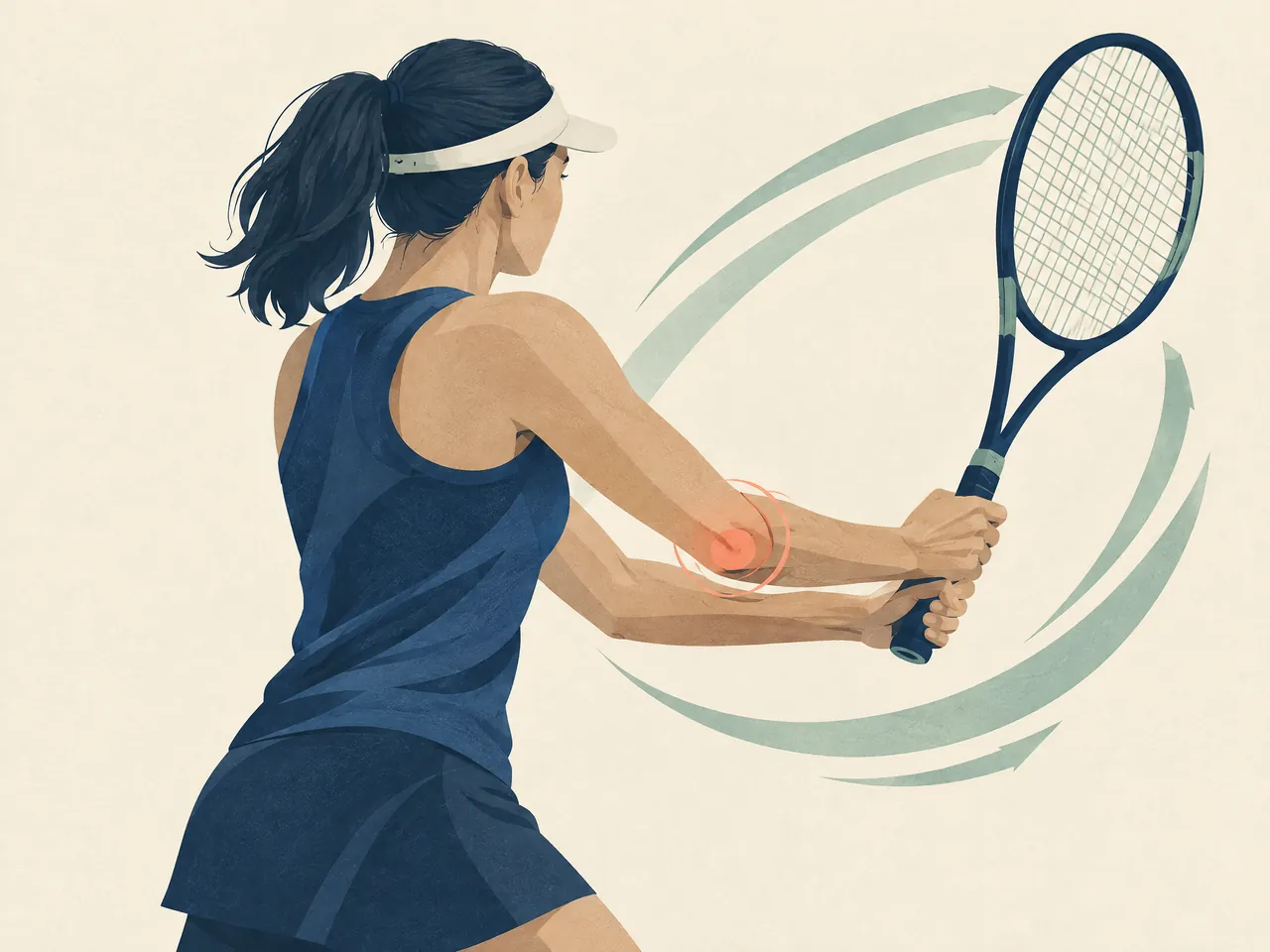
A movement is worth noticing when it combines force with repetition. Examples include gripping a heavy shopping bag, wringing a cloth, turning a screwdriver, using pruning shears, lifting a mug with the elbow straight, or repeatedly scrolling and clicking with a mouse. The same action can be comfortable one day and provocative after a longer session or a sudden increase in workload. That does not prove a tendon problem, but it helps identify a load pattern that can be modified while you seek advice. The Hong Kong College of Orthopaedic Surgeons similarly describes discomfort with gripping, lifting heavy objects and wringing a towel. [2]
Describe the quality rather than only the intensity: a local pulling ache, pain when releasing a grip, a sudden jab, swelling, burning or tingling are not interchangeable. Also notice whether moving the neck, shoulder or fingers changes the symptom. If the question is whether your presentation resembles this condition, our overview of lateral epicondylitis symptoms can help you organise observations, but it cannot confirm a diagnosis. Avoid repeatedly provoking a painful test at home in order to get a definite answer; a pattern over normal activities is more informative and less likely to create an unnecessary flare.
Lateral Epicondylitis and Tennis Elbow Acupuncture Hong Kong: Why Grip, Wrist and Forearm Load Matter
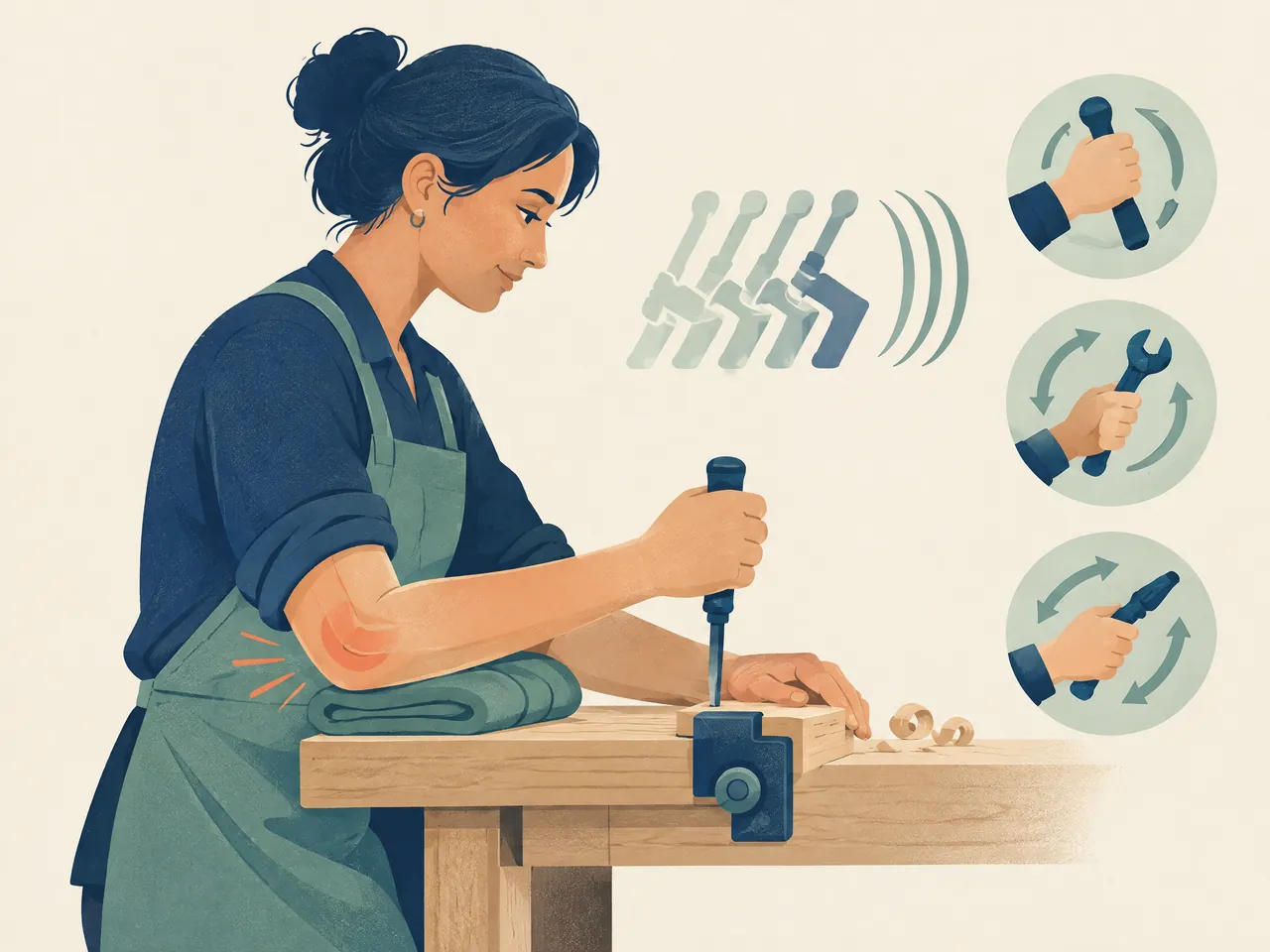
The outer forearm muscles help stabilise the wrist when the hand grips. A firm grasp on a bag, racquet, handle or mouse can therefore load the area even when the wrist looks still. Turning the forearm to use a key, lift a pan or wring laundry adds another demand. Think beyond one dramatic event: a different workstation, overtime, a new exercise class, a DIY project or caring for a child may quietly add up to more gripping and wrist work than usual. The immediate goal is not to avoid using the arm forever, but to identify which part of the task can be changed for now.
Small adjustments can make a task more tolerable without assuming they treat the underlying cause. You might divide a long job into shorter blocks, use two hands for a heavy item, keep a load close to the body, vary the hand that uses a mouse, or choose a tool handle that reduces the need for a very tight grip. Record whether the change affects pain during the task and later that day. For a broader map of condition-specific information, tennis elbow TCM is a useful starting point; the details of your own trigger pattern still deserve attention.
Compare your options
| What to note | Example detail | Why it is useful |
|---|---|---|
| Triggering task | Mouse work, wringing a cloth, lifting a pan or a backhand drill | Shows whether grip, wrist motion, rotation, duration or force changes the symptom |
| Exact location and feeling | Local outer-elbow ache, pain into the forearm, tingling or burning | Helps distinguish an ordinary load pattern from features needing a different assessment |
| Timing and recovery | During the task, later that day, overnight or the next morning | Shows how the current amount of activity is being tolerated |
| Function | Opening a jar, holding a cup, turning a key, typing or carrying groceries | Keeps the discussion focused on real daily limitations rather than pain scores alone |
| Associated signs | Recent fall, fever, red heat, swelling, neck symptoms or reduced grip | Identifies information that may make medical assessment a priority |
On smaller screens, scroll the table sideways to compare all columns.
Lateral Epicondylitis and Tennis Elbow Acupuncture Hong Kong: Understanding Causes Beyond Tennis
The term tennis elbow can be misleading because sport is only one possible context. Mayo Clinic notes that most people who develop it do not play tennis, and describes repeated wrist and arm motions in jobs and daily activities as common associations. [3] In Hong Kong, that may translate into long computer sessions, food preparation, beauty or repair work, packing, carrying goods, housekeeping, instrument practice, gym training or racquet sport. A sensible history asks what changed before the problem started: duration, force, frequency, technique, equipment, recovery time or a separate injury.
This is also why a single treatment label cannot do all the work. When someone searches for tennis elbow acupuncture Hong Kong, they may want relief but also need help deciding what to do with tomorrow's shift, workout or housework. An adjunctive conversation can cover the pain location, what the arm must do each day, previous care and the response to rest or activity changes. Existing research discussed by UCLA suggests acupuncture may have a short-term role for pain in some studies, while sustained benefit is uncertain; it is best viewed alongside, not instead of, physical rehabilitation and load management. [4]
Lateral Epicondylitis and Tennis Elbow Acupuncture Hong Kong: Repetitive Work, Sport and Household Tasks
Repetition is not just the number of times an action happens. A short task can be demanding if the grip is hard, the wrist is held at an awkward angle, the tool vibrates, or the work is done while tired. Conversely, an activity that is normally fine can become sensitive after a sharp jump in duration. Compare a brief email session with several hours of mouse work, one pot of cooking with repeated chopping, or a familiar training drill performed after a break. This comparison can reveal whether the issue is force, volume, recovery or a combination rather than the activity itself.
Sport can add a different layer. Racquet grip size, technique, a sudden return to play and repeated backhand practice may all be worth discussing with a coach or rehabilitation professional. For daily tasks, a temporary change in sequence or equipment can be just as relevant. Do not use pain-free rest as the only measure of progress: being able to return gradually to a necessary activity with a more manageable response is often the more practical aim. If you are considering movement work, read tennis elbow exercises for a focused discussion before copying a demanding routine from social media.
Lateral Epicondylitis and Tennis Elbow Acupuncture Hong Kong: Similar Symptoms With Other Possible Causes
Pain at the outer elbow does not automatically identify the tissue involved. A recent fall, a joint problem, another tendon issue, nerve irritation or symptoms referred from the neck can produce overlapping complaints. Pain that is mainly burning or numb, persistent altered sensation in the hand, symptoms that clearly travel from the neck, or a marked drop in grip ability need a different level of attention from a familiar activity-related ache. The purpose of this distinction is not to self-diagnose. It is to avoid delaying appropriate assessment because a popular name seems to fit.
A clinician may use your history and an examination to decide whether the pain pattern is consistent with lateral elbow tendinopathy or whether another explanation should be explored. Bring details of injuries, neck or shoulder symptoms, swelling, fever, medications and previous treatments. The Hong Kong College of Orthopaedic Surgeons explains that history and physical examination are part of diagnosis and that imaging may be used selectively to exclude other causes, rather than assuming every case needs the same test. [2] Comparing your experience with tennis elbow symptoms is useful preparation, not a substitute for that decision.
Lateral Epicondylitis and Tennis Elbow Acupuncture Hong Kong: Care, Exercise and Safety
A practical care plan usually has more than one part: reduce or adapt the activity that reliably flares pain, maintain comfortable movement, and rebuild capacity in a measured way when appropriate. The NHS advises reducing activities that worsen symptoms and identifies simple movement, stretching and strengthening as options within self-care; it also says to seek medical advice when elbow pain continues after a period of rest and self-care. [1] Your starting point should reflect what you can currently do, not the routine that worked for a teammate or a video creator.

For some readers, an acupuncture consultation is part of the plan they want to explore. It is reasonable to ask how the practitioner will take a symptom history, whether they will account for your work and training demands, and how acupuncture is intended to sit alongside activity modification or rehabilitation. It is not reasonable to expect a single modality to remove every load-related problem or establish a precise diagnosis. Keep the outcome you track functional: holding a cup, using a keyboard, carrying a bag or resuming a chosen exercise with a more manageable response, rather than simply pushing through a painful test.

Lateral Epicondylitis and Tennis Elbow Acupuncture Hong Kong: Gentle Stretching and Gradual Strength Work
Gentle stretching is sometimes included in a rehabilitation plan, but intensity is not a badge of effectiveness. Start only in a range that does not create sharp pain, numbness or a lingering escalation afterwards. A clinician or physiotherapist can help select movements and progress them to match your presentation. If an exercise feels tolerable while performing it but causes a pronounced flare later, document that response rather than adding repetitions automatically. The same principle applies to wrist, forearm, shoulder and gripping work: the aim is a gradual, workable exposure rather than a contest with the symptom.
Strength work is usually more useful when it is specific and paced. Before changing a programme, decide what functional task you are preparing for: a longer mouse session, a kitchen shift, a racquet session or lifting groceries. Then increase one variable at a time, such as resistance, repetitions, frequency or task duration, so the response is interpretable. For a condition-specific guide, tennis elbow exercises provides a useful next read. If you are weighing temperature-based comfort measures, Should I use heat or ice for tennis elbow? explains how that choice can be approached without treating it as a replacement for load management.

Lateral Epicondylitis and Tennis Elbow Acupuncture Hong Kong: When to Seek Prompt Medical Assessment
Seek prompt medical assessment rather than self-treating if an injury leaves the elbow visibly deformed, you cannot move it normally, or swelling becomes rapidly marked. Redness, heat and fever need timely medical attention. So do a new or persistent burning or numb sensation, a clear loss of hand strength, a rapidly enlarging lump, or pain that seems to run from the neck through the arm. In these situations, do not force a stretch, attempt manipulation or rely on an online symptom match. A potentially different problem deserves an assessment before discussing routine care options.
For pain without those warning signs, decide what help is appropriate by looking at function and trend. Book a medical or musculoskeletal assessment if pain persists despite reducing the provoking task and trying sensible self-care, if it is disrupting sleep or essential work, or if you are unsure of the cause. Mayo Clinic likewise advises seeing a health professional when rest, ice and pain relief do not ease elbow pain and tenderness. [3] If you wish to ask TCM Lab about a suitable consultation after considering these points, you can enquire at the Kwun Tong Chinese medicine clinic or Chinese medicine clinic Prince Edward; explain your symptoms and any language needs when you contact the clinic.
Care and health guide
Health service information
This directory brings together services, reading, and visit information related to health services, to help you prepare questions for a consultation.
If you are organising health questions, Chinese medicine clinic Hong Kong is a starting point for learning about related services and preparing for a consultation.
People have different needs; acupuncture Hong Kong provides further reading to help you understand options in your own context.


Your questions, answered
Frequently asked questions
Can I have lateral epicondylitis if I do not play tennis?
Yes. Tennis elbow is a common name, not a requirement that you play sport. Repeated gripping, wrist extension, forearm rotation and sustained hand use may occur in computer work, tools, cooking, cleaning, music or other activities. However, outer-elbow pain has other possible causes, so the activity and examination matter.
Should I stop using my arm completely?
Usually the more useful question is which task, amount or hand position is aggravating the pain and how it can be adjusted. Reducing a provoking activity may be appropriate, but a complete-rest plan or a return-to-exercise plan should be individualised when function is limited, symptoms persist or the cause is unclear.
What can I expect from a tennis elbow acupuncture Hong Kong enquiry?
You can describe the location of pain, trigger movements, work or sport demands, injuries, altered sensation and changes in grip function. Acupuncture may be discussed as an adjunct to load adjustment and rehabilitation. It should not be presented as a confirmed diagnosis or a substitute for prompt medical assessment of warning signs.
When should I avoid stretching or manipulation and seek help first?
Seek prompt medical assessment after an injury with deformity or major loss of movement, with red hot swelling and fever, a rapidly growing lump, persistent numbness or burning, clear hand weakness, or pain travelling from the neck into the arm. Do not force the elbow through sharp pain while waiting for assessment.
Sources and further information
- [1] [1] NHS — Tennis elbow
Referenced for: Symptoms, repetitive-use triggers, self-care options and advice to seek assessment when pain persists.
- [2] [2] Hong Kong College of Orthopaedic Surgeons — Tennis Elbow
Referenced for: Hong Kong professional information on lateral-elbow symptoms, gripping and wringing triggers, diagnosis and non-surgical management.
- [3] [3] Mayo Clinic — Tennis elbow: Symptoms and causes
Referenced for: Condition terminology, symptom patterns, repeated-motion examples and reasons to seek clinical advice.
- [4] [4] UCLA Health — Can acupuncture ease the pain of tennis elbow?
Referenced for: Discussion of limited and uncertain durability of acupuncture evidence and its role alongside physical therapy.