
TCM Lab · Health reading
Wrist Pain Splint at Night, Wrist Pain Acupuncture Treatment and Carpal Tunnel Syndrome Acupuncture
Published Updated
Waking with a numb hand, a sore wrist or tingling fingers can make a wrist pain splint at night seem like an obvious fix. It may help when the pattern fits, because it holds the wrist straighter while you sleep. Yet night symptoms may also follow injury, tendon irritation, arthritis or pressure on a nerve. Wrist pain acupuncture treatment can be discussed as an adjunct after assessment; it is not a substitute for checking a painful, weak or numb hand. For carpal tunnel syndrome acupuncture, current research does not establish reliable benefit over sham or standard options. A clear history, sensible load changes and timely assessment provide a safer basis for deciding what to try.
Appointments are confirmed through WhatsApp. If you have language requirements, please mention them in your enquiry.
The short answer
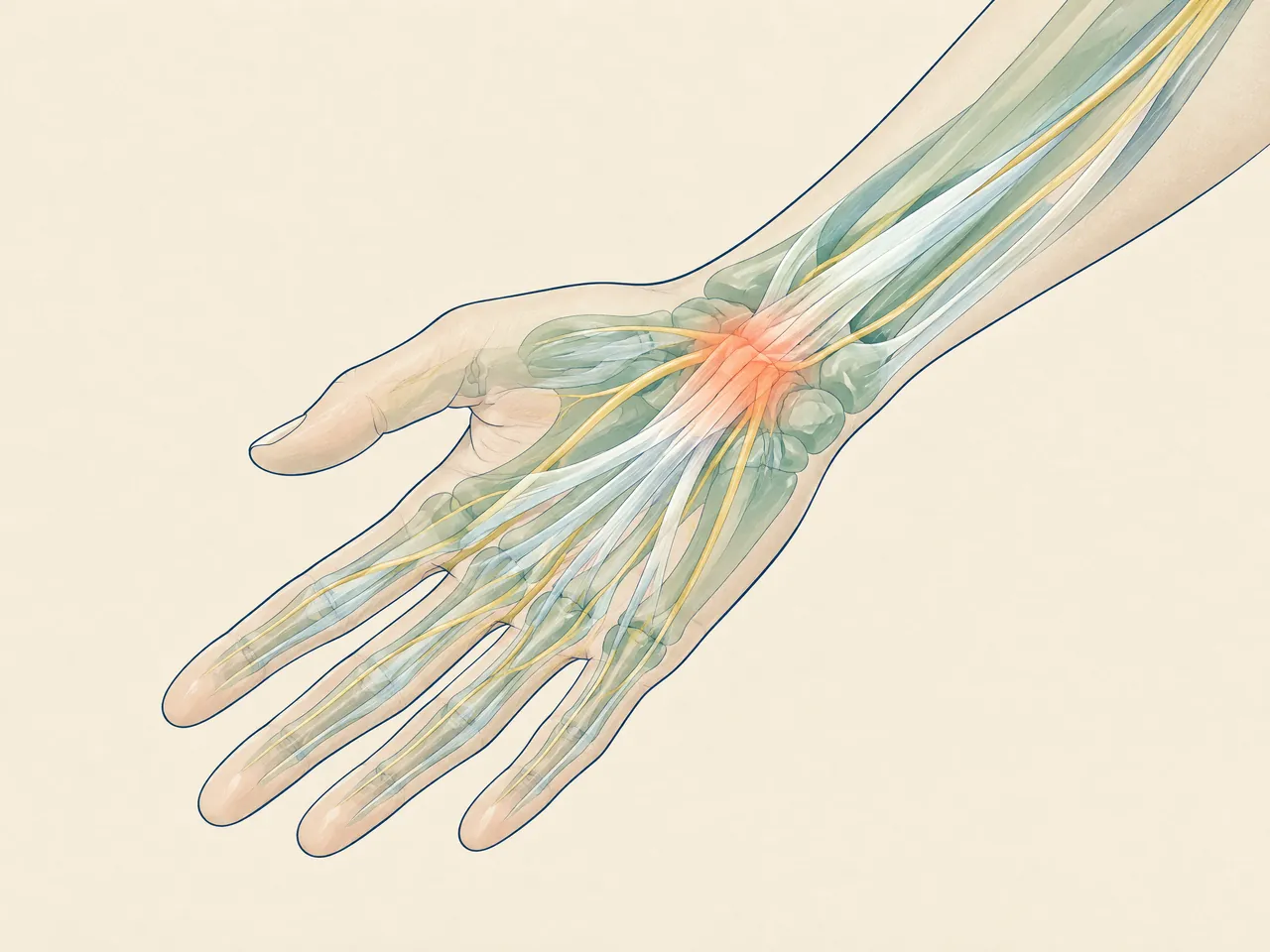
A wrist pain splint at night may help some people by keeping the wrist straight and reducing pressure on the median nerve, particularly when symptoms resemble carpal tunnel syndrome. It is not a universal treatment for wrist pain. Wrist pain acupuncture treatment may be considered as an adjunct after assessment, but carpal tunnel syndrome acupuncture has low- or very-low-certainty evidence and should not delay conventional evaluation, splinting or other care.[3]
Transparent pricing
See the fees.
Choose your care.
Explore our complete official price list, including first-trial prices, regular prices, packages and branch-specific options.
Opening WhatsApp prepares an enquiry; it does not send a message, take payment or confirm an appointment. Suitability and individual arrangements are confirmed during consultation.
Pain care
All prices in HKDExtracorporeal shockwave treatment
Shockwave treatment for deep-tissue and fascial care. The Kwun Tong clinic offers the multi-area options shown below.
Priced by branch
Branch-specific pricing
Prince Edward: HK$250 per area
Kwun Tong: HK$250 for 1 area / HK$450 for 2 areas / HK$600 for 3 areas
Pain care (manual therapy)
Includes Chinese medicine musculoskeletal assessment, manual joint techniques and tui na.
HK$580 (single session)
Chinese medicine musculoskeletal assessment
Pain care (acupuncture and manual therapy)
Combines acupuncture and manual therapy.
HK$680 (single session)
Combined care
Hair and scalp
All prices in HKDScalp health and hair-loss management
Includes AI scalp analysis, deep scalp and follicle cleansing, and scalp oil-control care.
HK$380 (first trial)
Regular price: HK$680
- 6 sessions: HK$3,480 (HK$580 per session)
- 12 sessions: HK$5,760 (HK$480 per session)
- 20 sessions: HK$8,600 (HK$430 per session)
- 30 sessions: HK$11,400 (HK$380 per session)
Hair acupuncture and Chinese herbal medicine package
Includes scalp acupuncture and 3 days of Chinese herbal medicine that does not require decoction.
HK$580 (single session)
Registered Chinese Medicine Practitioner consultation
- 6 sessions: HK$3,180 (HK$530 per session)
- 12 sessions: HK$5,760 (HK$480 per session)
- 20 sessions: HK$8,600 (HK$430 per session)
- 30 sessions: HK$11,400 (HK$380 per session)
Combined hair and scalp treatment
Combines acupuncture and Chinese herbal medicine with salon-level scalp and follicle care. Packages include complimentary hair-care shampoo and serum.
HK$1,260 (single session)
Combined treatment
- 8 sessions: HK$8,640 (HK$1,080 per session)
- 16 sessions: HK$15,680 (HK$980 per session)
- 20 sessions: HK$18,600 (HK$930 per session)
- 30 sessions: HK$26,400 (HK$880 per session)
Weight management
All prices in HKDFull-body acupoint embedding for weight management
Includes full-body acupoint embedding. Packages include complimentary Chinese herbal medicine for weight management, with the number of included days scaled to the package. Embedding material and the individual treatment arrangement are confirmed during consultation; this is not a cosmetic thread lift.
HK$980 (single session)
No trial session
- 10 sessions: HK$7,800 (HK$780 per session)
- 20 sessions: HK$14,600 (HK$730 per session)
- 30 sessions: HK$20,400 (HK$680 per session)
Facial acupuncture
All prices in HKDFacial acupuncture (basic)
Includes facial acupuncture and meridian-based facial care, including care for facial puffiness.
HK$480 (first trial)
Regular price: HK$680
- 10 sessions: HK$5,200 (HK$520 per session)
- 20 sessions: HK$9,600 (HK$480 per session)
- 30 sessions: HK$13,500 (HK$450 per session)
Facial acupuncture (advanced)
Includes enhanced facial acupuncture with a specially formulated moisturising mask and serum.
HK$780 (first trial)
Regular price: HK$1,180
- 10 sessions: HK$9,000 (HK$900 per session)
- 20 sessions: HK$16,600 (HK$830 per session)
- 30 sessions: HK$23,400 (HK$780 per session)
Chinese medicine
All prices in HKDAcupuncture and Chinese herbal medicine package
Includes a Chinese medicine consultation with pulse assessment, body acupuncture and 3 days of Chinese herbal granules that do not require decoction.
HK$580 (single session)
Chinese medicine consultation with pulse assessment
Wrist Pain Splint at Night, Wrist Pain Acupuncture Treatment and Carpal Tunnel Syndrome Acupuncture: First Identify the Pattern
The phrase “wrist pain” describes a location, not a diagnosis. The next step changes if pain began with a fall, built up after gripping or keyboard work, sits near the thumb with movement, or arrives as pins and needles at night. The NHS lists sudden pain with swelling after injury, pain and stiffness near the thumb, and night aching with tingling or weak grip among patterns with different possible causes.[1] Before buying a splint or booking acupuncture, note which hand is affected, when it began, what happened around the onset, and whether pain, sensation or strength is the main problem.
A wrist pain splint at night is most relevant when bending the wrist during sleep seems to aggravate symptoms. Waking to shake out the hand, tingling in the thumb, index or middle fingers, or a weak thumb affecting grip can occur with carpal tunnel syndrome, where pressure affects the median nerve at the wrist.[2] These are clues, not a home diagnosis. See wrist pain causes and treatment for a structured look at common symptom patterns.

A splint is a physical support; it cannot establish whether there is a fracture, ligament injury, tendon condition or nerve compression. Acupuncture is a treatment discussion that should follow clinical consideration, not bypass it. Mild, stable symptoms may suit practical, monitored steps. Progressive symptoms, marked weakness or trauma need timely medical assessment. That distinction protects comfort and hand function.
Wrist Pain Splint at Night, Wrist Pain Acupuncture Treatment and Carpal Tunnel Syndrome Acupuncture for Injury Clues
A fall onto an outstretched hand, a direct blow, a twist, or a sudden snap or pop needs a different response from gradual night tingling. Swelling, bruising, severe pain, difficulty moving the wrist or trouble holding objects can accompany a sprain or fracture pattern.[1] Do not use a splint to test whether an injury is serious. If the wrist has changed shape or colour, pain is severe, you cannot move it or hold things, or you have lost feeling, seek urgent medical help rather than adjunctive treatment.[1]
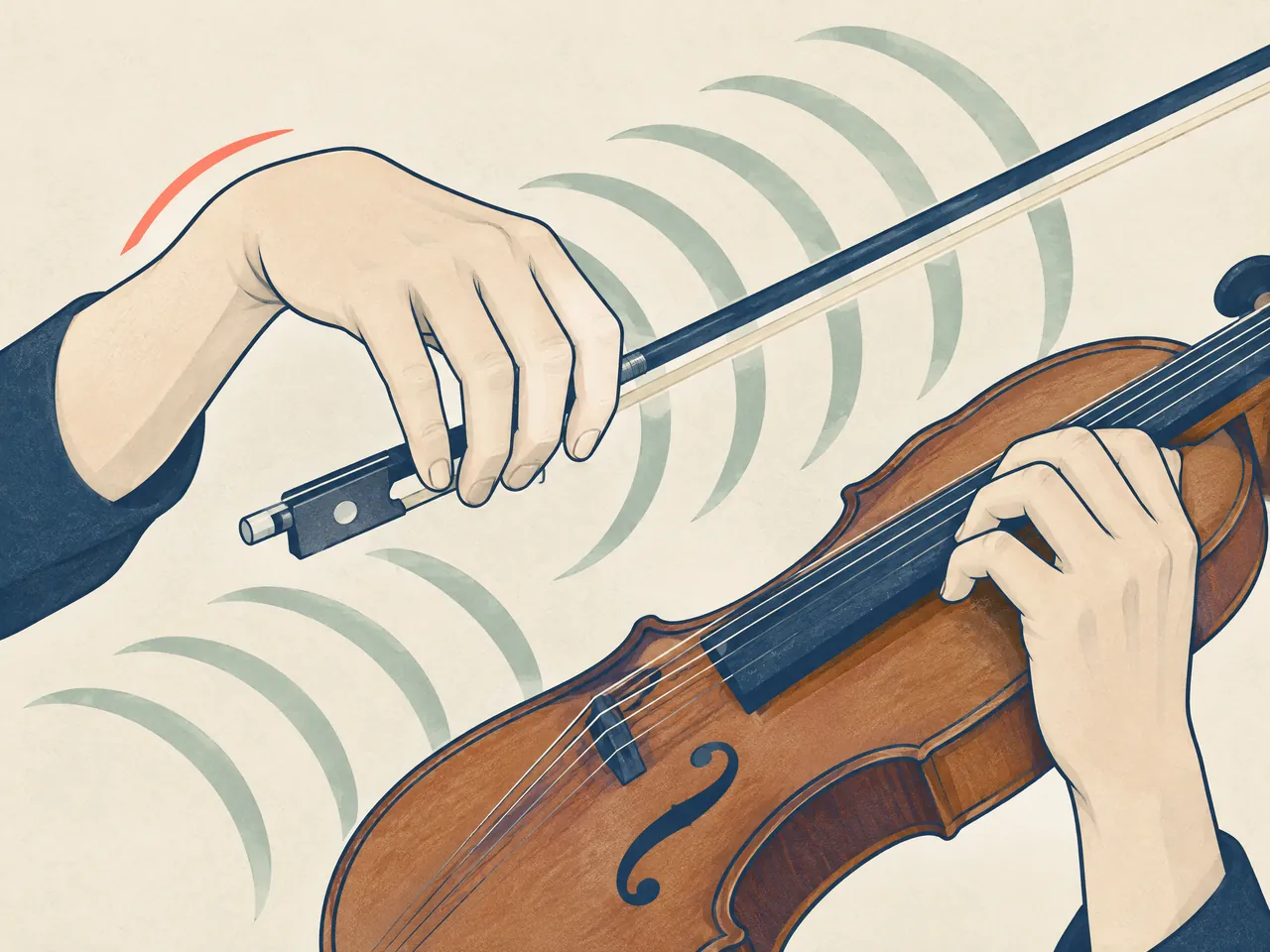
For a minor, non-urgent flare without serious injury, reduce the activity that clearly provokes it rather than forcing through pain. Repeated hard gripping, vibrating tools, instruments, awkward lifting or workstation habits may be relevant. The NHS advises rest when possible, less aggravating activity and gentle movement for mild pain or stiffness.[1] After a fresh injury, avoid heat packs or hot baths for the first two to three days. The guide to wrist pain: ice or heat explains why timing and response matter.
Wrist Pain Splint at Night, Wrist Pain Acupuncture Treatment and Carpal Tunnel Syndrome Acupuncture for Nerve Symptoms
Carpal tunnel syndrome is pressure on the median nerve in the wrist. Symptoms can include pain in the fingers, hand or arm, numbness, tingling, a weak thumb or difficulty gripping; they often start gradually and are worse at night.[2] That combination supports discussing a night splint, but needs context. Tingling in a different distribution, neck symptoms, constant numbness, sudden loss of function or symptoms after injury can point to other concerns. Describe what you feel rather than relying on a label.
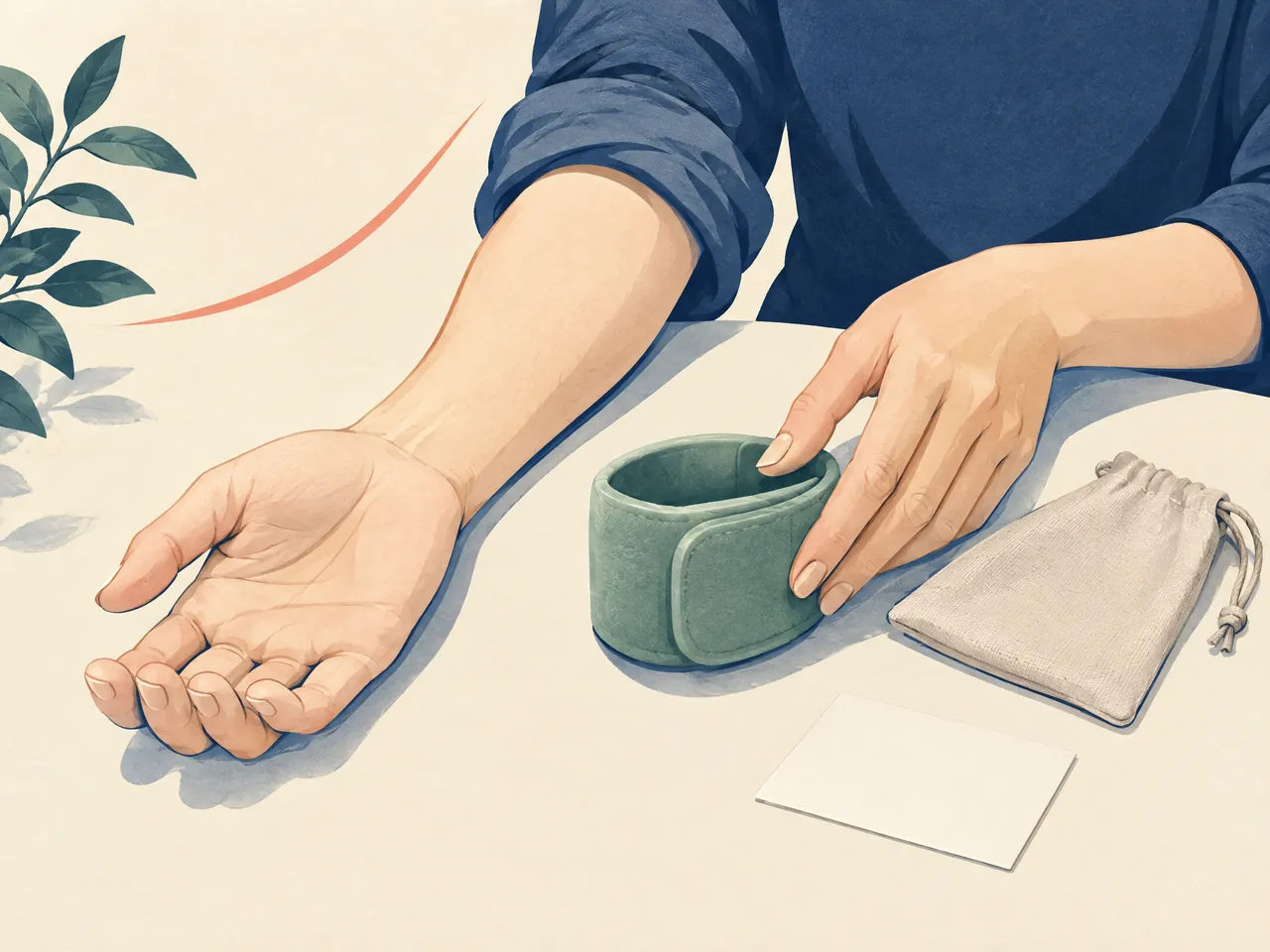
A night splint keeps the wrist straight during sleep and may relieve nerve pressure in carpal tunnel syndrome.[2] It should support a neutral wrist without squeezing, creating new numbness or irritating the skin. Stop and seek advice if it is painful, poorly fitting or clearly worsens symptoms. The NHS advises review if symptoms worsen, do not go away or do not respond to home treatment.[2] A diary of night waking, numbness, grip tasks and triggers can make that review more useful.
Compare your options
| Situation or question | Reasonable next step | Why the distinction matters |
|---|---|---|
| Gradual night tingling, numbness or weak thumb without injury | Arrange clinical assessment and consider a properly fitting wrist pain splint at night if appropriate. | This pattern can fit carpal tunnel syndrome, but symptoms and examination still guide the decision.[2] |
| Sudden pain after a fall, twist, snap or visible swelling | Seek prompt medical advice; use protection only as advised. | Fracture, sprain or ligament injury needs consideration before self-treatment or acupuncture.[1] |
| Pain linked to repeated gripping, thumb movement or a task | Reduce the aggravating load and seek assessment if it persists or limits activity. | Tendon and overuse patterns need different management from nerve compression.[1] |
| Considering wrist pain acupuncture treatment | Discuss it as an adjunct after sharing your full history and current care. | For carpal tunnel syndrome acupuncture, evidence is low or very low certainty and does not establish a dependable benefit.[3] |
| Symptoms worsening, recurring or not improving with home care | Book professional assessment and ask whether further testing is needed. | Persistent sensory or functional changes should not be managed by trial-and-error alone.[1] [2] |
On smaller screens, scroll the table sideways to compare all columns.
Wrist Pain Splint at Night, Wrist Pain Acupuncture Treatment and Carpal Tunnel Syndrome Acupuncture: What Evidence Shows
The key question is what each option can reasonably contribute. For a suspected carpal tunnel pattern, a splint supports a straight wrist during sleep. Cutting down repeated bending or hard gripping may also help, depending on the task.[2] If a clinician recommends physiotherapy, medicines, injection or specialist review, that advice reflects the individual assessment. No article can choose the right combination for a particular hand, job, pregnancy, diabetes history, inflammatory condition or injury.
Wrist pain acupuncture treatment is often sought as a non-drug option while staying active. Acupuncture involves needle insertion; it is not a diagnosis of nerve compression, a splint or a rehabilitation programme. A Registered Chinese Medicine Practitioner may ask about pain timing, activity demands, sleep and general health within a traditional approach. Those terms are not interchangeable with an anatomical diagnosis. Mention medicines, bleeding or bruising concerns, pregnancy, implanted devices if relevant, and current treatment so care can be coordinated sensibly.

For a focused discussion, read acupuncture for carpal tunnel syndrome. If function is declining, sensory changes persist or the pattern is changing, reassessment is more valuable than extending self-care indefinitely.
Wrist Pain Splint at Night, Wrist Pain Acupuncture Treatment and Carpal Tunnel Syndrome Acupuncture Evidence Limits
The 2018 Cochrane review examined 12 studies involving 869 people with carpal tunnel syndrome and compared acupuncture-related interventions with sham or active options.[3] It concluded that acupuncture or laser acupuncture may have little or no short-term effect compared with placebo or sham. It remained uncertain whether these interventions were more or less effective than splints, medicines or injections. Most evidence was low or very low certainty, with small studies and important differences in methods.[3] Carpal tunnel syndrome acupuncture should therefore not be described as proven, superior or reliably curative.
Evidence limits do not make symptoms unreal or rule out an adjunctive discussion. They mean the decision should be honest about uncertainty and safety. In studies that reported adverse events, the review noted temporary pain, bruising or local altered sensation; reporting was incomplete, so this is not a guarantee of risk-free treatment.[3] A qualified practitioner should assess suitability and explain the procedure. Do not stop prescribed treatment, postpone testing or cancel specialist review solely because acupuncture is being considered.
Wrist Pain Splint at Night, Wrist Pain Acupuncture Treatment and Carpal Tunnel Syndrome Acupuncture in Combined Care
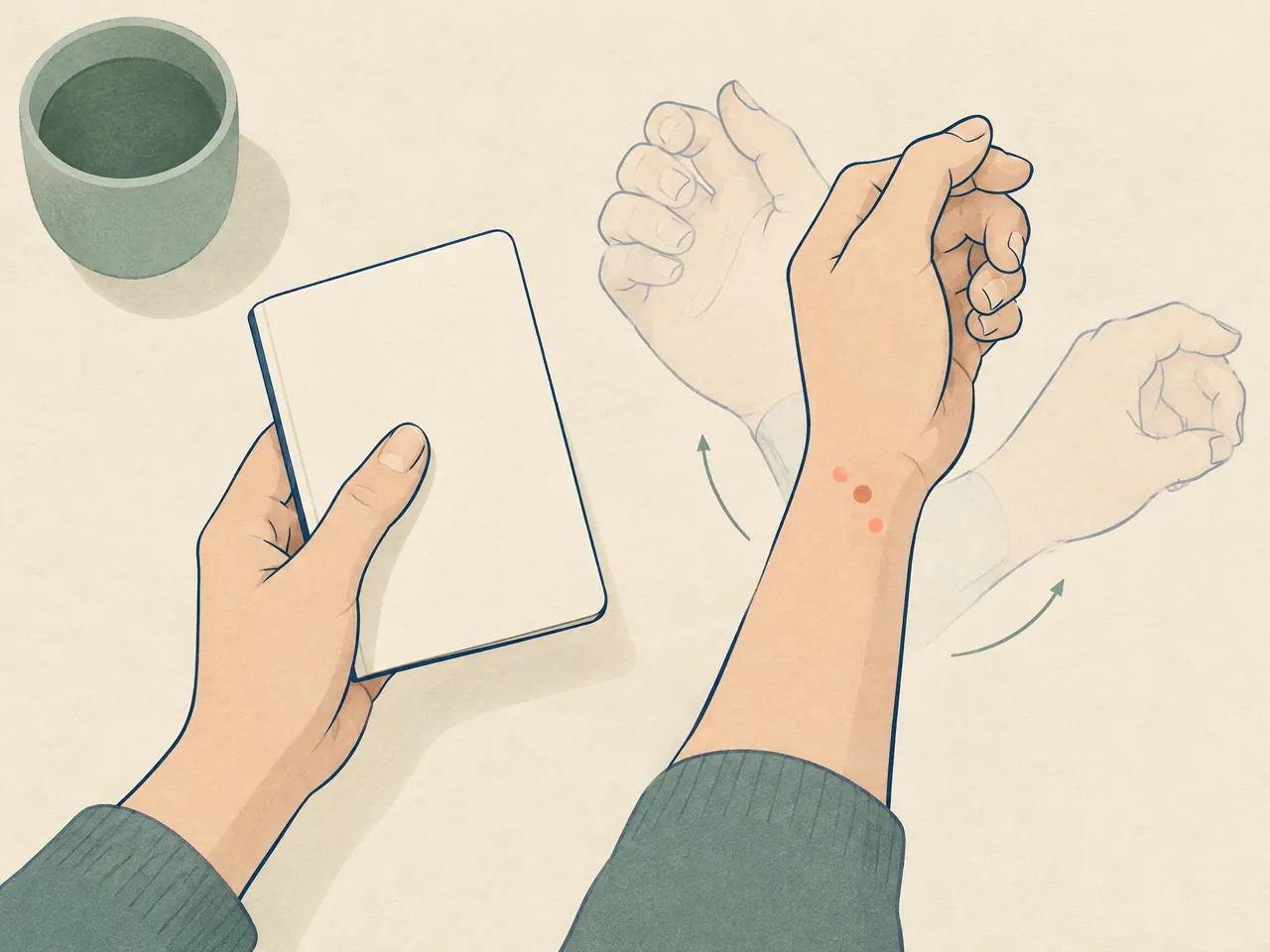
Combined care means each element has a clear role. A night splint can support wrist position during sleep. Activity changes can reduce a repeat trigger during the day. Gentle movement may suit mild stiffness if it does not worsen pain. Medical assessment can clarify whether the pattern is carpal tunnel syndrome or another cause. Acupuncture, if chosen after in-person assessment, can sit alongside these measures. This differs from changing everything at once, when it becomes hard to identify benefit, irritation or the need to escalate.
Choose observable goals: fewer night wakings, less tingling on waking, improved ability to hold a cup, or fewer flares after a known task. These observations do not prove that a treatment fixed the cause. Review the plan if symptoms persist or worsen. If carpal tunnel syndrome is uncertain, assessment may include hand examination and, in some cases, nerve-conduction testing or imaging.[2] The article does acupuncture help wrist pain offers more context for this measured approach.
Wrist Pain Splint at Night, Wrist Pain Acupuncture Treatment and Carpal Tunnel Syndrome Acupuncture: Safe Next Steps
Start with a factual account. When did symptoms begin? Was there a fall, twist or other injury? Which fingers tingle or feel numb? Is it worse at night, after typing, while gripping, or with thumb movement? Can you hold objects and use the hand normally? Note what you have tried, including a splint, cold or heat, medicine, therapy or acupuncture. This helps distinguish an overuse pattern from a nerve pattern and recognise red flags.
Use self-care as a monitored trial, not an open-ended delay. For a mild non-injury pattern, reduce the task that aggravates symptoms, consider a properly fitting night support if appropriate, and keep activity tolerable. Notice whether sleep, sensation, strength and ordinary tasks improve, stay unchanged or worsen. Pain that stops normal activity, recurs, remains unimproved after home care, or comes with tingling or loss of sensation deserves professional advice.[1] Mention diabetes, inflammatory conditions, pregnancy and prior wrist injury when relevant.[2]
To discuss a traditional Chinese medicine assessment, contact TCM Lab by WhatsApp at +852 6940 5663 and explain your symptoms, injury history and language needs. The discussion can cover whether acupuncture is a reasonable adjunct and whether medical evaluation should come first. See the Kwun Tong Chinese medicine clinic or Chinese medicine clinic Prince Edward page for location details. Appointment availability is confirmed separately; contacting the clinic does not replace urgent care.
Wrist Pain Splint at Night, Wrist Pain Acupuncture Treatment and Carpal Tunnel Syndrome Acupuncture Assessment
Assessment identifies a likely cause and decides how quickly it needs attention. For carpal tunnel syndrome, health professionals commonly ask about symptoms and check the hand; if uncertain, NHS guidance notes that nerve-conduction testing, ultrasound or MRI may be considered.[2] Not everyone needs every test, but persistent or unclear symptoms have routes for further evaluation. A concise symptom record, list of regular medicines and the splint you have used can make the discussion more concrete.
A traditional Chinese medicine consultation uses its own approach and may ask about pain quality, sleep, general health and triggers. It should complement, not overwrite, a medical diagnosis or investigation. Be open about numbness, weakness, prior surgery, injections, scans and other treatment. A responsible consultation may conclude that acupuncture is not the first step, especially after trauma or with escalating neurological symptoms. For thumb-side pain linked to movement or repetitive use, wrist tendonitis pain may help you prepare more precise questions.

Wrist Pain Splint at Night, Wrist Pain Acupuncture Treatment and Carpal Tunnel Syndrome Acupuncture Expectations
Expectations should match the problem. A splint may be uncomfortable initially and does not suit every cause of wrist pain. If it produces new symptoms or the hand is becoming weaker or less sensitive, do not simply tighten it or persist without advice. Acupuncture cannot be promised to cure carpal tunnel syndrome, restore nerve function or avoid procedures another clinician considers necessary. The evidence supports a measured discussion, not a fixed session count or prediction of when you will improve.[3]
The most constructive next step is specific: protect a painful wrist from the task that flares it, use a night splint only when it fits the symptom pattern and is comfortable, and book assessment if the picture is not improving. Escalate promptly for severe pain, deformity, inability to grip or move the wrist, marked heat and redness, or complete loss of sensation.[1] With that foundation, wrist pain acupuncture treatment can be explored as an informed adjunct rather than a substitute for diagnosis.
Care and health guide
Pain-care information
This directory brings together services, reading, and visit information related to pain care, to help you prepare questions for a consultation.
When pain care affects your day, noting when it occurs, its relation to activity, and what you have already tried can help prepare a consultation; Chinese medicine pain management Hong Kong is a relevant service or reading entry point.
Individual circumstances differ, and acupuncture Hong Kong offers related information to help you understand options and prepare questions.


Your questions, answered
Frequently asked questions
Should I wear a wrist pain splint at night all day as well?
A night splint is commonly used during sleep to keep the wrist straight when a carpal tunnel pattern is suspected.[2] Whether you should also use support during the day depends on the cause, work demands and fit. A splint that causes pain, pressure marks or new tingling needs review rather than more wear.
Can I diagnose carpal tunnel syndrome from which fingers tingle?
Finger symptoms can be a useful clue, but they are not enough for a diagnosis. Carpal tunnel syndrome can involve numbness, tingling, pain, weak thumb or trouble gripping, often worse at night.[2] Injury history, examination and sometimes testing help rule out other causes.
Is wrist pain acupuncture treatment a replacement for a splint or medical care?
No. Acupuncture may be an adjunctive option after assessment, not a replacement for a splint, medical evaluation or recommended treatment. Cochrane found low- or very-low-certainty evidence for acupuncture-related treatments in carpal tunnel syndrome, so it should not be presented as a proven cure.[3]
What wrist symptoms should not wait for an acupuncture appointment?
Seek prompt medical help for severe pain, a wrist that has changed shape or colour, inability to move the wrist or hold things, or loss of feeling in part or all of the hand. A very painful hot or red lump, or feeling unwell with wrist symptoms, also needs urgent attention.[1]
Sources and further information
- [1] NHS: Wrist pain
Referenced for: Possible wrist-pain patterns, self-care measures, splint use and features needing medical or urgent assessment.
- [2] NHS: Carpal tunnel syndrome
Referenced for: Carpal tunnel symptoms, night splints, activity modification, assessment and possible further tests.
- [3] Cochrane: Acupuncture and related treatments for symptoms of carpal tunnel syndrome
Referenced for: Systematic-review findings and certainty limits for acupuncture and related interventions for carpal tunnel syndrome.