Prince Edward & Kwun Tong clinics · Home-visit enquiries elsewhere

TCM Lab

TCM Lab · Beauty & lifestyle / Straightening choices

Straightening curly hair: plan for the new-growth boundary

Content updated

The decision is not only how straight you want your hair today. It is whether you want to maintain, blend or eventually grow out the contrast between natural roots and altered lengths. Vit So is an external hair-styling website under the same ownership as TCM Lab; its services are not Chinese medicine or medical care.

Illustrative waves and curly-hair silhouette
Illustrative hair-lifestyle concept; not a client record or a Vit So portfolio photograph.

The short answer

Plan the straightening regrowth transition before changing your curls: distinguish temporary styling from a lasting chemical change, record which lengths have already been processed, and decide how you will wear mixed textures. Future maintenance should have an assessed treatment area and a fresh quote, not an assumed full-length repeat or automatic return date.

Vit So is an external hair and beauty website under the same ownership as TCM Lab. Its beauty services are separate from Chinese medicine care. This section is for beauty and lifestyle education, not diagnosis or treatment.

Choose the everyday outline, not a verdict on curls

Natural curls are not a defect that needs correcting. You might prefer a straighter fringe while liking fullness at the crown, or enjoy curls on weekends but want a different workday silhouette. Describe that preference in terms of how you wear your hair. A straight finish is one aesthetic choice, not a measure of healthy or well-kept hair.

Try a temporary straight style before deciding on a lasting change, if your hair can tolerate the styling. Notice practical differences: whether the ends now touch your collar, whether your ponytail feels flatter, and whether you miss movement around your face. This previews a silhouette, not the safety or washed result of a chemical procedure. Temporary heat styling is itself capable of damage when overused. [1]

When considering hair straightening for naturally curly hair, include a second preferred look: one you could comfortably wear with natural root movement above straighter ends. If only a completely uniform texture feels acceptable, the future upkeep deserves as much attention as the first appointment. A reference image rarely shows that later stage.

Map the lengths that will still be there next time

Make a simple history sketch with three areas: hair near the scalp, middle lengths and ends. Add where highlights, bleach, permanent colour or earlier shape-changing work were applied. A dark current shade does not tell the whole story if lighter processing remains underneath it. Include home products, even when you cannot identify their ingredients; mark unknown details rather than guessing.

History matters beyond the next visit. The ends you keep now may still be present when a future root treatment is discussed. Save the product name and application area after any service so the next person assessing your hair can distinguish untreated growth from previously altered sections. DermNet notes increased damage when chemical relaxers are combined with hair colour; this supports careful history-taking, not a blanket rule approving or rejecting every colour-and-straightening combination. [1]

For a hair straightening enquiry, an area-by-area record is more useful than simply saying the hair is naturally curly. Note knots that recur in one patch, ends that break during ordinary handling, and any section already treated twice. These observations are information to share, not home tests of chemical compatibility. Do not stretch strands or apply a sample straightener to investigate.

Find out whether the change fades or stays in the length

The important distinction is what happens after washing and as hair grows. DermNet explains that heat-straightened natural hair returns to its curl pattern when wet, while chemical relaxers permanently alter the treated hair and leave new growth requiring separate consideration. That explanation concerns those methods; it does not establish the behaviour of every salon product described as smoothing. [1]

Vit So lists ionic straightening, but a menu name alone is not a chemical specification. Ask for the actual product and whether the intended change is lasting in treated lengths or expected to diminish with washing. Also establish whether heat is part of the procedure or merely the final styling. Do not infer a formula, ingredient list or regrowth schedule from the word ionic. [4]

Keep two sets of instructions separate: restrictions immediately after the procedure, and the ordinary routine afterwards. Washing, tying and colouring instructions should come from the actual product and application plan. A waiting period copied from a friend's different treatment is not a reliable substitute. Clarify both before choosing a date, particularly if you swim, exercise frequently or have travel arranged.

Recognise the boundary without treating it as an expiry date

Straightening the existing length does not make future growth straight. With a lasting chemical change, your natural pattern can therefore appear above altered hair. [1] That contrast may matter first at the parting, beneath the hairline or around a fringe. More root movement does not by itself show that the entire procedure has worn off or that the ends need another application.

Take occasional photographs after the same ordinary washing and drying routine. Compare where the bend begins rather than only judging the overall width. Do not flatten the roots for one photograph and air-dry them for the next. These pictures cannot measure suitability for reprocessing, but they help separate a growing texture boundary from differences caused by that day's styling.

Decide what contrast you can live with, without turning that preference into a fixed chemical-treatment timetable. You might accept root lift while wearing the lengths loose, change your parting, or prefer a loosely secured style during the transition. Assess comfort as well as appearance. Pulling the roots taut to imitate a uniform straight finish is not a good everyday workaround. [3]

Budget styling effort for two textures

Measure effort by an ordinary wash day, not the salon finish. Record the time spent detangling, drying near the roots and arranging the ends. If a straight look still needs frequent brushing and heat finishing once growth appears, the maintenance benefit may be smaller than you expected. An acceptable mixed-texture style can be more useful than repeatedly chasing perfectly flat roots.

Avoid pulling a comb through a resistant junction between textures. Work gently in manageable sections and stop when a knot catches rather than dragging it through the length. The American Academy of Dermatology recommends conditioner after shampooing, wide-tooth combing without tugging, absorbing water instead of towel rubbing, and lower, less frequent heat use. These are handling precautions, not ways to reverse a chemical shape change. [3]

Keep an exit option alongside a maintenance option. If you later want untreated curls throughout, gradual trimming can remove permanently altered lengths while preserving some tying-back length. Stopping appointments alone will not undo permanent relaxation. [1] A shorter cut can reduce the mixed-texture period, but it also changes styling possibilities; there is no need to choose that trade-off immediately.

Make the next quote describe the boundary work

For relaxers, the American Academy of Dermatology specifically advises applying touch-ups only to newly grown hair and never to hair already relaxed. [2] Do not convert its relaxer guidance into instructions for an unidentified ionic or smoothing product. Instead, ask how the proposed system addresses previously processed lengths, where application will stop, and what its instructions require to avoid inappropriate overlap.

Use the published hair straightening price as a starting point for a scope discussion, not a forecast of every future bill. Ask whether assessed regrowth work is available, which charge applies, and whether washing, cutting, finishing or preparatory products are included. Confirm any applicable length surcharge. A smaller treated area does not automatically mean a proportionally smaller charge, and a colour root-touch-up entry is not a straightening quote. [6]

Request a written description of the agreed work and retain it with your history. If further processing is unsuitable, compare the cost and effort of styling or cutting instead of assuming a stronger procedure is the next step. Include future appointment time and home styling in your budget. Persistent scalp discomfort or unexplained thinning belongs with a healthcare professional, not a cosmetic maintenance upgrade. [3]

Take it into everyday life

A practical checklist

  • Photograph your usual dried texture and name one acceptable style for the mixed-texture stage.
  • Sketch the colour and shape-changing history of the roots, middle lengths and ends; mark unknown products.
  • Ask whether the proposed product makes a lasting change in treated lengths or a finish that diminishes.
  • Keep the product name, treated area and specific aftercare instructions after the appointment.
  • Track ordinary wash-day effort before deciding whether further root work is worth maintaining.
  • Get any future treatment area, overlap precautions, inclusions and total charge confirmed separately.

Questions & answers

Do curly roots mean my straightening has failed?

Not necessarily. Natural growth can differ from permanently altered lengths. Compare where the curl begins and how the older length behaves after your usual drying routine; a root change alone is not evidence that all the hair needs reprocessing. [1]

Can I flatten new growth with an iron every morning?

Do not treat daily heat as a consequence-free bridge between appointments. AAD guidance favours lower heat and less frequent heat-tool use. Consider a style that accommodates root movement rather than repeatedly ironing close to the scalp or pulling the boundary taut. [3]

Will conditioner bring back permanently relaxed curls?

No. Conditioning is part of gentle handling, not a reversal of permanent relaxation. Growing and gradually cutting away the altered length is different from washing out a temporary straight style. First establish which kind of procedure you actually received. [1] [3]

Can I book new-root straightening and colour together?

Do not assume the combination is suitable because both concerns involve roots. Share the history of the lengths as well, and have the actual products and proposed application areas assessed. A combined quote or package name does not establish compatibility. [1]

Should a maintenance quote include straightening the ends again?

Not automatically. Ask why each area is included and how previous processing affects the plan. AAD's warning against repeat application on already relaxed hair is specific to relaxers; the named product's instructions and assessment must govern any other proposed system. [2]

Sources & further context

Numbered references follow the order in which the sources are listed below. Service websites provide beauty-service context, not medical evidence.

  1. [1] DermNet — Hair care practices in women of African descent
  2. [2] American Academy of Dermatology — Black hair: Tips for everyday care
  3. [3] American Academy of Dermatology — 10 hair care habits that can damage your hair
  4. [4] Vit So — Straightening service resource
  5. [5] Vit So — Straightening curly and wavy hair resource
  6. [6] Vit So — Published price resource

Prepare a boundary brief another stylist can understand

Put your history sketch and ordinary wash-day photographs together rather than sending a styled reference alone. Label the front, crown and nape so that a concern such as 'the roots are curling' has a location. Separate what you can observe from what you know was applied: a visible bend is an appearance note, while a product name and recorded application area are treatment-history information. Leave an uncertain boundary marked as uncertain; its position should not be guessed from a photograph.

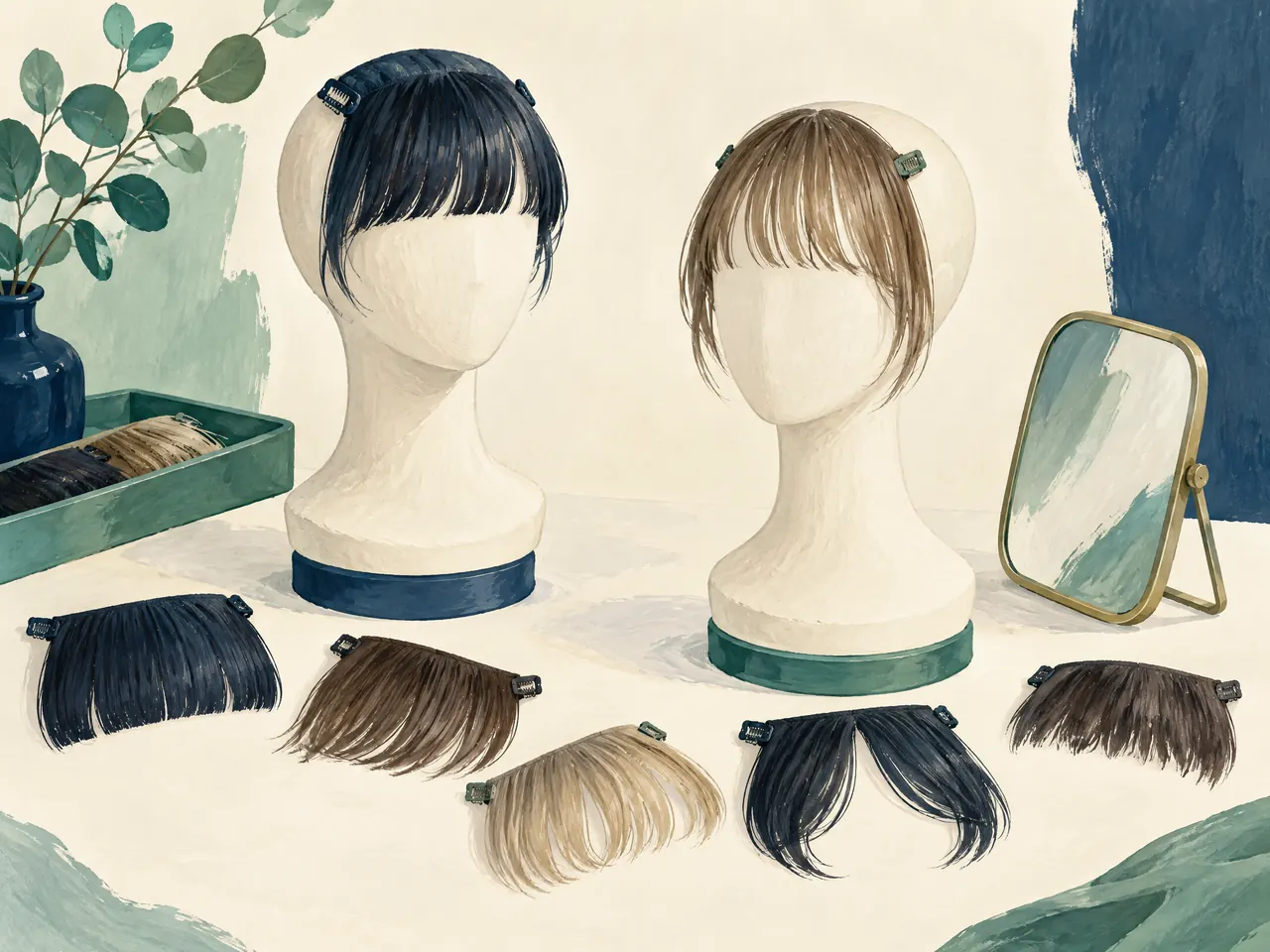
Include a front view with your usual parting and explain whether the fringe must clear your glasses or stay off your face. Ask which part of that goal can be addressed by arranging or cutting the hair, and which would involve further processing. This gives the consultation a specific everyday problem to solve without treating every area with new movement as a request for straightening.
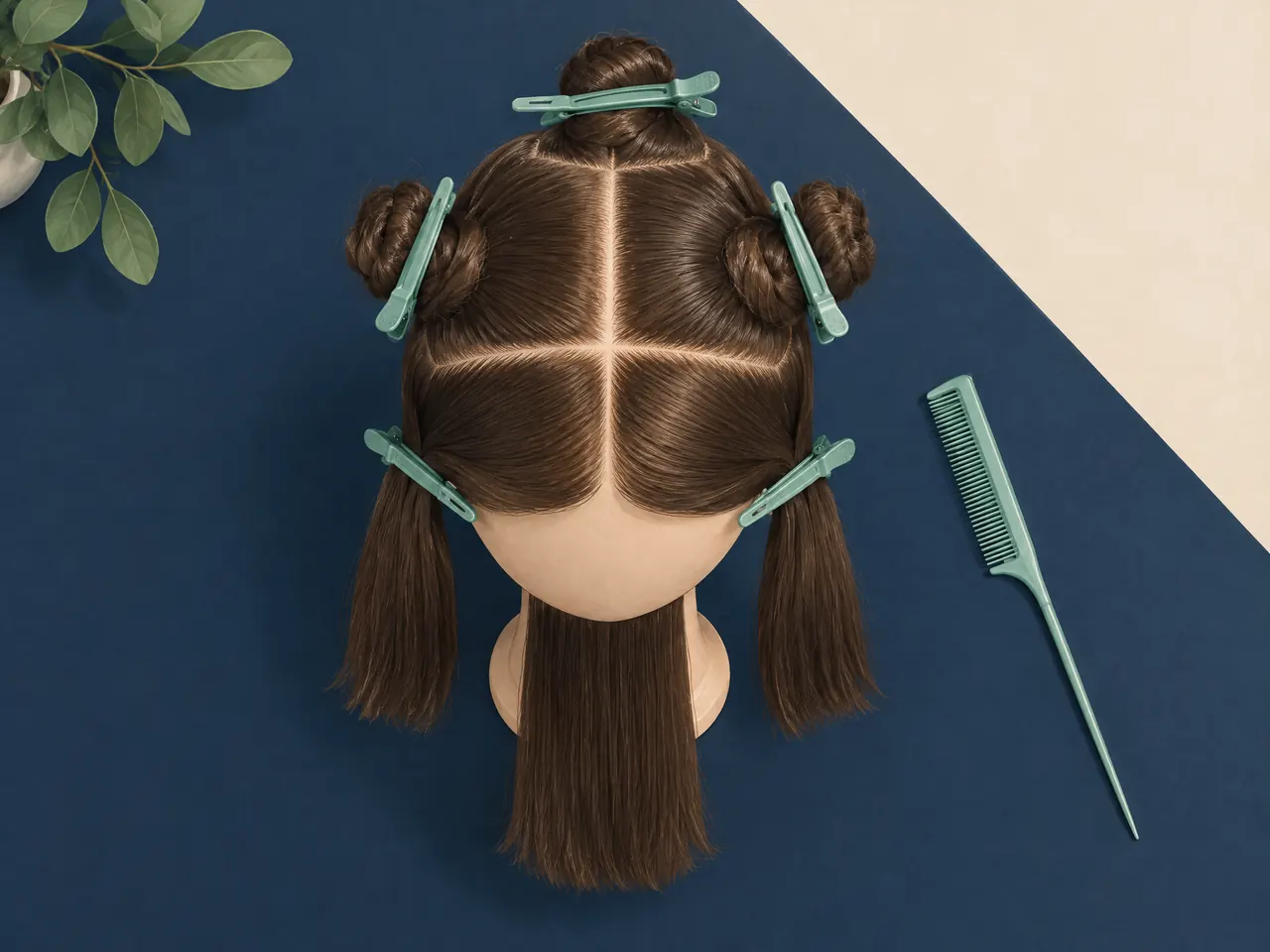
Overhead illustration of a faceless practice mannequin with hair divided into clipped sections and a tail comb beside it.
A sectioning illustration for describing where a concern occurs; it does not locate a real person's chemical-treatment boundary.Generated illustrative image
Two featureless practice mannequins with detachable fringe pieces and a small mirror arranged for a design discussion.
Practice fringe pieces illustrate a discussion about front length and parting, not a predicted straightening result.Generated illustrative image

Rehearse the wash-day handover between textures

Describe the sequence that becomes difficult, not just the total styling time. Does a snag appear while combing, or do the straighter ends catch while you arrange the roots? Bring that sequence to the stylist and ask for a handling demonstration that works with your existing processing history. A wide-tooth comb and gentle detangling are supported by AAD guidance, but that guidance distinguishes straight hair from textured hair when discussing dampness. Do not assume one combing routine suits every mixed-texture section. [3]

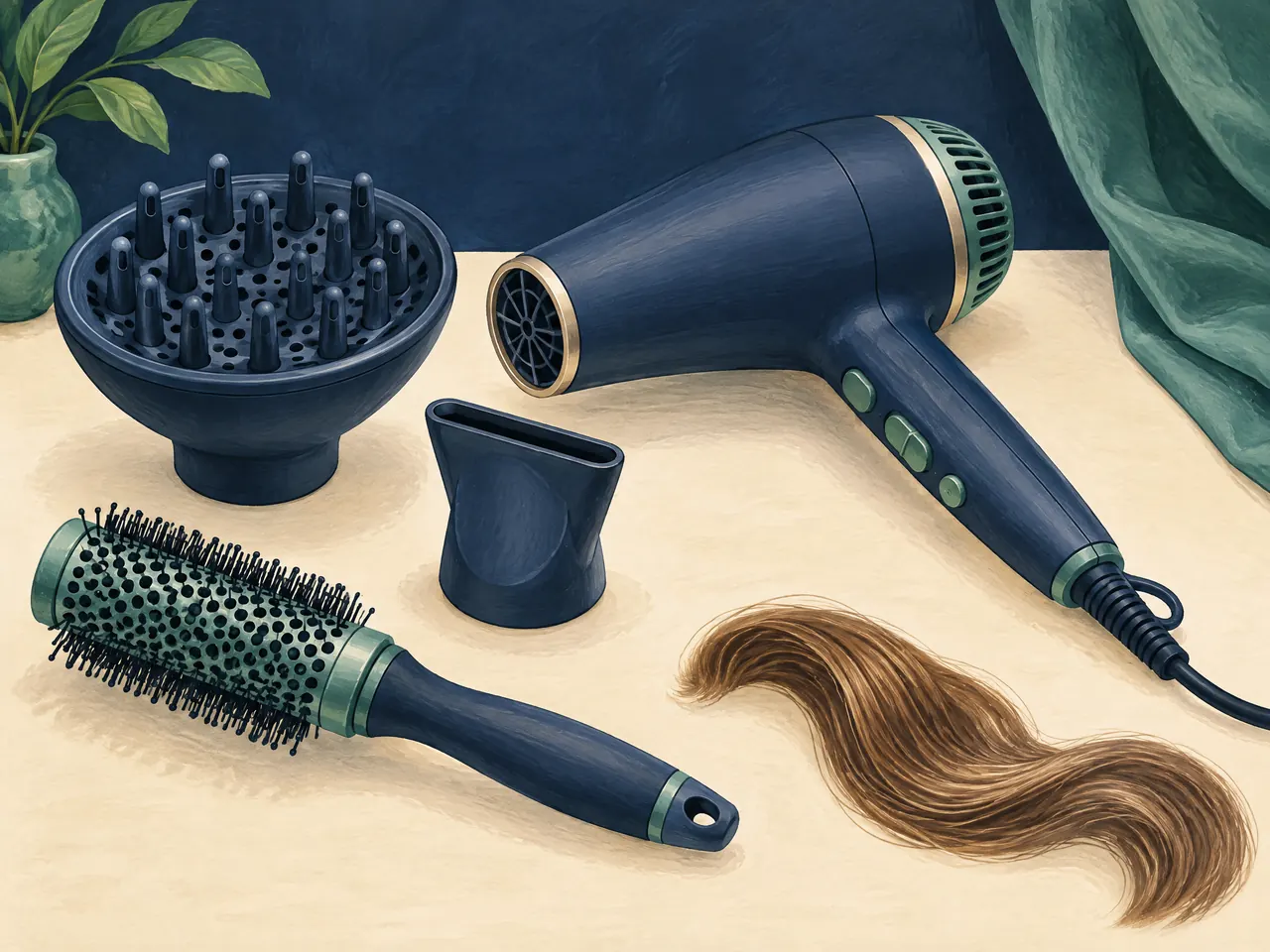
Before choosing more chemical work, identify which dryer task you are actually trying to reduce: drying the hair, directing the fringe or making the roots look flatter. Discuss attachments as styling tools rather than assurances of safety or compatibility. Keep water absorption with a towel separate from rubbing, and avoid substituting repeated heat passes for a style that accepts some root movement. AAD recommends lower heat and less frequent heat-tool use; neither a diffuser nor a nozzle cancels those precautions. [3]
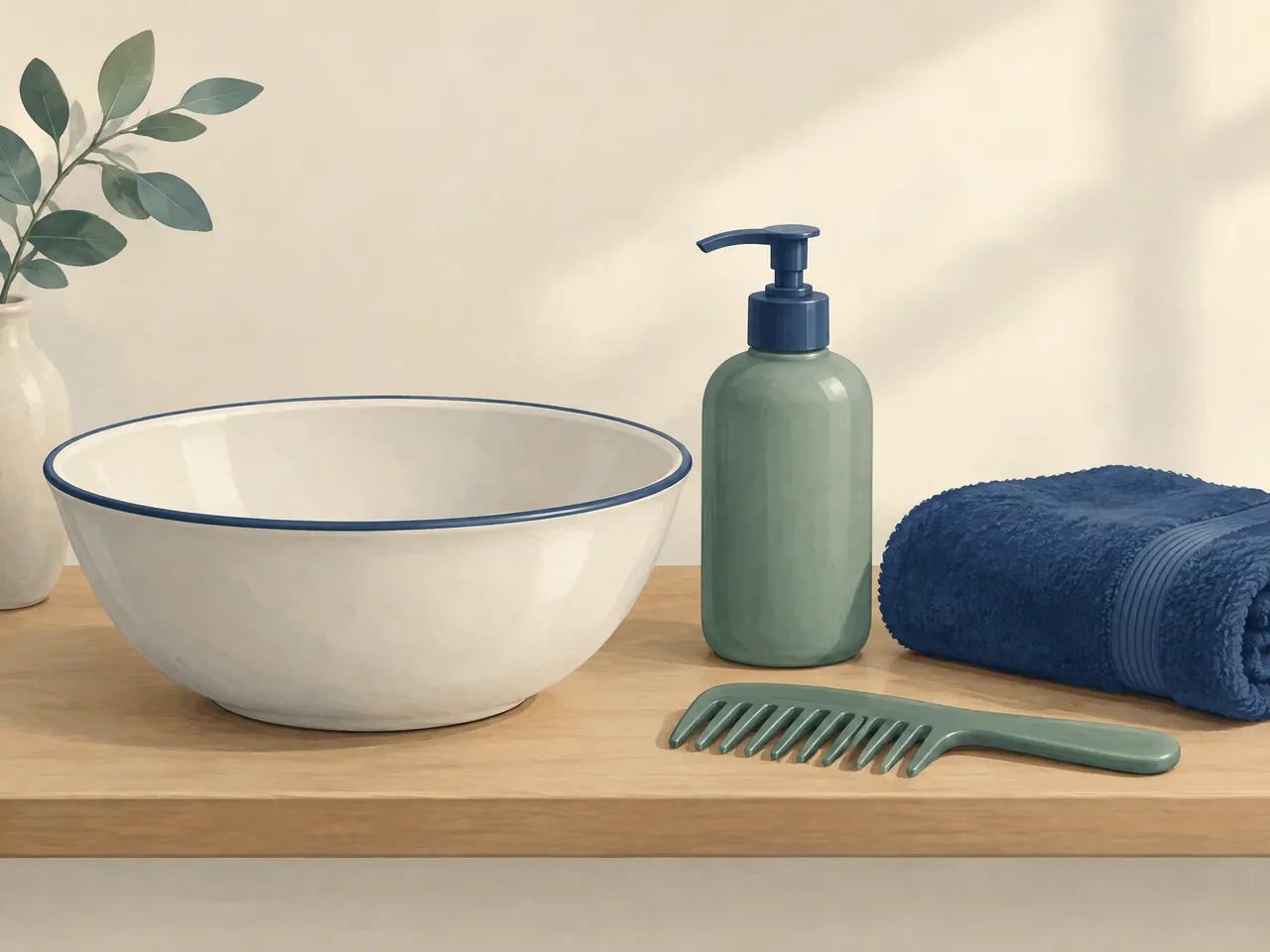
Illustrated wash basin, plain pump bottle, folded soft towel and wide-tooth comb on a cream shelf.
Routine-care objects help explain the washing and towel-handling sequence; the bottle does not represent a recommended product.Generated illustrative image
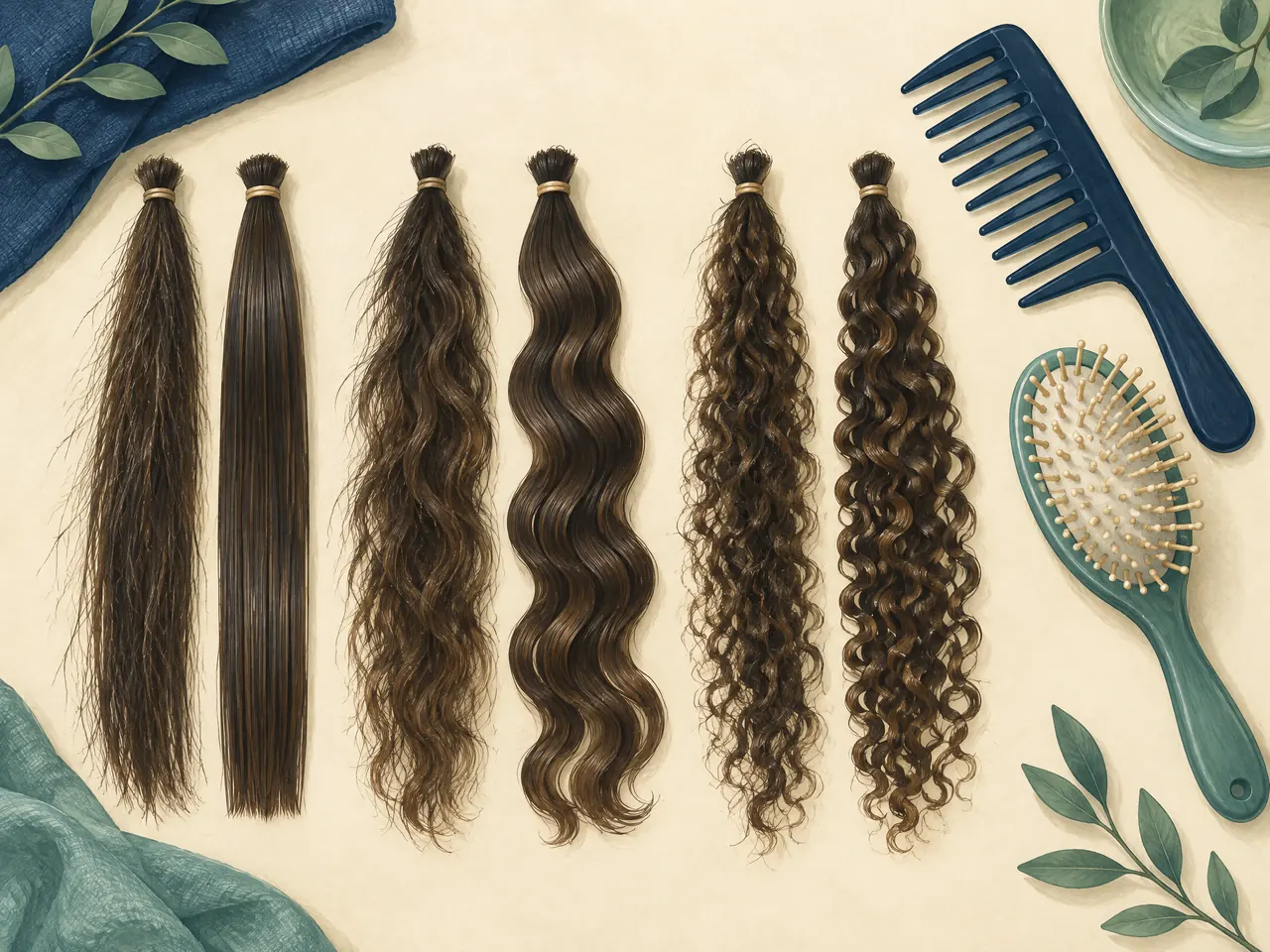
Separate straight, wavy and curly practice tresses beside a wide-tooth comb and soft brush.
Separate practice textures prompt handling questions; they are not a before-and-after comparison or a model of your regrowth boundary.Generated illustrative image
An unplugged unbranded dryer, diffuser and nozzle beside a round brush and a loose practice tress.
Dryer attachments illustrate questions about styling effort, not proof that any heat setting or procedure is suitable.Generated illustrative image

Set a minimum usable length before trimming away altered ends

If gradual trimming appeals, name the shortest outline you would currently find useful. That might mean enough length for a loose tie, ends that clear a collar, or a fringe that still tucks behind the ear. Describe the length in its ordinary dry position rather than pulling it straight for comparison. Different-length practice tresses can help explain the preference, but cannot predict where your own mixture of bends and straighter ends will rest.

Ask the stylist to explain what the proposed trim removes from the history map and what altered length would remain. This is a cutting plan, not a promise that a fixed number of visits will complete the transition. For permanently relaxed hair, removing treated length is different from restoring its former curl through washing. [1] Keep the minimum length flexible enough to revisit after an ordinary wash, without committing to further straightening just to preserve the first-day outline.
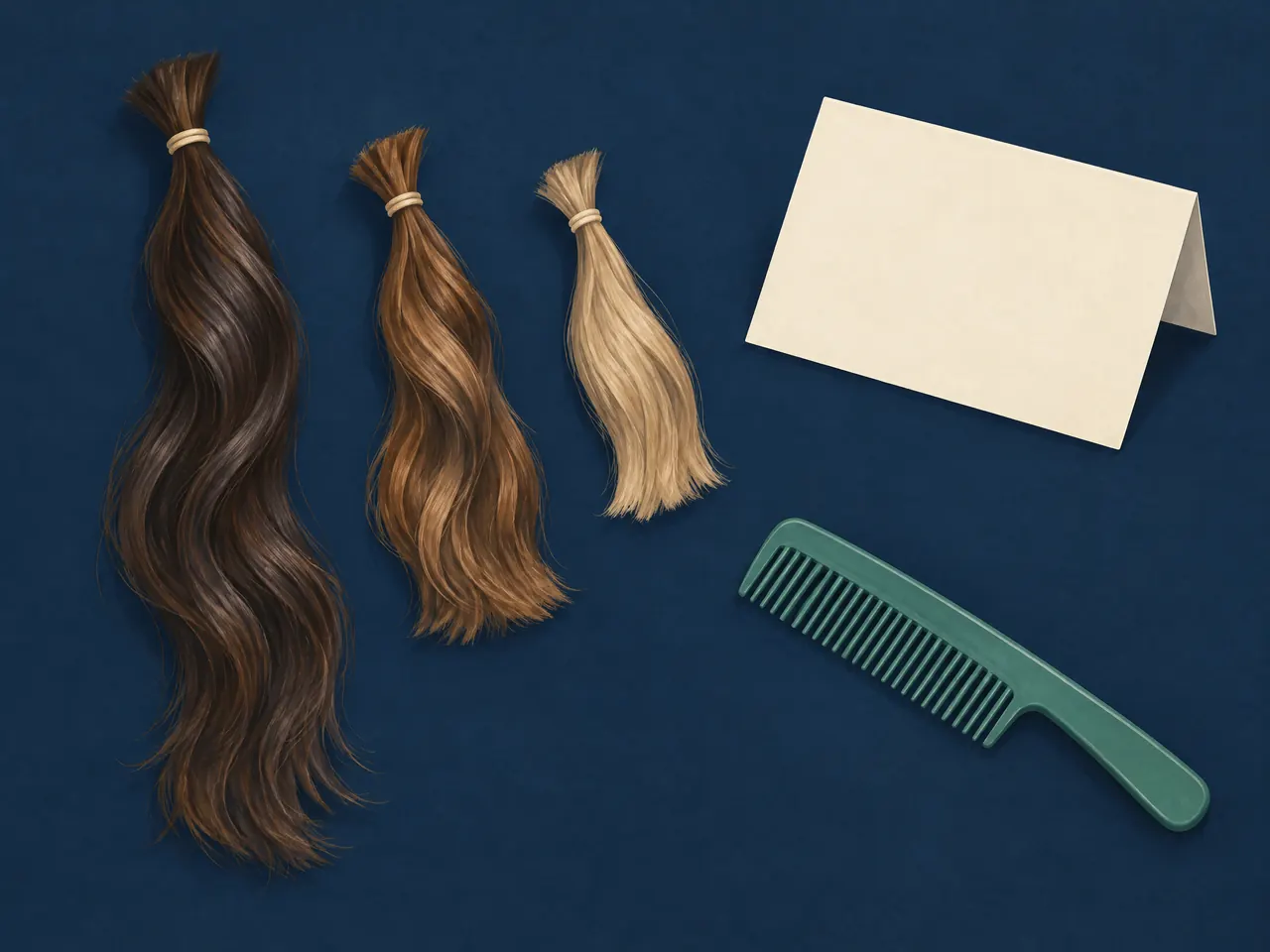
Three separate practice hair tresses of different lengths beside a blank folded consultation card and a simple comb.
Different-length practice tresses support a discussion of retained length; they do not predict a personal grow-out timetable or haircut result.Generated illustrative image

Clinic enquiries

Contact and appointment arrangements

Clinics
Prince Edward and Kwun Tong
Opening hours
11:00–21:00
WhatsApp and telephone
+852 6940 5663

Appointments, practitioner availability and service arrangements are confirmed via WhatsApp.

Please mention any consultation language needs in your WhatsApp enquiry so that arrangements can be confirmed.

Enquire via WhatsApp
Food, gifts and floral lifeWhatsApp enquiry