
TCM Lab · Health reading
Hip Pain and Groin Pain: Hip Pain Radiating to Leg and Outer Hip Pain When Lying on Side
Published Updated
Hip pain and groin pain, hip pain radiating to leg, and outer hip pain when lying on side can feel similar on a difficult day, yet they may call for different questions. Groin discomfort may be noticed with walking or putting on shoes; a sore outer hip may make a familiar sleeping position uncomfortable; pain travelling through the buttock and leg may bring tingling or numbness into the picture. None of these locations proves a cause. The useful next step is to describe the pattern clearly, protect a painful hip from unnecessary strain, and seek prompt medical help when pain follows an injury, prevents weight-bearing, or comes with concerning symptoms.
Appointments are confirmed through WhatsApp. If you have language requirements, please mention them in your enquiry.
The short answer
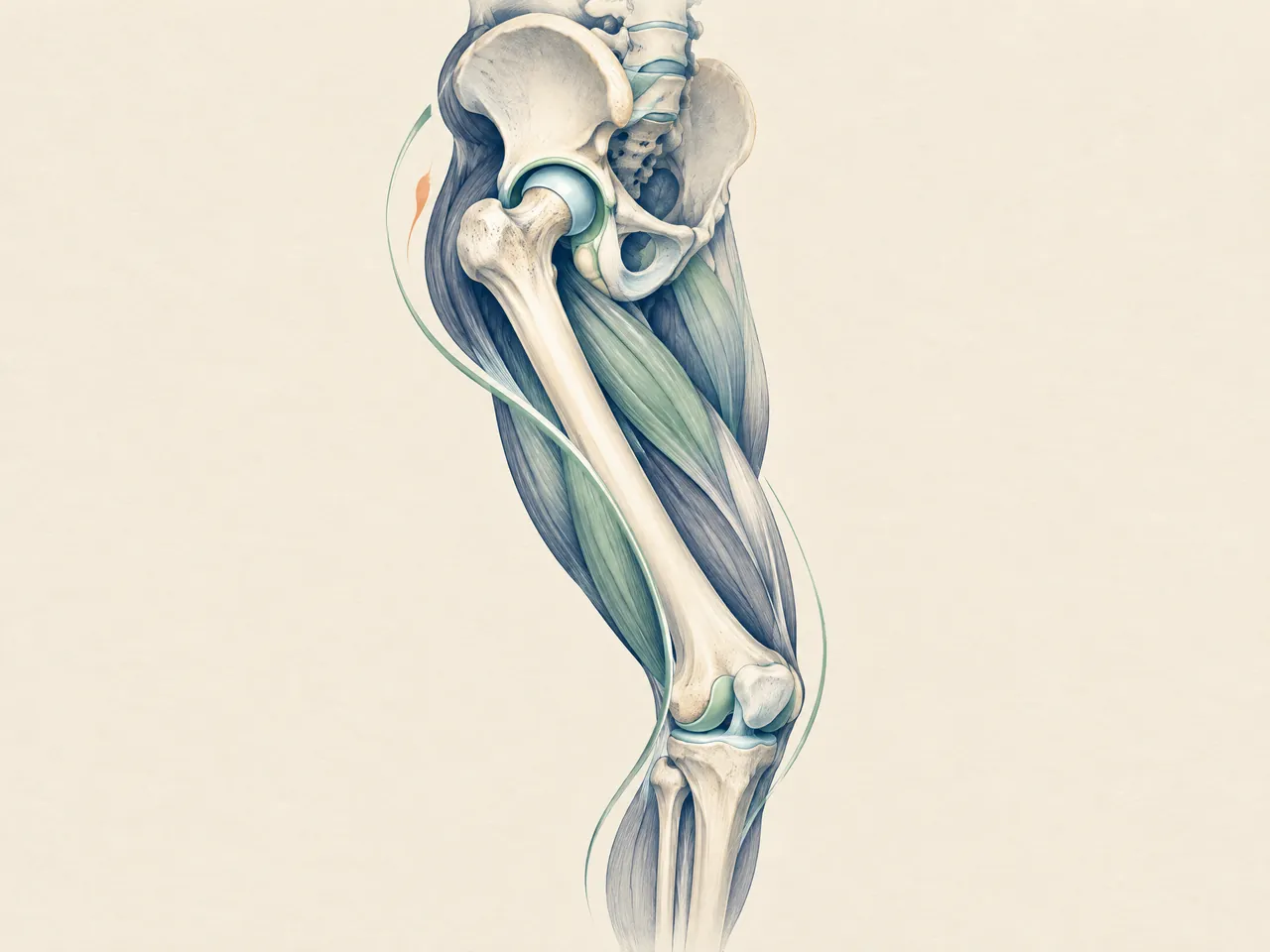
Hip pain can be felt in the groin, outer hip, buttock, thigh or leg because the hip joint, surrounding soft tissues and lower back can all contribute to the symptom pattern. Pain location is a starting clue rather than a diagnosis. Record what triggers it, whether walking or sleep is affected, and any tingling, weakness, swelling or recent injury. Severe pain after a fall, inability to walk or bear weight, or altered sensation after injury needs urgent medical assessment.
Transparent pricing
See the fees.
Choose your care.
Explore our complete official price list, including first-trial prices, regular prices, packages and branch-specific options.
Opening WhatsApp prepares an enquiry; it does not send a message, take payment or confirm an appointment. Suitability and individual arrangements are confirmed during consultation.
Pain care
All prices in HKDExtracorporeal shockwave treatment
Shockwave treatment for deep-tissue and fascial care. The Kwun Tong clinic offers the multi-area options shown below.
Priced by branch
Branch-specific pricing
Prince Edward: HK$250 per area
Kwun Tong: HK$250 for 1 area / HK$450 for 2 areas / HK$600 for 3 areas
Pain care (manual therapy)
Includes Chinese medicine musculoskeletal assessment, manual joint techniques and tui na.
HK$580 (single session)
Chinese medicine musculoskeletal assessment
Pain care (acupuncture and manual therapy)
Combines acupuncture and manual therapy.
HK$680 (single session)
Combined care
Hair and scalp
All prices in HKDScalp health and hair-loss management
Includes AI scalp analysis, deep scalp and follicle cleansing, and scalp oil-control care.
HK$380 (first trial)
Regular price: HK$680
- 6 sessions: HK$3,480 (HK$580 per session)
- 12 sessions: HK$5,760 (HK$480 per session)
- 20 sessions: HK$8,600 (HK$430 per session)
- 30 sessions: HK$11,400 (HK$380 per session)
Hair acupuncture and Chinese herbal medicine package
Includes scalp acupuncture and 3 days of Chinese herbal medicine that does not require decoction.
HK$580 (single session)
Registered Chinese Medicine Practitioner consultation
- 6 sessions: HK$3,180 (HK$530 per session)
- 12 sessions: HK$5,760 (HK$480 per session)
- 20 sessions: HK$8,600 (HK$430 per session)
- 30 sessions: HK$11,400 (HK$380 per session)
Combined hair and scalp treatment
Combines acupuncture and Chinese herbal medicine with salon-level scalp and follicle care. Packages include complimentary hair-care shampoo and serum.
HK$1,260 (single session)
Combined treatment
- 8 sessions: HK$8,640 (HK$1,080 per session)
- 16 sessions: HK$15,680 (HK$980 per session)
- 20 sessions: HK$18,600 (HK$930 per session)
- 30 sessions: HK$26,400 (HK$880 per session)
Weight management
All prices in HKDFull-body acupoint embedding for weight management
Includes full-body acupoint embedding. Packages include complimentary Chinese herbal medicine for weight management, with the number of included days scaled to the package. Embedding material and the individual treatment arrangement are confirmed during consultation; this is not a cosmetic thread lift.
HK$980 (single session)
No trial session
- 10 sessions: HK$7,800 (HK$780 per session)
- 20 sessions: HK$14,600 (HK$730 per session)
- 30 sessions: HK$20,400 (HK$680 per session)
Facial acupuncture
All prices in HKDFacial acupuncture (basic)
Includes facial acupuncture and meridian-based facial care, including care for facial puffiness.
HK$480 (first trial)
Regular price: HK$680
- 10 sessions: HK$5,200 (HK$520 per session)
- 20 sessions: HK$9,600 (HK$480 per session)
- 30 sessions: HK$13,500 (HK$450 per session)
Facial acupuncture (advanced)
Includes enhanced facial acupuncture with a specially formulated moisturising mask and serum.
HK$780 (first trial)
Regular price: HK$1,180
- 10 sessions: HK$9,000 (HK$900 per session)
- 20 sessions: HK$16,600 (HK$830 per session)
- 30 sessions: HK$23,400 (HK$780 per session)
Chinese medicine
All prices in HKDAcupuncture and Chinese herbal medicine package
Includes a Chinese medicine consultation with pulse assessment, body acupuncture and 3 days of Chinese herbal granules that do not require decoction.
HK$580 (single session)
Chinese medicine consultation with pulse assessment
Hip Pain and Groin Pain, Hip Pain Radiating to Leg, and Outer Hip Pain When Lying on Side: What Location Can Suggest
The hip is a weight-bearing ball-and-socket joint, but pain reported as “hip pain” does not always begin inside that joint. The front of the hip and groin can be sore when rising from a chair, bending to reach footwear or loading the leg. Pain along the outside may be more noticeable when taking stairs, standing on one leg or lying on that side. Pain around the buttock may coexist with back symptoms or extend down the leg. For a broader map of common possibilities, see our guide to hip pain causes; use it to prepare questions, not to assign yourself a condition.
Location is most helpful when paired with timing and function. Did the discomfort start after a fall, a long hike, a sudden increase in training or without a clear event? Is it a sharp catch during a particular movement, a dull ache after activity, morning stiffness, or a symptom that wakes you when you roll over? The NHS lists a range of possible patterns, including pain that spreads to the upper thigh and pain worse when lying on the side, and advises against trying to diagnose the cause yourself. [1] A short, consistent record gives a clinician much more to work with than a single pain label.
Hip Pain and Groin Pain, Hip Pain Radiating to Leg, and Outer Hip Pain When Lying on Side: Three Ways Symptoms May Be Felt
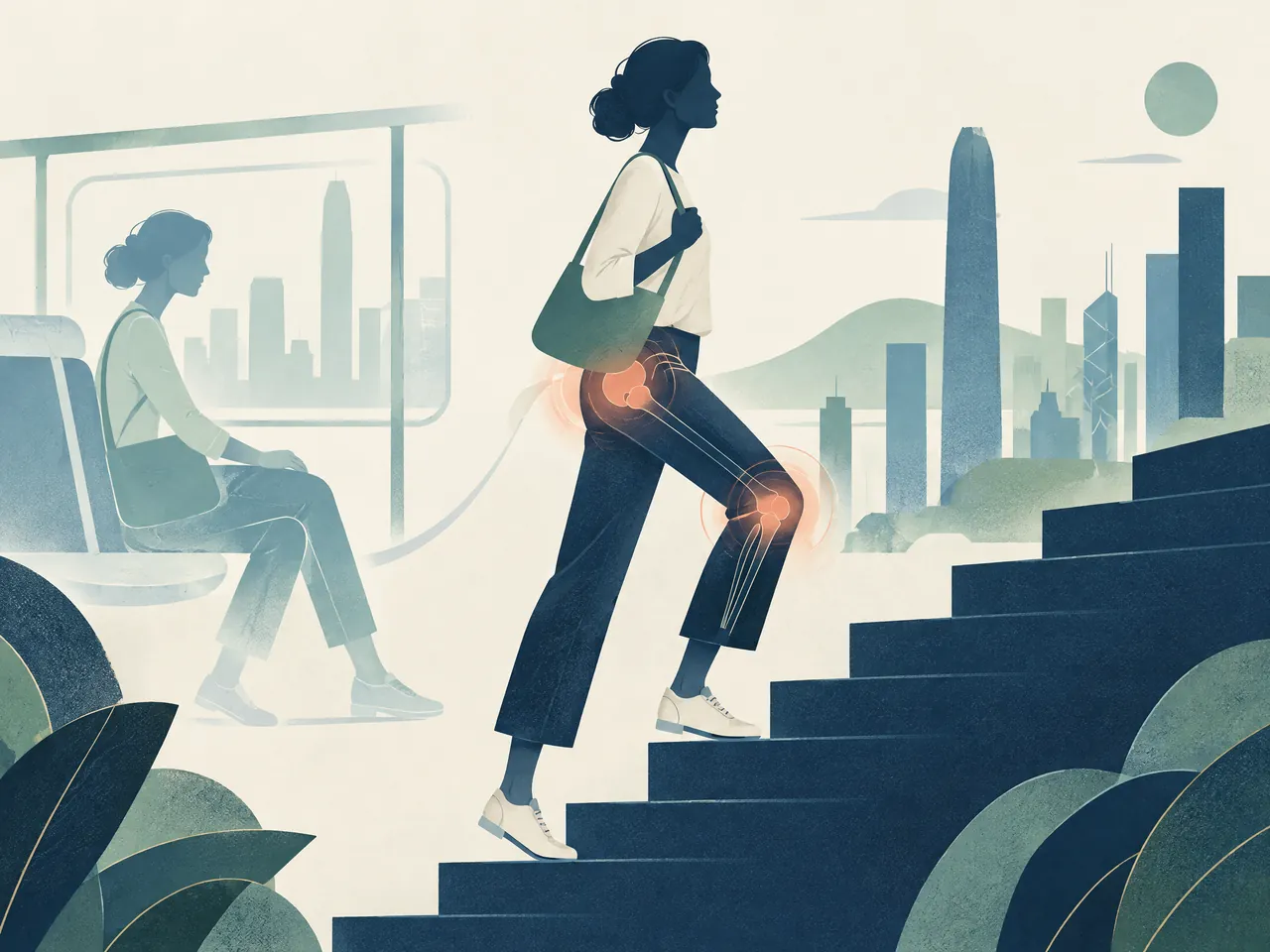
With hip pain and groin pain, describe the exact front or inner area involved and the movements that reproduce it. Some people first notice it when stepping into trousers, getting out of a car or lifting a foot to put on a sock. That description does not establish arthritis or a labral problem, but it tells the assessor how hip motion and daily loading relate to the symptom. Front-of-hip, thigh and groin pain can be associated with several hip conditions, while gradual stiffness adds a separate, useful clue. [3] Comparing both sides is fine; repeatedly forcing a painful deep bend to “test” it is not.
Hip pain radiating to leg deserves equally precise language. “Radiating” might mean an ache from the buttock to the thigh, a line of pain below the knee, or an altered sensation such as burning, pins and needles or numbness. Lower-spine conditions can present with pain in the hip or leg, and a clinician may therefore ask about the back even if back pain is not the main complaint. [3] Note which route the sensation takes, whether coughing, sitting or walking changes it, and whether there is true weakness or simply movement avoided because it hurts.
Hip Pain and Groin Pain, Hip Pain Radiating to Leg, and Outer Hip Pain When Lying on Side: Why Location Alone Cannot Confirm a Cause
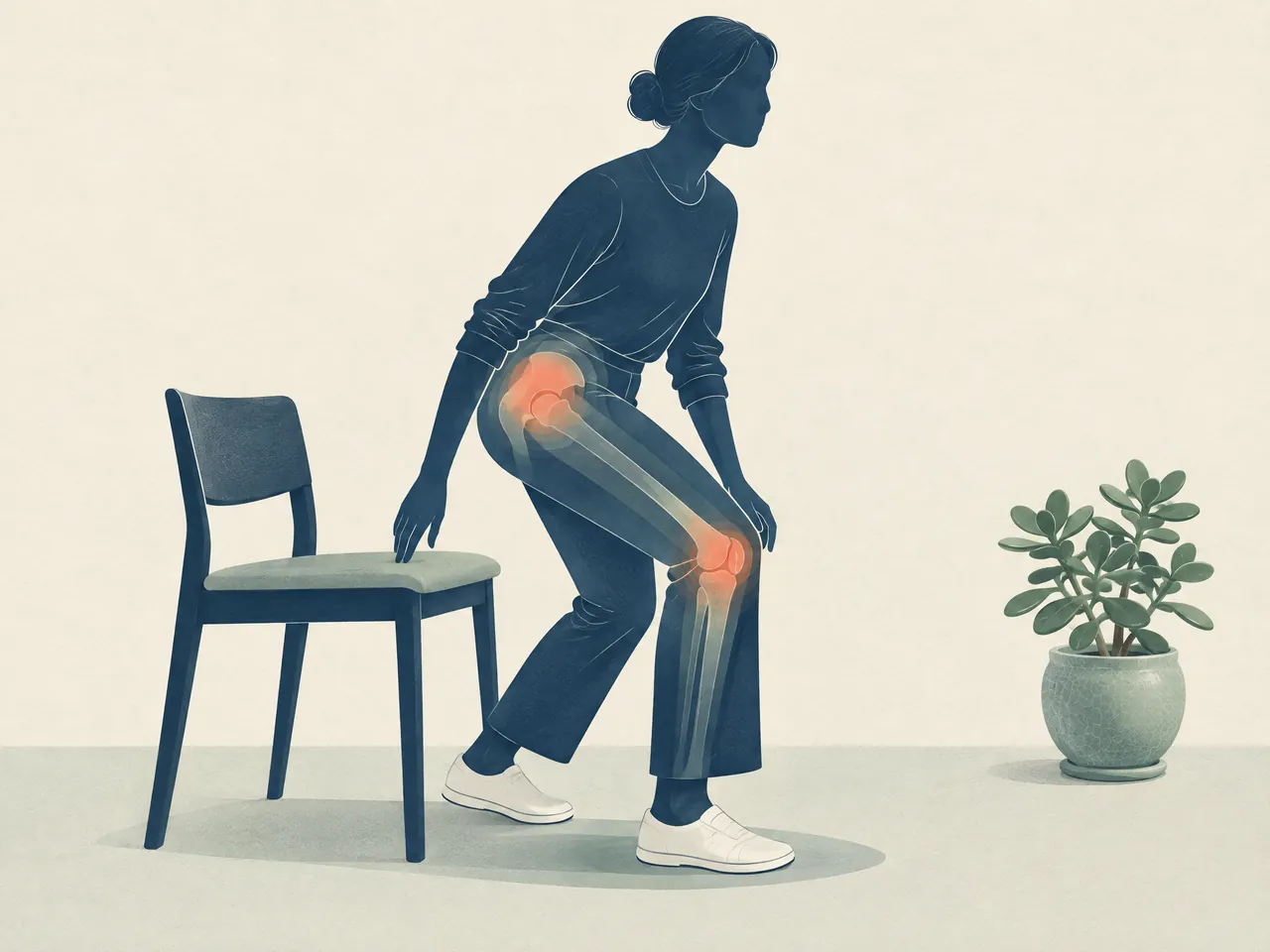
Outer hip pain when lying on side is often memorable because sleep turns a mild daytime annoyance into a repeated night-time problem. Pressure on the outer hip can aggravate tender tissues in that area, and the same pattern can occur alongside pain on walking. However, an outer-hip pattern is not enough to decide that a bursa, tendon or muscle is the source. Hospital for Special Surgery notes that outer hip pain may relate to bursae or abductor muscles, while pain in the back of the hip or buttock often relates to the spine. [3] These are possibilities to assess, not labels to adopt at home.
Age, past injury, training load, medical conditions and examination findings can change the picture. A person with a sudden injury may need a different pathway from someone with slowly increasing stiffness, and someone with fever and a hot swollen hip needs prompt medical assessment rather than symptom comparison. A page about hip pain location can help you phrase where it hurts, but it cannot replace history-taking, examination or tests when those are needed. Keep the useful observation and leave the diagnosis to the appropriate clinician.
Compare your options
| Pattern you notice | Useful details to record | Why the detail helps | Appropriate next step |
|---|---|---|---|
| Groin or front-of-hip pain | Whether it occurs with walking, bending, getting out of a chair or putting on shoes | Connects the location to hip movement and loading | Arrange an assessment if it persists, worsens or restricts normal activity |
| Outer hip pain when lying on side | Which side, sleep disruption, pain on stairs or standing on one leg | Shows how pressure and everyday loading affect the symptom | Discuss persistent sleep or walking impact with a clinician |
| Pain travelling into the leg | Route of pain, burning, pins and needles, numbness, weakness and any back-position change | Helps distinguish a local hip pattern from symptoms that may also involve the back or nerves | Seek assessment; use urgent care after injury with altered sensation or inability to walk |
| Sudden severe pain or a hot swollen hip | Fall or injury, ability to bear weight, fever, chills, skin colour change and general illness | Identifies features that need faster medical triage | Get urgent medical advice; seek emergency care when severe trauma symptoms prevent walking or weight-bearing |
On smaller screens, scroll the table sideways to compare all columns.
Hip Pain and Groin Pain, Hip Pain Radiating to Leg, and Outer Hip Pain When Lying on Side: Activity and Function Clues
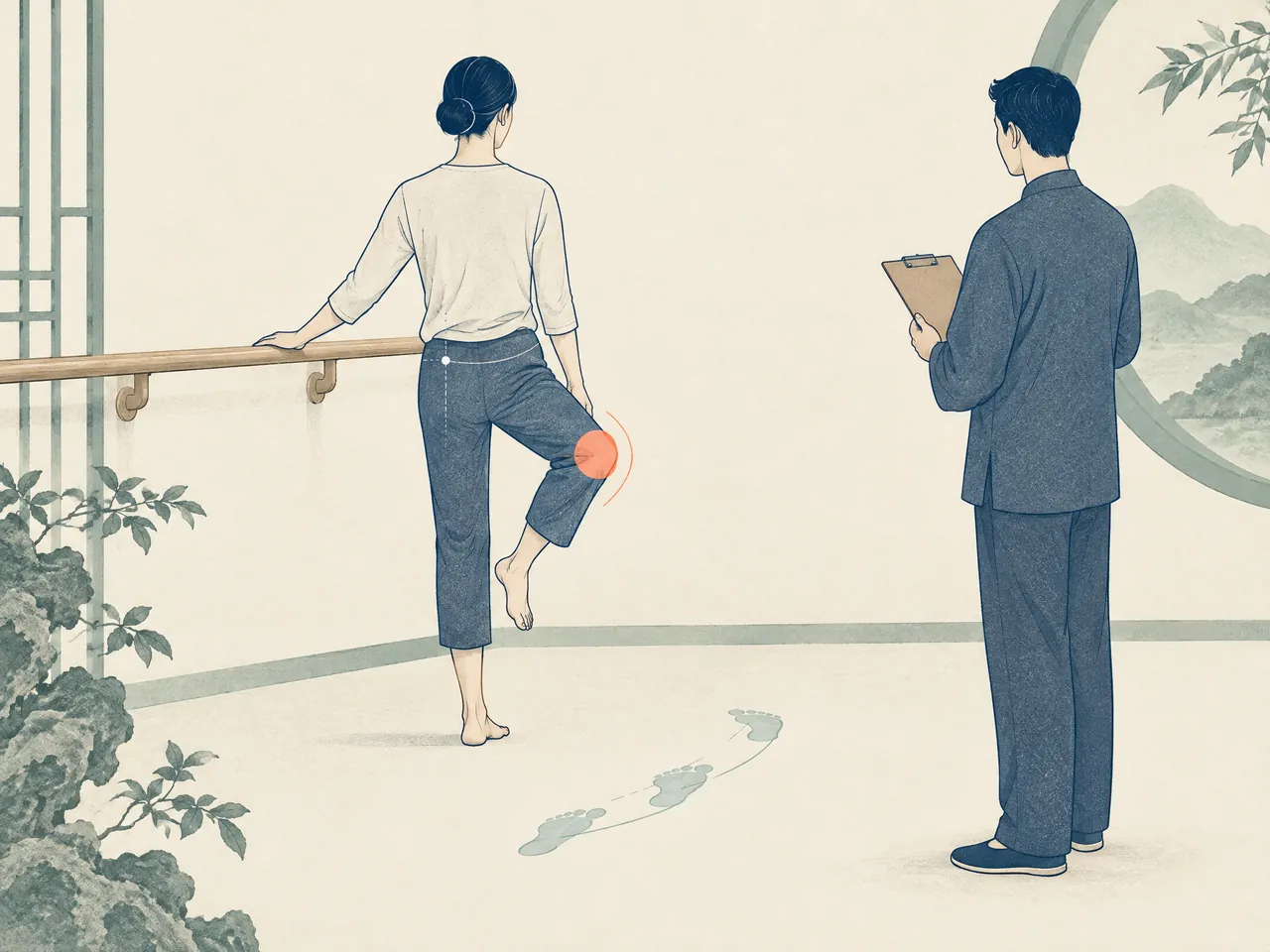
Function is often clearer than intensity alone. A pain score at rest may not explain why a person is suddenly taking smaller steps, relying on a handrail, avoiding a low chair or waking whenever they turn in bed. The Hong Kong College of Orthopaedic Surgeons describes walking, bending and getting in and out of a chair as everyday activities that can become difficult with hip pain and stiffness. [2] Record the task, the point during the task when symptoms start, what happens afterward and whether you can still put normal weight through the leg.
A useful diary is brief enough to keep for several days. Include the first symptom of the day, the activity just before it, the area and quality of pain, and its effect on walking, stairs, sitting, driving or sleep. Also write down a recent fall, twist, change in gym routine, new running distance or a period of unusually heavy lifting. This does not mean every activity caused the problem. It gives an assessor a timeline and helps distinguish a repeatable load-related pattern from pain that is becoming more constant or spreading.
Hip Pain and Groin Pain, Hip Pain Radiating to Leg, and Outer Hip Pain When Lying on Side: Tracking Walking, Stiffness and Sleep
When walking is affected, note whether discomfort begins with the first few steps, builds with distance, appears only on slopes or stairs, or changes your gait. Avoid setting a personal distance test that pushes through escalating pain. If your outer hip hurts in bed, note the side you lie on, whether placing a pillow between the knees changes comfort, and whether the pain also appears when standing on that leg. If you wake with stiffness, describe how long it lasts and whether it is confined to the hip area or occurs with other joints. These details are more informative than simply writing “worse at night.”
Small adjustments can reduce avoidable aggravation while you arrange an assessment: pace activity rather than doing a large catch-up session, avoid carrying heavy loads if they increase pain, and choose supportive footwear if walking is uncomfortable. The NHS advises keeping moving if possible without overdoing strain, and suggests a wrapped ice pack for short periods as one general self-care option. [1] A self-care measure should not be used to postpone assessment after trauma or when symptoms are rapidly worsening. For a plain-language overview, visit hip pain in adults.
Hip Pain and Groin Pain, Hip Pain Radiating to Leg, and Outer Hip Pain When Lying on Side: Questions to Bring to an Assessment
Bring the facts that could change the clinical direction: the date symptoms began; whether there was a fall, collision or sudden turn; the one or two movements that reliably provoke pain; any clicking, catching, swelling, warmth or redness; and the effect on work, caring duties and sleep. For hip pain radiating to leg, add whether altered feeling reaches the foot, whether there is weakness, and whether back position changes the symptom. If you have already had scans, reports or treatment, bring those details rather than trying to interpret them from memory.
An assessment may include questions about health history and daily activities, a physical examination of movement, strength and alignment, and imaging or other tests where clinically indicated. [2] It is reasonable to ask what the working possibilities are, what features make urgent care necessary, and what activity changes are sensible while the cause is being clarified. If your question begins, Why does my hip hurt?, turn it into a specific account of where, when and how the symptom interrupts your day.
Hip Pain and Groin Pain, Hip Pain Radiating to Leg, and Outer Hip Pain When Lying on Side: Assessment and Next Steps
The next step depends on the pattern, not on an online label. A new mild ache after a change in activity may warrant careful pacing and a routine assessment if it persists or limits normal life. Pain that affects sleep, keeps returning, worsens, or has not improved after a short period of home care should be discussed with a clinician. [1] Changes in weight-bearing, range of motion, sensation or general health make the decision more urgent. If you are unsure whether it is hip, groin or back related, say so; uncertainty is useful clinical information, not a failure to describe your symptoms.
Keep medical care coordinated. An orthopaedic, primary-care or other appropriate clinician can assess injuries, inflammatory features, neurological symptoms and the need for imaging or rehabilitation. A registered Chinese medicine practitioner can listen to the complete symptom story within a traditional Chinese medicine consultation, but a complementary appointment should not displace urgent evaluation, fracture care, infection assessment or investigation of new neurological symptoms. This is particularly important after an accident or when a person cannot walk normally.
Hip Pain and Groin Pain, Hip Pain Radiating to Leg, and Outer Hip Pain When Lying on Side: When Prompt Medical Care Matters
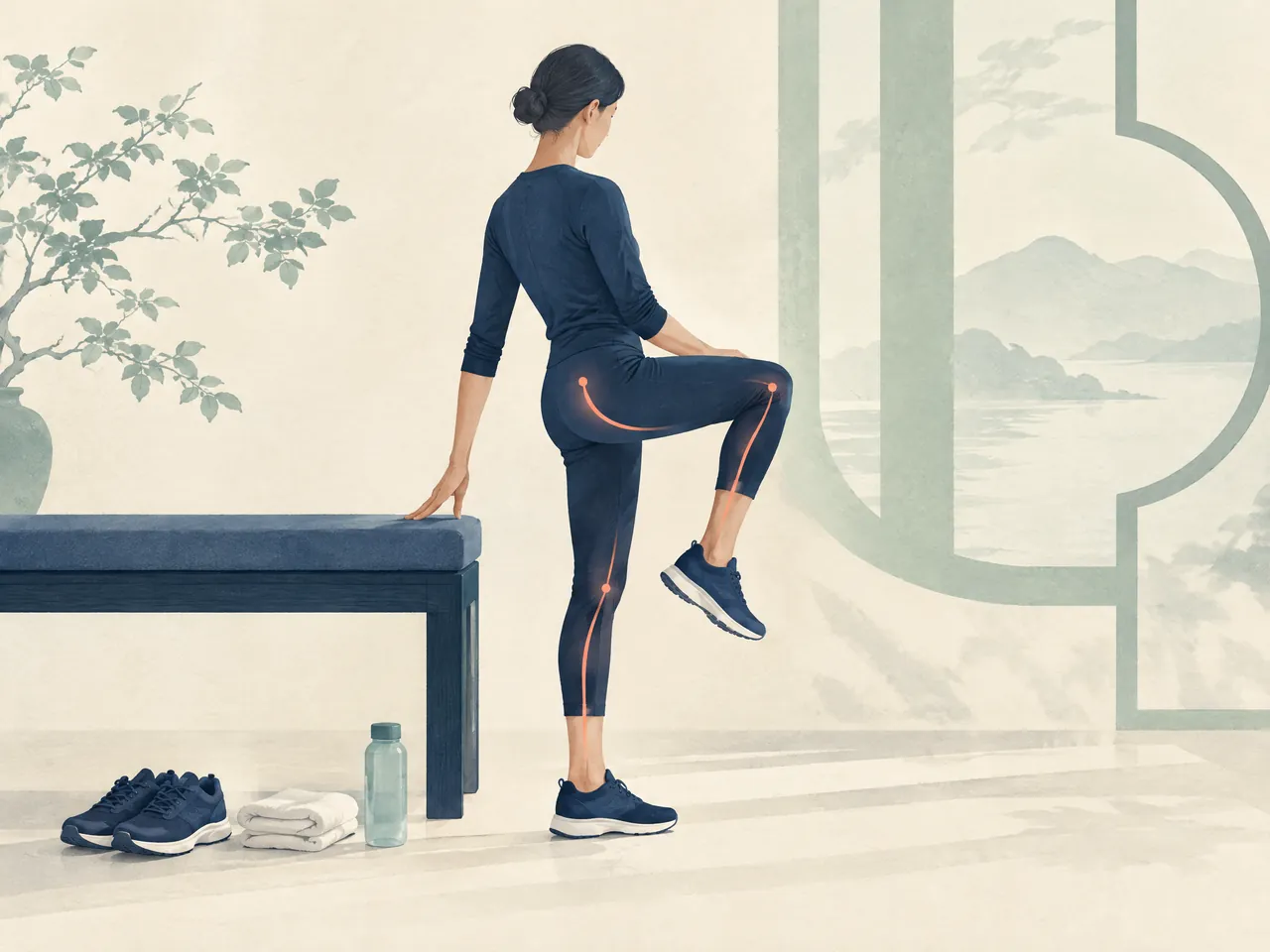
Seek emergency help after a fall or injury if severe hip pain means you cannot walk or put weight through the leg, or if there is tingling or loss of feeling in the hip or leg after injury. [1] Prompt medical advice is also important for sudden severe hip pain without an injury, a hot or swollen hip, skin colour change around the hip, fever, chills or feeling generally unwell. Do not drive yourself if you need emergency care. These features do not confirm one diagnosis from a webpage, but they are reasons not to wait for a routine consultation.
For non-emergency but persistent symptoms, bring the diary, your medication list and prior reports to the appointment. Mention a worsening limp, pain that wakes you, a reduction in hip movement, new instability, recurring pain with a particular activity, or symptoms that are stopping normal duties. The specialist source used here recommends medical evaluation for persistent or worsening hip pain and for pain that interferes with walking or comes with swelling, instability or loss of motion. [3] Timely assessment can clarify which professional and next step best fits the pattern.

Hip Pain and Groin Pain, Hip Pain Radiating to Leg, and Outer Hip Pain When Lying on Side: Discussing Complementary Care Safely
If you choose to discuss Chinese medicine or acupuncture after appropriate medical assessment, start with a complete account rather than a request for a guaranteed treatment course. Tell the practitioner about the pain route, aggravating movements, sleep loss, previous injuries, diagnoses, scans, medicines, supplements, allergies and any planned procedures. Traditional Chinese medicine pattern differentiation is a clinical approach; it is not the same as a modern medical diagnosis and should not be used to explain away a red flag. A responsible discussion makes room for conventional care and appropriate referral.
Ask how complementary care would fit alongside, rather than replace, the plan already made with your medical team. Do not self-needle, alter prescribed medicines or resume provocative exercise simply because symptoms fluctuate. If you are also managing a knee concern, this separate page on acupuncture for a meniscus tear explains why a specific diagnosis still matters. For an in-person discussion at TCM Lab, you may ask about the Kwun Tong Chinese medicine clinic or a Prince Edward appointment; urgent symptoms should be assessed through urgent medical services first.
Care and health guide
Pain-care information
This directory brings together services, reading, and visit information related to pain care, to help you prepare questions for a consultation.
When pain care affects your day, noting when it occurs, its relation to activity, and what you have already tried can help prepare a consultation; Chinese medicine pain management Hong Kong is a relevant service or reading entry point.
Individual circumstances differ, and acupuncture Hong Kong offers related information to help you understand options and prepare questions.


Your questions, answered
Frequently asked questions
Does hip pain and groin pain always mean hip osteoarthritis?
No. Groin pain can be felt with several hip conditions, and hip-area symptoms can also involve soft tissues or referred pain. Gradual stiffness and pain with particular activities are useful details, but they do not establish osteoarthritis without an appropriate assessment. [3]
What should I note about hip pain radiating to leg?
Describe the route from buttock or hip to thigh, calf or foot; whether the sensation is aching, burning, pins and needles or numbness; and whether you notice weakness. Back position, sitting, walking and coughing can also be useful context. These observations guide assessment but do not diagnose a pinched nerve. [3]
Can outer hip pain when lying on side be managed by changing my sleeping position?
A position change or pillow between the knees may be a reasonable comfort experiment if it does not worsen pain, but it does not identify the cause. Record whether it changes sleep disruption and whether walking or stairs also hurt. Arrange assessment if it persists, worsens or affects normal life. [1]
When should I seek urgent help for hip pain?
Seek emergency help for severe hip pain after a fall or injury when you cannot walk or put weight through the leg, or when tingling or loss of feeling follows injury. Urgent medical advice is also needed for a hot, swollen hip or hip pain with fever or feeling unwell. [1]
Sources and further information
- [1] NHS: Hip pain in adults
Referenced for: Possible symptom patterns, self-care boundaries, non-urgent and urgent medical-care triggers cited as [1].
- [2] The Hong Kong College of Orthopaedic Surgeons: Hip Pain and Loss of Hip Mobility
Referenced for: Hip function, clinical assessment and everyday activity effects cited as [2].
- [3] Hospital for Special Surgery: Hip Pain Causes, Conditions and Treatments
Referenced for: Location-related hip, soft-tissue and spine possibilities and indications for medical assessment cited as [3].