
TCM Lab · Health reading
Piriformis Syndrome Acupuncture: Acupuncture for Piriformis Syndrome and Piriformis Syndrome Acupuncture Treatment
Published Updated
Deep buttock pain that spreads along the back of a thigh can make sitting, driving, climbing stairs or getting out of a chair feel unexpectedly difficult. Piriformis syndrome is one possible explanation, but similar symptoms can arise from the low back, hip, sacroiliac region, hamstring tendon or another cause. Piriformis syndrome acupuncture may be considered as part of conservative symptom management after a careful assessment. The useful first question is not simply whether a needle can reach a tight area; it is whether the pain pattern is reasonably consistent with a piriformis-related problem and whether anything needs medical attention first.
Appointments are confirmed through WhatsApp. If you have language requirements, please mention them in your enquiry.
The short answer
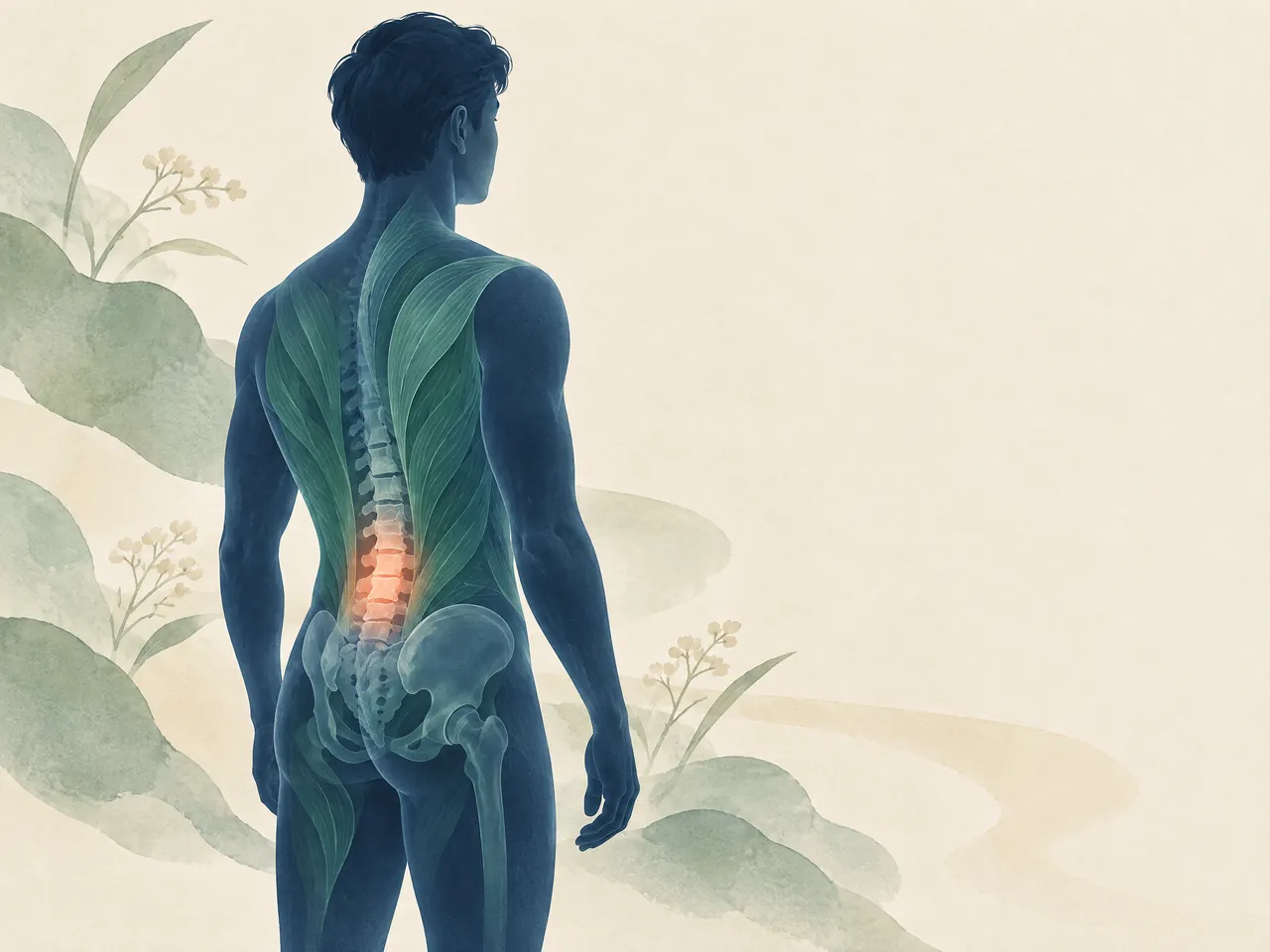
Piriformis syndrome acupuncture can be discussed as a conservative option when deep buttock pain appears related to the piriformis area and serious causes have been considered. A TCM assessment should explore the pain pattern, daily triggers and tenderness, while recognising that sciatica-like pain can also come from the spine, hip or other structures. Acupuncture may form part of symptom management, but it cannot repair a disc, reverse spinal degeneration or resolve severe nerve compression. New weakness, bladder or bowel changes, trauma, fever or worsening pain need prompt medical review.
Transparent pricing
See the fees.
Choose your care.
Explore our complete official price list, including first-trial prices, regular prices, packages and branch-specific options.
Opening WhatsApp prepares an enquiry; it does not send a message, take payment or confirm an appointment. Suitability and individual arrangements are confirmed during consultation.
Pain care
All prices in HKDExtracorporeal shockwave treatment
Shockwave treatment for deep-tissue and fascial care. The Kwun Tong clinic offers the multi-area options shown below.
Priced by branch
Branch-specific pricing
Prince Edward: HK$250 per area
Kwun Tong: HK$250 for 1 area / HK$450 for 2 areas / HK$600 for 3 areas
Pain care (manual therapy)
Includes Chinese medicine musculoskeletal assessment, manual joint techniques and tui na.
HK$580 (single session)
Chinese medicine musculoskeletal assessment
Pain care (acupuncture and manual therapy)
Combines acupuncture and manual therapy.
HK$680 (single session)
Combined care
Hair and scalp
All prices in HKDScalp health and hair-loss management
Includes AI scalp analysis, deep scalp and follicle cleansing, and scalp oil-control care.
HK$380 (first trial)
Regular price: HK$680
- 6 sessions: HK$3,480 (HK$580 per session)
- 12 sessions: HK$5,760 (HK$480 per session)
- 20 sessions: HK$8,600 (HK$430 per session)
- 30 sessions: HK$11,400 (HK$380 per session)
Hair acupuncture and Chinese herbal medicine package
Includes scalp acupuncture and 3 days of Chinese herbal medicine that does not require decoction.
HK$580 (single session)
Registered Chinese Medicine Practitioner consultation
- 6 sessions: HK$3,180 (HK$530 per session)
- 12 sessions: HK$5,760 (HK$480 per session)
- 20 sessions: HK$8,600 (HK$430 per session)
- 30 sessions: HK$11,400 (HK$380 per session)
Combined hair and scalp treatment
Combines acupuncture and Chinese herbal medicine with salon-level scalp and follicle care. Packages include complimentary hair-care shampoo and serum.
HK$1,260 (single session)
Combined treatment
- 8 sessions: HK$8,640 (HK$1,080 per session)
- 16 sessions: HK$15,680 (HK$980 per session)
- 20 sessions: HK$18,600 (HK$930 per session)
- 30 sessions: HK$26,400 (HK$880 per session)
Weight management
All prices in HKDFull-body acupoint embedding for weight management
Includes full-body acupoint embedding. Packages include complimentary Chinese herbal medicine for weight management, with the number of included days scaled to the package. Embedding material and the individual treatment arrangement are confirmed during consultation; this is not a cosmetic thread lift.
HK$980 (single session)
No trial session
- 10 sessions: HK$7,800 (HK$780 per session)
- 20 sessions: HK$14,600 (HK$730 per session)
- 30 sessions: HK$20,400 (HK$680 per session)
Facial acupuncture
All prices in HKDFacial acupuncture (basic)
Includes facial acupuncture and meridian-based facial care, including care for facial puffiness.
HK$480 (first trial)
Regular price: HK$680
- 10 sessions: HK$5,200 (HK$520 per session)
- 20 sessions: HK$9,600 (HK$480 per session)
- 30 sessions: HK$13,500 (HK$450 per session)
Facial acupuncture (advanced)
Includes enhanced facial acupuncture with a specially formulated moisturising mask and serum.
HK$780 (first trial)
Regular price: HK$1,180
- 10 sessions: HK$9,000 (HK$900 per session)
- 20 sessions: HK$16,600 (HK$830 per session)
- 30 sessions: HK$23,400 (HK$780 per session)
Chinese medicine
All prices in HKDAcupuncture and Chinese herbal medicine package
Includes a Chinese medicine consultation with pulse assessment, body acupuncture and 3 days of Chinese herbal granules that do not require decoction.
HK$580 (single session)
Chinese medicine consultation with pulse assessment
Piriformis Syndrome Acupuncture, Acupuncture for Piriformis Syndrome, and Piriformis Syndrome Acupuncture Treatment: What Buttock Pain May Mean
The piriformis is a small, deep muscle in each buttock that helps with hip movement and stabilisation. The sciatic nerve usually passes beneath it, although anatomy varies. Irritation or marked tightness in the area may cause a deep buttock ache, pain into the back of the thigh, or burning, tingling or numb sensations. Sitting, hills, stairs, running and hip movement may aggravate symptoms. Those features can fit a piriformis-related pattern, but do not confirm it alone [1].
That distinction matters when considering piriformis syndrome acupuncture treatment. “Sciatica” describes a pattern of nerve-related leg symptoms, not one diagnosis. A lumbar disc problem or spinal narrowing can cause pain from the lower back through the buttock and leg. Hip, sacroiliac, hamstring and other deep-gluteal problems can look similar. Piriformis syndrome is generally considered through symptoms and examination while excluding other plausible causes [2].
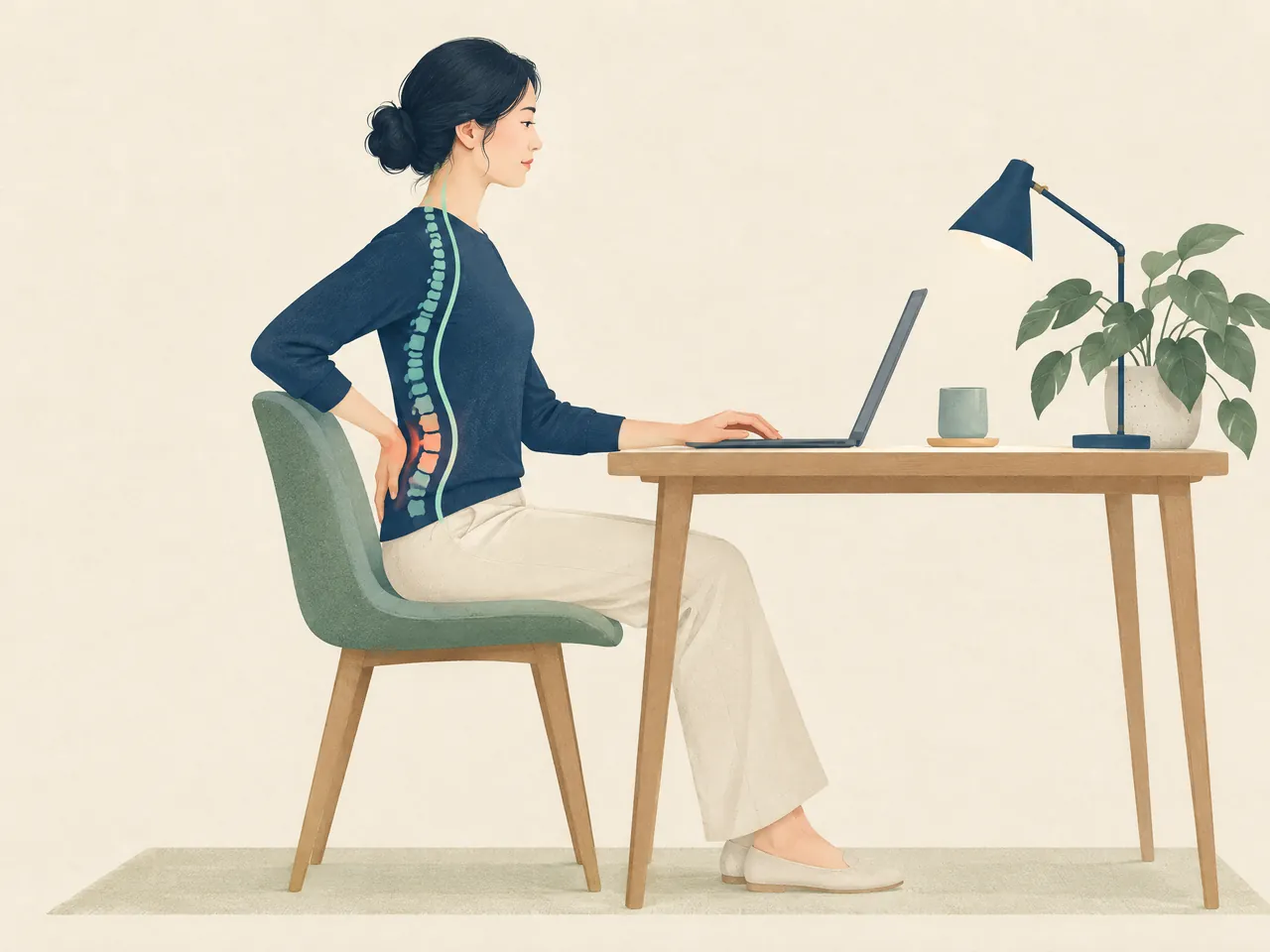
Look at the sequence of a typical day as well as the most painful spot. Did symptoms begin after a fall, an unusual training load or many hours at a desk? Does the buttock hurt before the leg, or is back pain dominant? Does coughing, bending or a particular hip position change the pain? These observations give a practitioner useful context, but they are not a substitute for examination. If pain is mainly around the tailbone after pregnancy or prolonged sitting, the related guide to tailbone pain after childbirth may help frame a different conversation about location and triggers.
Do not push through progressive symptoms just because a tender buttock point seems familiar. Pain that prevents normal walking, keeps worsening or behaves differently deserves a fresh assessment. A muscle-related component can coexist with a recent injury, workload issue, hip-control problem or lower-back condition. The aim is to match the next step to the pattern, rather than treating every buttock-to-leg symptom alike.

Piriformis Syndrome Acupuncture, Acupuncture for Piriformis Syndrome, and Piriformis Syndrome Acupuncture Treatment for Radiating Leg Symptoms
Radiating symptoms are often why people consider acupuncture for piriformis syndrome. A TCM consultation may explore pulling, aching, heaviness, numbness or prickling, and whether the sensation reaches the calf or foot. It should not promise to “release” a nerve. The useful questions are how often symptoms occur, what movements reproduce them, whether position changes help, and whether strength or sensation has changed. That history helps determine whether conservative care is reasonable or medical review should take priority.
Discussion may include needles around assessed tender or tense buttock areas and selected related points, adjusted to the presentation. Some people feel pressure, dullness, heaviness or a brief spreading sensation. These sensations do not prove a diagnosis or show that leg symptoms are corrected. Research discusses manual, electro- and warm-acupuncture methods, but a 2023 paper on the topic was a review protocol and noted no evidence-based method recommendation for piriformis syndrome at that time [3].
Piriformis Syndrome Acupuncture, Acupuncture for Piriformis Syndrome, and Piriformis Syndrome Acupuncture Treatment Versus Similar Nerve Pain
A rough comparison can clarify the uncertainty. Piriformis-related pain is often deep in the buttock and may be aggravated by sitting or hip activity. Back-related sciatica more often includes lower-back symptoms and may change with spinal position, though overlap is common. Hip pain may affect the groin, side of the hip or buttock and limit movement. None is a self-diagnosis rule. Examination of the spine, hip, leg movement, sensation and strength helps test the working diagnosis [1] [2].
For a closer look at the muscle-focused question, see piriformis muscle pain acupuncture. It is also reasonable to ask can acupuncture treat piriformis syndrome in the context of your own diagnosis, rather than treating an online article as confirmation. A clear answer should separate the possibility of easing symptoms from claims to repair a disc, reshape a joint or resolve a neurological condition. That separation supports safer decisions when symptoms overlap.
Compare your options
| What you notice | Why it matters in assessment | A sensible next step |
|---|---|---|
| Deep buttock ache linked with sitting, stairs or hip movement | This can be consistent with a piriformis-area pattern but is not diagnostic | Discuss history, movement triggers and palpation findings |
| Leg pain with prominent low-back symptoms or pain changed by spinal position | Lumbar causes can mimic piriformis syndrome | Consider medical or physiotherapy assessment before assuming a local buttock cause |
| New weakness, foot-lifting difficulty, frequent falls or worsening numbness | These can indicate significant nerve involvement | Seek prompt medical review |
| Bladder or bowel changes, sudden severe pain, fever or major trauma | These are warning signs outside routine conservative management | Seek urgent medical assessment |
| Persistent pain despite a reasonable conservative plan | The working diagnosis or plan may need re-evaluation | Arrange medical review rather than simply repeating the same treatment |
On smaller screens, scroll the table sideways to compare all columns.
Piriformis Syndrome Acupuncture, Acupuncture for Piriformis Syndrome, and Piriformis Syndrome Acupuncture Treatment: How Assessment Guides Care
Assessment begins with the pain story. A practitioner may ask when it started, whether there was a fall or exercise change, what work or travel requires sitting, and whether symptoms are constant. Back pain, night pain, altered sensation, walking tolerance, prior scans and treatment are relevant. Medication, pregnancy status, bleeding concerns and health conditions should be raised before acupuncture. These details guide safety and whether a TCM approach is appropriate.
Assessment may include observing standing or walking, checking hip and lower-back movement, and palpating the buttock. Movement tests may reproduce or relieve symptoms. Piriformis-region tenderness can be useful but is not enough by itself because deep buttock structures are close together. Medical assessment may use imaging or other tests to investigate alternatives when history or examination calls for it; there is no single diagnostic test for piriformis syndrome [1].

TCM language may describe addressing local tension and restoring comfortable movement, but the practical task is specific: identify the area, distinguish aggravators, check warning signs and agree realistic goals. Goals may include sitting through a meeting with less discomfort, resuming gradual walking or sleeping with fewer interruptions. They should not be framed as a guaranteed cure or evidence that every source of radiating pain has been removed.
Assessment also creates an opportunity to coordinate care. Some people may already be seeing a doctor or physiotherapist; bringing relevant reports and describing what has or has not helped gives a fuller picture. A TCM plan can sit alongside recommended medical care when appropriate. If the pattern is more consistent with coccyx pain than deep buttock pain, review coccyx pain treatment rather than assuming the same approach applies.
Piriformis Syndrome Acupuncture, Acupuncture for Piriformis Syndrome, and Piriformis Syndrome Acupuncture Treatment After History and Palpation
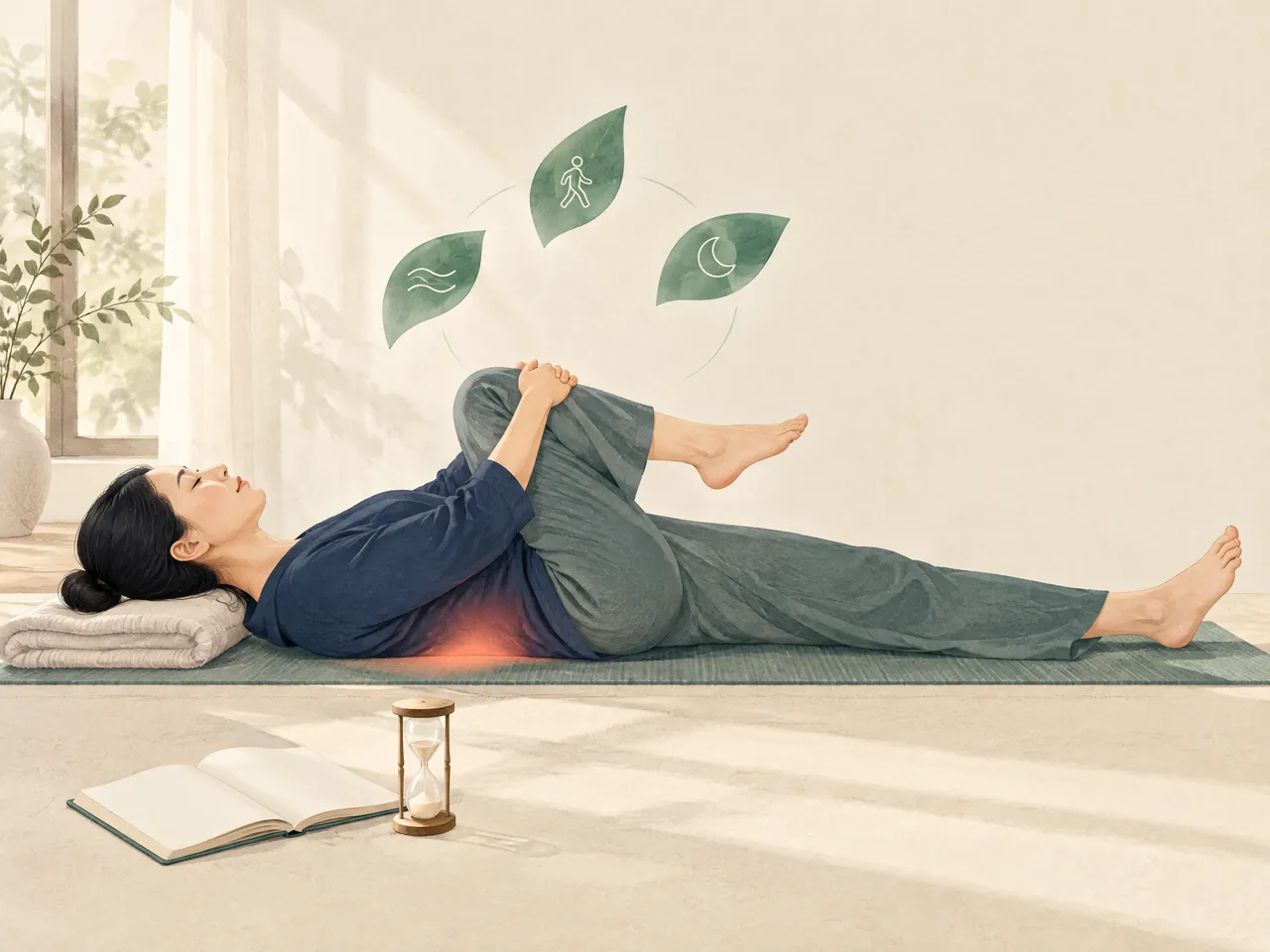
After the history and palpation, the practitioner should explain the working impression in plain terms. For example, there may be a tender deep-buttock area with symptoms associated with sitting, but also uncertainty because lower-back movement reproduces the leg pain. In that situation, a careful clinician should not imply certainty merely to proceed with treatment. They can discuss whether a trial of conservative symptom management is sensible, whether activity changes or physiotherapy input may be useful, and which changes would mean reassessment rather than persistence with the same plan.
If acupuncture is chosen, clean skin preparation and single-use sterile needles are basic safety expectations. The National Center for Complementary and Integrative Health notes that complications are uncommon but that nonsterile needles and improper delivery have caused serious adverse effects; it also advises people not to use acupuncture to postpone evaluation of a health problem [4]. Tell the practitioner about fainting with needles, medicines that affect bleeding, implants or devices, skin infection near the area, and any new diagnosis. A session should leave space for questions and for stopping if you feel unwell.
Piriformis Syndrome Acupuncture, Acupuncture for Piriformis Syndrome, and Piriformis Syndrome Acupuncture Treatment: Questions to Ask First
Before proceeding, ask: What features make the piriformis area a possible source in my case? What other causes still need consideration? What sensations are normal during treatment, and what should I report immediately? What self-management or movement advice fits my current symptoms? How will we judge whether the plan is helping function, and when should I seek medical review? These questions convert a vague search for pain relief into a more informed shared decision about the next step.
Practical constraints matter. When a commute, desk work or driving repeatedly provokes symptoms, changes may need to be gradual. Avoid forcing a stretch that produces sharp, spreading or escalating nerve-like pain. Brief position changes and a paced return to activity may be more suitable than a dramatic exercise programme. A clinician who knows the aggravating pattern can distinguish a temporary post-exercise ache from a new neurological symptom.
Piriformis Syndrome Acupuncture, Acupuncture for Piriformis Syndrome, and Piriformis Syndrome Acupuncture Treatment: Limits and Safety
Piriformis syndrome acupuncture has clear limits. It may be part of conservative symptom management when suitable, but it does not repair a lumbar disc, reverse spinal degeneration, remove a tumour, treat an infection or correct a major structural injury. Temporary relief after rest, massage, heat, medication or acupuncture does not identify the cause. Continued or changing symptoms still need attention.
Conservative care is usually a plan, not a single event. Depending on assessment, it may include pacing aggravating activity, avoiding prolonged pressure positions, following medical or physiotherapy advice and reviewing the response. Do not use a quieter day to abruptly return to a high training load. Avoid escalating home pressure, stretching or massage into numb or weak areas. Support tolerable movement while watching for signs the working impression may be wrong.

Choose a practitioner who takes the history seriously, explains the intended role of treatment and welcomes discussion of other care. If you are comparing practical options at TCM Lab, the Chinese medicine clinic price list Hong Kong provides the relevant fee information. For location planning, you may also enquire through the Kwun Tong Chinese medicine clinic or Chinese medicine clinic Prince Edward. Availability and the suitable type of appointment should be confirmed before attending.
Bring a short symptom note: where pain begins and travels, what changes it, effects on sleep and walking, recent injury, and current medicines or treatments. This is useful when symptoms fluctuate and examination happens on a better day. It also reduces reliance on one label. Honest reassessment is a strength of conservative care, not a failure.

Piriformis Syndrome Acupuncture, Acupuncture for Piriformis Syndrome, and Piriformis Syndrome Acupuncture Treatment for Symptom Management
Symptom management focuses on comfort and function without overstating what treatment can change. Discuss whether buttock pain is less disruptive, sitting tolerance has changed, sleep or walking is easier, and whether there are new symptoms. Do not turn a short-term change into a claim that a structural cause has healed. Progress can be uneven when work, travel or exercise repeatedly loads the same area, so a plan may need adjustment.
Acupuncture is not the only conservative option. Medical assessment, physiotherapy, guided exercises and activity modification may be relevant depending on the diagnosis. Medical sources describe exercise-based rehabilitation as a common component once there is a working diagnosis [1] [2]. With a complex presentation, clarifying the diagnosis may be more useful than choosing between treatment labels. Acupuncture should not replace evaluation.
Piriformis Syndrome Acupuncture, Acupuncture for Piriformis Syndrome, and Piriformis Syndrome Acupuncture Treatment: When to Seek Medical Review
Seek prompt medical review for severe or worsening pain, symptoms that persist despite sensible changes, frequent falls, new or worsening numbness, trouble lifting the foot, or a marked loss of leg strength. Medical review is also important after significant trauma to the back, hip or leg. Cleveland Clinic specifically advises contacting a healthcare provider for sudden severe back or leg pain, sudden weakness or numbness, and bladder or bowel control problems [1]. These are not situations to wait out with repeated self-treatment.
Go to urgent or emergency care if you develop new loss of bladder or bowel control, sudden major weakness, or rapidly progressing neurological symptoms. Fever, unexplained weight loss, a history that raises concern for infection or cancer, or pain that is severe and unremitting also merits timely medical assessment. If you are uncertain whether a symptom is serious, err on the side of medical advice. A careful piriformis syndrome acupuncture discussion should make these boundaries clear before any conservative treatment begins.
Care and health guide
Health service information
This directory brings together services, reading, and visit information related to health services, to help you prepare questions for a consultation.
If you are organising health questions, acupuncture Hong Kong is a starting point for learning about related services and preparing for a consultation.
People have different needs; Chinese medicine pain management Hong Kong provides further reading to help you understand options in your own context.


Your questions, answered
Frequently asked questions
How might acupuncture be used when piriformis syndrome is suspected?
A practitioner may ask about the onset, triggers, back symptoms and leg sensations, then assess movement and tender areas in the buttock. If conservative care appears appropriate, acupuncture may be discussed as one part of symptom management. It should not be presented as proof that the source of pain has been confirmed.
What should I ask before considering acupuncture for this pain?
Ask what features support a piriformis-area explanation, what other causes need consideration, what you may feel during needling, what aftercare is appropriate, and which symptoms should prompt medical review. Ask whether medical assessment, imaging or physiotherapy should come first in your situation.
Can acupuncture reverse a disc problem or spinal degeneration?
No. Acupuncture may be considered for symptom management in an appropriate care plan, but it does not repair a disc, reverse degeneration or correct a structural cause of nerve compression. The right next step depends on the examination and may include medical care, physiotherapy or imaging.
Is numbness down the leg safe to manage only with acupuncture?
Not automatically. Numbness can occur with several conditions and needs context. New, worsening or persistent numbness, weakness, trouble walking, falls, bladder or bowel changes, or pain after significant injury should be assessed medically rather than managed by acupuncture alone.
Sources and further information
- [1] [1] Cleveland Clinic — Piriformis Syndrome
Referenced for: Symptoms, differential diagnostic context, medical assessment, conservative management and warning signs.
- [2] [2] Asia Medical Specialists — Piriformis Syndrome Causes, Diagnosis, and Treatment
Referenced for: Hong Kong clinical terminology, history, examination, differential diagnoses and physical-therapy context.
- [3] [3] Journal of Pain Research — Acupuncture Methods for Piriformis Syndrome: A Protocol for Systematic Review and Network Meta-Analysis
Referenced for: Acupuncture modality terminology and the stated absence of an evidence-based method recommendation in this 2023 review protocol.
- [4] [4] National Center for Complementary and Integrative Health — Acupuncture: What You Need To Know
Referenced for: Needle safety, possible adverse effects and advice not to delay healthcare evaluation.