
TCM Lab · Health reading
Period Pimples, Premenstrual Acne and Acne Marks and Scarring: What to Track
Published Updated
A breakout that returns near your period can be frustrating, especially when it leaves a red or brown reminder after the spot settles. Period pimples and premenstrual acne can follow a recognisable pattern, but timing and chin location alone cannot diagnose a hormone condition. A simple cycle-and-skin record, gentle non-comedogenic care and timely medical assessment for deep or persistent lesions give you a clearer next step. It also helps to separate an active inflamed spot from acne marks and scarring, because they do not call for the same conversation or priorities.
Appointments are confirmed through WhatsApp. If you have language requirements, please mention them in your enquiry.
The short answer
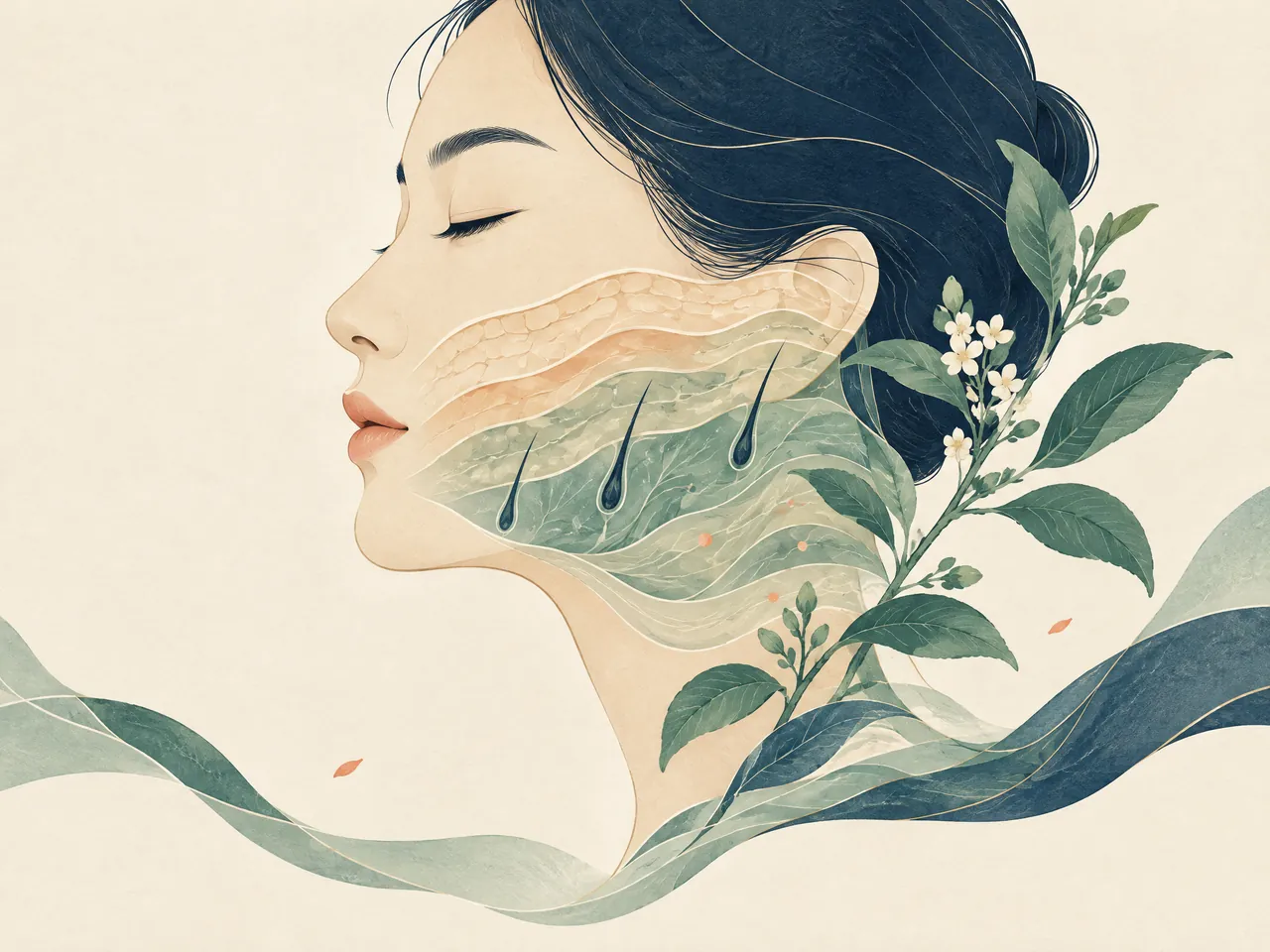
Period pimples may recur before or around menstruation, but a repeat pattern does not by itself prove a hormone disorder. Track cycle dates, the type and timing of each lesion, products, sleep and other changes. Keep care gentle and avoid picking. Redness or darkening after a spot heals may be an acne mark, whereas an indentation, raised area or lasting texture change can be scarring. Seek medical assessment for deep, painful, persistent acne or markedly irregular periods.
Transparent pricing
See the fees.
Choose your care.
Explore our complete official price list, including first-trial prices, regular prices, packages and branch-specific options.
Opening WhatsApp prepares an enquiry; it does not send a message, take payment or confirm an appointment. Suitability and individual arrangements are confirmed during consultation.
Chinese medicine
All prices in HKDAcupuncture and Chinese herbal medicine package
Includes a Chinese medicine consultation with pulse assessment, body acupuncture and 3 days of Chinese herbal granules that do not require decoction.
HK$580 (single session)
Chinese medicine consultation with pulse assessment
Hair and scalp
All prices in HKDScalp health and hair-loss management
Includes AI scalp analysis, deep scalp and follicle cleansing, and scalp oil-control care.
HK$380 (first trial)
Regular price: HK$680
- 6 sessions: HK$3,480 (HK$580 per session)
- 12 sessions: HK$5,760 (HK$480 per session)
- 20 sessions: HK$8,600 (HK$430 per session)
- 30 sessions: HK$11,400 (HK$380 per session)
Hair acupuncture and Chinese herbal medicine package
Includes scalp acupuncture and 3 days of Chinese herbal medicine that does not require decoction.
HK$580 (single session)
Registered Chinese Medicine Practitioner consultation
- 6 sessions: HK$3,180 (HK$530 per session)
- 12 sessions: HK$5,760 (HK$480 per session)
- 20 sessions: HK$8,600 (HK$430 per session)
- 30 sessions: HK$11,400 (HK$380 per session)
Combined hair and scalp treatment
Combines acupuncture and Chinese herbal medicine with salon-level scalp and follicle care. Packages include complimentary hair-care shampoo and serum.
HK$1,260 (single session)
Combined treatment
- 8 sessions: HK$8,640 (HK$1,080 per session)
- 16 sessions: HK$15,680 (HK$980 per session)
- 20 sessions: HK$18,600 (HK$930 per session)
- 30 sessions: HK$26,400 (HK$880 per session)
Weight management
All prices in HKDFull-body acupoint embedding for weight management
Includes full-body acupoint embedding. Packages include complimentary Chinese herbal medicine for weight management, with the number of included days scaled to the package. Embedding material and the individual treatment arrangement are confirmed during consultation; this is not a cosmetic thread lift.
HK$980 (single session)
No trial session
- 10 sessions: HK$7,800 (HK$780 per session)
- 20 sessions: HK$14,600 (HK$730 per session)
- 30 sessions: HK$20,400 (HK$680 per session)
Facial acupuncture
All prices in HKDFacial acupuncture (basic)
Includes facial acupuncture and meridian-based facial care, including care for facial puffiness.
HK$480 (first trial)
Regular price: HK$680
- 10 sessions: HK$5,200 (HK$520 per session)
- 20 sessions: HK$9,600 (HK$480 per session)
- 30 sessions: HK$13,500 (HK$450 per session)
Facial acupuncture (advanced)
Includes enhanced facial acupuncture with a specially formulated moisturising mask and serum.
HK$780 (first trial)
Regular price: HK$1,180
- 10 sessions: HK$9,000 (HK$900 per session)
- 20 sessions: HK$16,600 (HK$830 per session)
- 30 sessions: HK$23,400 (HK$780 per session)
Pain care
All prices in HKDExtracorporeal shockwave treatment
Shockwave treatment for deep-tissue and fascial care. The Kwun Tong clinic offers the multi-area options shown below.
Priced by branch
Branch-specific pricing
Prince Edward: HK$250 per area
Kwun Tong: HK$250 for 1 area / HK$450 for 2 areas / HK$600 for 3 areas
Pain care (manual therapy)
Includes Chinese medicine musculoskeletal assessment, manual joint techniques and tui na.
HK$580 (single session)
Chinese medicine musculoskeletal assessment
Pain care (acupuncture and manual therapy)
Combines acupuncture and manual therapy.
HK$680 (single session)
Combined care
Period Pimples, Premenstrual Acne and Acne Marks and Scarring: Understanding Cycle Patterns
Many people notice that spots become more tender, deeper or more frequent in the days before bleeding begins. Hormones vary across the menstrual cycle and can influence sebum, the skin’s oil. That is one plausible reason a flare can seem to arrive on a schedule, but it is not a complete explanation for every breakout. Cleveland Clinic notes that period-related acne timing differs from person to person and may involve the chin, jawline, cheeks, neck, shoulders or back, rather than one fixed facial zone [1].
It is useful to treat “period-related” as an observation first, not a conclusion. A new cleanser, hair product touching the face, face covering, phone contact, training schedule, poor sleep, stress or picking can overlap with the premenstrual week. If you are comparing your own pattern with general information on period acne, look for repetition across cycles as well as the everyday factors that were present when the spots changed. That creates a more useful account than trying to identify a single culprit from a selfie.
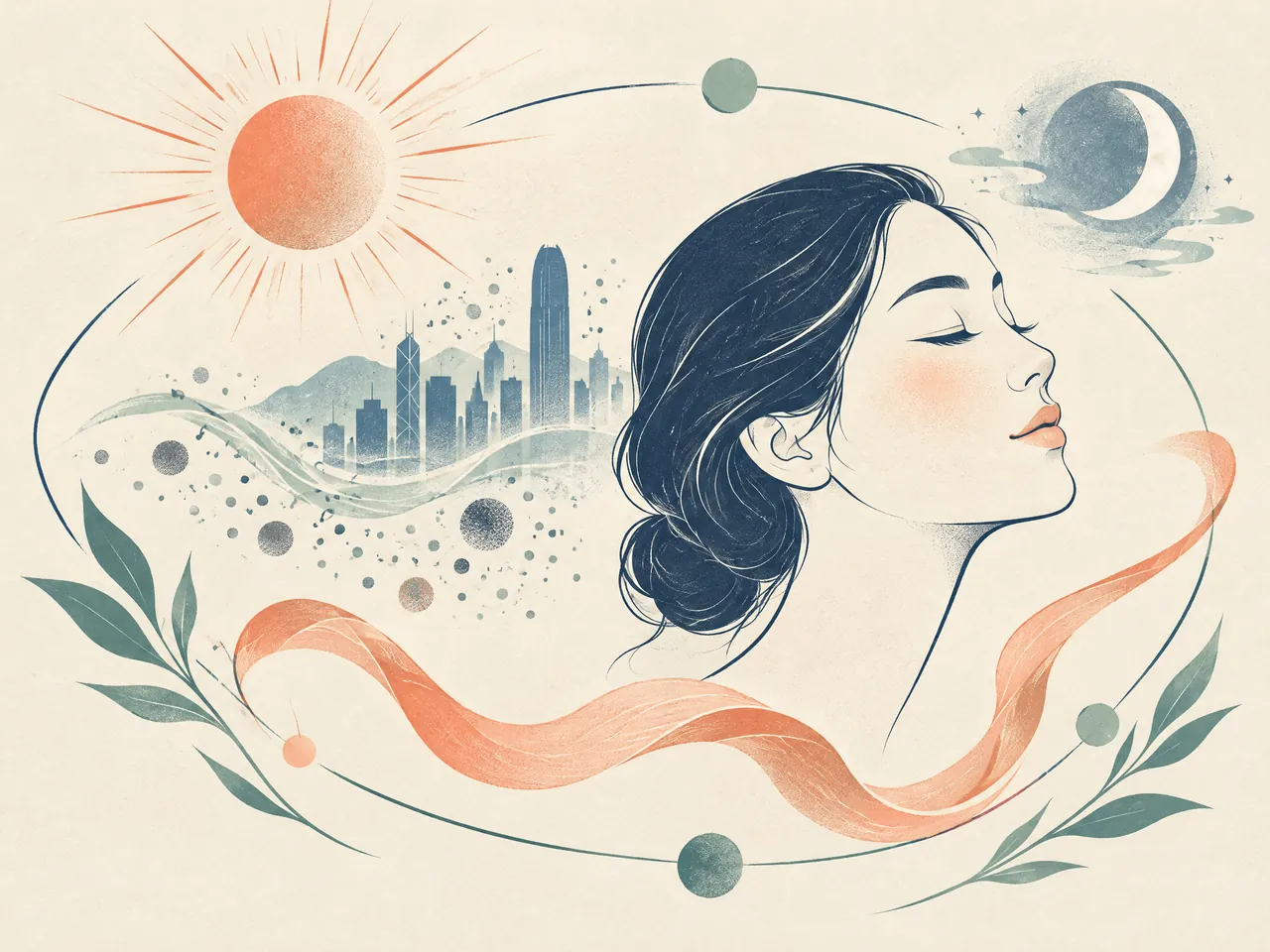
The same approach protects against an unhelpful label. A jawline flare can be associated with cycle changes, yet location alone cannot tell whether someone has an endocrine condition. The pattern may coexist with ordinary acne, irritation, friction or another skin condition that resembles acne. A clinician who can inspect the lesion type and ask about the wider history is better placed to decide what is actually happening than a face map or a social-media rule.
Period Pimples, Premenstrual Acne and Acne Marks and Scarring: Why Breakouts May Recur
Recurring premenstrual acne often feels predictable because the skin changes occur alongside a familiar part of the cycle. Some lesions are inflamed papules or pustules; others are deeper, tender bumps that seem slow to resolve. A person may also have a mixture: several small clogged pores through the month, then a few painful lesions before a period. A cycle pattern can be meaningful even when the exact start day varies, so record the first appearance and whether the breakout eases, spreads or leaves colour change after menstruation starts.
Avoid assuming that a recurring flare means you have caused it by eating one food or missing one night of sleep. Instead, note changes without turning the diary into a blame list. Write down a new supplement, a prescribed medicine, travel, a product switch, increased sweating or sustained stress beside the skin entry. This can show whether the timing is consistent despite normal variation. For a fuller discussion of recurring hormonal breakouts, use your own record to frame questions rather than to self-diagnose.

Period Pimples, Premenstrual Acne and Acne Marks and Scarring: Why Location Alone Is Not Diagnostic
The lower face is commonly discussed in relation to cycle-linked acne, but a spot on the chin is not a laboratory result. Acne can appear where follicles clog and become inflamed, and it may be affected by occlusive cosmetics, hair products, shaving, masks or habitual touching. A neck or jawline cluster can be worth recording, especially if it repeats, but it should be described with the lesion type and timing rather than used as proof of “hormonal imbalance.”
Describe what you can see and feel: blackheads, whiteheads, red bumps, pustules, deep tender nodules, itch, pain or a rash-like spread. Include areas beyond the face, such as the chest or back. This detail matters because conditions that look like acne can need different care. The American Academy of Dermatology notes that a clinical examination considers both the types of lesions and where they appear, and that some acne-like eruptions are not acne [3].
Compare your options
| What you notice | How to describe it in your record | Why the distinction helps |
|---|---|---|
| New active spot | Date, area, whether it is a blackhead, whitehead, red bump, pustule or deep tender lesion | Shows lesion type and whether inflammation is still active |
| Cycle timing | First day of bleeding and the day each flare begins or settles | Helps identify a recurring premenstrual pattern without assuming a cause |
| Flat colour after a spot | Red, pink, brown or darker area; flat or not; whether the original spot has settled | Can distinguish post-inflammatory colour change from a new breakout |
| Lasting texture change | Indentation, uneven texture, firm raised area, location and when first noticed | Helps raise possible scarring for clinical discussion |
| Relevant context | New products, medicines, sleep, stress, friction, picking and menstrual changes | Gives a clinician a fuller history and highlights practical exposures |
On smaller screens, scroll the table sideways to compare all columns.
Period Pimples, Premenstrual Acne and Acne Marks and Scarring: Building a Useful Record
A practical record should be short enough to keep during a busy Hong Kong week. Start with the first day of bleeding, estimated end date and any major cycle symptoms that you want a clinician to know about, such as unusual pain or clear changes in flow. On a separate skin line, mark the date new lesions appear, the area, the type of lesion and a simple severity description. Photographs taken in similar light can document change, but they are an aid to a consultation, not a diagnosis by themselves.
The most valuable entries link the skin to context. Note what remained stable and what changed: cleanser, moisturiser, sunscreen, make-up, hair styling products, exercise, mask use, sleep, stress, medicines and picking. You do not need to rank every meal or measure your face daily. The aim is to notice repeatable associations and to make a dermatology, primary-care, gynaecology or Chinese medicine conversation more specific. Bring the record even if it is incomplete; honest notes about gaps are still more useful than memory alone.
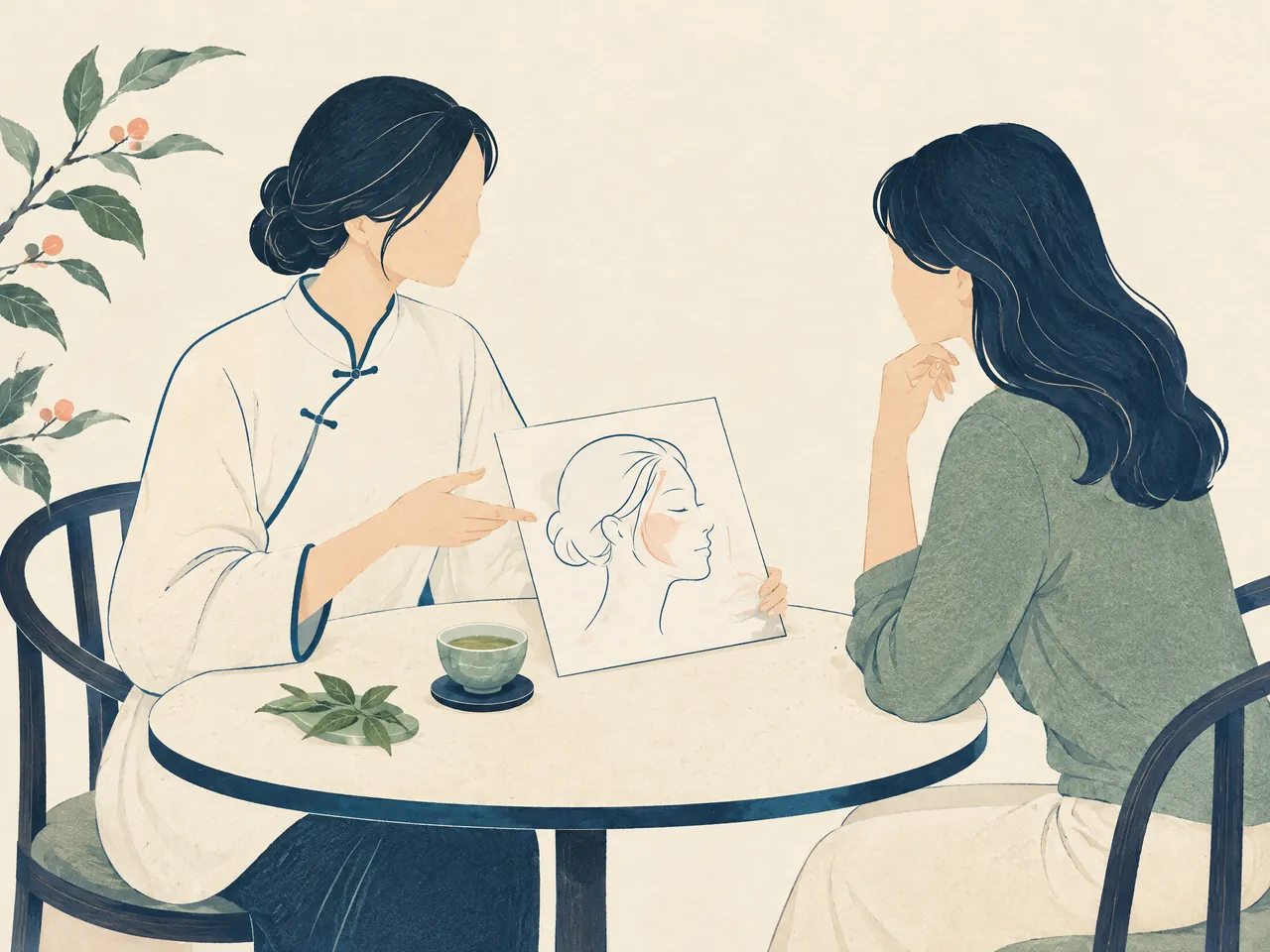
Use the table as a prompt, not as a scoring system. A single whitehead that fades is different from a new painful lump that lingers and changes texture. Separating the active lesion from what remains afterwards also prevents a common mistake: treating a flat red or brown mark as though it were a fresh infection, or treating ongoing inflammation as though it were only a cosmetic scar concern.
Period Pimples, Premenstrual Acne and Acne Marks and Scarring: What to Note Each Cycle
For each flare, note its relationship to the period rather than using vague terms such as “around then.” For example, write “new tender jawline bump before bleeding” or “brown flat mark after the pustule settled.” Add whether a lesion has a visible head, drains, feels deep, is painful when touched or remains in the same place. Also record whether you squeezed, scratched or repeatedly covered it. This gives a clinician information about the lesion’s course without requiring you to identify it perfectly.
A useful record includes the menstrual picture because skin is only one part of the question. Mention long gaps between periods, markedly irregular timing, new excess facial or body hair, hair loss, weight changes or other symptoms that concern you. These features do not establish a diagnosis, but they are important to raise in medical care. The NHS lists irregular periods, oily skin and acne among symptoms that may occur with PCOS, while stressing that common symptoms can have many causes and merit assessment when they affect daily life [4].
Period Pimples, Premenstrual Acne and Acne Marks and Scarring: How a TCM Consultation Reviews Your History
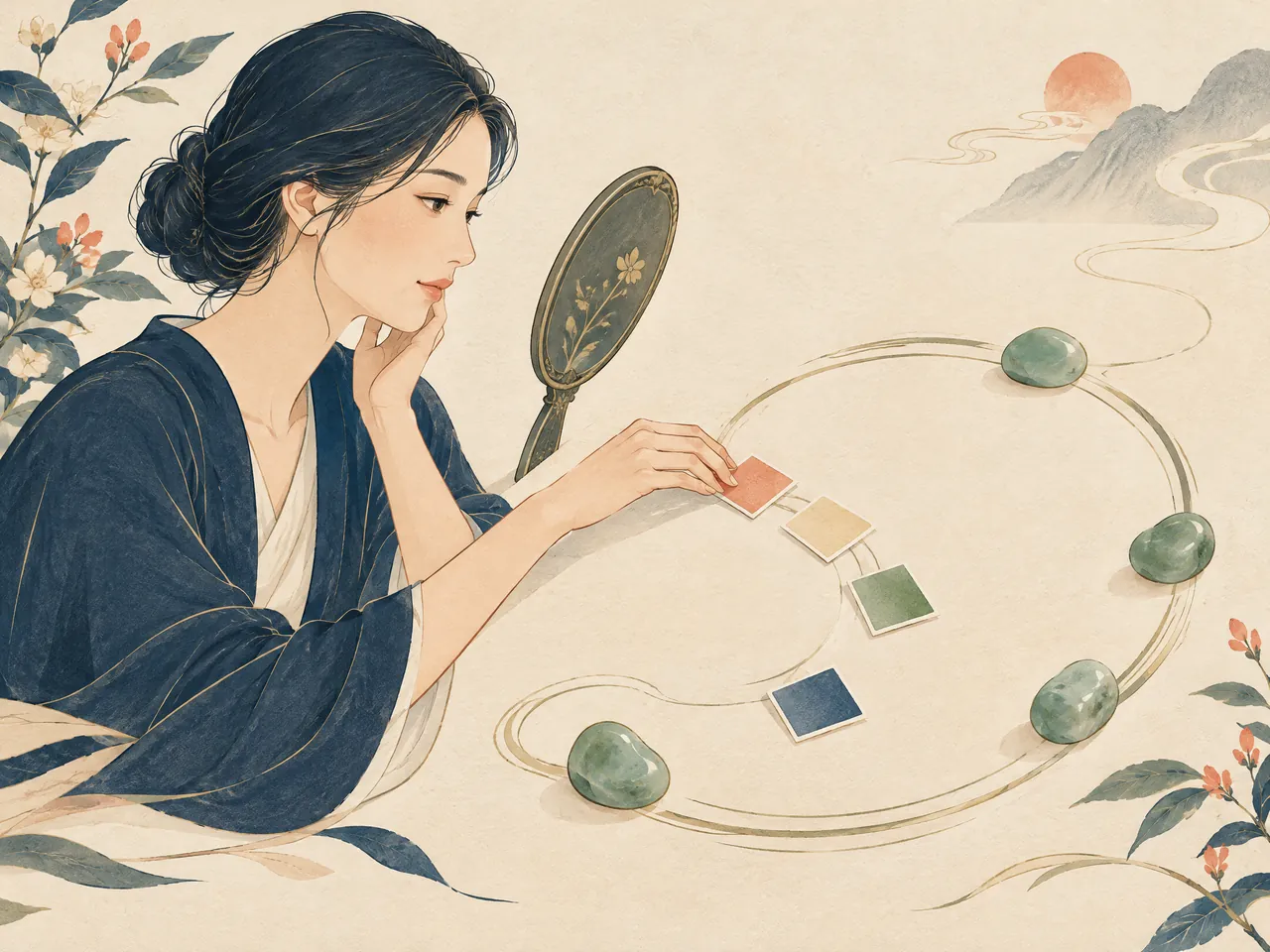
In a TCM consultation, a Registered Chinese Medicine Practitioner may ask about the menstrual cycle, digestion, appetite, sleep, energy, mood, stress and the way the skin changes over time. Traditional assessment may also include observation and other customary diagnostic approaches. This whole-history conversation can help organise your concerns and daily routines within a traditional medicine context. It is not an endocrine test, and a traditional pattern label should not be presented as a modern diagnosis of hormones or PCOS.
Bring your diary, current product list and details of any medicines or supplements to the appointment. Say clearly whether you are pregnant, trying to conceive, breastfeeding or already under dermatological or gynaecological care so that the discussion is properly coordinated. TCM support may sit alongside symptom management and self-care, but deep cyst-like lesions, persistent inflammation, scarring risk or suspected endocrine issues still deserve conventional medical assessment. Read about hormonal acne as a topic, but use a clinician to decide what applies to you.
Period Pimples, Premenstrual Acne and Acne Marks and Scarring: Care and When to Seek Help
When a flare is active, simplify rather than intensify. Use a gentle cleanser, avoid harsh scrubbing and choose non-comedogenic products if you use make-up, sunscreen, moisturiser or hair products near the face. Introduce one change at a time so that you can recognise irritation. Do not increase the amount or frequency of a treatment simply because the breakout feels urgent; acne care is often consistent rather than dramatic. If you use prescription or active over-the-counter products, follow the directions from your clinician or pharmacist.
The next decision is whether you are looking at active inflammation, a mark or a scar. Active acne can be tender, swollen or pustular. After it settles, flat red, pink, brown or darker areas may remain; DermNet describes these as post-inflammatory colour changes that can occur before or alongside scars and may take months or longer to improve [2]. A persistent dent, uneven texture or raised lesion is more consistent with structural scarring. Ongoing active acne should be addressed before planning scar-focused management [2].

Avoid picking and squeezing, including when a spot seems ready to pop. Extra injury to an active lesion can increase inflammation and the likelihood of scarring [2]. If painful lesions are affecting concentration, confidence, sleep or daily routines, that impact itself is a good reason to seek help rather than waiting for a more dramatic sign. Support should make the next choice clearer, whether that is skin-care adjustment, medical acne treatment or assessment of menstrual symptoms.
Period Pimples, Premenstrual Acne and Acne Marks and Scarring: Gentle Daily Skin Care
Build a low-friction routine: cleanse gently, moisturise if your skin feels dry or is irritated by treatment, and use broad-spectrum non-comedogenic sun protection when exposed to daylight. Keep towels, pillowcases and make-up tools reasonably clean, but do not scrub the skin in pursuit of perfect hygiene. Friction and over-cleansing can make already inflamed skin feel worse. If a new product stings, burns, creates a rash or coincides with a sudden change, pause it and ask a healthcare professional or pharmacist how to proceed.
Think of make-up as part of the exposure history, not as a failure of care. Note whether a long day in masks, heavy fringe products, a new foundation or frequent phone contact lines up with the breakout area. Remove cosmetics gently at the end of the day and resist the temptation to test several strong spot products together. The AAD advises that treatment plans are tailored to acne type and that using more medication than directed does not clear acne faster [3]. Consistency also makes your cycle record easier to interpret.

Period Pimples, Premenstrual Acne and Acne Marks and Scarring: When Medical Assessment Matters
Arrange medical assessment when lesions are deep, painful, widespread, leave lasting texture changes, keep returning despite sensible care, or when you are unsure whether the eruption is acne. A family doctor, dermatologist or gynaecologist can assess the skin and relevant menstrual history. Ask sooner if irregular periods, increased facial or body hair, scalp hair loss or other symptoms are occurring alongside acne. These findings have different possible explanations and need proper evaluation rather than a conclusion based on a facial distribution.
If you would like a traditional medicine consultation after or alongside medical advice, send a brief summary of your pattern and availability to TCM Lab. You can enquire at the Kwun Tong Chinese medicine clinic or the Chinese medicine clinic Prince Edward; appointments are arranged according to practitioner availability. Bring the record that shows the cycle, lesion changes and current care. It helps keep the consultation focused on your actual experience rather than on assumptions about period pimples.
Care and health guide
Health service information
This directory brings together services, reading, and visit information related to health services, to help you prepare questions for a consultation.
If you are organising health questions, Chinese medicine clinic Hong Kong is a starting point for learning about related services and preparing for a consultation.
People have different needs; acupuncture Hong Kong provides further reading to help you understand options in your own context.


Your questions, answered
Frequently asked questions
Are pimples on the chin always caused by hormones?
No. Chin and jawline breakouts may occur in a menstrual pattern, but location alone cannot diagnose a hormone disorder. Acne type, timing, products, friction, sleep, stress and other symptoms all matter. A wider history and clinical assessment are more reliable than a face map.
How long should I track premenstrual acne before seeking help?
Start recording now rather than waiting for a perfect diary. A pattern over several cycles can be useful, but seek medical advice promptly if acne is deep, painful, widespread, persistent, causing scars or occurring with markedly irregular periods or other concerning symptoms.
Can I squeeze a period pimple to stop it becoming a scar?
It is better not to squeeze or pick an inflamed spot. Picking can add injury and increase the likelihood of scarring. Keep the routine gentle and seek professional advice for painful, deep or persistent lesions rather than trying to extract them yourself.
Can a TCM consultation replace an endocrine or dermatology assessment?
No. TCM assessment uses a traditional approach and may consider the cycle, digestion, sleep and emotions, but it is not a substitute for medical diagnosis. See a family doctor, dermatologist or gynaecologist when endocrine concerns, severe acne, scarring or irregular periods need assessment.
Sources and further information
- [1] [1] Cleveland Clinic — The Breakout Breakdown: Why You Get Acne Around Your Period
Referenced for: Period-related acne timing, distribution, sebum changes, gentle non-comedogenic care and clinician follow-up.
- [2] [2] DermNet — Acne scarring
Referenced for: Distinguishing post-inflammatory colour changes from structural scarring, the risks of picking and the priority of active acne management.
- [3] [3] American Academy of Dermatology — Acne: Diagnosis and treatment
Referenced for: Clinical assessment by lesion type and location, conditions that can resemble acne, tailored treatment and avoiding overuse of treatments.
- [4] [4] NHS — Polycystic ovary syndrome symptoms
Referenced for: Irregular periods, oily skin and acne as possible symptoms requiring appropriate medical assessment.