
TCM Lab · Health reading
Hot or Cold Pack for Back Pain: Choosing Heat or Ice Safely: hot or cold pack for back pain — How long should I use an ice pack for back pain? — How long should I use a heat pack for lower back pain?
Published Updated
When your back suddenly aches after lifting a suitcase, an ice pack can feel like the obvious answer. When it has been tight through a long desk day, a warm pack may be the more comfortable choice. The useful distinction is not simply ‘heat is good’ or ‘ice is good’: look at what the pain is doing now. Cold is commonly used for a recent painful, swollen area; gentle heat can suit stiffness or muscle spasm. Both are short-term comfort measures, not a way to diagnose the cause of back pain.
Appointments are confirmed through WhatsApp. If you have language requirements, please mention them in your enquiry.
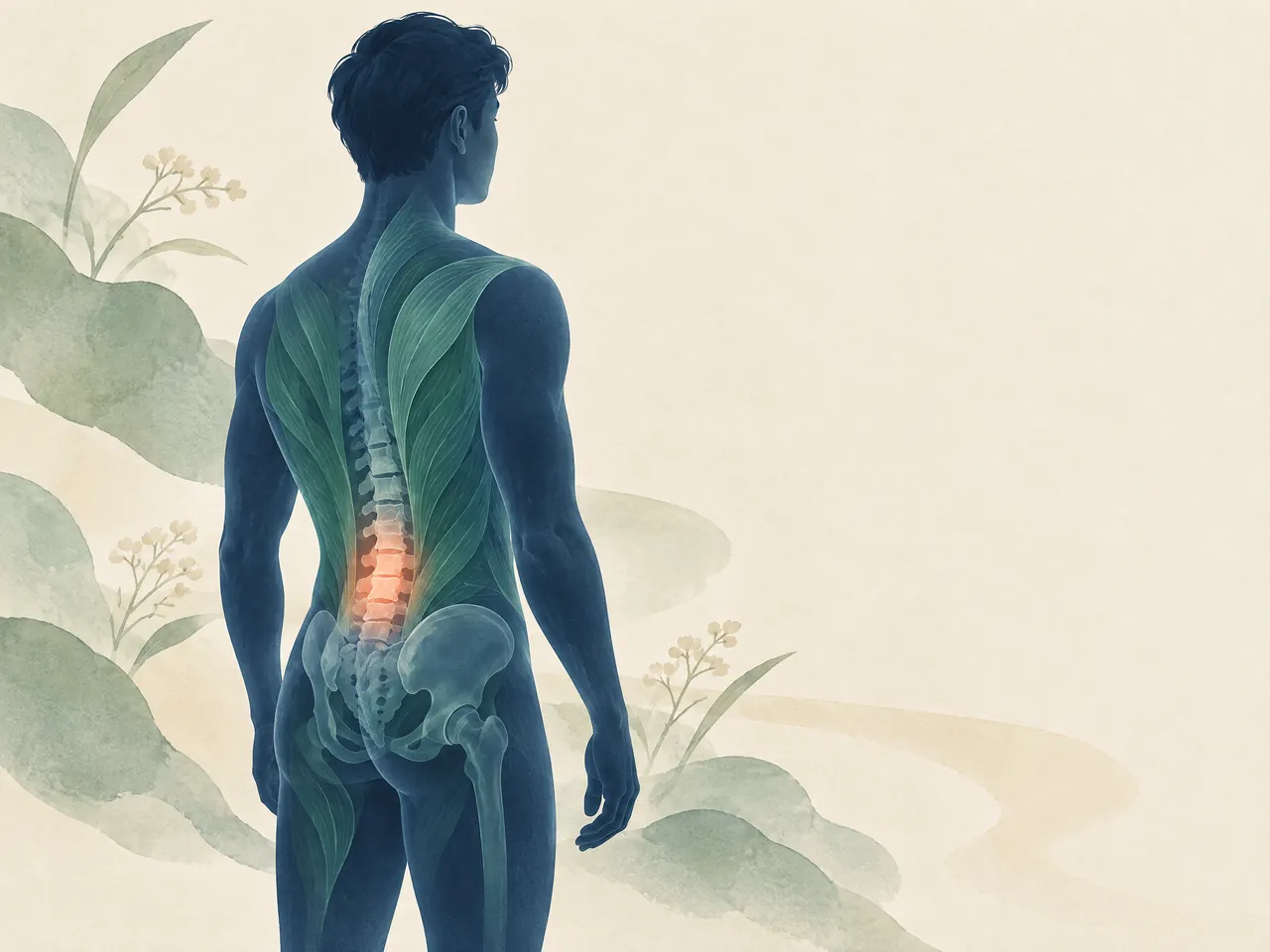
The short answer
For a recent back strain with pain or swelling, try a cold pack wrapped in a towel. For ongoing stiffness or a muscle spasm, gentle heat may feel more comfortable. Use either for about 15–20 minutes at a time, never directly on the skin, and stop if the skin becomes painful or the back feels worse. Stay gently active as tolerated. Get urgent medical help for new weakness or numbness in both legs, saddle numbness, bladder or bowel changes, chest pain, or pain after a serious accident.
Transparent pricing
See the fees.
Choose your care.
Explore our complete official price list, including first-trial prices, regular prices, packages and branch-specific options.
Opening WhatsApp prepares an enquiry; it does not send a message, take payment or confirm an appointment. Suitability and individual arrangements are confirmed during consultation.
Pain care
All prices in HKDExtracorporeal shockwave treatment
Shockwave treatment for deep-tissue and fascial care. The Kwun Tong clinic offers the multi-area options shown below.
Priced by branch
Branch-specific pricing
Prince Edward: HK$250 per area
Kwun Tong: HK$250 for 1 area / HK$450 for 2 areas / HK$600 for 3 areas
Pain care (manual therapy)
Includes Chinese medicine musculoskeletal assessment, manual joint techniques and tui na.
HK$580 (single session)
Chinese medicine musculoskeletal assessment
Pain care (acupuncture and manual therapy)
Combines acupuncture and manual therapy.
HK$680 (single session)
Combined care
Hair and scalp
All prices in HKDScalp health and hair-loss management
Includes AI scalp analysis, deep scalp and follicle cleansing, and scalp oil-control care.
HK$380 (first trial)
Regular price: HK$680
- 6 sessions: HK$3,480 (HK$580 per session)
- 12 sessions: HK$5,760 (HK$480 per session)
- 20 sessions: HK$8,600 (HK$430 per session)
- 30 sessions: HK$11,400 (HK$380 per session)
Hair acupuncture and Chinese herbal medicine package
Includes scalp acupuncture and 3 days of Chinese herbal medicine that does not require decoction.
HK$580 (single session)
Registered Chinese Medicine Practitioner consultation
- 6 sessions: HK$3,180 (HK$530 per session)
- 12 sessions: HK$5,760 (HK$480 per session)
- 20 sessions: HK$8,600 (HK$430 per session)
- 30 sessions: HK$11,400 (HK$380 per session)
Combined hair and scalp treatment
Combines acupuncture and Chinese herbal medicine with salon-level scalp and follicle care. Packages include complimentary hair-care shampoo and serum.
HK$1,260 (single session)
Combined treatment
- 8 sessions: HK$8,640 (HK$1,080 per session)
- 16 sessions: HK$15,680 (HK$980 per session)
- 20 sessions: HK$18,600 (HK$930 per session)
- 30 sessions: HK$26,400 (HK$880 per session)
Weight management
All prices in HKDFull-body acupoint embedding for weight management
Includes full-body acupoint embedding. Packages include complimentary Chinese herbal medicine for weight management, with the number of included days scaled to the package. Embedding material and the individual treatment arrangement are confirmed during consultation; this is not a cosmetic thread lift.
HK$980 (single session)
No trial session
- 10 sessions: HK$7,800 (HK$780 per session)
- 20 sessions: HK$14,600 (HK$730 per session)
- 30 sessions: HK$20,400 (HK$680 per session)
Facial acupuncture
All prices in HKDFacial acupuncture (basic)
Includes facial acupuncture and meridian-based facial care, including care for facial puffiness.
HK$480 (first trial)
Regular price: HK$680
- 10 sessions: HK$5,200 (HK$520 per session)
- 20 sessions: HK$9,600 (HK$480 per session)
- 30 sessions: HK$13,500 (HK$450 per session)
Facial acupuncture (advanced)
Includes enhanced facial acupuncture with a specially formulated moisturising mask and serum.
HK$780 (first trial)
Regular price: HK$1,180
- 10 sessions: HK$9,000 (HK$900 per session)
- 20 sessions: HK$16,600 (HK$830 per session)
- 30 sessions: HK$23,400 (HK$780 per session)
Chinese medicine
All prices in HKDAcupuncture and Chinese herbal medicine package
Includes a Chinese medicine consultation with pulse assessment, body acupuncture and 3 days of Chinese herbal granules that do not require decoction.
HK$580 (single session)
Chinese medicine consultation with pulse assessment
When to Choose Cold or Heat for Back Discomfort: hot or cold pack for back pain — How long should I use an ice pack for back pain? — How long should I use a heat pack for lower back pain?
A hot or cold pack for back pain is best chosen by the pattern, not by a rule that one method always wins. Think back to what changed: did pain begin during a recent lift, twist or minor knock, and does the spot look or feel puffy? Or has it built up as a dull, guarded feeling after commuting, standing, exercise or a day at a laptop? That comparison helps you choose a comfort measure to try first. It also keeps the goal realistic: you are testing a brief, safe way to ease discomfort while watching how your body responds.
Back pain has many possible causes, and it is often not possible to identify one clear cause straight away. A pulled muscle is one common cause, but sciatica, a disc problem and other conditions can also be involved. [1] A pack cannot distinguish these for you. Notice whether symptoms stay local or travel into a leg, whether a position reliably eases them, and whether normal walking is becoming harder. For a broader routine around a pack, see back pain self-care; the aim is measured activity, not forcing through sharp pain.
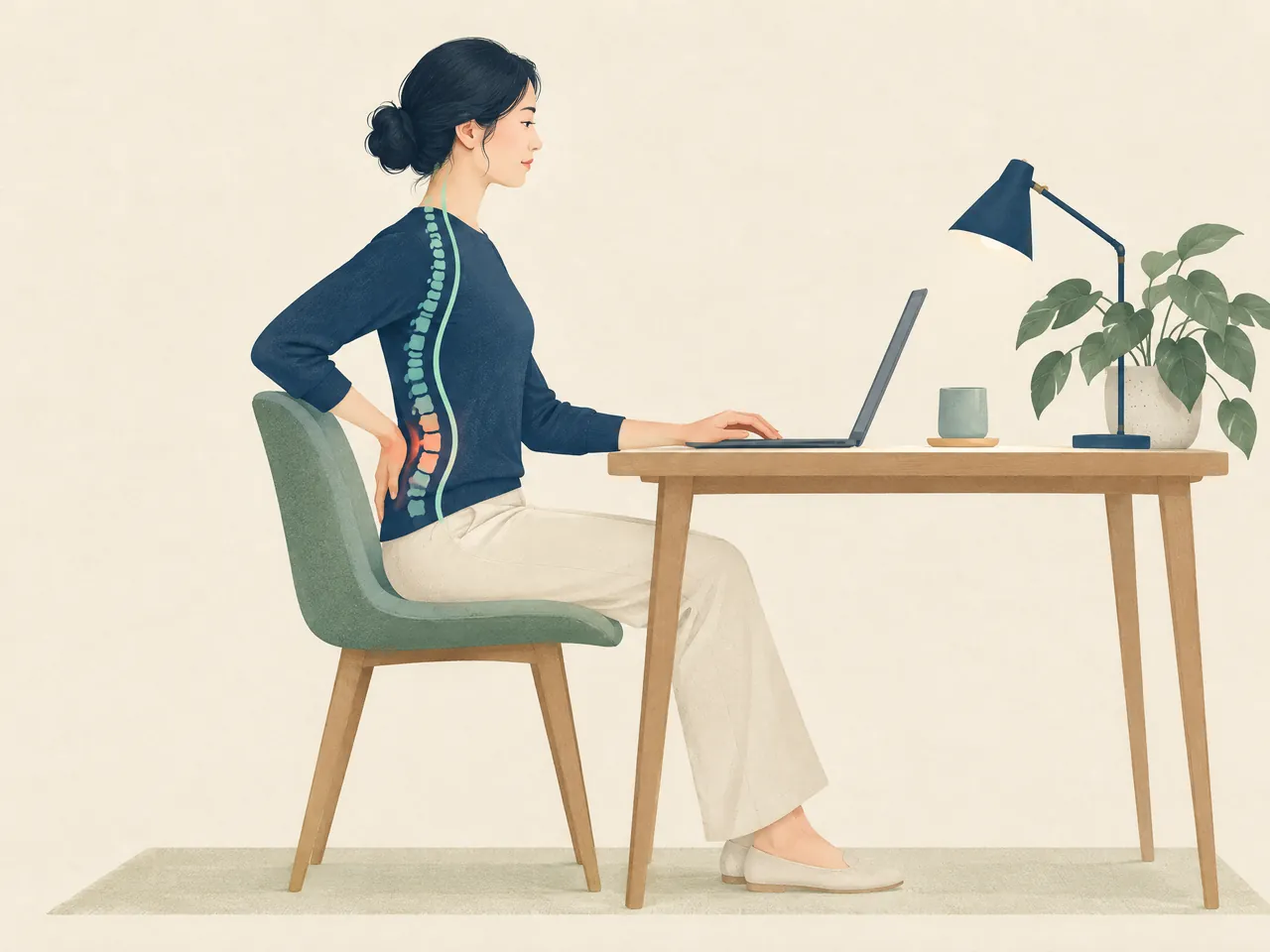
Acute pain, swelling and a cold pack: hot or cold pack for back pain — How long should I use an ice pack for back pain? — How long should I use a heat pack for lower back pain?
Cold is a reasonable first comfort option after a recent minor strain when pain and swelling are the main features. The NHS specifically lists a wrapped ice pack or bag of frozen peas to reduce pain and swelling in back pain. [1] ‘Recent’ matters more than a precise clock on a webpage: compare how the episode began with how it feels today. If a cool pack is soothing and the skin remains comfortable, it may be a practical part of settling down after a flare. If it makes the back clamp up, increases discomfort or feels unpleasantly intense, remove it.
How long should I use an ice pack for back pain? Keep the session short: HealthLink BC says not to apply ice longer than 15–20 minutes at a time, and to keep a damp cloth between skin and the cold pack. [2] Rest in a supported position and check the skin before and after. Painful stinging, excessive numbness, marked paleness or blotchy colour are reasons to take it off. Do not fall asleep with ice in place. If you have diabetes, peripheral neuropathy, circulation problems, impaired sensation or fragile skin, ask a healthcare professional before relying on temperature therapy.
Stiffness, muscle tightness and gentle heat: hot or cold pack for back pain — How long should I use an ice pack for back pain? — How long should I use a heat pack for lower back pain?
Heat often suits a different picture: the back feels stiff on getting out of bed, tense after sitting through meetings, or cramped with a muscle spasm. The NHS describes a heat pack or hot-water bottle wrapped in a tea towel as an option for joint stiffness or muscle spasms. [1] The aim is comfortable warmth, not intense heat. You might use it while changing posture or preparing to move gently. If the area is visibly swollen, hot, or newly injured, cold may be the more comfortable first trial instead.
How long should I use a heat pack for lower back pain? Use it for about 15–20 minutes and check that the warmth remains pleasant. HealthLink BC advises low or medium, never high, on an electric heating pad and advises against falling asleep while it is on. [2] A wrapped hot-water bottle also needs care: check its closure and keep a cloth barrier around it. Readers looking at warmth-based options can see heat therapy for back pain. Stop if heat makes throbbing, swelling, dizziness or pain worse.
Compare your options
| What you notice | A cautious first comfort option | How to use it safely | What to do next |
|---|---|---|---|
| Recent minor strain with pain or swelling | Try a wrapped cold pack if it feels comfortable | Use a cloth barrier and remove within 15–20 minutes; do not sleep with it on | Reassess after gentle movement; seek advice if pain worsens or does not settle |
| Stiffness after sitting, driving or waking | Try gentle heat | Use warm, not hot, heat through a towel for about 15–20 minutes; stay awake | Change position and move gently rather than returning to prolonged sitting |
| Neither option feels comfortable | Stop the pack rather than forcing heat or cold | Check the skin and let it return to normal temperature | Consider activity changes and arrange assessment if the pattern persists |
| New weakness, numbness in both legs, saddle numbness, bladder or bowel change, chest pain, or serious trauma | Do not self-treat with a pack | Do not delay urgent assessment to finish a session | Seek emergency medical care |
On smaller screens, scroll the table sideways to compare all columns.
Safe Application Times and Skin Protection: hot or cold pack for back pain — How long should I use an ice pack for back pain? — How long should I use a heat pack for lower back pain?
The same safety rule applies whether the pack is cold, warm, reusable, electric or homemade: protect the skin and limit the exposure. A towel barrier buffers a very cold gel pack or hot surface while still allowing a comfortable temperature to reach the area. Set a timer rather than estimating from memory. Fifteen to twenty minutes is a practical ceiling for either type of pack in the guidance cited here. [1] [2] Give your skin time to return to its usual colour and sensation before considering another session.
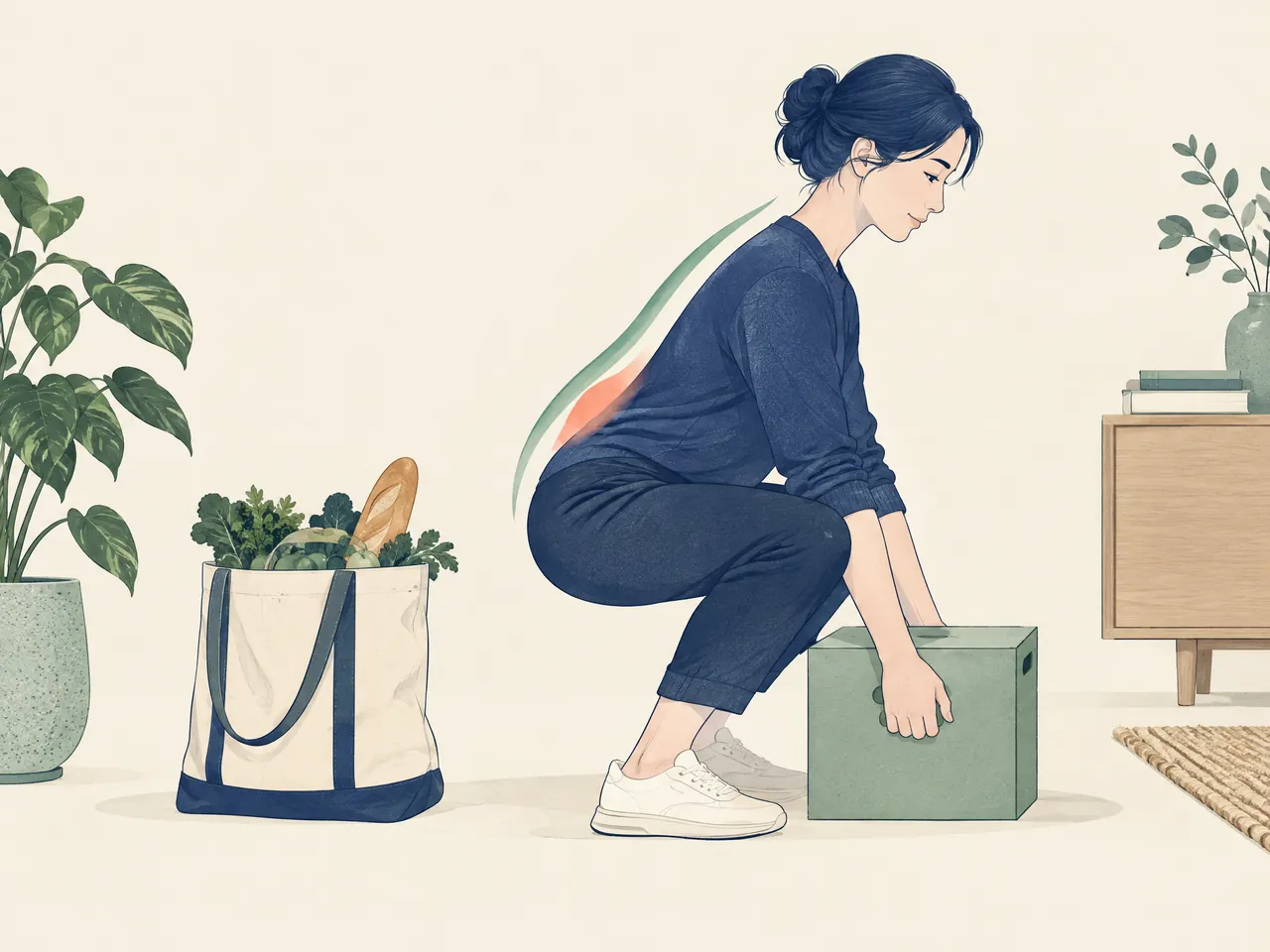
A simple skin check makes a pack safer. Before starting, make sure the skin is intact and dry. During the session, ask whether the temperature feels steadily comfortable rather than sharp, burning or painfully cold. Afterwards, look for unusual redness, paleness, mottling, blistering or ongoing numbness. Remove the pack promptly if these occur, and do not use it over a rash, open wound or skin infection. For a direct comparison of the two options, read heat or ice for lower back pain.

How to use a wrapped ice pack safely: hot or cold pack for back pain — How long should I use an ice pack for back pain? — How long should I use a heat pack for lower back pain?
Prepare the cold pack before you settle down. Put a commercial pack, ice bag or frozen vegetables inside a thin towel or wrap it with a damp cloth. Position it over the sore part of the low back without strapping it tightly. Start the timer when the pack touches the towel. Use the time to relax the shoulders and breathe normally; there is no need to stay completely motionless. Remove the pack within 15–20 minutes, even if it still feels soothing. [2]
After removing it, dry any moisture and allow the skin to re-warm naturally. Avoid putting the same pack straight back on because the area feels numb; numbness makes it harder to judge temperature safely. If you are using cold after gardening, gym activity or a long shift, first check that you have not developed a new symptom that deserves assessment, such as pain shooting down the leg or growing weakness. A pack is for short-term comfort, not a substitute for working out why a pattern keeps returning.
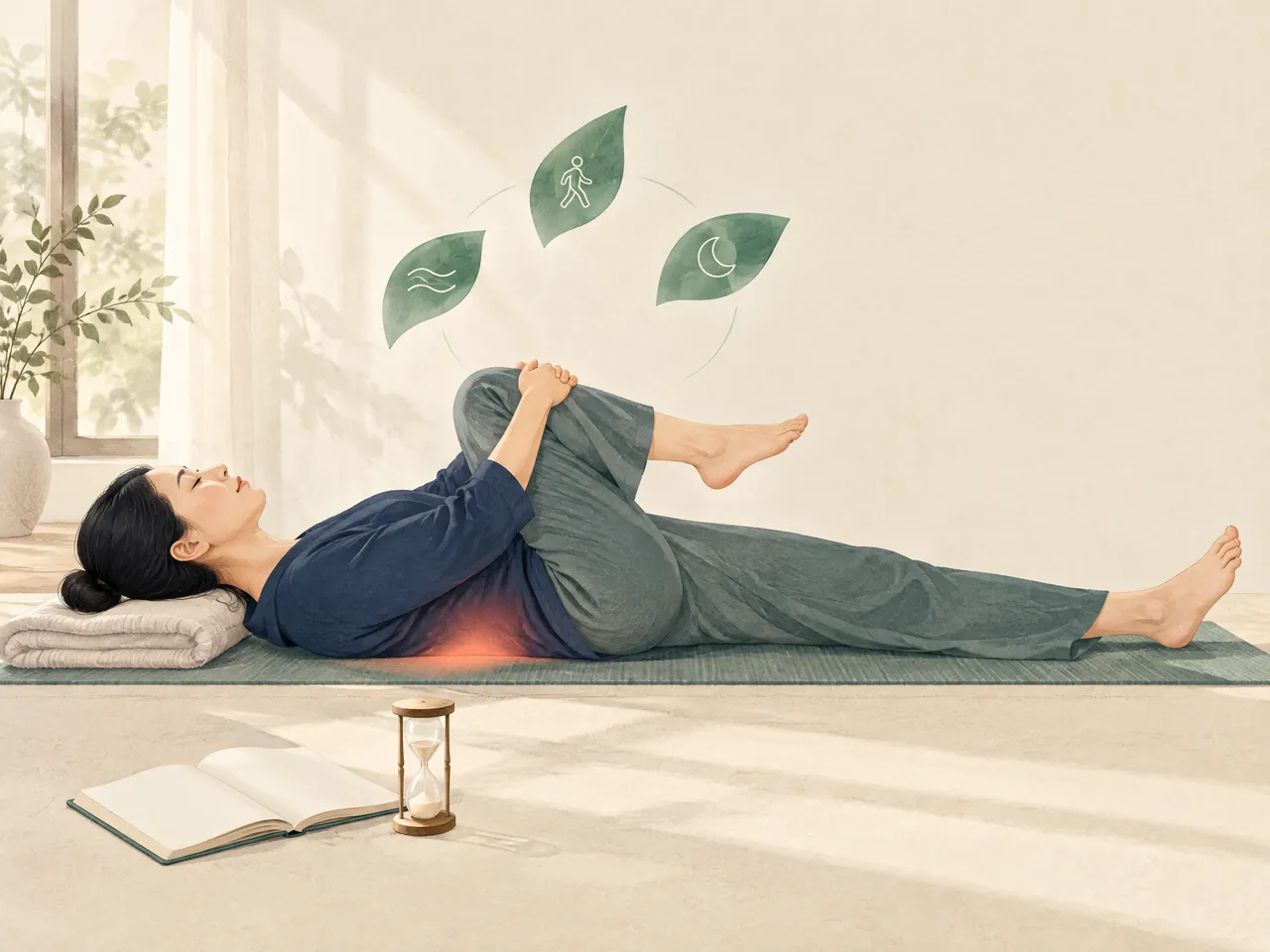
How to use a heat pack without burns: hot or cold pack for back pain — How long should I use an ice pack for back pain? — How long should I use a heat pack for lower back pain?
Choose a heat source you can control. A heat pack or hot-water bottle should feel warm through its cover, never painfully hot. Keep it on top of clothing or a towel rather than against bare skin. With an electric pad, follow the manufacturer’s instructions and use lower settings; do not fold, sit or lie on the pad unless its instructions say it is designed for that use. Stay awake and set a timer for the session.
Heat burns may develop gradually, especially with reduced sensitivity. Check the skin after removing the pack, not only when it starts to hurt. Stop if there is burning, persistent redness, blistering, itchiness or worsening pain. Do not counter a too-hot pack with ice on irritated skin. Once warmth is finished, reset the position that may be provoking stiffness. For desk-related tightness, explore lower back pain muscle stiffness. If pain keeps waking you, prevents daily activities, or is not improving after a few weeks of home care, arrange assessment. [1]
Red Flags, Assessment and Practical Next Steps: hot or cold pack for back pain — How long should I use an ice pack for back pain? — How long should I use a heat pack for lower back pain?
Most ordinary episodes of back pain can be managed with sensible self-care while you remain as active as symptoms allow. The NHS advises continuing daily activities and avoiding long periods in bed. [1] That does not mean ignoring severe pain or treating every flare the same way. If a short pack session gives enough comfort to walk, change position or sleep normally, it may be useful. If pain is getting worse quickly, disrupting basic activity, or changing character, step back from self-treatment and seek medical advice.
Keep a short factual note before an appointment: when it began; whether there was an injury; what movements, coughing or sitting do to it; whether pain goes into one or both legs; and whether heat or cold made it better, worse or made no difference. Mention medicines, medical conditions and previous episodes. NICE advises clinicians to consider alternative diagnoses when symptoms are new or changed and to think about serious causes such as cancer, infection, trauma or inflammatory disease where relevant. [3] For non-urgent enquiries, TCM Lab has a Chinese medicine clinic Prince Edward location and a Kwun Tong Chinese medicine clinic location.
When back pain needs urgent medical attention: hot or cold pack for back pain — How long should I use an ice pack for back pain? — How long should I use a heat pack for lower back pain?
Do not keep testing heat or ice if there are neurological or emergency warning signs. Seek emergency help if back pain comes with pain, tingling, weakness or numbness in both legs; loss of feeling around the genitals or anus; new bladder or bowel changes; chest pain; or pain that began after a serious accident. [1] These symptoms need urgent assessment, not a longer pack session. In Hong Kong, call 999 or go to an emergency department if you think you may have an emergency.
Also arrange urgent medical advice when severe pain starts suddenly, gets worse quickly, or you feel feverish, shivery or generally unwell with back pain. [1] A fever, feeling unwell, a significant accident, unexpected weight loss, a lump or change in back shape, or pain that is worse at night are reasons not to treat the situation as routine muscle tightness. Pain travelling down one leg can occur with sciatica, but new bilateral weakness, saddle numbness or bladder or bowel changes are especially urgent.

What a Chinese medicine consultation can explore: hot or cold pack for back pain — How long should I use an ice pack for back pain? — How long should I use a heat pack for lower back pain?
Once urgent problems have been ruled out, a Registered Chinese Medicine Practitioner can ask about the location and quality of pain, onset, sleep, daily load, aggravating movements, past injury and wider health history. Bring details of any diagnosis, imaging, medication and treatment you already have. The practitioner may also ask about temperature preference, fatigue, digestion and other whole-person symptoms as part of a traditional Chinese medicine assessment. These traditional pattern descriptions are not the same as a biomedical diagnosis and should not be used to dismiss new red-flag symptoms.
The discussion can include what you have tried at home: the type of pack, whether it was wrapped, how long it was used, and whether cold or warmth made the back feel better or worse. Acupuncture may be a topic for an individual discussion, but it should not be presented as a guaranteed cure. NICE’s guideline says not to offer acupuncture for managing low back pain with or without sciatica. [3] Before a non-urgent enquiry, review the Chinese medicine clinic price list Hong Kong. For sudden severe symptoms, weakness, numbness or bladder and bowel changes, seek urgent medical care instead of waiting for a clinic reply.
Care and health guide
Low back discomfort: care information
This directory brings together services, reading, and visit information related to low back discomfort, to help you prepare questions for a consultation.
When low back discomfort affects your day, noting when it occurs, its relation to activity, and what you have already tried can help prepare a consultation; acupuncture for low back pain is a relevant service or reading entry point.
Individual circumstances differ, and acupuncture Hong Kong offers related information to help you understand options and prepare questions.


Your questions, answered
Frequently asked questions
How do I choose between heat and cold for back pain?
Match the pack to the pattern. Cold may be more comfortable for a recently painful or swollen area after a minor strain. Gentle heat may suit stiffness or muscle spasm. Use a towel barrier, keep sessions short, and stop if either option worsens symptoms.
How long should I use an ice pack for back pain?
Use a wrapped ice pack for no longer than about 15–20 minutes at a time. Keep a cloth between it and your skin, and remove it sooner if you feel painful stinging, excessive numbness or see unusual paleness. Do not fall asleep with ice on your back.
How long should I use a heat pack for lower back pain?
Use comfortable, gentle heat for about 15–20 minutes. Keep it wrapped or over clothing, avoid high settings on an electric pad, and do not sleep with the pad on. Stop if the skin burns, stays very red, blisters or the pain increases.
When should I get urgent help instead of using a hot or cold pack?
Seek urgent medical care for new weakness, tingling or numbness in both legs; loss of sensation around the genitals or anus; new bladder or bowel changes; chest pain; or back pain after a serious accident. Severe pain that starts suddenly or worsens quickly also needs prompt medical advice.
Sources and further information
- [1] [1] NHS — Back pain
Referenced for: Supports wrapped ice for pain and swelling, wrapped heat for stiffness or muscle spasm, activity advice, non-urgent review and emergency warning symptoms.
- [2] [2] HealthLink BC — Use Heat or Ice to Relieve Low Back Pain
Referenced for: Supports the 15–20 minute heat and cold guidance, cloth barriers, avoiding sleep with an electric heat pad or ice, and an optional spaced heat/cold trial.
- [3] [3] NICE — Low back pain and sciatica in over 16s: assessment and management
Referenced for: Supports assessment for alternative diagnoses and serious pathology, advice to continue normal activity, imaging limits, and the guideline recommendation not to offer acupuncture for low back pain or sciatica.