
TCM Lab · Health reading
Sciatica Diagnosis: Herniated Disc Sciatica and Spinal Stenosis Sciatica Explained
Published Updated
Leg pain that starts in the lower back or buttock and travels down one leg can feel alarming, especially when it interrupts commuting, sitting at a desk or sleeping. That pattern may fit sciatica, but it does not reveal the cause on its own. A careful sciatica diagnosis looks at where symptoms travel, whether sensation or strength has changed, what brings symptoms on, and what the examination shows. Herniated disc sciatica and spinal stenosis sciatica are two possible explanations, not conclusions a person can safely make from a scan, a stretch or a web search.
Appointments are confirmed through WhatsApp. If you have language requirements, please mention them in your enquiry.
The short answer
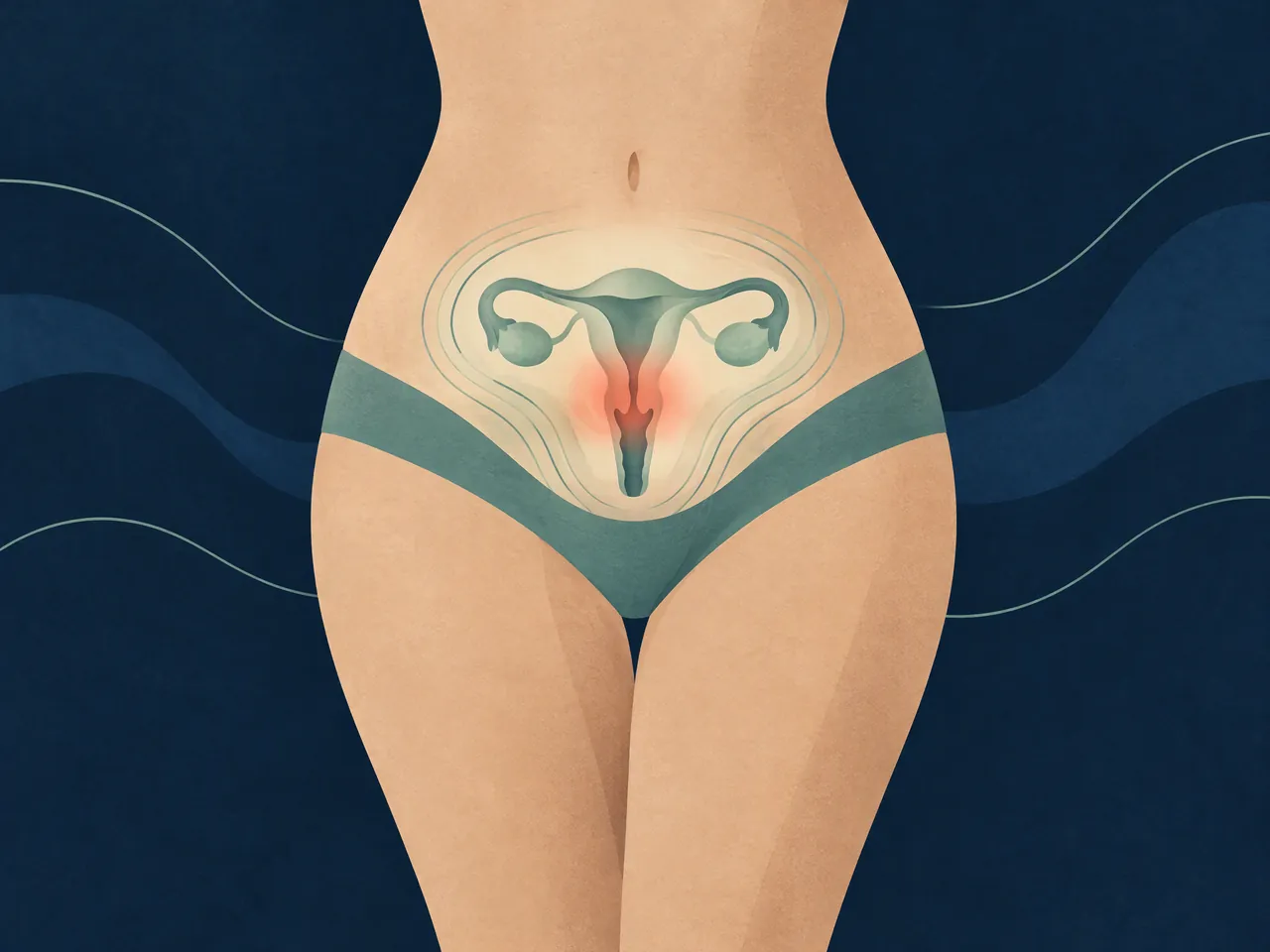
Sciatica diagnosis combines the pattern of radiating leg pain with medical history and examination, with imaging used when it can answer a clinical question. Herniated disc sciatica may be considered when a disc affects a nearby nerve root; spinal stenosis sciatica may be considered when narrowing affects the space for nerves. Seek urgent medical help for new bladder or bowel changes, saddle-area numbness, pain on both sides, or severe or worsening weakness.
Transparent pricing
See the fees.
Choose your care.
Explore our complete official price list, including first-trial prices, regular prices, packages and branch-specific options.
Opening WhatsApp prepares an enquiry; it does not send a message, take payment or confirm an appointment. Suitability and individual arrangements are confirmed during consultation.
Pain care
All prices in HKDExtracorporeal shockwave treatment
Shockwave treatment for deep-tissue and fascial care. The Kwun Tong clinic offers the multi-area options shown below.
Priced by branch
Branch-specific pricing
Prince Edward: HK$250 per area
Kwun Tong: HK$250 for 1 area / HK$450 for 2 areas / HK$600 for 3 areas
Pain care (manual therapy)
Includes Chinese medicine musculoskeletal assessment, manual joint techniques and tui na.
HK$580 (single session)
Chinese medicine musculoskeletal assessment
Pain care (acupuncture and manual therapy)
Combines acupuncture and manual therapy.
HK$680 (single session)
Combined care
Hair and scalp
All prices in HKDScalp health and hair-loss management
Includes AI scalp analysis, deep scalp and follicle cleansing, and scalp oil-control care.
HK$380 (first trial)
Regular price: HK$680
- 6 sessions: HK$3,480 (HK$580 per session)
- 12 sessions: HK$5,760 (HK$480 per session)
- 20 sessions: HK$8,600 (HK$430 per session)
- 30 sessions: HK$11,400 (HK$380 per session)
Hair acupuncture and Chinese herbal medicine package
Includes scalp acupuncture and 3 days of Chinese herbal medicine that does not require decoction.
HK$580 (single session)
Registered Chinese Medicine Practitioner consultation
- 6 sessions: HK$3,180 (HK$530 per session)
- 12 sessions: HK$5,760 (HK$480 per session)
- 20 sessions: HK$8,600 (HK$430 per session)
- 30 sessions: HK$11,400 (HK$380 per session)
Combined hair and scalp treatment
Combines acupuncture and Chinese herbal medicine with salon-level scalp and follicle care. Packages include complimentary hair-care shampoo and serum.
HK$1,260 (single session)
Combined treatment
- 8 sessions: HK$8,640 (HK$1,080 per session)
- 16 sessions: HK$15,680 (HK$980 per session)
- 20 sessions: HK$18,600 (HK$930 per session)
- 30 sessions: HK$26,400 (HK$880 per session)
Weight management
All prices in HKDFull-body acupoint embedding for weight management
Includes full-body acupoint embedding. Packages include complimentary Chinese herbal medicine for weight management, with the number of included days scaled to the package. Embedding material and the individual treatment arrangement are confirmed during consultation; this is not a cosmetic thread lift.
HK$980 (single session)
No trial session
- 10 sessions: HK$7,800 (HK$780 per session)
- 20 sessions: HK$14,600 (HK$730 per session)
- 30 sessions: HK$20,400 (HK$680 per session)
Facial acupuncture
All prices in HKDFacial acupuncture (basic)
Includes facial acupuncture and meridian-based facial care, including care for facial puffiness.
HK$480 (first trial)
Regular price: HK$680
- 10 sessions: HK$5,200 (HK$520 per session)
- 20 sessions: HK$9,600 (HK$480 per session)
- 30 sessions: HK$13,500 (HK$450 per session)
Facial acupuncture (advanced)
Includes enhanced facial acupuncture with a specially formulated moisturising mask and serum.
HK$780 (first trial)
Regular price: HK$1,180
- 10 sessions: HK$9,000 (HK$900 per session)
- 20 sessions: HK$16,600 (HK$830 per session)
- 30 sessions: HK$23,400 (HK$780 per session)
Chinese medicine
All prices in HKDAcupuncture and Chinese herbal medicine package
Includes a Chinese medicine consultation with pulse assessment, body acupuncture and 3 days of Chinese herbal granules that do not require decoction.
HK$580 (single session)
Chinese medicine consultation with pulse assessment
Sciatica Diagnosis, Herniated Disc Sciatica and Spinal Stenosis Sciatica: Recognising the Pain Pattern
The word sciatica describes a symptom pattern rather than a single diagnosis. The sciatic nerve pathway begins with nerve roots in the lower spine, so irritation or compression nearer the spine can be felt in the buttock, thigh, calf, foot or toes. The NHS describes symptoms that commonly affect the bottom and the back of one leg, including sharp or burning pain, tingling, numbness and weakness [1]. A person may also have back pain, but leg symptoms are often the main reason they seek help. Compare your experience with the wider information on sciatica radiating leg pain, while remembering that an online description cannot test a nerve or rule out another cause.
Sciatica Diagnosis, Herniated Disc Sciatica and Spinal Stenosis Sciatica: Where Pain Travels
Location is a useful clue, not a self-diagnosis tool. A person might notice pain leaving the lower back or buttock, running behind the thigh and into the calf. Someone else may mostly feel a line of discomfort at the outside of the leg or across the top of the foot. Hong Kong Sanatorium & Hospital notes that the distribution of pain, numbness and pins and needles can vary with the nerve root involved; its examples distinguish patterns that may reach the top of the foot from those that extend down the back of the leg toward the sole [3]. Describe the actual route in your own words instead of trying to assign yourself a spinal level.
The route should be put in context. Say whether symptoms began after an awkward lift, after a gradual change in walking tolerance, or with no clear trigger. Note whether coughing, sneezing, bending forward, standing, sitting, or walking changes the sensation. A sudden episode and a slowly developing pattern can prompt different clinical questions, but neither proves herniated disc sciatica or spinal stenosis sciatica. A simple symptom map on a phone—front, back, inner or outer leg; above or below the knee; foot or toes—can make an appointment more precise than a general report of “hip pain.”

Sciatica Diagnosis, Herniated Disc Sciatica and Spinal Stenosis Sciatica: Numbness, Tingling and Weakness
Pain is only one part of the picture. Tingling can feel like pins and needles, numbness can make the skin feel less normal, and weakness may show up as a foot catching, difficulty rising on the toes, a change in stairs, or a leg that does not feel dependable. Those observations are worth reporting exactly as they occur. They do not tell you which structure is involved, and soreness after avoiding activity is not the same as neurological weakness. A clinician can compare both sides, assess movement and sensation, and decide whether the change needs routine, prompt or urgent care.
Keep a short, dated record rather than repeatedly testing painful movements. Include whether symptoms are constant or intermittent, whether the affected area is expanding, and whether usual activities have become harder. It is also helpful to distinguish pain-limited movement from a new loss of control or strength. If weakness is getting worse, do not wait to see whether a stretch, massage or pain medicine changes it. Persistent or changing symptoms deserve assessment even if a previous episode settled without treatment. This page on sciatica causes can help frame the conversation, but it cannot identify the cause in an individual case.
Compare your options
| What you notice | Details worth recording | Appropriate next question |
|---|---|---|
| Radiating pain in one leg | Starting point, route below or above the knee, quality of pain, triggers and effect on work or sleep | Does this pattern need examination for possible nerve-root irritation? |
| Tingling, numbness or possible weakness | Exact skin area, foot catching, stair difficulty, change over time and whether both legs are affected | Is this a stable symptom that needs a timely review, or a neurological change needing urgent care? |
| Known disc finding or spinal narrowing on a report | Report date, body level described, symptoms at the time and what has changed since | Does the imaging finding match the current history and examination? |
| Bladder, bowel or saddle-area changes; rapidly worsening bilateral symptoms | When it started and the precise change in sensation, control or strength | How can I access urgent medical assessment now? |
On smaller screens, scroll the table sideways to compare all columns.
Sciatica Diagnosis, Herniated Disc Sciatica and Spinal Stenosis Sciatica: Causes and Assessment
People often search for one visible explanation: “Is it a slipped disc?” or “Is it spinal narrowing?” In practice, assessment begins by checking whether the pain is radicular—related to a nerve root—and whether another problem could be producing a similar leg symptom. A herniated disc can affect a nearby nerve root. Spinal stenosis refers to narrowing in the part of the spine through which nerves pass; both are among causes listed in NHS guidance [1]. Other spinal changes and non-spinal conditions can also matter. The useful aim is not to attach a label quickly, but to make sure the history, examination and next investigation, if any, fit together.

Sciatica Diagnosis, Herniated Disc Sciatica and Spinal Stenosis Sciatica: What an Assessment Considers
A medical assessment usually starts with a timeline. Explain when the first episode occurred, whether it came on suddenly or gradually, what has changed since, and how much walking, sitting, sleep, work or caregiving it now affects. Mention a fall, injury, cancer history, infection symptoms, recent unexplained weight change, immune suppression, osteoporosis, or medicines such as steroids when they apply. These details are not a checklist for alarming yourself; they help a clinician decide whether there are signs of a different or more serious problem. Bring prior imaging reports rather than relying on a remembered phrase from a scan.
Examination may look at posture and walking, back and hip movement, the response to particular leg positions, feeling in the skin, reflexes and muscle power. Your account still matters: say what occurs on a bus ride, when getting out of bed, while queueing, or after a short walk, not only what happens in the examination room. If you are asking Can a herniated disc cause sciatica?, a clinician will consider whether your pattern and examination are compatible with that possibility rather than treating the term “disc” as a final answer.

Sciatica Diagnosis, Herniated Disc Sciatica and Spinal Stenosis Sciatica: Why Imaging Is Not the Whole Answer
X-rays, CT and MRI may be considered when the result is likely to change the clinical plan, but an image is only one piece of evidence. A scan can show anatomy; it cannot describe exactly what you feel when standing at an MTR platform or whether a particular finding is responsible for today’s symptoms. HKSH specifically advises that radiological findings should align with the clinical picture [3]. This is why two people with a similar scan report may not have the same symptoms or the same next step.
Do not postpone appropriate assessment while trying to obtain an image on your own, and do not assume that a report settles the question without review. Ask why a test is or is not being considered, what question it is intended to answer, and how the result would alter management. Keep the written report and, where possible, the image access details for the treating clinician. If your symptoms have altered since the scan, say so. New weakness, a new distribution of numbness, or new red flags can be more relevant than an older image description.

Sciatica Diagnosis, Herniated Disc Sciatica and Spinal Stenosis Sciatica: Safe Next Steps
The safest next step depends on the pattern and its pace. For new or worsening leg pain, arrange a medical assessment rather than assuming it is harmless sciatica. For symptoms that are stable and do not include warning signs, continuing manageable daily movement is generally preferable to prolonged bed rest; NHS guidance advises staying active and avoiding long periods of sitting or lying down [1]. That does not mean forcing through a movement that sharply aggravates symptoms. It means using symptoms as information, pacing ordinary activity, and seeking individual advice when daily function is shrinking.

Sciatica Diagnosis, Herniated Disc Sciatica and Spinal Stenosis Sciatica: Red Flags for Urgent Care
Get urgent medical help now for pain affecting both legs with severe or worsening weakness or numbness, numbness around the genitals, bottom or saddle area, or new difficulty starting urination, inability to pass urine, loss of bladder control, or loss of bowel awareness or control. These can be signs of serious nerve compression requiring hospital assessment. NICE lists bowel or bladder dysfunction, progressive neurological weakness, saddle anaesthesia and bilateral radicular pain among sciatica red flags [2]. Do not wait for a complementary-care appointment in this situation.
Prompt medical review is also sensible when pain is rapidly worsening, is stopping normal activities, or comes with fever, recent significant trauma, unexplained weight loss, a history of cancer, or feeling generally unwell. These features do not diagnose one condition by themselves, but they can change the urgency and the type of assessment needed. If you are unsure whether a change is urgent, explain the new symptom to an appropriate healthcare service immediately. It is safer to describe the exact change than to minimise it because a previous pain episode improved on its own.

Sciatica Diagnosis, Herniated Disc Sciatica and Spinal Stenosis Sciatica: Activity and Complementary Support
For non-urgent symptoms, start with practical pacing. Break up a long seated commute or desk task, change position before symptoms build, and use short walks or gentle movements that feel tolerable. Avoid copying a high-intensity online routine or repeatedly pushing into sharp leg pain. The guide to sciatica stretches offers preparation questions, but a physiotherapist or clinician should adapt exercise to your pattern and any examination findings. Heat or cold may be a comfort choice for some people; stop if either makes symptoms worse or irritates the skin.
A Registered Chinese Medicine Practitioner may discuss acupuncture as a complementary option only after hearing the symptom history and checking safety considerations. This does not replace medical assessment, imaging decisions, prescribed medicine or surgical advice. The U.S. National Center for Complementary and Integrative Health says acupuncture may be helpful for several pain conditions, notes that improper delivery can cause serious adverse effects, and advises against using it to postpone seeing a healthcare provider [4]. Tell the practitioner about medicines, pregnancy, bleeding concerns, prior treatment and new symptoms. For a non-urgent enquiry in Hong Kong, you may ask about a Kwun Tong Chinese medicine clinic or Chinese medicine clinic Prince Edward consultation after appropriate medical evaluation.
Care and health guide
Sciatica: care information
This directory brings together services, reading, and visit information related to sciatica, to help you prepare questions for a consultation.
When sciatica affects your day, noting when it occurs, its relation to activity, and what you have already tried can help prepare a consultation; acupuncture for sciatica is a relevant service or reading entry point.
Individual circumstances differ, and acupuncture Hong Kong offers related information to help you understand options and prepare questions.


Your questions, answered
Frequently asked questions
How is sciatica diagnosis different from herniated disc sciatica or spinal stenosis sciatica?
Sciatica diagnosis first identifies a pattern of radiating leg pain and possible nerve symptoms through history and examination. Herniated disc sciatica and spinal stenosis sciatica are possible causes that may be considered when the clinical picture, and sometimes imaging, support them. The pain pattern alone does not confirm either cause.
Do I need imaging for sciatica diagnosis?
Not every person needs imaging immediately. A clinician may request an X-ray, CT or MRI when it can help answer a specific question or change the plan. The result should be considered alongside symptoms and examination because an anatomical finding may not fully explain current pain.
When should I seek urgent care for suspected sciatica?
Seek urgent medical help for new bladder or bowel changes, numbness around the genitals or bottom, severe or worsening weakness or numbness in both legs, or pain that has become bilateral with these neurological changes. These can be warning signs of serious nerve compression and should not wait for a routine appointment.
Can acupuncture replace medical assessment for herniated disc sciatica or spinal stenosis sciatica?
No. Acupuncture can be discussed as a complementary option after an individual assessment, but it cannot replace medical evaluation of new, severe, changing or red-flag symptoms. It should not delay imaging, medication decisions, specialist care or urgent hospital assessment when those are needed.
Sources and further information
- [1] NHS — Sciatica
Referenced for: Official health guidance on common sciatica symptoms, causes, staying active and urgent warning signs.
- [2] NICE Clinical Knowledge Summaries — Sciatica red flag symptoms and signs
Referenced for: Clinical red-flag terminology for possible cauda equina syndrome and other serious spinal pathology.
- [3] Hong Kong Sanatorium & Hospital — Sciatica
Referenced for: Hong Kong clinical information on nerve-root symptom distribution, disc and degenerative causes, and correlating imaging with the clinical picture.
- [4] NCCIH — Acupuncture: Effectiveness and Safety
Referenced for: U.S. government health information on acupuncture evidence, safety and the need not to postpone healthcare evaluation.