
TCM Lab · Health reading
When should I go to hospital for a migraine? Can a headache diary help identify migraine triggers?
Published Updated
A migraine can be disabling, but a familiar migraine is not automatically an emergency. Go to an emergency department or call emergency services if a headache is sudden and extremely painful, or comes with new weakness, trouble speaking, confusion, seizure, loss of vision, very high fever with a stiff neck, or follows a head injury. A headache diary can help identify patterns and possible triggers, but it cannot confirm a diagnosis or explain away a new danger sign. Bring it to a clinician so the full pattern can be assessed.
Appointments are confirmed through WhatsApp. If you have language requirements, please mention them in your enquiry.
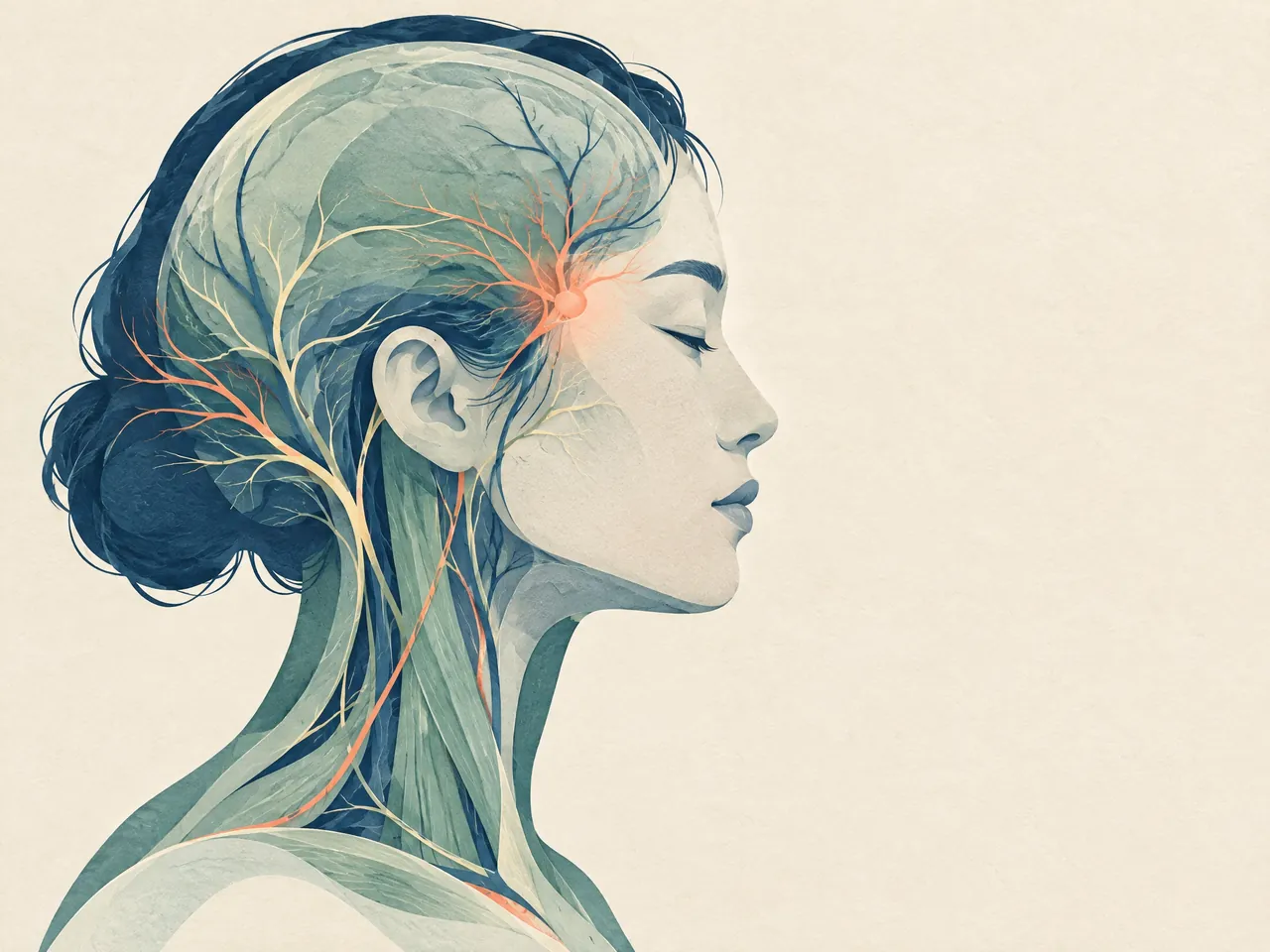
The short answer
Seek urgent assessment when a headache is abrupt and exceptionally severe, or when it is accompanied by neurological changes, confusion, seizure, fever and neck stiffness, visual loss, or follows head injury. A familiar migraine that becomes markedly different also needs review. A headache diary is useful for recording timing, symptoms, medicines and possible triggers. It helps a clinician see patterns, but it is not a tool for self-diagnosis or for delaying urgent care.
Transparent pricing
See the fees.
Choose your care.
Explore our complete official price list, including first-trial prices, regular prices, packages and branch-specific options.
Opening WhatsApp prepares an enquiry; it does not send a message, take payment or confirm an appointment. Suitability and individual arrangements are confirmed during consultation.
Pain care
All prices in HKDExtracorporeal shockwave treatment
Shockwave treatment for deep-tissue and fascial care. The Kwun Tong clinic offers the multi-area options shown below.
Priced by branch
Branch-specific pricing
Prince Edward: HK$250 per area
Kwun Tong: HK$250 for 1 area / HK$450 for 2 areas / HK$600 for 3 areas
Pain care (manual therapy)
Includes Chinese medicine musculoskeletal assessment, manual joint techniques and tui na.
HK$580 (single session)
Chinese medicine musculoskeletal assessment
Pain care (acupuncture and manual therapy)
Combines acupuncture and manual therapy.
HK$680 (single session)
Combined care
Hair and scalp
All prices in HKDScalp health and hair-loss management
Includes AI scalp analysis, deep scalp and follicle cleansing, and scalp oil-control care.
HK$380 (first trial)
Regular price: HK$680
- 6 sessions: HK$3,480 (HK$580 per session)
- 12 sessions: HK$5,760 (HK$480 per session)
- 20 sessions: HK$8,600 (HK$430 per session)
- 30 sessions: HK$11,400 (HK$380 per session)
Hair acupuncture and Chinese herbal medicine package
Includes scalp acupuncture and 3 days of Chinese herbal medicine that does not require decoction.
HK$580 (single session)
Registered Chinese Medicine Practitioner consultation
- 6 sessions: HK$3,180 (HK$530 per session)
- 12 sessions: HK$5,760 (HK$480 per session)
- 20 sessions: HK$8,600 (HK$430 per session)
- 30 sessions: HK$11,400 (HK$380 per session)
Combined hair and scalp treatment
Combines acupuncture and Chinese herbal medicine with salon-level scalp and follicle care. Packages include complimentary hair-care shampoo and serum.
HK$1,260 (single session)
Combined treatment
- 8 sessions: HK$8,640 (HK$1,080 per session)
- 16 sessions: HK$15,680 (HK$980 per session)
- 20 sessions: HK$18,600 (HK$930 per session)
- 30 sessions: HK$26,400 (HK$880 per session)
Weight management
All prices in HKDFull-body acupoint embedding for weight management
Includes full-body acupoint embedding. Packages include complimentary Chinese herbal medicine for weight management, with the number of included days scaled to the package. Embedding material and the individual treatment arrangement are confirmed during consultation; this is not a cosmetic thread lift.
HK$980 (single session)
No trial session
- 10 sessions: HK$7,800 (HK$780 per session)
- 20 sessions: HK$14,600 (HK$730 per session)
- 30 sessions: HK$20,400 (HK$680 per session)
Facial acupuncture
All prices in HKDFacial acupuncture (basic)
Includes facial acupuncture and meridian-based facial care, including care for facial puffiness.
HK$480 (first trial)
Regular price: HK$680
- 10 sessions: HK$5,200 (HK$520 per session)
- 20 sessions: HK$9,600 (HK$480 per session)
- 30 sessions: HK$13,500 (HK$450 per session)
Facial acupuncture (advanced)
Includes enhanced facial acupuncture with a specially formulated moisturising mask and serum.
HK$780 (first trial)
Regular price: HK$1,180
- 10 sessions: HK$9,000 (HK$900 per session)
- 20 sessions: HK$16,600 (HK$830 per session)
- 30 sessions: HK$23,400 (HK$780 per session)
Chinese medicine
All prices in HKDAcupuncture and Chinese herbal medicine package
Includes a Chinese medicine consultation with pulse assessment, body acupuncture and 3 days of Chinese herbal granules that do not require decoction.
HK$580 (single session)
Chinese medicine consultation with pulse assessment
When should I go to hospital for a migraine? Can a headache diary help identify migraine triggers? — recognising urgent migraine warning signs
The practical question is not simply whether the pain feels severe. It is whether this attack has features that could point to something other than a usual migraine. Migraine commonly causes a throbbing headache, nausea or vomiting, and sensitivity to light or sound. Some people have an aura such as flashing lights, tingling, dizziness or difficulty speaking. Those features may be part of migraine for someone who has had them assessed before, but a first episode or a different pattern deserves medical attention rather than a guess based on a checklist [1].
If symptoms are sudden, unfamiliar or escalating, prioritise safety over completing a diary entry, resting in a dark room, or arranging a complementary consultation. A record can be completed later. If you are unsure whether a symptom is new or whether it represents your recognised migraine pattern, seek urgent clinical advice. The separate guide to migraine red flags can help frame the warning signs, but it cannot assess you at a distance.

When should I go to hospital for a migraine? Can a headache diary help identify migraine triggers? — symptoms that need urgent assessment
Call emergency services or go for immediate emergency assessment for a headache that comes on suddenly and is extremely painful. The same applies if headache occurs with new difficulty speaking or remembering, drowsiness or confusion, a seizure, loss of vision or blurred or double vision, inability to move, weakness on one side of the face or body, very high temperature with meningitis-type symptoms, or a recent head injury [1]. Do not drive yourself when these signs are present. A companion or emergency service can arrange safer transport.
Urgent review is also sensible when an attack lasts longer than your usual attacks, when aura symptoms last unusually long, or when migraine becomes hard to control. Pregnancy or the period soon after giving birth is another context in which a prolonged headache should be discussed urgently [1]. The aim is not to label every troubling symptom as a crisis. It is to make sure a potentially serious cause is assessed before it is called migraine. Note the time symptoms began if you can, but do not postpone care to collect more details.
When should I go to hospital for a migraine? Can a headache diary help identify migraine triggers? — when a familiar attack changes
A person with established migraine may recognise a familiar sequence: early tiredness or neck stiffness, perhaps aura, then head pain and a recovery phase. Even then, a substantial change matters. Examples include a headache that reaches maximum intensity within minutes, a different location or character, new persistent vomiting, a headache triggered by coughing, exercise or a change in posture, or a headache with fever. NICE lists substantial changes in headache characteristics and new neurological or cognitive problems among features that warrant evaluation for investigation or referral [2].
Keep language concrete when seeking help: say what is different, when it began, whether it peaked suddenly, and which functions have changed. “My normal migraine is gradual, but this pain was instant” is more useful than simply saying it is severe. If you usually have visual aura but now have motor weakness, double vision, symptoms in one eye, poor balance or reduced consciousness, further assessment is recommended [2]. Familiarity with migraine should never be used to dismiss a genuinely unfamiliar event.
Compare your options
| What you notice | What to record or do | Why it matters at a clinical discussion |
|---|---|---|
| Sudden, extremely painful onset; weakness, confusion, seizure, visual loss, high fever with stiff neck, or head injury | Seek emergency assessment; note the onset time only if it does not delay care | These symptoms need urgent evaluation rather than trigger tracking |
| A familiar but recurring attack | Record date, duration, location, character, severity, symptoms and impact on normal activity | Shows frequency and the pattern of a typical episode |
| Possible trigger context | Record sleep, meals, caffeine or alcohol, stress, illness, weather, screens and menstrual timing where relevant | Helps identify repeated associations without assuming one cause |
| Medicine use | List prescribed and non-prescription products, timing, dose if known and effect | Supports a safe treatment review and flags frequent rescue-medicine use |
| A changed or prolonged pattern | Describe exactly what is different and arrange timely medical advice | A substantial change may need investigation or referral |
On smaller screens, scroll the table sideways to compare all columns.
When should I go to hospital for a migraine? Can a headache diary help identify migraine triggers? — using symptom patterns to guide next steps
For non-emergency, recurring headaches, a diary turns a vague memory into useful clinical information. It can show how often attacks occur, how long they last, what symptoms travel with them, whether everyday activity is avoided, and which treatments were tried. It also gives space to record the impact that is easy to forget after the pain settles: a missed class, a screen you could not tolerate, a meeting left early, or a day spent in a dark room. This is different from searching for one culprit after every attack.

Use the diary consistently enough to see repetition. NICE advises recording frequency, duration and severity, associated symptoms, all prescribed and over-the-counter medicines, possible precipitants, and the relationship to menstruation where relevant; its diagnostic recommendation specifies at least eight weeks when a diary is used [2]. The page on how long does a migraine last gives additional context for discussing duration, but a diary should record your own timing rather than force an attack into a standard template.

When should I go to hospital for a migraine? Can a headache diary help identify migraine triggers? — what to record during an attack
Start with the date, start time, stop time if known, pain location, and a plain description such as throbbing, pressure, stabbing or tightness. Record intensity in your own consistent scale and say whether walking, stairs or normal work made it worse. Add nausea, vomiting, light or sound sensitivity, neck symptoms, dizziness, vision changes, numbness, speech changes and any warning phase. If you have previously been told you have migraine with aura, describe each aura symptom and its timing instead of writing only “aura.”
Then record context without assuming it is the cause: sleep timing and quality, missed or delayed meals, caffeine or alcohol, hydration, emotional strain, illness, unusual exercise, weather changes, screen exposure, and menstrual timing where relevant. List every medicine used, including the name, dose if known, time taken and apparent effect. This helps reveal a pattern of frequent rescue-medicine use that deserves a medication review. A diary is especially valuable when more than one factor changed on the same day, because it prevents a single food or busy day from being blamed too quickly.

When should I go to hospital for a migraine? Can a headache diary help identify migraine triggers? — distinguishing migraine from other headaches
Headache labels overlap, so location alone is not a diagnosis. In guideline comparisons, migraine may be one-sided or on both sides and is often pulsating, moderate to severe, and worsened by routine activity; nausea, vomiting, or sensitivity to light and sound support that pattern. Tension-type headache is more often bilateral and pressing or tightening, while cluster headache is typically severe around one eye and may occur with a watery or red eye, blocked or runny nose, or eyelid changes [2]. These are patterns to discuss, not a substitute for assessment.
The diary is useful precisely because it preserves distinctions that are lost in “I get headaches.” One entry might be a mild band-like pressure after a long workday; another may be disabling throbbing with nausea and light sensitivity. A clinician can assess whether the record fits migraine, another primary headache, medication overuse, or a need for further investigation. Avoid changing several habits at once purely to test a trigger. A steadier routine and a clearer record usually make the care conversation more informative.
When should I go to hospital for a migraine? Can a headache diary help identify migraine triggers? — preparing for a safer care conversation
Bring the diary, a complete medicine list and a short account of what you need help with. Some people want faster relief during attacks; others want fewer attacks, less uncertainty about aura, or a plan that fits menstrual timing, work and family life. Say which problem is most disruptive. This helps a doctor or other clinician decide whether review of acute treatment, prevention, referral, or further assessment is appropriate. It also keeps emergency warning signs separate from longer-term migraine management.

When should I go to hospital for a migraine? Can a headache diary help identify migraine triggers? — discussing treatment and prevention options
Ask what pattern the diary suggests, what diagnoses still need to be considered, and what would make you seek urgent help next time. Review every painkiller and migraine medicine, including non-prescription products. Regular use can itself complicate headache patterns. NICE advises clinicians to be alert to medication overuse headache when certain acute medicines have been used frequently for three months or more, so the record of actual use is clinically important [2]. Do not stop or alter prescribed medicines without advice, especially if you have been taking them regularly.
Prevention is broader than avoiding a long list of foods. Depending on the person and diagnosis, a clinician may discuss regular meals, sleep, hydration, stress management, acute medicines, preventive medicines, or other options. The NHS notes that treatment choices depend on severity and frequency and that more than one approach may be needed [1]. The diary gives you a way to judge whether a change is helping over time. It should not create pressure to achieve a perfect routine or make you feel responsible for every attack.

When should I go to hospital for a migraine? Can a headache diary help identify migraine triggers? — how TCM assessment may fit alongside medical care
A Registered Chinese Medicine Practitioner can ask about the timing and character of head pain, sleep, digestion, stress, menstrual pattern where relevant, and the diary you have kept. In traditional Chinese medicine, these details are considered together within a traditional pattern-identification approach. That approach is not the same as a neurological diagnosis. New red flags, a suddenly changed headache, and prescribed medical treatment remain matters for appropriate medical care. Share your diagnoses, test results and all medicines so care can be coordinated.
After medical assessment, acupuncture may be discussed as a complementary option for migraine prevention, not as guaranteed relief during an acute attack or a replacement for emergency assessment. NCCIH says there is moderate-quality evidence that acupuncture may reduce migraine frequency, while also noting that poor technique or nonsterile needles can cause serious adverse effects [3]. Do not use it to postpone medical care. If you want to ask about a consultation, TCM Lab can discuss appointments at the Kwun Tong Chinese medicine clinic or Chinese medicine clinic Prince Edward; bring the diary and medicine list with you.
Care and health guide
Health service information
This directory brings together services, reading, and visit information related to health services, to help you prepare questions for a consultation.
If you are organising health questions, Chinese medicine clinic Hong Kong is a starting point for learning about related services and preparing for a consultation.
People have different needs; acupuncture Hong Kong provides further reading to help you understand options in your own context.


Your questions, answered
Frequently asked questions
Should I go to hospital if my migraine lasts longer than usual?
A migraine that lasts longer than your usual attacks should be discussed with a clinician. Seek urgent help if it lasts more than 72 hours, if aura lasts longer than an hour at a time, or if you are pregnant or have recently given birth, as advised by the NHS. Seek emergency assessment sooner for sudden severe onset or any neurological warning sign.
How long should I keep a headache diary before an appointment?
Start now and take it to any appointment, especially if symptoms are changing. For diagnosis, NICE recommends a diary for a minimum of eight weeks, recording frequency, duration, severity, associated symptoms, medicines, possible precipitants and menstrual relationship where relevant. Do not wait eight weeks if urgent signs appear.
Can I use a headache diary to work out whether I have migraine?
A diary can give a clinician better information, but it cannot diagnose migraine by itself. Record the exact experience rather than choosing a label: whether pain is throbbing or pressing, where it is felt, activity impact, nausea, sensitivity to light or sound, and any visual, sensory or speech symptoms.
Can TCM or acupuncture replace a medical review for migraine?
No. TCM assessment and acupuncture may be discussed as complementary care after appropriate medical assessment, particularly for recurrent migraine management. They must not delay emergency assessment for red flags, and they do not replace diagnosis, imaging when indicated, or prescribed treatment. Tell each practitioner about your medicines and other care.
Sources and further information
- [1] NHS — Migraine
Referenced for: Migraine symptoms, aura, duration, urgent and emergency warning signs, diary use, and general management context.
- [2] NICE — Headaches in over 12s: diagnosis and management (CG150)
Referenced for: Headache features requiring evaluation, headache diary content and duration, headache-pattern comparison, aura assessment, and medication-overuse context.
- [3] NCCIH — Acupuncture: What You Need To Know
Referenced for: Evidence and safety context for discussing acupuncture as complementary care for migraine prevention.
- [4] Hong Kong Adventist Hospital — Lifestyle Tips to Prevent Migraines and Headaches
Referenced for: Hong Kong health-guide context for common migraine symptoms, aura language and possible lifestyle triggers.