
TCM Lab · Health reading
Can acupuncture help with period pain? Can Chinese medicine help with period pain? Can Chinese herbal medicine help with painful periods?
Published Updated
Period pain is easier to discuss as a pattern rather than a single bad day. Acupuncture, Chinese medicine and Chinese herbal medicine can be explored as supportive options, but they cannot tell you why pain is happening or replace assessment when symptoms are new, severe or changing. A simple cycle record gives a Chinese medicine practitioner and your usual healthcare team the same starting point: when pain starts, how it behaves, how bleeding changes, and what it stops you doing.
Appointments are confirmed through WhatsApp. If you have language requirements, please mention them in your enquiry.
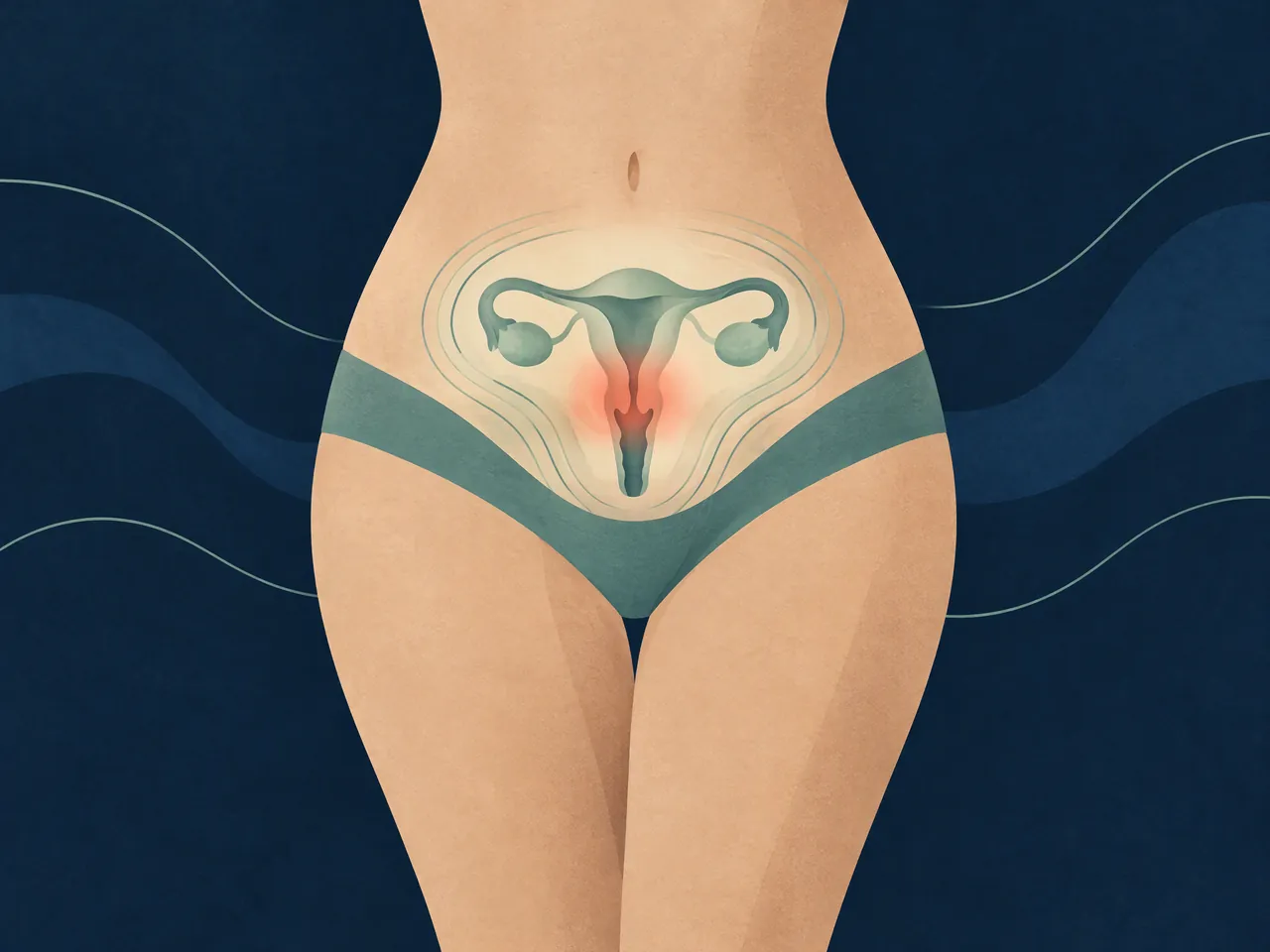
The short answer
Acupuncture or Chinese medicine may be considered alongside usual care for period pain after an individual discussion of your cycle, health history and medicines. They cannot diagnose the cause or promise relief. Chinese herbal medicine should not be selected from a fixed online formula, particularly if pregnancy is possible or you take other medicines. Seek medical assessment first for sudden, severe, worsening or changed pain, unusual bleeding, or pain outside the expected pattern.
Transparent pricing
See the fees.
Choose your care.
Explore our complete official price list, including first-trial prices, regular prices, packages and branch-specific options.
Opening WhatsApp prepares an enquiry; it does not send a message, take payment or confirm an appointment. Suitability and individual arrangements are confirmed during consultation.
Pain care
All prices in HKDExtracorporeal shockwave treatment
Shockwave treatment for deep-tissue and fascial care. The Kwun Tong clinic offers the multi-area options shown below.
Priced by branch
Branch-specific pricing
Prince Edward: HK$250 per area
Kwun Tong: HK$250 for 1 area / HK$450 for 2 areas / HK$600 for 3 areas
Pain care (manual therapy)
Includes Chinese medicine musculoskeletal assessment, manual joint techniques and tui na.
HK$580 (single session)
Chinese medicine musculoskeletal assessment
Pain care (acupuncture and manual therapy)
Combines acupuncture and manual therapy.
HK$680 (single session)
Combined care
Hair and scalp
All prices in HKDScalp health and hair-loss management
Includes AI scalp analysis, deep scalp and follicle cleansing, and scalp oil-control care.
HK$380 (first trial)
Regular price: HK$680
- 6 sessions: HK$3,480 (HK$580 per session)
- 12 sessions: HK$5,760 (HK$480 per session)
- 20 sessions: HK$8,600 (HK$430 per session)
- 30 sessions: HK$11,400 (HK$380 per session)
Hair acupuncture and Chinese herbal medicine package
Includes scalp acupuncture and 3 days of Chinese herbal medicine that does not require decoction.
HK$580 (single session)
Registered Chinese Medicine Practitioner consultation
- 6 sessions: HK$3,180 (HK$530 per session)
- 12 sessions: HK$5,760 (HK$480 per session)
- 20 sessions: HK$8,600 (HK$430 per session)
- 30 sessions: HK$11,400 (HK$380 per session)
Combined hair and scalp treatment
Combines acupuncture and Chinese herbal medicine with salon-level scalp and follicle care. Packages include complimentary hair-care shampoo and serum.
HK$1,260 (single session)
Combined treatment
- 8 sessions: HK$8,640 (HK$1,080 per session)
- 16 sessions: HK$15,680 (HK$980 per session)
- 20 sessions: HK$18,600 (HK$930 per session)
- 30 sessions: HK$26,400 (HK$880 per session)
Weight management
All prices in HKDFull-body acupoint embedding for weight management
Includes full-body acupoint embedding. Packages include complimentary Chinese herbal medicine for weight management, with the number of included days scaled to the package. Embedding material and the individual treatment arrangement are confirmed during consultation; this is not a cosmetic thread lift.
HK$980 (single session)
No trial session
- 10 sessions: HK$7,800 (HK$780 per session)
- 20 sessions: HK$14,600 (HK$730 per session)
- 30 sessions: HK$20,400 (HK$680 per session)
Facial acupuncture
All prices in HKDFacial acupuncture (basic)
Includes facial acupuncture and meridian-based facial care, including care for facial puffiness.
HK$480 (first trial)
Regular price: HK$680
- 10 sessions: HK$5,200 (HK$520 per session)
- 20 sessions: HK$9,600 (HK$480 per session)
- 30 sessions: HK$13,500 (HK$450 per session)
Facial acupuncture (advanced)
Includes enhanced facial acupuncture with a specially formulated moisturising mask and serum.
HK$780 (first trial)
Regular price: HK$1,180
- 10 sessions: HK$9,000 (HK$900 per session)
- 20 sessions: HK$16,600 (HK$830 per session)
- 30 sessions: HK$23,400 (HK$780 per session)
Chinese medicine
All prices in HKDAcupuncture and Chinese herbal medicine package
Includes a Chinese medicine consultation with pulse assessment, body acupuncture and 3 days of Chinese herbal granules that do not require decoction.
HK$580 (single session)
Chinese medicine consultation with pulse assessment
Can acupuncture help with period pain? Can Chinese medicine help with period pain? Can Chinese herbal medicine help with painful periods? — Start with your cycle record
The most useful answer to “Can acupuncture help with period pain?” begins with what your pain does. A cramp that arrives on the first day of bleeding and settles after a day or two is a different conversation from pelvic pain that begins a week before a period, continues afterwards, or appears between periods. Note whether it is central, one-sided, sharp, dragging or spreading into the back and thighs. Record nausea, bowel or urinary discomfort, fatigue and the effect on sleep, commuting, school, work or exercise. This is not about a perfect diary; it is about making the next conversation specific.
Use a notes app or paper calendar for two or three cycles if you can. Write the first day of bleeding, the first and worst day of pain, an activity you had to change, and what you tried. Record whether heat, rest, movement or medicines changed the experience. Add changes in flow, clots, spotting, cycle length and pain during sex, urination or bowel movements. The NHS highlights pain with sex, peeing or pooing and bleeding between periods as reasons to seek clinical advice. [2]

A record prevents a common consultation problem: trying to reconstruct a difficult month while in pain. It makes room for priorities. One person may mainly want to know whether a recurring pattern needs investigation; another may need to plan travel or meetings around a reliable first-day flare. If you are considering period pain Chinese medicine, take the record with you rather than relying on a label such as “cold” or “blood stasis”. Traditional pattern language can shape discussion, but it does not establish a gynaecological cause.
Do not wait for a diary to be complete if pain is intense, suddenly different, or paired with heavy or unexpected bleeding. A short list of what you know now is enough to begin. It lets conventional and Chinese medicine consultations start with a clear account of the pattern.

Can acupuncture help with period pain? Can Chinese medicine help with period pain? Can Chinese herbal medicine help with painful periods? — What to record
Start each entry with timing. Did discomfort begin before bleeding, at the start of bleeding, or later? Did it fade as bleeding continued, return mid-cycle, or persist after the period? Give pain a plain-language intensity description such as mild, moderate, severe, or “had to stay home”; if you use a number scale, use it consistently. Describe the location and whether it comes in waves, stays constant or radiates. These details are more useful than simply writing “bad cramps.”
Then capture the context. Include flow that is lighter, heavier or different for you; clots; spotting; fatigue; bowel and bladder symptoms; and changes after starting or changing contraception. List every medicine, supplement, herb and pain-relief method, plus whether it helped, did nothing or caused an unwanted effect. If you have ultrasound reports or other results, bring them. A concise record guides questions; it does not replace examination or testing when needed.
Can acupuncture help with period pain? Can Chinese medicine help with period pain? Can Chinese herbal medicine help with painful periods? — How patterns guide discussion
A Chinese medicine consultation may ask about pain and bleeding, sleep, digestion, energy, temperature preferences and stress, then use its own pattern approach to discuss acupuncture or herbal options. That approach can organise a symptom conversation, but it is not proof that pelvic structures have been checked. For a broader orientation, read the Chinese medicine period pain assessment guide.
Tracking also supports practical choices between visits. A predictable, familiar pattern may let you prepare heat, meals, lighter exercise or rest around harder days. A less predictable pattern needs a different response: document it and ask whether medical assessment is appropriate. This avoids normalising a change simply because it happens near a period.
Compare your options
| What to note | Examples to capture | Why it changes the discussion |
|---|---|---|
| Timing and duration | Pain before bleeding, day of peak pain, pain after the period or between periods | Helps distinguish a familiar menstrual pattern from a pattern that has changed or needs assessment |
| Pain and daily impact | Location, character, activity changes, sleep disruption, nausea or dizziness | Shows the real-life burden and whether the pattern is interfering with usual activities |
| Bleeding and associated symptoms | Flow changes, clots, spotting, irregularity, pain with sex, urination or bowel movements | Creates a clear prompt for medical assessment where red flags or new features are present |
| Current care and health context | Medicines, supplements, contraception, possible pregnancy, allergies and test results | Allows safer coordination between medical care, acupuncture and any herbal discussion |
On smaller screens, scroll the table sideways to compare all columns.
Can acupuncture help with period pain? Can Chinese medicine help with period pain? Can Chinese herbal medicine help with painful periods? — Understand the possible causes
Painful periods are often called dysmenorrhea. Primary dysmenorrhea refers to cramping pain that comes before or during menstruation without an identified pelvic disorder. ACOG explains that prostaglandins made in the uterine lining contribute to uterine contractions, and that pain often lessens after the first few days of bleeding. [1] This description can fit a long-standing, familiar pattern, but it is not something a webpage—or a traditional diagnosis—can confirm for an individual.
Secondary dysmenorrhea means period pain linked to a disorder in the reproductive organs or another recognised condition. Endometriosis, adenomyosis and fibroids are examples listed by ACOG; the NHS also includes pelvic inflammatory disease among possible causes. [1] [2] The point is not to self-diagnose from a symptom list. It is to recognise that the cause may matter when pain changes, lasts longer than expected, or comes with other symptoms. An acupuncture or herbal plan should sit beside, not in place of, appropriate investigation.

This is why a promise that “Chinese medicine fixes painful periods” is not useful. Acupuncture is a complementary option that ACOG says may be useful for painful periods. [1] Experience and evidence do not predict the same result for every person, and a session does not replace discussion of medical treatments, contraception, pain medicines or referral. The painful periods overview can help you frame questions for your usual clinician and a Chinese medicine practitioner.
Can acupuncture help with period pain? Can Chinese medicine help with period pain? Can Chinese herbal medicine help with painful periods? — Primary and secondary pain
A stable pattern that began around the time periods started can be consistent with primary dysmenorrhea, but “stable” should mean stable for you. Notice whether the pain now starts earlier, takes longer to settle, interrupts more activities or responds differently to measures that used to help. Secondary pain can worsen over time and may begin before bleeding, continue through the period or remain after it ends. Those features do not name a cause by themselves, but they make a medical discussion more important. [1]
A gynaecological assessment may involve a history and examination, and an ultrasound may be considered when pain does not respond to treatment or a cause needs investigation. [1] [2] Tell the clinician about previous diagnoses, procedures, IUD use, fertility plans and relevant family history. Tell a Chinese medicine practitioner the same information. Coordination is safer when each professional has facts that could affect the next steps.
Can acupuncture help with period pain? Can Chinese medicine help with period pain? Can Chinese herbal medicine help with painful periods? — When symptoms have changed
Make medical assessment the priority when pain is severe or worse than usual and pain relief has not helped, or when periods become more painful, heavier or irregular. The NHS also advises medical attention for bleeding between periods, pain during sex, pain when peeing or pooing, a swollen abdomen, appetite loss or unintentional weight loss. [2] If pregnancy is possible, say so when arranging care. A new symptom needs its own assessment even if you have had ordinary cramps for years.
Bring the same cycle record rather than deciding alone whether a change is “serious enough.” See When should I see a doctor for period pain? for focused prompt questions. Medical review can clarify whether tests or treatment are appropriate; it does not rule out later supportive care. Temporary relief after heat, rest, acupuncture or a medicine also does not explain a new or escalating pattern.
Can acupuncture help with period pain? Can Chinese medicine help with period pain? Can Chinese herbal medicine help with painful periods? — Keep care coordinated
If you want to explore acupuncture, use the first appointment to establish a shared picture rather than chase a guaranteed outcome. Ask what the practitioner wants to know about your cycle, how progress would be reviewed, what you should report, and when to seek medical assessment instead. Acupuncture involves fine needles inserted through the skin. The U.S. National Center for Complementary and Integrative Health notes that serious complications can occur with nonsterile needles or improper delivery, and advises discussing complementary approaches with healthcare providers. [3]
Herbal discussions need the same care. There is no single Chinese herbal formula that is suitable for every painful period. Choices may depend on symptoms, pregnancy possibility, allergies, liver or kidney concerns, and all medicines and supplements being taken. NCCIH says findings for Chinese herbal products have been mixed and describes reported safety problems including contamination, incorrect herbs and undeclared drug ingredients. [4] This is a practical reason to avoid ordering a formula from a social-media post or sharing another person’s prescription.
Coordination is especially important if you use hormonal contraception, prescription pain medicines, anticoagulants, medicines for long-term conditions, or supplements. Keep an up-to-date list and show it to each provider. If a doctor recommends tests, referral or a treatment change, do not delay that plan while trying a complementary approach. If you choose acupuncture or Chinese herbal medicine, tell the clinician who manages your other care. Information-sharing gives you a better basis for decisions than making one approach compete with another.
Can acupuncture help with period pain? Can Chinese medicine help with period pain? Can Chinese herbal medicine help with painful periods? — Acupuncture and herbal conversations
A worthwhile conversation is specific: “My cramps begin the evening before bleeding, peak on day one, and I missed work twice this year. I use these medicines and I have these test results. What could acupuncture contribute, what would we monitor, and what would make you refer me back?” That question makes space for a clear plan without assuming that treatment will produce a particular result. It also helps the practitioner decide whether a Chinese medicine consultation should wait until medical assessment is complete.
For herbs, ask the full name and purpose of a proposed product, how it fits with your medicines, what symptoms should prompt advice, and whether pregnancy or breastfeeding changes the decision. Do not minimise over-the-counter products, teas, powders or supplements because they feel “natural.” A clinician or practitioner can only assess interactions and safety if they know what you take. Consider whether you can keep a symptom record and attend follow-up rather than judging care by one difficult cycle.

Can acupuncture help with period pain? Can Chinese medicine help with period pain? Can Chinese herbal medicine help with painful periods? — When to seek medical assessment
Seek prompt medical advice for severe or unusually worse pain that is not helped by pain relief. Arrange assessment for a new or worsening pattern, heavier or irregular periods, bleeding between periods, or pain with sex, urination or bowel movements. [2] Do not make a Chinese medicine appointment the only next step when these signs are present. If you feel acutely unwell or think you may be pregnant with severe pain or bleeding, use urgent local medical services rather than waiting for a routine consultation.
Once urgent concerns and recommended assessment are being addressed, decide whether supportive Chinese medicine care fits your goals. You may enquire about a Chinese medicine clinic Prince Edward or a Kwun Tong Chinese medicine clinic, and share your language needs, cycle record and medical information before booking. If cost matters, review the Chinese medicine clinic price list Hong Kong. The useful question is whether your care plan is safe, informed and responsive to changes.
Care and health guide
Pain-care information
This directory brings together services, reading, and visit information related to pain care, to help you prepare questions for a consultation.
When pain care affects your day, noting when it occurs, its relation to activity, and what you have already tried can help prepare a consultation; Chinese medicine pain management Hong Kong is a relevant service or reading entry point.
Individual circumstances differ, and acupuncture Hong Kong offers related information to help you understand options and prepare questions.


Your questions, answered
Frequently asked questions
Can acupuncture help with period pain?
It may be discussed as a supportive option after an individual review of your symptoms, medicines and health history. ACOG says acupuncture may be useful for painful periods, but that does not predict your response or replace assessment for a new, worsening or unusually severe pattern. [1]
Can Chinese medicine help with period pain?
Chinese medicine can use your cycle history and symptom pattern to discuss acupuncture or other supportive care. Traditional terms such as cold or blood stasis are not a confirmed gynaecological diagnosis. Keep recommended medical evaluation in place, particularly when the pattern is changing.
Can Chinese herbal medicine help with painful periods?
Herbal medicine should be an individual discussion, not a fixed online formula. Share all medicines and supplements, allergies, relevant health conditions and any possibility of pregnancy. NCCIH reports mixed evidence for Chinese herbal products and important safety concerns with some products. [4]
What symptoms mean I should see a doctor about period pain?
Arrange medical assessment if pain is severe or worse than usual, does not respond to pain relief, is disrupting daily life, or comes with heavier or irregular periods, bleeding between periods, pain during sex, pain when peeing or pooing, swelling, appetite loss or unexplained weight loss. [2]
Sources and further information
- [1] [1] American College of Obstetricians and Gynecologists — Dysmenorrhea: Painful Periods
Referenced for: Primary and secondary dysmenorrhea, possible causes, evaluation, home measures and the statement that acupuncture may be useful.
- [2] [2] NHS — Period pain
Referenced for: Period-pain symptoms, possible causes, self-care context and prompts for urgent or non-urgent medical assessment.
- [3] [3] National Center for Complementary and Integrative Health — Acupuncture: Effectiveness and Safety
Referenced for: Description of acupuncture, safety risks with improper delivery and the importance of coordinated care.
- [4] [4] National Center for Complementary and Integrative Health — Traditional Chinese Medicine: What You Need To Know
Referenced for: Mixed evidence and safety considerations for Chinese herbal products, and communication with healthcare providers.