
TCM Lab · Services and individual assessment
Chinese Therapeutic Massage Hong Kong: Tui-na and Personalised Assessment
Published Updated
Searching for Chinese therapeutic massage Hong Kong usually leads to Tui-na: a hands-on approach used within Chinese medicine, rather than a one-size-fits-all spa treatment. A registered Chinese medicine practitioner needs to ask what you are feeling, when it began, what changes it and what else may affect your health before discussing suitability. At TCM Lab, an enquiry can cover Tui-na, practical considerations and the most convenient clinic location. Mention medicines, recent injury, pregnancy, skin changes and any existing diagnosis. Tui-na is not an emergency service or a replacement for urgent medical care.
Appointments are confirmed through WhatsApp. If you have language requirements, please mention them in your enquiry.
The short answer
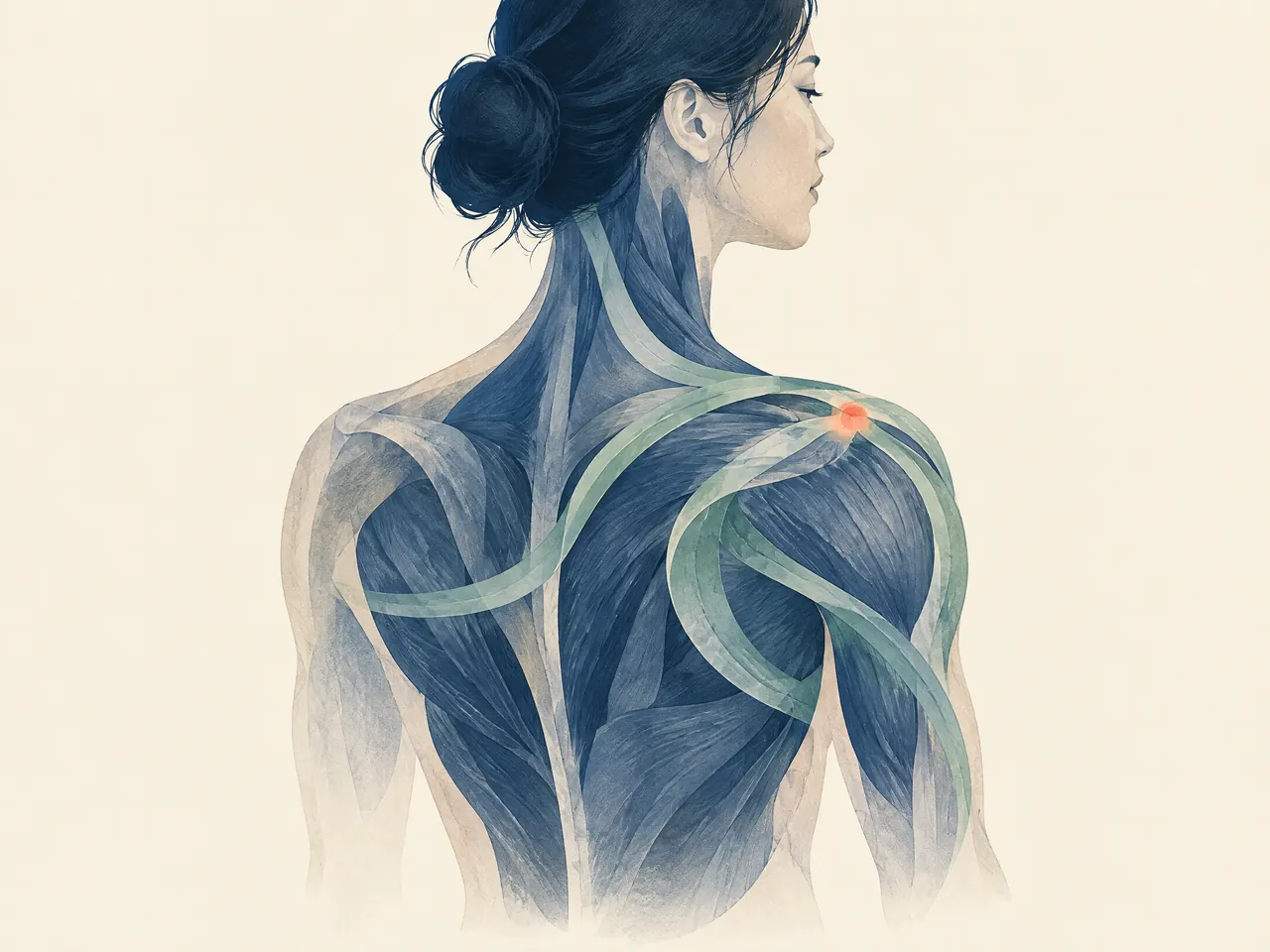
Chinese therapeutic massage Hong Kong commonly refers to Tui-na, a hands-on Chinese medicine approach. It is considered after a registered Chinese medicine practitioner has discussed the symptom pattern, its onset, relevant health history and current condition. The same tight shoulder, back discomfort or stiffness can have different causes, so an individual consultation is more useful than choosing a technique from a search result. Urgent or unexplained symptoms need appropriate medical assessment first.
Transparent pricing
See the fees.
Choose your care.
Explore our complete official price list, including first-trial prices, regular prices, packages and branch-specific options.
Opening WhatsApp prepares an enquiry; it does not send a message, take payment or confirm an appointment. Suitability and individual arrangements are confirmed during consultation.
Chinese medicine
All prices in HKDAcupuncture and Chinese herbal medicine package
Includes a Chinese medicine consultation with pulse assessment, body acupuncture and 3 days of Chinese herbal granules that do not require decoction.
HK$580 (single session)
Chinese medicine consultation with pulse assessment
Hair and scalp
All prices in HKDScalp health and hair-loss management
Includes AI scalp analysis, deep scalp and follicle cleansing, and scalp oil-control care.
HK$380 (first trial)
Regular price: HK$680
- 6 sessions: HK$3,480 (HK$580 per session)
- 12 sessions: HK$5,760 (HK$480 per session)
- 20 sessions: HK$8,600 (HK$430 per session)
- 30 sessions: HK$11,400 (HK$380 per session)
Hair acupuncture and Chinese herbal medicine package
Includes scalp acupuncture and 3 days of Chinese herbal medicine that does not require decoction.
HK$580 (single session)
Registered Chinese Medicine Practitioner consultation
- 6 sessions: HK$3,180 (HK$530 per session)
- 12 sessions: HK$5,760 (HK$480 per session)
- 20 sessions: HK$8,600 (HK$430 per session)
- 30 sessions: HK$11,400 (HK$380 per session)
Combined hair and scalp treatment
Combines acupuncture and Chinese herbal medicine with salon-level scalp and follicle care. Packages include complimentary hair-care shampoo and serum.
HK$1,260 (single session)
Combined treatment
- 8 sessions: HK$8,640 (HK$1,080 per session)
- 16 sessions: HK$15,680 (HK$980 per session)
- 20 sessions: HK$18,600 (HK$930 per session)
- 30 sessions: HK$26,400 (HK$880 per session)
Weight management
All prices in HKDFull-body acupoint embedding for weight management
Includes full-body acupoint embedding. Packages include complimentary Chinese herbal medicine for weight management, with the number of included days scaled to the package. Embedding material and the individual treatment arrangement are confirmed during consultation; this is not a cosmetic thread lift.
HK$980 (single session)
No trial session
- 10 sessions: HK$7,800 (HK$780 per session)
- 20 sessions: HK$14,600 (HK$730 per session)
- 30 sessions: HK$20,400 (HK$680 per session)
Facial acupuncture
All prices in HKDFacial acupuncture (basic)
Includes facial acupuncture and meridian-based facial care, including care for facial puffiness.
HK$480 (first trial)
Regular price: HK$680
- 10 sessions: HK$5,200 (HK$520 per session)
- 20 sessions: HK$9,600 (HK$480 per session)
- 30 sessions: HK$13,500 (HK$450 per session)
Facial acupuncture (advanced)
Includes enhanced facial acupuncture with a specially formulated moisturising mask and serum.
HK$780 (first trial)
Regular price: HK$1,180
- 10 sessions: HK$9,000 (HK$900 per session)
- 20 sessions: HK$16,600 (HK$830 per session)
- 30 sessions: HK$23,400 (HK$780 per session)
Pain care
All prices in HKDExtracorporeal shockwave treatment
Shockwave treatment for deep-tissue and fascial care. The Kwun Tong clinic offers the multi-area options shown below.
Priced by branch
Branch-specific pricing
Prince Edward: HK$250 per area
Kwun Tong: HK$250 for 1 area / HK$450 for 2 areas / HK$600 for 3 areas
Pain care (manual therapy)
Includes Chinese medicine musculoskeletal assessment, manual joint techniques and tui na.
HK$580 (single session)
Chinese medicine musculoskeletal assessment
Pain care (acupuncture and manual therapy)
Combines acupuncture and manual therapy.
HK$680 (single session)
Combined care
From enquiry to individual assessment
Start with an enquiry
Tell us your main concern, preferred clinic and possible times. Ask about fees and any language requirements.
Discuss your assessment
Bring your medical history, current medicines and questions. The practitioner assesses which options may be suitable.
Agree on the next step
Discuss the proposed care, fees, risks and follow-up. Arrangements depend on the assessment and appointment confirmation.
Chinese Therapeutic Massage Hong Kong: What Tui-na Means
Tui-na is the term commonly used for a hands-on intervention in Chinese medicine. It may involve different forms of manual contact, but its name does not mean that every appointment follows a fixed sequence or has the same aim. Hong Kong’s Health Bureau lists Tui-na among commonly adopted interventional measures in Orthopedics and Traumatology in Chinese Medicine, alongside acupuncture, bone-setting and functional training [1]. It does not diagnose the cause of a symptom or establish that one method suits every person.
The practical question is often broader than “Which technique should I have?” Neck tightness after computer work, a recurring pull around the shoulder, low-back discomfort after lifting and stiffness during a commute can initially sound alike. Their timing, triggers and associated symptoms may be very different. The Health Bureau describes a holistic consultation that considers the person as a whole rather than only one symptom, disease or organ [1]. Bring the wider story, not only the name of the painful area.

Manual-care terms can be confusing. Tui-na is not automatically the same as bone-setting Hong Kong, and neither should replace assessment after a significant injury. Bone-setting is a distinct term in local Chinese medicine service vocabulary [1]. When comparing options, ask what the service is intended to address, what information is needed first and whether examination or referral is appropriate. Clear questions are more useful than trying to match an online label to a symptom yourself.
Chinese Therapeutic Massage Hong Kong: Understanding Tui-na in Chinese Medicine
A Chinese medicine consultation may ask about the location and character of discomfort, how it affects movement, and whether it relates to work, sport, sleep or a recent change in activity. It may also cover current medical care and medicines. This is not a formality. It puts a manual-treatment enquiry in context and lets the practitioner explain what can and cannot be decided initially. “My shoulder is tight” is useful, but “it began after reaching overhead, wakes me at night and I cannot lift normally” gives far more relevant information.
People may enquire after noticing stiffness, local tension or discomfort with movement. Others simply want to know whether a Chinese medicine consultation makes sense. Neither starting point creates an entitlement to a named manoeuvre or pressure level. The US National Center for Complementary and Integrative Health says harmful effects from massage therapy appear uncommon, but rare serious events have been reported, particularly with vigorous massage or in people at greater risk of injury [3]. That general safety information is not a prediction about Tui-na; it is a reason to disclose health factors and avoid self-directed forceful treatment.

Chinese Therapeutic Massage Hong Kong: How an Initial Consultation May Begin
Before your visit, make a brief timeline. Note whether the concern started gradually or after an event, which movements or times of day change it, and what you have already tried. Be ready to show relevant reports and list prescribed medicines, over-the-counter products and supplements. Mention previous operations, fractures, pregnancy, fever, a rash or wound in the area, and any factor that may affect bruising or circulation. Such details help determine what is sensible to discuss; they are not information to filter out because you hope to receive treatment.
Daily load gives the consultation useful context. A parent carrying a child, a driver sitting for long periods and a worker who turns and lifts face different demands even when all report back discomfort. Explain your practical goal: a normal walk, turning your head while driving, sleeping in a position that is currently difficult, or understanding whether you need more assessment. If you have had an X-ray, scan, physiotherapy review or diagnosis, say so. Hong Kong Health Bureau guidance for common musculoskeletal problems in primary care calls for clinical, disability and occupational history, examination and appropriate neurological assessment; it says routine imaging is not advised unless likely to change management [4].
Compare your options
| What to prepare | Example detail to share | Why it matters for the enquiry |
|---|---|---|
| Symptom timeline | When it began; whether it followed a fall, lifting task or gradual change | Helps distinguish a routine enquiry from one that may need another assessment first |
| Daily impact | Difficulty turning, walking, sleeping, sitting, lifting or working | Connects the discussion to function rather than a symptom label alone |
| Health and treatment history | Relevant diagnoses, reports, medicines, supplements, procedures and allergies | Allows the practitioner to consider suitability and possible precautions |
| Location and practical needs | Prince Edward or Kwun Tong preference, travel difficulty and language needs | Helps the clinic clarify logistics without assuming availability or a confirmed treatment |
On smaller screens, scroll the table sideways to compare all columns.
Chinese Therapeutic Massage Hong Kong: Uses, Scope and Practical Considerations
People commonly search for a hands-on Chinese medicine service after everyday activity becomes uncomfortable: sitting through meetings, looking over one shoulder when reversing, climbing stairs, carrying shopping or returning to exercise. Describe these situations because they show how symptoms affect function. They are not a diagnosis. A clinician needs to decide whether a problem appears suitable for conservative discussion, is unclear, or needs a different assessment first.
Tui-na is one possible component of a Chinese medicine consultation, not a universal answer for pain or stiffness. A service may be considered in relation to musculoskeletal concerns, but the decision depends on cause, severity, progression and personal risk factors. The Health Bureau’s grouping of Tui-na within an orthopaedics and traumatology context describes a service category; it is not proof that Tui-na treats every muscle or joint condition [1]. Be cautious of claims that a pressure point, “alignment” or set number of visits will reliably resolve a complex complaint without individual assessment.

A worthwhile consultation allows for the possibility that Tui-na is not the next step. If discomfort is changing quickly, a known condition is being actively managed, or the assessment raises a different medical question, further evaluation may be advised. That is not a failed consultation. Where a problem has been diagnosed elsewhere, do not stop or alter prescribed treatment for a complementary approach without discussing it with the appropriate clinician.
Chinese Therapeutic Massage Hong Kong: When Tui-na May Be Considered
Tui-na may be explored when a clinical discussion supports a hands-on Chinese medicine approach and there is no reason to prioritise another route. Useful details include whether discomfort is local or spreading, whether it follows a specific task, whether it is improving or worsening, and whether another clinician has assessed it. These answers make a consultation more focused and help avoid framing an appointment around a treatment that may not suit the current condition.
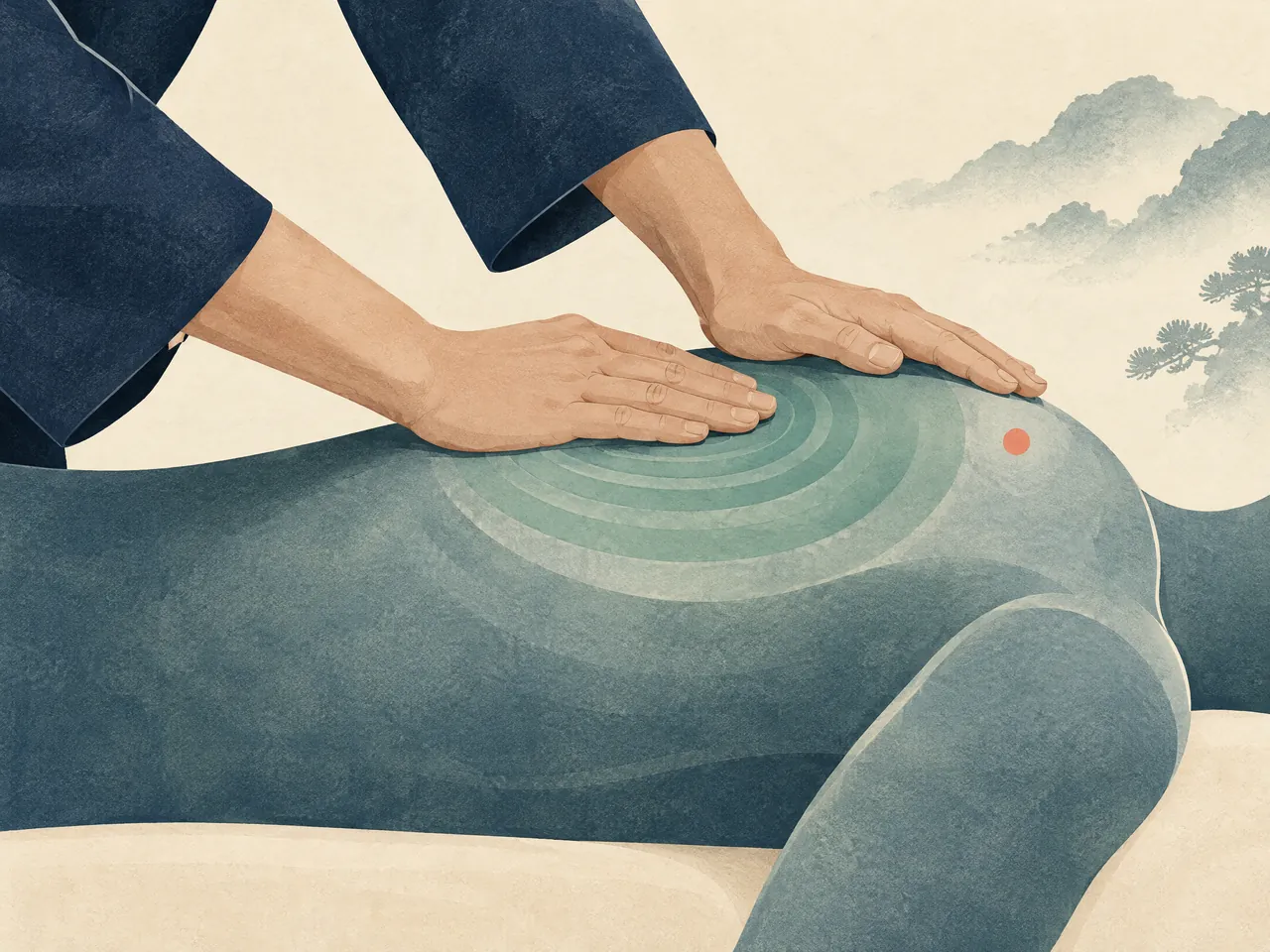
Someone with familiar stiffness after changing a workstation may want to discuss daily load and a Chinese medicine assessment. Someone with pain after an accident, a suspected fracture or a suddenly deformed joint needs a different priority. Persistent symptoms call for an account of what has been tried and what changed. If you are interested in a local option, the Kwun Tong tui na page can help you frame a location-specific enquiry. It cannot determine suitability remotely: state the symptom, duration, trigger and preferred site.
Chinese Therapeutic Massage Hong Kong: Why Symptoms Need Individual Assessment
An apparently simple ache can contain information that changes the plan. Hong Kong Health Bureau guidance for common musculoskeletal problems in primary care says low-back assessment should distinguish the small number of people with specific underlying or potentially serious conditions from most people with non-specific mechanical low-back pain [4]. It identifies factors that may require urgent referral, such as a history of cancer, unexplained weight loss, persistent or night pain, fever, recent infection, and severe or progressive neurological deficits [4]. This is not a self-diagnosis checklist; it is a reason not to choose hands-on treatment from one symptom word alone.
Seek urgent medical attention rather than a routine massage enquiry for severe symptoms after a significant injury, rapidly worsening weakness, loss of sensation, symptoms with fever or feeling seriously unwell, or sudden bladder or bowel changes. When unsure, favour medical assessment. Also disclose medicines that affect bleeding or bruising, recent procedures, allergies, and an area that is infected, broken, inflamed or unusually sensitive. Osteoporosis, vascular concerns and a history of blood clots can matter too. The practitioner can decide whether information changes the approach or warrants another clinician’s input.
Chinese Therapeutic Massage Hong Kong: Choosing a Clinic and Making an Enquiry
Choosing a clinic for Chinese therapeutic massage Hong Kong begins with practical trust questions: who will assess you, how can you explain your concern, and what happens if the service is unsuitable? The Chinese Medicine Regulatory Office says that a person seeking registration as a registered Chinese medicine practitioner must pass the Chinese Medicine Council of Hong Kong Licensing Examination after approved undergraduate training or an equivalent [2].
Look for communication that leaves room for uncertainty. A clinic should not need to promise to cure a named condition before it knows what is causing the symptom. You should be able to ask what to send before an appointment, whether your history suggests another assessment first, and how to raise concerns during a visit. You can also compare services through bone-setting consultation information. A transparent answer helps you decide whether to proceed, defer or seek another opinion.
Location can make follow-through easier when movement is uncomfortable. TCM Lab has physical clinics in Prince Edward and Kwun Tong. You can enquire about a Chinese medicine clinic Prince Edward appointment or a Kwun Tong Chinese medicine clinic appointment according to your travel needs. For other areas, ask about a possible home visit rather than assuming availability. Include your preferred area, main concern and any mobility issue that affects travel.
Chinese Therapeutic Massage Hong Kong: What to Share Before Your Visit
A short, organised enquiry helps the clinic respond usefully. State the main area of concern, how long it has been present, whether an injury or event preceded it, and whether it is stable or changing. Add relevant diagnoses, treatment already received, medicines and supplements. If language preferences matter, mention them when you contact the clinic so arrangements can be clarified; the English website is not a promise of English-language consultation. Say whether you are considering Prince Edward, Kwun Tong or a home-visit enquiry. These details do not replace a consultation, but they help identify the appropriate next conversation.
Prepare questions that help you decide rather than seek a guarantee. Ask whether the history suggests another clinician first, what to wear or bring, which medical details matter, how to communicate discomfort during a hands-on session, and whether an existing report is useful. You can ask about fees through the Chinese medicine clinic price list Hong Kong page or directly, instead of assuming every Chinese medicine service has the same structure or cost. The table below is a preparation checklist, not a prediction of treatment.

Chinese Therapeutic Massage Hong Kong: Prince Edward, Kwun Tong and Home Visit Enquiries
Message TCM Lab Hong Kong on WhatsApp at +852 6940 5663 to enquire about an appointment. Say that you are asking about Chinese therapeutic massage Hong Kong or Tui-na, then give a brief description of the symptom and preferred location. The two physical locations are Prince Edward and Kwun Tong. Appointment times are arranged with the practitioner, so do not assume a particular clinician is at a particular site on a particular day. A concise message lets the clinic explain practical arrangements and what should be confirmed before a visit.
If travelling is difficult, ask whether a home visit may be possible in your area. An enquiry is not confirmation that a service is available, clinically suitable or the best option. Give the area and relevant access or mobility information, then wait for an individual response. If difficulty travelling follows an acute injury, sudden weakness or severe worsening pain, prioritise medical assessment. The most useful enquiry shares facts, states your goal and leaves room for professional assessment. The condition—not the search term—should guide the next step.
Care and health guide
Pain-care information
This directory brings together services, reading, and visit information related to pain care, to help you prepare questions for a consultation.
When pain care affects your day, noting when it occurs, its relation to activity, and what you have already tried can help prepare a consultation; Chinese medicine pain management Hong Kong is a relevant service or reading entry point.
Individual circumstances differ, and acupuncture Hong Kong offers related information to help you understand options and prepare questions.


Your questions, answered
Frequently asked questions
What does Chinese therapeutic massage Hong Kong usually mean?
It commonly refers to Tui-na, a hands-on approach used within Chinese medicine. It is not a guarantee of one standard technique or outcome. A registered Chinese medicine practitioner should consider your symptoms, history and current condition before discussing whether it is appropriate.
Is Tui-na suitable for every type of pain or stiffness?
No. Similar symptoms can arise for different reasons, and a hands-on approach may not be the right next step. New symptoms after significant injury, severe or worsening symptoms, fever, major weakness or other concerning changes need appropriate medical assessment rather than a self-selected treatment.
What should I tell a practitioner before a Tui-na consultation?
Describe the symptom, when it started, any injury or trigger, how it affects daily activity, relevant diagnoses, current medicines and supplements, recent procedures, allergies, pregnancy, and skin or circulation concerns. Bring relevant reports if you have them.
How do I enquire with TCM Lab Hong Kong?
Message TCM Lab on WhatsApp at +852 6940 5663. State your main concern, how long it has been present and whether you prefer Prince Edward or Kwun Tong. You may also ask about a possible home visit for another area; availability is confirmed individually.
Sources and further information
- [1] Hong Kong Health Bureau — Chinese Medicine Clinical Services
Referenced for: Supports Hong Kong Chinese medicine service terminology, including Tui-na as a commonly adopted intervention under Orthopedics and Traumatology in CM, and the holistic consultation context.
- [2] Chinese Medicine Regulatory Office — Regulation of Chinese Medicine Practitioner
Referenced for: Supports the Hong Kong registered Chinese medicine practitioner licensing and training description.
- [3] National Center for Complementary and Integrative Health — Massage Therapy: What You Need To Know
Referenced for: Supports general massage-therapy safety context and the importance of discussing health concerns and practitioner credentials; it is not evidence of Tui-na effectiveness.
- [4] Hong Kong Health Bureau — Musculoskeletal Problems in Primary Care
Referenced for: Supports the discussion of comprehensive low-back assessment, red-flag factors and when urgent referral or imaging considerations may arise.