
TCM Lab · Health reading
piriformis syndrome leg pain; piriformis syndrome buttock pain; piriformis syndrome sciatica — What to Assess Before Acupuncture
Published Updated
Pain deep in one buttock that catches when you rise from a chair, drive across Hong Kong or take stairs can be worrying when it then travels into the back of the thigh. People often call this piriformis syndrome leg pain or sciatica, yet the same route of pain can begin around the hip, the lower back or a nerve root. The useful first question is not which treatment to book, but what pattern is present and whether it is safe to manage conservatively. This page explains the clues worth bringing to an assessment, how acupuncture may be discussed after that assessment, and the warning signs that should take priority.
Appointments are confirmed through WhatsApp. If you have language requirements, please mention them in your enquiry.
The short answer
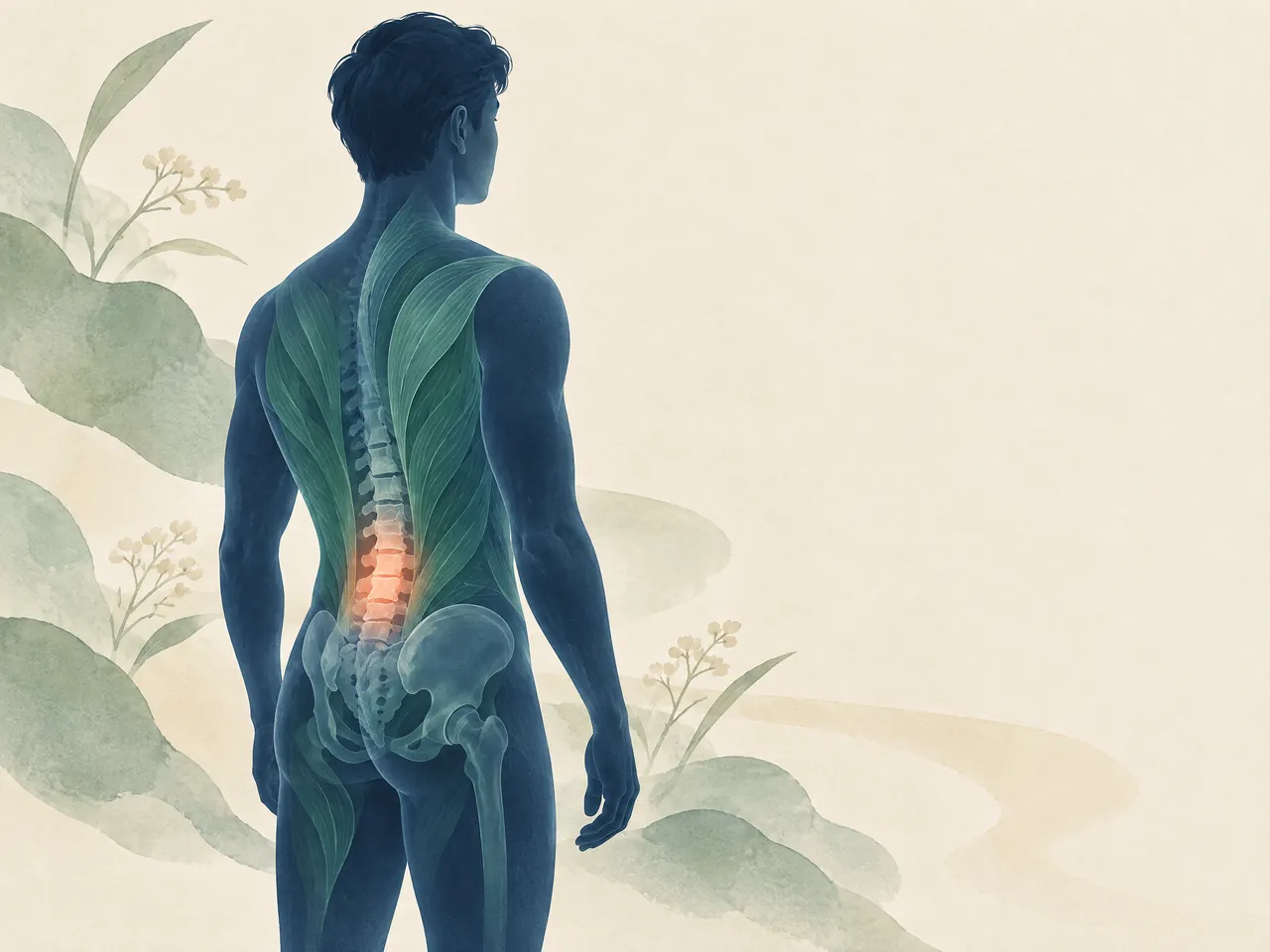
Piriformis syndrome may cause deep buttock pain with tingling, numbness or pain that travels down the back of the leg, but similar symptoms can arise from the lumbar spine. An assessment should consider the symptom route, sitting and movement triggers, neurological changes and any injury. Acupuncture can be discussed as a conservative symptom-management option after assessment; it cannot repair a disc, reverse degeneration or substitute for urgent medical care when red flags are present.
Transparent pricing
See the fees.
Choose your care.
Explore our complete official price list, including first-trial prices, regular prices, packages and branch-specific options.
Opening WhatsApp prepares an enquiry; it does not send a message, take payment or confirm an appointment. Suitability and individual arrangements are confirmed during consultation.
Pain care
All prices in HKDExtracorporeal shockwave treatment
Shockwave treatment for deep-tissue and fascial care. The Kwun Tong clinic offers the multi-area options shown below.
Priced by branch
Branch-specific pricing
Prince Edward: HK$250 per area
Kwun Tong: HK$250 for 1 area / HK$450 for 2 areas / HK$600 for 3 areas
Pain care (manual therapy)
Includes Chinese medicine musculoskeletal assessment, manual joint techniques and tui na.
HK$580 (single session)
Chinese medicine musculoskeletal assessment
Pain care (acupuncture and manual therapy)
Combines acupuncture and manual therapy.
HK$680 (single session)
Combined care
Hair and scalp
All prices in HKDScalp health and hair-loss management
Includes AI scalp analysis, deep scalp and follicle cleansing, and scalp oil-control care.
HK$380 (first trial)
Regular price: HK$680
- 6 sessions: HK$3,480 (HK$580 per session)
- 12 sessions: HK$5,760 (HK$480 per session)
- 20 sessions: HK$8,600 (HK$430 per session)
- 30 sessions: HK$11,400 (HK$380 per session)
Hair acupuncture and Chinese herbal medicine package
Includes scalp acupuncture and 3 days of Chinese herbal medicine that does not require decoction.
HK$580 (single session)
Registered Chinese Medicine Practitioner consultation
- 6 sessions: HK$3,180 (HK$530 per session)
- 12 sessions: HK$5,760 (HK$480 per session)
- 20 sessions: HK$8,600 (HK$430 per session)
- 30 sessions: HK$11,400 (HK$380 per session)
Combined hair and scalp treatment
Combines acupuncture and Chinese herbal medicine with salon-level scalp and follicle care. Packages include complimentary hair-care shampoo and serum.
HK$1,260 (single session)
Combined treatment
- 8 sessions: HK$8,640 (HK$1,080 per session)
- 16 sessions: HK$15,680 (HK$980 per session)
- 20 sessions: HK$18,600 (HK$930 per session)
- 30 sessions: HK$26,400 (HK$880 per session)
Weight management
All prices in HKDFull-body acupoint embedding for weight management
Includes full-body acupoint embedding. Packages include complimentary Chinese herbal medicine for weight management, with the number of included days scaled to the package. Embedding material and the individual treatment arrangement are confirmed during consultation; this is not a cosmetic thread lift.
HK$980 (single session)
No trial session
- 10 sessions: HK$7,800 (HK$780 per session)
- 20 sessions: HK$14,600 (HK$730 per session)
- 30 sessions: HK$20,400 (HK$680 per session)
Facial acupuncture
All prices in HKDFacial acupuncture (basic)
Includes facial acupuncture and meridian-based facial care, including care for facial puffiness.
HK$480 (first trial)
Regular price: HK$680
- 10 sessions: HK$5,200 (HK$520 per session)
- 20 sessions: HK$9,600 (HK$480 per session)
- 30 sessions: HK$13,500 (HK$450 per session)
Facial acupuncture (advanced)
Includes enhanced facial acupuncture with a specially formulated moisturising mask and serum.
HK$780 (first trial)
Regular price: HK$1,180
- 10 sessions: HK$9,000 (HK$900 per session)
- 20 sessions: HK$16,600 (HK$830 per session)
- 30 sessions: HK$23,400 (HK$780 per session)
Chinese medicine
All prices in HKDAcupuncture and Chinese herbal medicine package
Includes a Chinese medicine consultation with pulse assessment, body acupuncture and 3 days of Chinese herbal granules that do not require decoction.
HK$580 (single session)
Chinese medicine consultation with pulse assessment
piriformis syndrome leg pain; piriformis syndrome buttock pain; piriformis syndrome sciatica — Understanding the Pattern
The piriformis is a small deep muscle in the buttock that helps move the hip. The sciatic nerve commonly travels beneath it, so irritation or pressure in that area is one possible explanation for pain that begins in the buttock and moves into the upper leg. It is also why the phrase piriformis syndrome sciatica is used so often. It is a description of a possible location and symptom pathway, not proof that every ache in the buttock is caused by that muscle. [1]
A careful description can narrow the discussion without turning self-observation into self-diagnosis. Think about the first painful point, not simply the most painful point. A person whose symptoms start low in the back and then reach the buttock, calf or foot may need a different line of enquiry from someone with a sharply localised deep-buttock pain after a long drive. Hong Kong’s commuting, desk work, hill walking and carrying shopping can each reveal different aggravating positions, but none alone confirms the source.
piriformis syndrome leg pain; piriformis syndrome buttock pain; piriformis syndrome sciatica — How the Symptoms Can Feel
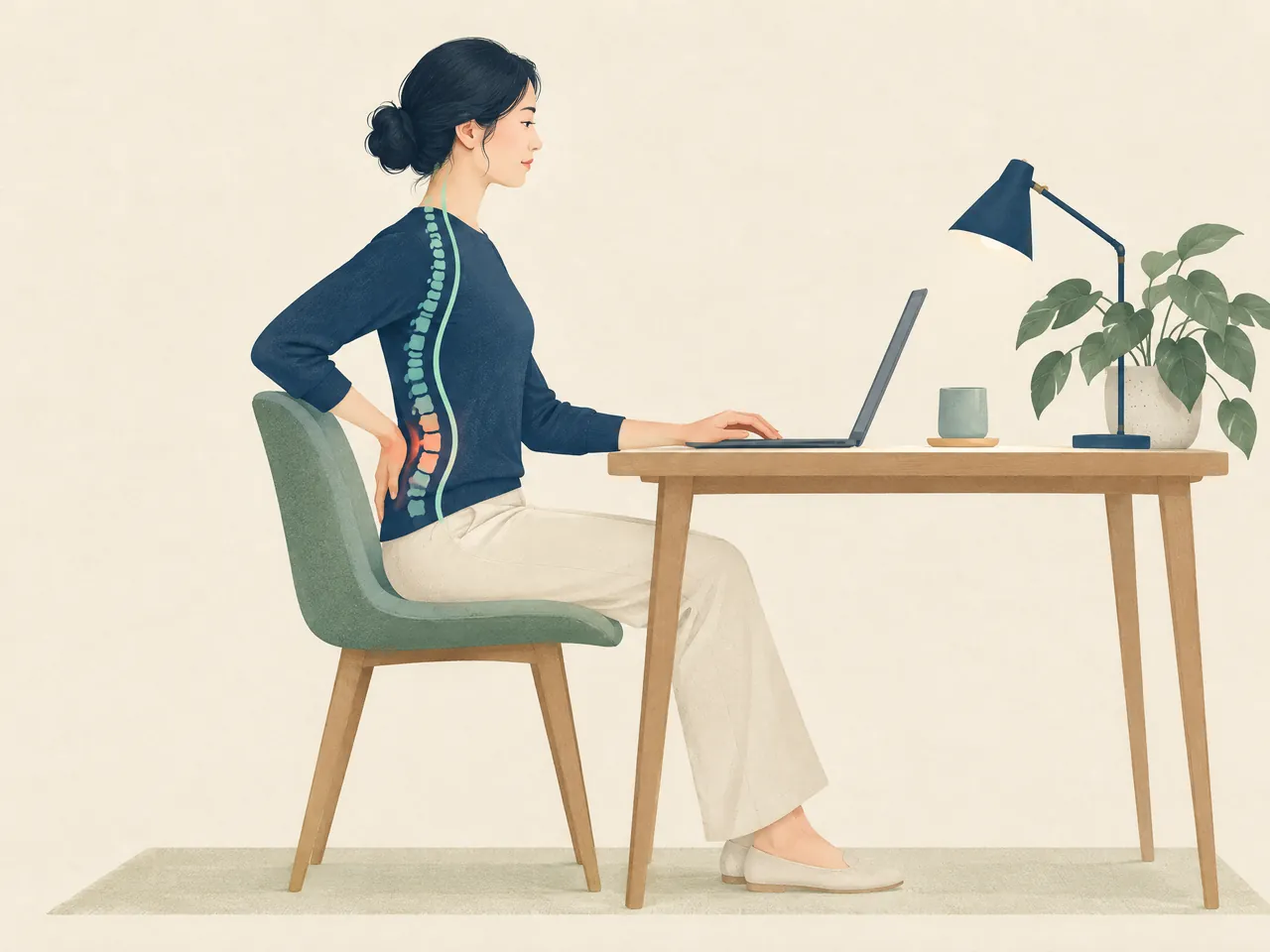
Piriformis syndrome buttock pain is commonly described as deep, sore, burning or tight rather than a surface bruise. It may stay near one side of the buttock or spread toward the hip and upper back of the thigh. Some people notice tingling, numbness or a shooting sensation, especially after remaining seated. Walking, running or stair climbing can also be provocative for some patterns. Those features are compatible with irritation around the sciatic nerve, but their presence does not by itself identify the level or structure involved. [1]
The distribution matters. Leg pain that extends below the knee, reaches the foot, follows a consistent band down the side or back of the leg, or changes with coughing and sneezing deserves a clear account at assessment. Sciatica is usually used for symptoms from an irritated or compressed sciatic nerve pathway; lower-back causes such as a slipped disc, spinal narrowing or vertebral slippage are among the recognised possibilities. [2] Rather than repeatedly testing a painful stretch at home, record what happened in ordinary life: how long you sat, what movement set it off, whether it settled after changing position, and what sensation remained.

piriformis syndrome leg pain; piriformis syndrome buttock pain; piriformis syndrome sciatica — Why Careful Differentiation Matters
Deep-buttock symptoms overlap with lumbar radicular pain, hip-region problems and other causes of referred discomfort. That overlap is the reason piriformis syndrome is often a diagnosis reached after other explanations have been considered. A medical source describes history-taking and movement, rotation, pressure and stretch of the hip, buttock and leg as part of the clinical examination; there is no single stand-alone test that settles every case. [1] An honest assessment therefore has room for uncertainty while it considers the safest next step.
Differentiation changes what a conservative treatment conversation should aim to do. If a clinician suspects a structural spinal issue, acupuncture should not be framed as repairing a disc or reversing degeneration. If symptoms are mainly local and there are no concerning neurological changes, the discussion may instead focus on comfort, movement tolerance and local muscular tension alongside other appropriate care. For an overview centred on this specific region, see piriformis muscle pain acupuncture. Where the story begins in the low back or follows a more classic nerve-root pattern, sciatica from a herniated disc is a more relevant question to raise.
Compare your options
| What to notice | Why it helps the discussion | Appropriate next step |
|---|---|---|
| Pain begins deep in one buttock and is worse after sitting | Shows the local starting point and a positional trigger | Discuss hip and buttock examination alongside the leg symptoms |
| Pain begins in the low back and travels to calf, foot or toes | Raises a lumbar nerve-pathway question | Ask whether medical or physiotherapy assessment should be prioritised |
| Tingling or numbness is new, spreading or affects function | Neurological change affects the safety decision | Seek timely clinical review rather than relying on self-treatment |
| Bladder or bowel change, saddle-area numbness, or severe bilateral weakness | May indicate a serious spinal emergency | Seek urgent hospital assessment immediately |
| Symptoms fluctuate with walking, stairs or a long commute | Creates a usable activity record without assuming the cause | Bring examples of duration, position and recovery to the consultation |
On smaller screens, scroll the table sideways to compare all columns.
piriformis syndrome leg pain; piriformis syndrome buttock pain; piriformis syndrome sciatica — Assessment Before Treatment
Before any treatment choice, an assessment should build a timeline. Was there a fall, a new training routine, a long journey, a lifting incident or a slow onset during a period of sitting? Is the pain one-sided? Does it interrupt sleep, make the foot feel unreliable or make it difficult to work? Bring a list of medicines, previous back or hip diagnoses, recent fever or unintentional weight change, and any prior imaging reports if available. These details help avoid treating a memorable tender spot while missing the broader pattern.

It also helps to distinguish an aggravating activity from the cause. For example, a low chair may expose a painful hip position; it does not prove that the chair created the problem. Similarly, relief from rubbing the buttock does not rule out a lumbar contribution. A clinician can decide whether examination, rehabilitation guidance, medical review or imaging discussion should come first. The Hong Kong spine information source notes that radiological findings need to align with the clinical picture, an important safeguard against interpreting a report in isolation. [3]

piriformis syndrome leg pain; piriformis syndrome buttock pain; piriformis syndrome sciatica — What an Assessment Covers
A consultation commonly starts with the quality and geography of the symptoms: dull, burning, electric, numb, tight or weak; buttock only, upper thigh, calf or foot; intermittent or constant. It then considers functional tasks such as getting out of a car, crossing a leg, climbing a flight of stairs, standing from a sofa and taking a short walk. These examples are more useful than the broad statement that a leg hurts, because they show which positions load the hip and which ones reproduce a radiating sensation.
The physical part may include observation of comfortable movement, palpation for local tenderness and carefully selected hip, buttock, back and leg movements. It should not be a contest to force the most painful position. New loss of strength, altered sensation, marked gait change or signs outside a simple local-muscle pattern can change the referral decision. If the assessment raises a question of nerve-root involvement or another structural condition, medical assessment, physiotherapy or imaging may be more appropriate before, or alongside, conservative symptom management. The table below is a preparation aid, not a diagnostic checklist.

piriformis syndrome leg pain; piriformis syndrome buttock pain; piriformis syndrome sciatica — How Acupuncture May Be Discussed
After an appropriate assessment, acupuncture may be discussed as one conservative option for pain or muscle-tension symptoms. A practitioner may consider local tenderness around the buttock together with the broader symptom pattern, movement limits and any concurrent care. In traditional Chinese medicine terms, this may be discussed through local tissues and related channels. The practical purpose should remain clear: it is a conversation about managing symptoms and supporting function, not a promise to correct a disc, a narrowed spinal canal or severe nerve compression.
Ask what the working impression is, why acupuncture is or is not suitable now, what sensations can occur during needling, and what changes should prompt re-contact or medical review. Sterile single-use needles and consent should be part of the discussion. Research on several acupuncture methods for piriformis syndrome exists, but the PubMed Central article often cited in this area is a protocol for a proposed systematic review, not a completed finding that predicts an individual result. [4] Read more about piriformis syndrome acupuncture, or compare the broader choices involved in piriformis syndrome treatment.
piriformis syndrome leg pain; piriformis syndrome buttock pain; piriformis syndrome sciatica — Limits and Safety
A sensible plan has boundaries. It may include temporary changes to a trigger, paced return to ordinary activity, exercise or rehabilitation advice when suitable, and a review point if symptoms do not settle or function declines. Prolonged bed rest or avoiding all movement can create its own difficulties. The NHS advises people with sciatica to continue normal activities as much as possible and avoid sitting or lying down for long periods, while recognising that the underlying cause and an individual’s limits still matter. [2]
Neither a good day after treatment nor a sore patch in the buttock confirms a diagnosis. Keep a simple record of sleep, walking tolerance, sitting tolerance, numbness and perceived strength. This makes a change over time easier to communicate and can show whether the problem is genuinely improving, merely fluctuating or spreading. If the original plan no longer matches the symptoms, reassessment is more useful than simply repeating the same intervention. For a focused treatment-question page, see can acupuncture treat piriformis syndrome.

piriformis syndrome leg pain; piriformis syndrome buttock pain; piriformis syndrome sciatica — When Other Care May Be Needed
Arrange a medical review when pain is getting worse, keeps limiting normal work or walking, remains troublesome after a reasonable period of self-care, or follows a significant injury. Seek earlier advice for new or progressive weakness, repeated trips or falls, persistent numbness, fever or unexplained weight loss. These features do not name one diagnosis, but they make it inappropriate to assume a tight piriformis is the full answer. A medical clinician can assess whether further examination, imaging or a different type of treatment is needed. [1]
Other care is not a failure of acupuncture or of a conservative approach; it is the right response when the risk, pattern or functional impact calls for it. Physical rehabilitation may address graded movement and strength. Medical care may clarify pain that fits a spinal or systemic problem. Some people use more than one service, but the order should follow safety and findings. If you are choosing where to discuss a non-urgent assessment with TCM Lab, enquiries can be directed to the Kwun Tong Chinese medicine clinic or Chinese medicine clinic Prince Edward; explain your symptoms and language needs when you contact the clinic.
piriformis syndrome leg pain; piriformis syndrome buttock pain; piriformis syndrome sciatica — Urgent Warning Signs
Do not wait for a routine appointment if you develop numbness around or under the genitals or around the anus, new difficulty starting urination, inability to control urine or stool, or loss of awareness of the need to pass stool. These symptoms can indicate a serious spinal problem requiring hospital assessment. Urgent assessment is also needed for sciatica on both sides or severe or worsening weakness or numbness in both legs. [2] In Hong Kong, seek emergency medical care rather than attempting to manage these changes with stretching, massage or acupuncture.
A sudden major change after a back, hip or leg injury, or sudden severe pain with new weakness or numbness, also deserves prompt medical attention. When symptoms are not urgent but the pattern is unclear, write down the onset, progression, triggers, exact areas of altered feeling and effects on walking before seeking assessment. That concise record helps the next clinician decide whether the working concern is a local buttock issue, a lumbar nerve pathway or something requiring another route of care. Safety comes before any attempt to label the pain as piriformis syndrome.
Care and health guide
Sciatica: care information
This directory brings together services, reading, and visit information related to sciatica, to help you prepare questions for a consultation.
When sciatica affects your day, noting when it occurs, its relation to activity, and what you have already tried can help prepare a consultation; acupuncture for sciatica is a relevant service or reading entry point.
Individual circumstances differ, and acupuncture Hong Kong offers related information to help you understand options and prepare questions.


Your questions, answered
Frequently asked questions
How is piriformis syndrome leg pain, piriformis syndrome buttock pain and piriformis syndrome sciatica assessed?
Assessment considers where symptoms start and travel, how sitting and movement affect them, any injury or back history, and neurological symptoms. Examination may compare hip, buttock, back and leg movements and local tenderness. Because similar symptoms can come from the lumbar spine, a clinician may recommend medical review or imaging when the pattern warrants it.
Can acupuncture help piriformis syndrome leg pain, piriformis syndrome buttock pain and piriformis syndrome sciatica?
Acupuncture may be discussed as a conservative option for symptom management after assessment. Suitability depends on the person’s symptom pattern, examination and safety concerns. It should not be presented as a way to repair a disc, reverse spinal degeneration or treat severe nerve compression without appropriate medical care.
What should I do while waiting for an assessment of buttock and leg pain?
Avoid repeatedly forcing a painful stretch. Keep a brief record of symptom location, triggers, numbness, weakness and effects on walking or sleep. If it is safe for you, maintain gentle ordinary movement rather than staying in one seated or lying position for long periods. Seek clinical advice if symptoms worsen or limit normal activity.
When should I seek urgent medical care for sciatica-type symptoms?
Seek urgent hospital assessment for new bladder or bowel control problems, difficulty starting urination, numbness around the genitals or anus, sciatica on both sides, or severe or worsening weakness or numbness in both legs. These are not symptoms to wait on for a routine treatment appointment.
Sources and further information
- [1] [1] Cleveland Clinic — Piriformis Syndrome
Referenced for: Symptoms, differential assessment, examinations and circumstances that warrant medical review.
- [2] [2] NHS — Sciatica
Referenced for: Sciatica symptom wording, activity advice and emergency warning signs.
- [3] [3] Hong Kong Sanatorium & Hospital — Sciatica
Referenced for: Hong Kong clinical context for radicular symptoms and the need to align imaging with the clinical picture.
- [4] [4] PubMed Central — Acupuncture Methods for Piriformis Syndrome
Referenced for: Identifies the cited article as a systematic-review and network-meta-analysis protocol, rather than an individual treatment guarantee.