
TCM Lab · Health reading
Hip Pain Exercises and Exercise With Hip Pain: A Practical Activity Guide
Published Updated
Hip pain exercises are not a test of toughness. The useful starting point is whether you can walk, put weight through the leg, get up from a chair, manage stairs and sleep without a clear symptom flare. When there has been no serious injury or warning sign, a smaller, tolerable amount of movement and a temporary reduction in aggravating load can be more practical than staying in bed. This guide helps you choose that middle ground, record what changes your symptoms, and recognise when exercise should give way to medical assessment.
Appointments are confirmed through WhatsApp. If you have language requirements, please mention them in your enquiry.
The short answer
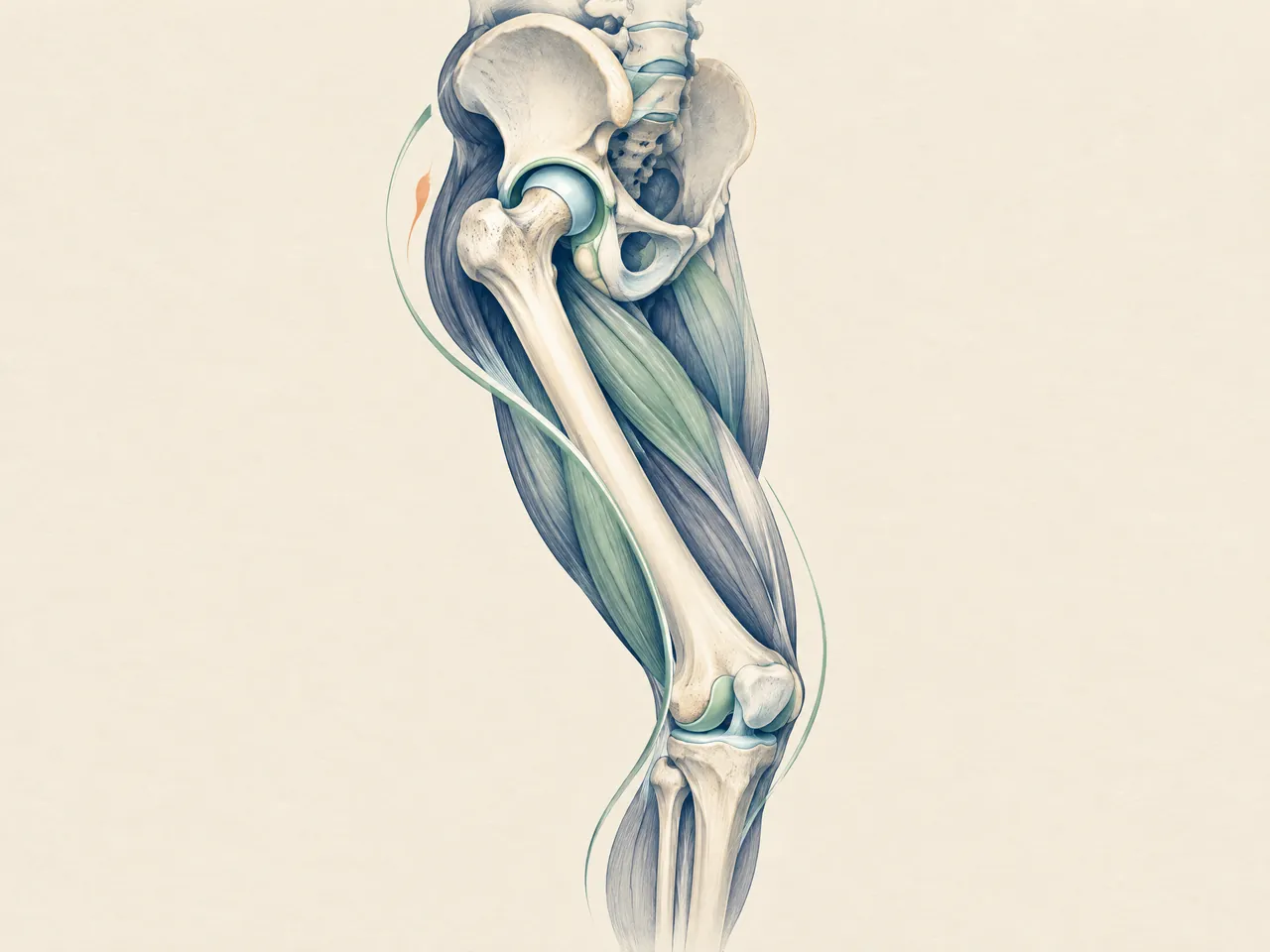
To exercise with hip pain, begin with the activity you can tolerate today, such as short level walking or a gentle movement that does not clearly worsen symptoms later. Reduce the distance, depth, speed or load before stopping all movement. Do not use home exercises to push through severe sudden pain, a fall with inability to walk or bear weight, persistent numbness, deformity, or a hot swollen hip with fever; those features need prompt medical assessment.
Transparent pricing
See the fees.
Choose your care.
Explore our complete official price list, including first-trial prices, regular prices, packages and branch-specific options.
Opening WhatsApp prepares an enquiry; it does not send a message, take payment or confirm an appointment. Suitability and individual arrangements are confirmed during consultation.
Pain care
All prices in HKDExtracorporeal shockwave treatment
Shockwave treatment for deep-tissue and fascial care. The Kwun Tong clinic offers the multi-area options shown below.
Priced by branch
Branch-specific pricing
Prince Edward: HK$250 per area
Kwun Tong: HK$250 for 1 area / HK$450 for 2 areas / HK$600 for 3 areas
Pain care (manual therapy)
Includes Chinese medicine musculoskeletal assessment, manual joint techniques and tui na.
HK$580 (single session)
Chinese medicine musculoskeletal assessment
Pain care (acupuncture and manual therapy)
Combines acupuncture and manual therapy.
HK$680 (single session)
Combined care
Hair and scalp
All prices in HKDScalp health and hair-loss management
Includes AI scalp analysis, deep scalp and follicle cleansing, and scalp oil-control care.
HK$380 (first trial)
Regular price: HK$680
- 6 sessions: HK$3,480 (HK$580 per session)
- 12 sessions: HK$5,760 (HK$480 per session)
- 20 sessions: HK$8,600 (HK$430 per session)
- 30 sessions: HK$11,400 (HK$380 per session)
Hair acupuncture and Chinese herbal medicine package
Includes scalp acupuncture and 3 days of Chinese herbal medicine that does not require decoction.
HK$580 (single session)
Registered Chinese Medicine Practitioner consultation
- 6 sessions: HK$3,180 (HK$530 per session)
- 12 sessions: HK$5,760 (HK$480 per session)
- 20 sessions: HK$8,600 (HK$430 per session)
- 30 sessions: HK$11,400 (HK$380 per session)
Combined hair and scalp treatment
Combines acupuncture and Chinese herbal medicine with salon-level scalp and follicle care. Packages include complimentary hair-care shampoo and serum.
HK$1,260 (single session)
Combined treatment
- 8 sessions: HK$8,640 (HK$1,080 per session)
- 16 sessions: HK$15,680 (HK$980 per session)
- 20 sessions: HK$18,600 (HK$930 per session)
- 30 sessions: HK$26,400 (HK$880 per session)
Weight management
All prices in HKDFull-body acupoint embedding for weight management
Includes full-body acupoint embedding. Packages include complimentary Chinese herbal medicine for weight management, with the number of included days scaled to the package. Embedding material and the individual treatment arrangement are confirmed during consultation; this is not a cosmetic thread lift.
HK$980 (single session)
No trial session
- 10 sessions: HK$7,800 (HK$780 per session)
- 20 sessions: HK$14,600 (HK$730 per session)
- 30 sessions: HK$20,400 (HK$680 per session)
Facial acupuncture
All prices in HKDFacial acupuncture (basic)
Includes facial acupuncture and meridian-based facial care, including care for facial puffiness.
HK$480 (first trial)
Regular price: HK$680
- 10 sessions: HK$5,200 (HK$520 per session)
- 20 sessions: HK$9,600 (HK$480 per session)
- 30 sessions: HK$13,500 (HK$450 per session)
Facial acupuncture (advanced)
Includes enhanced facial acupuncture with a specially formulated moisturising mask and serum.
HK$780 (first trial)
Regular price: HK$1,180
- 10 sessions: HK$9,000 (HK$900 per session)
- 20 sessions: HK$16,600 (HK$830 per session)
- 30 sessions: HK$23,400 (HK$780 per session)
Chinese medicine
All prices in HKDAcupuncture and Chinese herbal medicine package
Includes a Chinese medicine consultation with pulse assessment, body acupuncture and 3 days of Chinese herbal granules that do not require decoction.
HK$580 (single session)
Chinese medicine consultation with pulse assessment
Hip Pain Exercises and Exercise With Hip Pain: Start With Symptoms and Function
The label “hip pain” covers more than one experience. It may be felt deep in the groin while putting on shoes, over the outer hip when lying on that side, or in the buttock or upper thigh. These patterns describe symptoms; they do not diagnose the cause. Hip-area pain may follow an injury or a longer-lasting problem, and the response depends on onset, swelling, walking ability and associated symptoms. The NHS advises against trying to diagnose the cause yourself and lists several possible causes of adult hip pain [1]. Before choosing exercises, note where it hurts, when it began, whether a fall or new activity came first, and what daily actions have changed.
Function gives the decision a real-world anchor. Notice whether you can take ordinary steps without a new limp, rise from a chair, manage stairs and turn in bed. Also record what happens afterwards. A movement that feels acceptable for two minutes but leaves you much more restricted that evening is useful information. The record shows the boundary between activity you can recover from and a dose that is too demanding. If pain stops normal activities, affects sleep, worsens or keeps returning, arrange a clinical assessment rather than endlessly changing exercises [1].

Use Hip Pain Exercises and Exercise With Hip Pain to Notice Walking Limits
Walking is a useful everyday measure because it involves weight transfer and repeated motion, yet it is easy to overdo while keeping up with work or errands. Start with a route that was recently manageable: to a nearby lift lobby, around one level block, or through a supermarket with a trolley. Choose a predictable, level route instead of adding hills, heavy bags and a faster pace at once. Wear stable footwear and allow time so that you do not rush. The aim is to learn today’s walking tolerance, not prove you can match your pre-pain route. For pace, route and aid planning, see walking with hip pain.
Use a before-and-after note: planned route, pain location, whether you limped, and how the hip felt later and the following morning. If symptoms settle without reducing usual function, keep that level for several attempts before a small change. If pain builds with every step, your stride becomes uneven, or the walk leaves you less able to manage ordinary tasks, reduce the next dose. Try less distance, a flatter surface, a slower pace or a planned rest. A change in strength, balance or sensation is not a signal to add repetitions; bring it to a health professional.
Decide Whether Hip Pain Exercises and Exercise With Hip Pain Are Tolerable Today
A tolerable exercise is controlled and can be stopped without clear overall worsening. It may be a gentle hip movement while lying down, a supported stand, or a brief sit-to-stand from a chair that is not low. Make it easier: hold a stable counter, use a firm chair with armrests, keep the range small, and move slowly enough to notice discomfort. Do not chase a bigger stretch, deeper squat or difficult variation because an online routine suggests it. An exercise video cannot examine your gait, check a recent injury or establish why one movement hurts.
Check whether the response is proportionate and short-lived. NHS Inform advises a gradual return to normal activities, listening to pain levels and stopping exercises that worsen symptoms or cause new pain [2]. Muscles unused to movement can feel worked, but sharp pain, catching, giving way, a large increase in usual pain, or less function the next morning calls for a step back. Keep the choice simple enough to identify what affected the result. Changing the routine, shoes, route and intensity on the same day hides the pattern.
Compare your options
| Activity pattern | What to observe | A lower-load adjustment | When not to self-manage |
|---|---|---|---|
| Level walking causes pain that builds or a growing limp | Distance, pace, surface, need for rests and next-morning function | Use a shorter flat route, slow the pace and add a planned rest before symptoms build | Stop and seek assessment if you cannot bear weight, have new numbness, or pain is severe after injury |
| Stairs or rising from a chair are difficult | Chair height, hand support, pain at a particular depth and ability to control the movement | Use a higher firm chair, armrests or a rail; reduce the depth and number of repetitions | Seek advice if the hip gives way, function is declining or pain repeatedly disrupts daily tasks |
| Exercise feels worse after a busy day | Total standing, carrying, hills, long sitting and exercise completed that day | Reduce one demand, such as bag weight or walk duration, and split essential tasks into blocks | Seek assessment if symptoms continue to worsen despite reducing load or sleep is affected |
| A new movement causes sharp pain, catching or new symptoms | Exact movement, range, support used and whether symptoms settle after stopping | Stop that movement; choose a comfortable, simpler activity instead of forcing the range | Get advice for new pain that persists, major swelling, a hot hip, fever or feeling unwell |
| Pain follows a fall, twist or collision | Ability to walk, bear weight, sensation, appearance and swelling | Do not test repeated exercises while deciding what to do; protect the area and arrange assessment | Emergency assessment is needed for severe pain after injury, inability to walk or bear weight, or tingling or loss of feeling |
On smaller screens, scroll the table sideways to compare all columns.
Hip Pain Exercises and Exercise With Hip Pain: Adjust Load Without Complete Bed Rest
Load is the total demand on the hip, not only the exercise plan. A busy day can include standing on the MTR, stairs, shopping, low seating, a gym session and a walk home. If symptoms flare, review the whole day before blaming one stretch. The NHS advises people with hip pain to keep moving if they can while avoiding too much strain, and to avoid heavy carrying and low chairs [1]. Reduce the aggravating amount or type of load for now while keeping comfortable movement and essential activity where safe.
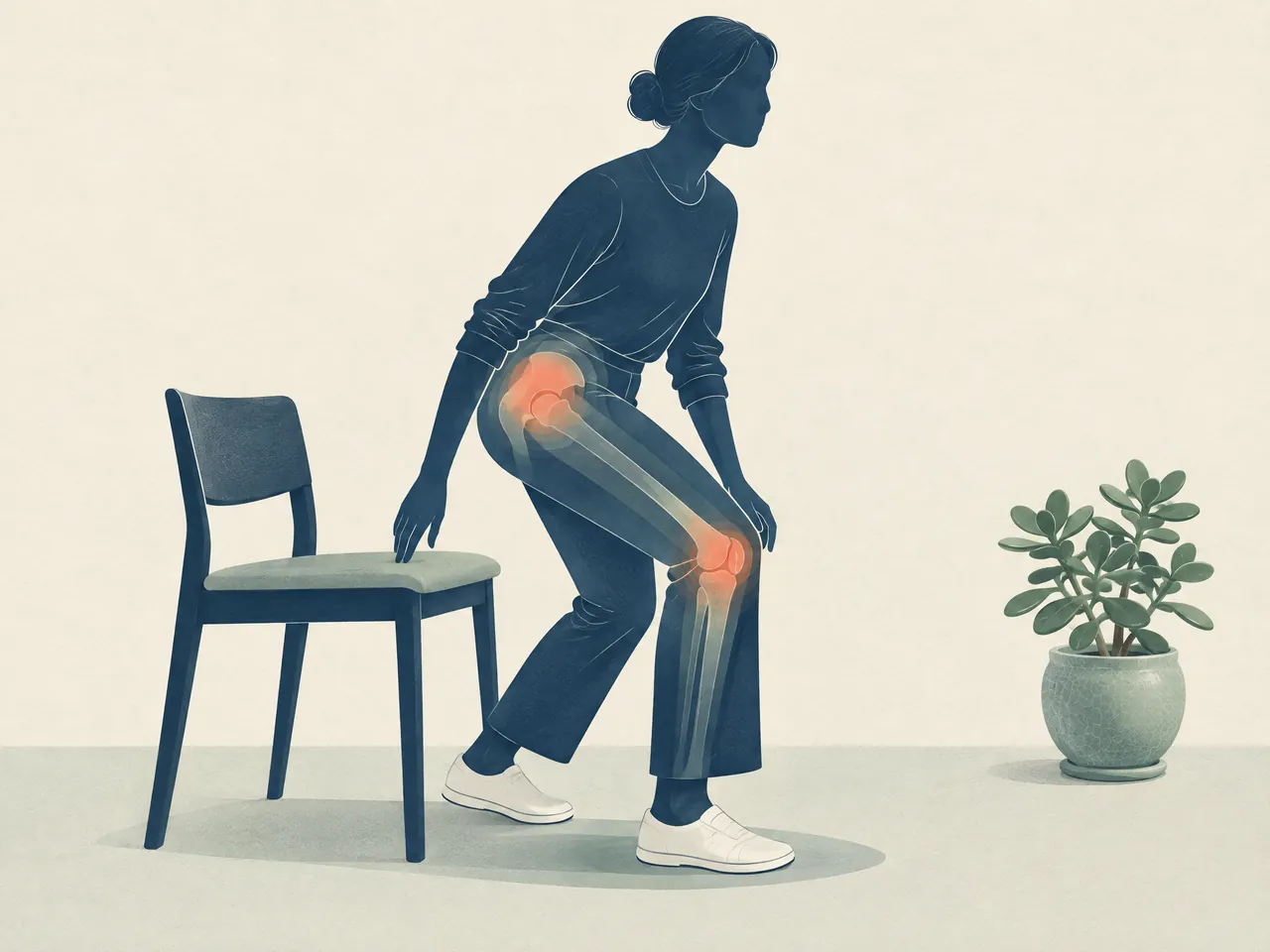
Complete bed rest can make ordinary movement harder when you start again, but “stay active” does not mean ignore pain after injury or force a long workout. Use substitutions: replace a hilly walk with a shorter level route; divide housework into smaller blocks; use a handrail; sit to put on trousers; or postpone lifting something bulky. After a long sit, change position gently rather than immediately walking far. These changes do not correct the underlying cause. They give you room to see whether a calmer baseline returns and whether graded exercise is appropriate.
Modify Hip Pain Exercises and Exercise With Hip Pain Around Symptoms
Modify one variable at a time. For walking, variables include duration, speed, hills, turns, surface, bag weight and rest breaks. For a chair exercise, they include chair height, hand support, depth, repetitions and rest. If discomfort begins at the bottom of a movement, start with a shallower version. If single-leg standing is uncomfortable, keep more weight through both legs and use support. This is more useful than deciding all exercise is good or harmful. It helps you find the smallest change that makes an activity manageable.
Test on an ordinary day if possible, rather than after a poor night, long shift or unusually demanding journey. Warm up with easy movement, try a brief dose, rest and reassess. If it remains manageable, repeat that dose on another day before progressing; if not, reduce it or choose another movement. People diagnosed with osteoarthritis may discuss range-of-motion, strengthening, balance and low-impact activity with a clinician or physiotherapist. NIAMS advises starting a safe, well-rounded programme slowly [3]. Hip pain alone is not a basis to self-diagnose osteoarthritis.
Keep Hip Pain Exercises and Exercise With Hip Pain Within a Manageable Range
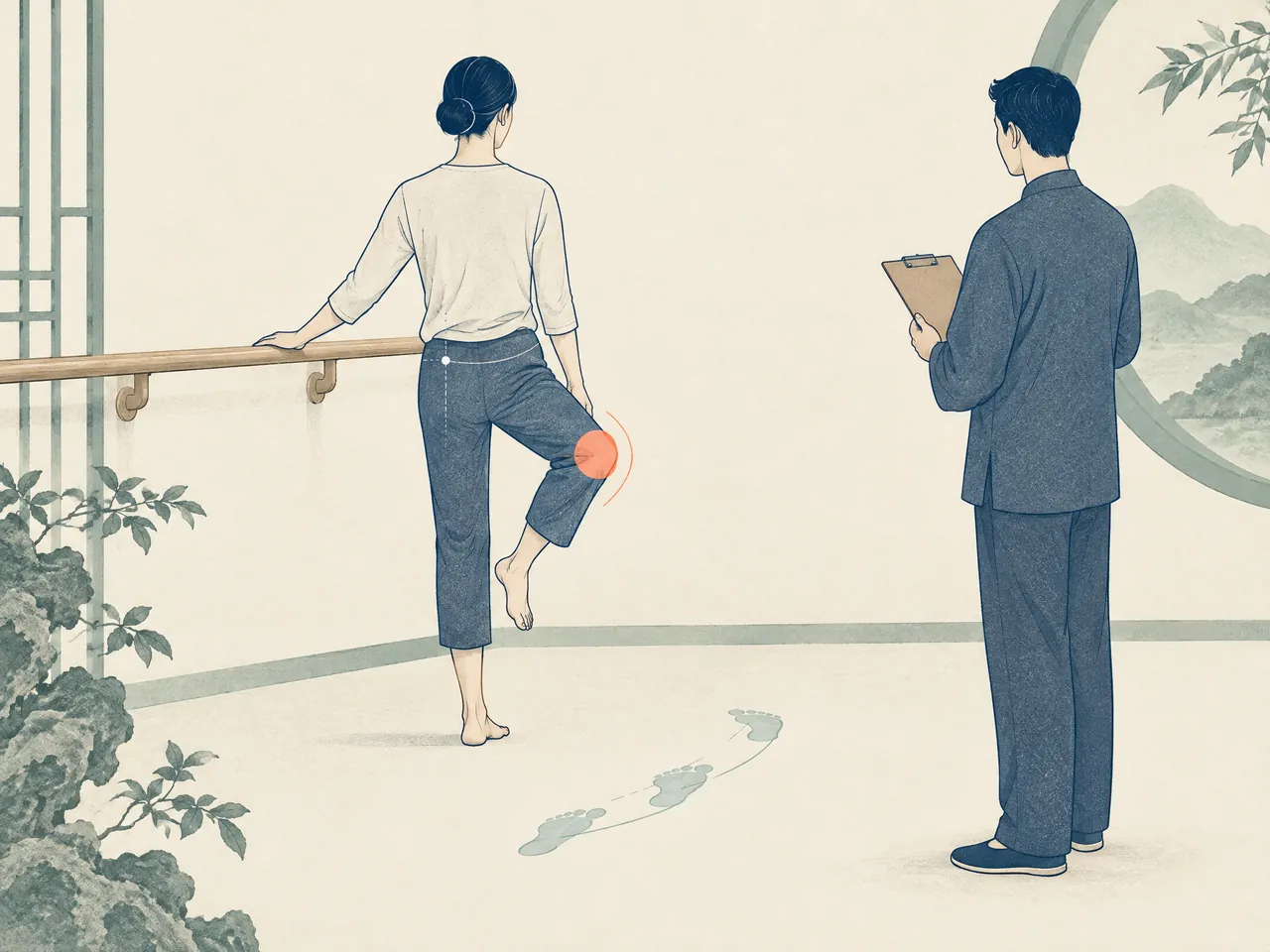
A manageable range keeps you in control. A supported sit-to-stand may suit you better than deep squats; two short walks may be more manageable than one long outing; and an upright seat may beat a very low sofa. Write down the starting version so that progress is not based on memory. “Five minutes on level ground with one pause” is clearer than “walked a bit.” Note whether you used the handrail more, began limping, or had to avoid another activity later. Those details guide whether to maintain, reduce or cautiously build the load.
The table below is a planning tool, not a diagnosis chart. It focuses on response and modification because pain level alone does not show the effect on function. If a pattern is consistent, repeat the tolerable version for several sessions. If it is unpredictable, symptoms are escalating, or you are losing confidence in weight-bearing, stop self-experimenting and seek assessment. New knee pain, back symptoms or a major gait change can also alter the whole activity. Report the wider pattern rather than treating one area in isolation.
Hip Pain Exercises and Exercise With Hip Pain: Know When to Seek Care
Home activity modification has limits. Stop treating the problem as a routine exercise question if severe pain begins suddenly, the hip becomes hot or swollen, the skin changes colour, or you feel unwell with fever or chills. These features can need urgent medical advice. After a fall or injury, severe pain, inability to walk or bear weight, and tingling or loss of feeling in the hip or leg are reasons for emergency assessment in NHS guidance [1]. Do not try to loosen it with massage, heat, stretching or a mobility video while deciding whether you can take another step. Seek appropriate urgent or emergency care.
Less dramatic symptoms can still need a timely appointment. Persistent pain that affects sleep, recurrent flares, a shrinking walking distance, or stiffness that does not settle are worth discussing with a health professional. Bring your activity record. State when it began, what happened beforehand, the precise site, walking limit, difficulty with stairs or shoes, and what you have tried. TCM Lab can discuss consultation arrangements after appropriate triage, but a clinic conversation must not delay warning-sign assessment or replace diagnosis.

Pause Hip Pain Exercises and Exercise With Hip Pain After Injury
After a fall, collision, sudden twist or other injury, first consider whether you can safely bear weight and whether the hip or leg looks different. Severe pain after a fall, inability to walk or bear weight, and numbness or tingling after injury are urgent warning signs, not reasons to test an exercise progression. The guide on severe hip pain after a fall explains why prompt attention is needed. Do not drive yourself if you need emergency help. Until assessed, do not repeatedly stand, stretch or climb stairs to test the injury.
Even if you can walk after an incident, record the details and monitor the direction of change. Worsening bruising, swelling, pain, a new limp, reduced range, altered sensation or declining ability to manage daily tasks changes the decision. An old sports injury that settled with rest does not explain a new injury. A clinician can determine whether examination, imaging, supported movement or rehabilitation is needed. The safest next step depends on injury and function, not on the most popular hip exercise online.

Get Advice Before Hip Pain Exercises and Exercise With Hip Pain When Warning Signs Appear
Seek urgent advice for a hip that is hot, swollen or discoloured, particularly with a high temperature or general unwellness. These are not ordinary post-exercise soreness. hot swollen hip and fever explains why this combination needs medical assessment rather than a home remedy. Also seek advice when pain worsens, keeps returning, affects sleep or stops normal activities. Do not wait for an exercise programme to fail. Assessment can clarify safe activity and prevent a cycle of total rest followed by doing too much.
For non-urgent symptoms, a concise enquiry helps. Say where pain is, when it began, your walking limit, which tasks aggravate it, and whether there is fever, swelling, numbness or a recent injury. If you wish to ask TCM Lab about a consultation after appropriate medical triage, select a practical location: Kwun Tong Chinese medicine clinic or Chinese medicine clinic Prince Edward. You can also check the Chinese medicine clinic price list Hong Kong before enquiring.
Care and health guide
Pain-care information
This directory brings together services, reading, and visit information related to pain care, to help you prepare questions for a consultation.
When pain care affects your day, noting when it occurs, its relation to activity, and what you have already tried can help prepare a consultation; Chinese medicine pain management Hong Kong is a relevant service or reading entry point.
Individual circumstances differ, and acupuncture Hong Kong offers related information to help you understand options and prepare questions.


Your questions, answered
Frequently asked questions
What exercises can I do with hip pain?
Choose a small, controlled movement you can tolerate, such as brief level walking, a supported stand or a gentle hip movement, rather than copying a demanding routine. Keep the starting dose modest and track the response later that day and the next morning. Stop a movement that causes sharp pain, new symptoms or an overall worsening.
Should I keep walking if my hip hurts?
If there are no warning signs and walking is tolerable, a shorter, slower, flatter walk with rests may be preferable to complete bed rest. Reduce the route if limping increases or daily function is worse afterwards. Do not walk through severe pain after injury, inability to bear weight, numbness or sudden loss of function; seek medical assessment.
When should I stop hip exercises and seek medical help?
Stop and seek urgent help for severe sudden pain, a hot or swollen hip with fever or feeling unwell, or symptoms after injury that include inability to walk or bear weight, deformity, tingling or loss of feeling. Arrange an assessment for pain that worsens, repeatedly returns, affects sleep or stops normal activities.
Can I use massage, heat or stretching instead of an assessment?
No. These approaches cannot establish the cause of hip-area pain or rule out an injury or other urgent problem. Do not rely on them when warning signs are present. For non-urgent symptoms, discuss the pattern with a health professional and use any supportive measure only within a plan that is appropriate for your situation.
Sources and further information
- [1] NHS — Hip pain in adults
Referenced for: Official UK guidance on adult hip-pain causes, self-care, non-urgent review and emergency warning signs.
- [2] NHS Inform — Exercises for hip problems
Referenced for: Official Scottish NHS guidance on gradual return to activity, symptom monitoring and stopping exercises that worsen symptoms or cause new pain.
- [3] NIAMS — Osteoarthritis: Diagnosis, Treatment, and Steps to Take
Referenced for: U.S. National Institutes of Health guidance on individualised, gradual exercise and low-impact activity when osteoarthritis has been diagnosed.