
TCM Lab · Health reading
Can Chinese medicine help IBS? Can stress make IBS symptoms worse? IBS symptoms and bowel changes explained
Published Updated
Recurring cramps, bloating, urgent trips to the toilet, constipation, or a swing between the two can make ordinary meals, commutes and meetings feel uncertain. IBS is a recognised digestive condition, but those symptoms can also overlap with other problems. Start with a clear medical assessment and a useful record of your pattern. Chinese medicine may then be discussed as complementary, individualised care—not a replacement for diagnosis, prescribed treatment or urgent medical attention.
Appointments are confirmed through WhatsApp. If you have language requirements, please mention them in your enquiry.
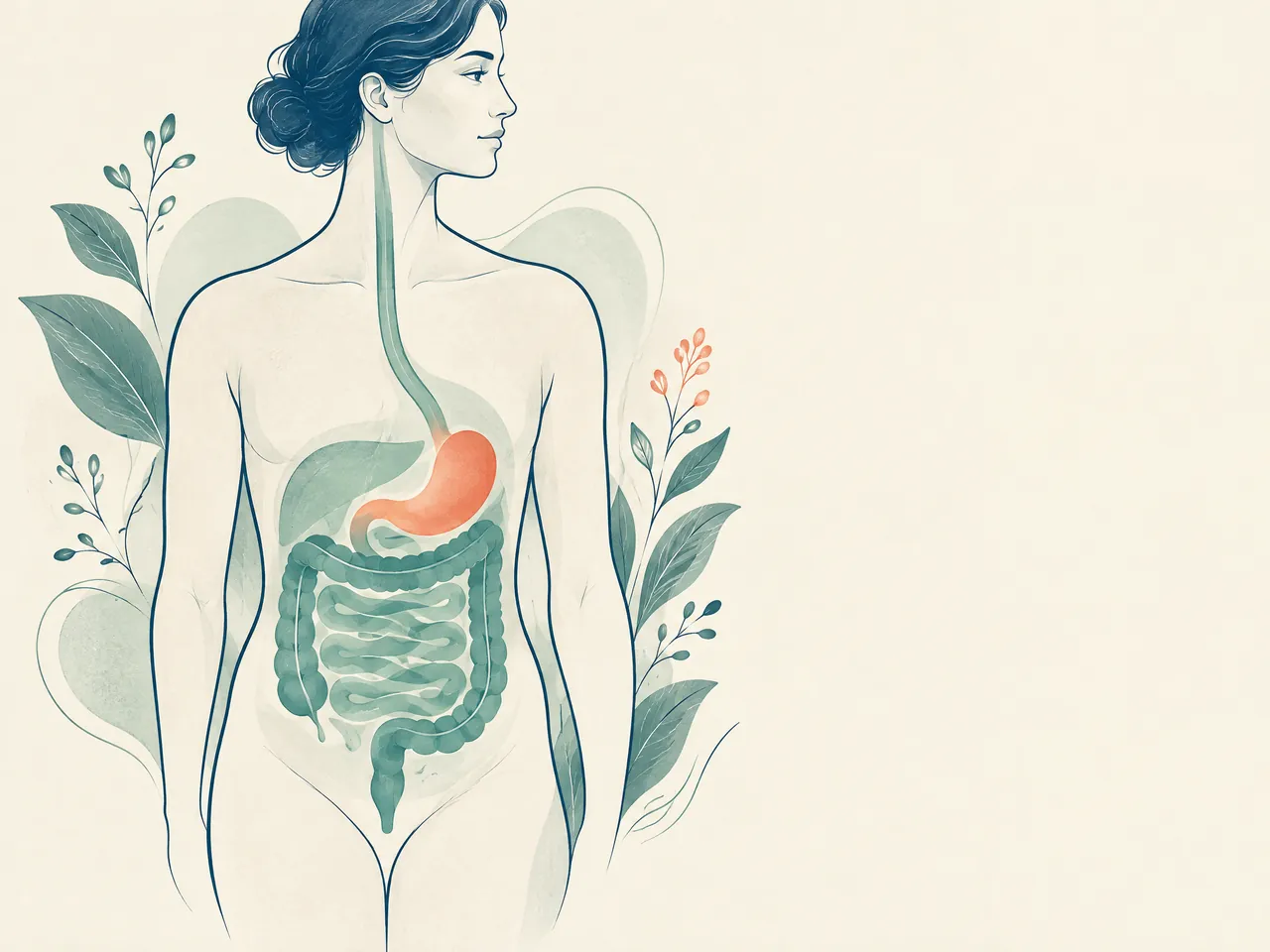
The short answer
Chinese medicine can be considered as a complementary option for someone whose IBS symptoms have been appropriately assessed, especially when they want a consultation that also considers meals, sleep, stress and daily routines. It should not replace medical diagnosis or prescribed care. Stress can make IBS symptoms feel worse for many people, so tracking it alongside pain and bowel changes is useful. Acupuncture should be approached with realistic expectations because sham-controlled evidence has not shown a clear benefit over sham treatment [3].
Transparent pricing
See the fees.
Choose your care.
Explore our complete official price list, including first-trial prices, regular prices, packages and branch-specific options.
Opening WhatsApp prepares an enquiry; it does not send a message, take payment or confirm an appointment. Suitability and individual arrangements are confirmed during consultation.
Chinese medicine
All prices in HKDAcupuncture and Chinese herbal medicine package
Includes a Chinese medicine consultation with pulse assessment, body acupuncture and 3 days of Chinese herbal granules that do not require decoction.
HK$580 (single session)
Chinese medicine consultation with pulse assessment
Hair and scalp
All prices in HKDScalp health and hair-loss management
Includes AI scalp analysis, deep scalp and follicle cleansing, and scalp oil-control care.
HK$380 (first trial)
Regular price: HK$680
- 6 sessions: HK$3,480 (HK$580 per session)
- 12 sessions: HK$5,760 (HK$480 per session)
- 20 sessions: HK$8,600 (HK$430 per session)
- 30 sessions: HK$11,400 (HK$380 per session)
Hair acupuncture and Chinese herbal medicine package
Includes scalp acupuncture and 3 days of Chinese herbal medicine that does not require decoction.
HK$580 (single session)
Registered Chinese Medicine Practitioner consultation
- 6 sessions: HK$3,180 (HK$530 per session)
- 12 sessions: HK$5,760 (HK$480 per session)
- 20 sessions: HK$8,600 (HK$430 per session)
- 30 sessions: HK$11,400 (HK$380 per session)
Combined hair and scalp treatment
Combines acupuncture and Chinese herbal medicine with salon-level scalp and follicle care. Packages include complimentary hair-care shampoo and serum.
HK$1,260 (single session)
Combined treatment
- 8 sessions: HK$8,640 (HK$1,080 per session)
- 16 sessions: HK$15,680 (HK$980 per session)
- 20 sessions: HK$18,600 (HK$930 per session)
- 30 sessions: HK$26,400 (HK$880 per session)
Weight management
All prices in HKDFull-body acupoint embedding for weight management
Includes full-body acupoint embedding. Packages include complimentary Chinese herbal medicine for weight management, with the number of included days scaled to the package. Embedding material and the individual treatment arrangement are confirmed during consultation; this is not a cosmetic thread lift.
HK$980 (single session)
No trial session
- 10 sessions: HK$7,800 (HK$780 per session)
- 20 sessions: HK$14,600 (HK$730 per session)
- 30 sessions: HK$20,400 (HK$680 per session)
Facial acupuncture
All prices in HKDFacial acupuncture (basic)
Includes facial acupuncture and meridian-based facial care, including care for facial puffiness.
HK$480 (first trial)
Regular price: HK$680
- 10 sessions: HK$5,200 (HK$520 per session)
- 20 sessions: HK$9,600 (HK$480 per session)
- 30 sessions: HK$13,500 (HK$450 per session)
Facial acupuncture (advanced)
Includes enhanced facial acupuncture with a specially formulated moisturising mask and serum.
HK$780 (first trial)
Regular price: HK$1,180
- 10 sessions: HK$9,000 (HK$900 per session)
- 20 sessions: HK$16,600 (HK$830 per session)
- 30 sessions: HK$23,400 (HK$780 per session)
Pain care
All prices in HKDExtracorporeal shockwave treatment
Shockwave treatment for deep-tissue and fascial care. The Kwun Tong clinic offers the multi-area options shown below.
Priced by branch
Branch-specific pricing
Prince Edward: HK$250 per area
Kwun Tong: HK$250 for 1 area / HK$450 for 2 areas / HK$600 for 3 areas
Pain care (manual therapy)
Includes Chinese medicine musculoskeletal assessment, manual joint techniques and tui na.
HK$580 (single session)
Chinese medicine musculoskeletal assessment
Pain care (acupuncture and manual therapy)
Combines acupuncture and manual therapy.
HK$680 (single session)
Combined care
Can Chinese medicine help IBS? Can stress make IBS symptoms worse? IBS symptoms and bowel changes: start with a clear pattern
IBS commonly involves abdominal pain or discomfort with a change in bowel habit. The pattern may lean towards diarrhoea, constipation, or alternate between them, and bloating may be prominent. The NHS describes IBS as a common digestive condition that can cause cramps, bloating and diarrhoea, and notes that lifestyle changes and medicine may help [1]. First ask not “Which remedy should I try?” but “What happens, when, and what else is present?” That helps a clinician decide whether the picture is consistent with IBS or another cause needs investigation.
Do not self-label every episode of bowel upset as IBS. A new, persistent or changing pattern deserves medical assessment, particularly when it interrupts sleep or daily life. Seek prompt medical care for severe or worsening abdominal pain, vomiting blood, black stools, blood in the stool, unexplained weight loss, fever, or symptoms that wake you at night. These features need assessment, not a food experiment, acupuncture appointment or self-prescribed herbs. If you have already been assessed and want background on complementary discussions, our guide to Chinese medicine for IBS explains where it may sit alongside conventional care.
For people whose symptoms have been evaluated as IBS, the aim is practical pattern recognition. Urgency after a rich late dinner has different implications from urgency before an anxious weekday commute. Pain relieved after a bowel movement also differs from pain that steadily escalates. Take these details to a doctor, dietitian or registered Chinese medicine practitioner. Hong Kong consensus guidance likewise places assessment first and describes dietary and psychological factors as important parts of management [4].
Can Chinese medicine help IBS? Can stress make IBS symptoms worse? IBS symptoms and bowel changes: what to record
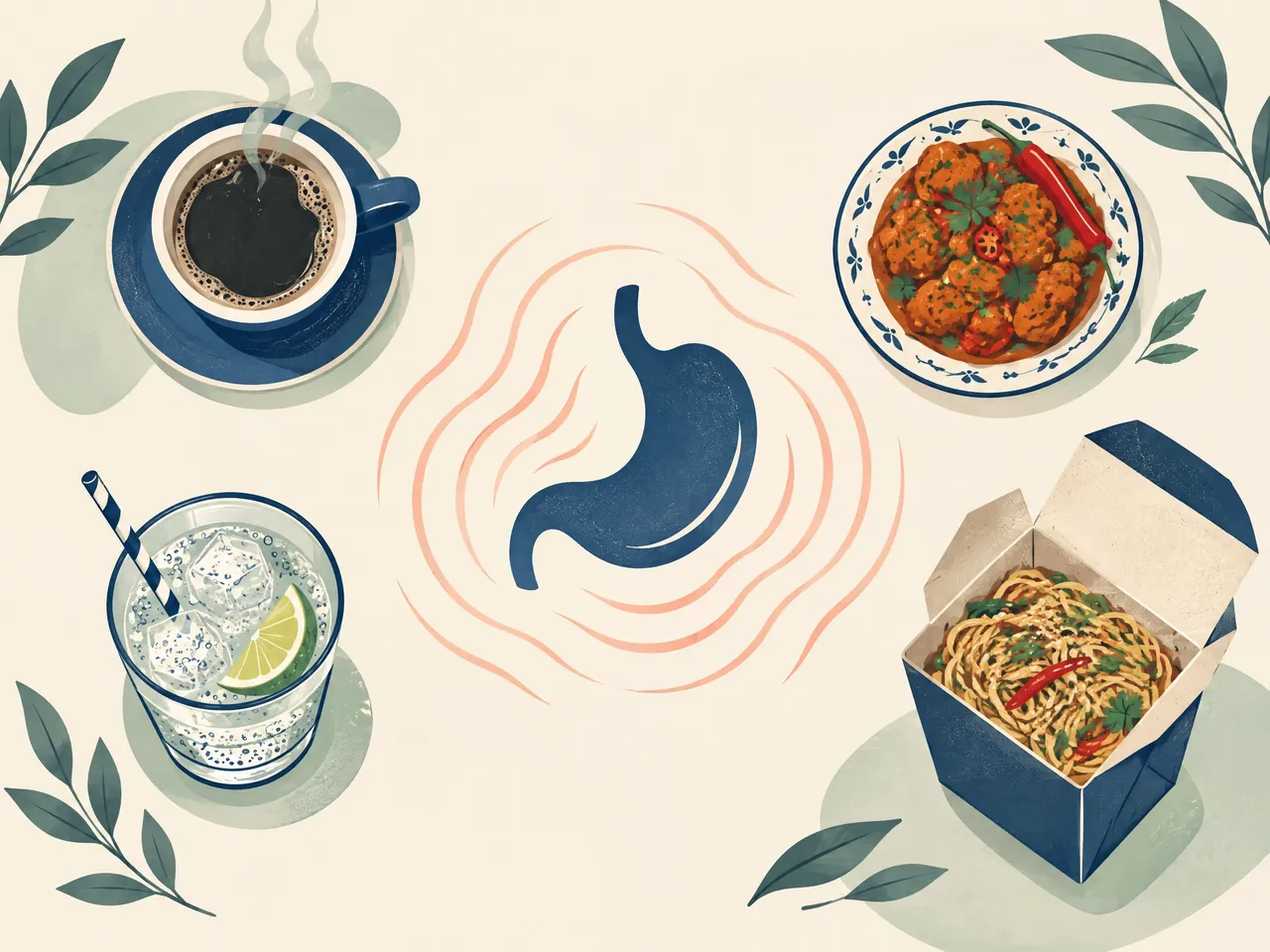
Keep a short diary long enough to capture ordinary as well as difficult days. At each episode, write the date and time; pain location, character and duration; and whether it relates to meals or opening the bowels. Describe the bowel movement in practical terms: loose, hard, urgent, difficult to pass, or incomplete. Add bloating, nausea, appetite and whether a bowel movement eased the pain. Include meals and drinks without blaming a food after one occasion. Coffee, spicy food, alcohol, a large portion, skipped breakfast or rushed eating may matter only when a connection repeats.
Also show the life around the symptom. Record sleep, exercise, menstrual timing where relevant, travel, illness, antibiotics or other medicines, and stressful events. Stress does not prove the cause, but it can reveal a repeatable link that supports a wider care plan. Take the record to assessment rather than making drastic changes alone. A Chinese medicine consultation may ask about energy, temperature preference, sleep and emotional state within its traditional approach; that does not replace a biomedical diagnosis, but can structure an individualised complementary discussion.
Can Chinese medicine help IBS? Can stress make IBS symptoms worse? IBS symptoms and bowel changes: when assessment matters
Assessment matters before treatment choices because similar symptoms can have different causes. A clinician considers history, pain and stool pattern, medicines, family history and warning signs, then decides whether tests or referral are needed. Do not delay review when a familiar IBS pattern changes noticeably. A diary is not a diagnosis; it makes the appointment clearer and reduces reliance on memory after a difficult week.
Once serious causes have been considered, care can match the most disruptive symptom. Constipation may require a different conversation from post-meal urgency or recurring cramps. IBS treatment options Hong Kong can help organise questions, but cannot determine what is right for you. Tell every practitioner about prescriptions, over-the-counter products, supplements and previous tests. Do not stop prescribed treatment because you begin complementary care; medication changes belong with the prescribing clinician.
Compare your options
| What to note | Useful detail | How it informs the next step |
|---|---|---|
| Pain and bloating | Time, location, intensity, duration, and relation to meals or bowel movements | Shows whether the pattern is recurring and gives a clinician a clearer starting point. |
| Bowel change | Frequency, loose or hard stool, urgency, straining, incomplete emptying, night-time symptoms | Helps distinguish the symptom that most needs attention and flags changes that should be assessed. |
| Food and drink | Meal timing, portion, preparation, caffeine, alcohol, spicy or high-fat meals | Supports one measured dietary trial instead of a broad, restrictive elimination diet. |
| Stress and routine | Sleep, travel, activity, menstrual timing where relevant, deadlines or anxious events | Shows contextual patterns and helps choose realistic routine or psychological support. |
| Medicines and safety | Prescriptions, over-the-counter products, supplements, herbs and recent changes | Allows medical and complementary-care practitioners to discuss safety without asking you to stop prescribed treatment. |
On smaller screens, scroll the table sideways to compare all columns.
Can Chinese medicine help IBS? Can stress make IBS symptoms worse? IBS symptoms and bowel changes: food and daily routines
Food is frustrating because a meal that feels fine one week can feel uncomfortable another time. Take a structured approach instead of cutting out several food groups at once. Look for repeat patterns in portion, preparation and timing. High-fat meals, chilli, alcohol, caffeine and certain fermentable carbohydrates are common discussion points, not universal triggers. Broad restriction can make eating socially difficult and compromise nutritional intake.
The National Institute of Diabetes and Digestive and Kidney Diseases notes that different dietary changes help different people with IBS. Depending on the situation, a clinician may suggest fibre changes, a gluten trial or a low-FODMAP approach; changes may take weeks to assess and dietitian advice can help [2]. A diary is more useful than a long online list of foods to fear. It gives you a starting point for a measured trial and reintroduction where appropriate.
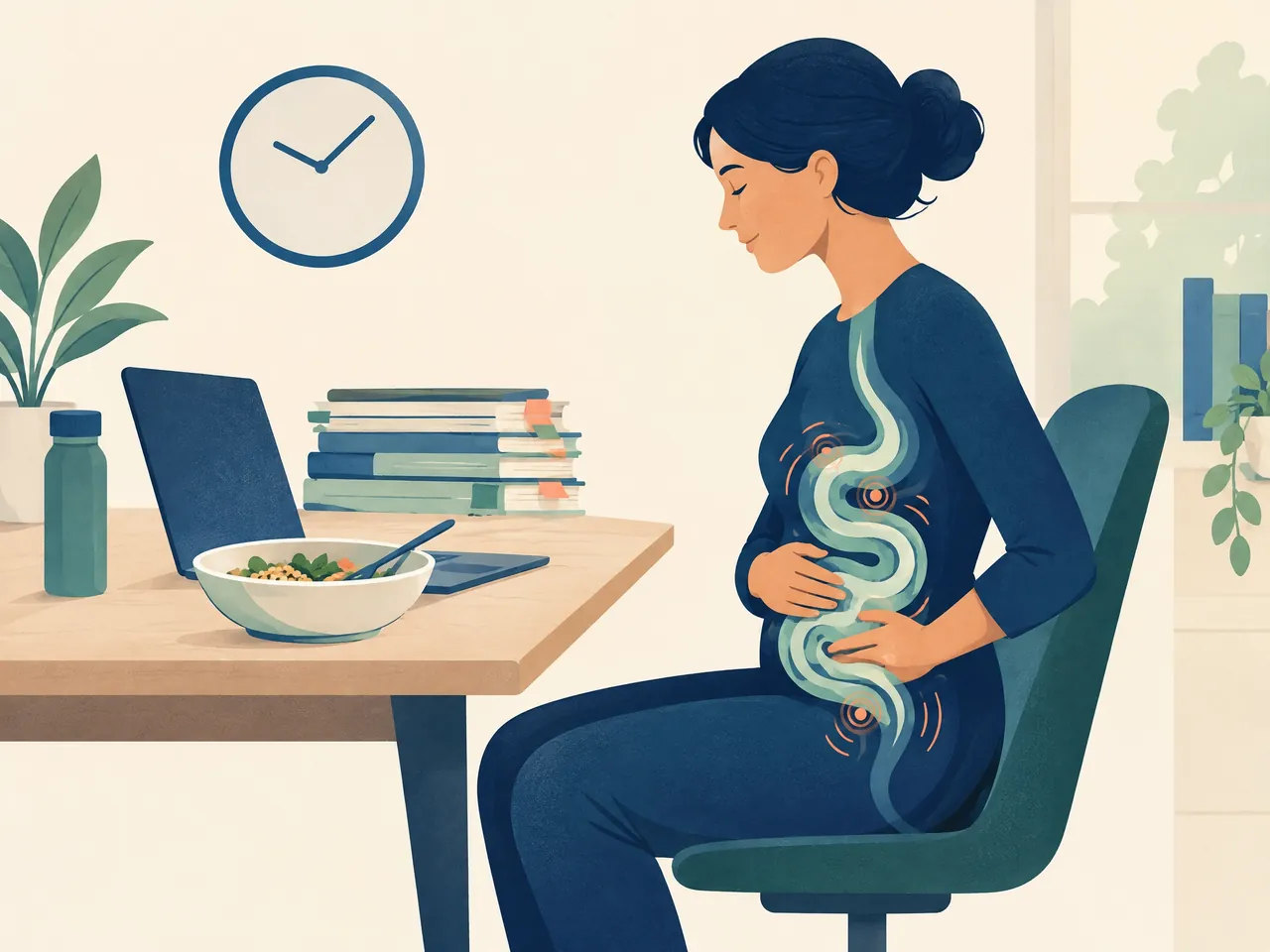
Daily rhythm can influence how manageable symptoms feel. Skipping meals then eating late, eating quickly between calls, sleeping poorly, or repeatedly ignoring the urge to open the bowels are useful discussion points. Aim for one or two sustainable changes, observe them, and avoid treating a variable condition as proof that one change has cured or caused everything. A practitioner can help prioritise the habit most realistic to test first.
Can Chinese medicine help IBS? Can stress make IBS symptoms worse? IBS symptoms and bowel changes: identifying food triggers
Start with your usual diet. For one or two weeks, list meals, snacks, drinks, timing and approximate portions beside symptoms rather than changing everything immediately. If a likely trigger appears more than once, choose one focused adjustment. A low-FODMAP approach, when advised, is not a permanent blanket ban. NIDDK describes a trial of reducing hard-to-digest carbohydrates followed, if symptoms improve, by slowly adding FODMAP foods back to identify what is tolerated [2].
Fibre needs the same care. It may help constipation, yet a sudden increase can lead to gas and bloating. NIDDK advises increasing fibre gradually [2]. If you have multiple suspected intolerances, unintended weight loss, a limited diet or anxiety around food, ask a doctor or dietitian for support instead of escalating restrictions. Hong Kong consensus guidance cautions against excessively restrictive diets because of nutritional, quality-of-life and psychological consequences [4].

Can Chinese medicine help IBS? Can stress make IBS symptoms worse? IBS symptoms and bowel changes: supporting regular habits
Build routines around the part of the day that repeatedly goes wrong. If urgency occurs before leaving home, leave extra time after breakfast and record whether sleep, coffee or anxiety changed the morning. If constipation follows irregular meals and inactive days, discuss a gradual plan for meals, fluids, movement and fibre. Slow eating, regular meals and gentle movement may be feasible starting points, but none is guaranteed treatment. They are observable, adjustable and compatible with medical care.
Stress management is similarly practical. Try brief breathing before a meal, a wind-down routine, a walk after work, or protected breaks during intense days, then record whether the pattern shifts. These do not replace support when anxiety or low mood is persistent or overwhelming. The Hong Kong consensus notes that psychological distress is relevant in IBS management and that counselling, cognitive behavioural therapy and hypnotherapy are treatment considerations for people with mental health difficulties and IBS [4].
Can Chinese medicine help IBS? Can stress make IBS symptoms worse? IBS symptoms and bowel changes: complementary care and safety
Chinese medicine can be a reasonable topic once IBS has been assessed and you want a complementary consultation that considers your diary, food pattern, sleep, stress and current care. A registered practitioner may use traditional observation, listening and questioning, and discuss acupuncture or herbal medicine in an individualised plan. Traditional pattern descriptions are part of that practice; they are not a modern medical diagnosis. Be clear whether you want help organising lifestyle changes or understanding whether an option is suitable alongside existing care.
Safety depends on complete information. Bring a list or photos of medicines, supplements and herbs, including products bought overseas or online. Say if you are pregnant, breastfeeding, have a bleeding disorder, take medicines that affect clotting, or have reacted to needles or herbs. Ask what an approach is intended to address, what the evidence can and cannot say, what to monitor, and when conventional follow-up takes priority. A responsible discussion never asks you to abandon prescribed care or promises a cure.
If you explore care at TCM Lab, use the appointment to review your diary and questions rather than arriving with a fixed self-diagnosis. You can compare practical access through our Kwun Tong Chinese medicine clinic and Chinese medicine clinic Prince Edward pages. Location is not evidence that a therapy will work for IBS.
Can Chinese medicine help IBS? Can stress make IBS symptoms worse? IBS symptoms and bowel changes: what acupuncture evidence shows
Separate interest in acupuncture from a claim that it treats IBS. A Cochrane review found that better-designed trials comparing true acupuncture with sham acupuncture did not show true acupuncture to be better for IBS symptom severity or IBS-related quality of life [3]. Some open comparative studies reported more favourable results, but lack of blinding and expectations of benefit make them harder to interpret. The Hong Kong consensus likewise states that current evidence does not support acupuncture as an effective IBS treatment [4].
That evidence does not prevent an informed conversation; it sets honest expectations. Acupuncture, if considered after assessment, is a complementary choice rather than a proven stand-alone answer. Discuss the reason for considering it, medical history, needle-related concerns, other treatments and what would count as a useful plan review. Read Does acupuncture work for IBS? or IBS acupuncture before your appointment. Do not postpone evaluation of bleeding, black stools, weight loss, severe pain or night-time symptoms.
Can Chinese medicine help IBS? Can stress make IBS symptoms worse? IBS symptoms and bowel changes: planning an informed consultation
Prepare your symptom diary, medication and supplement list, and a short description of what you hope to improve. You might want fewer urgent mornings, a clearer food plan, better sleep around flare-ups, or help understanding stress. State recent tests, diagnoses and warning signs plainly. Ask how the practitioner will work alongside your doctor, whether proposed herbs could affect treatment, and when you should return to medical care. This keeps the visit focused on informed choices rather than broad promises.
Check the Chinese medicine clinic price list Hong Kong and contact TCM Lab by WhatsApp at +852 6940 5663 to describe symptoms and language needs before arranging a visit. Appointments are arranged with the practitioner; there is no automatic online diagnosis. If symptoms are acute or you have warning signs, contact an appropriate medical service first. For an established IBS pattern, bring your notes and decide whether complementary care fits your wider plan.
Care and health guide
Health service information
This directory brings together services, reading, and visit information related to health services, to help you prepare questions for a consultation.
If you are organising health questions, Chinese medicine clinic Hong Kong is a starting point for learning about related services and preparing for a consultation.
People have different needs; acupuncture Hong Kong provides further reading to help you understand options in your own context.


Your questions, answered
Frequently asked questions
Can Chinese medicine help IBS?
It may be discussed as complementary, individualised care after IBS has been medically assessed. It should not replace diagnosis, investigation of warning signs or prescribed treatment. A practitioner can review your symptom pattern, food, sleep, stress and current medicines, but should not promise a cure or ask you to stop prescribed medicine.
Can stress make IBS symptoms worse?
Many people notice that symptoms are more troublesome around poor sleep, anxiety, deadlines or major change. Record the context alongside pain and bowel movements. The record can support practical routine changes and a discussion of psychological support where needed; it does not mean symptoms are “all in your head.”
What IBS symptoms and bowel changes should I take seriously?
Seek prompt medical attention for severe or worsening pain, vomiting blood, black stools, blood in the stool, unexplained weight loss, fever or pain that wakes you at night. A clear change from your usual bowel pattern also deserves review rather than self-treatment as IBS.
Can acupuncture be relied on to treat IBS?
No. Cochrane’s sham-controlled trials did not show acupuncture to be better than sham acupuncture for IBS symptoms or IBS-related quality of life [3]. It can be discussed as a complementary option after assessment, with realistic expectations, but it is not a guaranteed or stand-alone treatment.
Should I remove FODMAP foods on my own?
Avoid broad, permanent restrictions without guidance. A clinician may suggest a time-limited low-FODMAP trial followed by gradual reintroduction to learn what you tolerate [2]. If you have a very restricted diet, multiple suspected intolerances or weight loss, ask for medical or dietitian support.
Sources and further information
- [1] NHS — Irritable bowel syndrome IBS
Referenced for: General IBS symptoms and the role of diagnosis, lifestyle and medicine.
- [2] NIDDK — Eating, Diet, & Nutrition for Irritable Bowel Syndrome
Referenced for: Dietary individualisation, gradual fibre changes, low-FODMAP trials and reintroduction.
- [3] Cochrane — Acupuncture for irritable bowel syndrome
Referenced for: Sham-controlled acupuncture evidence and its limitations for IBS symptoms and quality of life.
- [4] Hong Kong Medical Journal — The current treatment landscape of irritable bowel syndrome in adults in Hong Kong: consensus statements
Referenced for: Hong Kong clinical context, assessment, diet restriction cautions, psychological care and acupuncture evidence.