
TCM Lab · Health reading
Can Air Conditioning Trigger a Runny Nose? Is a Runny Nose from Weather Changes an Allergy? Why Does My Nose Run When the Weather Changes?
Published Updated
A nose that starts running as you walk from humid Hong Kong heat into a very cold office is not automatically proof of an allergy. Air conditioning, a sharp change in temperature, dry or damp air, dust in an appliance and outdoor irritants can all coincide with nasal symptoms. Allergy remains one possibility, especially when itching and repeated sneezing are prominent. The useful question is not simply whether the weather changed, but what changed around you, how quickly symptoms began and which symptoms appeared together. A short diary can turn a frustrating pattern into clearer information for a pharmacist, family doctor, ENT specialist or Chinese medicine practitioner.
Appointments are confirmed through WhatsApp. If you have language requirements, please mention them in your enquiry.
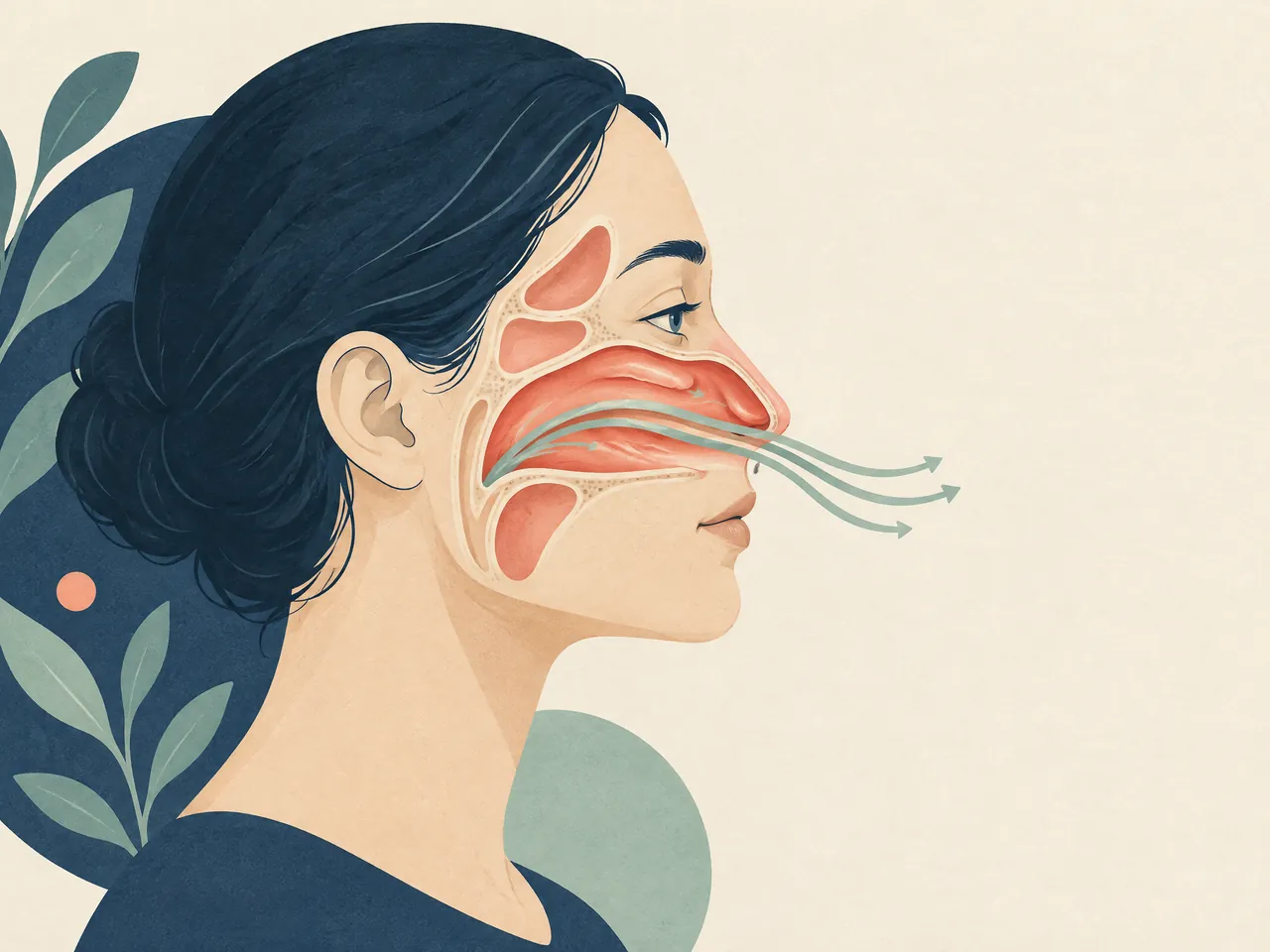
The short answer
Yes. Air conditioning can coincide with a runny or blocked nose when cold, dry or dusty indoor air follows warm outdoor air. A runny nose after weather changes is not necessarily an allergy: nonallergic rhinitis can also be triggered by temperature, humidity or airborne irritants. Itching, repeated sneezing and itchy or watery eyes make allergic rhinitis more plausible, but diagnosis needs an individual assessment. Record exposures and seek medical advice if symptoms are severe, persistent or not improving.
Transparent pricing
See the fees.
Choose your care.
Explore our complete official price list, including first-trial prices, regular prices, packages and branch-specific options.
Opening WhatsApp prepares an enquiry; it does not send a message, take payment or confirm an appointment. Suitability and individual arrangements are confirmed during consultation.
Chinese medicine
All prices in HKDAcupuncture and Chinese herbal medicine package
Includes a Chinese medicine consultation with pulse assessment, body acupuncture and 3 days of Chinese herbal granules that do not require decoction.
HK$580 (single session)
Chinese medicine consultation with pulse assessment
Hair and scalp
All prices in HKDScalp health and hair-loss management
Includes AI scalp analysis, deep scalp and follicle cleansing, and scalp oil-control care.
HK$380 (first trial)
Regular price: HK$680
- 6 sessions: HK$3,480 (HK$580 per session)
- 12 sessions: HK$5,760 (HK$480 per session)
- 20 sessions: HK$8,600 (HK$430 per session)
- 30 sessions: HK$11,400 (HK$380 per session)
Hair acupuncture and Chinese herbal medicine package
Includes scalp acupuncture and 3 days of Chinese herbal medicine that does not require decoction.
HK$580 (single session)
Registered Chinese Medicine Practitioner consultation
- 6 sessions: HK$3,180 (HK$530 per session)
- 12 sessions: HK$5,760 (HK$480 per session)
- 20 sessions: HK$8,600 (HK$430 per session)
- 30 sessions: HK$11,400 (HK$380 per session)
Combined hair and scalp treatment
Combines acupuncture and Chinese herbal medicine with salon-level scalp and follicle care. Packages include complimentary hair-care shampoo and serum.
HK$1,260 (single session)
Combined treatment
- 8 sessions: HK$8,640 (HK$1,080 per session)
- 16 sessions: HK$15,680 (HK$980 per session)
- 20 sessions: HK$18,600 (HK$930 per session)
- 30 sessions: HK$26,400 (HK$880 per session)
Weight management
All prices in HKDFull-body acupoint embedding for weight management
Includes full-body acupoint embedding. Packages include complimentary Chinese herbal medicine for weight management, with the number of included days scaled to the package. Embedding material and the individual treatment arrangement are confirmed during consultation; this is not a cosmetic thread lift.
HK$980 (single session)
No trial session
- 10 sessions: HK$7,800 (HK$780 per session)
- 20 sessions: HK$14,600 (HK$730 per session)
- 30 sessions: HK$20,400 (HK$680 per session)
Facial acupuncture
All prices in HKDFacial acupuncture (basic)
Includes facial acupuncture and meridian-based facial care, including care for facial puffiness.
HK$480 (first trial)
Regular price: HK$680
- 10 sessions: HK$5,200 (HK$520 per session)
- 20 sessions: HK$9,600 (HK$480 per session)
- 30 sessions: HK$13,500 (HK$450 per session)
Facial acupuncture (advanced)
Includes enhanced facial acupuncture with a specially formulated moisturising mask and serum.
HK$780 (first trial)
Regular price: HK$1,180
- 10 sessions: HK$9,000 (HK$900 per session)
- 20 sessions: HK$16,600 (HK$830 per session)
- 30 sessions: HK$23,400 (HK$780 per session)
Pain care
All prices in HKDExtracorporeal shockwave treatment
Shockwave treatment for deep-tissue and fascial care. The Kwun Tong clinic offers the multi-area options shown below.
Priced by branch
Branch-specific pricing
Prince Edward: HK$250 per area
Kwun Tong: HK$250 for 1 area / HK$450 for 2 areas / HK$600 for 3 areas
Pain care (manual therapy)
Includes Chinese medicine musculoskeletal assessment, manual joint techniques and tui na.
HK$580 (single session)
Chinese medicine musculoskeletal assessment
Pain care (acupuncture and manual therapy)
Combines acupuncture and manual therapy.
HK$680 (single session)
Combined care
Weather and indoor triggers: can air conditioning trigger a runny nose; is a runny nose from weather changes an allergy; why does my nose run when the weather changes?
For many people, the difficult moment is the transition: a hot street, a cold MTR carriage, then a strongly cooled workplace. The nasal lining has to respond to that changing air. Sudden temperature or humidity shifts can be associated with a stuffy or drippy nose, and air pollutants, smoke, dust and strong smells may add to the irritation. This is why a useful account of a runny nose when the weather changes includes the setting as well as the season. Hong Kong’s Department of Health also lists sudden weather change and air pollution among factors that can induce or worsen allergic-rhinitis symptoms, while advising attention to abrupt indoor–outdoor temperature differences [1].

Temperature shifts explained: can air conditioning trigger a runny nose; is a runny nose from weather changes an allergy; why does my nose run when the weather changes?
Air conditioning does not create an allergy by itself. It can, however, be part of an exposure pattern. Very cool airflow on the face, an abrupt temperature difference and a change in moisture can make a sensitive nose feel blocked or start producing clear mucus. If the system is poorly maintained, dust or mould may be additional concerns. The Department of Health specifically advises regular cleaning of air conditioners and their filters, and suggests avoiding an excessively low room temperature [1]. These practical details matter more than assuming every episode has a single cause.
Timing offers a useful clue. Symptoms that begin soon after entering one particular room and settle after leaving may point to the indoor environment, although they do not prove it. Symptoms that recur in several places during a pollen season, around pets, while making the bed or in visibly damp rooms deserve a conversation about allergens. For a wider explanation of this overlap, see weather-triggered nasal symptoms. The aim is to notice repeatable associations without mistaking association for a confirmed diagnosis.

Keeping an environment and symptom diary: can air conditioning trigger a runny nose; is a runny nose from weather changes an allergy; why does my nose run when the weather changes?
Keep the diary simple enough to use on an ordinary workday. Write down the date, the time symptoms began, whether you had moved from outdoors to air conditioning, and whether the room felt cold, dusty, damp or strongly scented. Include outdoor rain, haze or wind if those were obvious, but do not guess a cause from weather alone. Record sneezing, itch, discharge, blockage, eye symptoms, cough and sleep disruption separately. A 0-to-10 symptom score can make changes easier to describe, but it is a personal record rather than a diagnostic test.
Also list exposures that are easy to forget: cleaning sprays, perfume, cigarette smoke, renovation dust, a pet visit, bedding changes, swimming, spicy food or alcohol if these have seemed relevant. Note any antihistamine, nasal spray or other medicine and whether it helped or caused a problem. Bring the diary and a photo of product labels if useful to an appointment. It is more helpful to say that symptoms followed three similar office exposures than to say only that you are allergic to air conditioning.
Review the notes after several episodes rather than after one uncomfortable commute. Look for a repeated sequence: for example, nasal blockage starting after two hours under a ceiling vent, or itchy sneezing on mornings after changing bedding. Just as useful is a negative observation: perhaps a cool restaurant does not trigger symptoms, but a musty room does. Do not deliberately expose yourself to a suspected allergen or irritant to test the idea. Instead, use ordinary daily observations to identify sensible questions. If changing one environmental detail seems helpful, keep recording rather than assuming the matter is solved; weather, exposure and treatment can change at the same time. A concise record of patterns, changes tried and remaining symptoms gives a clinician a clearer starting point than memory alone.
Compare your options
| Pattern noticed | What to record | What it may help a clinician consider |
|---|---|---|
| Symptoms soon after entering strong air conditioning | Indoor setting, airflow direction, approximate temperature change, dust or musty smell, onset and recovery time | Temperature or humidity response, indoor irritants, appliance maintenance and other repeated exposures |
| Itchy sneezing with watery eyes | Season, place, pets, bedding, visible mould, cleaning or outdoor exposure | Whether an allergic-rhinitis pattern and possible allergens should be assessed |
| Blocked or drippy nose without itch | Weather shift, smoke, perfume, haze, food or medicine exposure, and symptom duration | A possible nonallergic-rhinitis or irritant pattern alongside other causes |
| Symptoms disturb sleep or continue despite changes | Night-time pattern, medicines and sprays used, effect on work or sleep, and any breathing symptoms | Need for medical review and a safer, individual management plan |
On smaller screens, scroll the table sideways to compare all columns.
Allergy or nonallergic response: can air conditioning trigger a runny nose; is a runny nose from weather changes an allergy; why does my nose run when the weather changes?
Allergic rhinitis and nonallergic rhinitis can both produce a runny or blocked nose, so symptom labels overlap. Allergic rhinitis involves a reaction to allergens such as dust mites, pollen, mould or animal dander. Nonallergic rhinitis is a different clinical pattern in which weather changes, airborne irritants and other triggers may be relevant. Mayo Clinic notes that nonallergic rhinitis often does not cause itchy nose, eyes or throat, whereas itch is more typical of allergies [3]. The distinction matters because avoiding a suspected exposure and discussing suitable treatment depend on the likely pattern.
Signs that may suggest allergic rhinitis: can air conditioning trigger a runny nose; is a runny nose from weather changes an allergy; why does my nose run when the weather changes?
Allergic rhinitis commonly includes sneezing, a runny or blocked nose and an itchy nose. Itchy, red or watery eyes can occur too [1] [2]. A predictable link with dust, mould, pollen, animal hair or dander can strengthen the suspicion, especially if the same symptom cluster returns with the same exposure. Seasonal and year-round patterns both occur. Even so, symptoms can be mixed: a person with an allergy may also be bothered by cold air, fragrance or pollution. Avoiding a known trigger is sensible, but it does not replace an assessment when the pattern is unclear.
Consider the whole episode rather than one feature. Clear discharge after leaving a chilled room with no itch or eye symptoms may fit a nonallergic response, but it is not a verdict. Repeated itchy sneezing while changing sheets may raise a different question about dust exposure. A damp bathroom or an air-conditioning unit that has not been cleaned can warrant environmental attention because mould and dust are potential allergens or irritants. The Hong Kong hospital guidance recommends regular cleaning of air conditioners, dry and ventilated kitchens and bathrooms, and regular washing of bedding as practical exposure-reduction measures [2].

When symptoms need medical assessment: can air conditioning trigger a runny nose; is a runny nose from weather changes an allergy; why does my nose run when the weather changes?
Arrange medical assessment when symptoms are serious, keep returning despite sensible environmental changes, interfere with sleep or daily activity, or do not improve with measures you have already tried. Mayo Clinic also advises review when non-prescription remedies have not brought relief or when medicines cause side effects [3]. A clinician can consider whether an allergy, infection, sinus condition, medicine effect or another cause needs attention. If you have asthma symptoms or breathing difficulty, seek timely medical care rather than treating the episode as a simple weather reaction.
Bring the diary, a list of medicines and nasal products, and any history of eczema, asthma or known allergies. Do not keep increasing or extending a decongestant nasal spray on your own: both the Department of Health and Hong Kong Adventist Hospital note that prolonged use can lead to rebound congestion or worsening blockage [1] [2]. A pharmacist, family doctor or ENT specialist can advise on appropriate conventional options. If allergy testing is considered, the diary can help frame which exposures are worth discussing.
Discussing supportive Chinese medicine care: can air conditioning trigger a runny nose; is a runny nose from weather changes an allergy; why does my nose run when the weather changes?
Chinese medicine may be discussed as a supportive, individualised option after the symptom pattern and medical needs are considered. It should not be presented as a substitute for diagnosing allergy, assessing persistent nasal problems or treating urgent breathing symptoms. A consultation can sit alongside care from a family doctor, pharmacist or ENT specialist. This coordinated approach is especially useful when a diary suggests both environmental triggers and an ongoing allergic-rhinitis pattern, rather than a single simple explanation.

What a Chinese medicine consultation may explore: can air conditioning trigger a runny nose; is a runny nose from weather changes an allergy; why does my nose run when the weather changes?
A Registered Chinese Medicine Practitioner may ask when the discharge or blockage began, whether it is clear or coloured, how often you sneeze, and whether eye itch, headache, cough, tiredness, sleep difficulty or a tendency to feel cold accompany the symptoms. They may also ask about meals, digestion, bowel habits, stress, home and work environments, and your response to temperature and humidity. In traditional Chinese medicine, these details contribute to pattern differentiation. That traditional approach is not the same as a modern medical allergy diagnosis.
Bring an accurate list of prescribed medicines, over-the-counter antihistamines, nasal sprays, supplements and previous reactions. This allows the practitioner to consider safety and to encourage coordination with the prescribing clinician. Depending on the assessment, acupuncture or Chinese herbal medicine may be discussed as supportive options; suitability, method and follow-up are individual matters, not a promised course or cure. People who are interested in seasonal allergic rhinitis acupuncture can use that discussion to prepare questions, including what symptom changes should prompt conventional medical review.

Home measures and coordinated care: can air conditioning trigger a runny nose; is a runny nose from weather changes an allergy; why does my nose run when the weather changes?
Start with the low-risk details that match the diary: avoid sitting directly under a cold outlet, carry a light layer for heavily air-conditioned spaces, and clean filters according to the appliance guidance. Keep damp rooms ventilated, clean bedding regularly and reduce smoke and strong fragrances where possible. If humidity seems relevant, read about humidity and nasal congestion before deciding what to monitor at home. These steps are about reducing plausible exposures, not guaranteeing that symptoms will disappear.
For an in-person discussion, TCM Lab has a Kwun Tong Chinese medicine clinic and a Chinese medicine clinic Prince Edward; appointments and language needs can be checked by WhatsApp. You may also review the Chinese medicine clinic price list Hong Kong before enquiring. Continue medicines exactly as directed unless the prescribing doctor or pharmacist advises a change. Coordinated care means each clinician knows what you are taking and what has or has not helped.
Care and health guide
Health service information
This directory brings together services, reading, and visit information related to health services, to help you prepare questions for a consultation.
If you are organising health questions, Chinese medicine clinic Hong Kong is a starting point for learning about related services and preparing for a consultation.
People have different needs; acupuncture Hong Kong provides further reading to help you understand options in your own context.


Your questions, answered
Frequently asked questions
Can air conditioning trigger a runny nose?
It can trigger or worsen symptoms in some people, particularly when there is a sudden move from hot outdoor air to a very cool room. Changes in temperature or humidity, direct cold airflow, dust or mould in an appliance, and nearby irritants can all be relevant. This pattern alone does not prove an allergy, so record repeat episodes and discuss persistent symptoms with a clinician.
Is a runny nose from weather changes an allergy?
Not always. Allergic rhinitis is more likely when itch, repeated sneezing, watery discharge and itchy or watery eyes occur with likely allergen exposure. Weather changes and irritants can also trigger nonallergic rhinitis. A symptom and environment diary helps, but a clinician may need to assess the pattern or consider allergy testing.
Why does my nose run when the weather changes?
A changing temperature or humidity can affect the nasal lining, while pollution, smoke, fragrance and dust may make symptoms worse. A cold or other condition can produce similar symptoms too. Record where and when it occurs, then seek assessment if it is severe, recurrent, disrupts sleep, comes with breathing symptoms or does not improve.
Can I use Chinese medicine support while taking an antihistamine or nasal spray?
Tell every practitioner about all prescribed and non-prescription medicines, nasal sprays and supplements. Do not stop or alter prescribed treatment on your own. A Chinese medicine consultation can discuss supportive options and environmental habits, while your doctor or pharmacist remains the right source for changes to conventional medicines.
Sources and further information
- [1] [1] Hong Kong Department of Health, Student Health Service — Allergic Rhinitis
Referenced for: Official Hong Kong guidance on allergic-rhinitis symptoms, allergens, sudden weather changes, environmental measures and conventional management terminology.
- [2] [2] Hong Kong Adventist Hospital — Allergic Rhinitis
Referenced for: Hong Kong hospital guidance on symptoms, allergens, temperature or humidity changes, household exposure reduction and medicine cautions.
- [3] [3] Mayo Clinic — Nonallergic rhinitis: Symptoms and causes
Referenced for: Clinical reference for nonallergic-rhinitis terminology, weather and irritant triggers, distinguishing itch symptoms and indications to seek care.