
TCM Lab · Health reading
Eczema Infection Signs, Eczema Flare-Up Symptoms and Eczema Triggers and Moisturising: A Practical Guide
Published Updated
An eczema flare can be intensely itchy and uncomfortable, yet a sudden change in the skin can also point to infection. The practical distinction is not simply how red a patch looks. Compare it with your usual eczema: is it newly painful, hot, swollen, crusted, leaking, or spreading? Eczema flare-up symptoms commonly include itch, dryness, cracks, inflammation and skin damage from scratching. Eczema infection signs need a different level of attention, especially if there is pus, yellow crusting, fever or a rapid deterioration. This guide explains what to observe, how eczema triggers and moisturising fit into everyday barrier care, and what to take to a consultation. It does not replace an in-person assessment when the skin is changing quickly.
Appointments are confirmed through WhatsApp. If you have language requirements, please mention them in your enquiry.
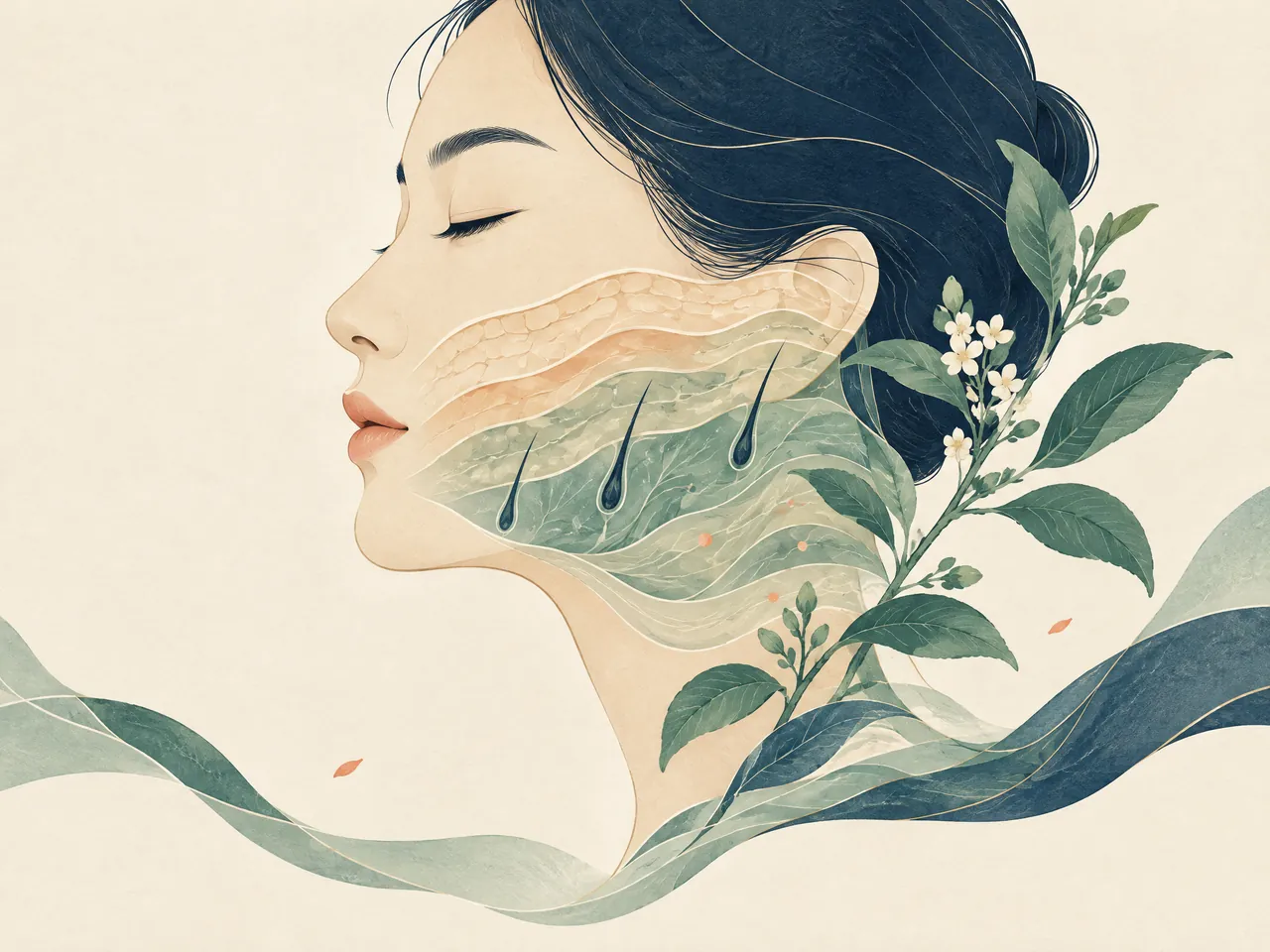
The short answer
Eczema infection signs include new pain, warmth, swelling, yellow crusts, leaking fluid, pus-filled spots, rapid spread, fever or feeling unwell. A flare more often brings recurrent itch, dry or cracked skin and inflammation, although the two can overlap. Keep moisturising and track likely triggers, but arrange prompt medical assessment if infection is possible or the rash suddenly worsens. Do not rely on skincare, diet changes or online photographs alone in that situation.
Transparent pricing
See the fees.
Choose your care.
Explore our complete official price list, including first-trial prices, regular prices, packages and branch-specific options.
Opening WhatsApp prepares an enquiry; it does not send a message, take payment or confirm an appointment. Suitability and individual arrangements are confirmed during consultation.
Chinese medicine
All prices in HKDAcupuncture and Chinese herbal medicine package
Includes a Chinese medicine consultation with pulse assessment, body acupuncture and 3 days of Chinese herbal granules that do not require decoction.
HK$580 (single session)
Chinese medicine consultation with pulse assessment
Hair and scalp
All prices in HKDScalp health and hair-loss management
Includes AI scalp analysis, deep scalp and follicle cleansing, and scalp oil-control care.
HK$380 (first trial)
Regular price: HK$680
- 6 sessions: HK$3,480 (HK$580 per session)
- 12 sessions: HK$5,760 (HK$480 per session)
- 20 sessions: HK$8,600 (HK$430 per session)
- 30 sessions: HK$11,400 (HK$380 per session)
Hair acupuncture and Chinese herbal medicine package
Includes scalp acupuncture and 3 days of Chinese herbal medicine that does not require decoction.
HK$580 (single session)
Registered Chinese Medicine Practitioner consultation
- 6 sessions: HK$3,180 (HK$530 per session)
- 12 sessions: HK$5,760 (HK$480 per session)
- 20 sessions: HK$8,600 (HK$430 per session)
- 30 sessions: HK$11,400 (HK$380 per session)
Combined hair and scalp treatment
Combines acupuncture and Chinese herbal medicine with salon-level scalp and follicle care. Packages include complimentary hair-care shampoo and serum.
HK$1,260 (single session)
Combined treatment
- 8 sessions: HK$8,640 (HK$1,080 per session)
- 16 sessions: HK$15,680 (HK$980 per session)
- 20 sessions: HK$18,600 (HK$930 per session)
- 30 sessions: HK$26,400 (HK$880 per session)
Weight management
All prices in HKDFull-body acupoint embedding for weight management
Includes full-body acupoint embedding. Packages include complimentary Chinese herbal medicine for weight management, with the number of included days scaled to the package. Embedding material and the individual treatment arrangement are confirmed during consultation; this is not a cosmetic thread lift.
HK$980 (single session)
No trial session
- 10 sessions: HK$7,800 (HK$780 per session)
- 20 sessions: HK$14,600 (HK$730 per session)
- 30 sessions: HK$20,400 (HK$680 per session)
Facial acupuncture
All prices in HKDFacial acupuncture (basic)
Includes facial acupuncture and meridian-based facial care, including care for facial puffiness.
HK$480 (first trial)
Regular price: HK$680
- 10 sessions: HK$5,200 (HK$520 per session)
- 20 sessions: HK$9,600 (HK$480 per session)
- 30 sessions: HK$13,500 (HK$450 per session)
Facial acupuncture (advanced)
Includes enhanced facial acupuncture with a specially formulated moisturising mask and serum.
HK$780 (first trial)
Regular price: HK$1,180
- 10 sessions: HK$9,000 (HK$900 per session)
- 20 sessions: HK$16,600 (HK$830 per session)
- 30 sessions: HK$23,400 (HK$780 per session)
Pain care
All prices in HKDExtracorporeal shockwave treatment
Shockwave treatment for deep-tissue and fascial care. The Kwun Tong clinic offers the multi-area options shown below.
Priced by branch
Branch-specific pricing
Prince Edward: HK$250 per area
Kwun Tong: HK$250 for 1 area / HK$450 for 2 areas / HK$600 for 3 areas
Pain care (manual therapy)
Includes Chinese medicine musculoskeletal assessment, manual joint techniques and tui na.
HK$580 (single session)
Chinese medicine musculoskeletal assessment
Pain care (acupuncture and manual therapy)
Combines acupuncture and manual therapy.
HK$680 (single session)
Combined care
Eczema Infection Signs, Eczema Flare-Up Symptoms and Eczema Triggers and Moisturising: Start with What You Can See
Eczema is often used as a broad everyday term, while atopic dermatitis is one common form. Dryness, cracking, scaling, thickened skin and itch may be familiar features. In a flare, the same area may become more inflamed and itch may interrupt work, school or sleep. Scratching can cause bleeding, clear-fluid weeping and more damage, so an oozing patch is not automatically infected. [1] [2] The useful question is whether there has been a meaningful change from the person’s usual pattern.
Use a calm, repeatable check rather than trying to label every mark. Look at the borders: has the area grown beyond its usual outline? Is it warmer or more tender than nearby skin? Notice whether there is clear fluid after scratching, sticky yellow crusting or pus-like spots. Then consider the whole person. A high temperature or feeling unwell raises urgency. These observations describe a problem; they do not establish its cause alone.
A short record makes change easier to explain. Photograph the same area in similar light if you choose, write down the date, and list anything that contacted the skin: a new cleanser, fragrance, laundry product, fabric, heat or treatment. The aim is to show whether a rash is improving, static or worsening, not to prove one trigger after a single bad day. For a broader overview, see eczema Chinese medicine.

Eczema Infection Signs, Eczema Flare-Up Symptoms and Eczema Triggers and Moisturising: Notice Changes in Colour, Fluid and Pain
Colour alone is an unreliable safety test. On lighter skin, inflammation may appear red or pink; on darker skin, it may look darker, purple, grey, lighter than surrounding skin, or less obvious in a photograph. Compare tone with the nearby unaffected area and pay attention to texture and sensation as well. A patch that is dry, itchy and rough may fit a familiar flare. A patch that becomes increasingly painful, warm, swollen, crusty, blistered, leaks fluid, develops pus-filled spots or expands suddenly calls for prompt medical advice. [1]
Pain is worth separating from itch. Eczema can itch severely, and rubbing may feel easier than scratching. However, new tenderness or pain alongside heat, swelling or increased fluid is not something to dismiss as an ordinary flare. Avoid picking crusts or testing new remedies on broken skin. Keep prescribed treatment information ready and seek clinical assessment rather than trying to determine infection from an image or checklist.
If the skin is close to the eyes, covers a large area, affects a very young child or deteriorates quickly, mention that when seeking help. The NHS lists crusting, leaking fluid, pus-filled spots, pain, swelling, warmth, sudden worsening, fever and feeling generally unwell among reasons for urgent assessment. [1] Read more about when to see a doctor for eczema.
Eczema Infection Signs, Eczema Flare-Up Symptoms and Eczema Triggers and Moisturising: Record Itching, Sleep and Skin Damage
An itch-and-sleep record turns a vague account such as ‘it was bad’ into useful detail. Each evening, note where the itch was strongest, whether it delayed sleep or woke the person, and whether scratching caused open skin or bleeding. Also record how the rash felt after bathing, exercise, air-conditioning, a long day in closed shoes, or wearing a particular fabric. This helps distinguish a short-lived irritation from a continuing flare, without assuming that the last thing eaten or touched was necessarily the cause.
A useful entry includes the affected sites, a plain-language description of dryness, cracks, fluid or crusting, and the products or medicines used that day. Include product names if possible. Bring the list and product containers or photographs to an appointment so it can be considered alongside an examination.
Food can be one discussion point, but broad restriction is not a default eczema response. Potential aggravators include soaps, detergent, fabrics, heat, stress and skin infection. [1] The NHS advises not changing diet unless a doctor has told you to do so. [1] For children, involve a doctor or qualified dietitian before major exclusions.
Compare your options
| What you notice | How to record or respond | Why it matters |
|---|---|---|
| Dryness, itch, scaling or familiar cracks | Note site, severity, sleep impact, moisturiser use and what seems to aggravate it. | These are common flare-up features and give a baseline for comparison. [1] [2] |
| Clear fluid or bleeding after scratching | Record when it began and whether scratching or broken skin preceded it; avoid picking and seek advice if it is worsening. | Scratching can damage eczema skin, but the change still needs context. [2] |
| Yellow crusts, pus, pain, heat, swelling or rapid spread | Seek prompt medical assessment; also mention fever or feeling unwell. | These may be eczema infection signs and should not be managed only with skincare. [1] |
| A possible product, heat or fabric trigger | Change one practical exposure at a time where safe, keep the routine simple and bring the record to review. | A pattern across repeated exposures is more informative than a single coincidence. |
On smaller screens, scroll the table sideways to compare all columns.
Eczema Infection Signs, Eczema Flare-Up Symptoms and Eczema Triggers and Moisturising: Protect the Skin Barrier
Barrier care continues between appointments. In atopic dermatitis, changes in the protective outer layer can allow moisture to escape, contributing to dryness, damage and inflammation. [2] A moisturiser, also called an emollient, helps manage dry skin and support the barrier. It is not a test for infection, and a person may still need prescribed treatment or medical review.
Choose a routine you can repeat. Keep the product where it will be used and apply it with clean hands rather than vigorous rubbing. If a moisturiser stings, causes a new rash or is difficult to tolerate, note the reaction and ask a pharmacist or clinician before trying many products. A pump dispenser can reduce repeated dipping into a pot; do not share emollients. [1]

Moisturising is not a substitute for assessment when warning signs appear. A settled period is useful for refining the basics: keep the product available, know past irritants, and confirm how prescribed treatments should be used. Our guide to eczema skin barrier care expands on routine planning.
Eczema Infection Signs, Eczema Flare-Up Symptoms and Eczema Triggers and Moisturising: Use Emollients Consistently
‘Consistently’ does not mean using the largest possible amount all at once. It means making emollient use part of ordinary care on days when the skin is visibly dry and on days when it seems better. The NHS advises moisturising treatments as often as possible, at least twice a day, and continuing after improvement. It also suggests washing with an emollient rather than soap for atopic eczema. [1] Follow any individual instructions from your own clinician, particularly for infants, broken skin or prescribed products.
After washing, pat rather than scrub and apply the agreed moisturiser before the skin feels tight. The right texture may vary by body area, weather, work and tolerance. Rather than expecting one product to prevent every flare, focus on whether the plan is comfortable, repeatable and compatible with other treatment advice.
Keep fire safety in mind with emollients. The NHS notes that residue on clothing, dressings and bedding can increase how easily those fabrics catch fire. [1] Keep these fabrics away from naked flames and smoking materials.
Eczema Infection Signs, Eczema Flare-Up Symptoms and Eczema Triggers and Moisturising: Review Irritants and Daily Habits
Start trigger review with exposures that make sense for the site. Hand eczema may relate to frequent washing or cleaning products; face or neck flares may coincide with fragrance or hair products; heat and sweat may matter under clothing. NIAMS notes fragrances and compounds in skin products and soaps as environmental factors, while the NHS lists soap, detergent, some fabrics, pets, pollen, house-dust mites, certain foods, heat, stress and hormonal changes as possible aggravators. [1] [2]
Change one manageable variable at a time where safe: return to a previously tolerated fragrance-free product, adjust a laundry product, carry moisturiser for handwashing or choose lighter clothing on a hot day. Look for a repeatable pattern, rather than judging a change within hours.
Keeping nails short can reduce scratching damage, and cool conditions may ease itch for some people; both are included in NHS self-care advice. [1] For children, caregivers can observe rubbing, sleep and skin changes. Repeated broken skin, poor sleep or distress merits review even without obvious infection signs.
Eczema Infection Signs, Eczema Flare-Up Symptoms and Eczema Triggers and Moisturising: Know When to Seek Help
Arrange medical assessment promptly when infection signs are possible or eczema is not responding to its plan. Do not wait for a perfect record if skin is rapidly spreading, hot, swollen, painful, blistered, crusted, leaking, or associated with fever or feeling unwell. [1] Tell the clinician about current treatments, allergies, past infections and how quickly the change occurred. Photographs can be useful context but should not delay care.
A non-urgent review can still help with recurring flares that disturb sleep, hand cracks that interfere with work, or uncertainty about products. Ask what diagnosis is being considered, which signs need earlier contact, and how moisturiser and prescribed medicine should be sequenced. Write the answers down for the next flare.

For a Hong Kong clinic consultation, TCM Lab has a Kwun Tong Chinese medicine clinic and a Chinese medicine clinic Prince Edward. Contact the clinic to explain your skin concern, medicines and language needs. Suspected infection should first receive appropriate medical assessment.
Eczema Infection Signs, Eczema Flare-Up Symptoms and Eczema Triggers and Moisturising: Understand the Role of Chinese Medicine
Chinese medicine may be something a person wishes to discuss as part of an individual eczema-care plan, particularly when recurrent itch, sleep disruption and daily habits remain difficult. It should not be presented as a substitute for assessment of possible infection. A local CUHK integrative medicine page describes Chinese medicine consultations as involving observation, inquiry and palpation, with treatment plans subject to clinical judgement. [3] That is a helpful model for what to bring: the skin history, photographs, triggers considered, current products and all medicines.
A safe consultation starts with an accurate account, not a promise to stop everything else. Share topical and oral medicines, supplements, allergies, pregnancy or breastfeeding, chronic conditions and past reactions. A practitioner can then discuss whether Chinese medicine is appropriate alongside conventional care and when medical review should come first. Explore Can Chinese medicine help eczema?.
Be cautious with claims that one food, product or treatment explains every flare. Good care may combine barrier support, avoidance of clearly identified irritants, prescribed treatment and timely review. If an area is broken, leaking or painful, say so before arranging complementary care; the immediate priority is ruling out infection or another acute problem.

Eczema Infection Signs, Eczema Flare-Up Symptoms and Eczema Triggers and Moisturising: Prepare for a Consultation
Bring a concise timeline: when the episode began, which areas were first involved, whether it spread, and what changed beforehand. List itch, pain, sleep loss, clear fluid, bleeding, yellow crusting, pus, warmth, swelling, fever or feeling unwell. For a child, add age, growth concerns, disruption and who applies the skincare routine.
Pack or photograph labels for regular moisturiser, cleanser, shampoo, topical and oral medicine, supplements and any new remedy. Note how often each was used. Do not make broad food exclusions just before the visit unless a doctor has advised this; an honestly recorded routine is often more useful than a sudden overhaul.
For cost information before arranging a consultation, see the Chinese medicine clinic price list Hong Kong. Contact TCM Lab via WhatsApp or telephone +852 6940 5663 and describe whether the concern is a usual flare, a new change or possible infection. If warning signs are present, seek prompt medical assessment first.
Care and health guide
Health service information
This directory brings together services, reading, and visit information related to health services, to help you prepare questions for a consultation.
If you are organising health questions, Chinese medicine clinic Hong Kong is a starting point for learning about related services and preparing for a consultation.
People have different needs; acupuncture Hong Kong provides further reading to help you understand options in your own context.


Your questions, answered
Frequently asked questions
How can I tell whether eczema may be infected?
Possible eczema infection signs include blistering, crusting, leaking fluid, pus-filled spots, new pain, swelling, warmth, sudden worsening or spread, fever, and feeling generally unwell. These signs need prompt medical assessment, especially when the change is new or rapid. A familiar itchy or dry patch can still flare, but it is not safe to rule out infection from photos alone. [1]
What should I record during an eczema flare?
Record the location, changes in colour or texture, itch, pain, sleep disruption, scratching, broken skin, fluid or crusting. Add recent products, medicines, bathing, heat, clothing, cleaning exposures and foods only as observations, not assumed causes. Bring product labels and a short photo timeline if useful. Do not delay care while completing a diary if infection signs appear.
Should I moisturise if my eczema is flaring?
Emollients are a main part of eczema barrier care. The NHS advises using moisturising treatments at least twice daily and continuing even when eczema improves, while following your own clinician’s directions. [1] Moisturising does not replace prescribed treatment or assessment for a painful, warm, leaking, crusted or rapidly worsening rash.
Can Chinese medicine be considered alongside eczema care?
It can be discussed as an individual, complementary option after the practitioner knows your symptoms, skincare routine, allergies and all current medicines. It should not replace medical assessment for suspected infection or lead to independently stopping prescribed treatment. Tell the practitioner about broken, leaking, painful or rapidly changing skin before the consultation.
Sources and further information
- [1] [1] NHS: Atopic eczema
Referenced for: Symptoms, flare-ups, infection warning signs, self-care, emollient use and dietary caution.
- [2] [2] National Institute of Arthritis and Musculoskeletal and Skin Diseases: Atopic Dermatitis
Referenced for: Skin-barrier context, symptoms, scratching-related skin damage and environmental factors.
- [3] [3] CUHK Integrative Medical Centre: Chinese Medicine Treatment for Eczema Program
Referenced for: Local contextual wording for Chinese medicine consultation and clinical-judgement framing; not evidence of TCM Lab outcomes.