
TCM Lab · Health reading
When Should I Seek Urgent Care for Pain? How Many Pain Management Sessions Do I Need?
Published Updated
Pain after a long workday, a gym session or a minor knock can be worrying, especially when it begins to interfere with sleep, walking, lifting or concentration. The first question is not how many treatments to book, but whether the pattern is safe to manage outside urgent medical care. This guide separates warning signs from concerns that need a timely assessment, then explains why a pain-management plan should be reviewed rather than sold as a fixed package. At TCM Lab Hong Kong, discussion begins with the painful area, its onset, daily limitations, relevant health history and any red flags before acupuncture, Tui Na or shockwave therapy is considered.
Appointments are confirmed through WhatsApp. If you have language requirements, please mention them in your enquiry.
The short answer
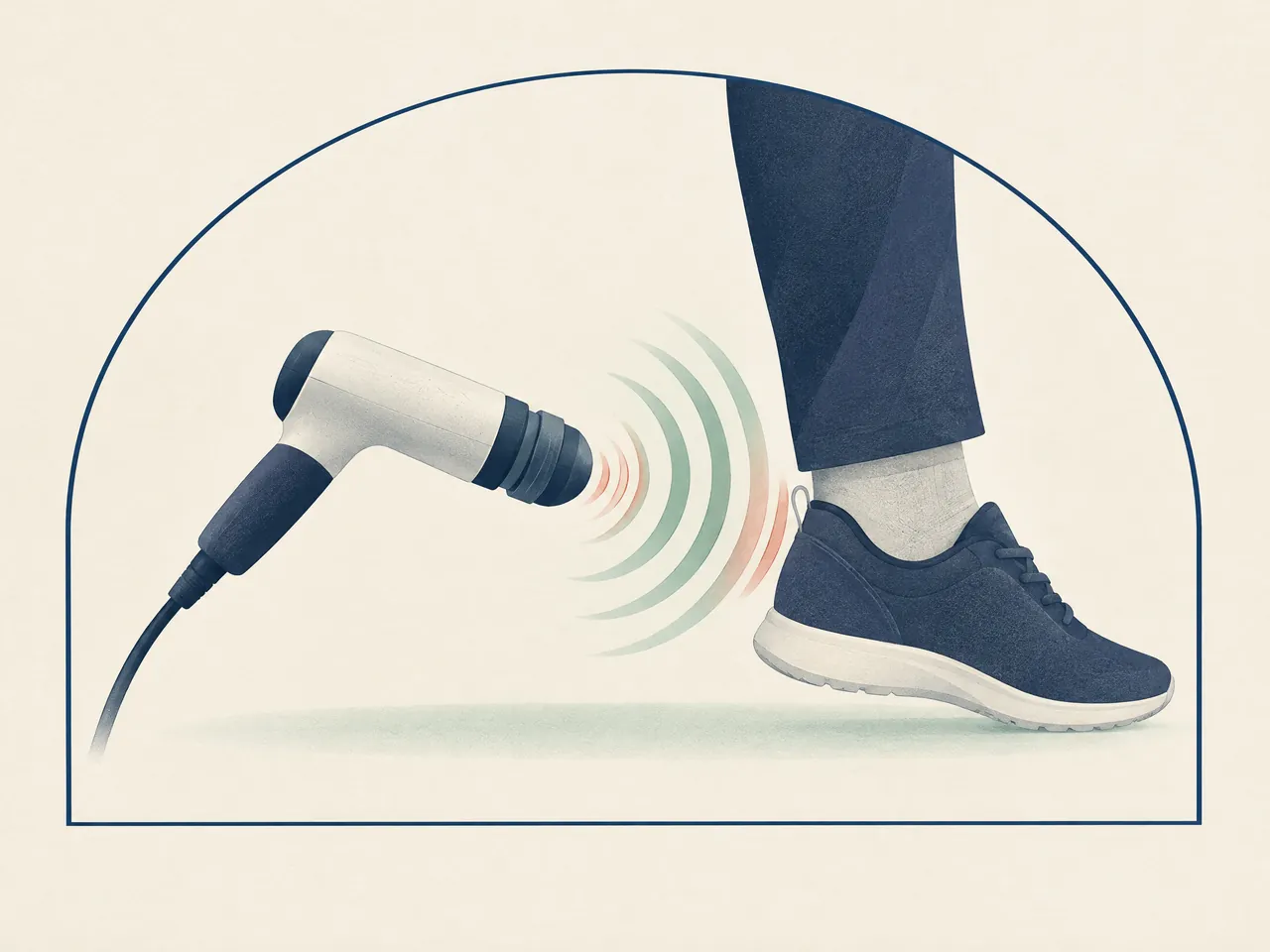
Seek urgent medical care for pain after a serious injury, or for chest pain, breathing difficulty, sudden severe or rapidly worsening pain, new weakness or numbness, or new bladder or bowel changes. Do not wait for a routine pain-management session in these situations. There is no universal number of sessions: the appropriate plan depends on the suspected cause, how pain affects function, your health history, treatment response and whether reassessment or referral is needed.
Transparent pricing
See the fees.
Choose your care.
Explore our complete official price list, including first-trial prices, regular prices, packages and branch-specific options.
Opening WhatsApp prepares an enquiry; it does not send a message, take payment or confirm an appointment. Suitability and individual arrangements are confirmed during consultation.
Pain care
All prices in HKDExtracorporeal shockwave treatment
Shockwave treatment for deep-tissue and fascial care. The Kwun Tong clinic offers the multi-area options shown below.
Priced by branch
Branch-specific pricing
Prince Edward: HK$250 per area
Kwun Tong: HK$250 for 1 area / HK$450 for 2 areas / HK$600 for 3 areas
Pain care (manual therapy)
Includes Chinese medicine musculoskeletal assessment, manual joint techniques and tui na.
HK$580 (single session)
Chinese medicine musculoskeletal assessment
Pain care (acupuncture and manual therapy)
Combines acupuncture and manual therapy.
HK$680 (single session)
Combined care
Hair and scalp
All prices in HKDScalp health and hair-loss management
Includes AI scalp analysis, deep scalp and follicle cleansing, and scalp oil-control care.
HK$380 (first trial)
Regular price: HK$680
- 6 sessions: HK$3,480 (HK$580 per session)
- 12 sessions: HK$5,760 (HK$480 per session)
- 20 sessions: HK$8,600 (HK$430 per session)
- 30 sessions: HK$11,400 (HK$380 per session)
Hair acupuncture and Chinese herbal medicine package
Includes scalp acupuncture and 3 days of Chinese herbal medicine that does not require decoction.
HK$580 (single session)
Registered Chinese Medicine Practitioner consultation
- 6 sessions: HK$3,180 (HK$530 per session)
- 12 sessions: HK$5,760 (HK$480 per session)
- 20 sessions: HK$8,600 (HK$430 per session)
- 30 sessions: HK$11,400 (HK$380 per session)
Combined hair and scalp treatment
Combines acupuncture and Chinese herbal medicine with salon-level scalp and follicle care. Packages include complimentary hair-care shampoo and serum.
HK$1,260 (single session)
Combined treatment
- 8 sessions: HK$8,640 (HK$1,080 per session)
- 16 sessions: HK$15,680 (HK$980 per session)
- 20 sessions: HK$18,600 (HK$930 per session)
- 30 sessions: HK$26,400 (HK$880 per session)
Weight management
All prices in HKDFull-body acupoint embedding for weight management
Includes full-body acupoint embedding. Packages include complimentary Chinese herbal medicine for weight management, with the number of included days scaled to the package. Embedding material and the individual treatment arrangement are confirmed during consultation; this is not a cosmetic thread lift.
HK$980 (single session)
No trial session
- 10 sessions: HK$7,800 (HK$780 per session)
- 20 sessions: HK$14,600 (HK$730 per session)
- 30 sessions: HK$20,400 (HK$680 per session)
Facial acupuncture
All prices in HKDFacial acupuncture (basic)
Includes facial acupuncture and meridian-based facial care, including care for facial puffiness.
HK$480 (first trial)
Regular price: HK$680
- 10 sessions: HK$5,200 (HK$520 per session)
- 20 sessions: HK$9,600 (HK$480 per session)
- 30 sessions: HK$13,500 (HK$450 per session)
Facial acupuncture (advanced)
Includes enhanced facial acupuncture with a specially formulated moisturising mask and serum.
HK$780 (first trial)
Regular price: HK$1,180
- 10 sessions: HK$9,000 (HK$900 per session)
- 20 sessions: HK$16,600 (HK$830 per session)
- 30 sessions: HK$23,400 (HK$780 per session)
Chinese medicine
All prices in HKDAcupuncture and Chinese herbal medicine package
Includes a Chinese medicine consultation with pulse assessment, body acupuncture and 3 days of Chinese herbal granules that do not require decoction.
HK$580 (single session)
Chinese medicine consultation with pulse assessment
When Should I Seek Urgent Care for Pain? How Many Pain Management Sessions Do I Need? Start With Warning Signs
Pain can arise after an obvious strain, but it can also develop without a clear trigger. A sore shoulder after carrying boxes, for example, is not automatically the same problem as shoulder pain with fever, marked swelling or breathlessness. Start by noticing the context: what you were doing when it began, whether it is escalating, and what it stops you doing. The aim is not to diagnose yourself from a checklist. It is to identify signals that should move the decision away from self-care or a routine clinic visit and toward medical assessment. The Hong Kong Primary Healthcare Commission includes low back pain and knee osteoarthritis within common musculoskeletal problems, which is a useful reminder that familiar pain can still need condition-specific evaluation [3].
Urgent care is about the overall pattern, not a pain score alone. Severe pain that starts suddenly, pain getting worse quickly, or pain following a serious accident deserves prompt medical attention. For back pain, the NHS also identifies chest pain, symptoms in both legs such as weakness or numbness, loss of sensation around the genitals or anus, and bladder or bowel changes as emergency signs [1]. Those examples are not a home diagnostic test and do not cover every emergency. They do show why a person should not try to ‘push through’ a dramatic change simply because they have had ordinary muscular pain before. When in doubt, seek urgent medical advice rather than arranging a routine session.
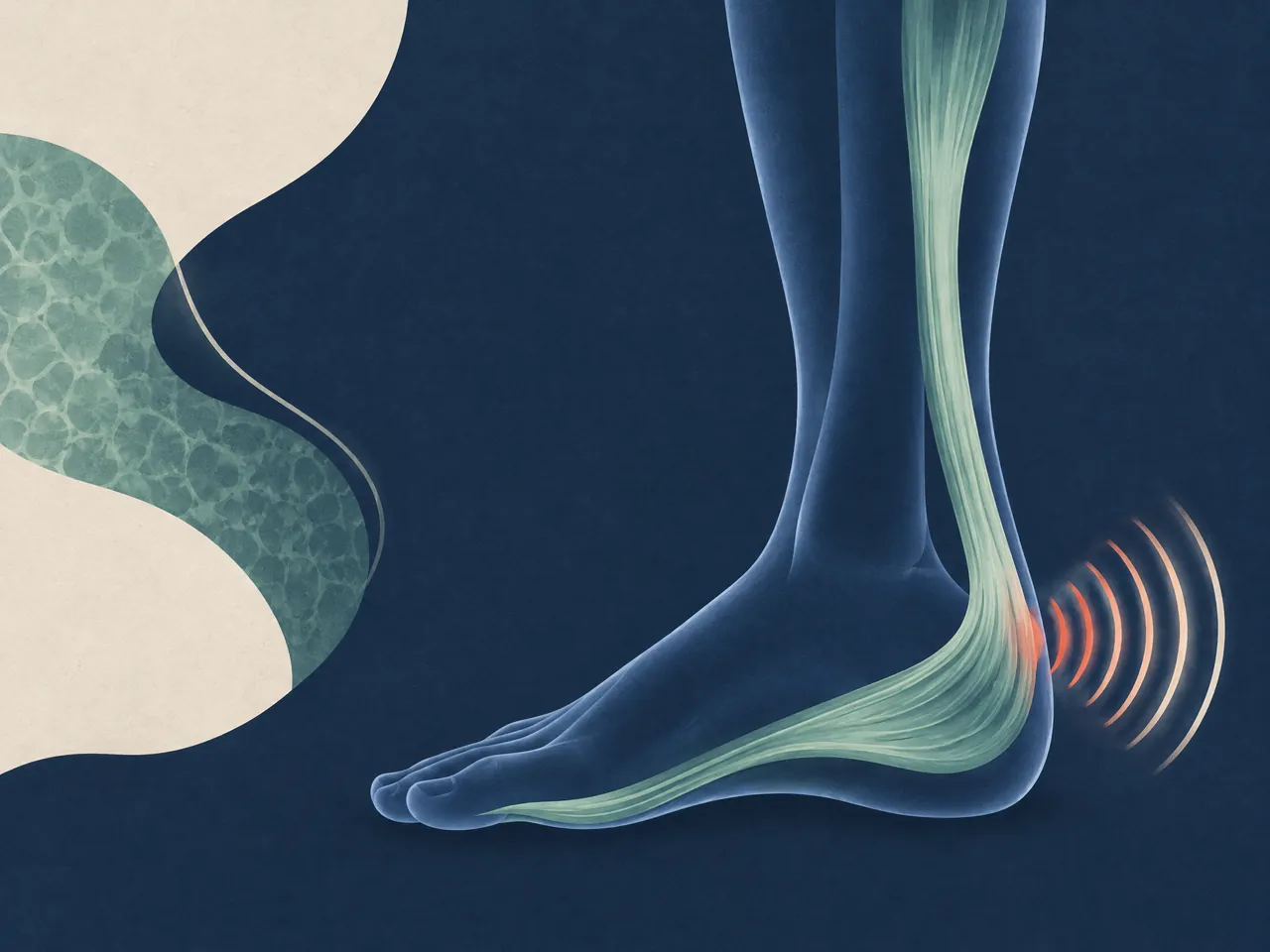
For pain that is persistent but not urgent, it can help to understand what happens at a pain assessment? before deciding what type of appointment may be useful.
When Should I Seek Urgent Care for Pain? How Many Pain Management Sessions Do I Need? Recognise Red Flags
Red flags are features that raise concern because they may point beyond a straightforward, self-limiting ache. Seek urgent help for chest pain or breathing difficulty, for sudden severe pain, or when symptoms are rapidly worsening. After a serious fall, collision or other high-impact injury, pain may be only one part of the picture; medical evaluation should come first. New weakness, spreading numbness, difficulty walking, or changes in bladder or bowel control are also reasons not to wait for manual treatment or needle-based care. Feeling generally unwell with acute pain, including feverish or shivery symptoms, is another reason to obtain timely medical advice. These signs do not tell you the cause, but they change the priority: safety and diagnosis come before pain-management options [1].
A less dramatic pattern can still justify a medical appointment. Arrange an assessment when pain continues to limit work, sleep, walking, lifting or ordinary self-care; when it repeatedly wakes you at night; or when unexplained weight loss, a lump, significant swelling or a visible change in shape accompanies it. Pain that becomes worse with coughing, sneezing or straining may also need clinical discussion, especially if other symptoms appear. Keep a simple note of the location, onset, activity that aggravates it, what eases it and any new sensation changes. That account is often more useful to a clinician than trying to guess a label from the location alone.

When Should I Seek Urgent Care for Pain? How Many Pain Management Sessions Do I Need? Know When to Escalate
Escalation does not always mean an emergency department. It can mean making a timely appointment with an appropriate medical professional when a problem is not improving, recurring more often or steadily narrowing what you can do. Do not use short-term relief as proof that a problem is resolved if pain soon returns under the same load. Reassessment matters when pain spreads, ordinary movement becomes harder, the area becomes visibly different or a new health issue appears. The next step may include medical examination, imaging or referral rather than another session of the same approach.
Compare your options
| What you notice | Why the situation needs attention | Appropriate next step | What it means for session planning |
|---|---|---|---|
| Chest pain, breathing difficulty, serious injury, sudden severe or rapidly worsening pain | These can signal a problem that should not be managed as routine musculoskeletal pain. | Seek urgent medical care. | Do not book sessions as the first response. |
| New weakness or numbness, bladder or bowel changes, or loss of sensation around the groin area | Neurological warning signs require urgent medical assessment. | Seek emergency medical help. | Pause plans for routine treatment. |
| Pain persists, recurs, disturbs sleep or limits everyday tasks without emergency signs | The cause and functional impact need individual review. | Arrange a medical or pain assessment, as appropriate. | Discuss a review-based plan rather than a fixed number. |
| A mild, familiar ache is improving and no warning signs are present | Activity tolerance and change over time can guide the next decision. | Use agreed self-care and monitor; seek advice if it worsens or does not improve. | Sessions may not be needed, or can be considered only after assessment. |
On smaller screens, scroll the table sideways to compare all columns.
When Should I Seek Urgent Care for Pain? How Many Pain Management Sessions Do I Need? Begin With an Assessment
Once urgent warning signs have been excluded, the useful question changes from ‘How many sessions do I need?’ to ‘What are we trying to change, and how will we know whether the plan is appropriate?’ A careful pain assessment considers the site and character of pain, how and when it began, aggravating and easing factors, sleep and work demands, movement limits, past injuries and relevant health conditions. It also considers medication, recent procedures and symptoms that may point to a need for medical referral. This information does not promise a diagnosis from one conversation; it supports a safer decision about whether a Chinese medicine consultation, another form of care or further investigation should come first.
Function gives the plan a practical focus. Instead of measuring progress only by whether a painful spot is still noticeable, describe the tasks that matter: turning the head safely while crossing the road, reaching an overhead shelf, sitting through a meeting, climbing stairs, carrying a child or returning to a preferred activity. A plan can then be reviewed against a real change in those tasks. This is also why two people with pain in the same area may need different follow-up. One may have a short-lived strain and a clear return to usual activity; another may have recurrent symptoms, a demanding physical job or uncertainty that warrants a different pathway.

When Should I Seek Urgent Care for Pain? How Many Pain Management Sessions Do I Need? Factors That Shape the Plan
There is no responsible fixed session number for all pain. The suspected cause, duration, severity, location, daily load, previous episodes, medical history and treatment tolerance can all affect the plan. So can the agreed goal. Someone preparing for a long-haul flight may want guidance on sitting and movement; someone with recurring elbow discomfort may need a plan that considers work tools and repeated gripping. The starting point is not a promise that a certain number of sessions will resolve either problem. It is an individual assessment, a discussion of reasonable options and a point at which progress will be reviewed. For a broader view of how these concerns are approached, see musculoskeletal pain management.
Your own observations help shape that discussion. Note links to a new exercise, increased screen time, footwear, a long commute, gardening, sleep position or a particular work movement. Report prior operations, fractures, anticoagulant medicines, pregnancy, implanted devices or skin problems where relevant. These details may affect what is appropriate or indicate that a medical opinion should precede treatment. They help ensure the plan fits the person rather than the name of the painful body part.

When Should I Seek Urgent Care for Pain? How Many Pain Management Sessions Do I Need? Review Progress Safely
A useful review asks more than ‘Did it feel better straight after?’ Consider whether symptoms are less intense or less frequent between visits, whether a meaningful activity is easier, and whether sleep, movement confidence or unexpected symptoms have changed. If the original goal is not moving, the plan should be reconsidered rather than extended automatically. That may mean changing the approach, adjusting day-to-day load, pausing treatment or recommending medical assessment. New neurological symptoms, systemic illness or a sharp deterioration require prompt medical advice. A short trial and honest review is safer than treating a session count as a guarantee.
When Should I Seek Urgent Care for Pain? How Many Pain Management Sessions Do I Need? Choosing the Next Step
For non-urgent musculoskeletal pain, the next step can combine professional assessment with sensible day-to-day adjustments. The NHS advises staying active and continuing daily activities where possible for ordinary back pain, rather than prolonged bed rest; it also advises stopping exercises that make pain worse and seeking advice [1]. What is sensible varies with the person and the problem. A gradual walk may be tolerable while repeated heavy lifting is not. Change a workstation briefly, break up a long journey and pace a return to activity as appropriate. None of these steps should delay urgent assessment when warning signs are present.
TCM Lab may discuss Chinese medicine pain management after assessment, not as a replacement for emergency or specialist care. Acupuncture involves the insertion of fine needles into the skin. The U.S. National Center for Complementary and Integrative Health says research suggests it may be helpful for several pain conditions, including some back or neck pain and knee osteoarthritis, while findings and comparison groups vary by condition [2]. That is not evidence that every painful condition will respond, nor does it establish a particular session count for an individual. If acupuncture is considered, ask about the rationale, possible risks and what review point will guide the next decision.

When Should I Seek Urgent Care for Pain? How Many Pain Management Sessions Do I Need? Treatment Options
A consultation may lead to one approach, a combination or a referral elsewhere. Depending on the assessment, options discussed can include acupuncture, Tui Na, movement and load-management advice, or shockwave therapy where appropriate. The choice should reflect the presentation, not a menu preference alone. Acupuncture safety depends on proper practice: NCCIH notes serious adverse effects with nonsterile needles or improper delivery and says practitioners should use sterile, single-use needles [2]. If Tui Na is considered, this overview of Tui Na massage Hong Kong explains the service context, but it does not replace an individual assessment. Tell the practitioner about new symptoms, skin changes, bleeding risks or any concern before proceeding.
The table below is a decision aid, not a diagnostic tool. It separates situations by the next conversation they usually call for. A person can move from one row to another as symptoms change. For example, a manageable ache can become an urgent problem if weakness or chest symptoms develop.

When Should I Seek Urgent Care for Pain? How Many Pain Management Sessions Do I Need? Practical Follow-Up
Before contacting a clinic, prepare a concise symptom history: where pain is felt, when it began, whether it followed an injury, what movements affect it, any numbness or weakness, and what you need to be able to do. State clearly if you have already seen another clinician or had tests, but do not assume previous reassurance covers a new or changing pattern. For an enquiry about a non-urgent assessment, TCM Lab can confirm the available practitioner and service. You may also use the location pages for the Kwun Tong Chinese medicine clinic or Chinese medicine clinic Prince Edward. Availability and suitability are confirmed individually; a message is not a diagnosis or a promise of a same-day treatment.
After any appointment, follow the agreed plan and note what happens in ordinary life rather than chasing an immediate sensation of relief. If a suggested activity raises pain sharply, stop and ask for advice. If symptoms improve, build normal movement gradually rather than testing the area with an unusually demanding task at once. If they fail to improve, recur repeatedly or develop a new red flag, return to medical assessment. The safest answer to both questions is therefore sequential: rule out urgent problems first, assess the individual pattern next, choose an appropriate option, then review progress before deciding whether more sessions make sense.
Care and health guide
Pain-care information
This directory brings together services, reading, and visit information related to pain care, to help you prepare questions for a consultation.
When pain care affects your day, noting when it occurs, its relation to activity, and what you have already tried can help prepare a consultation; Chinese medicine pain management Hong Kong is a relevant service or reading entry point.
Individual circumstances differ, and acupuncture Hong Kong offers related information to help you understand options and prepare questions.


Your questions, answered
Frequently asked questions
When should I seek urgent care for pain?
Seek urgent medical care for chest pain, breathing difficulty, pain after a serious accident, sudden severe pain, rapidly worsening symptoms, new weakness or numbness, or new bladder or bowel changes. These warning signs need medical assessment rather than a routine pain-management booking.
How many pain management sessions do I need?
There is no standard number. The appropriate plan depends on the suspected cause, duration, functional limitations, health history, risks, goals and response to treatment. A safe plan includes a review point rather than a guarantee of results after a fixed package.
Can I have acupuncture or Tui Na if pain is new?
Possibly, but only after an individual assessment determines that the presentation is suitable and no red flags require medical referral. New, severe or rapidly changing pain should be medically assessed first.
What should I record before a pain assessment?
Note the pain location, onset, injury or trigger, aggravating and easing activities, effect on sleep and work, movement limits, numbness or weakness, previous episodes, relevant conditions and medicines. Mention any new warning signs immediately.
Sources and further information
- [1] NHS — Back pain
Referenced for: Urgent and emergency warning signs for back pain, and general self-care framing including staying active where appropriate.
- [2] National Center for Complementary and Integrative Health — Acupuncture: Effectiveness and Safety
Referenced for: Scoped evidence and safety information for acupuncture in selected pain conditions; not a guarantee of individual benefit.
- [3] Hong Kong Primary Healthcare Commission — Common Musculoskeletal Problems
Referenced for: Hong Kong primary-care terminology and approach for common musculoskeletal problems, including low back pain and knee osteoarthritis.