
TCM Lab · Health reading
Tennis Elbow Pain After Activity: What Should You Do Next?
Published Updated
When tennis elbow pain appears after an activity, the immediate question is often whether to reach for a cold pack or heat. There is no single pack that is right for every flare-up. A cold pack may feel more comfortable after gripping, racquet work, DIY, lifting or a long mouse session when the outer elbow feels warm, tender or a little puffy. Heat may feel better before gentle movement when the forearm feels stiff or guarded. Either is a comfort measure, not a way to test or “push through” the injury. Use a cloth barrier, keep the session short, and make the next activity easier on the elbow.
Appointments are confirmed through WhatsApp. If you have language requirements, please mention them in your enquiry.
The short answer
For tennis elbow pain after activity, try cold when the outer elbow feels warm, irritated or mildly swollen, and consider heat before easy movement if the forearm feels stiff. Wrap any pack in a towel and use it for no more than 15–20 minutes. Stop if it increases pain or causes unusual skin changes. Reducing the provoking grip or repetition, then returning gradually, matters more than choosing one pack forever.
Transparent pricing
See the fees.
Choose your care.
Explore our complete official price list, including first-trial prices, regular prices, packages and branch-specific options.
Opening WhatsApp prepares an enquiry; it does not send a message, take payment or confirm an appointment. Suitability and individual arrangements are confirmed during consultation.
Pain care
All prices in HKDExtracorporeal shockwave treatment
Shockwave treatment for deep-tissue and fascial care. The Kwun Tong clinic offers the multi-area options shown below.
Priced by branch
Branch-specific pricing
Prince Edward: HK$250 per area
Kwun Tong: HK$250 for 1 area / HK$450 for 2 areas / HK$600 for 3 areas
Pain care (manual therapy)
Includes Chinese medicine musculoskeletal assessment, manual joint techniques and tui na.
HK$580 (single session)
Chinese medicine musculoskeletal assessment
Pain care (acupuncture and manual therapy)
Combines acupuncture and manual therapy.
HK$680 (single session)
Combined care
Hair and scalp
All prices in HKDScalp health and hair-loss management
Includes AI scalp analysis, deep scalp and follicle cleansing, and scalp oil-control care.
HK$380 (first trial)
Regular price: HK$680
- 6 sessions: HK$3,480 (HK$580 per session)
- 12 sessions: HK$5,760 (HK$480 per session)
- 20 sessions: HK$8,600 (HK$430 per session)
- 30 sessions: HK$11,400 (HK$380 per session)
Hair acupuncture and Chinese herbal medicine package
Includes scalp acupuncture and 3 days of Chinese herbal medicine that does not require decoction.
HK$580 (single session)
Registered Chinese Medicine Practitioner consultation
- 6 sessions: HK$3,180 (HK$530 per session)
- 12 sessions: HK$5,760 (HK$480 per session)
- 20 sessions: HK$8,600 (HK$430 per session)
- 30 sessions: HK$11,400 (HK$380 per session)
Combined hair and scalp treatment
Combines acupuncture and Chinese herbal medicine with salon-level scalp and follicle care. Packages include complimentary hair-care shampoo and serum.
HK$1,260 (single session)
Combined treatment
- 8 sessions: HK$8,640 (HK$1,080 per session)
- 16 sessions: HK$15,680 (HK$980 per session)
- 20 sessions: HK$18,600 (HK$930 per session)
- 30 sessions: HK$26,400 (HK$880 per session)
Weight management
All prices in HKDFull-body acupoint embedding for weight management
Includes full-body acupoint embedding. Packages include complimentary Chinese herbal medicine for weight management, with the number of included days scaled to the package. Embedding material and the individual treatment arrangement are confirmed during consultation; this is not a cosmetic thread lift.
HK$980 (single session)
No trial session
- 10 sessions: HK$7,800 (HK$780 per session)
- 20 sessions: HK$14,600 (HK$730 per session)
- 30 sessions: HK$20,400 (HK$680 per session)
Facial acupuncture
All prices in HKDFacial acupuncture (basic)
Includes facial acupuncture and meridian-based facial care, including care for facial puffiness.
HK$480 (first trial)
Regular price: HK$680
- 10 sessions: HK$5,200 (HK$520 per session)
- 20 sessions: HK$9,600 (HK$480 per session)
- 30 sessions: HK$13,500 (HK$450 per session)
Facial acupuncture (advanced)
Includes enhanced facial acupuncture with a specially formulated moisturising mask and serum.
HK$780 (first trial)
Regular price: HK$1,180
- 10 sessions: HK$9,000 (HK$900 per session)
- 20 sessions: HK$16,600 (HK$830 per session)
- 30 sessions: HK$23,400 (HK$780 per session)
Chinese medicine
All prices in HKDAcupuncture and Chinese herbal medicine package
Includes a Chinese medicine consultation with pulse assessment, body acupuncture and 3 days of Chinese herbal granules that do not require decoction.
HK$580 (single session)
Chinese medicine consultation with pulse assessment
Tennis Elbow Pain After Activity: Choosing Heat or Cold
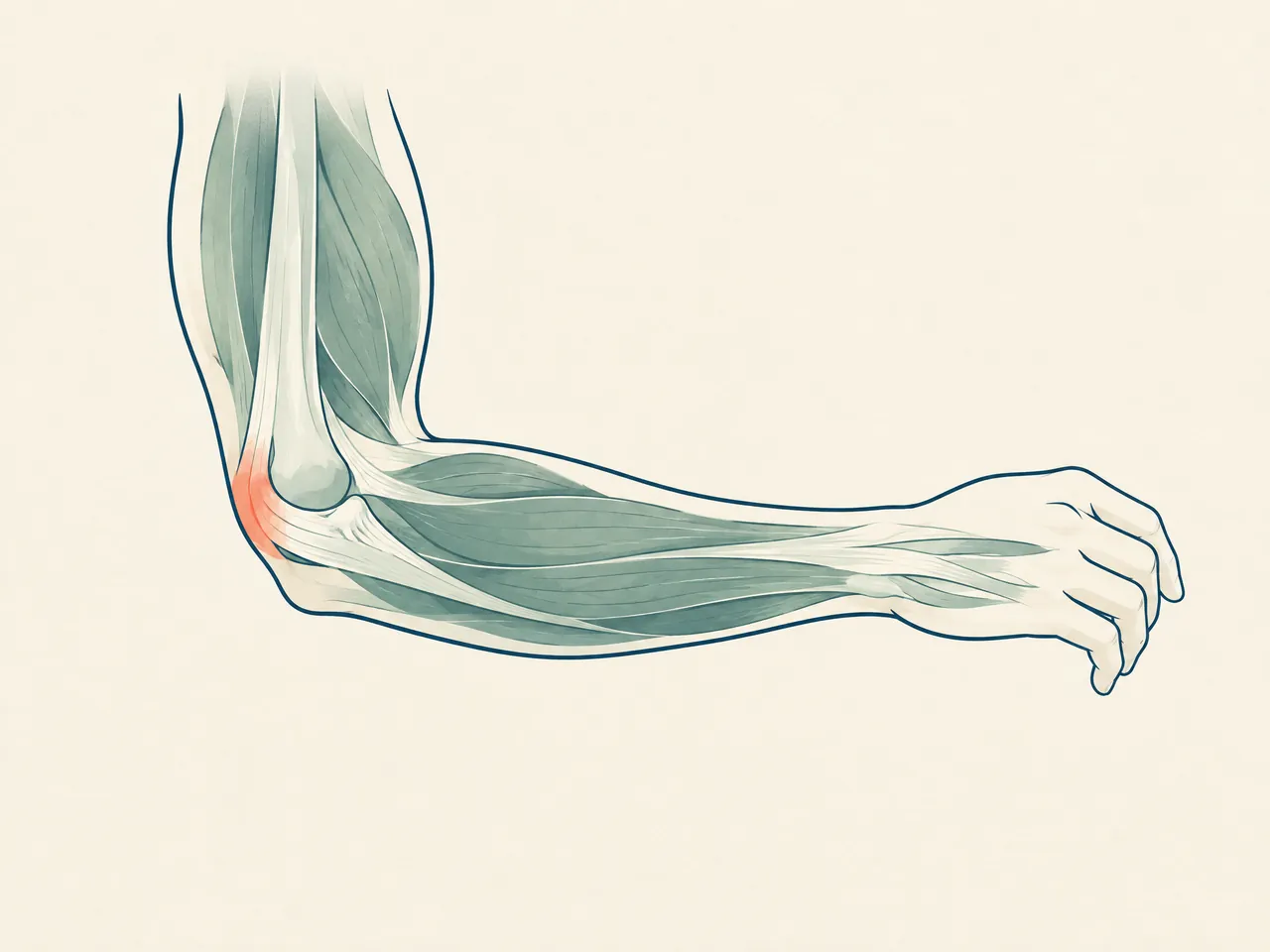
“Tennis elbow” usually refers to pain around the outside of the elbow. It is often noticed not on a tennis court but after repeated wrist and forearm use: carrying shopping with the palm down, wringing a cloth, using a screwdriver, pruning, typing and mouse work, or lifting a pan one-handed. The outer elbow can hurt because the tendons and muscles used to lift the wrist and fingers have been asked to do more than they are currently tolerating. The Hong Kong College of Orthopaedic Surgeons describes gripping, lifting and towel-wringing as common pain-provoking tasks. [1]
Heat and cold do not repair the tendon in a single session. They are tools for making the next few hours more manageable. Start with the symptom in front of you, not a fixed rule. Ask: does the elbow feel newly irritated and warm after the task, or is the main problem a tight, reluctant forearm before I begin moving? Then use the gentler option briefly and reassess. If neither changes comfort, do not keep switching packs in the hope that one must work. A simpler activity adjustment may be the more useful response. For a broader comparison, see tennis elbow heat or ice.
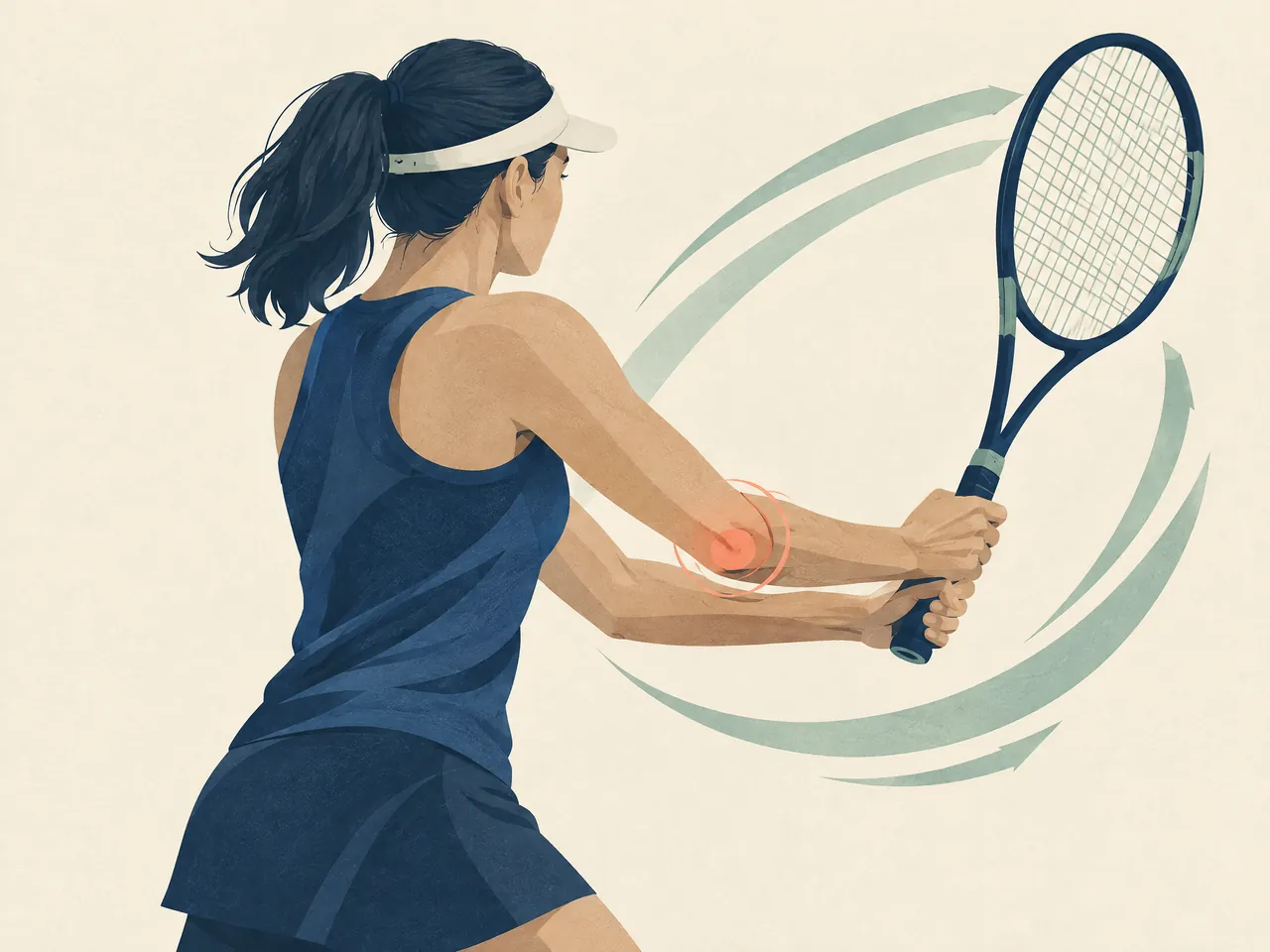
Tennis Elbow Pain After Activity and When Cold May Feel More Comfortable
Cold may be the more comfortable choice after an activity when the sore point on the outer elbow feels warm, more tender than usual, or a little swollen. A cool pack can also be useful when you simply want a quiet period after a flare-up before doing an easy household task. It should not be placed directly on the skin. MyHealth Alberta advises putting a thin cloth between a cold pack and the skin and using it for 10 to 20 minutes at a time. [2]
In practical terms, put the wrapped pack over the painful outer-elbow area while the arm rests in a neutral, supported position. Check the skin and the sensation in the hand while you use it. Remove the pack if you get burning, marked discomfort, numbness or an unpleasant deep ache. A cold pack is not a reason to return immediately to a hard training session or another hour of repetitive work. Once it is off, make the next task smaller: use two hands, take a break earlier, or postpone the heaviest gripping until the elbow is calmer. These choices are part of tennis elbow self-care, rather than an optional extra.
Tennis Elbow Pain After Activity and When Heat May Help You Move More Comfortably
Heat can be worth trying when the forearm feels stiff, tight or slow to warm up before ordinary movement. Some people find a warm, covered pack helps them begin gentle elbow bending, straightening, wrist movement or a light preparation routine more comfortably. It is a comfort preference, not evidence that you should stretch hard or grip heavily. The NHS includes both hot and cold packs, wrapped in a towel, among self-care measures for tennis elbow and advises limiting a pack to up to 20 minutes. [3]
Use mild warmth rather than very high heat, and avoid falling asleep with a pack on. A warm pack should never leave the skin painful, blotchy or overly red. After the pack is removed, test a simple movement—such as slowly opening the hand, turning the palm up and down, or lifting a light cup close to the body. If the movement still produces sharp pain, reduce the task instead of adding more heat. If heat makes the elbow feel more irritated, swap to a quiet rest period or a cold pack on another occasion. The response over the following day is more informative than a few minutes of temporary relief.
Compare your options
| What you notice | A cautious comfort option | What to do alongside it |
|---|---|---|
| The outer elbow feels warm, tender or mildly swollen after a task | Try a covered cold pack for up to 15–20 minutes if it feels comfortable | Rest the arm briefly and reduce the next gripping or lifting task |
| The forearm feels stiff before gentle movement | Try mild covered heat for up to 15–20 minutes | Test easy movement; do not use warmth to push through sharp pain |
| A task repeatedly brings pain back later that day or the next morning | A pack may give short-term comfort, but it is not the main fix | Lower the weight, grip force, wrist strain, repetition or task duration |
| Pain is worsening or comes with numbness, weakness, colour change or major loss of movement | Do not keep treating it as a routine flare-up at home | Seek medical advice promptly |
On smaller screens, scroll the table sideways to compare all columns.
Tennis Elbow Pain After Activity: Safe Pack Use and Load Management
A pack works best when it is used safely and alongside a specific change in load. The aim is not complete immobility. The aim is to avoid repeatedly provoking the same pain while keeping the arm moving within a tolerable range. Notice the pattern: pain only during the task, pain later that evening, or pain that is noticeably worse the next morning. A delayed flare after an otherwise manageable job can mean the duration, force or number of repetitions was too high for now. Write down the activity once or twice if the trigger is unclear; this can turn a vague “my elbow hurts” into an actionable pattern.
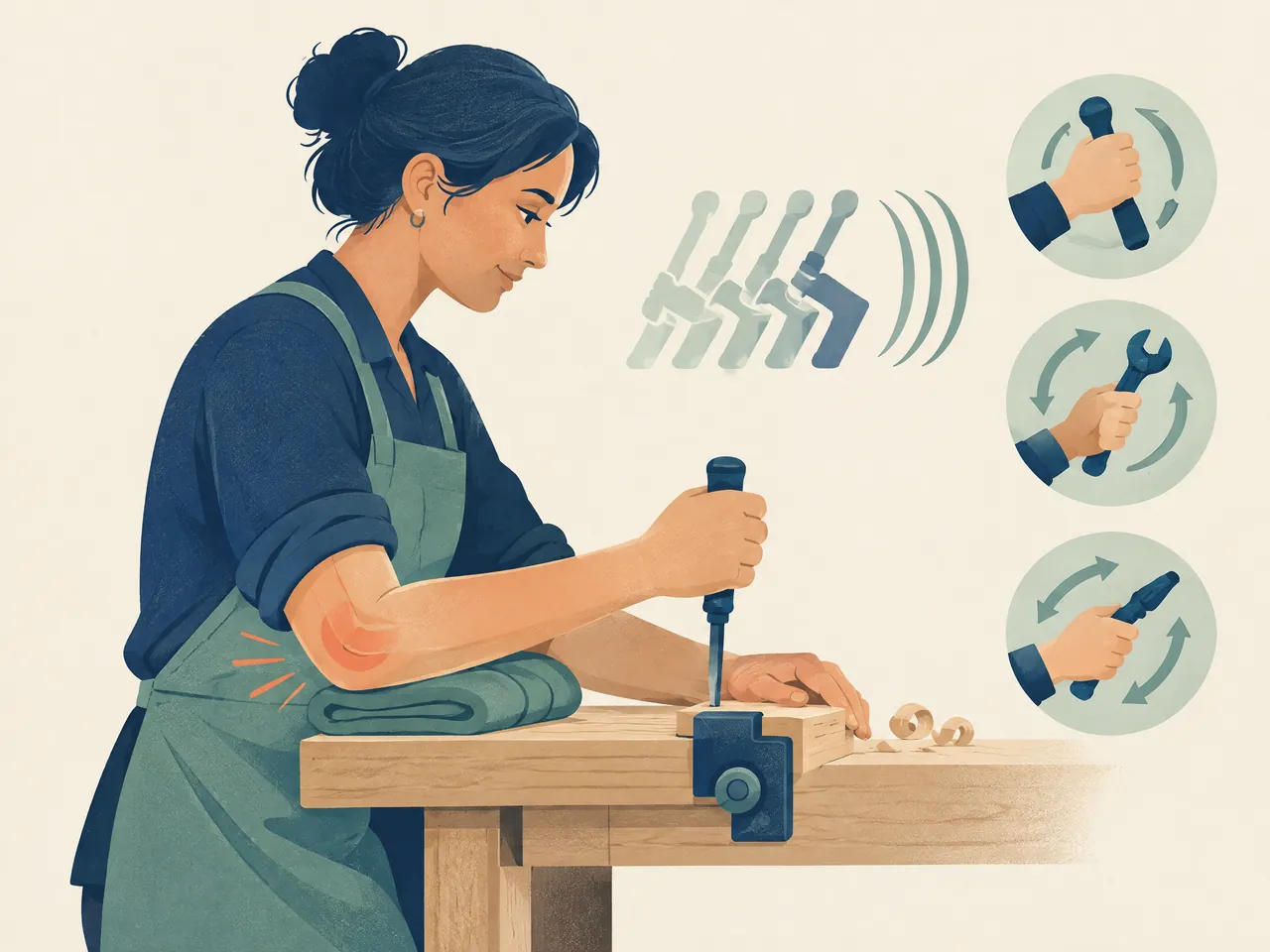
Think of load as more than weight. A light object held with a very tight grip, a full pan carried away from the body, or a brief job repeated without pauses can all aggravate an outer-elbow problem. The same applies to a racquet handle that is difficult to control or a mouse held with the wrist cocked up. Reduce one variable first—weight, grip force, wrist angle, repetition or time—and see whether that makes the task tolerable. The NHS similarly advises reducing activities that worsen symptoms, particularly lifting, gripping and wrist movement. [3]
Tennis Elbow Pain After Activity: How Long to Apply a Pack
Keep each heat or cold session short: approximately 15 to 20 minutes is a sensible upper limit for a home pack. Use a towel or a purpose-made cover between the pack and skin, and let the skin return to its usual temperature before another application. Do not try to make up for a difficult day by leaving a pack on for an hour. Longer exposure can irritate or injure the skin without showing that it will offer more comfort. People with reduced sensation, circulation problems, or conditions that make it difficult to judge temperature should check with a clinician before using heat or cold.
Choose a time that supports the purpose. A cold pack may suit the first quiet period after a pain-provoking task; heat may suit a brief preparation before easy movement. Neither needs a rigid timetable. If symptoms settle with a covered pack and an activity change, carry on with the least intrusive option. If each application consistently worsens symptoms, stop it. The Alberta care guidance also advises medical attention for worsening pain, inability to bend the elbow normally, or tingling, weakness or numbness in the hand or fingers. [2]
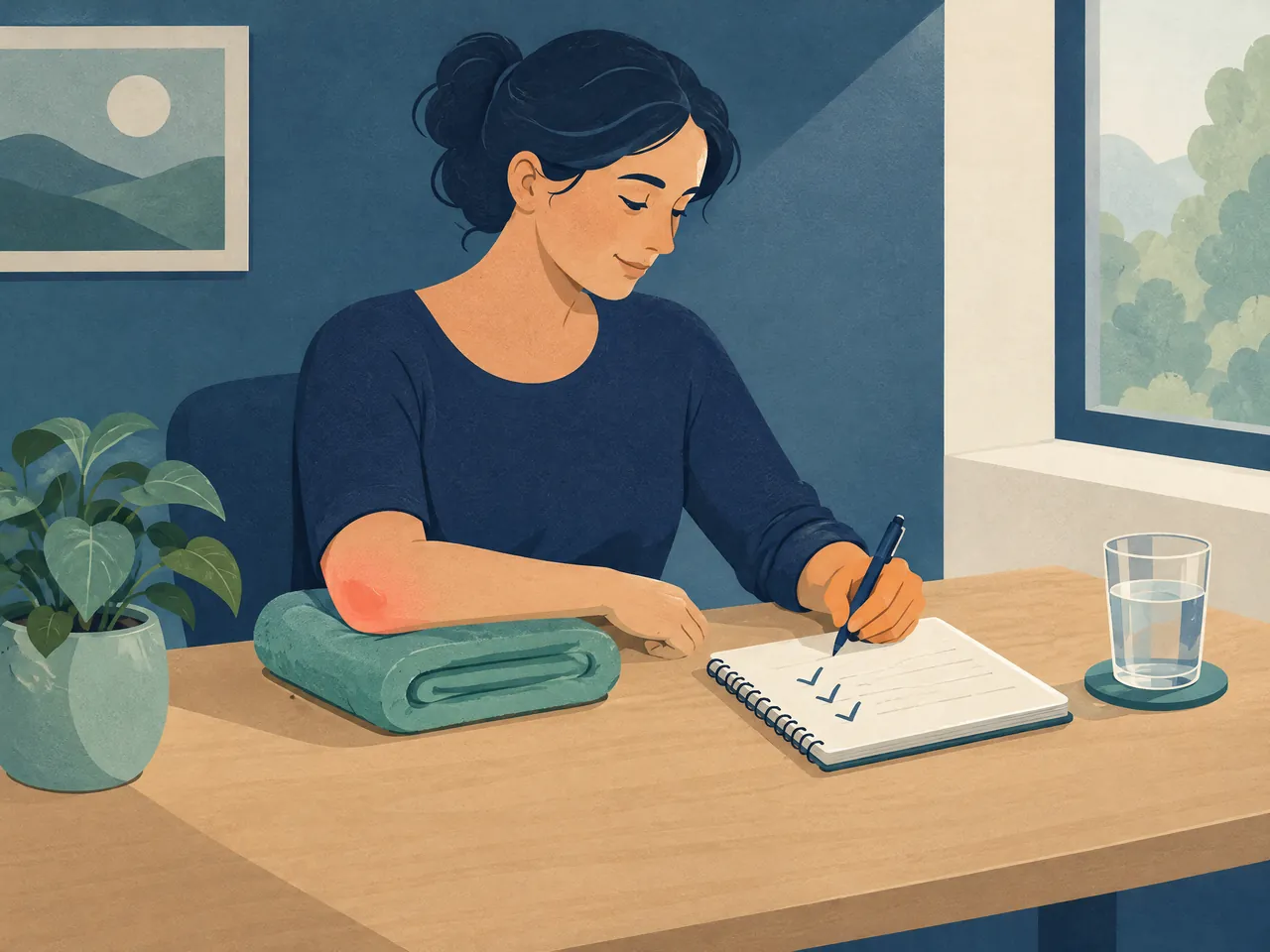
Tennis Elbow Pain After Activity: Adjusting Grip, Lifting and Repetition
Make the task easier before asking the elbow to do it again. Carry a bag with both hands or split the load. Keep objects close to the body instead of lifting with the elbow straight and the palm down. Use a larger-handled tool, a lighter pan, a trolley, or a power tool where appropriate rather than squeezing a small handle. At a desk, relax the mouse grip, support the forearm, and take short changes of position before discomfort builds. For racquet or gym activity, technique and equipment fit are worth discussing with a qualified coach or clinician rather than simply training through the pain.
Repetition deserves as much attention as force. Break a gardening, kitchen or DIY job into smaller blocks, alternate hands where safe, and stop before the sharp outer-elbow pain becomes the dominant sensation. Complete rest may be necessary briefly after a marked flare, but a gradual return is usually more realistic than waiting for a perfect, pain-free day. The local orthopaedic guidance lists refraining from aggravating repetitive or overuse activity and progressive rehabilitation among non-surgical approaches. [1] For more ideas beyond packs, read What can I do for tennis elbow besides heat and ice?
Tennis Elbow Pain After Activity: When to Seek an Assessment
Tennis elbow can resemble other causes of elbow or forearm pain, so a self-care label should not replace an assessment when the picture does not fit. Arrange medical advice sooner if pain follows a fall or sudden injury, the elbow looks deformed, you cannot use or straighten the arm normally, or the hand is cold, pale or changing colour. Tingling, numbness or clear weakness in the hand and fingers also needs prompt attention. These features can point beyond a straightforward overuse problem. [2]
For a less urgent but persistent problem, it is reasonable to seek an assessment when careful activity reduction and home measures have not made a meaningful difference after about two weeks, when sleep or work is affected, or when you are unsure which movement is driving the pain. The clinician may ask about recent workload or sport changes, examine the tender area and test movement and grip. A physiotherapist can help plan progressive mobility and strengthening where appropriate. The purpose is to understand the problem and set a safe loading plan, not to sell a fixed number of treatments.
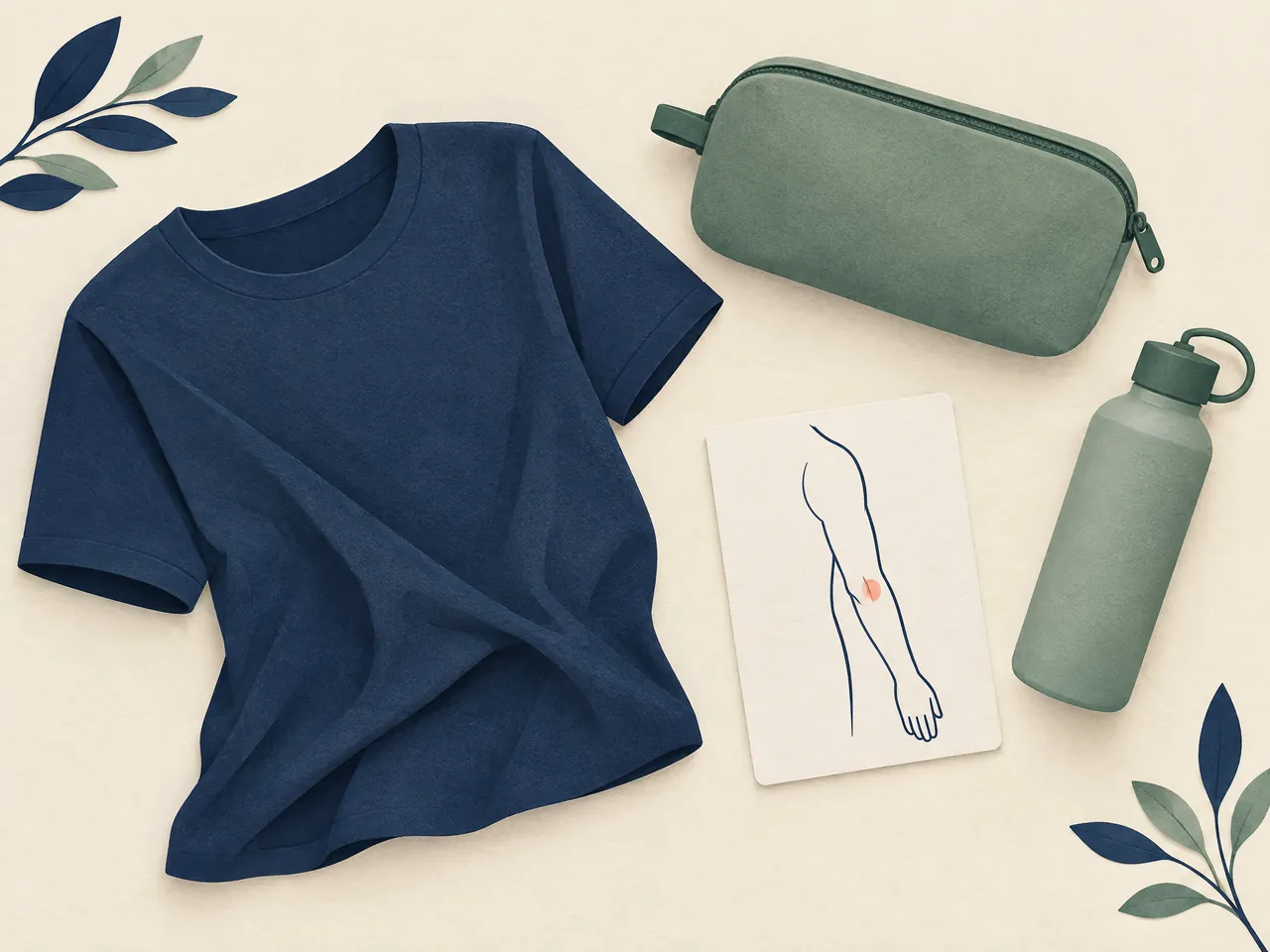
Tennis Elbow Pain After Activity: Signs That Need Medical Advice
Seek a timely assessment if pain is getting worse rather than settling, if a simple mug or door handle suddenly becomes difficult to manage, or if swelling, redness, fever, widespread pain or an unexplained loss of motion appears. Do not assume every ache on the outside of the elbow is tendon-related. A history of neck pain with symptoms running down the arm, hand numbness, or weakness may change what should be examined. Mention medicines, previous injuries and any medical conditions that affect sensation or circulation, especially before using repeated heat or cold.
Bring a short description of your everyday trigger: what you were doing, how long you did it, where the pain appeared, and what happened over the next 24 hours. This is more useful than trying to reproduce the painful movement forcefully in the consultation room. If a brace, exercise, medication or other treatment is suggested, ask what it is intended to help, how you will judge progress, and which symptoms should prompt review. A measured plan allows the elbow to guide the next step instead of treating each flare as an isolated event.
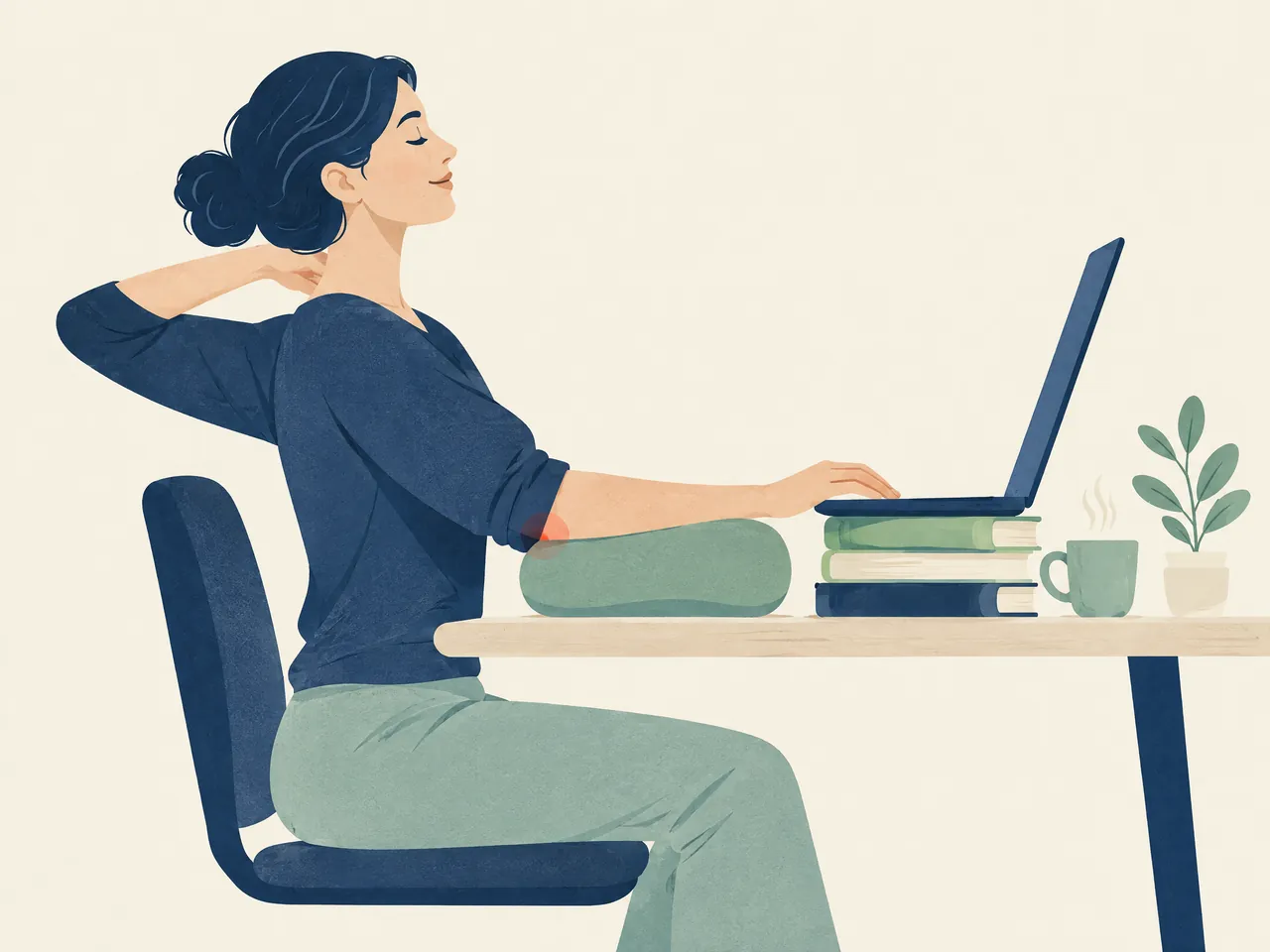
Tennis Elbow Pain After Activity: Discussing Traditional Chinese Medicine Support
Some people also want to discuss traditional Chinese medicine after tennis elbow pain has interrupted work, sport or household tasks. A Registered Chinese Medicine Practitioner can take a history of the pain pattern, recent load, sleep, health conditions and current treatment, then explain whether Chinese medicine support is appropriate alongside conventional assessment and rehabilitation. In traditional Chinese medicine, descriptions such as stagnation or wind-cold-dampness belong to a traditional pattern approach; they are not a modern medical diagnosis. Be open about other treatment, medicines and any new numbness or weakness so care can be coordinated.
Acupuncture may be discussed as one possible supportive option after an individual assessment, not as a replacement for load management or for evaluation of warning signs. A 2020 review of 10 trials involving 796 people reported methodological limitations, different protocols and inadequate long-term follow-up, so it cannot establish a reliable long-term result for every person. [4] If needles are considered, ask about the intended role, possible reactions and hygiene; improper or nonsterile needling can cause serious harm. [5] You can also explore tennis elbow acupuncture and Can acupuncture help tennis elbow? before arranging a consultation.
Care and health guide
Pain-care information
This directory brings together services, reading, and visit information related to pain care, to help you prepare questions for a consultation.
When pain care affects your day, noting when it occurs, its relation to activity, and what you have already tried can help prepare a consultation; Chinese medicine pain management Hong Kong is a relevant service or reading entry point.
Individual circumstances differ, and acupuncture Hong Kong offers related information to help you understand options and prepare questions.


Your questions, answered
Frequently asked questions
Is heat or cold better for tennis elbow pain after activity?
Neither is automatically better. Cold may feel more comfortable when the outside of the elbow feels warm, tender or mildly swollen after activity. Heat may be preferable before gentle movement when the forearm feels stiff. Use the option that is comfortable, with a towel barrier, and stop if symptoms increase.
How long should I use a heat or cold pack for tennis elbow?
Keep each covered heat or cold session to about 15–20 minutes. Do not apply a pack directly to the skin or leave it on while asleep. Stop for burning, unusual redness, numbness, increasing pain or any worrying skin change.
Should I completely rest my arm after tennis elbow pain?
Avoid or reduce the specific activity that provokes pain, particularly forceful gripping, lifting with the arm away from the body and repeated wrist work. Total long-term rest is not the usual aim; gradual return with a manageable load is more practical. A clinician or physiotherapist can advise when pain is persistent or function is limited.
When is tennis elbow pain after activity not something to manage at home?
Seek prompt medical advice for worsening pain, an inability to bend or use the elbow normally, a cold or discoloured hand, tingling, numbness or weakness. Also arrange assessment if careful self-care and activity changes have not improved the problem after around two weeks, or if work, sleep or daily tasks are significantly affected.
Sources and further information
- [1] [1] Hong Kong College of Orthopaedic Surgeons — Tennis Elbow
Referenced for: Local professional information on symptoms, assessment, overuse and rehabilitation.
- [2] [2] MyHealth Alberta — Tennis Elbow: Care Instructions
Referenced for: Cold-pack safety, activity reduction and signs requiring medical care.
- [3] [3] NHS — Tennis elbow
Referenced for: Symptoms, hot/cold pack precautions, activity adjustment and escalation.
- [4] [4] Zhou et al. — Effectiveness of Acupuncture for Lateral Epicondylitis
Referenced for: Systematic-review limitations and lack of adequate long-term follow-up for acupuncture evidence.
- [5] [5] NCCIH — Acupuncture: Effectiveness and Safety
Referenced for: General acupuncture safety and sterile-needle considerations.