
TCM Lab · Health reading
Hormonal Breakouts and Noncomedogenic Skincare for Acne: A Practical Period-Acne Guide
Published Updated
Breakouts that arrive in the days before a period can feel predictable enough to be called hormonal, yet timing alone cannot diagnose a hormone condition. Cycle-related shifts can affect skin oil production, while stress, sleep disruption, friction, hair products and a changing routine may add to the picture. A useful response is calm and practical: observe a few cycles, simplify products, choose noncomedogenic skincare for acne, and get appropriate medical advice if lesions are deep, painful or persistent. The aim is not to blame every spot on hormones; it is to identify a repeatable pattern and protect the skin while it is assessed.
Appointments are confirmed through WhatsApp. If you have language requirements, please mention them in your enquiry.
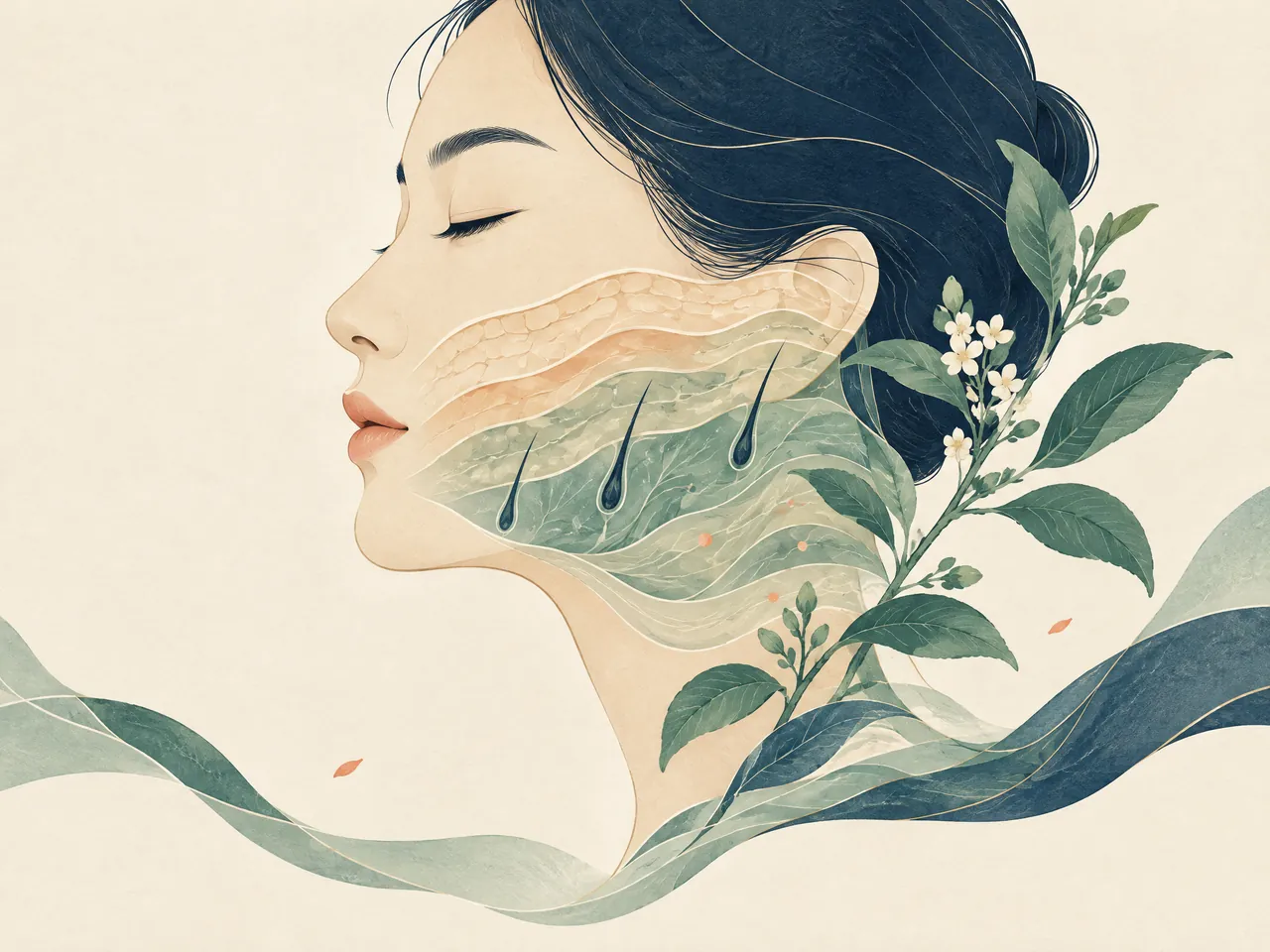
The short answer
Hormonal breakouts may recur around a period, often on the lower face, but location and timing do not prove hormonal imbalance. Record period dates alongside lesion type, site and change over time. Use gentle, noncomedogenic skincare for acne and avoid squeezing. Deep nodules, pustules, scarring concerns, markedly irregular periods or other new symptoms merit assessment by a family doctor, gynaecologist or dermatologist.
Transparent pricing
See the fees.
Choose your care.
Explore our complete official price list, including first-trial prices, regular prices, packages and branch-specific options.
Opening WhatsApp prepares an enquiry; it does not send a message, take payment or confirm an appointment. Suitability and individual arrangements are confirmed during consultation.
Chinese medicine
All prices in HKDAcupuncture and Chinese herbal medicine package
Includes a Chinese medicine consultation with pulse assessment, body acupuncture and 3 days of Chinese herbal granules that do not require decoction.
HK$580 (single session)
Chinese medicine consultation with pulse assessment
Hair and scalp
All prices in HKDScalp health and hair-loss management
Includes AI scalp analysis, deep scalp and follicle cleansing, and scalp oil-control care.
HK$380 (first trial)
Regular price: HK$680
- 6 sessions: HK$3,480 (HK$580 per session)
- 12 sessions: HK$5,760 (HK$480 per session)
- 20 sessions: HK$8,600 (HK$430 per session)
- 30 sessions: HK$11,400 (HK$380 per session)
Hair acupuncture and Chinese herbal medicine package
Includes scalp acupuncture and 3 days of Chinese herbal medicine that does not require decoction.
HK$580 (single session)
Registered Chinese Medicine Practitioner consultation
- 6 sessions: HK$3,180 (HK$530 per session)
- 12 sessions: HK$5,760 (HK$480 per session)
- 20 sessions: HK$8,600 (HK$430 per session)
- 30 sessions: HK$11,400 (HK$380 per session)
Combined hair and scalp treatment
Combines acupuncture and Chinese herbal medicine with salon-level scalp and follicle care. Packages include complimentary hair-care shampoo and serum.
HK$1,260 (single session)
Combined treatment
- 8 sessions: HK$8,640 (HK$1,080 per session)
- 16 sessions: HK$15,680 (HK$980 per session)
- 20 sessions: HK$18,600 (HK$930 per session)
- 30 sessions: HK$26,400 (HK$880 per session)
Weight management
All prices in HKDFull-body acupoint embedding for weight management
Includes full-body acupoint embedding. Packages include complimentary Chinese herbal medicine for weight management, with the number of included days scaled to the package. Embedding material and the individual treatment arrangement are confirmed during consultation; this is not a cosmetic thread lift.
HK$980 (single session)
No trial session
- 10 sessions: HK$7,800 (HK$780 per session)
- 20 sessions: HK$14,600 (HK$730 per session)
- 30 sessions: HK$20,400 (HK$680 per session)
Facial acupuncture
All prices in HKDFacial acupuncture (basic)
Includes facial acupuncture and meridian-based facial care, including care for facial puffiness.
HK$480 (first trial)
Regular price: HK$680
- 10 sessions: HK$5,200 (HK$520 per session)
- 20 sessions: HK$9,600 (HK$480 per session)
- 30 sessions: HK$13,500 (HK$450 per session)
Facial acupuncture (advanced)
Includes enhanced facial acupuncture with a specially formulated moisturising mask and serum.
HK$780 (first trial)
Regular price: HK$1,180
- 10 sessions: HK$9,000 (HK$900 per session)
- 20 sessions: HK$16,600 (HK$830 per session)
- 30 sessions: HK$23,400 (HK$780 per session)
Pain care
All prices in HKDExtracorporeal shockwave treatment
Shockwave treatment for deep-tissue and fascial care. The Kwun Tong clinic offers the multi-area options shown below.
Priced by branch
Branch-specific pricing
Prince Edward: HK$250 per area
Kwun Tong: HK$250 for 1 area / HK$450 for 2 areas / HK$600 for 3 areas
Pain care (manual therapy)
Includes Chinese medicine musculoskeletal assessment, manual joint techniques and tui na.
HK$580 (single session)
Chinese medicine musculoskeletal assessment
Pain care (acupuncture and manual therapy)
Combines acupuncture and manual therapy.
HK$680 (single session)
Combined care
Hormonal Breakouts and Noncomedogenic Skincare for Acne: Understanding the Cycle
The phrase “hormonal breakouts” is useful shorthand, not a diagnosis. During a menstrual cycle, hormone levels change and those shifts can be associated with changes in sebum, the skin’s oil. Cleveland Clinic notes that some people notice acne flares in the lead-up to a period, but the exact start and duration vary between people and from cycle to cycle [1]. A monthly pattern is therefore a clue worth recording, rather than proof that an endocrine disorder is present. A pattern may also be less obvious when work deadlines, travel, masks, exercise, sleep or new cosmetics change at the same time.
It helps to separate “why now?” from “what is it?” A tender bump before a period may be an inflamed acne lesion, but a rough patch after trying a strong exfoliant may be irritation. A cluster along the hairline can invite a check of hair oil or fringe products. Breakouts can also occur outside a menstrual context, including at other life stages. Instead of replacing ordinary acne care with a single explanation, start with a brief, consistent record and a simple routine. Readers wanting a wider introduction can compare this guide with our period acne overview.
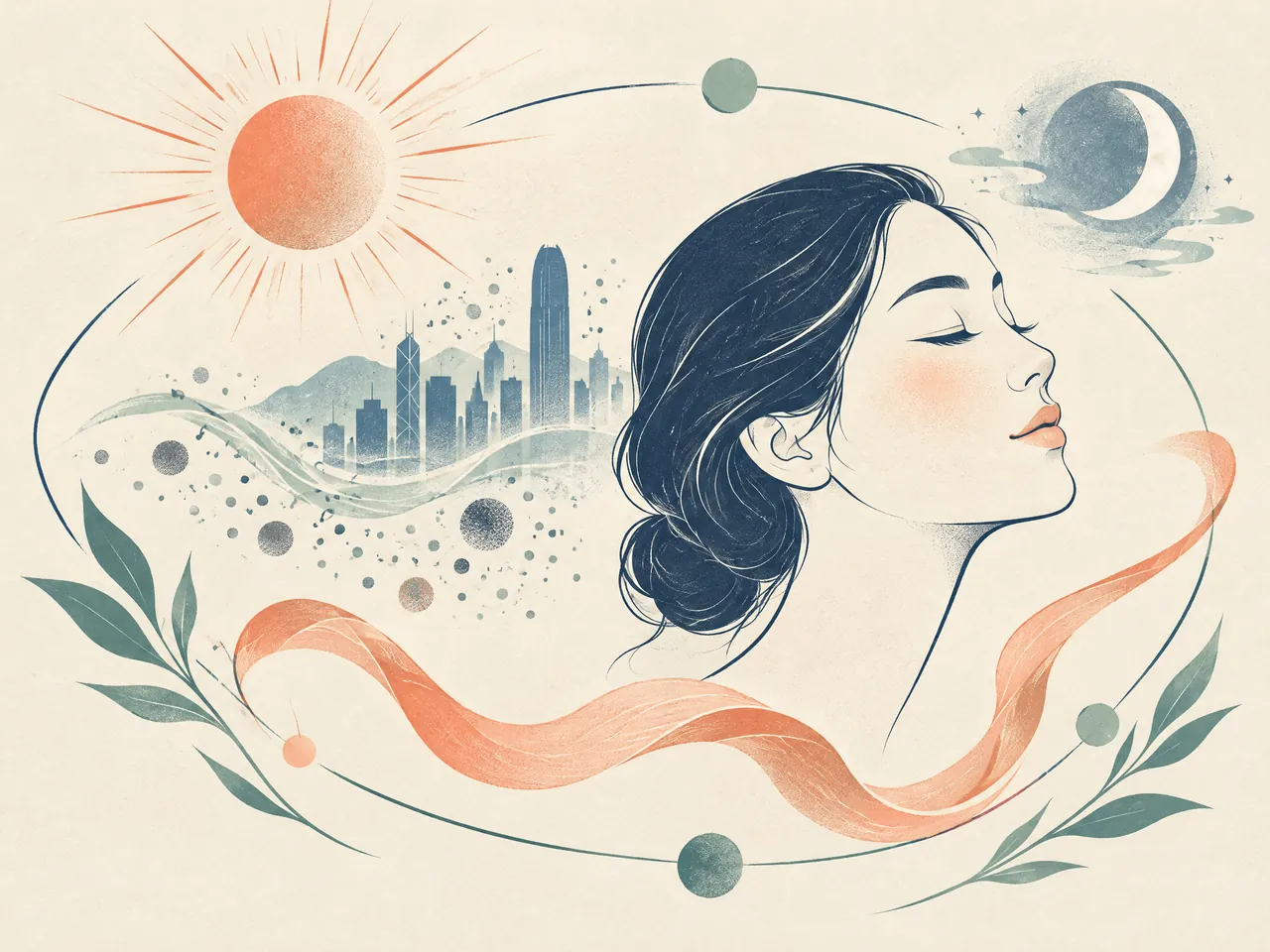
Hormonal Breakouts and Noncomedogenic Skincare for Acne: Why Flares May Recur Before a Period
When flares recur before bleeding begins, record the first day you notice change rather than trying to predict an exact hormonal event. Note whether the first sign is oiliness, closed bumps, a painful lump or a whitehead, and whether the lesion is still present after the period starts. Hormone fluctuations can contribute to increased sebum, which can contribute to acne formation [1]. That biological link explains why a cycle pattern can be plausible, but it does not establish an individual cause without a clinical assessment. A diary is most helpful when it shows the same relationship over more than one cycle.
Daily habits are not a moral test, and a flare is not evidence that someone has “done skincare wrong.” Still, a crowded schedule can make simple triggers easier to miss: makeup worn for longer than usual, a helmet strap rubbing the jaw, hair product touching the cheeks, skipped cleansing after sweating, or an unfamiliar spot treatment used repeatedly. Mark those changes beside the cycle record. If the same factor appears every month, it is worth discussing; if it does not, the record still prevents a convenient but unsupported conclusion. For related language and questions, see our guide to hormonal acne.
Hormonal Breakouts and Noncomedogenic Skincare for Acne: Why Location Alone Is Not a Diagnosis
The chin and jawline are commonly discussed in connection with cycle-related acne, and lower-face lesions can appear in hormonal acne [1]. They are not, however, a laboratory test. Acne can also show on the cheeks, neck, shoulders or back, while chin lesions may coexist with irritation from touching the face, close-fitting equipment, shaving or cosmetics. A photo taken in consistent daylight and a note about tenderness, visible pus or whether a bump is deep can be more useful than assigning a cause from a face map. The question Is chin acne always hormonal? has a similarly cautious answer: no.
Consider the wider health context without self-diagnosing. New or very irregular periods, a noticeable increase in body hair, sudden severe acne, or symptoms that concern you should be raised with a family doctor or gynaecologist. They can decide whether further assessment is appropriate. A registered Chinese medicine practitioner may ask about sleep, digestion, mood and menstrual experience through a traditional whole-person assessment. That traditional pattern assessment is not an endocrine diagnosis and should not replace conventional investigation when hormonal or reproductive symptoms need medical review.
Compare your options
| What you notice | What to record or do | Why the distinction matters |
|---|---|---|
| A recurring flare near a period | Note the first day, period date, lesion type and whether the pattern repeats | Timing can guide discussion but does not diagnose a hormone disorder. |
| A tender, raised or pus-filled spot | Record pain, depth, spread and healing; avoid squeezing | This is more consistent with active acne and may need clinical assessment if severe or persistent. |
| A flat red or brown area after a spot settles | Photograph in similar light and use gentle, sun-conscious care | A colour change may not need the same approach as an active lesion. |
| A new cleanser, makeup, sunscreen or hair product | Introduce one change at a time and check for a noncomedogenic label | Product context can help identify irritation or pore-clogging concerns. |
| Deep nodules, scarring risk, very irregular periods or new concerning symptoms | Arrange review with a doctor, dermatologist or gynaecologist | These signs deserve assessment beyond self-tracking and routine adjustments. |
On smaller screens, scroll the table sideways to compare all columns.
Hormonal Breakouts and Noncomedogenic Skincare for Acne: What to Record
A useful record is short enough to keep. On the first day of a period, mark the date and any notable menstrual change. On skin-change days, note the facial or body site, the type of lesion, whether it hurts, and whether it is improving or expanding. Add a product change, a new medication or supplement, a major sleep disruption, and anything that repeatedly rubs the area. This is not a scorecard and it does not need perfect detail. Its value is that a consultation can move from “my skin is always bad” to a clear sequence that can be examined.
Photographs can supplement written notes if they are private, consistent and useful to you. Use similar lighting, avoid filters, and keep dates with the images. You do not need to photograph every small spot. A photo of a painful deep lesion, a recurring jawline cluster or a healing mark can help distinguish an active problem from a colour change remembered as acne. Bring the products used on the face, hairline and jaw if possible, or photograph the labels. This makes it easier to review whether “noncomedogenic” is one part of a compatible routine rather than the sole criterion.

Hormonal Breakouts and Noncomedogenic Skincare for Acne: Tracking Timing, Sites and Severity
Try a simple three-part entry: cycle day, skin observation and context. For example, write “cycle day: before period; skin: two tender bumps along left jaw, no white head; context: started a new hair styling product and wore a tight chin strap.” Avoid making a judgement in the entry. After several weeks, look for recurrence in the same phase, sites that worsen with contact, and lesions that stay inflamed. If the record shows only a vague relationship, that is still useful information: it suggests not forcing the label of hormonal breakouts when other acne factors may be more relevant.
Severity is about impact as well as appearance. Record pain, the number of new inflamed lesions if you can count comfortably, any pus-filled spots, and whether a lesion leaves a depressed or raised texture after it settles. Note whether you are avoiding social activities, losing sleep through discomfort, or picking because the area feels impossible to ignore. Those details help a clinician prioritise care. For a practical comparison of cycle-timed flares and other common patterns, our period pimples article offers another starting point.
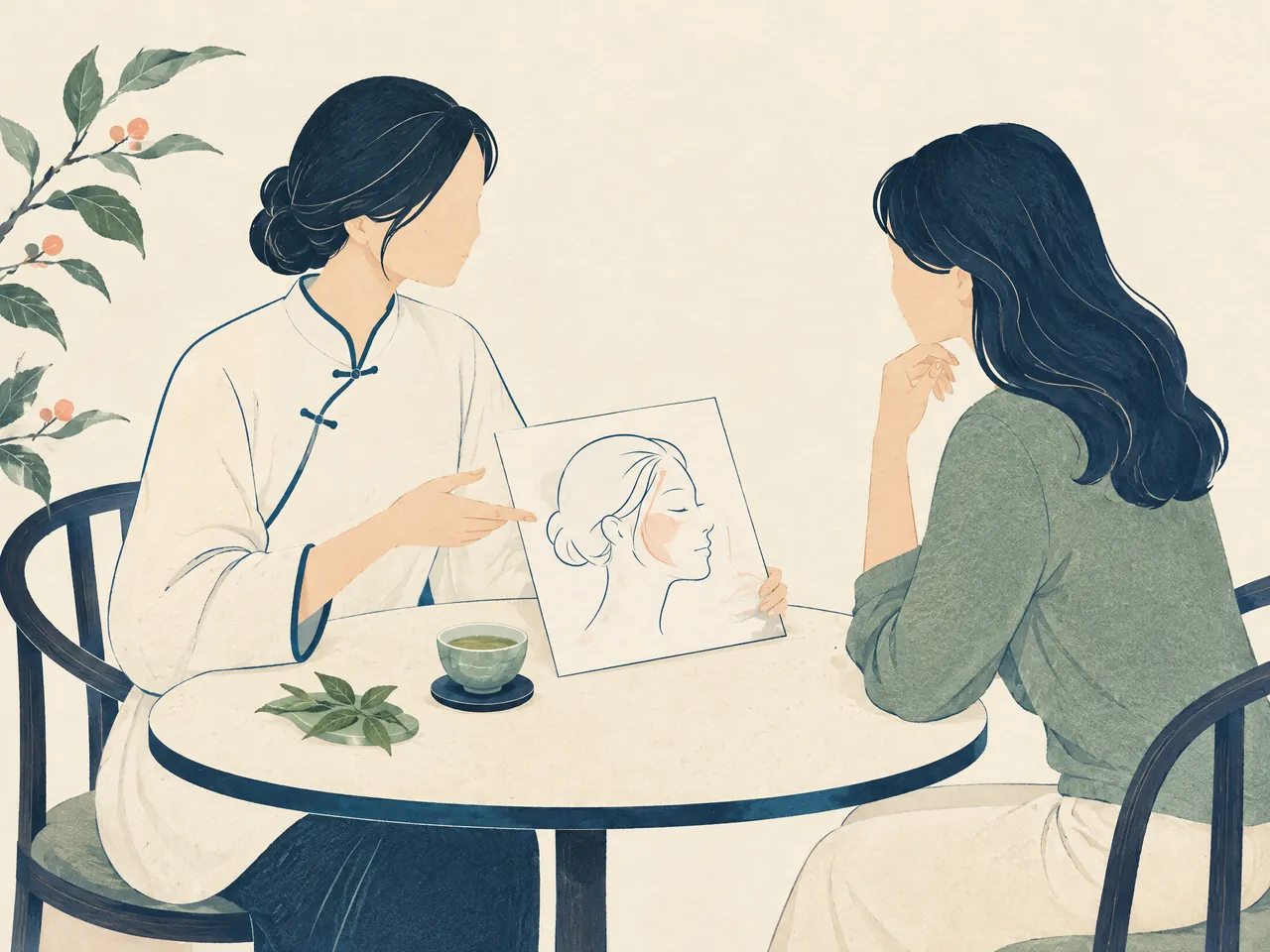
Hormonal Breakouts and Noncomedogenic Skincare for Acne: Preparing for a Whole-Person Assessment
Before an appointment, write down your main question in one sentence: for example, “Do these painful lower-face bumps follow my cycle, and what should I assess next?” Bring the diary, a list of medicines and supplements, and a summary of relevant menstrual changes. Tell the clinician what you have already tried and whether a product stung, dried the skin or caused more bumps. This is more informative than arriving with a long list of ingredients copied from social media. It also makes room for a discussion about whether a dermatology, primary-care or gynaecology review should be part of the plan.
At TCM Lab, a consultation can include questions about sleep, appetite, digestion, stress and menstruation within a traditional Chinese medicine assessment. It is reasonable to ask what information would be useful and what the proposed approach is intended to address. Keep conventional care involved for active, severe or unclear acne. If you choose to enquire locally, TCM Lab has a Kwun Tong Chinese medicine clinic and a Chinese medicine clinic Prince Edward; appointment arrangements can be confirmed by WhatsApp rather than assumed from a fixed schedule.
Hormonal Breakouts and Noncomedogenic Skincare for Acne: Safer Daily Management
During an active flare, restraint is often more useful than adding several new products at once. The American Academy of Dermatology advises gentle, non-abrasive cleansing and warns that scrubbing can irritate acne-prone skin [2]. Wash gently with fingertips, then use a moisturiser and sunscreen that suit your skin and are labelled noncomedogenic or “won’t clog pores” where appropriate. Noncomedogenic skincare for acne is a sensible way to reduce one avoidable concern, but it cannot promise no breakouts. Introduce one product at a time so that a reaction is easier to identify.
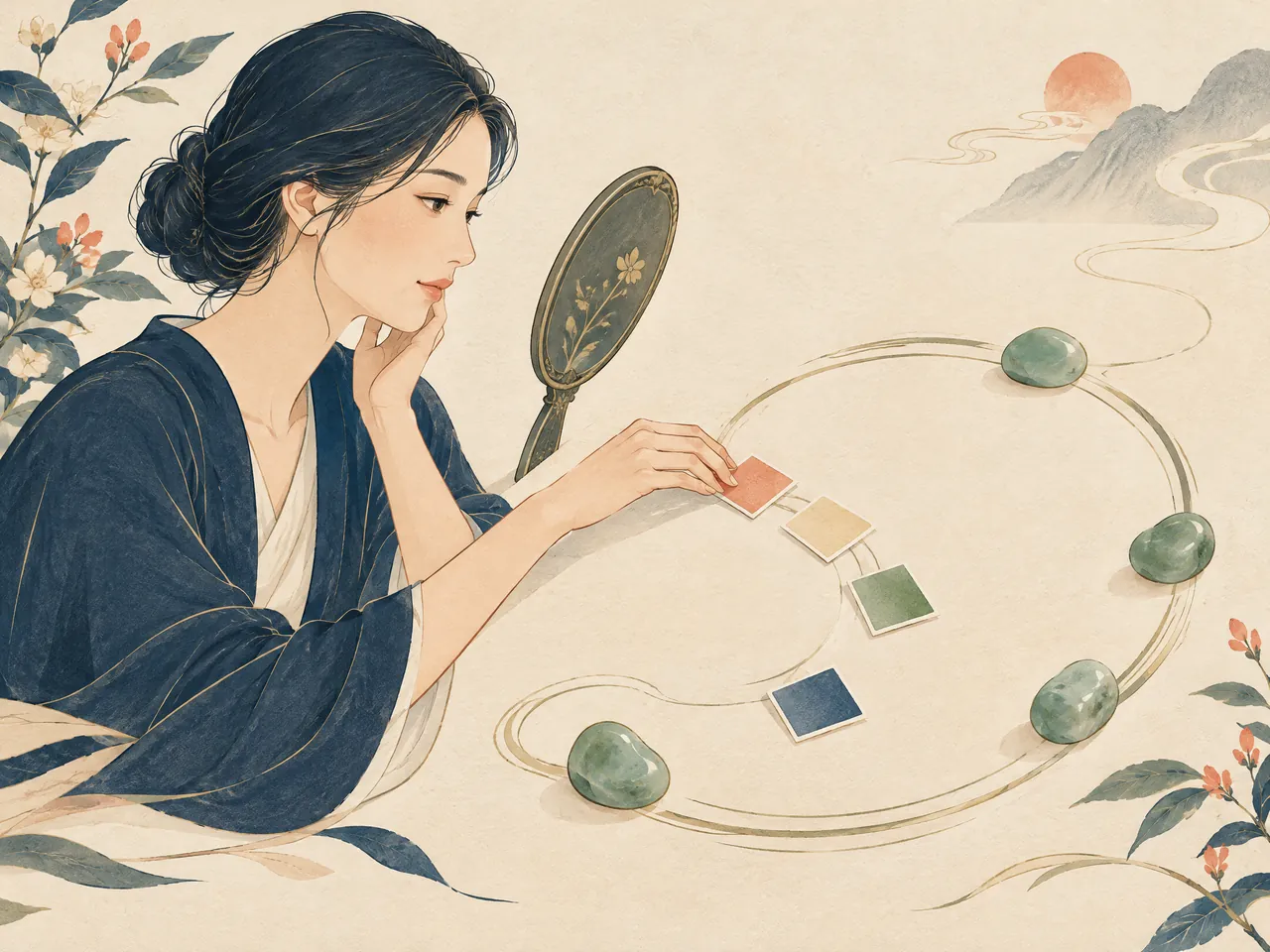
Avoid picking, squeezing and repeatedly touching a lesion. It may feel like a quick solution for a visible whitehead or a deep bump, but extra injury can prolong irritation. DermNet notes that picking active acne can increase the likelihood of acne scarring [3], while the AAD links picking with a longer time to clear and increased risk of scars and dark marks [2]. If an urge to pick is strong, reduce close mirror time, keep hands occupied during calls, or use a simple physical reminder such as a patch only if it does not irritate your skin. Persistent or painful acne deserves assessment, not escalating home experimentation.

Hormonal Breakouts and Noncomedogenic Skincare for Acne: Distinguishing Active Acne from Marks
Active acne is usually a current lesion: it may be raised, tender, red, swollen, pustular or deep beneath the skin. An acne mark is often flat after the lesion has settled. It may look red or brown, and its colour can change slowly. DermNet describes post-inflammatory erythema and hyperpigmentation as colour changes that can occur after acne and may take months or longer to improve [3]. Neither label should be guessed from one glance; the practical point is to avoid treating a flat mark as if it were a fresh inflamed spot.
A structural scar is different again. It may be a persistent indentation, a raised area or an uneven texture rather than temporary colour. The distinction matters because ongoing inflammation comes first: DermNet advises treating active acne before beginning scar management [3]. Do not chase every remaining mark with harsh exfoliation, scrubs or several strong actives. Keep the routine gentle, protect the skin from sun exposure with suitable sunscreen, and seek professional advice if marks are distressing, texture is changing, or scars seem to be forming.

Hormonal Breakouts and Noncomedogenic Skincare for Acne: When to Seek Further Medical Review
Arrange medical review rather than waiting through repeated cycles if lesions are deep and painful, widespread, pus-filled, persistently inflamed, or beginning to scar. It is also sensible to seek care when over-the-counter efforts are not helping, when acne is having a significant emotional impact, or when symptoms outside the skin raise concern. A family doctor, dermatologist or gynaecologist can assess the whole picture and discuss evidence-based options. Cleveland Clinic similarly advises speaking with a healthcare provider when lifestyle changes and over-the-counter treatment are not keeping period acne under control [1].
Seek timely help for new severe symptoms or for major menstrual changes alongside acne. Do not postpone conventional evaluation because a flare appears cyclical, and do not assume a product label is a substitute for assessment. If you would like to discuss the traditional Chinese medicine perspective as one part of supportive care, message TCM Lab with a brief description of the pattern and your language needs; the team can clarify appointment availability. Keep the diary and routine simple while you wait, and bring any prior medical advice or product list to the appointment.
Care and health guide
Health service information
This directory brings together services, reading, and visit information related to health services, to help you prepare questions for a consultation.
If you are organising health questions, Chinese medicine clinic Hong Kong is a starting point for learning about related services and preparing for a consultation.
People have different needs; acupuncture Hong Kong provides further reading to help you understand options in your own context.


Your questions, answered
Frequently asked questions
Does acne on the chin always mean a hormonal problem?
No. Lower-face acne can occur with a menstrual pattern, but location alone cannot diagnose hormonal imbalance. Record timing, lesion type, products and related symptoms, then discuss persistent concerns with an appropriate clinician.
How do I choose noncomedogenic skincare for acne without overcomplicating my routine?
Choose a gentle cleanser, moisturiser and sunscreen that feel comfortable and are labelled noncomedogenic or “won’t clog pores” where suitable. Add only one new item at a time. Stop and seek advice if a product causes marked irritation or if acne continues to worsen.
Are acne marks the same as acne scars?
Not necessarily. Flat red or brown colour changes after a lesion has healed can be post-inflammatory marks. A lasting indentation, raised area or texture change is more suggestive of a scar. Active acne should be addressed before a scar-focused plan.
When should period-related acne be medically assessed?
Seek medical advice for deep painful nodules, pustules, ongoing inflammation, scarring concerns, significant distress, very irregular periods or other new symptoms. A traditional assessment does not replace medical investigation when endocrine or reproductive concerns are possible.
Sources and further information
- [1] [1] Cleveland Clinic — The Breakout Breakdown: Why You Get Acne Around Your Period
Referenced for: Cycle-related acne timing, sebum changes, lesion descriptions, noncomedogenic products and when to consult a healthcare professional.
- [2] [2] American Academy of Dermatology — Acne: Tips for managing
Referenced for: Gentle cleansing, avoiding abrasive scrubbing and picking, suitable sunscreen labelling, and dermatologist review for ongoing acne.
- [3] [3] DermNet — Acne scarring
Referenced for: Difference between post-inflammatory colour changes and structural scars, risks of picking, and treating active acne before scar management.