
TCM Lab · Services and individual assessment
Cupping Therapy Hong Kong: Cupping Consultation Hong Kong and TCM Cupping
Published Updated
Cupping therapy is worth enquiring about when you want to understand the method before deciding whether it fits your situation. In traditional Chinese medicine, cups are placed on the skin to create suction; a cupping consultation in Hong Kong should begin with the reason you are seeking care, the pattern of symptoms, relevant diagnoses, medicines and skin condition. At TCM Lab, that conversation can clarify what TCM cupping may involve, the possibility of temporary circular marks, and whether another form of assessment is more appropriate first. It is not a promise that one method will suit every pain, tightness or recurring complaint. Bringing a short symptom timeline and being open about current care helps make the discussion safer and more useful.
Appointments are confirmed through WhatsApp. If you have language requirements, please mention them in your enquiry.
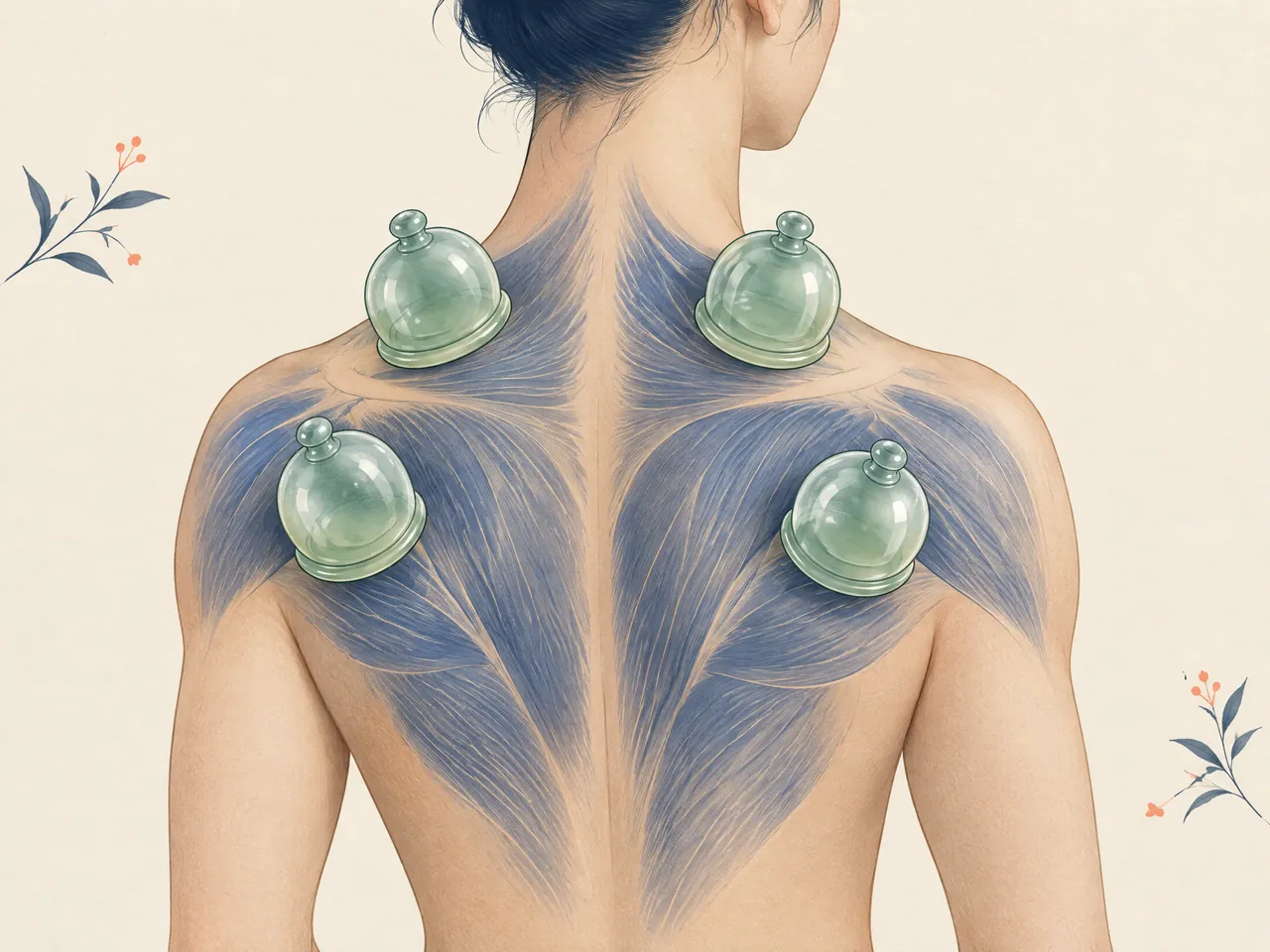
The short answer
For cupping therapy Hong Kong, begin with a consultation rather than assuming that cupping is right for a symptom. A Registered Chinese Medicine Practitioner can ask about the location and course of your concern, health history, medicines, pregnancy where relevant and skin condition. The discussion can cover what TCM cupping involves, possible temporary marks, sensible preparation and circumstances in which medical assessment should take priority. WhatsApp TCM Lab on +852 6940 5663 to ask about a consultation at Prince Edward or Kwun Tong.
Transparent pricing
See the fees.
Choose your care.
Explore our complete official price list, including first-trial prices, regular prices, packages and branch-specific options.
Opening WhatsApp prepares an enquiry; it does not send a message, take payment or confirm an appointment. Suitability and individual arrangements are confirmed during consultation.
Chinese medicine
All prices in HKDAcupuncture and Chinese herbal medicine package
Includes a Chinese medicine consultation with pulse assessment, body acupuncture and 3 days of Chinese herbal granules that do not require decoction.
HK$580 (single session)
Chinese medicine consultation with pulse assessment
Hair and scalp
All prices in HKDScalp health and hair-loss management
Includes AI scalp analysis, deep scalp and follicle cleansing, and scalp oil-control care.
HK$380 (first trial)
Regular price: HK$680
- 6 sessions: HK$3,480 (HK$580 per session)
- 12 sessions: HK$5,760 (HK$480 per session)
- 20 sessions: HK$8,600 (HK$430 per session)
- 30 sessions: HK$11,400 (HK$380 per session)
Hair acupuncture and Chinese herbal medicine package
Includes scalp acupuncture and 3 days of Chinese herbal medicine that does not require decoction.
HK$580 (single session)
Registered Chinese Medicine Practitioner consultation
- 6 sessions: HK$3,180 (HK$530 per session)
- 12 sessions: HK$5,760 (HK$480 per session)
- 20 sessions: HK$8,600 (HK$430 per session)
- 30 sessions: HK$11,400 (HK$380 per session)
Combined hair and scalp treatment
Combines acupuncture and Chinese herbal medicine with salon-level scalp and follicle care. Packages include complimentary hair-care shampoo and serum.
HK$1,260 (single session)
Combined treatment
- 8 sessions: HK$8,640 (HK$1,080 per session)
- 16 sessions: HK$15,680 (HK$980 per session)
- 20 sessions: HK$18,600 (HK$930 per session)
- 30 sessions: HK$26,400 (HK$880 per session)
Weight management
All prices in HKDFull-body acupoint embedding for weight management
Includes full-body acupoint embedding. Packages include complimentary Chinese herbal medicine for weight management, with the number of included days scaled to the package. Embedding material and the individual treatment arrangement are confirmed during consultation; this is not a cosmetic thread lift.
HK$980 (single session)
No trial session
- 10 sessions: HK$7,800 (HK$780 per session)
- 20 sessions: HK$14,600 (HK$730 per session)
- 30 sessions: HK$20,400 (HK$680 per session)
Facial acupuncture
All prices in HKDFacial acupuncture (basic)
Includes facial acupuncture and meridian-based facial care, including care for facial puffiness.
HK$480 (first trial)
Regular price: HK$680
- 10 sessions: HK$5,200 (HK$520 per session)
- 20 sessions: HK$9,600 (HK$480 per session)
- 30 sessions: HK$13,500 (HK$450 per session)
Facial acupuncture (advanced)
Includes enhanced facial acupuncture with a specially formulated moisturising mask and serum.
HK$780 (first trial)
Regular price: HK$1,180
- 10 sessions: HK$9,000 (HK$900 per session)
- 20 sessions: HK$16,600 (HK$830 per session)
- 30 sessions: HK$23,400 (HK$780 per session)
Pain care
All prices in HKDExtracorporeal shockwave treatment
Shockwave treatment for deep-tissue and fascial care. The Kwun Tong clinic offers the multi-area options shown below.
Priced by branch
Branch-specific pricing
Prince Edward: HK$250 per area
Kwun Tong: HK$250 for 1 area / HK$450 for 2 areas / HK$600 for 3 areas
Pain care (manual therapy)
Includes Chinese medicine musculoskeletal assessment, manual joint techniques and tui na.
HK$580 (single session)
Chinese medicine musculoskeletal assessment
Pain care (acupuncture and manual therapy)
Combines acupuncture and manual therapy.
HK$680 (single session)
Combined care
From enquiry to individual assessment
Start with an enquiry
Tell us your main concern, preferred clinic and possible times. Ask about fees and any language requirements.
Discuss your assessment
Bring your medical history, current medicines and questions. The practitioner assesses which options may be suitable.
Agree on the next step
Discuss the proposed care, fees, risks and follow-up. Arrangements depend on the assessment and appointment confirmation.
Cupping Therapy Hong Kong, Cupping Consultation Hong Kong and TCM Cupping Explained
A cupping enquiry often begins with a very practical question: what would happen at the appointment, and is it sensible to consider it for the problem I have now? Cupping is not simply a massage choice made from a menu. The Hong Kong Health Bureau describes it as a therapy that puts cups on the body and creates air-tight suction [1]. A practitioner needs the wider context: whether discomfort followed an injury, whether it changes with work, sport or sleep, whether it is new or recurrent, and whether there are warning signs that call for a different assessment. This is why a consultation is more informative than booking a method based on an online description.
People use the phrase TCM cupping for more than one type of experience, so ask for a clear explanation rather than relying on photos or assumptions. A cup may stay in one place or be used in a way the practitioner considers suitable after assessment. Dry cupping does not pierce the skin; wet cupping does involve piercing, according to the U.S. National Center for Complementary and Integrative Health (NCCIH) [2]. If you are enquiring at TCM Lab, say what you hope to understand and ask what approach, if any, is being considered. You may also read the practical background in Chinese medicine cupping before your consultation.

It is reasonable to want relief from a stiff or sore area, but the cause of a symptom still matters. A shoulder problem after a fall, a severe headache, breathlessness, fever, new weakness or numbness, unexplained swelling, or pain that is rapidly worsening needs appropriate medical assessment rather than a routine cupping enquiry. This does not make every ordinary ache an emergency. It means that the first step should match the pattern and severity of what is happening. Describe what has changed, what affects daily tasks, and what other care you are already receiving. That information gives the practitioner a basis for deciding whether TCM cupping can even be discussed responsibly.
What Cupping Therapy Hong Kong, Cupping Consultation Hong Kong and TCM Cupping May Involve
A cupping consultation should make the process understandable before any decision is made. You can ask where cups might be placed, whether the skin needs to be uncovered in a particular area, what the sensation of suction may be like, how you should communicate discomfort, and what aftercare is sensible for that day. It is also useful to ask whether your concern is being treated as a general feeling of muscle tightness, a recurring pattern, or a symptom that still needs diagnosis elsewhere. The appointment is a chance to set a realistic purpose for the discussion, not to guarantee an outcome. NCCIH says research on cupping is mostly low quality, that possible pain reduction is not supported by strong evidence, and that high-quality research is insufficient for conclusions about other conditions [2]. That evidence context is a good reason to ask specific questions instead of accepting broad claims.
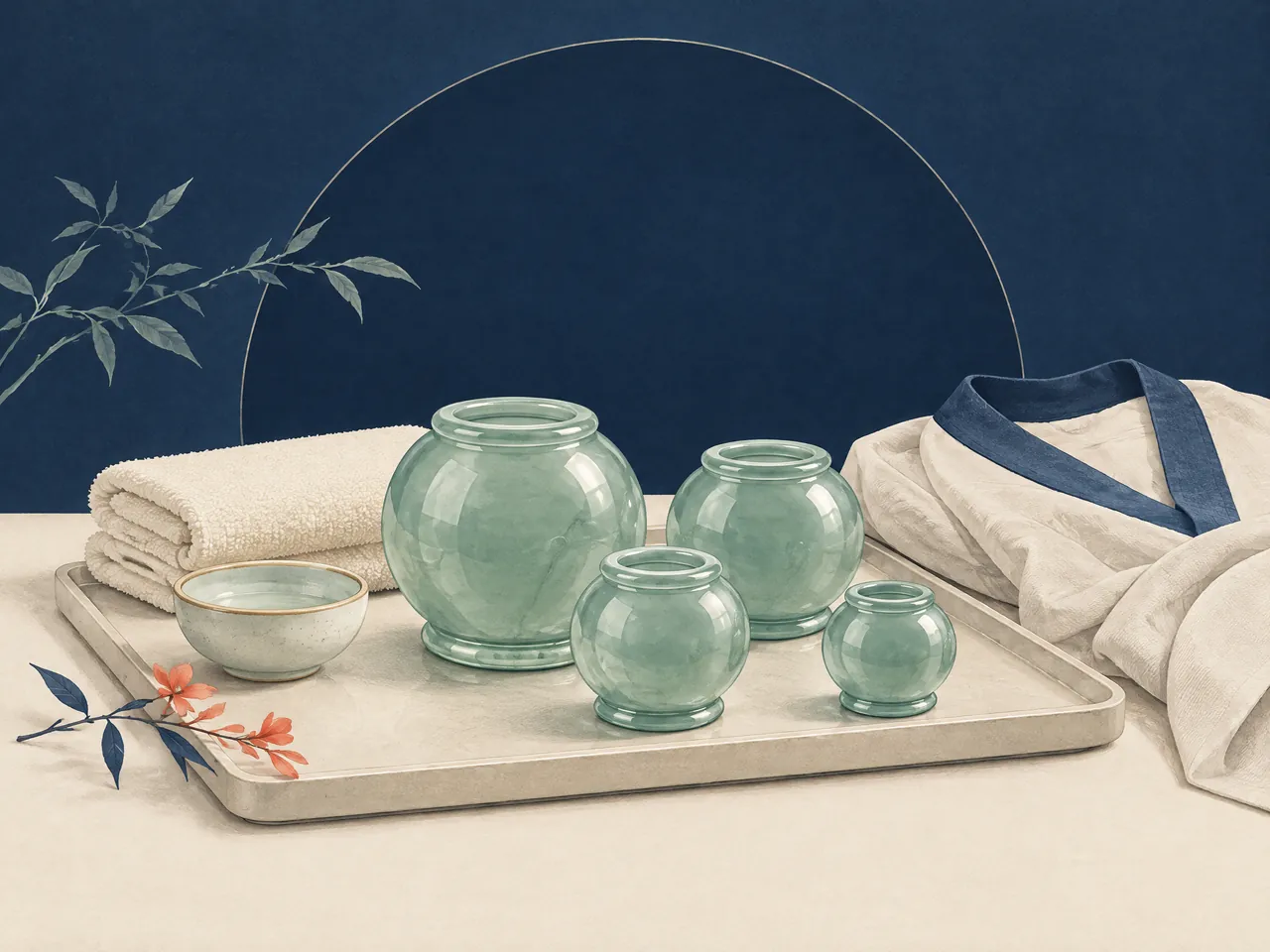
How Cupping Therapy Hong Kong, Cupping Consultation Hong Kong and TCM Cupping Are Considered
Assessment is individual because the same word, such as back tightness, can describe many different situations. A practitioner may ask where the sensation starts, whether it spreads, how long it lasts, whether movement, desk work, lifting or rest changes it, and what has already been tried. They may also ask about sleep, recent illness, prior injuries and other treatments. This is not an interrogation or an attempt to make a diagnosis from a checklist; it helps separate a stable, familiar complaint from one that needs medical investigation. The Chinese Medicine Regulatory Office describes Chinese medicine assessment as drawing together observation, listening and smelling, inquiry and palpation, while also emphasising that common therapies have cautions and risks [3]. Give straightforward answers, including information that seems inconvenient, such as medication use or a recent skin reaction.
Compare your options
| What to note before the visit | Why it helps the consultation | Question to ask |
|---|---|---|
| Symptom timeline, exact body area and daily impact | Helps distinguish a stable, familiar complaint from a new or changing issue that needs different assessment | Does this pattern need medical assessment before cupping is considered? |
| Current medicines, supplements and topical products | Lets the practitioner discuss possible cautions and avoid overlooking care you already use | Is there anything in my current treatment that I should discuss with another clinician first? |
| Pregnancy status where relevant, bleeding concerns and significant health history | These factors may affect suitability and the body areas that can be discussed | What safety considerations apply to my situation? |
| Rash, wound, sunburn, infection, eczema or psoriasis near the intended area | The skin should be considered directly rather than assumed suitable from a photo or symptom name | Should this skin change be assessed before any cupping discussion continues? |
| Work, sports or social dates when visible marks would matter | Allows realistic planning for temporary skin marks and aftercare | What marks or reactions should prompt me to seek healthcare advice? |
On smaller screens, scroll the table sideways to compare all columns.
Preparing for Cupping Therapy Hong Kong, Cupping Consultation Hong Kong and TCM Cupping
Preparation is less about following a rigid ritual and more about making the consultation accurate. Before you message or attend, write down the main problem in one or two sentences. Include when it started, whether it is constant or episodic, what makes it better or worse, and whether it affects walking, work, driving, sleep or exercise. If pain follows a particular event, such as lifting luggage, a gym session or a long period at a computer, say so. Bring relevant reports, images or referrals if you have them, but do not delay urgent medical attention simply to collect paperwork. A simple list prevents the most important details being forgotten when the conversation begins.
Wear clothing that lets you describe or, if appropriate, access the area without unnecessary difficulty, while still allowing you to feel comfortable and maintain privacy. Avoid treating a consultation as a test of how much discomfort you can tolerate. Tell the practitioner promptly if you feel faint, anxious about the process or uncomfortable with the proposed body area. The Hong Kong Chinese Medicine Regulatory Office notes that local purplish marks after cupping may generally resolve on their own, but persistent marks or a large blister need proper healthcare attention to help avoid infection [3]. Asking about likely skin changes beforehand can help you plan around work, sports, social events or clothing without mistaking a mark for a measure of effectiveness.

You do not need to master Chinese medicine terms before making contact. Plain words such as "a pulling feeling at the side of my neck after screen work" or "a patch that became sore after a run" are more useful than trying to name a treatment for yourself. If you are comparing options, the Chinese medicine clinic price list Hong Kong page can help frame a practical cost question. It cannot establish which, if any, approach suits your health information; that remains a matter for consultation.
Questions to Discuss at a Cupping Therapy Hong Kong, Cupping Consultation Hong Kong and TCM Cupping Visit
Good questions keep a consultation focused on your own decision. Ask what the practitioner is trying to understand from your symptom pattern, why cupping is or is not being considered, and what other options or referrals may make more sense. Ask about the expected duration of the appointment, what to do if you feel unwell during or after it, and when you can resume exercise, swimming or another activity that matters to you. If marks would be difficult for work or an occasion, say this before a plan is considered. Also ask how the practitioner distinguishes a symptom suitable for a routine discussion from one that should be assessed urgently. Clear answers are more valuable than claims that a treatment is universal, quick or certain. If you would like wider background on questions to take to a consultation, browse Chinese medicine health information and then bring the questions most relevant to your situation.
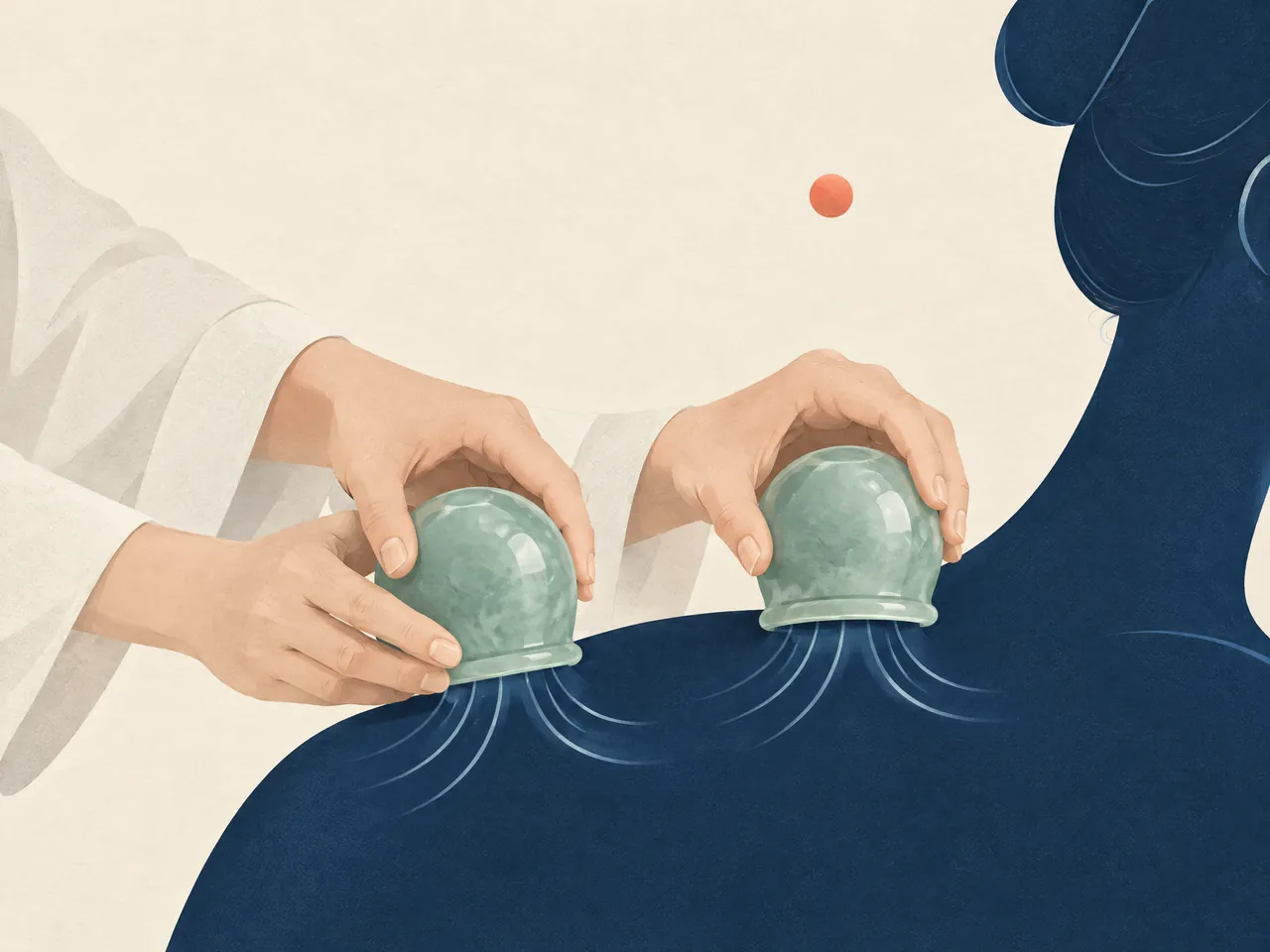
What to Share Before Cupping Therapy Hong Kong, Cupping Consultation Hong Kong and TCM Cupping
Tell the practitioner about every prescribed medicine, over-the-counter product, supplement and topical treatment you use, along with known allergies and previous reactions to treatments. Mention a bleeding tendency, medicines that may affect bleeding, significant chronic illness, pregnancy or the possibility of pregnancy, and any skin condition. Point out cuts, rashes, sunburn, sores, eczema or psoriasis in the relevant area rather than covering them up. NCCIH notes that cupping can cause persistent discoloration, scars, burns and infections, and may worsen eczema or psoriasis [2]. Local Hong Kong guidance specifically identifies pregnancy-related abdominal or lower-back areas and a bleeding tendency as reasons for caution [3]. These details do not automatically decide the outcome; they allow a more careful discussion.
Safety After Cupping Therapy Hong Kong, Cupping Consultation Hong Kong and TCM Cupping
Aftercare starts with understanding what you are seeing and feeling. Temporary circular marks can be expected after cupping, so do not try to scrape, puncture or aggressively massage the area to make them disappear. Keep the skin clean, observe it, and follow the specific advice given at the consultation. If you need to explain marks to another healthcare professional, state that you have had cupping; NCCIH notes that the origin of the marks should be explained so they are not mistaken for signs of physical abuse [2]. This is especially useful if you are seeing another clinician soon or if the marks are in a visible place.
A normal-looking temporary mark is different from a concerning reaction. Get healthcare advice if there is a large blister, increasing pain, marked swelling, signs of infection, a burn, persistent or unusual skin change, faintness or any symptom that worries you. The Hong Kong Chinese Medicine Regulatory Office advises seeking proper management when a mark does not settle or a blister is large, and lists infection, bleeding and burns among potential harms from improper performance [3]. Do not judge a reaction against a social-media image or wait because someone has said that discomfort is proof of benefit.
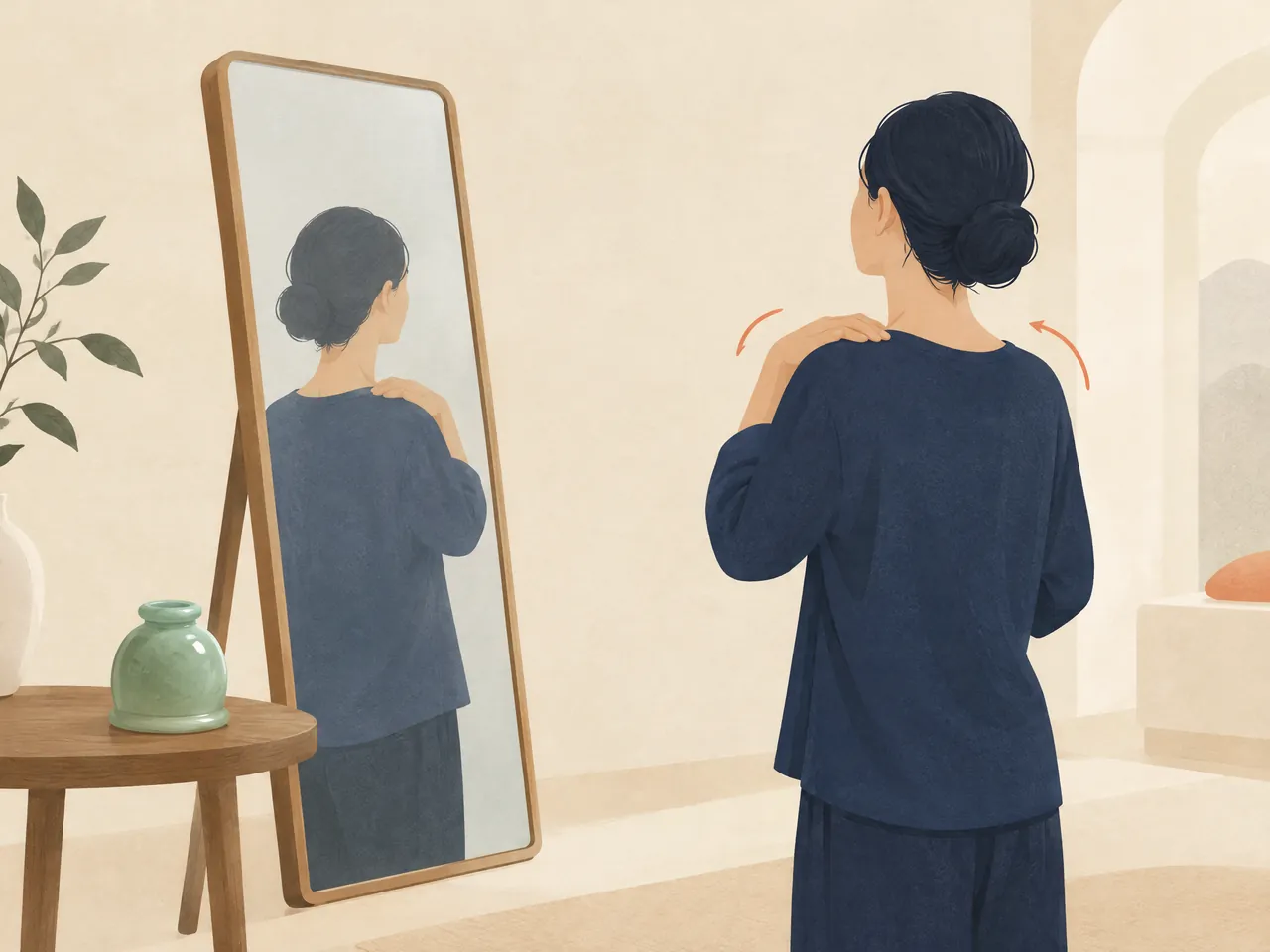
Suitability and Cautions for Cupping Therapy Hong Kong, Cupping Consultation Hong Kong and TCM Cupping
Suitability is not a yes-or-no label that a website can give everyone. It depends on why you are seeking care, where the cups might be considered, your current skin condition, medical history and medicines. A visible skin problem may not be a minor cosmetic detail; it may change whether the area should be assessed or avoided. Equally, a person with a familiar sore back may still need another type of care if the pattern has changed. The safest approach is to share the whole picture and accept it if the practitioner advises against cupping or recommends medical evaluation first. You can explore a nearby consultation location through Chinese medicine clinic Prince Edward or Kwun Tong Chinese medicine clinic, then confirm the current appointment arrangement rather than assuming a particular treatment is available at a specific time.

When to Seek Medical Assessment Beyond Cupping Therapy Hong Kong, Cupping Consultation Hong Kong and TCM Cupping
Seek prompt medical assessment for severe or sudden pain, chest pain, breathing difficulty, fainting, weakness, numbness, major trauma, high fever, a spreading rash, rapidly worsening swelling or a symptom that feels seriously different from your usual pattern. The same applies if a problem continues to recur without a clear explanation or interferes substantially with daily life. Cupping cannot replace urgent care, tests or a specialist assessment when those are needed. For a non-urgent enquiry, message TCM Lab with your main concern, relevant timing and preferred area; you may also use the Chinese medicine clinic Kowloon page when considering travel. TCM Lab can discuss consultation arrangements at Prince Edward or Kwun Tong, but a WhatsApp message is an enquiry, not automatic confirmation of a booking or treatment.
Care and health guide
Health service information
This directory brings together services, reading, and visit information related to health services, to help you prepare questions for a consultation.
If you are organising health questions, Chinese medicine clinic Hong Kong is a starting point for learning about related services and preparing for a consultation.
People have different needs; acupuncture Hong Kong provides further reading to help you understand options in your own context.


Your questions, answered
Frequently asked questions
What happens during a cupping consultation in Hong Kong?
The practitioner can ask about your main concern, symptom timeline, health history, medicines, skin condition and relevant risk factors. You can ask what cupping involves, why it may or may not be considered, possible skin marks, aftercare and whether another assessment should come first. A consultation does not guarantee that cupping will be recommended.
Are cupping marks normal?
Temporary circular marks may occur after cupping. They should be explained at the consultation so you know what to observe. Seek healthcare advice for a large blister, a mark that does not settle, increasing pain, signs of infection, a burn or another reaction that concerns you. Do not use the colour or intensity of a mark to judge benefit.
Who should discuss cautions before TCM cupping?
Everyone should share their health information, but it is especially important to discuss pregnancy or the possibility of pregnancy, a bleeding tendency, medicines that may affect bleeding, significant chronic illness, active skin problems, wounds, infection, eczema, psoriasis and prior treatment reactions. The practitioner can then advise whether cupping should be discussed further or deferred.
Can cupping replace a medical check-up for pain or a new symptom?
No. Cupping does not replace urgent care, diagnostic tests or specialist assessment. Seek prompt medical attention for severe or sudden symptoms, chest pain, breathing difficulty, fainting, weakness, numbness, major trauma, high fever, rapidly worsening swelling or a concerning skin reaction. For non-urgent issues, a consultation can help clarify the next step.
Sources and further information
- [1] Hong Kong Health Bureau — Chinese Medicine Clinical Services: Interventions
Referenced for: Official Hong Kong definition of cupping as a therapy that uses cups to create air-tight suction and context on Chinese medicine interventions.
- [2] NCCIH — Cupping
Referenced for: NIH public-health information on dry and wet cupping, temporary marks, evidence limitations and possible safety concerns.
- [3] Hong Kong Chinese Medicine Regulatory Office — Common Chinese Medicine Therapies
Referenced for: Official Hong Kong information on cupping methods, local skin marks, cautions and potential risks.