Turn the colour history into an area-by-area brief
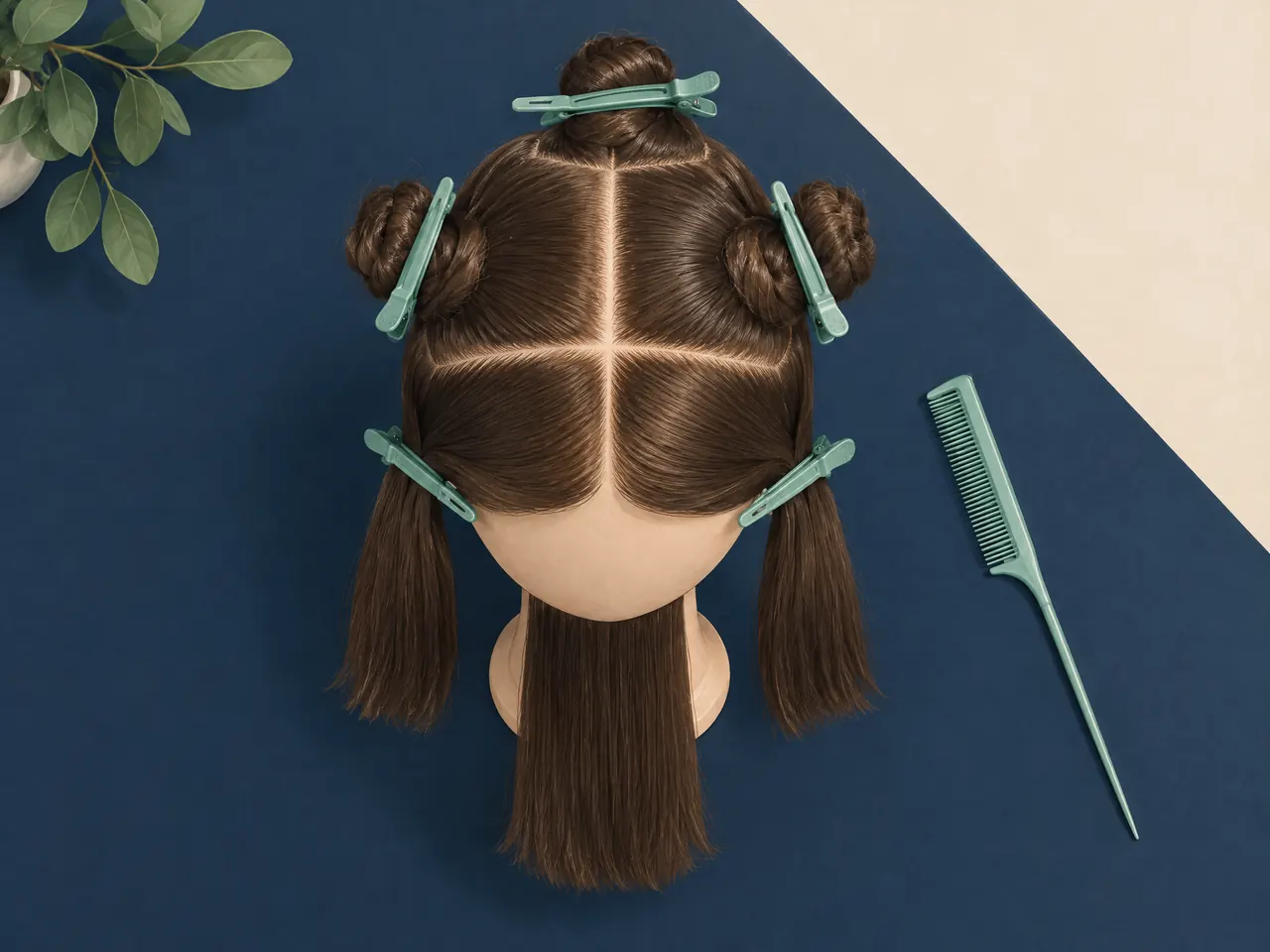
Make your timeline easy to discuss by adding a front and back outline of the hairstyle. Mark where each known application began and ended, including an underneath section that is different from the visible surface. If the boundary is uncertain, shade an approximate area rather than drawing a precise line. Bring the sketch alongside packaging photographs so the person assessing your hair can ask about one region at a time.
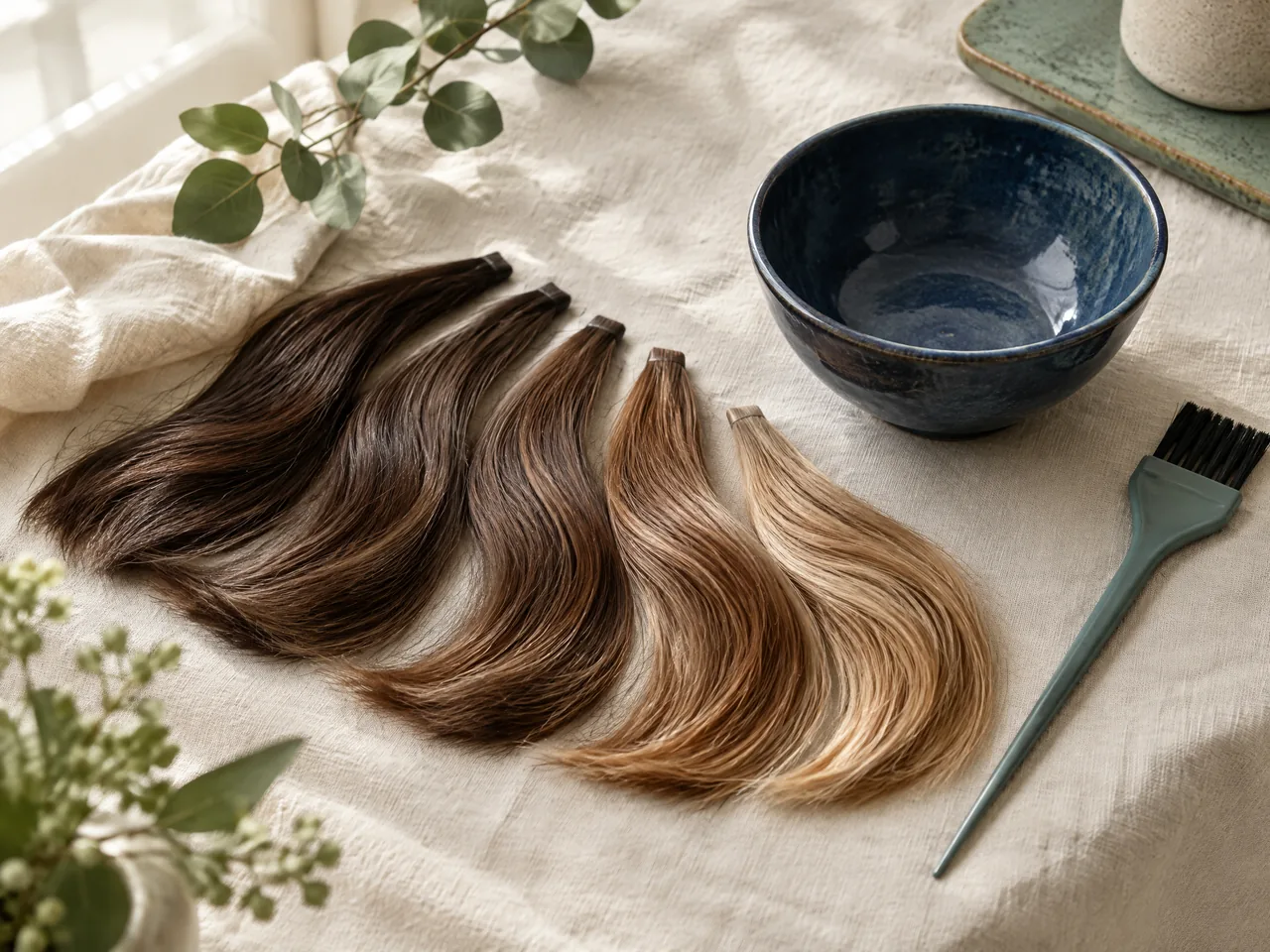
Use those regions to ask a specific question: would the proposed change address the natural growth, the tinted lengths or both? Wella's examples distinguish virgin-hair lightening from the previously coloured situation. [1] A shared shade name should not hide separate starting points. Ask what would remain different if the darker lengths were left alone.
Give the reference a length-preserving alternative
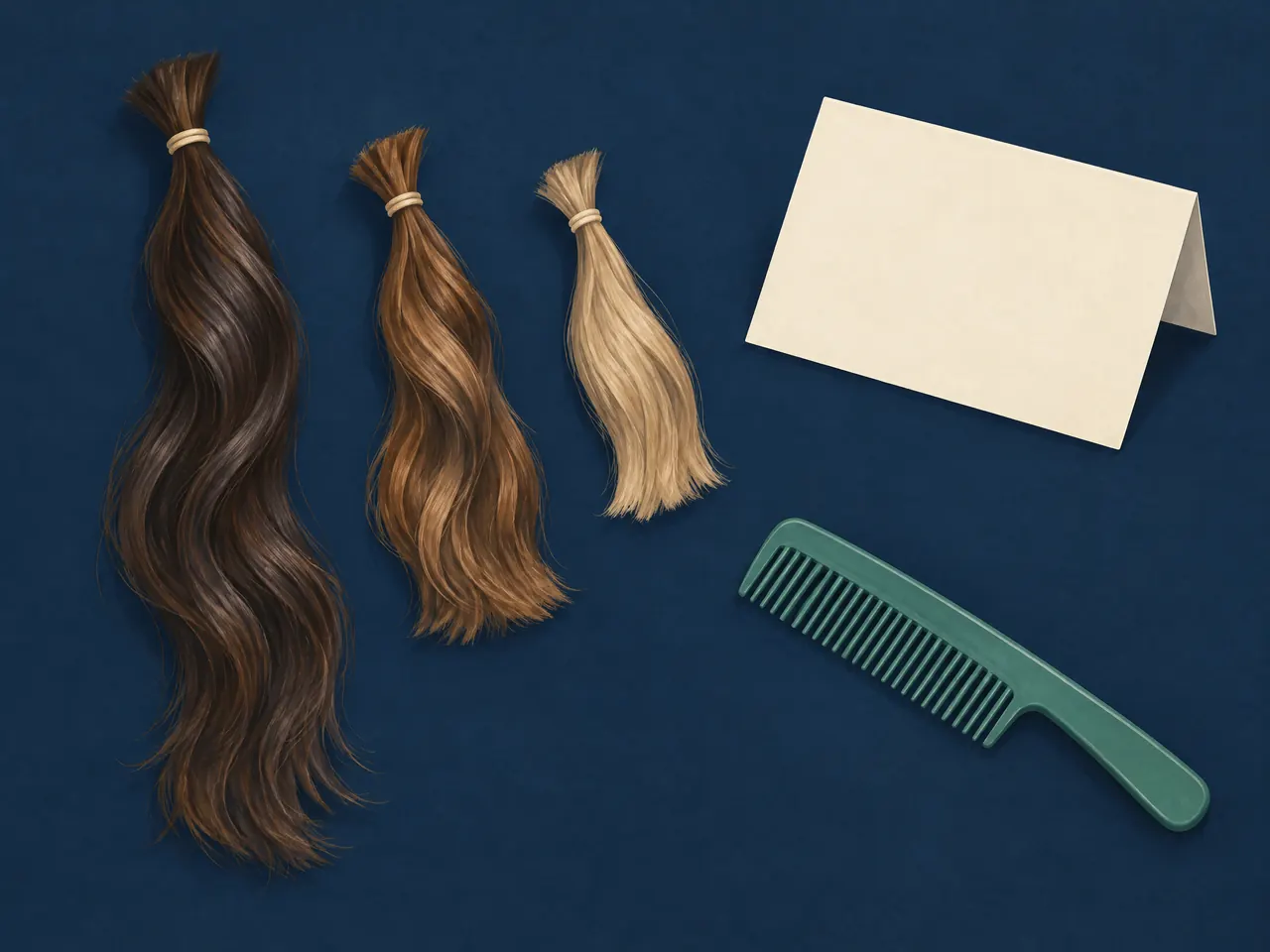
If keeping your ends matters more than matching the photograph, say so before discussing the shade. A reference showing shorter hair may not represent the older lengths you intend to retain. Write a brief such as: 'Keep this length; I would consider a deeper brown reflection, but not extra lightening to match the picture.' This gives the discussion a usable alternative without pretending that every option is feasible.
Also identify what you would reject. If a deeper interpretation would be too dark for you, record that alongside the no-bleach boundary. Separate your preferred length from your preferred colour so an unwanted cut or shade does not become an assumed compromise.
Bring a routine record, not just a product collection
For your next ordinary wash, note which shampoo, conditioner and leave-in products you use, where you apply them and when you notice roughness. Keep this separate from the chemical-history sketch. A list of products alone does not show whether the tips catch before conditioning, after rinsing or only when styling. Those details make the discussion of manageability more concrete.
The AAD recommends concentrating shampoo on the scalp and using conditioner after washing. [2] That everyday guidance is not a preparation protocol for an unidentified colour system. Ask for any appointment-specific washing or product instructions rather than adding a stronger cleanser or extra mask just to prepare for colour.
Compare handling in a way that respects your texture
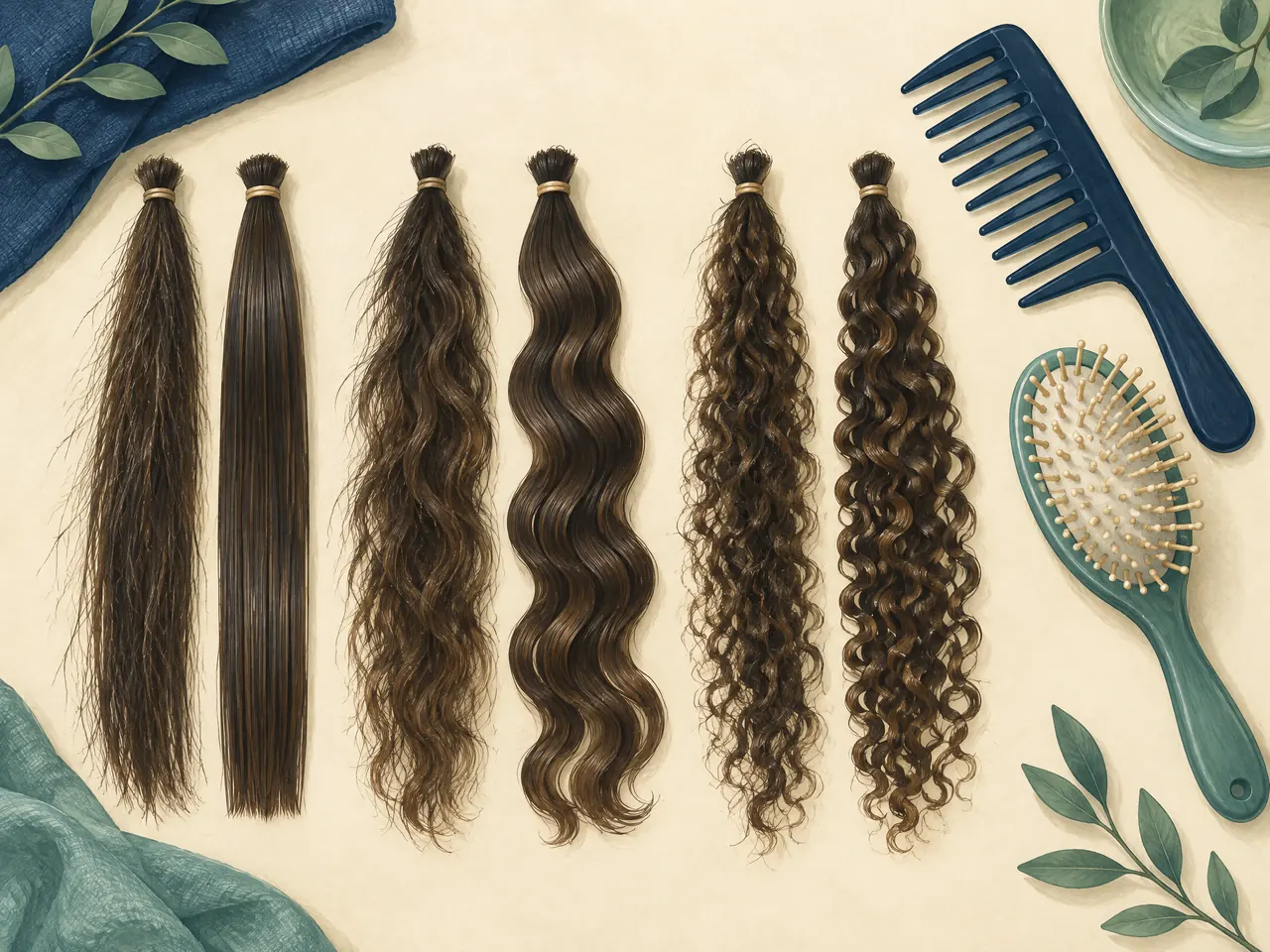
Compare the same area at a similar stage of your routine, rather than judging air-dried curls against straightened hair. The AAD advises letting straight hair dry a little before combing; for thick, curly hair, it identifies combing in the shower before rinsing conditioner as the preferred time. It also recommends working from the ends upwards and using a wide-tooth comb to detangle wet hair. [2]
Note where the comb begins to catch, not how hard you can pull. If one section behaves differently, describe its texture, product use and known processing history together. This helps explain the observation without turning an ordinary grooming comparison into a home test of chemical tolerance.