
TCM Lab · Services and individual assessment
Bone-setting Hong Kong: TCM bone-setting and Chinese medicine bone-setting explained
Published Updated
People searching for bone-setting Hong Kong services are often trying to make sense of pain, stiffness or a movement change after a twist, fall, lifting episode or repeated physical load. In Chinese medicine, the term can sit within Orthopedics and Traumatology in CM, where assessment may consider joints, muscles, fascia and tendons rather than assume that one technique suits every problem. TCM bone-setting and Chinese medicine bone-setting are not substitutes for emergency assessment, imaging or specialist treatment when those are needed. A registered Chinese medicine practitioner should first discuss how the problem started, what has changed and whether it is safe to consider a consultation.
Appointments are confirmed through WhatsApp. If you have language requirements, please mention them in your enquiry.
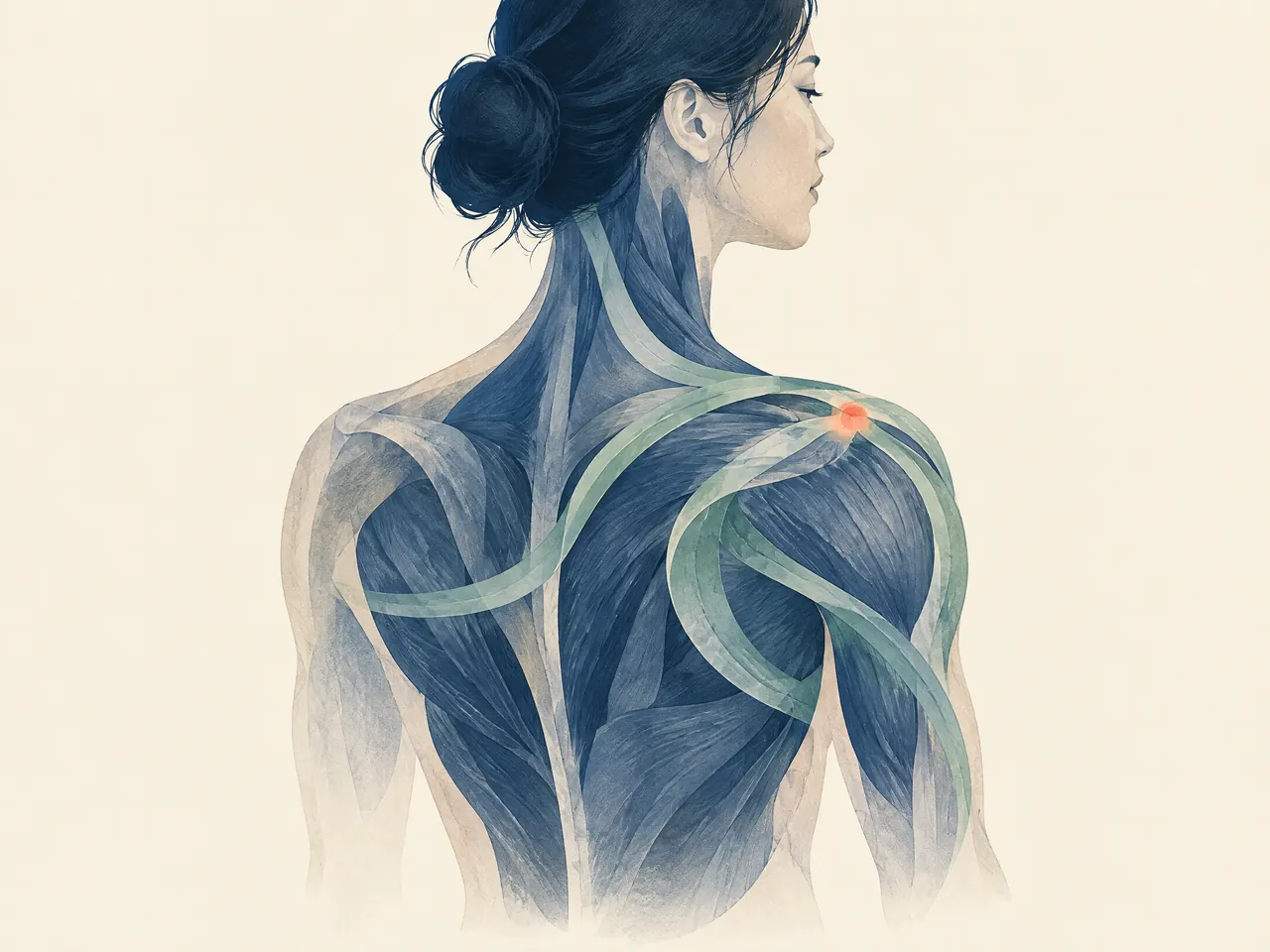
The short answer
Bone-setting Hong Kong is a common search term for Chinese medicine enquiries about musculoskeletal discomfort or injury. In Hong Kong’s Chinese medicine terminology, bone-setting is one possible measure within Orthopedics and Traumatology in CM, alongside approaches such as tui-na and functional training. It should follow an in-person assessment, not replace urgent care, scans or specialist management when an injury is severe, unexplained or worsening.
Transparent pricing
See the fees.
Choose your care.
Explore our complete official price list, including first-trial prices, regular prices, packages and branch-specific options.
Opening WhatsApp prepares an enquiry; it does not send a message, take payment or confirm an appointment. Suitability and individual arrangements are confirmed during consultation.
Chinese medicine
All prices in HKDAcupuncture and Chinese herbal medicine package
Includes a Chinese medicine consultation with pulse assessment, body acupuncture and 3 days of Chinese herbal granules that do not require decoction.
HK$580 (single session)
Chinese medicine consultation with pulse assessment
Hair and scalp
All prices in HKDScalp health and hair-loss management
Includes AI scalp analysis, deep scalp and follicle cleansing, and scalp oil-control care.
HK$380 (first trial)
Regular price: HK$680
- 6 sessions: HK$3,480 (HK$580 per session)
- 12 sessions: HK$5,760 (HK$480 per session)
- 20 sessions: HK$8,600 (HK$430 per session)
- 30 sessions: HK$11,400 (HK$380 per session)
Hair acupuncture and Chinese herbal medicine package
Includes scalp acupuncture and 3 days of Chinese herbal medicine that does not require decoction.
HK$580 (single session)
Registered Chinese Medicine Practitioner consultation
- 6 sessions: HK$3,180 (HK$530 per session)
- 12 sessions: HK$5,760 (HK$480 per session)
- 20 sessions: HK$8,600 (HK$430 per session)
- 30 sessions: HK$11,400 (HK$380 per session)
Combined hair and scalp treatment
Combines acupuncture and Chinese herbal medicine with salon-level scalp and follicle care. Packages include complimentary hair-care shampoo and serum.
HK$1,260 (single session)
Combined treatment
- 8 sessions: HK$8,640 (HK$1,080 per session)
- 16 sessions: HK$15,680 (HK$980 per session)
- 20 sessions: HK$18,600 (HK$930 per session)
- 30 sessions: HK$26,400 (HK$880 per session)
Weight management
All prices in HKDFull-body acupoint embedding for weight management
Includes full-body acupoint embedding. Packages include complimentary Chinese herbal medicine for weight management, with the number of included days scaled to the package. Embedding material and the individual treatment arrangement are confirmed during consultation; this is not a cosmetic thread lift.
HK$980 (single session)
No trial session
- 10 sessions: HK$7,800 (HK$780 per session)
- 20 sessions: HK$14,600 (HK$730 per session)
- 30 sessions: HK$20,400 (HK$680 per session)
Facial acupuncture
All prices in HKDFacial acupuncture (basic)
Includes facial acupuncture and meridian-based facial care, including care for facial puffiness.
HK$480 (first trial)
Regular price: HK$680
- 10 sessions: HK$5,200 (HK$520 per session)
- 20 sessions: HK$9,600 (HK$480 per session)
- 30 sessions: HK$13,500 (HK$450 per session)
Facial acupuncture (advanced)
Includes enhanced facial acupuncture with a specially formulated moisturising mask and serum.
HK$780 (first trial)
Regular price: HK$1,180
- 10 sessions: HK$9,000 (HK$900 per session)
- 20 sessions: HK$16,600 (HK$830 per session)
- 30 sessions: HK$23,400 (HK$780 per session)
Pain care
All prices in HKDExtracorporeal shockwave treatment
Shockwave treatment for deep-tissue and fascial care. The Kwun Tong clinic offers the multi-area options shown below.
Priced by branch
Branch-specific pricing
Prince Edward: HK$250 per area
Kwun Tong: HK$250 for 1 area / HK$450 for 2 areas / HK$600 for 3 areas
Pain care (manual therapy)
Includes Chinese medicine musculoskeletal assessment, manual joint techniques and tui na.
HK$580 (single session)
Chinese medicine musculoskeletal assessment
Pain care (acupuncture and manual therapy)
Combines acupuncture and manual therapy.
HK$680 (single session)
Combined care
From enquiry to individual assessment
Start with an enquiry
Tell us your main concern, preferred clinic and possible times. Ask about fees and any language requirements.
Discuss your assessment
Bring your medical history, current medicines and questions. The practitioner assesses which options may be suitable.
Agree on the next step
Discuss the proposed care, fees, risks and follow-up. Arrangements depend on the assessment and appointment confirmation.
Bone-setting Hong Kong: what TCM bone-setting and Chinese medicine bone-setting mean
In local English use, bone-setting is not a promise that a bone will be ‘put back’ during a visit. The Health Bureau lists bone-setting among measures used in Orthopedics and Traumatology in CM, a service area concerning disorders or injuries related to joints, muscles, fascia and tendons. It appears alongside acupuncture, tui-na and functional training, which helps explain why the phrase alone cannot determine what will happen in a consultation. [1]
For a person with a stiff neck after desk work, a sore lower back after carrying boxes, or a lingering feeling of restricted movement after a minor twist, the useful first question is usually not ‘Which technique do I need?’ It is ‘What may be contributing, and have I had the right assessment?’ The answer may depend on onset, location, swelling, ability to bear weight, range of movement, previous injuries, work demands and any examination or imaging already completed.

TCM bone-setting and Chinese medicine bone-setting are therefore best treated as enquiry terms. They can help you describe what you are looking for, but they should not be used to self-diagnose a dislocation, fracture, tendon injury or nerve problem. A clear account of the event and current symptoms gives the practitioner a safer starting point than an assumption based on a label or a video demonstration.
Bone-setting Hong Kong assessment for TCM bone-setting and Chinese medicine bone-setting
An assessment can begin with practical details: where the discomfort is felt, whether it came on suddenly or gradually, what movements aggravate it, and whether it affects sleep, walking, gripping, driving or work. A practitioner may also ask about past operations, fractures, joint conditions, pregnancy, skin problems in the area, bleeding tendency and all prescription medicines, over-the-counter medicines and supplements. These details matter because the same phrase, such as ‘hip pain’ or ‘a stuck shoulder’, can arise in very different situations.
If you already have an X-ray, scan report, discharge summary or referral letter, bring it rather than trying to translate it from memory. Say what care has already been received and whether symptoms improved, stayed the same or became worse. Someone who has had a recent fall, for example, needs a different conversation from someone noticing discomfort after months at a computer. A useful bone-setting consultation starts with enough context to decide the next appropriate step.

Bone-setting Hong Kong terminology in TCM bone-setting and Chinese medicine bone-setting
People use ‘bone-setting’ loosely to describe hands-on help for a wide range of aches. In a clinical setting, it is better not to equate it automatically with massage, a forceful adjustment, rehabilitation or treatment for a confirmed fracture. Tui-na is a separate term used for Chinese therapeutic manual techniques; it may be relevant to some enquiries, but its suitability and the way it is delivered require individual judgement. For background on that service language, see tui-na Hong Kong.
The wording ‘Chinese medicine bone-setting’ also does not establish that a practitioner has identified a structural problem, or that a structure can safely be manipulated. Use plain words when you enquire: describe the body area, the activity or incident before symptoms began, and the change you have noticed. That is more informative than asking for a named technique. Hong Kong’s Chinese Medicine Council is the statutory body responsible for regulatory measures for Chinese medicine, so registration is one sensible practical check when choosing a practitioner. [2]
Compare your options
| Situation or information | What to note before contacting a clinic | Why it changes the next step |
|---|---|---|
| Recent fall, twist, impact or lifting incident | When it happened, whether weight-bearing or movement changed, and any swelling, bruising or wound | May indicate a need for prompt medical assessment or existing reports before a Chinese medicine discussion |
| Gradual stiffness or load-related discomfort | Work, exercise, posture and daily movements that trigger or ease symptoms | Gives an assessment a clearer functional context than a technique request alone |
| Previous scan, X-ray, discharge note or referral | Bring the document and say what advice or restrictions were given | Helps avoid overlooking care already recommended by another clinician |
| Medicines, supplements or relevant conditions | Current list, allergies, recent procedures, pregnancy and skin concerns near the area | Supports a safer decision about whether and how an in-person consultation should proceed |
| New red-flag symptoms | Severe or escalating pain, deformity, colour change, numbness, weakness, fever or bladder/bowel changes | Calls for appropriate urgent medical assessment rather than waiting for a clinic enquiry |
On smaller screens, scroll the table sideways to compare all columns.
Bone-setting Hong Kong: when TCM bone-setting and Chinese medicine bone-setting need assessment
Musculoskeletal symptoms are common, but a familiar ache is not always a simple strain. A sudden event, a gradual overload and pain that appears without an obvious trigger can call for different decisions. Before seeking a bone-setting Hong Kong appointment, note whether the issue began during sport, after a fall, during repetitive lifting, after long sitting, or while returning to activity. Also note if there is swelling, bruising, altered sensation, loss of strength, clicking, instability or pain at rest.
This record is useful even if you are not certain which body structure is involved. It gives the practitioner a timeline and makes it easier to identify gaps in prior care. It also avoids the misleading idea that a visible or felt ‘misalignment’ can be assumed from discomfort alone. Where symptoms have persisted, recurred or limited normal activity, an assessment can consider whether a Chinese medicine consultation is appropriate, whether another clinician should be involved, and what information needs to be reviewed first.

For back discomfort, do not dismiss new or changing symptoms simply because you have had back pain before. The NHS notes that back pain has many possible causes and advises medical assessment when it is stopping day-to-day activity, does not improve with self-care, is worse at night or comes with other concerning changes. [3] That guidance is not a diagnosis for any individual; it is a reminder to describe the whole pattern rather than only the painful spot.
Bone-setting Hong Kong symptoms for TCM bone-setting and Chinese medicine bone-setting enquiries
A routine enquiry may be reasonable for non-urgent discomfort when you can explain the pattern clearly and have not ignored an injury that needs medical review. Examples include stiffness that develops with repeated posture, an ache linked to a known workload, or restricted movement that has already been medically assessed. Be specific about which activities are difficult: turning in bed, reaching overhead, climbing stairs, typing, lifting a child or getting out of a chair. Function often communicates more than a pain score on its own.
Get appropriate urgent medical attention instead of waiting for a manual-therapy enquiry after serious trauma, severe or rapidly worsening pain, a limb or joint at an unusual angle, a bone or deep wound exposed, or digits that look blue or white or feel numb. The NHS gives those signs as reasons for immediate assessment after an ankle injury. [4] With back pain, new numbness, weakness or tingling in both legs, loss of sensation around the genitals or anus, or changes to bladder or bowel control also need emergency care. [3]

Bone-setting Hong Kong limits of TCM bone-setting and Chinese medicine bone-setting
No web page can tell whether a particular person has a fracture, a dislocation, infection, nerve compression, inflammatory condition or another cause of pain. A Chinese medicine consultation does not replace emergency services, an orthopaedic opinion, a surgical review or imaging when those are clinically indicated. Do not delay care in order to seek a preferred technique first. If you have been advised to use a brace, cast, mobility aid, medicine or rehabilitation plan, disclose it so any discussion can take that plan into account.
It is also reasonable to ask what a proposed approach is intended to address, what information the practitioner needs before proceeding, and what changes should prompt further assessment. The answer may be ‘not suitable at present’ or ‘get a medical review first’; that can be the responsible outcome of an enquiry. If your interest is primarily hands-on Chinese medicine work for non-urgent discomfort, the overview of Chinese therapeutic massage Hong Kong explains a related service term without treating it as a universal answer.
Bone-setting Hong Kong: planning TCM bone-setting and Chinese medicine bone-setting enquiries
Planning an enquiry well saves time and reduces the chance that important details are missed. Write a short timeline before messaging: the date or approximate period of onset, any incident that preceded it, what you have tried, whether the condition is improving or worsening, and the activities it now affects. Photograph or scan reports if they are available, but do not send only a conclusion line when the full report or clinician’s advice provides necessary context.
Medication details are particularly important. Include pain medicines, blood thinners, medicines for long-term conditions, topical products and supplements, as well as known allergies. Mention a recent injection, operation, fracture, fever, skin rash or infection near the area. This does not make a remote message into an assessment; it helps the clinic advise whether an in-person consultation is the sensible next step and what documents to bring.
A choice between clinic attendance and another arrangement should be made from the clinical situation, not only convenience. A person who cannot travel because of an acute injury may require medical care rather than a home service. For a non-urgent query about availability away from the clinics, home visit tui na Hong Kong sets out the relevant enquiry route; it does not mean every condition or location can be accepted.
Bone-setting Hong Kong consultation questions about TCM bone-setting and Chinese medicine bone-setting
Good questions are concrete. Ask what information should be brought, whether a recent report needs to be reviewed first, and whether the symptoms described suggest that a medical assessment should come before a Chinese medicine visit. Ask how the consultation distinguishes the reason for attending from the name of a technique. If your main concern is a return to gym training, standing work, childcare or a sport, say so; a realistic activity goal makes the conversation more useful than asking for a guaranteed result.
You can also ask about practical expectations: the clinic location, how to prepare for an in-person assessment, what clothing allows the affected area to be examined appropriately, and whom to contact if symptoms change before the appointment. For consultation and related service fee information, refer to Chinese medicine clinic price list Hong Kong. Fees and arrangements should be confirmed directly because the clinical decision comes before any assumption about a particular treatment.

Bone-setting Hong Kong locations for TCM bone-setting and Chinese medicine bone-setting enquiries
TCM Lab accepts enquiries for its two Hong Kong clinic locations: Prince Edward and Kwun Tong. When you contact the clinic, state which location is more convenient, the body area involved, whether the problem followed an injury, and whether you hold relevant reports. You can review practical location details for the Chinese medicine clinic Prince Edward before asking about an appointment. Actual practitioner arrangements depend on appointment availability rather than a fixed daily roster.
If Kwun Tong is easier for your route, the Kwun Tong Chinese medicine clinic page provides the location reference. Use WhatsApp +852 6940 5663 to make an enquiry, and include any language needs so the clinic can confirm arrangements. Do not wait for a clinic reply if red-flag symptoms appear or an injury is severe; seek the appropriate urgent medical service instead.
Care and health guide
Health service information
This directory brings together services, reading, and visit information related to health services, to help you prepare questions for a consultation.
If you are organising health questions, Chinese medicine clinic Hong Kong is a starting point for learning about related services and preparing for a consultation.
People have different needs; acupuncture Hong Kong provides further reading to help you understand options in your own context.


Your questions, answered
Frequently asked questions
What does bone-setting Hong Kong usually mean in Chinese medicine?
It is a search phrase for local Chinese medicine enquiries. The Health Bureau includes bone-setting among measures used in Orthopedics and Traumatology in CM, alongside other approaches. It is not a diagnosis and does not mean that the same technique is suitable for every ache or injury.
Can TCM bone-setting replace an X-ray, emergency visit or orthopaedic assessment?
No. TCM bone-setting and Chinese medicine bone-setting should not replace emergency assessment, imaging or specialist management when they are needed. After significant trauma or with severe, worsening or neurological symptoms, seek appropriate medical care first.
What should I include in a bone-setting Hong Kong enquiry?
Include the affected area, when symptoms began, any fall, twist or workload that preceded them, what movements are limited, relevant reports, current medicines and previous treatment. This information helps determine whether an in-person assessment is appropriate and what to bring.
Can I choose between Prince Edward and Kwun Tong?
You can state your preferred clinic location when contacting TCM Lab. Appointments and practitioner arrangements should be confirmed directly, as they depend on availability. Mention language needs in the enquiry so arrangements can also be confirmed.
Sources and further information
- [1] Hong Kong Health Bureau — Chinese Medicine Clinical Services
Referenced for: Supports Hong Kong terminology: Orthopedics and Traumatology in CM includes disorders or injuries related to joints, muscles, fascia and tendons, and lists bone-setting, tui-na and functional training among commonly adopted measures.
- [2] Chinese Medicine Council of Hong Kong — Regulation of Chinese Medicine Practitioners
Referenced for: Supports the Council’s statutory role in regulatory measures for Chinese medicine and the relevance of checking practitioner registration.
- [3] NHS — Back pain
Referenced for: Supports the cited back-pain warning signs and when urgent or emergency assessment is advised.
- [4] NHS — Broken ankle
Referenced for: Supports the cited urgent signs after an ankle injury, including deformity, open wound, severe pain, colour change and numbness.