Bring a marked length brief and ask for a placement sketch
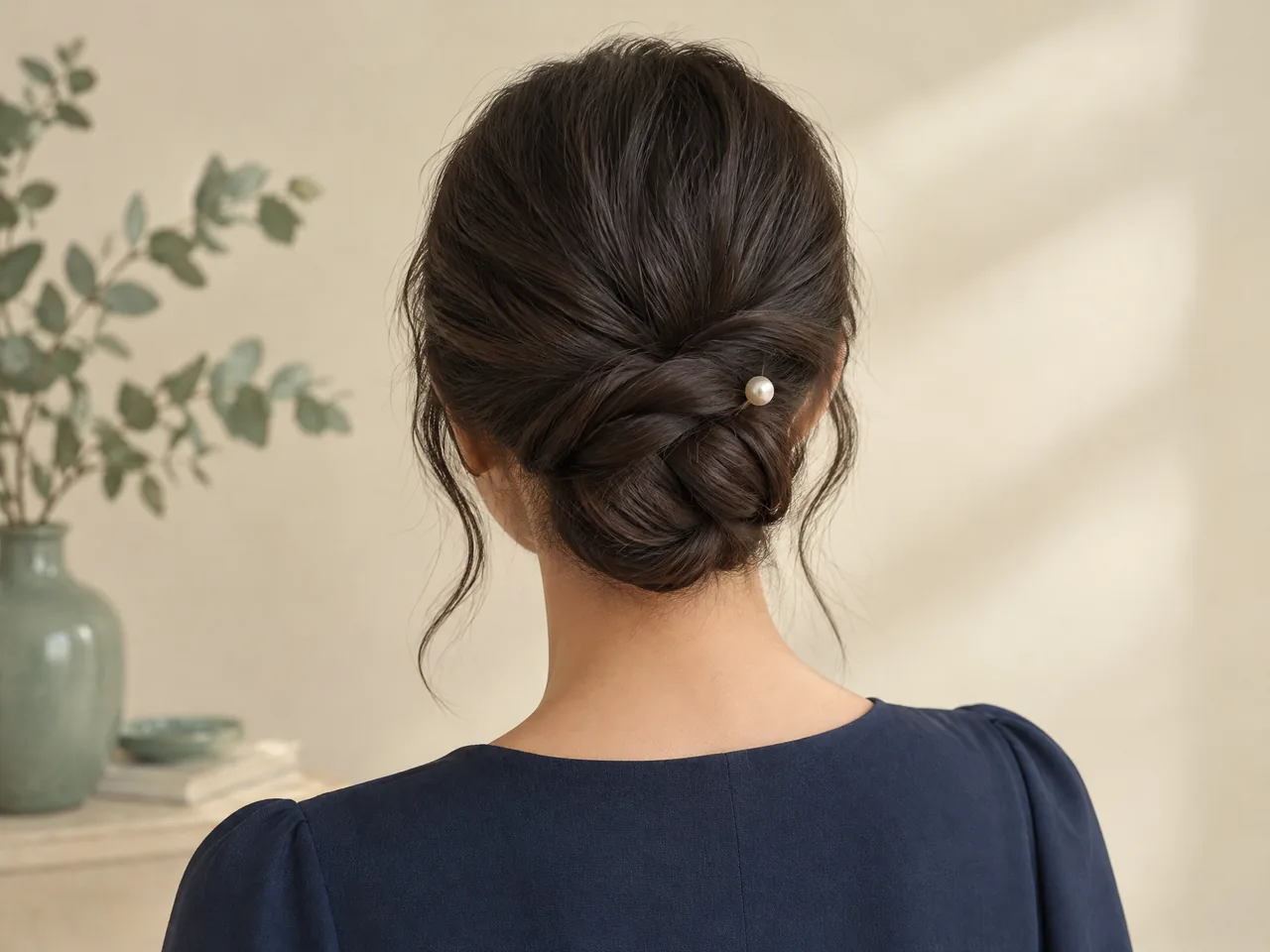
Turn your two competing briefs into something a stylist can discuss without guessing. On a recent back-view photograph, mark the present end line and the shortest line you would accept. Add a side view showing the front pieces you want to retain. Beside each mark, write its purpose: keeping a ponytail, preserving face-framing length or reducing the gaps at the ends. Separate practice tresses can help explain different lengths, but they do not predict how full your own finished outline will look.
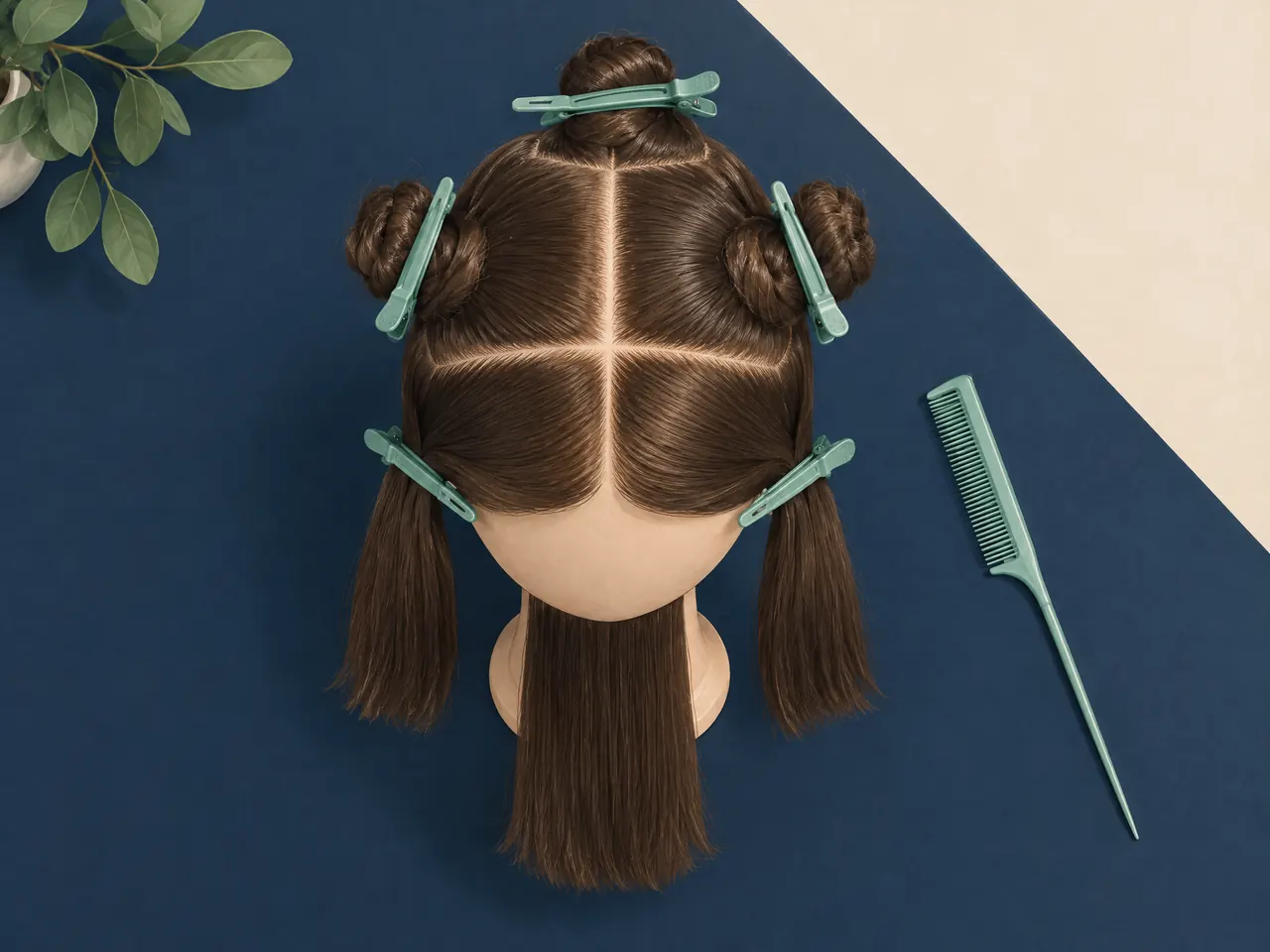
For the extension proposal, request a simple sketch showing where added hair would sit and which natural sections would cover the connections. Ask the stylist to distinguish coverage from the hair supporting each attachment. Sectioning clips on a practice mannequin illustrate this vocabulary; they are not a fitting recommendation. Keep the sketch beside the cut-only brief and ask what each option leaves unchanged. If the proposal requires cutting a front section you marked for retention, resolve that conflict before approving the blend rather than discovering it during finishing.
Separate fibre specifications from texture matching
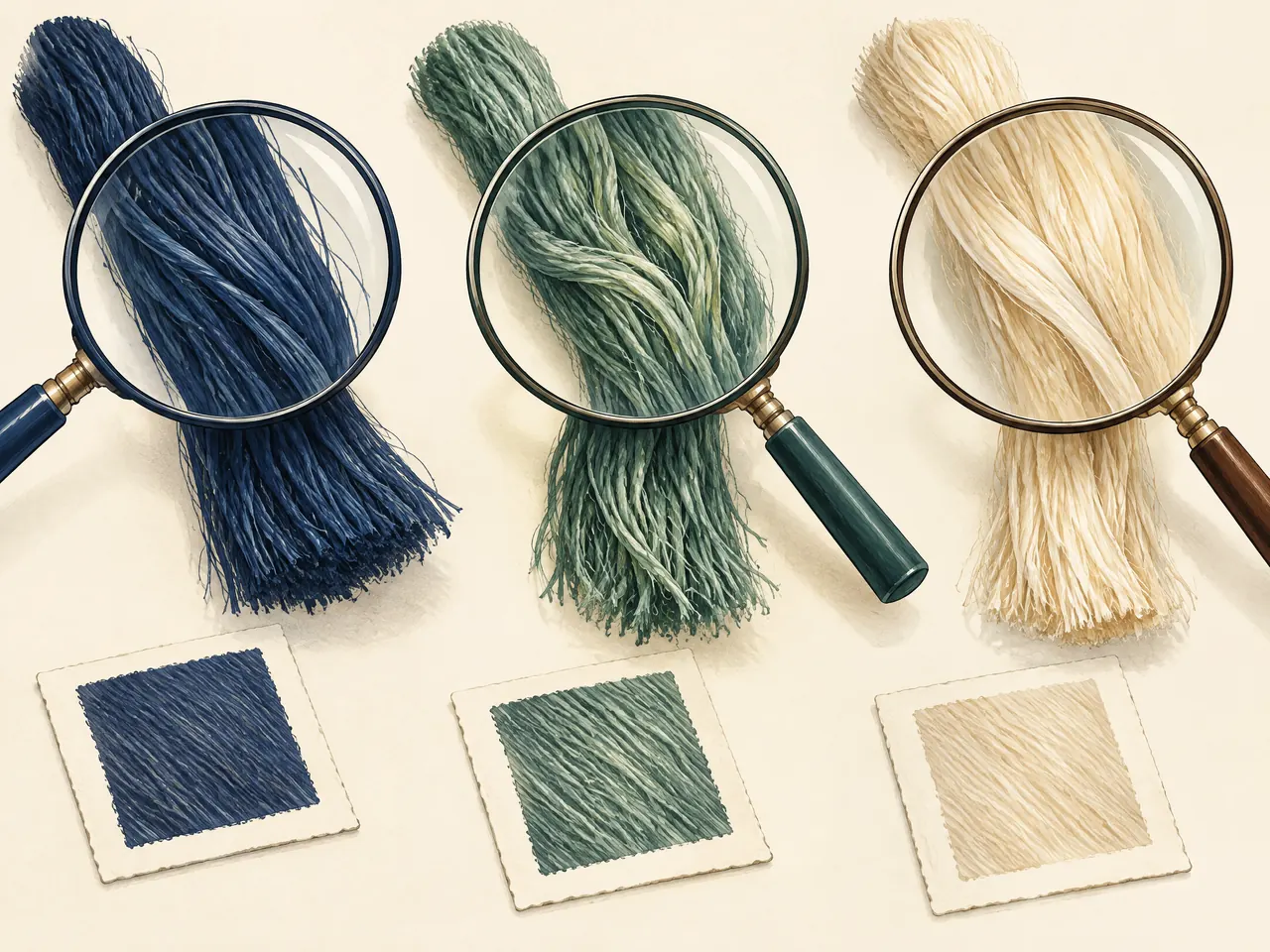
Ask for the proposed fibre description and its care instructions separately from the attachment name. A method label does not answer whether the supplied hair can be coloured, which heat settings are permitted or what previous processing it has received. Request those answers for the actual material being offered, rather than assuming every sample has the same permissions. A magnified fibre illustration cannot identify composition or quality. Keep the supplier's written information so later product questions can refer to the same material.
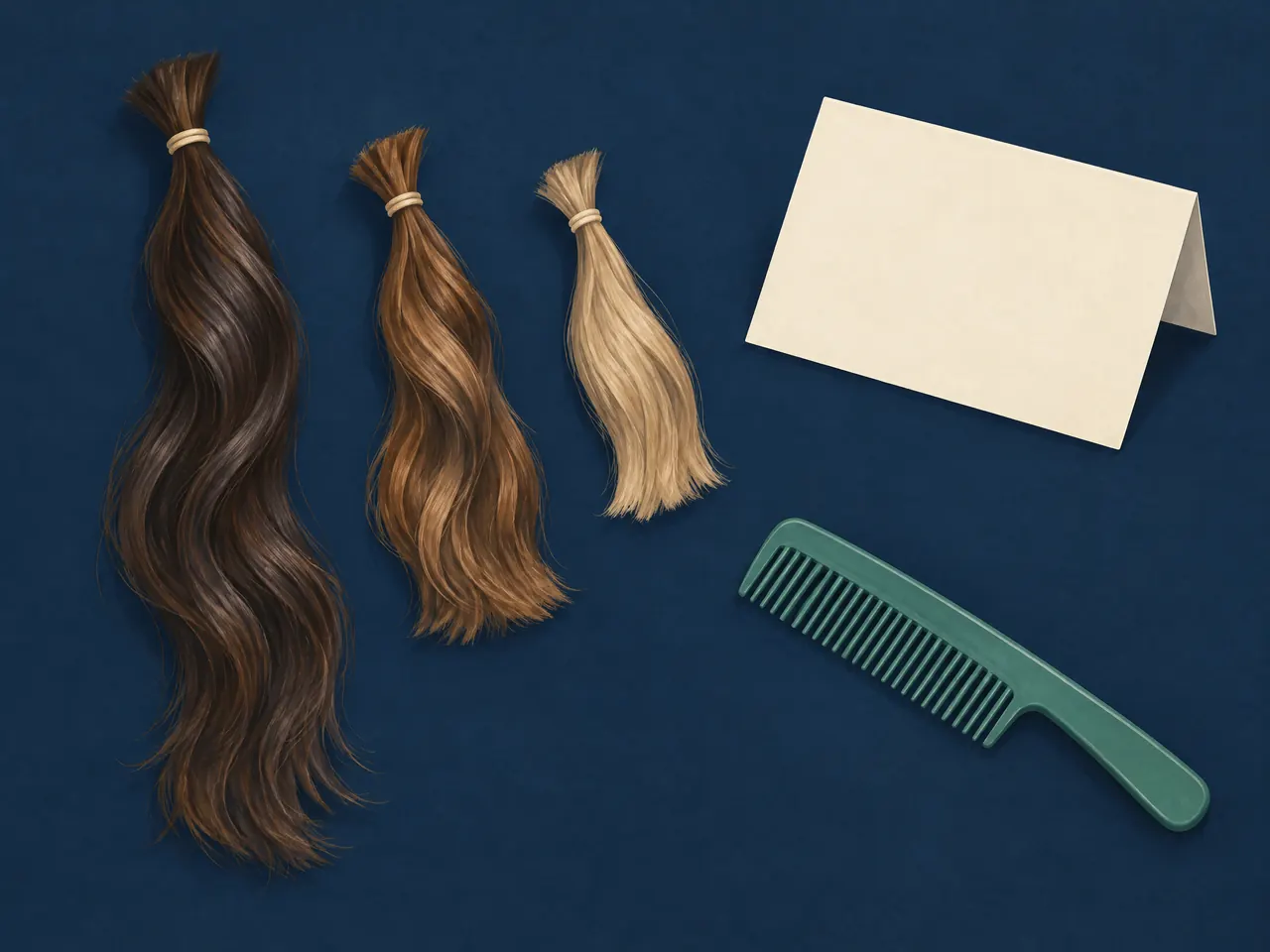
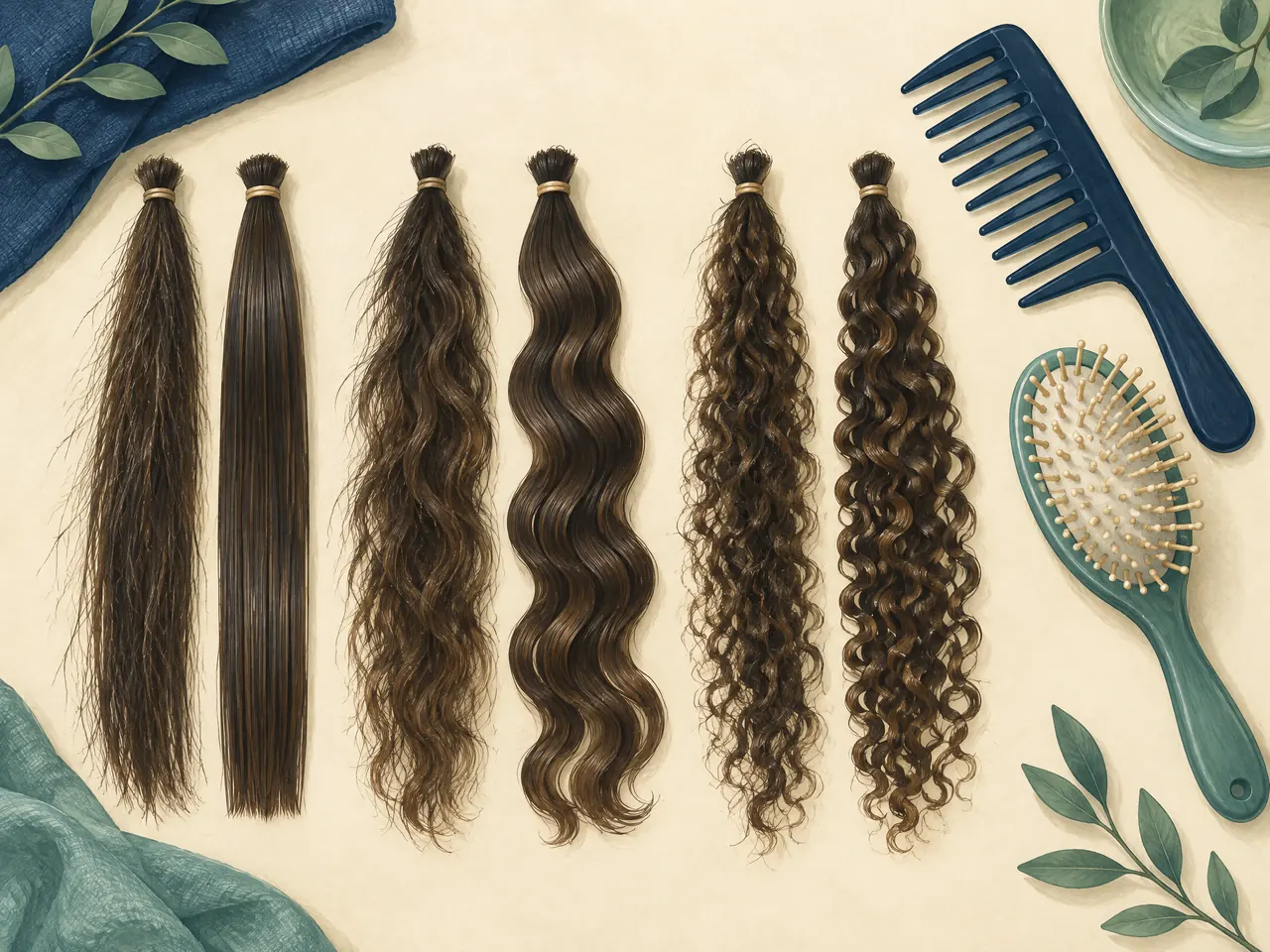
Then compare how your ordinary texture and the proposed addition would be worn together. Bring a photograph after your usual wash and styling routine, and explain which bends you normally leave alone. Ask to see a relevant sample without a finish that conceals the transition you are trying to assess. Straight, wavy and curly practice tresses make these questions easier to describe, but cannot reproduce your blend. If matching the two textures requires an extra styling step, ask for a demonstration and decide whether you would repeat it on workdays.
Ask for a care demonstration you can repeat
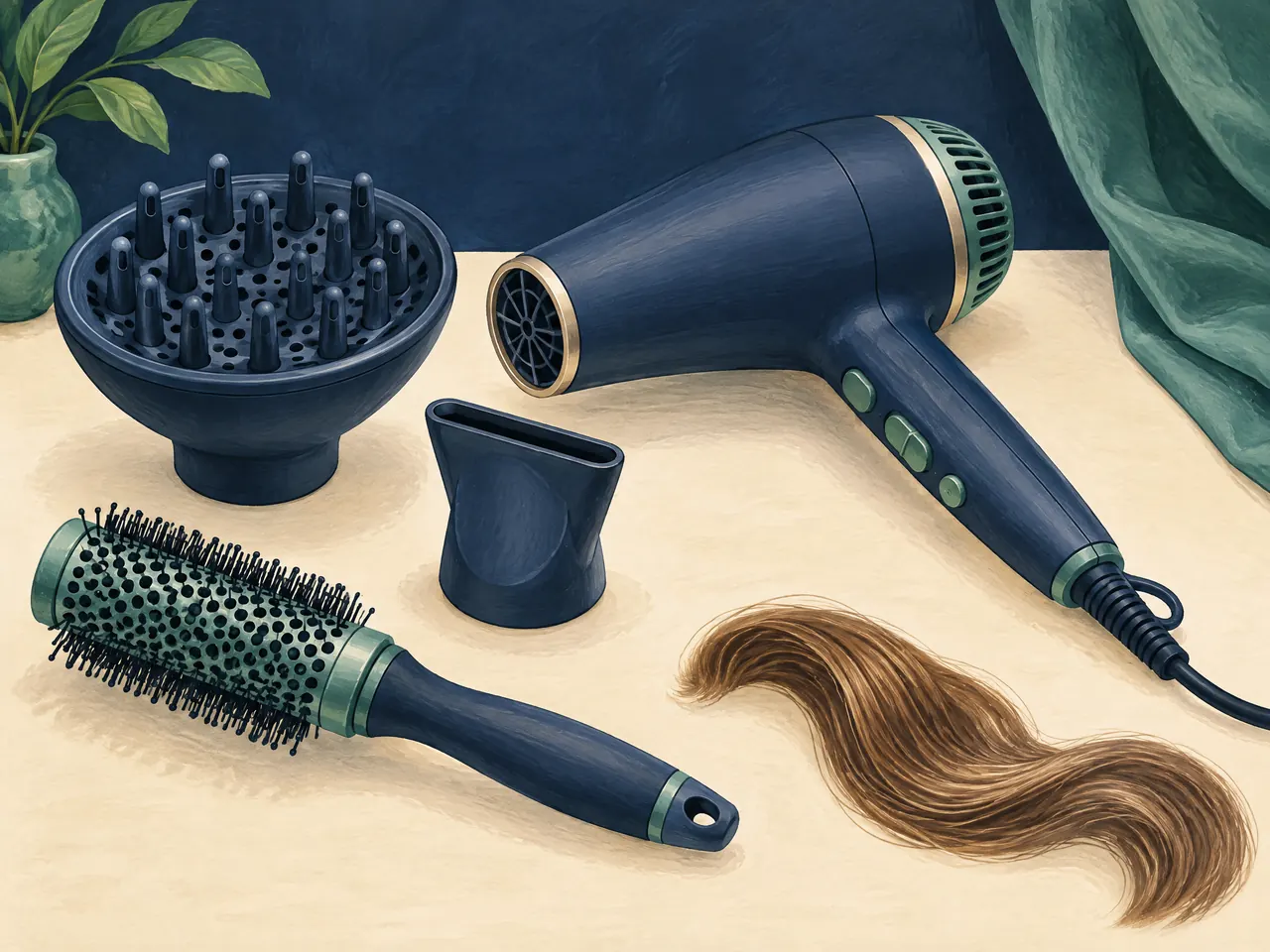
Bring a list of the dryer attachments, brushes and products you already use. Ask which can remain in the proposed routine and which would need different handling or replacement. Have the fitter demonstrate the step you find hardest, such as approaching a connection with a brush or drying an awkward area behind your head. Then explain the sequence back in your own words. The tools illustrated here are discussion prompts, not confirmation that a particular nozzle, diffuser or brush suits every extension system.
Write down what happens when the routine cannot proceed normally: a connection catches during brushing, you cannot comfortably reach an area, or you do not have the specified product while away. Obtain system-specific advice rather than treating a wash-basin illustration as a universal washing recipe. Ask how to contact the fitter and keep the care sheet with the fibre details. Compare this proposed routine with the steps needed for the cut-only option. If discomfort occurs, do not continue merely to finish the routine; retain the AAD's warning that painful pulling needs prompt attention. [1] [2]