
TCM Lab · Health reading
Understanding acupuncture for low back pain; acupuncture for acute low back pain; acupuncture for chronic low back pain
Published Updated
A low back pain flare can make a short taxi ride, a desk shift, lifting a child, or turning in bed feel unexpectedly difficult. Acupuncture for low back pain may be something to discuss after an assessment, but it is not a guaranteed fix and should not displace medical evaluation. Acute symptoms, pain that keeps returning, leg symptoms, and a sudden change in bladder or bowel function call for different decisions. This page sets out how to record the problem, when to seek urgent help, and how to weigh acupuncture for acute low back pain or acupuncture for chronic low back pain alongside active, appropriately assessed care.
Appointments are confirmed through WhatsApp. If you have language requirements, please mention them in your enquiry.
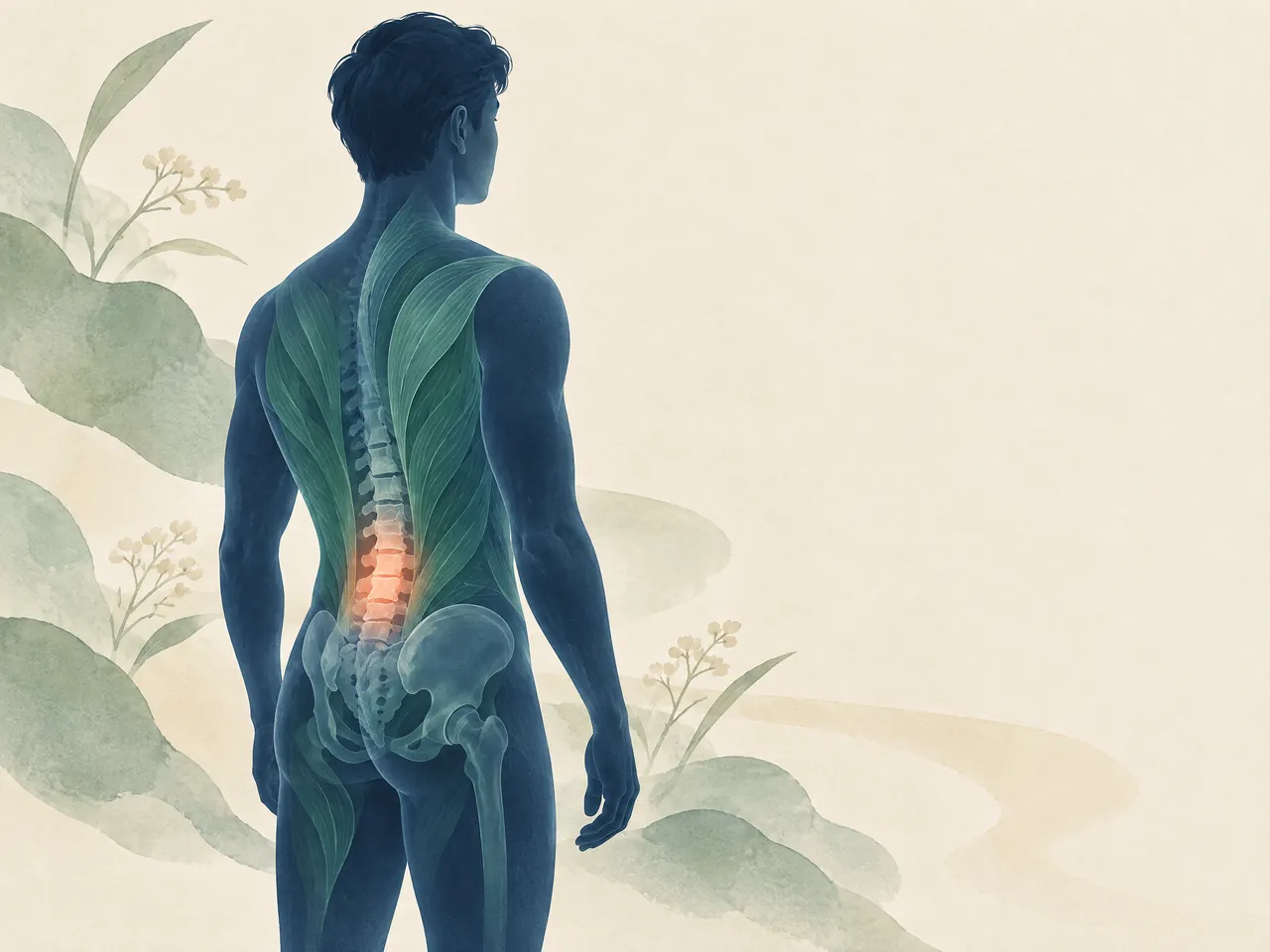
The short answer
Acupuncture for low back pain can be discussed as an adjunct after an in-person assessment, not as a guaranteed cure or a substitute for diagnosis. The evidence and clinical guidance do not all point in the same direction: NICE advises against offering it for low back pain or sciatica, while a Cochrane review found limited and uncertain benefits against sham treatment. Seek urgent medical help for new symptoms in both legs, saddle numbness, bladder or bowel changes, chest pain, fever with feeling unwell, major trauma, or rapidly worsening pain.
Transparent pricing
See the fees.
Choose your care.
Explore our complete official price list, including first-trial prices, regular prices, packages and branch-specific options.
Opening WhatsApp prepares an enquiry; it does not send a message, take payment or confirm an appointment. Suitability and individual arrangements are confirmed during consultation.
Pain care
All prices in HKDExtracorporeal shockwave treatment
Shockwave treatment for deep-tissue and fascial care. The Kwun Tong clinic offers the multi-area options shown below.
Priced by branch
Branch-specific pricing
Prince Edward: HK$250 per area
Kwun Tong: HK$250 for 1 area / HK$450 for 2 areas / HK$600 for 3 areas
Pain care (manual therapy)
Includes Chinese medicine musculoskeletal assessment, manual joint techniques and tui na.
HK$580 (single session)
Chinese medicine musculoskeletal assessment
Pain care (acupuncture and manual therapy)
Combines acupuncture and manual therapy.
HK$680 (single session)
Combined care
Hair and scalp
All prices in HKDScalp health and hair-loss management
Includes AI scalp analysis, deep scalp and follicle cleansing, and scalp oil-control care.
HK$380 (first trial)
Regular price: HK$680
- 6 sessions: HK$3,480 (HK$580 per session)
- 12 sessions: HK$5,760 (HK$480 per session)
- 20 sessions: HK$8,600 (HK$430 per session)
- 30 sessions: HK$11,400 (HK$380 per session)
Hair acupuncture and Chinese herbal medicine package
Includes scalp acupuncture and 3 days of Chinese herbal medicine that does not require decoction.
HK$580 (single session)
Registered Chinese Medicine Practitioner consultation
- 6 sessions: HK$3,180 (HK$530 per session)
- 12 sessions: HK$5,760 (HK$480 per session)
- 20 sessions: HK$8,600 (HK$430 per session)
- 30 sessions: HK$11,400 (HK$380 per session)
Combined hair and scalp treatment
Combines acupuncture and Chinese herbal medicine with salon-level scalp and follicle care. Packages include complimentary hair-care shampoo and serum.
HK$1,260 (single session)
Combined treatment
- 8 sessions: HK$8,640 (HK$1,080 per session)
- 16 sessions: HK$15,680 (HK$980 per session)
- 20 sessions: HK$18,600 (HK$930 per session)
- 30 sessions: HK$26,400 (HK$880 per session)
Weight management
All prices in HKDFull-body acupoint embedding for weight management
Includes full-body acupoint embedding. Packages include complimentary Chinese herbal medicine for weight management, with the number of included days scaled to the package. Embedding material and the individual treatment arrangement are confirmed during consultation; this is not a cosmetic thread lift.
HK$980 (single session)
No trial session
- 10 sessions: HK$7,800 (HK$780 per session)
- 20 sessions: HK$14,600 (HK$730 per session)
- 30 sessions: HK$20,400 (HK$680 per session)
Facial acupuncture
All prices in HKDFacial acupuncture (basic)
Includes facial acupuncture and meridian-based facial care, including care for facial puffiness.
HK$480 (first trial)
Regular price: HK$680
- 10 sessions: HK$5,200 (HK$520 per session)
- 20 sessions: HK$9,600 (HK$480 per session)
- 30 sessions: HK$13,500 (HK$450 per session)
Facial acupuncture (advanced)
Includes enhanced facial acupuncture with a specially formulated moisturising mask and serum.
HK$780 (first trial)
Regular price: HK$1,180
- 10 sessions: HK$9,000 (HK$900 per session)
- 20 sessions: HK$16,600 (HK$830 per session)
- 30 sessions: HK$23,400 (HK$780 per session)
Chinese medicine
All prices in HKDAcupuncture and Chinese herbal medicine package
Includes a Chinese medicine consultation with pulse assessment, body acupuncture and 3 days of Chinese herbal granules that do not require decoction.
HK$580 (single session)
Chinese medicine consultation with pulse assessment
Symptoms and Assessment for acupuncture for low back pain; acupuncture for acute low back pain; acupuncture for chronic low back pain
Low back pain is a symptom pattern rather than one diagnosis. It can follow a strain, an awkward lift, prolonged sitting, a sudden twist, or a period of less movement; sometimes no single structural explanation is clear. Pain may stay across the lower back, feel like stiffness or spasm, or travel into a buttock or leg. The practical question is not simply whether a sore area can be treated. It is whether the timing, location, severity, associated symptoms, and effect on walking, sleep, work, or self-care suggest a straightforward episode or the need for a different assessment. The Hong Kong Hospital Authority notes that muscle strain and poor posture are common contributors, while nerve, disc, and degenerative problems may also require consideration [4].
Describe leg symptoms carefully instead of calling every radiating pain sciatica. A sensation that runs below the buttock, tingling, numbness, weakness, or pain made worse by coughing can change the clinical conversation. Back and leg discomfort that appears after standing or walking and eases with sitting is also different from a one-off strain; readers exploring that pattern can read about neurogenic claudication. Likewise, a scan label is not a complete explanation of today’s symptoms. The guide to lumbar spondylosis symptoms can help distinguish a degenerative term from a personal diagnosis, but new symptoms still need individual assessment.

Recording Symptoms for acupuncture for low back pain; acupuncture for acute low back pain; acupuncture for chronic low back pain
A short symptom record is more useful than trying to reconstruct a month of pain from memory. Note when this episode began; whether it started after lifting, a long journey, sport, a fall, or without a clear trigger; and where the pain is felt. Add what happens after sitting, standing, walking, bending, coughing, getting out of bed, or climbing stairs. Record any spread into the buttock, thigh, calf, or foot, together with numbness or weakness. Also note what you have already tried and what changed, including rest, a walk, a heat or ice pack, prescribed medicines, or previous treatment. This information supports a safer conversation about acupuncture for low back pain and prevents an appointment from being built around a vague label alone.
Recognising Warning Signs with acupuncture for low back pain; acupuncture for acute low back pain; acupuncture for chronic low back pain
Do not use heat, exercise, massage, or acupuncture to wait out red flags. Immediate emergency assessment is appropriate for back pain with weakness, tingling, pain, or numbness in both legs; loss of sensation around the genitals or anus; changes in bladder or bowel control; chest pain; or pain after a serious accident. The NHS also advises urgent help when severe pain begins suddenly or worsens quickly, especially if a person feels hot, cold, shivery, or generally unwell [3]. Unexplained weight loss, a new lump or deformity, pain that is worse at night, or difficulty coping with normal activities also deserve prompt medical review. These signs do not diagnose the cause by themselves; they are reasons not to rely on a web page or a delayed complementary-care discussion.
Compare your options
| Situation or pattern | Useful details to record | Appropriate next step |
|---|---|---|
| New local back pain after an ordinary activity, with no warning signs | Onset, trigger, movements that aggravate it, sleep and work impact | Keep gently active as tolerated; consider a healthcare assessment if it is not improving or is limiting daily life |
| Pain spreading into one leg, tingling, numbness, or perceived weakness | Exact route of symptoms, whether coughing or walking changes them, changes in balance or function | Arrange timely clinical assessment; do not assume it is a simple muscle strain |
| Pain lasting three months or longer, or recurring flares | Pattern over time, activity tolerance, mood and sleep impact, previous treatments and reports | Discuss an active, reviewed management plan; acupuncture can be one topic, not the whole plan |
| Symptoms in both legs, saddle numbness, bladder or bowel change, chest pain, serious trauma, or rapidly worsening pain | When the change began and any fever, illness, fall, or accident | Seek urgent or emergency medical assessment; do not wait for acupuncture, heat, or an exercise trial |
On smaller screens, scroll the table sideways to compare all columns.
Evidence and Safety Before Considering acupuncture for low back pain; acupuncture for acute low back pain; acupuncture for chronic low back pain
The honest answer to “does acupuncture help low back pain?” is qualified. NICE recommends not offering acupuncture for the management of low back pain with or without sciatica [2]. In a Cochrane review of chronic nonspecific low back pain, acupuncture may not have been more clinically meaningful than sham acupuncture for immediate pain relief, and certainty across outcomes ranged from very low to moderate [1]. The same review reported better immediate results against no treatment, which is not the same comparison as a sham procedure or a complete active-care plan. Those differences matter when deciding what a promising result actually means. A treatment option can be worth discussing to an individual without being presented as a reliable cure, a replacement for assessment, or a reason to postpone rehabilitation or medical care.
Safety starts with the reason for the pain and the person’s health context. Tell the practitioner about current medicines, supplements, bleeding problems, pregnancy, implanted devices, infection, allergies, recent procedures, fainting with needles, and any past reaction to acupuncture. The Hong Kong acupuncture guideline describes excluding people for whom treatment is unsuitable, obtaining consent, using clean-needle technique, and monitoring for possible effects such as insertion-site pain, bruising, bleeding, dizziness, or worsening pain [5]. This is why self-needling, copying point diagrams, and assuming that a friend’s treatment plan fits your body are poor substitutes for a properly informed discussion. If symptoms change while considering care, the assessment should change too.

Acute Assessment and Causes in acupuncture for low back pain; acupuncture for acute low back pain; acupuncture for chronic low back pain
For guideline purposes, acute low back pain lasts less than three months and chronic low back pain lasts three months or longer [2]. That time distinction can guide questions, but it cannot tell you the cause. An acute episode after moving furniture may be muscular, yet sudden severe pain, trauma, fever, new weakness, or bladder and bowel changes alter the priority. Chronic pain can also have flares, so “I have had it for years” should not make a new pattern seem routine. A clinician may consider the history, movement, neurological symptoms, general health, and whether imaging would change management; NICE says imaging is not routinely offered in a non-specialist setting for uncomplicated low back pain [2]. Bring existing reports if you have them, but do not assume an old scan answers why today’s pain is different.
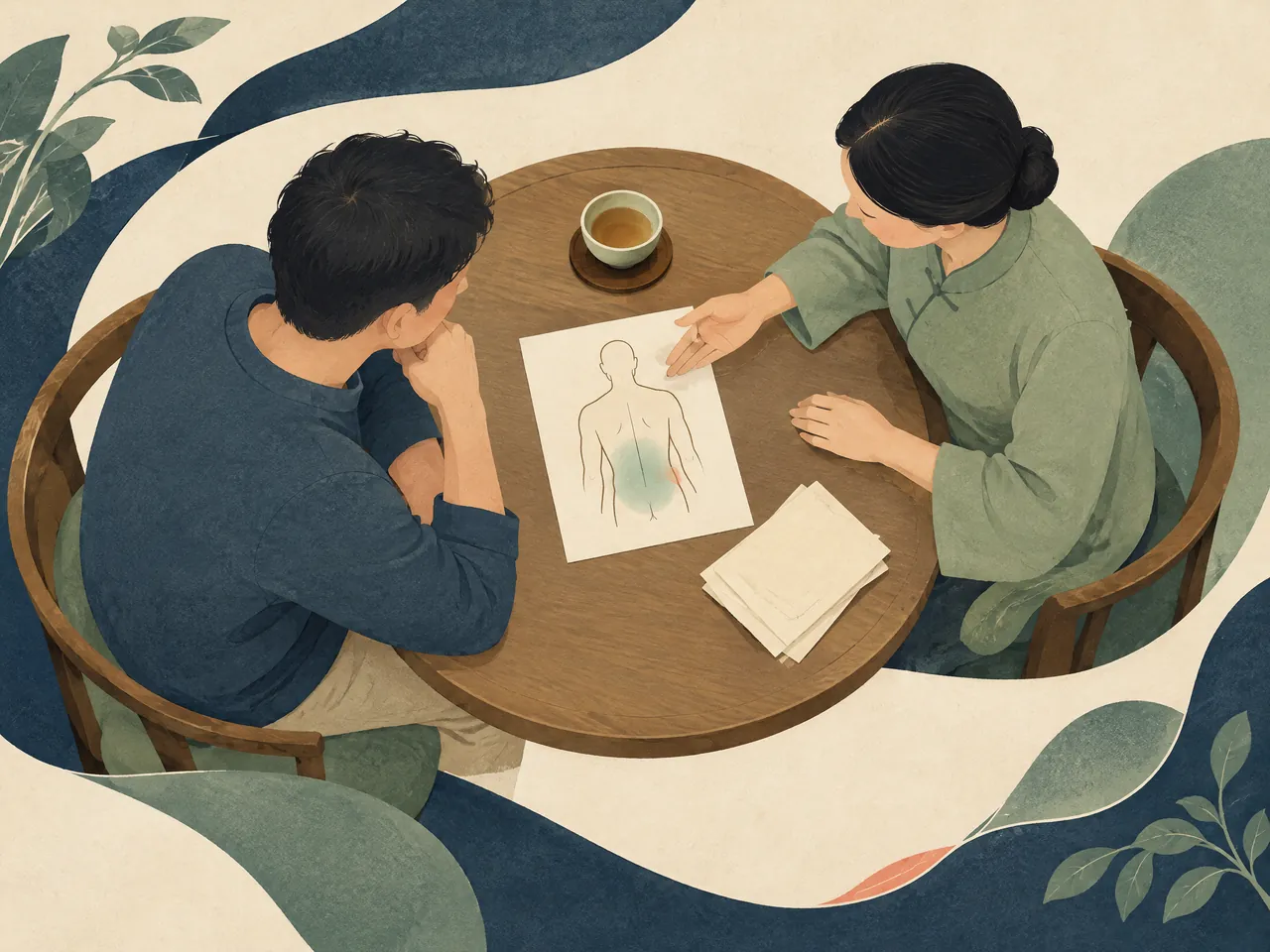
In-Person TCM Discussion of acupuncture for low back pain; acupuncture for acute low back pain; acupuncture for chronic low back pain
An in-person TCM discussion should begin with the same practical safety questions: what the pain feels like, what triggers it, whether it radiates, what function is limited, and what medical assessment or care is already underway. Traditional pattern differentiation may be part of a registered Chinese medicine practitioner’s approach, but it is not interchangeable with a modern diagnosis and should not erase concerning symptoms. Ask what the proposed role of acupuncture would be, what discomforts or adverse effects should be reported, how progress would be reviewed, and when referral or a different service would be more appropriate. For a broader explanation of the topic, see how does acupuncture help back pain. A careful consultation does not promise a fixed number of sessions, a pain-free outcome, or that all low back pain has one TCM explanation.
Self-Care, Follow-Up, and Expectations for acupuncture for low back pain; acupuncture for acute low back pain; acupuncture for chronic low back pain
If serious symptoms have been excluded, small, repeatable actions are often more workable than complete inactivity. The NHS advises continuing normal activities as able, staying active, and avoiding long periods in bed [3]. For someone whose back tightens after laptop work, that might mean changing position regularly, breaking a task into shorter blocks, and taking a gentle walk rather than trying to “push through” a hard workout. For someone recovering from a flare, it may mean restarting ordinary movements within tolerable limits and pausing an exercise that clearly worsens symptoms. A structured exercise or physiotherapy plan may be relevant depending on the assessment. The Hospital Authority likewise stresses gradually resuming activity and not relying only on passive measures [4].

Set expectations around function as well as pain. A useful follow-up question is whether you can sit through a meeting, get dressed, sleep more comfortably, walk to transport, or return to a valued activity with less disruption. Write down any change in leg symptoms, balance, numbness, strength, or bladder and bowel function, because those changes matter more than a single “good” or “bad” day. If you are comparing options, the related page is acupuncture effective for lower back pain adds further context, but it should not replace clinical advice. Acupuncture, when chosen, belongs in a plan that remains open to reassessment rather than in a promise that needles alone will resolve every recurrence.

What Guidance Says About acupuncture for low back pain; acupuncture for acute low back pain; acupuncture for chronic low back pain
Guidance can differ because it weighs evidence, harms, resources, patient preferences, and comparison treatments in different ways. That is not a reason to cherry-pick the most reassuring sentence. NICE encourages advice and information that support self-management and continued normal activity, and its recommendation is not to offer acupuncture for low back pain or sciatica [2]. The Cochrane review does not show a clinically important immediate pain difference between acupuncture and sham acupuncture in chronic nonspecific low back pain, while its results against no treatment were more favourable [1]. In practical terms, ask what the comparison is, what outcome matters to you, and how improvement or lack of improvement will be recognised. Local clinical guidance can inform practitioners, but it does not turn a general pathway into a guarantee for one person.

Heat, Activity, and Follow-Up with acupuncture for low back pain; acupuncture for acute low back pain; acupuncture for chronic low back pain
A wrapped ice pack may be a comfort option for pain or swelling, while a wrapped heat pack may help stiffness or muscle spasm; stop if either makes symptoms worse and protect the skin from burns or cold injury [3]. These are comfort measures, not tests for the cause. Build back to activity gradually and seek advice before copying stretches that provoke sharp pain, leg symptoms, or weakness. If you want to ask TCM Lab about an in-person discussion, you can enquire through the Kwun Tong Chinese medicine clinic or Chinese medicine clinic Prince Edward location pages. State that the concern is low back pain, mention any leg symptoms or warning signs, and confirm the appropriate appointment rather than assuming a treatment is suitable from this article.
Care and health guide
Low back discomfort: care information
This directory brings together services, reading, and visit information related to low back discomfort, to help you prepare questions for a consultation.
When low back discomfort affects your day, noting when it occurs, its relation to activity, and what you have already tried can help prepare a consultation; Chinese medicine pain management Hong Kong is a relevant service or reading entry point.
Individual circumstances differ, and acupuncture Hong Kong offers related information to help you understand options and prepare questions.


Your questions, answered
Frequently asked questions
Does acupuncture help low back pain?
It may be discussed after an individual assessment, but it should not be promised as a cure. NICE recommends not offering acupuncture for low back pain or sciatica. A Cochrane review of chronic nonspecific low back pain found that acupuncture may not provide a clinically meaningful immediate pain benefit over sham acupuncture, with evidence certainty ranging from very low to moderate.
Can acupuncture for acute low back pain replace a medical assessment?
No. New severe pain, major trauma, fever or feeling unwell, rapidly worsening symptoms, leg weakness or numbness, saddle numbness, and bladder or bowel changes require medical triage. Even without those warning signs, an in-person assessment is useful when pain is severe, recurrent, or disrupting normal activities.
What counts as acupuncture for chronic low back pain?
Clinical guidance commonly uses chronic for low back pain lasting three months or longer. The intensity may fluctuate, and a new flare still deserves fresh attention if the pattern changes. A plan should consider function, activity, sleep, work demands, leg symptoms, and other care already being used.
Should I rest in bed while waiting for a back-pain flare to settle?
Long periods of bed rest are generally discouraged. If no warning signs are present, continue ordinary activity within tolerable limits and build up gradually. Stop a movement that makes symptoms clearly worse, and seek professional advice if pain is not improving, is worsening, or prevents normal activities.
Sources and further information
- [1] Cochrane: Acupuncture for chronic nonspecific low-back pain
Referenced for: Evidence review of acupuncture versus sham, no treatment, and usual care for chronic nonspecific low back pain; supports the stated uncertainty and comparison-specific findings.
- [2] NICE NG59: Low back pain and sciatica in over 16s
Referenced for: Guideline source for assessment, self-management, imaging, acute and chronic definitions, and its recommendation not to offer acupuncture for low back pain with or without sciatica.
- [3] NHS: Back pain
Referenced for: Patient guidance supporting urgent symptoms, staying active, avoiding prolonged bed rest, and cautious heat or ice comfort measures.
- [4] Hong Kong Hospital Authority Smart Patient: Low Back Pain
Referenced for: Hong Kong patient information supporting common low back pain terminology, assessment context, exercise and activity advice, and serious neurological warning signs.
- [5] Hong Kong taskforce clinical practice guideline: Acupuncture for low back pain
Referenced for: Hong Kong clinical guideline supporting discussion of assessment, traditional syndrome differentiation as a distinct approach, consent, clean-needle practice, and reported acupuncture-related precautions.