
TCM Lab · Health reading
Is acupuncture helpful for tennis elbow? What should I do after acupuncture for tennis elbow?
Published Updated
Tennis elbow is an outer-elbow tendon problem that is often driven by repeated gripping, lifting, wrist extension or twisting—not tennis alone. Acupuncture can be considered as part of a symptom-management conversation once the pattern of pain, recent workload and possible injury have been assessed. It is not a way to confirm a diagnosis or repair a fracture or torn structure. After a session, the practical priority is to keep ordinary movement comfortable while reducing the specific loads that provoke pain, then reassess if symptoms are escalating or not settling.
Appointments are confirmed through WhatsApp. If you have language requirements, please mention them in your enquiry.
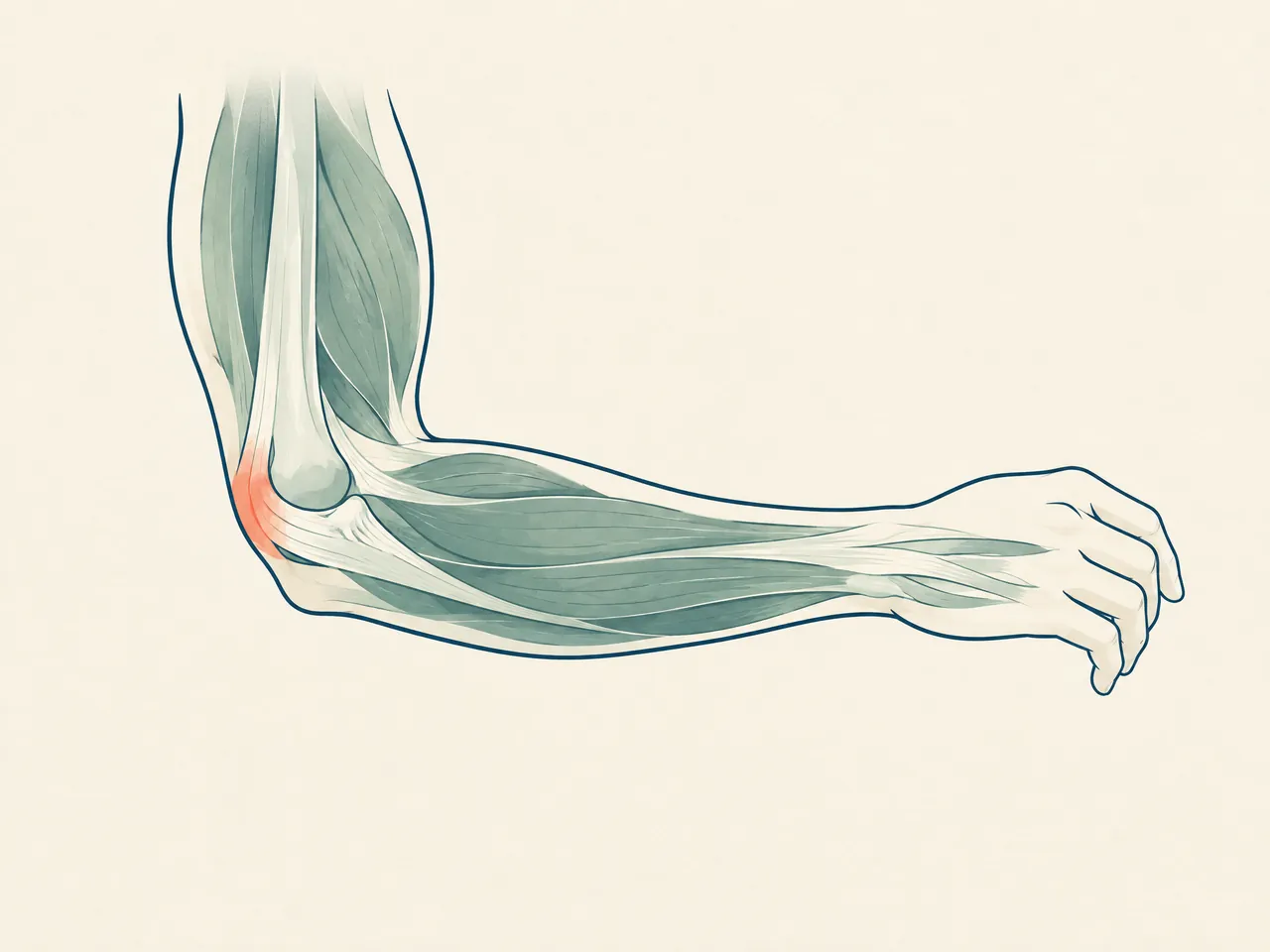
The short answer
Acupuncture may be considered for tennis-elbow symptom management, but its benefit differs between people and it should sit alongside assessment and load adjustment rather than replace them. Research discussed by UCLA suggests possible short-term pain relief, while longer-term effects remain uncertain [3]. After acupuncture, use the elbow gently for normal light tasks, avoid painful gripping, lifting and vigorous exercise for the rest of the day, and arrange medical review for marked swelling, heat, deformity, trauma, numbness or worsening pain.
Transparent pricing
See the fees.
Choose your care.
Explore our complete official price list, including first-trial prices, regular prices, packages and branch-specific options.
Opening WhatsApp prepares an enquiry; it does not send a message, take payment or confirm an appointment. Suitability and individual arrangements are confirmed during consultation.
Pain care
All prices in HKDExtracorporeal shockwave treatment
Shockwave treatment for deep-tissue and fascial care. The Kwun Tong clinic offers the multi-area options shown below.
Priced by branch
Branch-specific pricing
Prince Edward: HK$250 per area
Kwun Tong: HK$250 for 1 area / HK$450 for 2 areas / HK$600 for 3 areas
Pain care (manual therapy)
Includes Chinese medicine musculoskeletal assessment, manual joint techniques and tui na.
HK$580 (single session)
Chinese medicine musculoskeletal assessment
Pain care (acupuncture and manual therapy)
Combines acupuncture and manual therapy.
HK$680 (single session)
Combined care
Hair and scalp
All prices in HKDScalp health and hair-loss management
Includes AI scalp analysis, deep scalp and follicle cleansing, and scalp oil-control care.
HK$380 (first trial)
Regular price: HK$680
- 6 sessions: HK$3,480 (HK$580 per session)
- 12 sessions: HK$5,760 (HK$480 per session)
- 20 sessions: HK$8,600 (HK$430 per session)
- 30 sessions: HK$11,400 (HK$380 per session)
Hair acupuncture and Chinese herbal medicine package
Includes scalp acupuncture and 3 days of Chinese herbal medicine that does not require decoction.
HK$580 (single session)
Registered Chinese Medicine Practitioner consultation
- 6 sessions: HK$3,180 (HK$530 per session)
- 12 sessions: HK$5,760 (HK$480 per session)
- 20 sessions: HK$8,600 (HK$430 per session)
- 30 sessions: HK$11,400 (HK$380 per session)
Combined hair and scalp treatment
Combines acupuncture and Chinese herbal medicine with salon-level scalp and follicle care. Packages include complimentary hair-care shampoo and serum.
HK$1,260 (single session)
Combined treatment
- 8 sessions: HK$8,640 (HK$1,080 per session)
- 16 sessions: HK$15,680 (HK$980 per session)
- 20 sessions: HK$18,600 (HK$930 per session)
- 30 sessions: HK$26,400 (HK$880 per session)
Weight management
All prices in HKDFull-body acupoint embedding for weight management
Includes full-body acupoint embedding. Packages include complimentary Chinese herbal medicine for weight management, with the number of included days scaled to the package. Embedding material and the individual treatment arrangement are confirmed during consultation; this is not a cosmetic thread lift.
HK$980 (single session)
No trial session
- 10 sessions: HK$7,800 (HK$780 per session)
- 20 sessions: HK$14,600 (HK$730 per session)
- 30 sessions: HK$20,400 (HK$680 per session)
Facial acupuncture
All prices in HKDFacial acupuncture (basic)
Includes facial acupuncture and meridian-based facial care, including care for facial puffiness.
HK$480 (first trial)
Regular price: HK$680
- 10 sessions: HK$5,200 (HK$520 per session)
- 20 sessions: HK$9,600 (HK$480 per session)
- 30 sessions: HK$13,500 (HK$450 per session)
Facial acupuncture (advanced)
Includes enhanced facial acupuncture with a specially formulated moisturising mask and serum.
HK$780 (first trial)
Regular price: HK$1,180
- 10 sessions: HK$9,000 (HK$900 per session)
- 20 sessions: HK$16,600 (HK$830 per session)
- 30 sessions: HK$23,400 (HK$780 per session)
Chinese medicine
All prices in HKDAcupuncture and Chinese herbal medicine package
Includes a Chinese medicine consultation with pulse assessment, body acupuncture and 3 days of Chinese herbal granules that do not require decoction.
HK$580 (single session)
Chinese medicine consultation with pulse assessment
Is acupuncture helpful for tennis elbow? What should I do after acupuncture for tennis elbow? — Understanding the condition
The question is often asked after a small task becomes unexpectedly difficult: lifting a kettle with the palm down, shaking hands, carrying a laptop bag, turning a tight jar lid or using a mouse through a long workday. Tennis elbow, also called lateral epicondylitis, usually describes pain and tenderness around the bony outside of the elbow where forearm muscles attach. The tendons help extend the wrist and fingers, so a painful elbow can show up well below the elbow during a grip. The Hong Kong College of Orthopaedic Surgeons describes pain with gripping, lifting and wringing, and links the condition with overuse of these muscles and tendons [1].
It is also useful to separate outer-elbow pain from every other pain felt near the elbow. A fall, a direct blow, a suddenly deformed joint, fever with a hot swollen area, pain that is severe at rest, or new tingling, numbness or clear loss of hand strength calls for timely medical assessment rather than assuming an overuse tendon problem. Depending on the history and examination, clinicians may use imaging or other tests to rule out fracture, arthritis, tendon injury, neck-related pain or nerve compression [2].
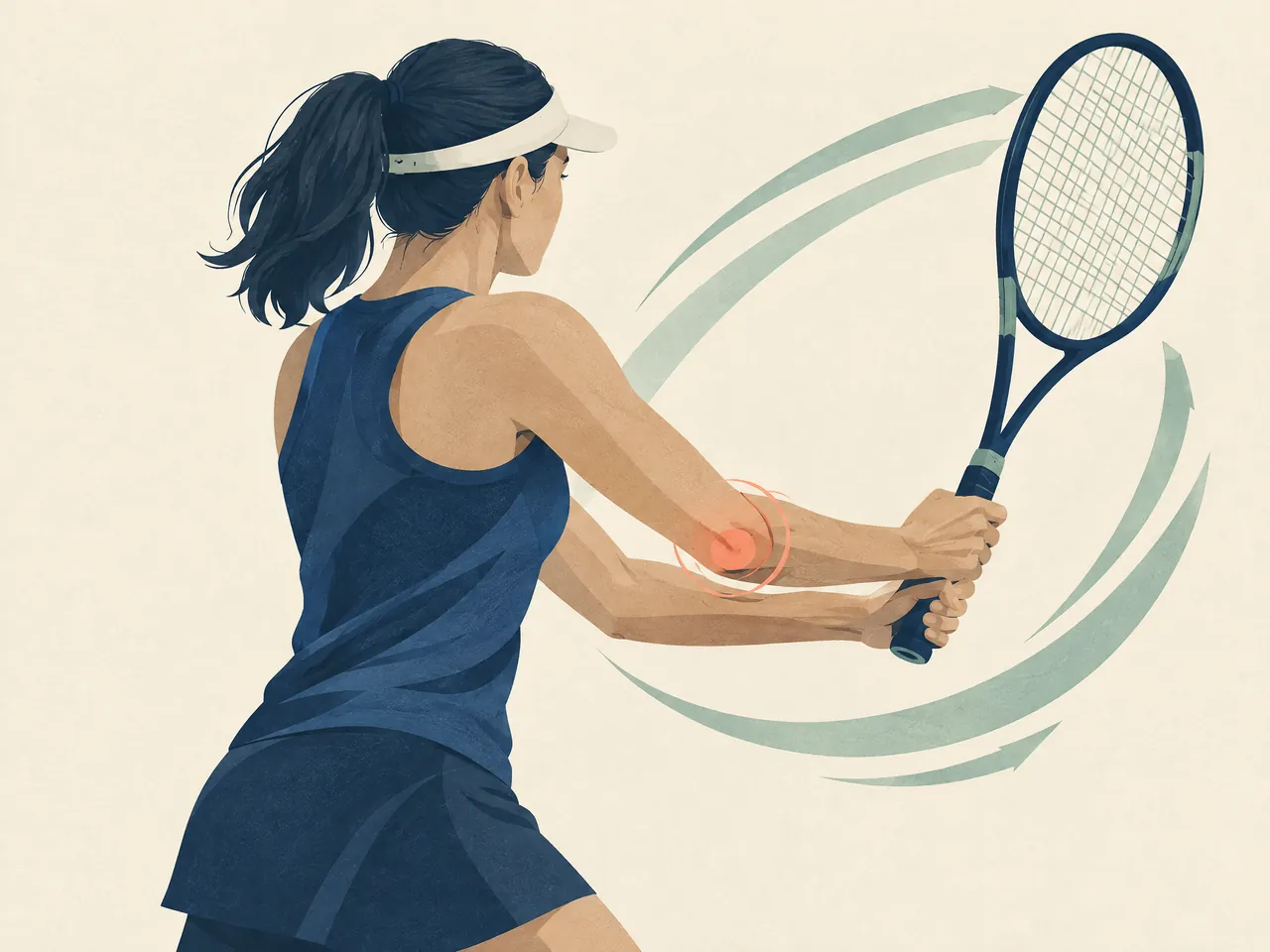
Is acupuncture helpful for tennis elbow? What should I do after acupuncture for tennis elbow? — Recognising overload and outer-elbow pain
A typical overload pattern is specific rather than mysterious. Pain may be mild at the start of a task and sharpen as the hand grips harder or the wrist is held firm. It may flare when lifting with the elbow straight, turning a screwdriver, wringing a cloth, serving a tennis ball or opening a heavy door. Some people also notice a weaker or less confident grip because gripping reproduces pain. The American Academy of Orthopaedic Surgeons similarly lists pain or burning on the outer elbow and weak grip, with symptoms often worsened by forearm activity such as turning a wrench or shaking hands [2].
Do not judge the situation only by pain intensity. A mild ache after an unusually busy day may deserve a temporary workload adjustment, while a new pain after a fall deserves a different conversation even if it initially seems manageable. Equally, pain on the inner elbow, symptoms travelling from the neck, or numbness in the hand may not fit the familiar outer-elbow pattern. Clear details help a practitioner decide whether acupuncture is reasonable to discuss, whether rehabilitation input is useful, or whether medical evaluation should come first.
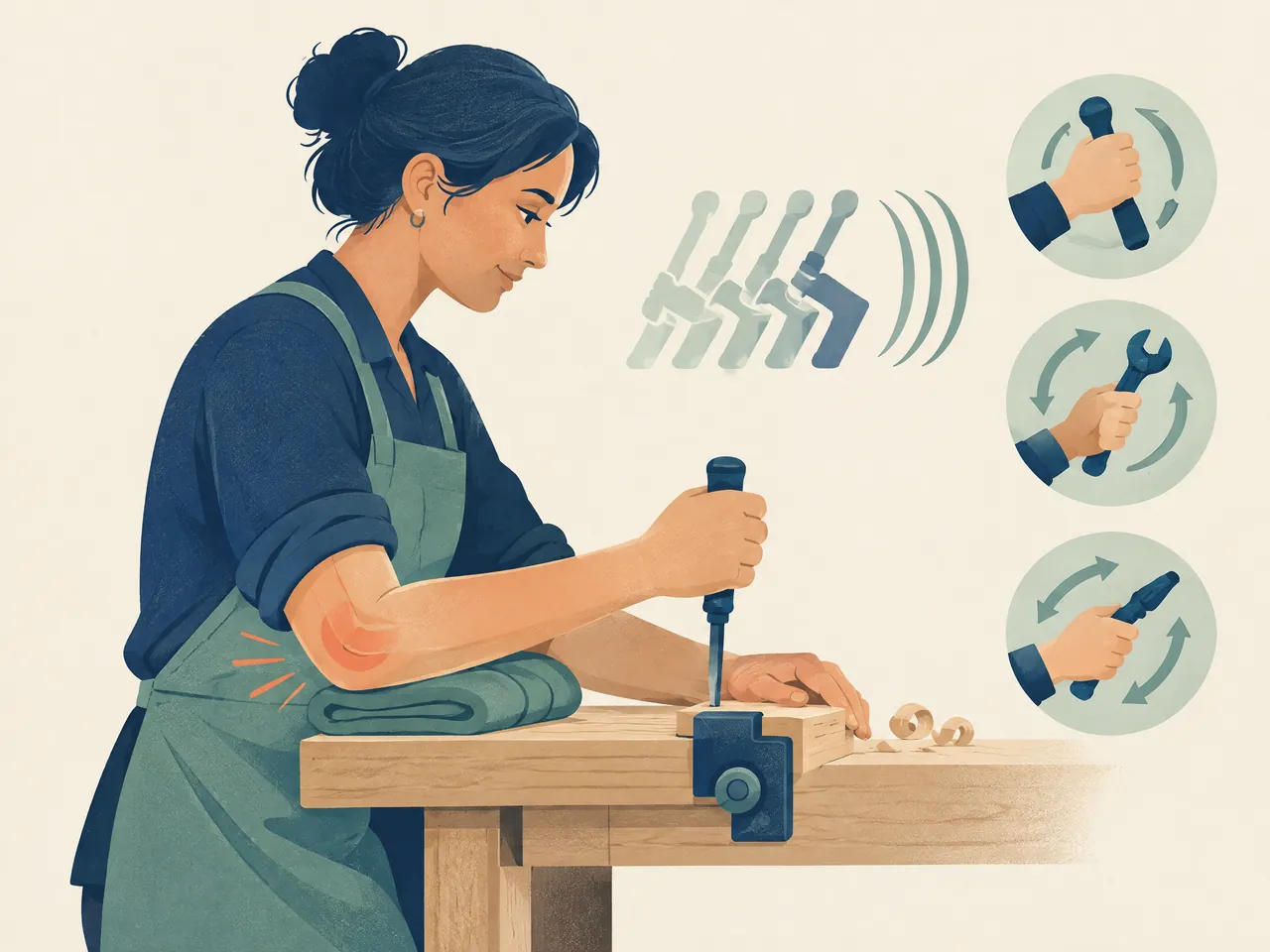
Is acupuncture helpful for tennis elbow? What should I do after acupuncture for tennis elbow? — Why an assessment matters
An assessment should begin with the problem the person actually wants to solve. Is it pain when holding a wok, the inability to type for an afternoon, disrupted sport, or anxiety after a sudden injury? Expect questions about the exact location, whether the onset was gradual or followed trauma, work and sport demands, dominant hand, prior elbow or neck problems, medications, and any previous diagnosis or imaging. Examination may include gentle pressure around the elbow and movements that test the wrist and fingers against resistance. These steps help distinguish a likely load-related pattern from conditions that need another pathway; they do not guarantee that one treatment will suit everyone.
Assessment is also the time to set a realistic purpose. Some people choose acupuncture because they hope a session will make a painful task easier while they adjust an aggravating routine. Others are deciding between several conservative options. A UCLA Health discussion characterises acupuncture as one of several modalities for tennis-elbow pain and notes that the published evidence it summarises does not establish a sustained response for everyone [3]. That is a sound reason to pair any treatment discussion with a plan for activity and follow-up, rather than treat a single sensation during needling as proof of recovery.
Compare your options
| Situation | What to notice | Sensible next step |
|---|---|---|
| Gradual outer-elbow pain with gripping or lifting | Which task, hand position and duration bring it on; whether symptoms settle when the task stops | Arrange an assessment and reduce the repetitive or heavy load while monitoring response |
| Considering acupuncture for a likely load-related pattern | Health history, skin condition, medicines, needle concerns and the activity that matters most | Discuss suitability, limits and an aftercare plan; do not expect a fixed number of sessions or a guaranteed result |
| After a session with no alarming change | Comfort during light tasks and whether a trigger causes a later flare | Keep movement gentle, postpone heavy gripping or vigorous sport, and modify the day’s provoking task |
| Pain after trauma, marked swelling, heat, deformity, numbness or clear weakness | A new or rapidly changing pattern rather than routine overuse discomfort | Seek timely medical assessment instead of treating it as a routine acupuncture or self-care question |
On smaller screens, scroll the table sideways to compare all columns.
Is acupuncture helpful for tennis elbow? What should I do after acupuncture for tennis elbow? — Treatment considerations
Whether acupuncture is helpful is best answered in practical terms: it may be an option to discuss for symptom relief after assessment, not a promise to cure the tendon or a substitute for investigating a concerning injury. The pain experience, amount of ongoing load, sleep, expectations and any accompanying rehabilitation all vary from person to person. A useful review point is whether daily tasks are becoming easier and whether the chosen plan is compatible with the changes needed at home, at work or in sport. For related choices and questions, the article Can acupuncture help tennis elbow? provides another useful starting point.
The table distinguishes common situations and the next decision. Ongoing uncertainty or deterioration warrants reassessment. Rest means reducing the specific demand that repeatedly drives pain, not never moving the arm.
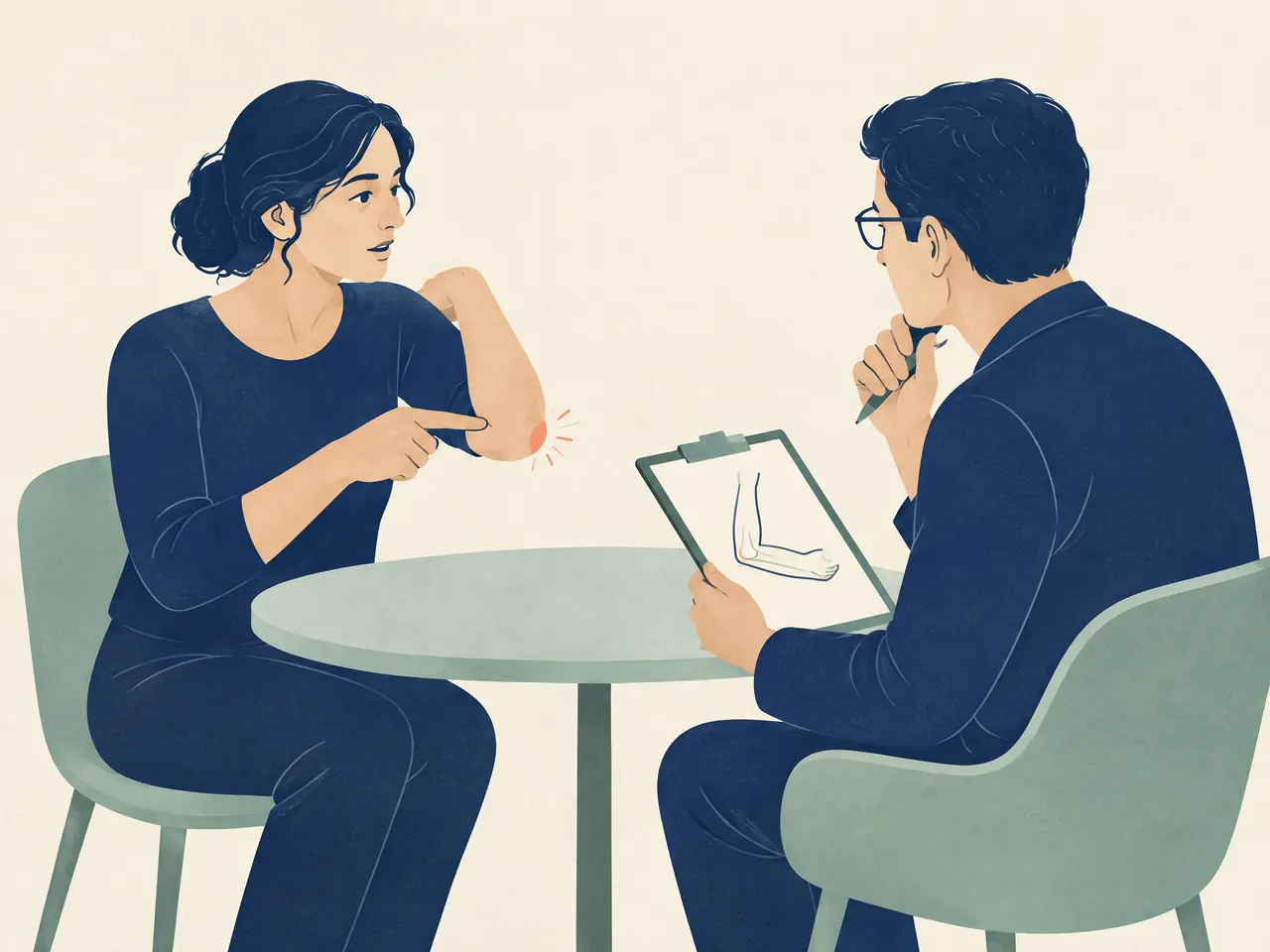
Is acupuncture helpful for tennis elbow? What should I do after acupuncture for tennis elbow? — What an acupuncture session may involve
Before treatment, a practitioner should check the history, the skin around the area and whether there are reasons to postpone or modify a session. If acupuncture is offered, fine needles may be placed around the elbow and forearm and sometimes at other areas chosen after the assessment. The person may feel a brief prick when a needle enters and then an ache, heaviness, tingling or spreading sensation. Sensations vary; sharp or distressing pain should be mentioned promptly rather than endured in silence. The appointment may also include a conversation about the movements and loads that are continuing to irritate the elbow.
Needle safety is a concrete question, not a detail to skip. The U.S. National Center for Complementary and Integrative Health states that complications have occurred with nonsterile needles or improper delivery, and notes that acupuncture needles are required by the FDA to be sterile and labelled for single use [4]. Ask if you are unsure about hygiene, and tell the practitioner about medicines and health conditions before starting. Feeling briefly tired or light-headed can happen with many procedures; sit up slowly and let the practitioner know before leaving if you do not feel well.

Is acupuncture helpful for tennis elbow? What should I do after acupuncture for tennis elbow? — Limits, precautions and medical review
Acupuncture should not delay assessment of a potentially serious problem. Seek prompt medical care after a significant injury or when the elbow is visibly deformed, rapidly swelling, hot and red with feeling unwell, or associated with new marked weakness, numbness or loss of hand control. A sudden inability to use the arm normally also deserves medical advice. These features do not automatically identify the cause, but they move the decision away from a routine symptom-management appointment. NCCIH likewise advises people not to use acupuncture to postpone seeing a health-care provider about a health problem [4].
Be cautious with self-testing after a session. Repeatedly squeezing, lifting or hitting balls to see whether the pain has vanished can itself recreate the irritant load. Pain-free moments can be welcome, but they are a reason to return gradually to a plan, not to compress a week’s training or chores into one afternoon. If you want a symptom-focused comparison before an assessment, read tennis elbow pain relief.
Is acupuncture helpful for tennis elbow? What should I do after acupuncture for tennis elbow? — Practical aftercare
After acupuncture for tennis elbow, think “lighter, not motionless.” Let the arm settle before returning to ordinary low-demand tasks. Drink and eat as you normally would, rise slowly if you feel light-headed, and avoid scheduling a difficult gym session, tennis match, long DIY task or heavy carrying immediately afterwards. If work cannot pause, look for a smaller version of the trigger: use two hands for a heavier object, break a repetitive task into shorter blocks, keep frequently used items closer, or alternate duties where possible. The useful change is the one that reduces repeated painful effort without making daily life impossible.
A simple record helps more than guessing. On the evening after treatment and the next morning, note the task that was most difficult, whether the outer elbow felt the same, better or worse, and whether soreness was local or travelled elsewhere. There is no need to score every sensation. The goal is to spot a pattern: perhaps a long mouse session is tolerated but lifting pans is not, or perhaps symptoms flare only after several hours of gripping. Bring that information to a follow-up, because it can shape the load-adjustment plan more reliably than a general statement that the elbow “still hurts.”
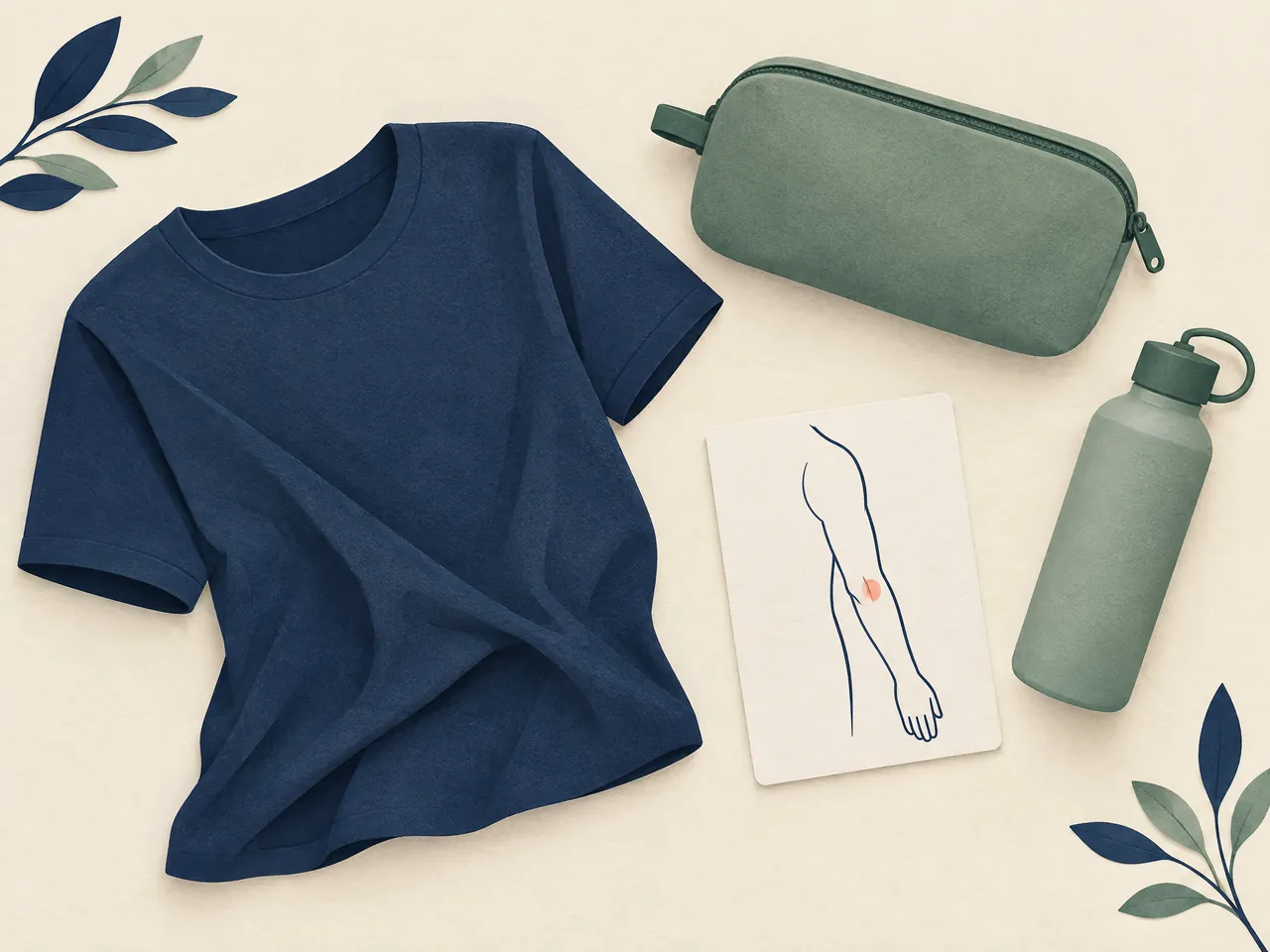
Is acupuncture helpful for tennis elbow? What should I do after acupuncture for tennis elbow? — Rest, movement and activity adjustment
For the remainder of the day, choose activities that do not clearly increase the outer-elbow pain. Light self-care, walking, gentle elbow movement and low-effort household tasks may be reasonable if comfortable. Pause a task that produces sharp pain or leaves the elbow distinctly worse later. Avoid forceful gripping, heavy lifting with the elbow straight, intense racquet practice, high-repetition wrist work and any exercise that recreates the exact symptom while you are working out the plan. The aim is not to become fearful of movement; it is to stop repeatedly asking an irritated area to manage its hardest demand.
Small changes can reduce load without abandoning a role or hobby. When carrying shopping, split the weight or use the other arm where safe. When using a mouse, move the input device closer and take brief task changes before discomfort builds. For cooking, place ingredients and utensils within reach and use a lighter pan if it is the handle grip that provokes pain. For sport, consider a temporary step back from the stroke, drill or weight that triggers symptoms, then discuss a graded return with an appropriately qualified clinician or therapist. The local Hong Kong guidance also advises refraining from repetitive or overuse activities that aggravate symptoms [1].

Is acupuncture helpful for tennis elbow? What should I do after acupuncture for tennis elbow? — When to reassess your symptoms
Reassess promptly if pain becomes substantially worse after the session, if a needle site shows concerning redness, swelling or discharge, or if you feel unwell in a way that concerns you. Contact the treating clinic for advice about a treatment-related question, and seek urgent medical help for severe symptoms rather than waiting for a routine reply. For the elbow itself, new trauma, visible change in shape, spreading numbness, marked weakness or a hot, swollen joint should be medically assessed. These are safety decisions, not a verdict on whether acupuncture was worthwhile.
For a less urgent but stubborn pattern, set a practical review point with the practitioner instead of continuing by habit. Bring the activity notes, say what has and has not changed, and mention if work or sport restrictions are not realistic. A plan may need a different emphasis, further diagnostic input or a referral. It is reasonable to ask what signs would suggest stopping, adjusting or seeking another opinion. The best next step is the one that addresses both the symptom and the source of repeated load.
If you would like to discuss an assessment with TCM Lab, use WhatsApp to describe the location of pain, how it began, the activities that trigger it and any medical diagnosis or imaging already available. You can also check practical access information for the Kwun Tong Chinese medicine clinic, review the Chinese medicine clinic Prince Edward, or consult the Chinese medicine clinic price list Hong Kong before making an enquiry. Explain any language needs when you contact the team so an appropriate arrangement can be confirmed.
Care and health guide
Health service information
This directory brings together services, reading, and visit information related to health services, to help you prepare questions for a consultation.
If you are organising health questions, Chinese medicine clinic Hong Kong is a starting point for learning about related services and preparing for a consultation.
People have different needs; acupuncture Hong Kong provides further reading to help you understand options in your own context.


Your questions, answered
Frequently asked questions
Does tennis elbow only affect people who play tennis?
No. The condition can be associated with repeated use of the forearm and wrist in work, household tasks, sport or hobbies. Gripping, lifting, turning and sustained wrist positions may all be relevant.
What might acupuncture for tennis elbow feel like?
People may notice a brief prick followed by aching, heaviness, tingling or a spreading feeling. Sensations differ. Tell the practitioner at once if pain is sharp, distressing or you feel faint, and share relevant health conditions before treatment.
What should I avoid after acupuncture for tennis elbow?
Avoid testing the elbow with heavy lifting, forceful gripping, intense racquet sport, demanding gym work or repetitive wrist activity that clearly brings back the pain. Normal light activity may be suitable if comfortable.
When should I seek medical review instead of another acupuncture session?
Seek medical assessment after significant trauma or for deformity, a hot or markedly swollen elbow, feeling unwell, new numbness, clear weakness, loss of hand control, or rapidly worsening pain. Arrange a non-urgent reassessment if daily tasks are becoming harder or the plan is not helping you manage load.
Sources and further information
- [1] Hong Kong College of Orthopaedic Surgeons — Tennis Elbow
Referenced for: Supports descriptions of lateral elbow pain, overuse, painful gripping or lifting, assessment and activity modification.
- [2] American Academy of Orthopaedic Surgeons — Tennis Elbow (Lateral Epicondylitis)
Referenced for: Supports patient information on symptoms, examination, possible testing to rule out other causes and conservative care context.
- [3] UCLA Health — Can acupuncture ease the pain of tennis elbow?
Referenced for: Supports the limited, symptom-focused discussion of acupuncture evidence and uncertainty about sustained benefit.
- [4] National Center for Complementary and Integrative Health — Acupuncture: Effectiveness and Safety
Referenced for: Supports acupuncture safety information, sterile single-use needles and the advice not to postpone health-care evaluation.