
TCM Lab · Health reading
Nonspecific Low Back Pain Acupuncture: Should I Try Acupuncture for Back Pain?
Published Updated
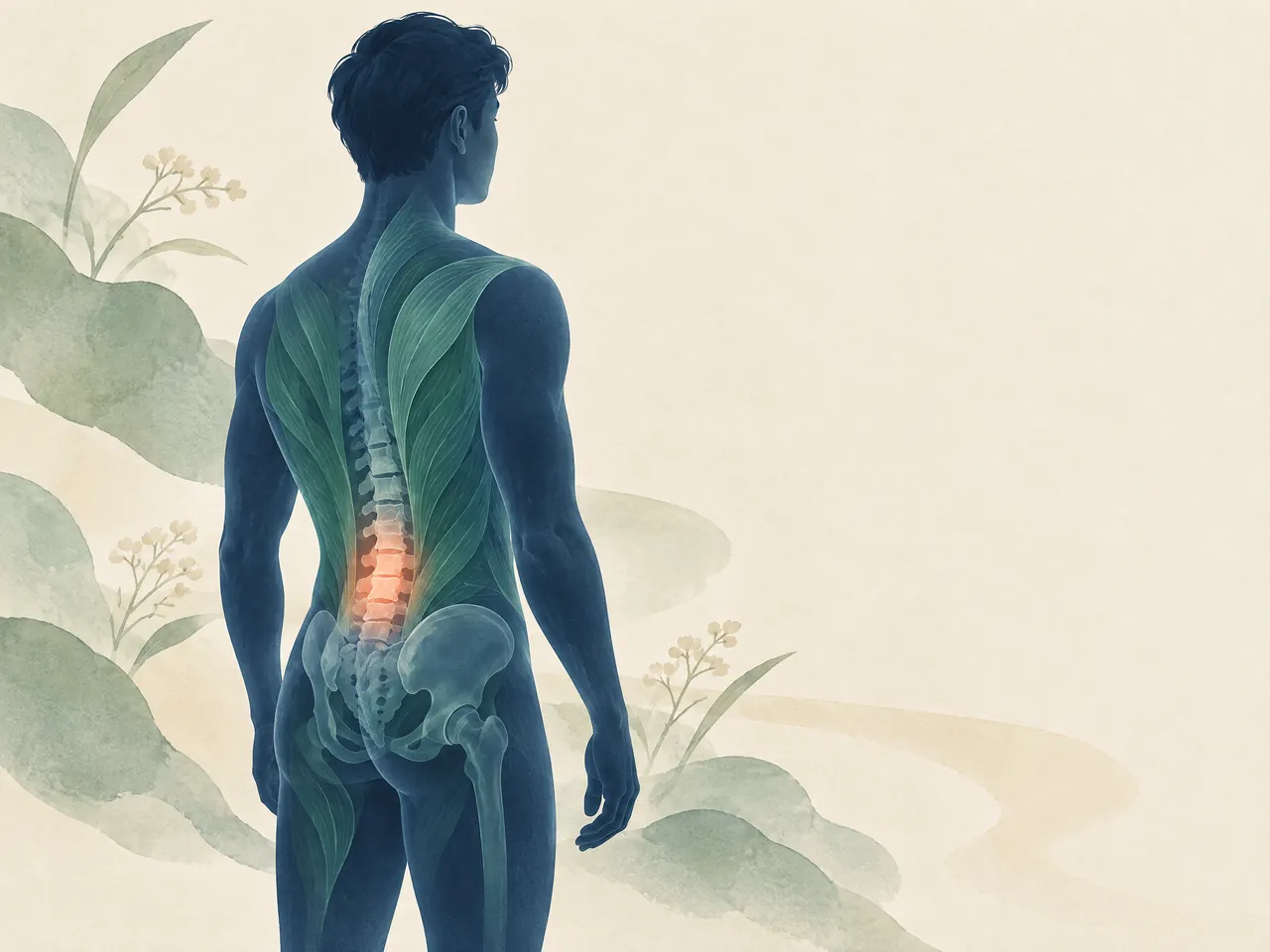
If you are asking whether to try acupuncture for back pain, start with the pattern rather than the promise. Nonspecific low back pain means that an assessment has not identified one recognisable specific pathology as its cause; it does not mean the pain is imagined or unimportant. Acupuncture can be discussed as an adjunct after an in-person assessment, but it is not a guaranteed fix and should not postpone care for warning symptoms. Recording what triggers the pain, where it travels and how it affects movement can make the next decision clearer.
Appointments are confirmed through WhatsApp. If you have language requirements, please mention them in your enquiry.
The short answer
Nonspecific low back pain acupuncture can be an option to discuss after assessment, but it is not a guaranteed treatment or a replacement for medical evaluation. NICE advises not offering acupuncture for low back pain with or without sciatica, while a Cochrane review found mixed, low- to moderate-certainty evidence depending on the comparison. Consider the whole care plan, keep active within comfort, and seek urgent care for new symptoms in both legs, saddle numbness, bladder or bowel changes, chest pain, serious trauma, or rapidly worsening pain.
Transparent pricing
See the fees.
Choose your care.
Explore our complete official price list, including first-trial prices, regular prices, packages and branch-specific options.
Opening WhatsApp prepares an enquiry; it does not send a message, take payment or confirm an appointment. Suitability and individual arrangements are confirmed during consultation.
Pain care
All prices in HKDExtracorporeal shockwave treatment
Shockwave treatment for deep-tissue and fascial care. The Kwun Tong clinic offers the multi-area options shown below.
Priced by branch
Branch-specific pricing
Prince Edward: HK$250 per area
Kwun Tong: HK$250 for 1 area / HK$450 for 2 areas / HK$600 for 3 areas
Pain care (manual therapy)
Includes Chinese medicine musculoskeletal assessment, manual joint techniques and tui na.
HK$580 (single session)
Chinese medicine musculoskeletal assessment
Pain care (acupuncture and manual therapy)
Combines acupuncture and manual therapy.
HK$680 (single session)
Combined care
Hair and scalp
All prices in HKDScalp health and hair-loss management
Includes AI scalp analysis, deep scalp and follicle cleansing, and scalp oil-control care.
HK$380 (first trial)
Regular price: HK$680
- 6 sessions: HK$3,480 (HK$580 per session)
- 12 sessions: HK$5,760 (HK$480 per session)
- 20 sessions: HK$8,600 (HK$430 per session)
- 30 sessions: HK$11,400 (HK$380 per session)
Hair acupuncture and Chinese herbal medicine package
Includes scalp acupuncture and 3 days of Chinese herbal medicine that does not require decoction.
HK$580 (single session)
Registered Chinese Medicine Practitioner consultation
- 6 sessions: HK$3,180 (HK$530 per session)
- 12 sessions: HK$5,760 (HK$480 per session)
- 20 sessions: HK$8,600 (HK$430 per session)
- 30 sessions: HK$11,400 (HK$380 per session)
Combined hair and scalp treatment
Combines acupuncture and Chinese herbal medicine with salon-level scalp and follicle care. Packages include complimentary hair-care shampoo and serum.
HK$1,260 (single session)
Combined treatment
- 8 sessions: HK$8,640 (HK$1,080 per session)
- 16 sessions: HK$15,680 (HK$980 per session)
- 20 sessions: HK$18,600 (HK$930 per session)
- 30 sessions: HK$26,400 (HK$880 per session)
Weight management
All prices in HKDFull-body acupoint embedding for weight management
Includes full-body acupoint embedding. Packages include complimentary Chinese herbal medicine for weight management, with the number of included days scaled to the package. Embedding material and the individual treatment arrangement are confirmed during consultation; this is not a cosmetic thread lift.
HK$980 (single session)
No trial session
- 10 sessions: HK$7,800 (HK$780 per session)
- 20 sessions: HK$14,600 (HK$730 per session)
- 30 sessions: HK$20,400 (HK$680 per session)
Facial acupuncture
All prices in HKDFacial acupuncture (basic)
Includes facial acupuncture and meridian-based facial care, including care for facial puffiness.
HK$480 (first trial)
Regular price: HK$680
- 10 sessions: HK$5,200 (HK$520 per session)
- 20 sessions: HK$9,600 (HK$480 per session)
- 30 sessions: HK$13,500 (HK$450 per session)
Facial acupuncture (advanced)
Includes enhanced facial acupuncture with a specially formulated moisturising mask and serum.
HK$780 (first trial)
Regular price: HK$1,180
- 10 sessions: HK$9,000 (HK$900 per session)
- 20 sessions: HK$16,600 (HK$830 per session)
- 30 sessions: HK$23,400 (HK$780 per session)
Chinese medicine
All prices in HKDAcupuncture and Chinese herbal medicine package
Includes a Chinese medicine consultation with pulse assessment, body acupuncture and 3 days of Chinese herbal granules that do not require decoction.
HK$580 (single session)
Chinese medicine consultation with pulse assessment
Nonspecific Low Back Pain Acupuncture: Should I Try Acupuncture for Back Pain? Understanding Symptoms
Low back pain can feel like a tight band after a long day at a desk, a sharp catch when turning, or a persistent ache that makes getting out of a taxi difficult. It may stay in the lower back, spread across the buttock, or be accompanied by tingling in a leg. The same description can arise in different contexts, so a symptom story is more useful than assuming every flare has the same cause. The NHS notes that back pain can have many causes and that it is often not obvious what caused it [1]. A careful history also stops an online label from becoming a self-diagnosis.
“Nonspecific” is a clinical description, not a dismissal. In the Hong Kong taskforce guideline, nonspecific low back pain is described as pain not attributable to a recognisable specific pathology, such as infection, fracture, inflammatory disorder, radicular syndrome or cauda equina syndrome [4]. This is why an assessment considers more than the spot that hurts. It looks at when the problem began, any injury, whether pain travels, changes in sensation, general health, and how pain affects ordinary activities. A new pattern deserves fresh attention, even if you have had familiar back pain before.
Nonspecific Low Back Pain Acupuncture: Should I Try Acupuncture for Back Pain? Recording Your Pattern
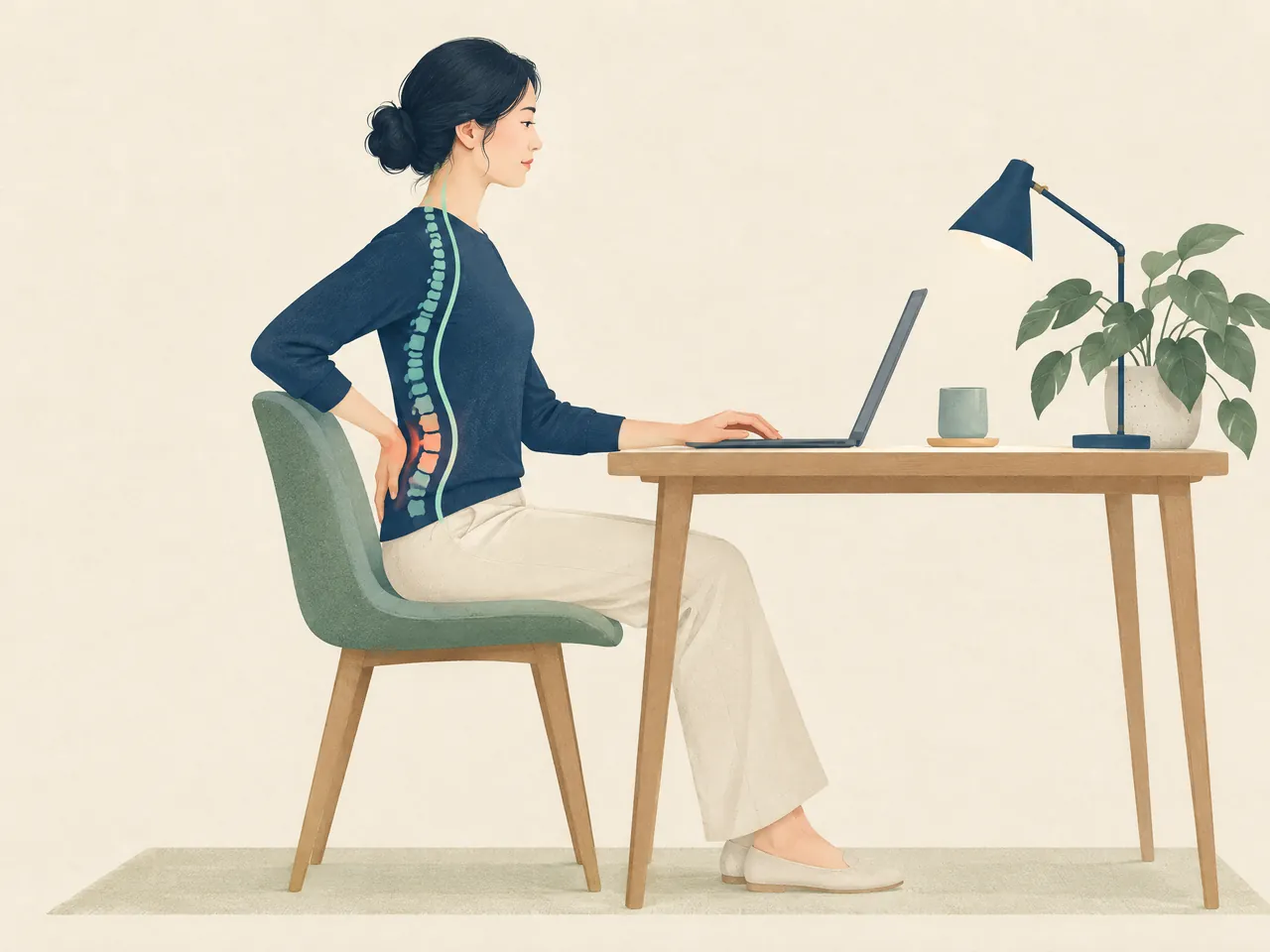
Keep a brief record that a clinician can actually use. Write down the date and time a flare starts, where it is felt, whether it is dull, sharp, stiff or burning, and whether it reaches the buttock, thigh, calf or foot. Add what happened shortly beforehand: lifting a child, carrying shopping, sitting through a video call, coughing, a long journey, or a sudden twist. Record what you could and could not do afterwards, such as putting on shoes, sleeping, walking to the MTR or concentrating at work. This creates a timeline rather than asking you to remember everything while uncomfortable.
Also note symptoms that change the urgency of the conversation. New weakness, altered feeling, balance difficulty, numbness, feverishness, unexplained weight loss, urinary or bowel changes, or pain that is progressing quickly should not be folded into a routine symptom log. If pain began suddenly, the companion page on What causes sudden lower back pain? can help organise questions about onset, but it cannot determine the cause for you. A record is preparation for assessment, not proof of a diagnosis.
Nonspecific Low Back Pain Acupuncture: Should I Try Acupuncture for Back Pain? Common Presentations
One person may wake with local stiffness after unfamiliar lifting, while another feels an ache build after hours in one position. Some people can move reasonably in the morning and become sore later; others feel guarded at first and loosen gradually. Pain that travels into one leg, or leg tingling, can be relevant to a clinician, but it does not by itself confirm a trapped nerve or disc problem. The description needs its setting: whether the symptom is new, whether it changes with coughing or sneezing, and whether there is weakness or loss of function.
Duration matters because it changes what you and the practitioner discuss. A short episode that is steadily easing calls for a different conversation from pain that has remained disruptive for months or keeps returning. The Hong Kong guideline uses acute for symptoms lasting up to three months and chronic for longer-lasting symptoms in its nonspecific low-back-pain description [4]. Avoid attaching one traditional or structural explanation to every presentation. If you want more background on possible triggers, acute low back pain causes is a useful related reading path, while a clinician can judge whether your own pattern needs examination or medical referral.
Compare your options
| What you notice | What to record or try | Appropriate next step |
|---|---|---|
| Local ache or stiffness that is easing | Note triggers; use wrapped heat or ice only if comfortable; keep gently active. | Monitor the pattern and arrange routine advice if it is not improving or is limiting life. |
| Pain after a new lift, twist, long journey or desk day | Record the activity, exact onset, movement limits and any spread into a leg. | Discuss assessment and a return-to-activity plan; avoid assuming a single structural cause. |
| Persistent or recurring pain affecting sleep, work or walking | Bring a symptom diary, medicine list and details of previous treatment or investigations. | Arrange a clinical review; discuss exercise, rehabilitation and whether acupuncture is suitable as an adjunct. |
| Both-leg symptoms, saddle numbness, bladder or bowel changes, chest pain, major trauma, feverishness or rapidly worsening pain | Do not wait to see whether a comfort measure works. | Seek urgent or emergency medical assessment according to local services. |
On smaller screens, scroll the table sideways to compare all columns.
Nonspecific Low Back Pain Acupuncture: Should I Try Acupuncture for Back Pain? Reviewing Evidence
The honest answer to “should I try acupuncture for back pain?” is not a simple yes or no. It depends on your symptoms, goals, access to other care, preferences and whether a clinician considers it suitable. It also depends on what comparison is being made. Research that compares acupuncture with no treatment can answer a different question from research that compares it with sham acupuncture or usual care. Reading only a favourable headline can make those distinctions disappear, which is unhelpful when you are choosing what to do next.
Guidelines do not all frame the topic in the same way. NICE states that acupuncture should not be offered for managing low back pain with or without sciatica [2]. By contrast, the Hong Kong taskforce publication sets out an acupuncture practice guideline that spans conventional diagnosis, traditional syndrome differentiation, treatment procedures, rehabilitation and follow-up [4]. A practice guideline for how an intervention may be delivered is not the same thing as a promise that it will work for every person. The difference is a reason to have a balanced, individual discussion rather than treating any single source as a universal answer.

Nonspecific Low Back Pain Acupuncture: Should I Try Acupuncture for Back Pain? What Guidance Says
NICE places assessment and self-management at the centre of care: it advises tailored information, encouragement to continue normal activities, and consideration of exercise programmes based on a person’s needs and capabilities [2]. It also says not to offer acupuncture for low back pain with or without sciatica [2]. This does not mean that a person’s wish to discuss acupuncture is unreasonable. It means the decision should be made with clear knowledge of that recommendation and should not crowd out activity, medical review, rehabilitation or other care that may be relevant to the individual.
The Cochrane review of adults with chronic nonspecific low back pain reached a similarly cautious evidence picture. Compared with sham acupuncture, it found that any immediate pain difference did not reach its stated threshold for clinical importance; compared with no treatment, results were more favourable for immediate pain and function. Across comparisons, certainty ranged from very low to moderate because of issues including bias, inconsistency and imprecision [3]. This is why a page about acupuncture for low back pain should distinguish a possible supportive choice from a cure claim.
Nonspecific Low Back Pain Acupuncture: Should I Try Acupuncture for Back Pain? Setting Realistic Expectations
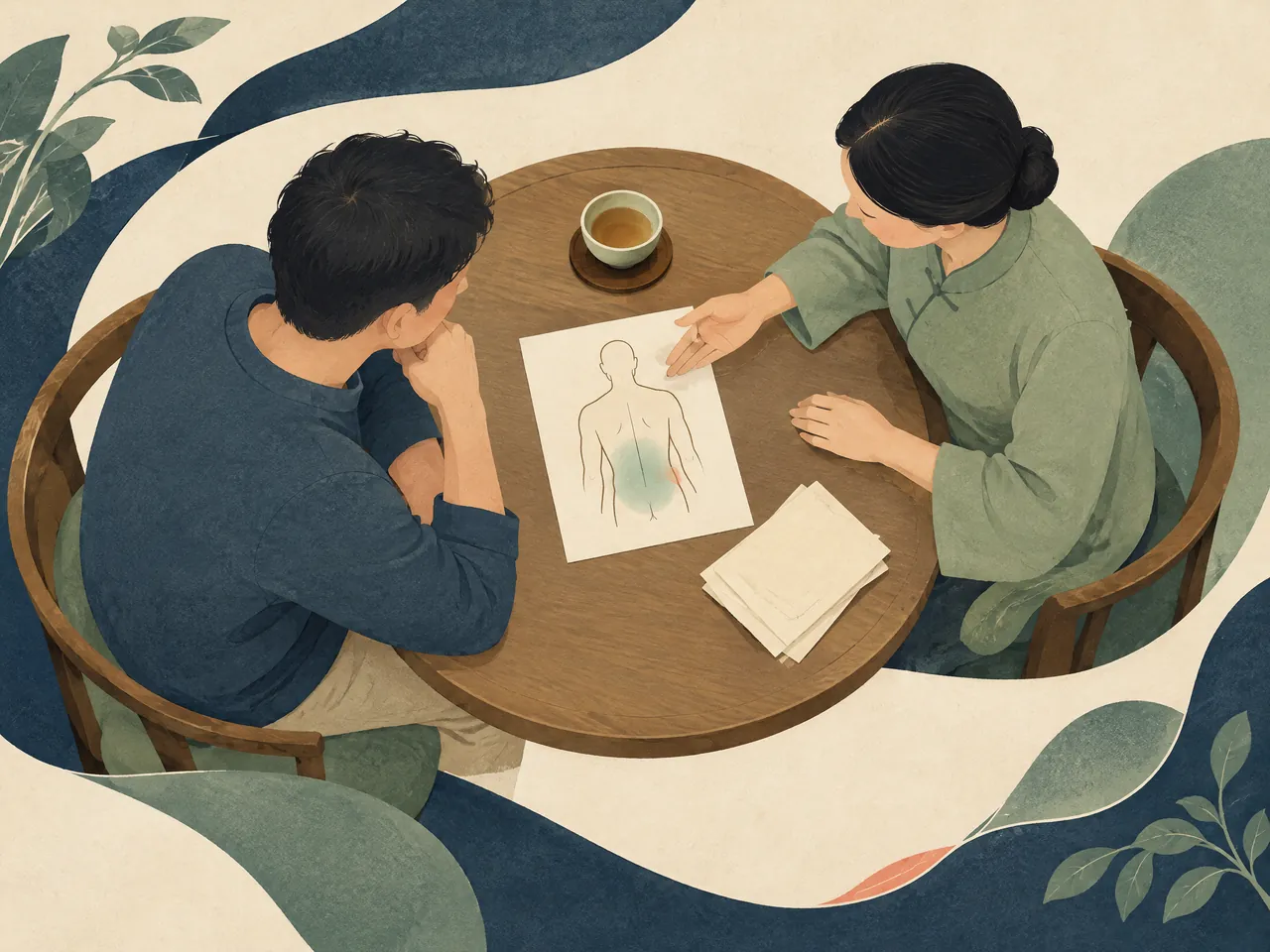
A realistic aim is not to promise that every needling session will erase pain or correct an assumed structural problem. Instead, decide what would matter in your own week: being able to walk more comfortably, return to a normal task, sleep with fewer interruptions, or participate in an exercise plan. Those are outcomes to discuss and review, not outcomes that a website can guarantee. If an approach is not helping, or function is declining, that information belongs in the next clinical conversation. It is more useful than chasing a fixed number of visits or comparing yourself with another person’s experience.
Ask direct questions before choosing any adjunctive care. What is the working assessment? Are there features that need medical review first? What other measures should continue alongside it? How will you judge whether the plan remains appropriate? What information about medicines, pregnancy, a bleeding disorder, or previous reactions needs to be shared? The Hong Kong taskforce guideline notes that bleeding disorders and serious visceral disease can make acupuncture inappropriate, and that severe spinal or systemic pathology may require it to be considered only as complementary care [4]. For another evidence-focused perspective, see is acupuncture effective for lower back pain.
Nonspecific Low Back Pain Acupuncture: Should I Try Acupuncture for Back Pain? Choosing Safe Next Steps
Choosing a next step does not require choosing only one type of care forever. It can mean arranging a medical assessment, keeping gently mobile, asking about physiotherapy or an exercise plan, and discussing whether acupuncture has a role after your history is reviewed. Bring information that makes assessment safer: previous scans or diagnoses if you have them, current medicines and supplements, allergies, pregnancy status where relevant, and any history of fainting, bruising or bleeding problems. A registered Chinese medicine practitioner may use a traditional pattern-assessment approach, but this is not a substitute for ruling out urgent conventional diagnoses.
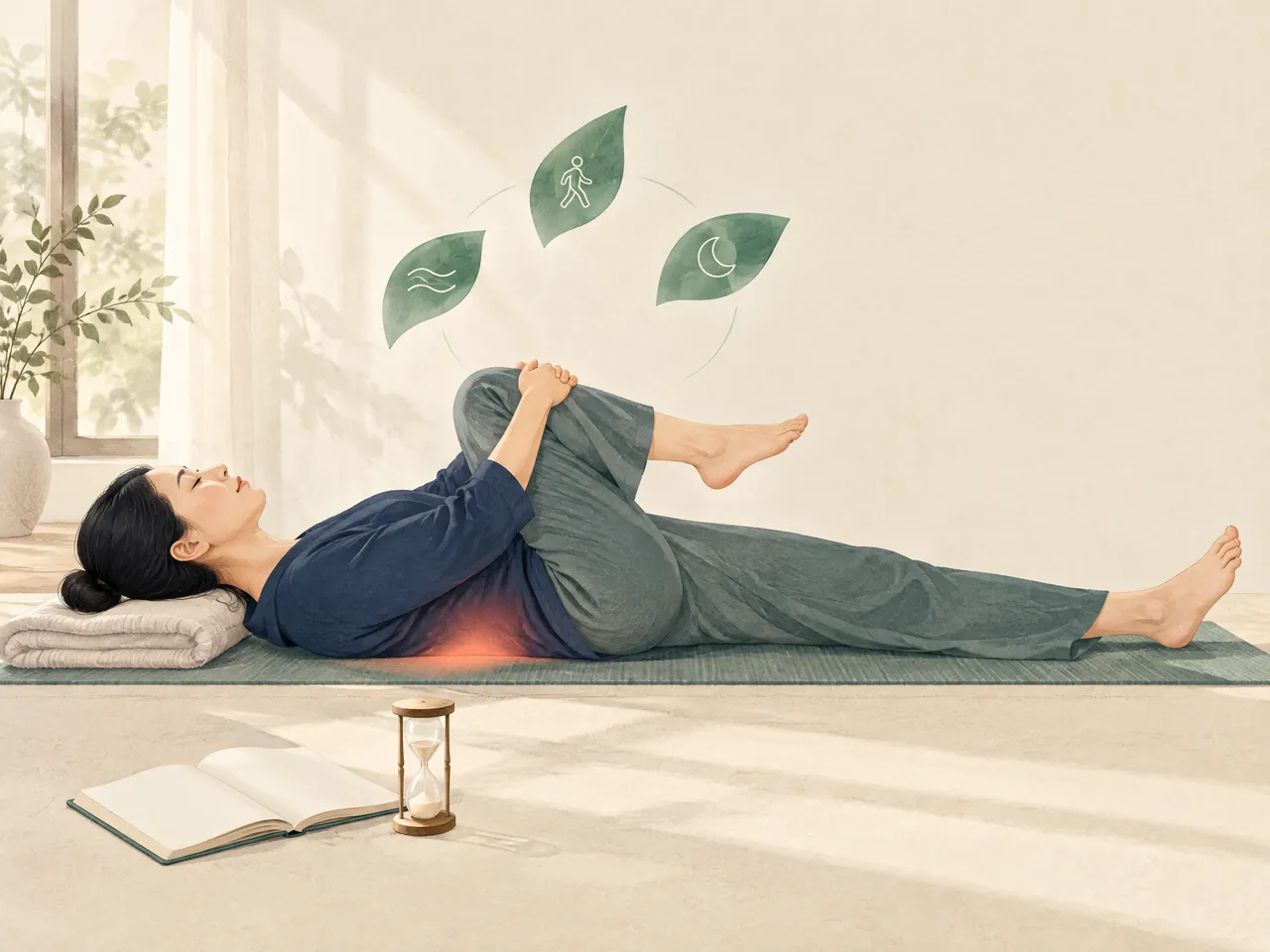
For day-to-day comfort, be guided by the response rather than a rule that everyone should use the same method. The NHS suggests a wrapped ice pack for pain and swelling or a wrapped heat pack for joint stiffness or muscle spasms, while advising people to stay active and not remain in bed for long periods [1]. Stop a measure that worsens symptoms, protect skin from extreme temperatures, and build activity back within what feels safe. Short walks, changing position, and gentle movement may be more sustainable than alternating between pushing through a flare and complete inactivity.

Nonspecific Low Back Pain Acupuncture: Should I Try Acupuncture for Back Pain? Assessment Before Care
An appointment should begin with questions, not assumptions. Expect discussion of pain location and behaviour, onset, injury or trauma, leg symptoms, sleep, work demands, previous episodes, medical history and medicines. A practitioner may ask about digestion, temperature preference, energy and other whole-person features as part of traditional Chinese medicine assessment. Those observations provide a traditional approach; they do not turn a tongue or pulse finding into a modern diagnosis. Be open about treatments already tried so the plan does not duplicate, conflict with, or delay needed care.
It is sensible to coordinate rather than compartmentalise. Tell your family doctor, physiotherapist or specialist if you are considering acupuncture, and tell the Chinese medicine practitioner about any planned investigations or prescribed treatment. Imaging is not automatically needed for every episode: NICE says not to routinely offer imaging in a non-specialist setting and to consider it in specialist care only when the result is likely to change management [2]. For readers exploring the wider traditional-care context, Chinese medicine for low back pain explains why an individual consultation is more meaningful than a generic online remedy list.

Nonspecific Low Back Pain Acupuncture: Should I Try Acupuncture for Back Pain? Red Flags and Self-Care
Urgent symptoms should take priority over acupuncture or home care. The NHS advises immediate emergency assessment for back pain with pain, tingling, weakness or numbness in both legs; loss of feeling around the genitals or anus; bladder or bowel changes; chest pain; or pain beginning after a serious accident [1]. It also advises urgent help when severe pain begins suddenly or gets worse quickly, or when a person feels hot, cold, shivery or generally unwell [1]. In Hong Kong, use the emergency and urgent-care services appropriate to your situation. Do not drive yourself if symptoms make driving unsafe.
Without those warning signs, plan a non-urgent medical review if pain does not improve after several weeks of home measures, stops you managing daily activities, is worsening at night, comes with unexplained weight loss, or worries you [1]. Bring your symptom record and ask what level of activity is appropriate for you. The practical comparison below can help distinguish a routine comfort measure from a reason to seek assessment. It does not replace clinical advice, especially if a new symptom changes the picture. A calm, informed review is a better basis for deciding whether acupuncture belongs in your back-pain plan.
Care and health guide
Low back discomfort: care information
This directory brings together services, reading, and visit information related to low back discomfort, to help you prepare questions for a consultation.
When low back discomfort affects your day, noting when it occurs, its relation to activity, and what you have already tried can help prepare a consultation; acupuncture for low back pain is a relevant service or reading entry point.
Individual circumstances differ, and acupuncture Hong Kong offers related information to help you understand options and prepare questions.


Your questions, answered
Frequently asked questions
Should I try acupuncture for back pain if the pain is nonspecific?
It may be a topic to discuss after an in-person assessment, but it is not a guaranteed solution. NICE advises not offering acupuncture for low back pain with or without sciatica, while the Cochrane evidence is mixed across comparisons and has low- to moderate-certainty findings. Consider your symptoms, safety, preferences and the wider care plan.
Can I use heat or ice for nonspecific low back pain?
A wrapped ice pack may be used for pain and swelling, and a wrapped heat pack may help stiffness or muscle spasm if it feels comfortable. Protect the skin and stop if symptoms worsen. Heat or ice is a comfort measure, not a way to rule out a serious cause or replace assessment.
Should I stay in bed during a low back pain flare?
Long periods in bed are generally discouraged in NHS self-care advice. When there are no urgent warning symptoms, gentle activity and a gradual return to normal tasks may be more helpful than prolonged rest. Ask a clinician for individual advice if movement is severely limited or symptoms are changing.
When should I seek urgent help for back pain?
Seek urgent or emergency assessment for symptoms in both legs, new numbness around the genitals or anus, bladder or bowel changes, chest pain, serious trauma, sudden severe or quickly worsening pain, or feeling feverish and unwell. These signs should not be managed with acupuncture or self-care alone.
Sources and further information
- [1] [1] NHS — Back pain
Referenced for: Supports broad causes, self-care advice on activity and wrapped heat or ice, and the listed urgent and emergency warning symptoms; it does not support acupuncture efficacy.
- [2] [2] NICE NG59 — Low back pain and sciatica in over 16s: assessment and management
Referenced for: Supports the cited assessment, imaging, activity, exercise and acupuncture recommendations; it is UK guidance and not a statement of local Hong Kong service availability.
- [3] [3] Cochrane — Acupuncture for chronic non-specific low-back pain
Referenced for: Supports the description of the 2020 review's comparisons, immediate findings and very-low- to moderate-certainty evidence; it does not predict an individual outcome.
- [4] [4] Chen et al. — Acupuncture for low back pain: a clinical practice guideline from the Hong Kong taskforce of standardized acupuncture practice
Referenced for: Supports the definition and duration framing for nonspecific low back pain and the cited assessment and suitability context; it does not establish a guaranteed benefit.