Compare the colour pattern without borrowing the styling
When a reference looks appealing, identify whether you are responding to its silver placement or to the way the hair is arranged. A curled back view may show separate light ribbons, while your usual smooth style presents a different view of those pieces. Look for a second view of the same reference if available. If there is none, write down the missing view rather than assuming the front or parting will look as you imagine.
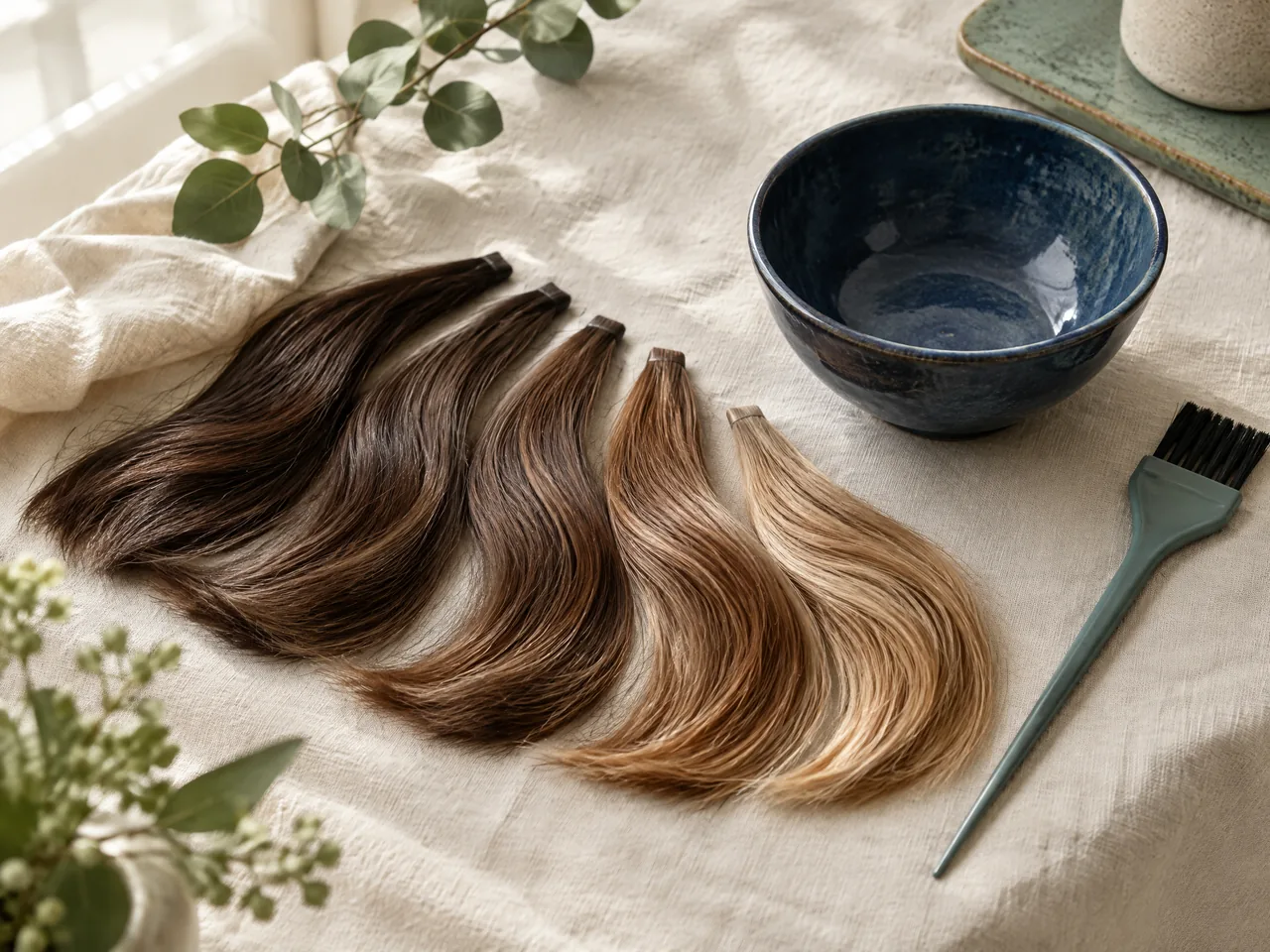
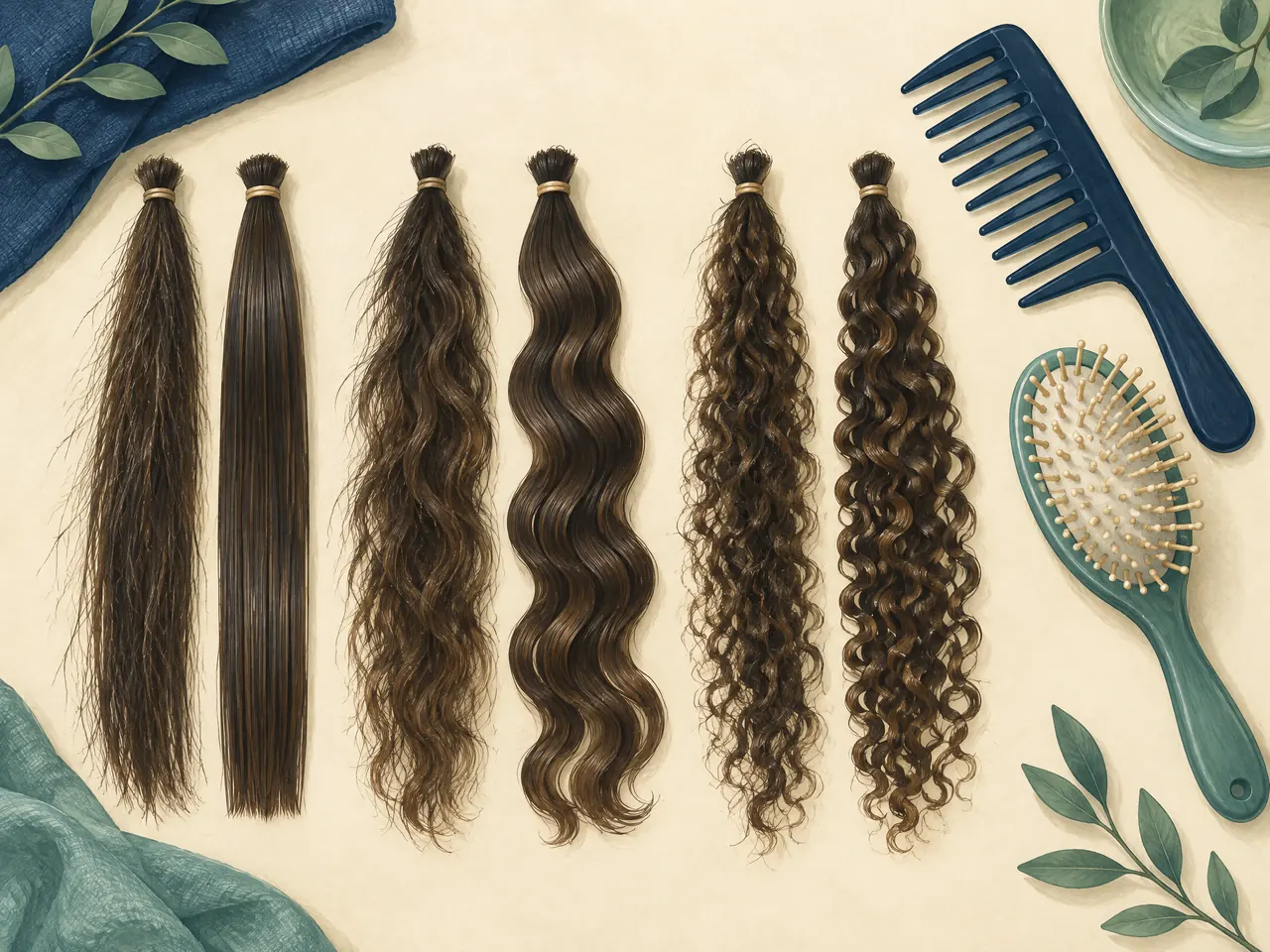
Practise describing the pattern without using a hairstyle name: fine silver lines through a dark base, a light feature at one temple, or a more even brown across the front. Then add how you normally wear your hair. A straight, wavy or curly practice tress can help keep texture in that conversation, but it cannot show how colour would behave on your own hair. Bring your ordinary unstylised appearance into the brief as well as the polished reference. [4]
Check the same grey pattern in two familiar settings
Use your daylight photograph as a starting record, then look at the same parting under an indoor light you regularly use. Keep the hairstyle and viewing distance similar. The service resource notes that reflections can brighten individual strands and warm indoor light can change the appearance of the surrounding brown. [3] Record which difference you dislike: a brighter silver edge, warmer-looking lengths or the contrast between them. Avoid turning every change in reflection into a request for more coverage.
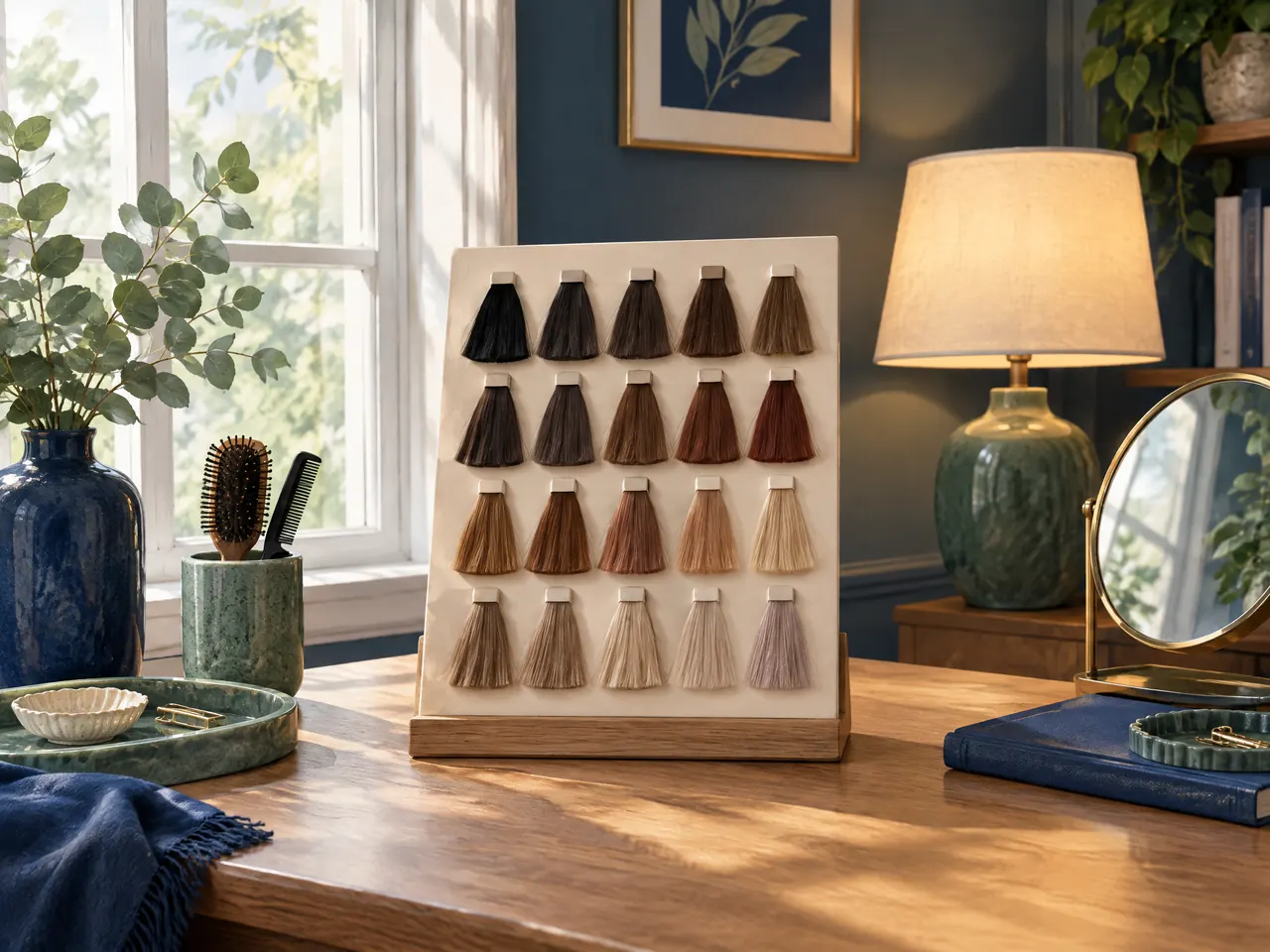
If you compare a sample board, move that same board between the two settings rather than comparing different samples in different rooms. For your own photographs, avoid filters and keep an unedited version for the consultation. If the views disagree, show both and say where you most often see your hair. A sample or photograph is a conversation aid, not a prediction of your finished colour.
Turn your preferences into a brief that can be assessed
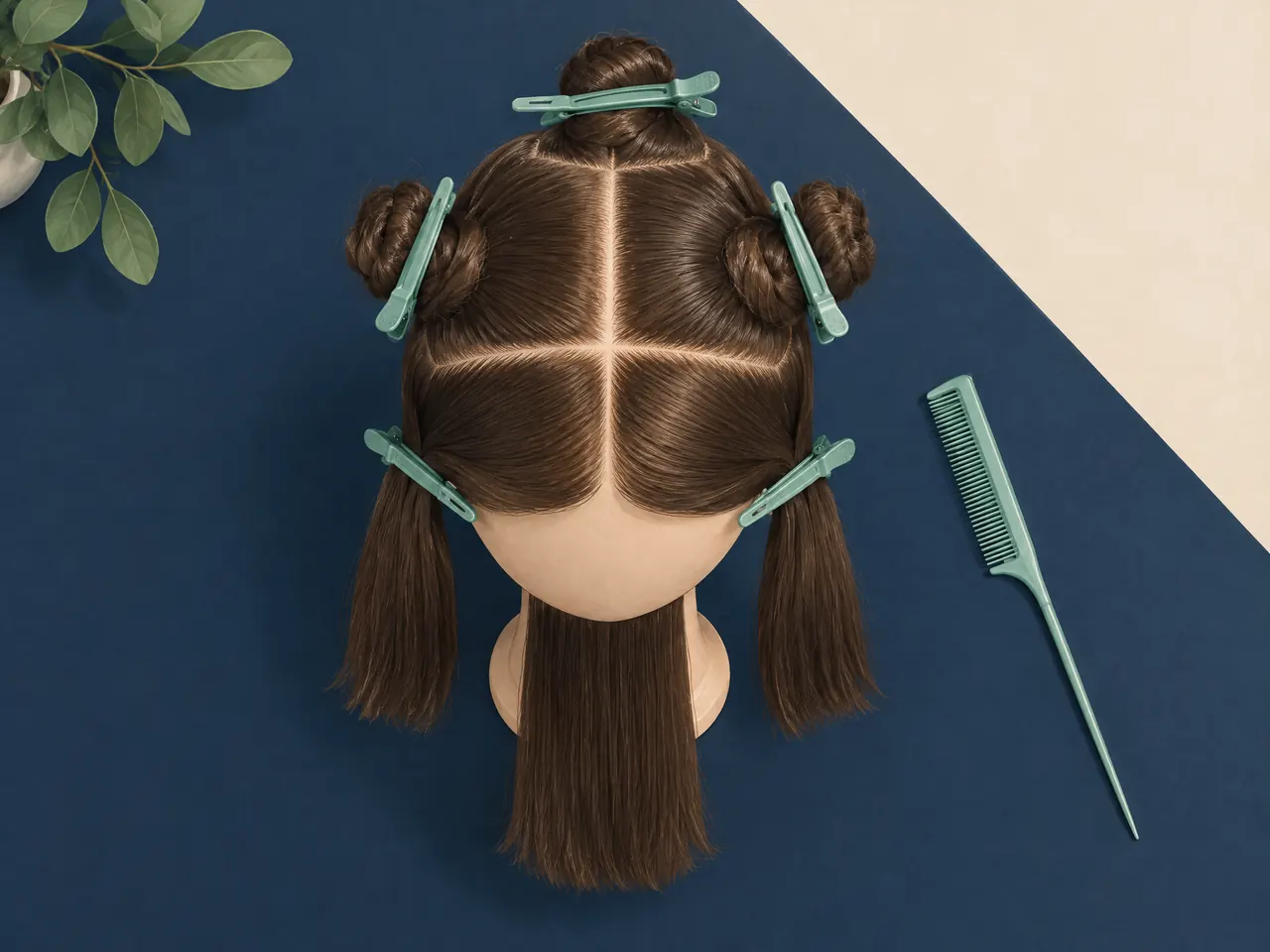
For the consultation, separate your preferred finish from the areas you would allow someone to change. For example: 'Keep the silver temple visible, make the parting less contrasted, and leave the depth through the lengths close to what it is now.' Add which request matters most if those preferences cannot all be achieved together. A sectioned practice mannequin illustrates how areas can be discussed separately; it is not a colouring technique to copy at home.
Alongside that brief, describe previous colour still present on the lengths. The service resource asks for home dye, bleach and other colour history, including product packaging when available; uncertain details should be labelled approximate. [3] Ask which areas the proposed work would affect and what could reasonably remain unchanged. If the proposed finish involves more overall brightness than you want, pause and restate that boundary before agreeing the work. The aim is an assessed plan you understand, not simply an appointment bearing the word 'blending'.