
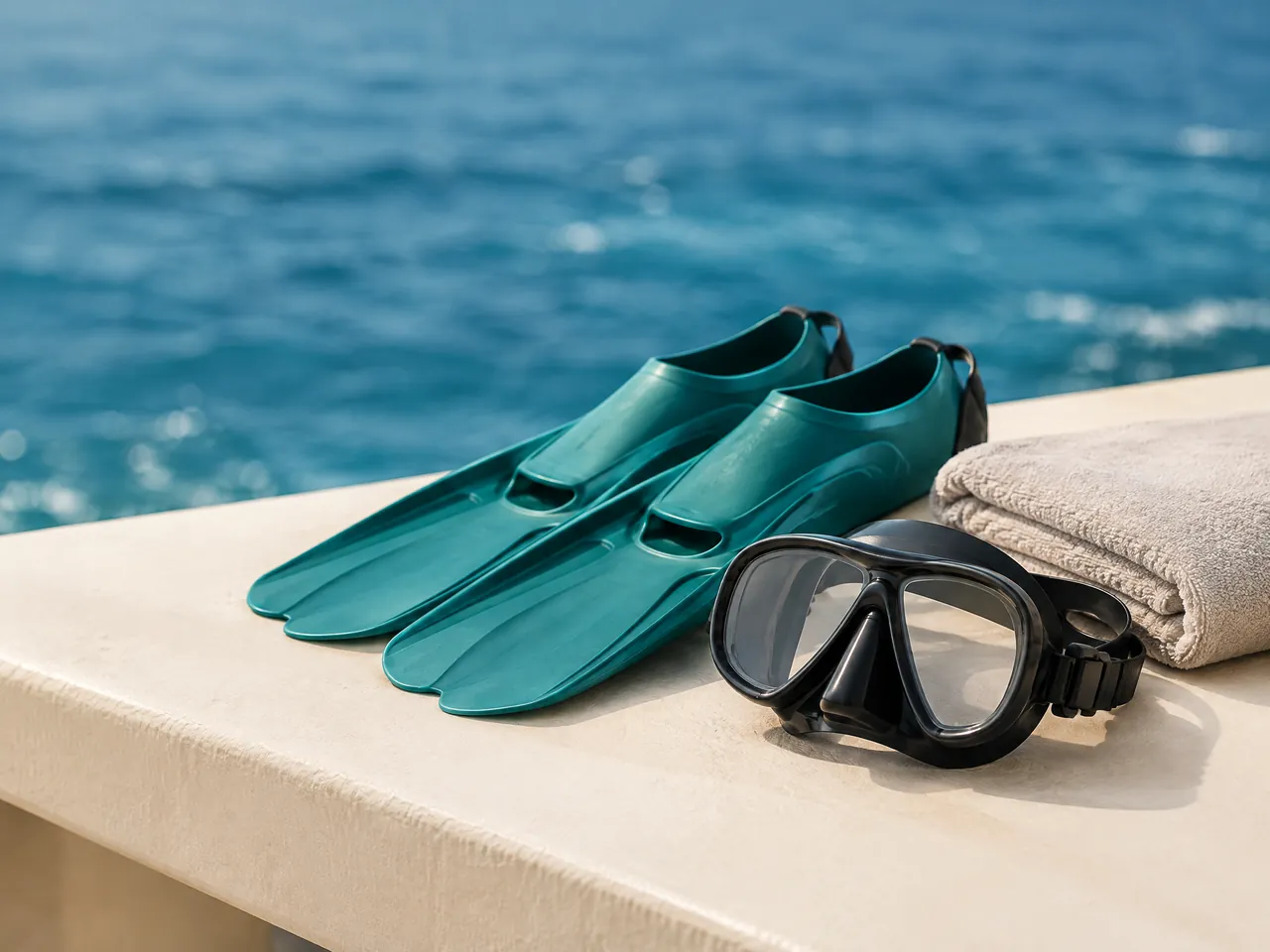
Choose a reading route that matches your next decision
Diving learning and coastal life can begin with a simple question: what are you trying to arrange next? Someone curious about a first supervised experience needs different information from a certified diver organising a boat outing. If you are unsure, start with the introductory reading and describe your interest without choosing a qualification in advance. If you already hold a certificate, begin with your recent diving experience and the kind of outing you want to discuss.
Use the topic groups to answer that decision, rather than reading every course article in sequence. Starting and returning helps you prepare an initial enquiry. Courses and booking is useful when you need to compare a written plan. Coastal and boat-trip planning brings attention to the whole journey. Friends and family learning focuses on each participant, while further training asks what capability you want to develop. Reading can organise your questions; it cannot assess readiness or confirm a booking.
Separate study, supervised practice and course completion
A course name alone does not explain how learning will fit into your week. PADI's Open Water Diver overview distinguishes knowledge development, confined-water skills practice and open-water skills practice, and also identifies a water-skills assessment. This is a useful example of why online study and practical training should not be treated as interchangeable. It is not a universal timetable for every agency or a confirmed description of a particular DiveHarbour booking.
When making an enquiry, ask the provider to describe the components of the exact programme you are considering. Clarify what you prepare beforehand, where supervised sessions take place and how progress is assessed. If study starts online, ask how your completion record reaches the instructor and how unanswered questions will be discussed. A saved lesson or completed module should not be assumed to mean the practical requirements have been met.
Leave room for clarification before committing travel dates. Ask what happens if you need additional practice, cannot attend one session or want to continue with another provider later. Record the answer alongside the programme name so you can compare actual arrangements rather than labels. For further training, describe a learning goal such as improving navigation confidence or understanding a new activity, then ask which prerequisites and assessment responsibilities apply.

Ask what equipment is supplied before buying or packing
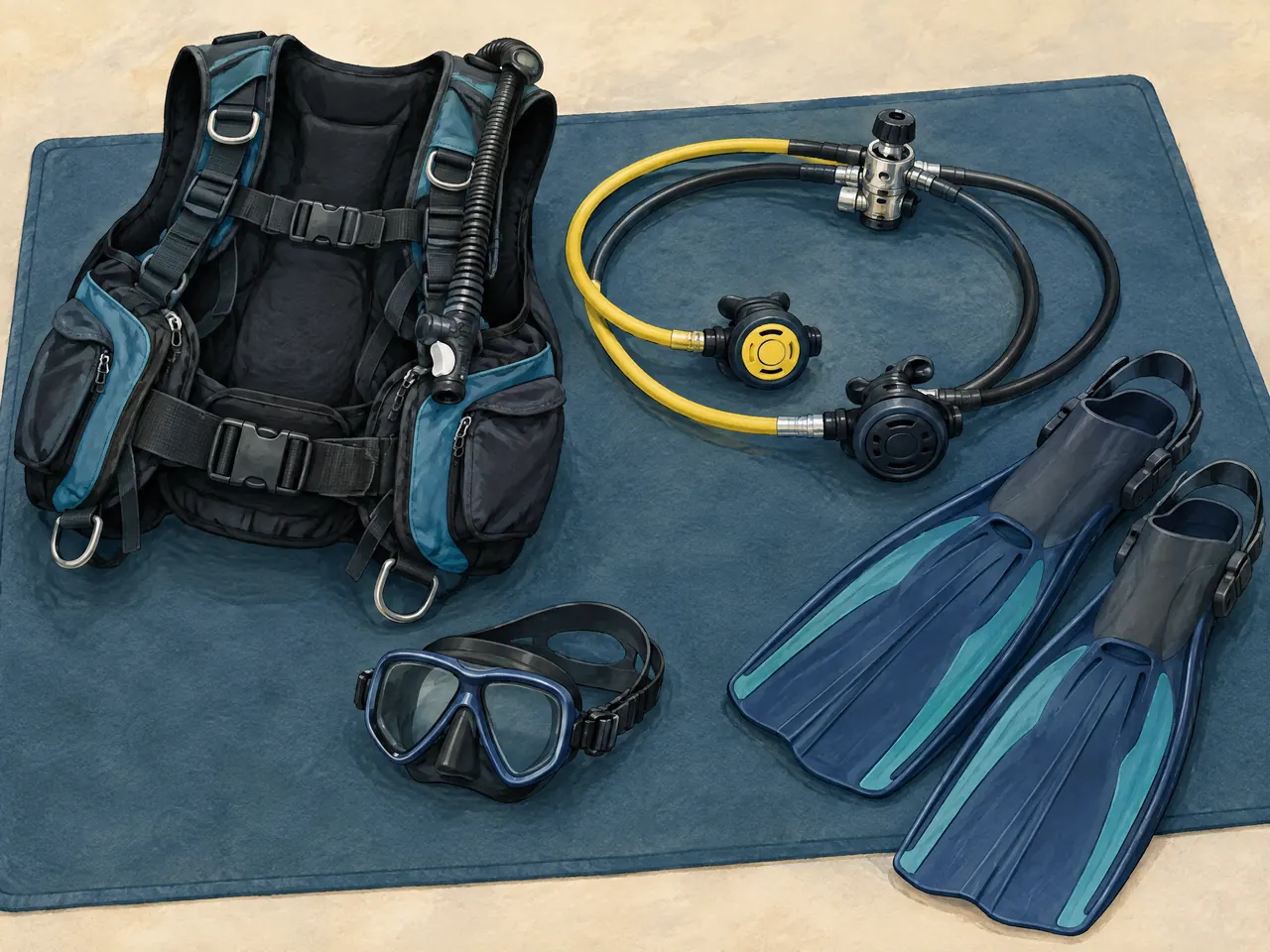
Treat equipment familiarisation as a conversation with the instructor, not a shopping list to complete before your first enquiry. The illustration separates a buoyancy compensator, regulator assembly, mask and fins so you can identify the objects you want to ask about. Seeing their names and shapes does not explain how to assemble, check or use them. Those tasks belong in appropriate supervised instruction, not in a reading hub.
Ask which items are supplied for your chosen session and whether anything must be brought separately. If you own equipment, list the items and ask the provider whether they are appropriate for the planned activity and what inspection or servicing information is needed. Do not assume that owning an item makes it suitable or that every course quotation includes the same equipment arrangements.
Keep equipment questions separate from transport and learning questions when comparing quotations. For example, an answer about rental equipment does not settle whether study materials, practical sessions or boat arrangements are included. Request clarification of any missing inclusion without substituting an estimated price. Before purchasing something specifically for the course, ask whether you can discuss or try relevant options with the instructor first.
Describe equipment comfort in specific terms
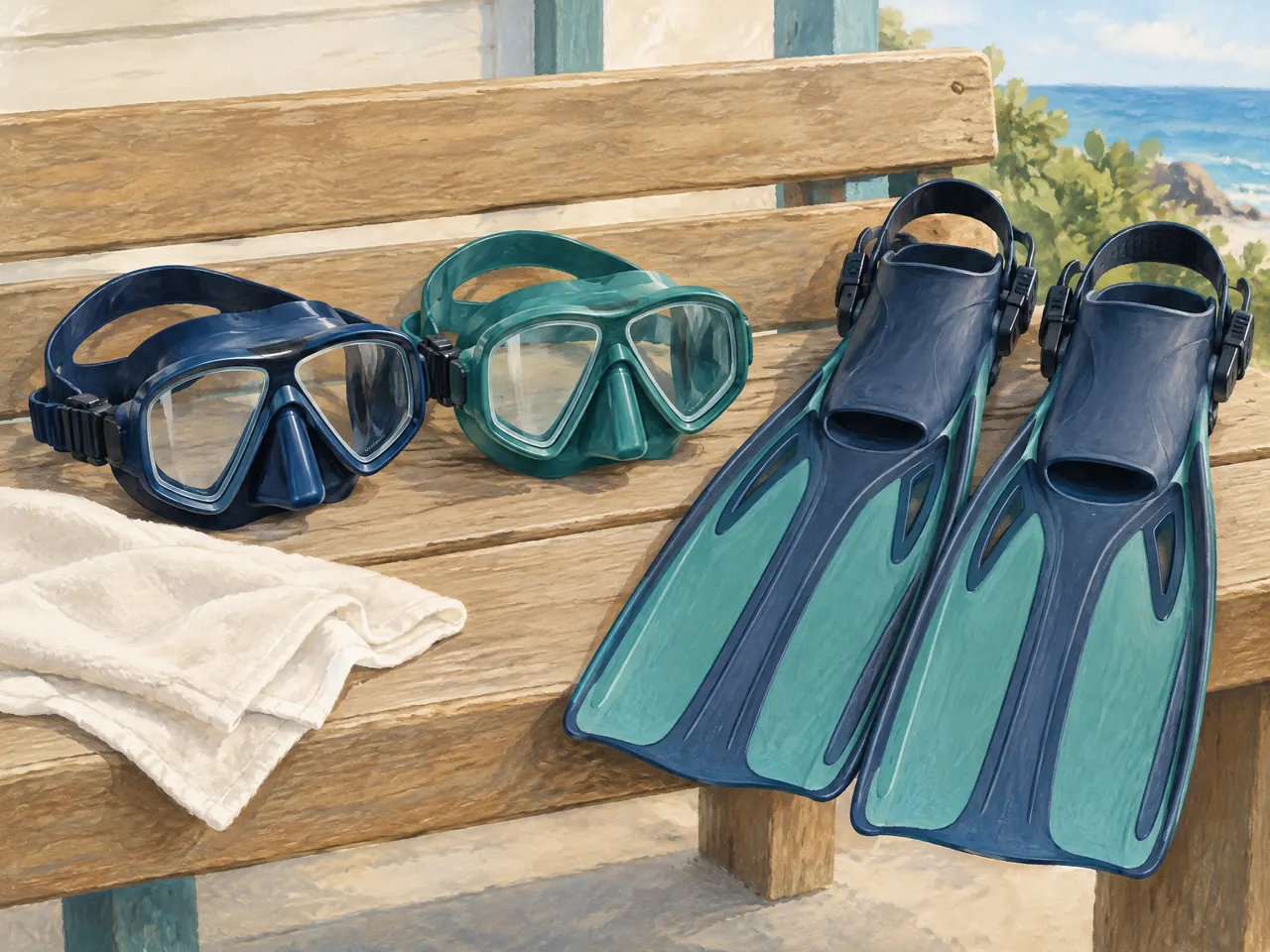
Equipment questions are easier to discuss when you describe what you noticed rather than naming a preferred brand. If you have tried a mask before, explain whether it pressed uncomfortably in a particular place or whether you were unsure about the adjustment. If you have used fins, describe the footwear worn with them and any concern about fit. These observations give the instructor something concrete to review; they do not establish that the equipment is safe or correctly fitted.
For a first session, ask when fitting and familiarisation will take place, and how you should raise discomfort during the activity. An online picture cannot assess the fit of a mask or fins for an individual. Avoid buying matching equipment for a couple or family simply because it looks convenient. Each participant needs their own discussion, and equipment choices should be confirmed for the actual session.
Keep a short note of the explanation you receive, especially if you will use different equipment on another day. Bring unresolved questions back to the instructor instead of relying on a remembered adjustment or advice intended for somebody else.
Make one booking note for each participant
A shared outing can have a shared travel plan, but the learning enquiry should still identify each person separately. Record whether each participant wants an introduction, certification, a return-to-diving discussion or a certified outing. For someone already certified, prepare their certification record and recent experience for the provider to review. For a beginner, describe water confidence honestly rather than using another family member's confidence as a guide.
If a child or junior participant is interested, ask which programme is being considered, what eligibility information is required and how parent involvement is arranged. Do not infer eligibility from the presence of a children's article or assume everyone in a family will have the same learning schedule. Discuss willingness privately enough that someone can say they would prefer not to participate.
Give realistic date options and identify fixed commitments, including work, onward travel and the journey to each session. Ask whether the proposed locations differ between study, practice and outings. Keep the provider's written confirmation with your notes, and distinguish an unanswered enquiry from an accepted arrangement. Course details, availability and quotations must be confirmed with DiveHarbour; this reading page does not supply those confirmations.
Plan for changing weather, not just the departure time
For a Hong Kong coastal or boat outing, weather belongs in the planning conversation before the day arrives. Ask when the provider reviews conditions, how updates will reach you and what to do if plans change before you leave home. A forecast you checked while researching the trip is not a departure-day confirmation. Nor does a familiar coastline or a reserved boat establish that an activity should go ahead.
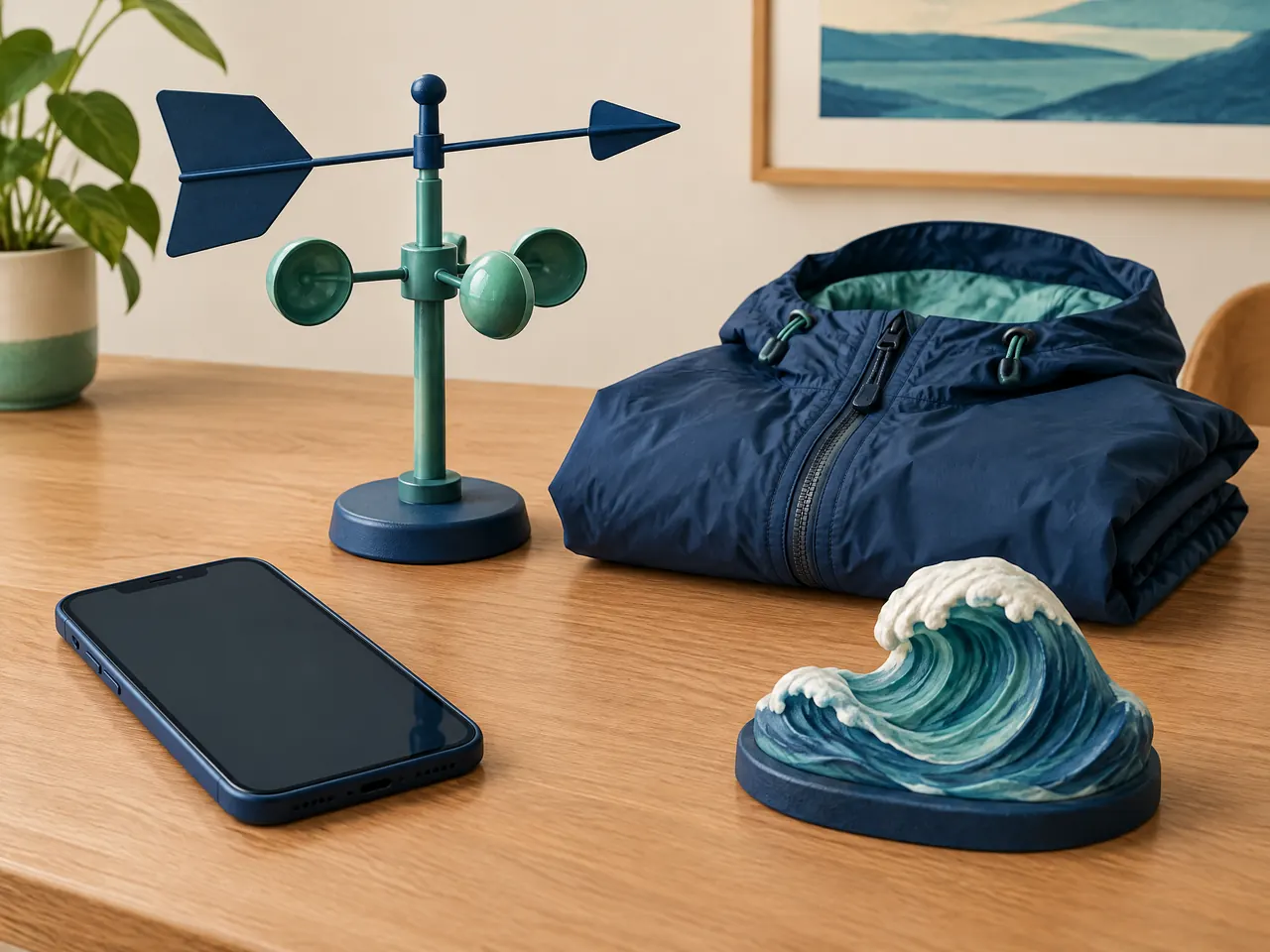
The Hong Kong Observatory explains that thunderstorms can develop, move and dissipate rapidly and be localised. Its precautions when thunderstorms occur include leaving the water, avoiding outdoor swimming and other outdoor water sports, and seeking safe shelter. Check current official warnings and the provider's instructions rather than interpreting the blank-screen weather illustration as a forecast. There is no safe-weather threshold or go-ahead signal supplied by this page.
Ask about postponement and cancellation arrangements in writing, including what happens to transport or separately booked services. If your visit is short, explain that constraint without treating a one-day slot as guaranteed. Keep the meeting point and the update method accessible during the journey. When the plan changes, confirm the revised details before travelling rather than assuming the original timetable still applies.
Prepare your personal bag around the confirmed facilities
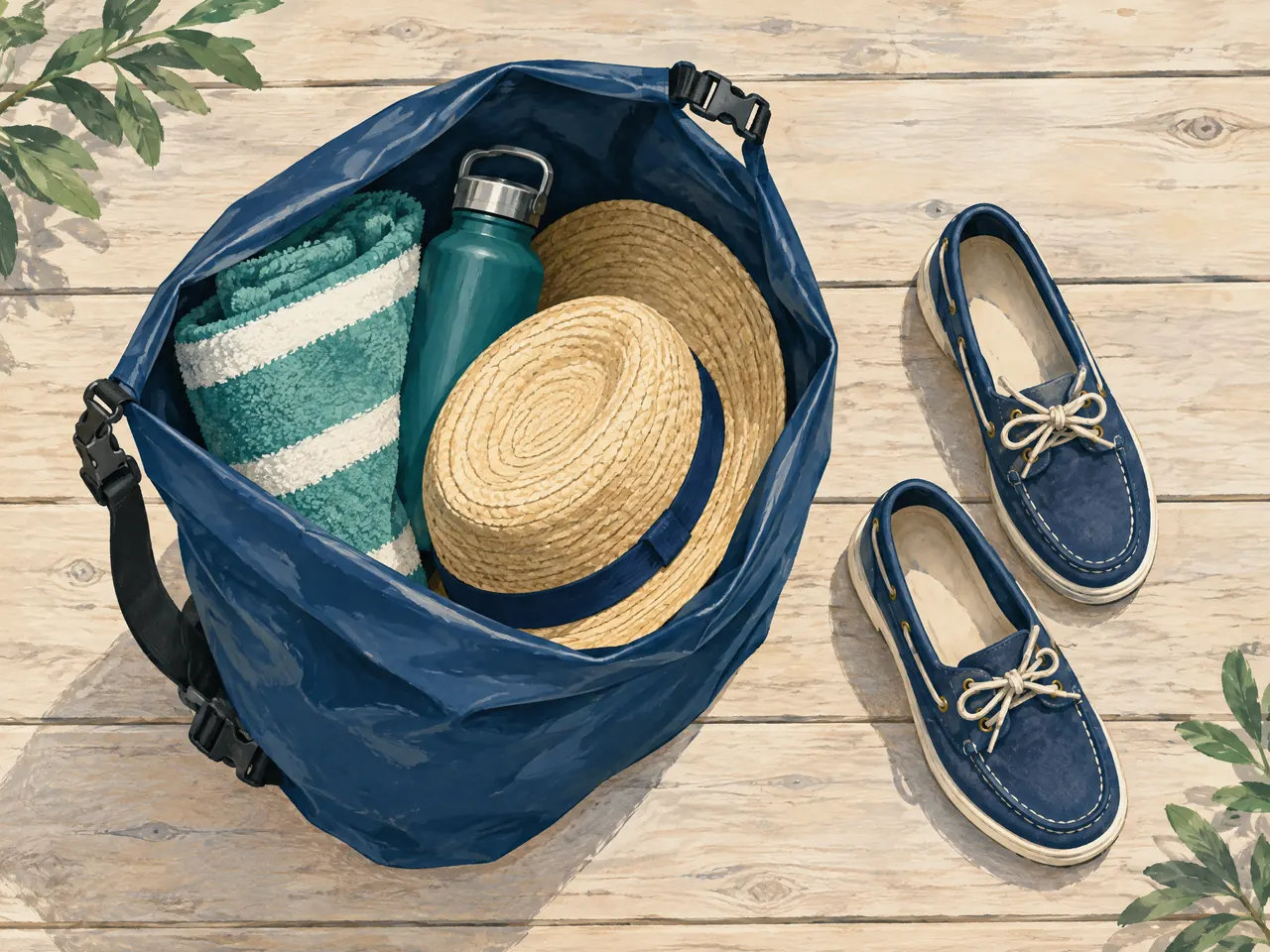
Separate personal outing belongings from specialist diving equipment. The dry-bag illustration shows a towel, water bottle and sun hat as prompts for a packing conversation, not as a complete boat-day checklist. Ask the provider what personal items are recommended for the actual itinerary and which facilities will be available. This avoids packing around an assumed changing room, storage space or refreshment arrangement that has not been confirmed.
Ask how belongings are stored while participants are in the water and whether there are restrictions on bag size. Keep only the documents or valuables needed for the outing, and clarify how you will access booking information during the journey. Do not assume that every dry bag or storage area will protect a phone or paperwork in all circumstances. Confirm equipment transport separately if you are bringing your own items.
Plan the return journey as carefully as the meeting time. Check the expected finish with the provider and allow for the arrangements they describe before making another commitment. For companions who are not diving, ask whether participation is possible and what their day would involve. A group headcount alone does not answer those practical questions.
Make marine-park care part of your outing questions
Coastal reading should cover the surroundings as well as the activity. The Agriculture, Fisheries and Conservation Department asks visitors to Hoi Ha Wan Marine Park to avoid damaging natural habitats while snorkelling or scuba diving. It specifically says divers and swimmers must not stand on fragile corals. The department also directs visitors to the Marine Parks Visitors Code and the coral-site code for scuba divers and snorkellers.
Before an outing, read the applicable official visitor guidance and ask how the provider will explain responsible behaviour for the planned location. Raise uncertainty about avoiding contact with the surroundings before entering the water, so it can be addressed through appropriate instruction. A reef photograph or illustration cannot show whether a particular site is suitable for your experience, and a marine-park article is not confirmation that a course will take place there.
If underwater photography is your interest, discuss it alongside your diving readiness rather than assuming the camera is the main preparation. Ask what learning is appropriate before adding a camera to the activity. The reef concept here represents marine surroundings, not an actual Hong Kong site record. Keep the focus on understanding the briefing and respecting the environment, rather than expecting a particular wildlife encounter or trying to reproduce an image.

Supplemental references
- PADI: What are the 4 PADI Open Water Dives?
Supports the PADI-specific distinction between knowledge development, confined-water skills practice, open-water practice and water-skills assessment. Does not establish any DiveHarbour syllabus, timetable, agency coverage, quotation or individual readiness. No technical underwater procedures are reproduced.
- Hong Kong Observatory: Thunderstorm Warning
Supports rapid and localised thunderstorm development and the official precautions when thunderstorms occur: leave the water, avoid outdoor water sports and seek safe shelter. Not a live warning, local dive forecast, cancellation policy or safe-operating threshold.
- AFCD: Hoi Ha Wan Marine Park
Supports habitat protection, not standing on fragile corals, and the requirement to follow the Marine Parks Visitors Code and coral-site diving/snorkelling code. Does not establish a DiveHarbour location, course, site conditions or wildlife sighting. The linked PDF codes were not separately inspected, so no additional detailed rules are asserted.