
TCM Lab · Health reading
Does Gua Sha Leave Marks—and Is Gua Sha the Same as Facial Gua Sha?
Published Updated
Gua sha can leave visible marks, but that answer needs context. Traditional body scraping may intentionally produce temporary red, purple or brownish colour changes where the tool has been worked across the skin. Facial gua sha is usually a far lighter, surface-level routine, so the aim is not to create those body-style marks. The shared name can be confusing: body and facial applications use a smooth-edged tool, yet the area, pressure, expectations and questions to raise before a session are different.
Appointments are confirmed through WhatsApp. If you have language requirements, please mention them in your enquiry.
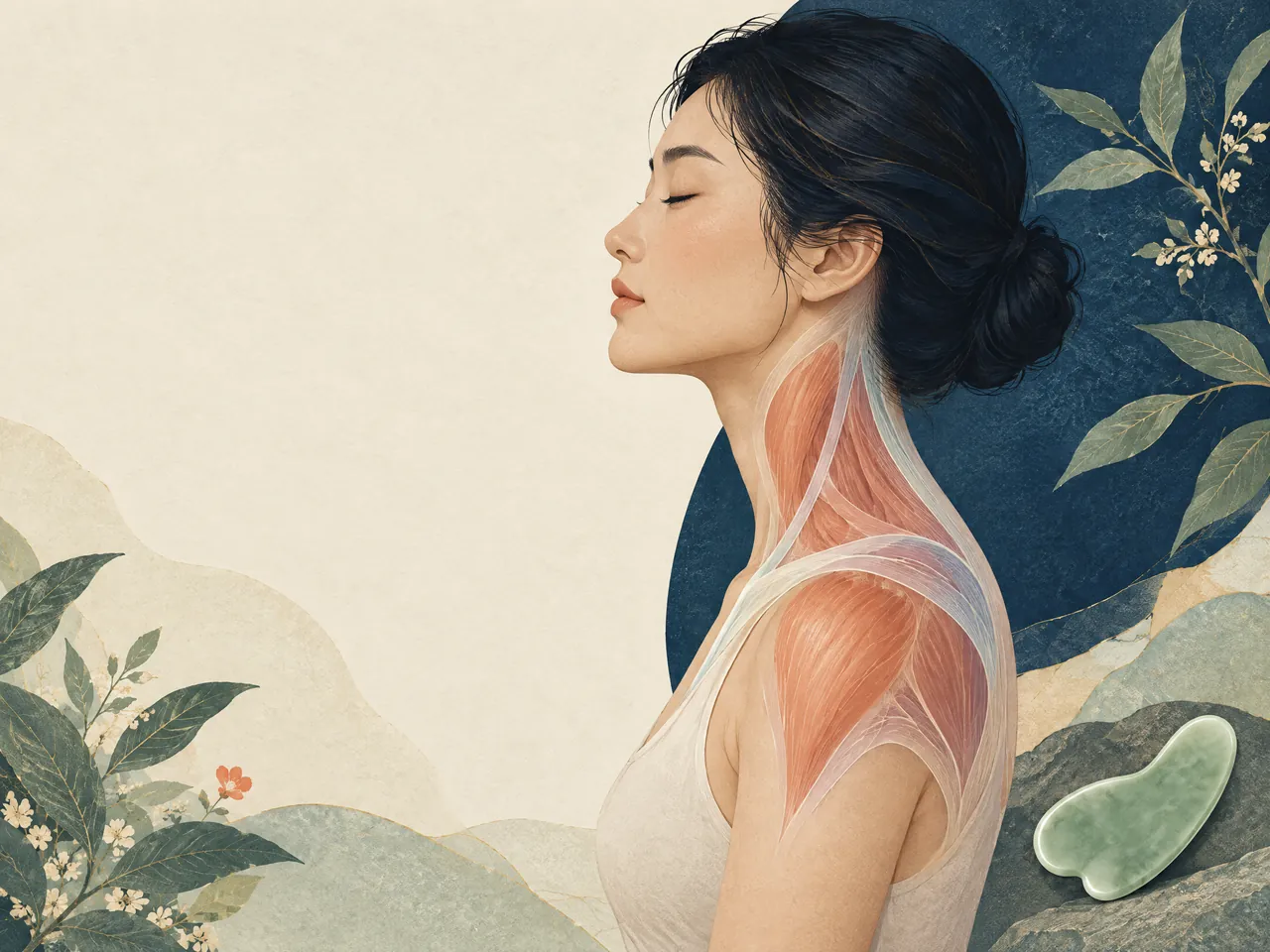
The short answer
Does gua sha leave marks? Body gua sha can cause temporary colour changes, including small red or purple spots, particularly when firmer work is used on the back, shoulders or limbs. Is gua sha the same as facial gua sha? Not quite. Facial use is generally much gentler and should not be approached as a way to create body-style marks. Tell the practitioner about your skin, medicines and plans before treatment.
Transparent pricing
See the fees.
Choose your care.
Explore our complete official price list, including first-trial prices, regular prices, packages and branch-specific options.
Opening WhatsApp prepares an enquiry; it does not send a message, take payment or confirm an appointment. Suitability and individual arrangements are confirmed during consultation.
Chinese medicine
All prices in HKDAcupuncture and Chinese herbal medicine package
Includes a Chinese medicine consultation with pulse assessment, body acupuncture and 3 days of Chinese herbal granules that do not require decoction.
HK$580 (single session)
Chinese medicine consultation with pulse assessment
Hair and scalp
All prices in HKDScalp health and hair-loss management
Includes AI scalp analysis, deep scalp and follicle cleansing, and scalp oil-control care.
HK$380 (first trial)
Regular price: HK$680
- 6 sessions: HK$3,480 (HK$580 per session)
- 12 sessions: HK$5,760 (HK$480 per session)
- 20 sessions: HK$8,600 (HK$430 per session)
- 30 sessions: HK$11,400 (HK$380 per session)
Hair acupuncture and Chinese herbal medicine package
Includes scalp acupuncture and 3 days of Chinese herbal medicine that does not require decoction.
HK$580 (single session)
Registered Chinese Medicine Practitioner consultation
- 6 sessions: HK$3,180 (HK$530 per session)
- 12 sessions: HK$5,760 (HK$480 per session)
- 20 sessions: HK$8,600 (HK$430 per session)
- 30 sessions: HK$11,400 (HK$380 per session)
Combined hair and scalp treatment
Combines acupuncture and Chinese herbal medicine with salon-level scalp and follicle care. Packages include complimentary hair-care shampoo and serum.
HK$1,260 (single session)
Combined treatment
- 8 sessions: HK$8,640 (HK$1,080 per session)
- 16 sessions: HK$15,680 (HK$980 per session)
- 20 sessions: HK$18,600 (HK$930 per session)
- 30 sessions: HK$26,400 (HK$880 per session)
Weight management
All prices in HKDFull-body acupoint embedding for weight management
Includes full-body acupoint embedding. Packages include complimentary Chinese herbal medicine for weight management, with the number of included days scaled to the package. Embedding material and the individual treatment arrangement are confirmed during consultation; this is not a cosmetic thread lift.
HK$980 (single session)
No trial session
- 10 sessions: HK$7,800 (HK$780 per session)
- 20 sessions: HK$14,600 (HK$730 per session)
- 30 sessions: HK$20,400 (HK$680 per session)
Facial acupuncture
All prices in HKDFacial acupuncture (basic)
Includes facial acupuncture and meridian-based facial care, including care for facial puffiness.
HK$480 (first trial)
Regular price: HK$680
- 10 sessions: HK$5,200 (HK$520 per session)
- 20 sessions: HK$9,600 (HK$480 per session)
- 30 sessions: HK$13,500 (HK$450 per session)
Facial acupuncture (advanced)
Includes enhanced facial acupuncture with a specially formulated moisturising mask and serum.
HK$780 (first trial)
Regular price: HK$1,180
- 10 sessions: HK$9,000 (HK$900 per session)
- 20 sessions: HK$16,600 (HK$830 per session)
- 30 sessions: HK$23,400 (HK$780 per session)
Pain care
All prices in HKDExtracorporeal shockwave treatment
Shockwave treatment for deep-tissue and fascial care. The Kwun Tong clinic offers the multi-area options shown below.
Priced by branch
Branch-specific pricing
Prince Edward: HK$250 per area
Kwun Tong: HK$250 for 1 area / HK$450 for 2 areas / HK$600 for 3 areas
Pain care (manual therapy)
Includes Chinese medicine musculoskeletal assessment, manual joint techniques and tui na.
HK$580 (single session)
Chinese medicine musculoskeletal assessment
Pain care (acupuncture and manual therapy)
Combines acupuncture and manual therapy.
HK$680 (single session)
Combined care
Does Gua Sha Leave Marks? Understand the Skin’s Temporary Response — Is Gua Sha the Same as Facial Gua Sha?
For a person searching before an appointment, “marks” may mean anything from slight pinkness to a dark-looking patch. In body gua sha, a practitioner moves a smooth edge across lubricated skin. The pressure, direction, repeated passes, body area and a person’s own skin response all affect what is visible afterwards. Traditional scraping therapy is described in the medical literature as intentionally producing petechiae, which are small spots of bleeding under the skin, and sometimes broader ecchymotic colour change. [2] That is why a back or shoulder session can look very different from a gentle face routine seen online.
A mark is not a score for how successful a session was. More colour is not proof of a better result. It is more useful to agree on the treatment area and the degree of pressure that is appropriate for your circumstances. If you have a presentation, swimming lesson, wedding or camera-facing work planned, say so before the treatment starts. The practitioner can discuss whether body scraping fits that timing or whether it is better to postpone.
The word gua sha is used broadly in Hong Kong and elsewhere. A local description may call it scraping treatment and describe work along selected muscles or meridian pathways, while also mentioning facial use. [3] That broad label is helpful for finding a service, but it does not tell you how firmly the skin will be worked. For a fuller introduction to the body-focused meaning, read what is body gua sha before comparing it with a cosmetic-style facial routine.
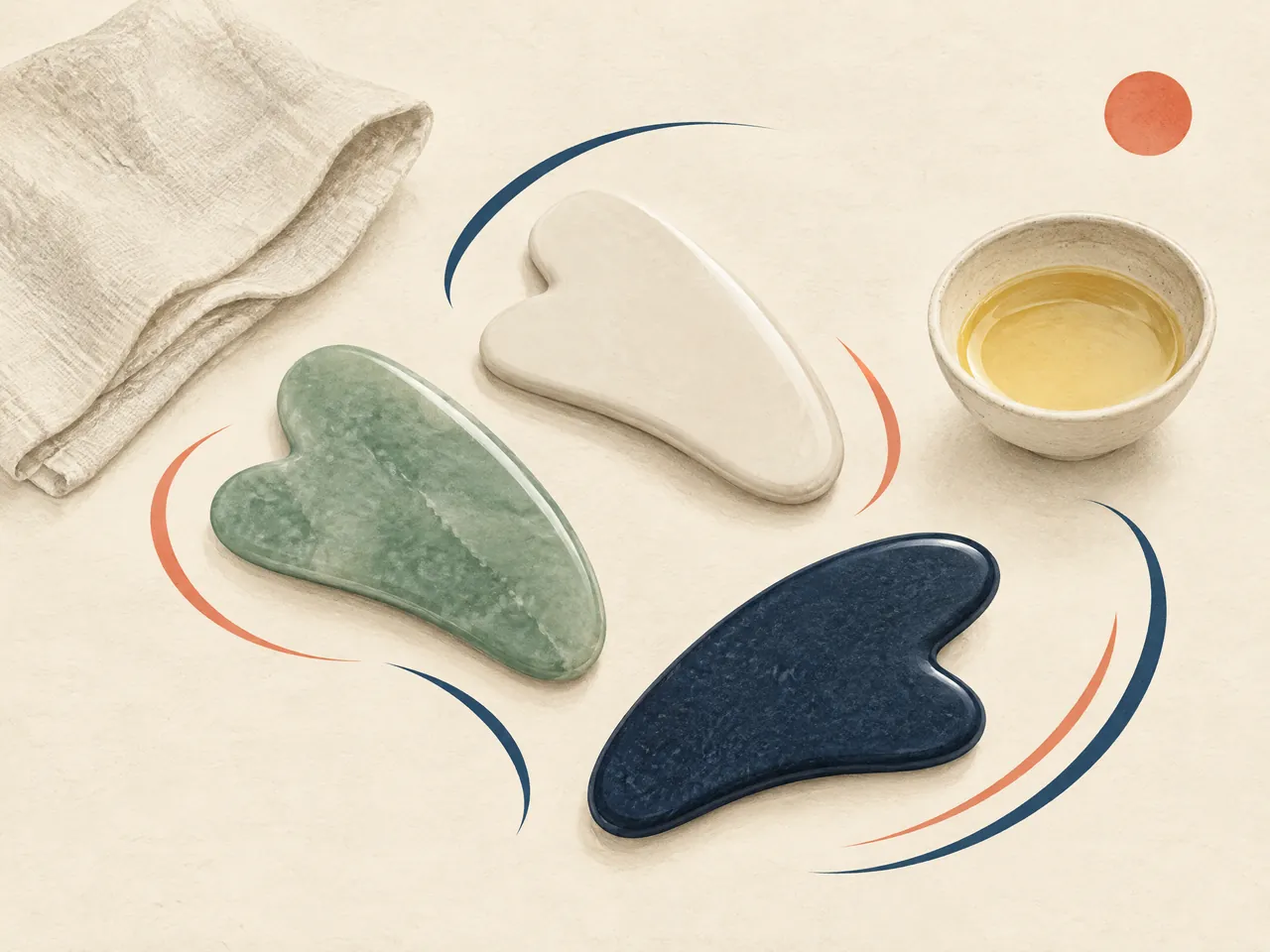
Does Gua Sha Leave Marks? What Body Scraping Can Look Like — Is Gua Sha the Same as Facial Gua Sha?
Body marks may appear as scattered tiny red dots, a diffuse pink-red area or deeper-looking purple-brown shades, depending on skin tone and the response in that area. The shoulders, upper back, neck, calves and thighs are not interchangeable: tissue thickness, sensitivity, recent activity and pressure tolerance vary from place to place. They may become clearer after the session rather than at the first glance in the treatment room. A published review describes these scraping marks as petechiae and ecchymoses and reports resolution over two to five days in the studies it discusses. [2] That time frame is context, not a personal promise for every individual or every mark.
Take the practical route: look at the planned body area, not just a social-media video. If a strap, collar, uniform or eveningwear will expose the area, visible colour matters to your diary. Avoid treating a mark as something to rub harder, cover with heat or test repeatedly at home. If a reaction concerns you, becomes very painful, spreads beyond the worked area, or comes with symptoms that worry you, seek appropriate medical advice. A clear conversation about what is expected for your own situation is more useful than trying to match someone else’s photograph.
Is Gua Sha the Same as Facial Gua Sha? Why the Area Matters — Does Gua Sha Leave Marks?
The face is not simply a smaller back. Facial skin, contours and everyday visibility change the decision. Cleveland Clinic’s patient guidance distinguishes very light facial pressure from potentially stronger work on tight body tissues, and advises against working over irritated or inflamed skin. [1] In a facial context, the tool should glide over product rather than drag across dry skin. The intention is a comfortable, controlled movement; forcing pressure in pursuit of a dramatic colour change is a poor comparison with body scraping.
It helps to state your actual goal in ordinary language. Someone who feels stiff after carrying a laptop and commuting may be asking about an area around the shoulders, while someone considering facial gua sha may be concerned about a relaxed self-care routine or morning puffiness. Those are different starting points. If you are interested in a clinic-led discussion rather than an at-home routine, the gua sha treatment Hong Kong page can help you frame an enquiry around the intended area and your concerns.
Compare your options
| Question to clarify | Body gua sha context | Facial gua sha context | What to mention before treatment |
|---|---|---|---|
| Where is the tool used? | A selected non-facial area, often discussed in relation to muscles or broader body regions. | Facial contours and neck area, with attention to delicate skin. | Name the exact area and show any irritation or existing marks. |
| How may the skin look afterwards? | Temporary red, purple or brownish colour changes can occur after scraping. | A light flush may occur; body-style marks are not the intended result. | Say if you need to avoid visible colour change for an event or work. |
| How is pressure approached? | Pressure may be tailored to the area and tissue response. | Very light pressure is generally appropriate for the thinner facial area. [1] | Speak up about pain, sensitivity, recent procedures or a history of bruising. |
| When should the plan be reconsidered? | Open wounds, active irritation and relevant health or medication factors need discussion. | Avoid working over inflamed, broken, sunburnt or otherwise irritated facial skin. [1] | Share medicines, skin conditions, pregnancy and any health concerns before the session. |
On smaller screens, scroll the table sideways to compare all columns.
Is Gua Sha the Same as Facial Gua Sha? Compare Body and Face Use — Does Gua Sha Leave Marks?
Body gua sha and facial gua sha are related in the simple sense that both use a smooth-edged tool with a gliding motion on the skin. Beyond that, do not assume they are interchangeable. Body work is commonly discussed in relation to selected muscles or areas that feel tight; facial work is often described in wellness and beauty settings. The same person may choose both at different times, but one session does not automatically include the other. Ask what is proposed today rather than relying on the tool’s material, shape or treatment name.
Pressure is the most obvious difference, but it is not the only one. Body use may involve broader strokes over a larger area and can bring the temporary colour changes that prompted your search. Facial use needs attention to delicate zones, breakouts, rashes, recent irritation and how the skin feels that day. Cleveland Clinic advises stopping if gua sha hurts and avoiding use over rashes, wounds or sunburn. [1] These are sensible details to share rather than afterthoughts once the tool is already moving.

The comparison below is a planning aid, not a substitute for a personal assessment. It is deliberately focused on what a visitor can observe and ask about: area, touch, visible response and timing. For readers whose question began with stiffness after desk work or training, the related page on gua sha for muscle tension explains why describing the location and pattern of tightness is more useful than requesting a fixed pressure.
Does Gua Sha Leave Marks? Body Gua Sha and Visible Colour Changes — Is Gua Sha the Same as Facial Gua Sha?
A body session can be the more relevant choice when the discussion is about a specific non-facial area, such as a shoulder region that feels loaded after a long screen day or an upper back area after repeated lifting. Tell the practitioner where it feels tight, what movement aggravates it and whether the skin there is currently irritated. Also mention if you bruise or bleed easily, use blood-thinning medicine, have a skin condition, have diabetes, are pregnant or are undergoing chemotherapy; these are examples Cleveland Clinic highlights as reasons to check suitability first. [1]
It is also reasonable to ask what aftercare is appropriate for the area. The answer may differ if you are about to exercise, wear a backpack, book a massage, go to the beach or use an exfoliating product. Do not assume a body mark can be treated like makeup-free facial redness, or that covering it makes the underlying issue irrelevant. If you want background on the broader practice and possible treatment-area language, see body gua sha.

Is Gua Sha the Same as Facial Gua Sha? Differences in Technique and Purpose — Does Gua Sha Leave Marks?
Facial gua sha is generally a lighter application. A clean, intact tool and enough slip from a suitable product help reduce dragging; an unhurried, low-pressure pass is a different approach from trying to recreate a body-scraping response. It is especially important not to work over broken, sunburnt, inflamed or actively irritated skin. If you have had a recent skin procedure or you are managing a facial skin condition, ask the clinician who knows your skin before adding a new technique.
It is fine to want a calm, cared-for appearance, but keep expectations grounded. A temporary change in how the face looks after gentle massage is not a diagnosis, a promise of lifting or a replacement for care for persistent swelling, pain or a new rash. The practical question is not “which gua sha is better?” but “what is the right level of contact for this area today?” Be explicit if avoiding facial redness or marks is your priority, particularly before photographs, interviews or a special occasion.
Does Gua Sha Leave Marks—and Is Gua Sha the Same as Facial Gua Sha? Before You Book
Before booking, turn the two search questions into a short briefing: body or face, exact area, reason for considering treatment, desired timing and anything about your skin or health that could affect suitability. This makes a consultation more specific than saying only “I want gua sha.” It also gives you room to say that you do not want visible body marks before an event, or that you are unsure whether a facial routine is appropriate while your skin is reactive. A practitioner can then explain the intended approach rather than leaving you to infer it from the menu wording.
Bring a medication and skin-history conversation into the open. Blood-thinning medicines, a tendency to bleed or bruise, rashes, wounds, sunburn, active infection and relevant medical conditions all deserve mention. [1] This is about avoiding a one-size-fits-all technique. For symptoms that are severe, sudden, recurrent or accompanied by fever, weakness, numbness, significant swelling or other concerning changes, obtain appropriate medical assessment instead of relying on a scraping session to explain them.
Location and cost questions are legitimate practical questions as well. TCM Lab has enquiry points at a Chinese medicine clinic Prince Edward and a Kwun Tong Chinese medicine clinic; you can ask which setting and appointment arrangement are suitable. If you are comparing options, consult the Chinese medicine clinic price list Hong Kong rather than assuming that every treatment label represents the same service or includes the same consultation.

Does Gua Sha Leave Marks? Questions to Discuss During a Consultation — Is Gua Sha the Same as Facial Gua Sha?
Start with: “Is this proposed for my body or my face, and which area?” Then ask how light or firm the contact is likely to be, whether temporary colour change is possible, and what you should do if your skin becomes sore or more marked than expected. Show the practitioner the area if it has a rash, scratch, sunburn, active breakout or unexplained discolouration. Ask whether there is a reason to defer it. Clear questions support informed consent; they are not an inconvenience or a sign that you are being difficult.
Mention plans that change the stakes. A runner may need to know how a worked calf will feel during training. A traveller may need to avoid an exposed shoulder mark. Someone with a photo appointment may be focused on facial calmness rather than a strong body treatment. Let the practitioner know about current medicines, supplements relevant to bleeding, allergies to products used on the skin and any prior reaction to massage or scraping. If you have doubts after the explanation, pausing is a valid choice.

Is Gua Sha the Same as Facial Gua Sha? Choosing a Suitable Approach — Does Gua Sha Leave Marks?
Choose an approach from the area and the risk of visibility, not from a promise that one tool can solve every problem. For a body concern, the plan should identify the region, pressure and likely visible response. For a facial concern, gentle handling and the current condition of the skin come first. If the main problem is an unexplained rash, persistent one-sided swelling, infection or a painful injury, this is not the moment to experiment with a tool; ask an appropriate health professional for assessment.
When you are ready to enquire, describe whether you mean body or facial gua sha and note any timing constraint. TCM Lab can be contacted by WhatsApp at +852 6940 5663 to ask about a consultation at Prince Edward or Kwun Tong. It is sensible to confirm the proposed area, appointment arrangement and language needs before travelling. That small conversation is the best way to avoid the central mix-up: expecting a light facial session when body scraping was discussed, or fearing body-style marks from a gentle facial approach.
Care and health guide
Facial acupuncture information
This directory brings together services, reading, and visit information related to facial acupuncture, to help you prepare questions for a consultation.
When exploring facial acupuncture, noting the service-arrangement questions you want to discuss can help prepare a consultation; facial acupuncture Hong Kong is a relevant service or reading entry point.
People may have different priorities, and acupuncture Hong Kong offers related information to help you understand options and prepare questions.

Your questions, answered
Frequently asked questions
Does gua sha leave marks permanently?
Body gua sha can leave temporary visible colour changes. They should not be casually labelled permanent scars. A review describes scraping-related petechiae and ecchymoses resolving over two to five days in the research it reviews, but your response can vary with the area, skin and technique. [2] If a mark is painful, alarming or does not seem to be resolving as expected, seek appropriate medical advice.
Is gua sha the same as facial gua sha?
They share a smooth-edged tool and gliding motion, but they are not automatically the same application. Body gua sha may use a broader, firmer approach and can create visible temporary colour changes. Facial gua sha is generally much gentler because facial skin is thinner and easily irritated. Confirm the area and expected pressure rather than relying on the name alone.
Can I have facial gua sha if I do not want marks?
Tell the practitioner that avoiding visible marks is important. Facial gua sha should not be treated as an attempt to reproduce body-scraping marks. Avoid use over rashes, wounds, sunburn or inflamed skin, and stop if the technique hurts. [1] A consultation can clarify whether your skin is suitable on that day.
What should I ask before a gua sha treatment?
Ask whether the plan is for the face or a body area, how much pressure is proposed, what a temporary response could look like and what aftercare is appropriate. Share your medication list, tendency to bruise or bleed, skin problems, current irritation, pregnancy and timing needs such as an upcoming event.
Sources and further information
- [1] [1] Cleveland Clinic — Gua Sha: What It Is and How To Do It
Referenced for: Patient guidance on light facial pressure, skin irritation, potential bruising or discolouration, and health factors to discuss before gua sha.
- [2] [2] Journal of Family Medicine and Primary Care — Exploring scraping therapy: Contemporary views on an ancient healing
Referenced for: Peer-reviewed overview defining gua sha as scraping therapy and describing petechiae and ecchymoses as temporary scraping marks.
- [3] [3] Balance Health Hong Kong — Gua Sha
Referenced for: Local English-language terminology for gua sha or scraping treatment and the distinction between body and facial contexts; not used as evidence of efficacy or TCM Lab services.