
TCM Lab · Health reading
Plantar Fasciitis and Foot Pain from Walking or Running: A Practical Guide
Published Updated
Foot pain from walking or running is not automatically plantar fasciitis. A familiar pattern is soreness at the inner heel or along the arch when the first foot meets the floor after sleep or a long sit, followed by a brief easing as you move. Yet a tender heel after a training change, a bruised feeling under the heel, pain at the forefoot, or tingling in the sole can point the conversation in a different direction. The useful starting point is to map the exact spot, its timing, recent load, shoes and any warning signs. That record can guide sensible activity changes and an appropriate assessment instead of a web diagnosis.
Appointments are confirmed through WhatsApp. If you have language requirements, please mention them in your enquiry.
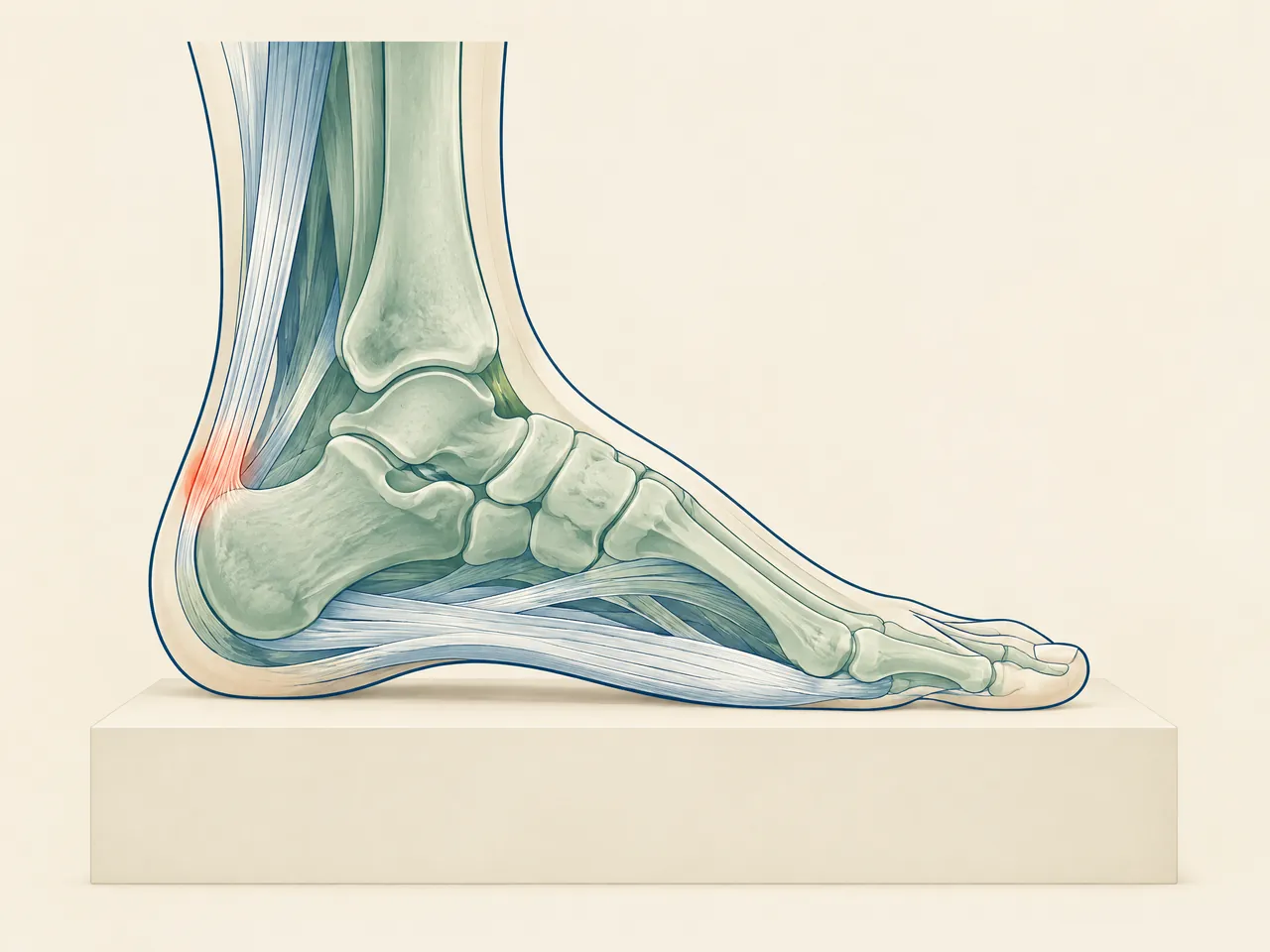
The short answer
Plantar fasciitis can be one reason for foot pain from walking or running, particularly when pain is near the inner heel or arch and is most noticeable on the first steps after rest. It is not the only explanation. Track the pain location, timing, recent activity changes, footwear and any swelling, numbness or injury. Adjust aggravating load rather than pushing through sharp pain, and seek assessment promptly for red flags or pain that is persistent, worsening or difficult to bear weight on.
Transparent pricing
See the fees.
Choose your care.
Explore our complete official price list, including first-trial prices, regular prices, packages and branch-specific options.
Opening WhatsApp prepares an enquiry; it does not send a message, take payment or confirm an appointment. Suitability and individual arrangements are confirmed during consultation.
Pain care
All prices in HKDExtracorporeal shockwave treatment
Shockwave treatment for deep-tissue and fascial care. The Kwun Tong clinic offers the multi-area options shown below.
Priced by branch
Branch-specific pricing
Prince Edward: HK$250 per area
Kwun Tong: HK$250 for 1 area / HK$450 for 2 areas / HK$600 for 3 areas
Pain care (manual therapy)
Includes Chinese medicine musculoskeletal assessment, manual joint techniques and tui na.
HK$580 (single session)
Chinese medicine musculoskeletal assessment
Pain care (acupuncture and manual therapy)
Combines acupuncture and manual therapy.
HK$680 (single session)
Combined care
Hair and scalp
All prices in HKDScalp health and hair-loss management
Includes AI scalp analysis, deep scalp and follicle cleansing, and scalp oil-control care.
HK$380 (first trial)
Regular price: HK$680
- 6 sessions: HK$3,480 (HK$580 per session)
- 12 sessions: HK$5,760 (HK$480 per session)
- 20 sessions: HK$8,600 (HK$430 per session)
- 30 sessions: HK$11,400 (HK$380 per session)
Hair acupuncture and Chinese herbal medicine package
Includes scalp acupuncture and 3 days of Chinese herbal medicine that does not require decoction.
HK$580 (single session)
Registered Chinese Medicine Practitioner consultation
- 6 sessions: HK$3,180 (HK$530 per session)
- 12 sessions: HK$5,760 (HK$480 per session)
- 20 sessions: HK$8,600 (HK$430 per session)
- 30 sessions: HK$11,400 (HK$380 per session)
Combined hair and scalp treatment
Combines acupuncture and Chinese herbal medicine with salon-level scalp and follicle care. Packages include complimentary hair-care shampoo and serum.
HK$1,260 (single session)
Combined treatment
- 8 sessions: HK$8,640 (HK$1,080 per session)
- 16 sessions: HK$15,680 (HK$980 per session)
- 20 sessions: HK$18,600 (HK$930 per session)
- 30 sessions: HK$26,400 (HK$880 per session)
Weight management
All prices in HKDFull-body acupoint embedding for weight management
Includes full-body acupoint embedding. Packages include complimentary Chinese herbal medicine for weight management, with the number of included days scaled to the package. Embedding material and the individual treatment arrangement are confirmed during consultation; this is not a cosmetic thread lift.
HK$980 (single session)
No trial session
- 10 sessions: HK$7,800 (HK$780 per session)
- 20 sessions: HK$14,600 (HK$730 per session)
- 30 sessions: HK$20,400 (HK$680 per session)
Facial acupuncture
All prices in HKDFacial acupuncture (basic)
Includes facial acupuncture and meridian-based facial care, including care for facial puffiness.
HK$480 (first trial)
Regular price: HK$680
- 10 sessions: HK$5,200 (HK$520 per session)
- 20 sessions: HK$9,600 (HK$480 per session)
- 30 sessions: HK$13,500 (HK$450 per session)
Facial acupuncture (advanced)
Includes enhanced facial acupuncture with a specially formulated moisturising mask and serum.
HK$780 (first trial)
Regular price: HK$1,180
- 10 sessions: HK$9,000 (HK$900 per session)
- 20 sessions: HK$16,600 (HK$830 per session)
- 30 sessions: HK$23,400 (HK$780 per session)
Chinese medicine
All prices in HKDAcupuncture and Chinese herbal medicine package
Includes a Chinese medicine consultation with pulse assessment, body acupuncture and 3 days of Chinese herbal granules that do not require decoction.
HK$580 (single session)
Chinese medicine consultation with pulse assessment
Plantar Fasciitis and Foot Pain from Walking or Running: Notice the Pattern
A name for the problem matters less at first than a clear description. Put one fingertip on the most tender place: just in front of the heel, in the centre of the arch, under the ball of the foot, or at the edge of the sole. Then note the quality—dull, sharp, bruised, burning or tingling—and whether one foot or both are involved. Plantar fascia-related pain is commonly described near the bottom of the heel and may extend into the arch, but bottom-of-foot pain has several possible sources. Location and sensation are therefore clues for assessment, not proof of a diagnosis. [1] [2]
Time tells another part of the story. Some people feel a sharp pull on the first few steps after bed, a long car journey or desk work, then find it settles after short gentle movement. Others feel fine initially but become sore later in a shift, after a long walk, or after training. A simple seven-day note on first-step pain, standing tolerance, walking or running exposure and next-morning response is more useful than trying to remember a whole month at an appointment. Start with the broader foot pain guide if the sole is painful but the pattern is still unclear.

Plantar Fasciitis and Foot Pain from Walking or Running: Where It Hurts
Pain close to the inner heel and along the beginning of the arch can fit a plantar fascia-related pattern, especially if pressing there reproduces the familiar discomfort. Pain concentrated at the ball of the foot, beneath a toe, on the outer edge, or on the top of the foot deserves a different set of questions. A diffuse bruise-like heel sensation, for example, is not the same description as a focused first-step heel pain. Shoes, hard flooring, a new route and how much time you spend standing can all be relevant context, but none should be treated as a verdict. [1] [3]
Burning, pins and needles, electric-shock sensations or numbness should be recorded distinctly from aching. These symptoms can be associated with nerve-related foot pain and should not simply be labelled plantar fasciitis. Likewise, a very local point of pain after a jump, fall or sudden training increase needs careful assessment rather than aggressive self-massage. If the main discomfort is in the middle of the sole rather than the heel, compare your notes with this focused page on arch pain.
Plantar Fasciitis and Foot Pain from Walking or Running: When Symptoms Change
Look at how symptoms behave before, during and after activity. In a pattern often associated with plantar fasciitis, first steps after rest can be uncomfortable, movement may bring a short-lived easing, and extended standing, walking or exercise can bring the pain back. Orthopaedic guidance also notes that plantar fascia pain may be greater after rather than during activity. That sequence can be helpful to report, but it does not rule out another problem. A runner whose pain becomes sharper with each kilometre, or a commuter who begins to limp halfway through a normal walk, should reduce the provoking exposure while seeking guidance. [1] [2]
Watch the next morning as well as the same evening. A manageable walk may leave symptoms unchanged, whereas an abrupt jump in distance, hills, speed work or hours on hard flooring can produce a stronger response later. This is why an all-or-nothing approach is often unhelpful. Instead, identify the smallest change that makes symptoms clearly worse and step back from that load. Replace impact temporarily with an activity that does not provoke the foot, if suitable for you, rather than trying to prove toughness by repeatedly triggering the same pain. [2]
Compare your options
| What to record | Examples to note | Why it helps the conversation |
|---|---|---|
| Exact location | Inner heel, arch, ball of foot, outer edge, top or whole sole | Foot pain at different locations can call for different questions. |
| Timing pattern | First steps after rest, during a run, after a shift, at night or the next morning | Timing may show whether rest, repeated loading or a particular activity changes symptoms. |
| Sensation and severity | Aching, sharp, bruised, burning, tingling, numb, swollen or stiff | This separates a simple pain description from symptoms that may need earlier assessment. |
| Recent load and surface | New route, hills, distance, pace, standing hours, hard floors or barefoot time | It helps identify changes worth adjusting gradually. |
| Footwear response | Which shoes, inserts or barefoot situations feel better or worse | This adds practical context without treating footwear as a diagnosis. |
On smaller screens, scroll the table sideways to compare all columns.
Plantar Fasciitis and Foot Pain from Walking or Running: Consider More Than One Cause
It is tempting to call any pain under the foot plantar fasciitis because the term is widely recognised. However, a clinician assessing heel or sole pain considers the pattern alongside examination and, when needed, whether another cause must be excluded. Orthopaedic guidance specifically lists Achilles tendon problems, heel stress fracture and plantar nerve entrapment among conditions that can need distinction from plantar fasciitis. A heel spur seen on an image is also not automatically the source of pain. The practical lesson is simple: a label found in a search should not determine treatment choices on its own. [2]
Think in categories rather than trying to perform a diagnosis. Pain that started after an obvious twist or impact is different from a gradual morning-heel pattern. A burning or tingling sole is different from a tender, load-sensitive heel. Swelling, redness, skin changes or a wound changes the priority again. Medical assessment is particularly important after injury, for sudden or severe pain, signs of infection, new foot pain in a person with diabetes or a circulation-related condition, and symptoms that do not improve. [3] The plain-language article What should I do for foot pain after standing or walking? can help you organise day-to-day observations before an appointment.
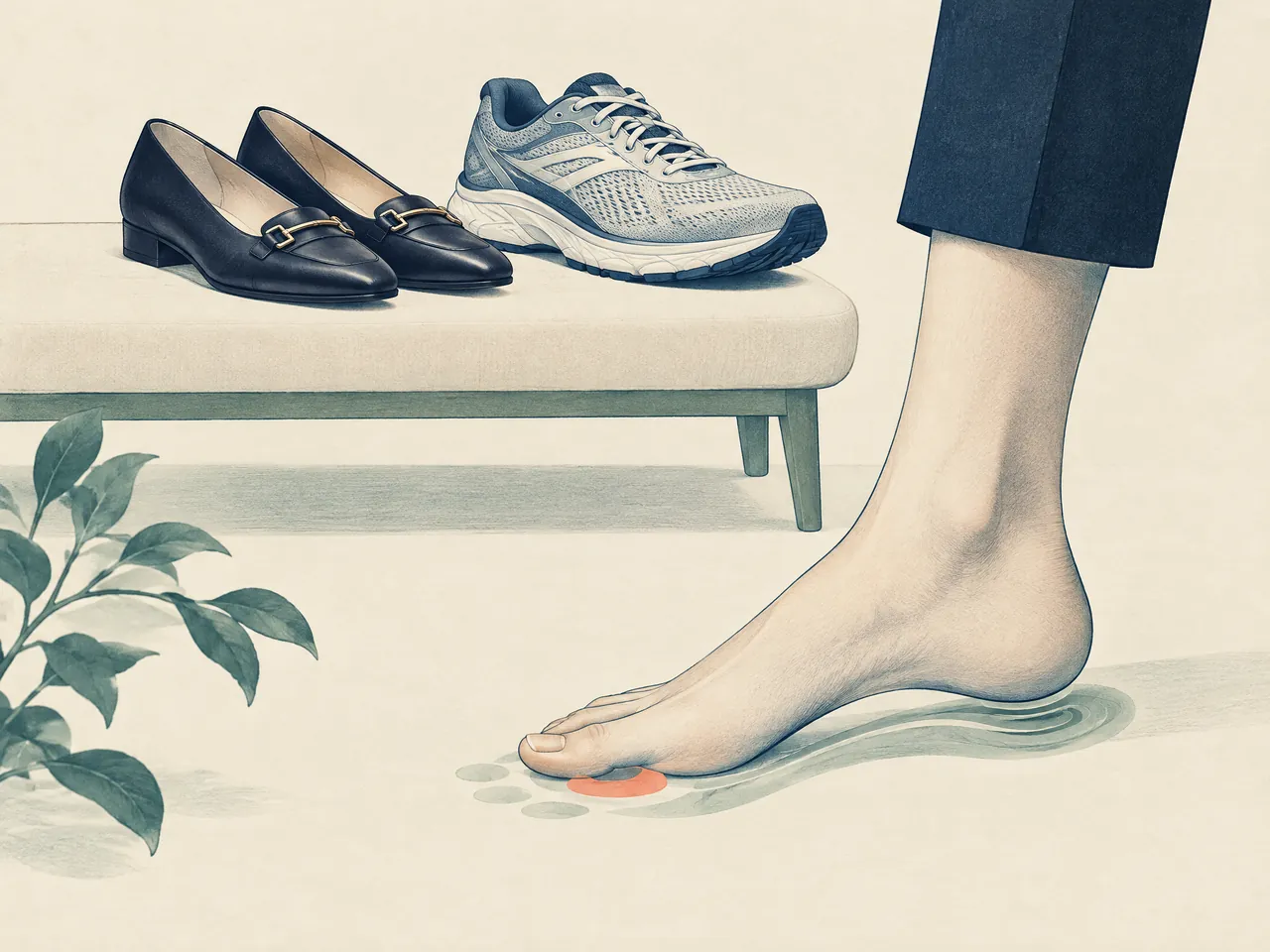
Plantar Fasciitis and Foot Pain from Walking or Running: Common Clues
Recent load changes are worth taking seriously. A person may have started a running plan, returned to sport after time away, taken on a job with prolonged standing, or changed from cushioned trainers to flatter shoes. The plantar fascia helps support the arch and is loaded during walking and running. Recognised contributors to plantar fascia irritation include a new or increased activity, repetitive impact, prolonged standing on hard surfaces and tight calf muscles. [2]
Footwear is best considered as part of the whole picture, not as a universal cure. Check whether the shoe fits, whether the sole and cushioning are worn, whether the activity has changed, and whether the shoe is appropriate for the task. Supportive, well-cushioned footwear is commonly included among conservative measures for plantar fasciitis, while worn-out or unsupportive shoes may be less helpful. [2] Do not assume that buying an expensive insert solves pain under the foot; the pattern, fit and response over time still need attention. A brief record of which shoes feel tolerable during a normal day can make a later discussion much more specific.
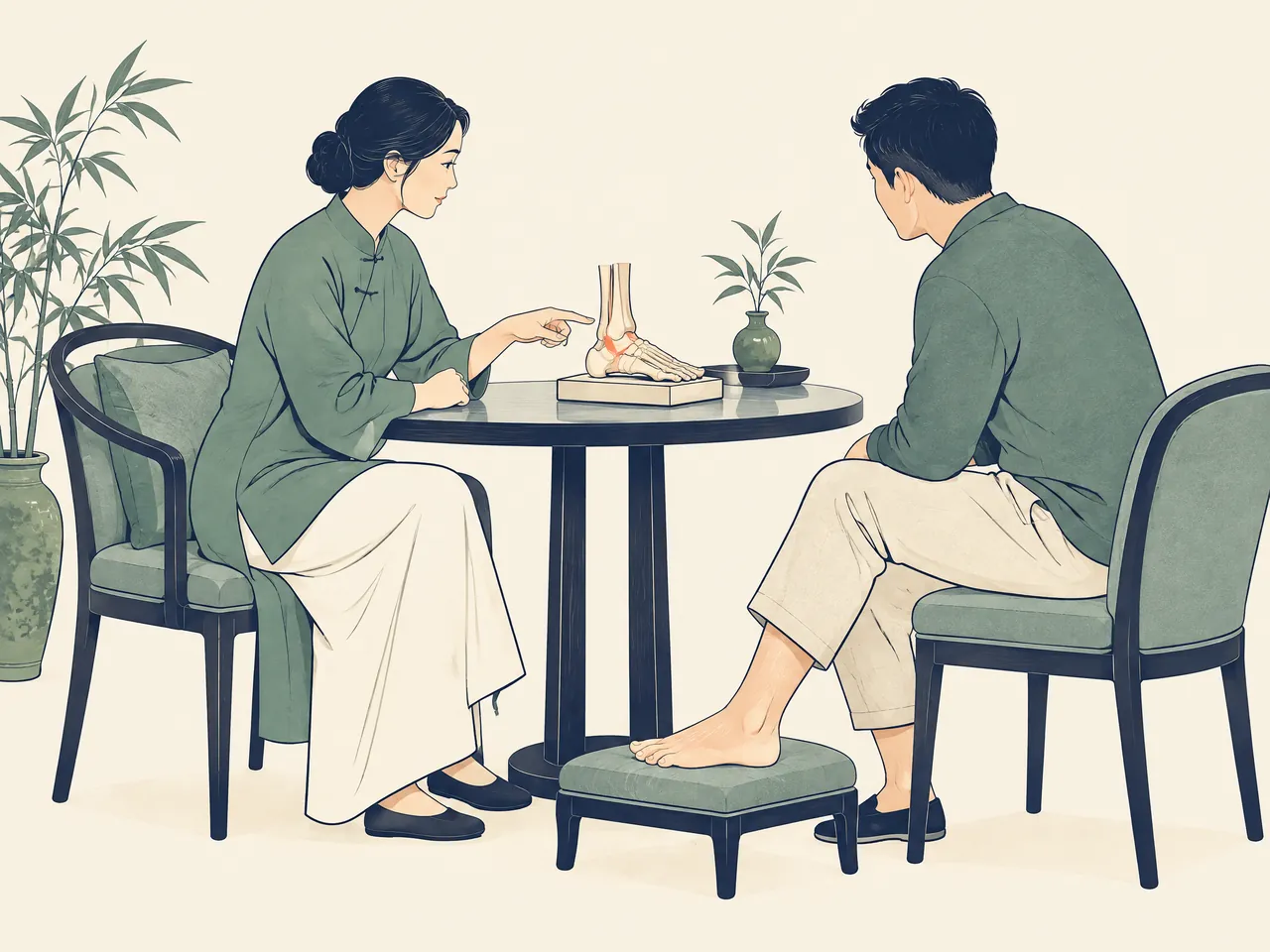
Plantar Fasciitis and Foot Pain from Walking or Running: Why Self-Diagnosis Can Mislead
Online symptom lists can make common conditions seem certain. They cannot assess focal tenderness, foot and ankle movement, strength, walking pattern, skin integrity, sensation or injury history. Nor can they decide whether imaging is appropriate. For plantar fasciitis, a health professional commonly starts with the story and physical examination; imaging may be considered when another problem is suspected. [1] That is one reason to use a symptom diary as preparation, not as a substitute for assessment. Bring previous test results, a list of medicines and a note of anything you have already tried, including changes that made the pain worse.
Be cautious with advice that tells everyone to roll, stretch or massage harder. Gentle calf and plantar fascia stretching may be part of conservative care for an established plantar fasciitis pattern, but forcing a sharp stretch, continuing through numbness, or treating a fresh injury as routine tightness is not a sound rule. [2] If you are considering Chinese medicine or acupuncture as part of your care, begin with the evidence and the reason for assessment rather than a promise. Our page on acupuncture for foot pain explains the discussion in more detail; it should complement—not postpone—evaluation of a concerning foot problem. [4]
Plantar Fasciitis and Foot Pain from Walking or Running: Practical Next Steps
A calm first response is to remove the guesswork. For one week, write down the time and exact spot of pain, first-step severity, walking or running duration, surface, footwear, standing hours and the next-morning response. If a particular session clearly aggravates pain, reduce or pause that exposure rather than repeating it to test the foot. Consider whether lower-impact activity is comfortable while you arrange advice. This approach protects useful information: it shows what has changed and avoids mistaking repeated provocation for progress. It also makes it easier to explain your situation clearly in a consultation.
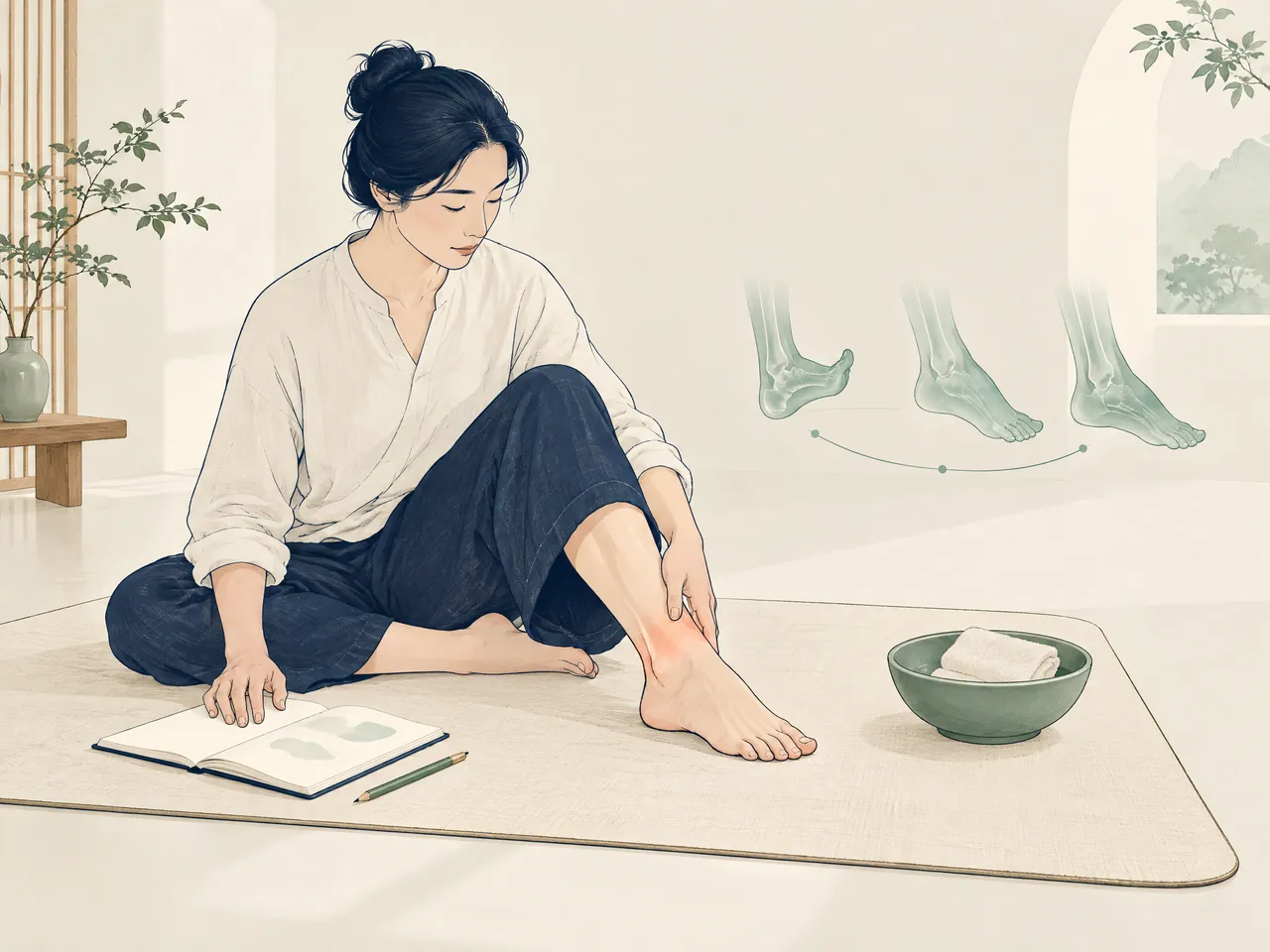
When you enquire with TCM Lab, describe your concern as foot pain from walking or running rather than assuming a confirmed diagnosis. Mention whether a medical assessment has already occurred, what the pattern is, and any red flags or long-term conditions. Acupuncture can be discussed only as a possible supportive approach after the cause and safety considerations are addressed. The U.S. National Center for Complementary and Integrative Health advises people not to use acupuncture to postpone seeing a health-care provider and to discuss complementary approaches with their providers. [4] For a balanced evidence-oriented read, see does acupuncture help foot pain.
Plantar Fasciitis and Foot Pain from Walking or Running: Footwear and Activity Load
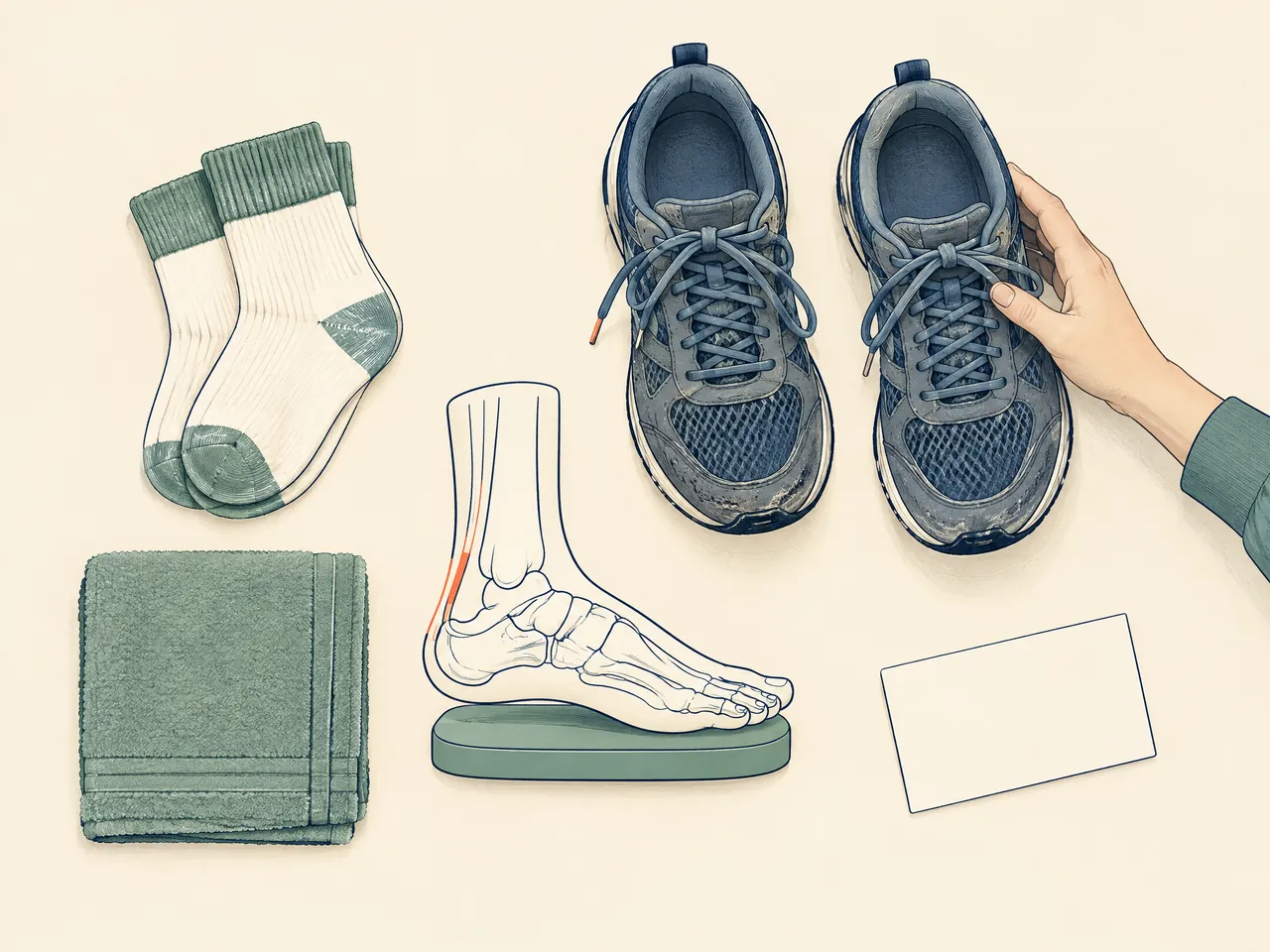
Use footwear review as a practical check, not a shopping exercise. Look at the sole wear, heel stability, toe-room comfort and whether the shoe feels different after several hours than it does in the shop. Avoid making several major changes at once, such as new shoes, new inserts, a new stretching routine and a steep mileage increase. If symptoms improve or worsen, changing one main variable at a time makes the response easier to understand. For plantar fascia-related symptoms, reputable guidance commonly includes rest from provoking activity, gradual return, calf and plantar fascia stretching, and supportive footwear among nonsurgical measures. [1] [2]
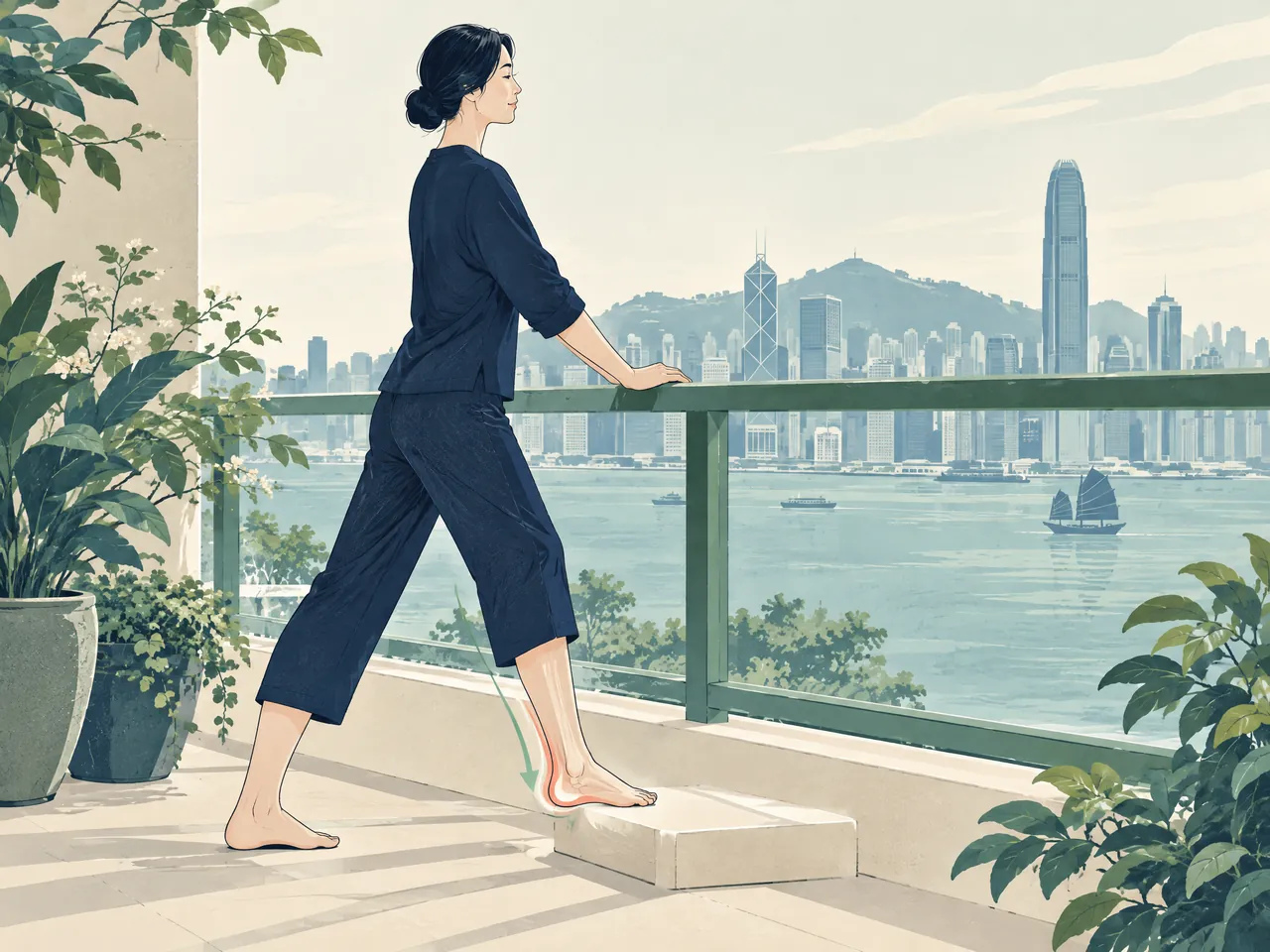
Load includes more than a run. It includes steps on the commute, standing at work, household tasks, hills, hard floors and barefoot time at home. A runner who cuts a single training session but then spends a weekend walking long distances may not have reduced the total demand. Choose a change you can actually sustain: shorter routes, flatter ground, more seated breaks, or a temporary shift away from repeated impact. If you have been advised to stretch, keep it controlled and within comfort rather than chasing an intense pull. Stop and seek advice if it produces sharp, worsening or neurologic symptoms.
Plantar Fasciitis and Foot Pain from Walking or Running: When to Seek Assessment
Do not wait for a routine self-care plan if you cannot bear weight, have obvious deformity or marked swelling after injury, a new open wound, spreading redness or warmth, fever, persistent numbness or burning, or sudden severe foot pain. People with diabetes, impaired circulation or reduced sensation should take a new foot problem seriously and seek timely professional advice. These features call for medical assessment; they are not situations to manage by stretching the sole, changing trainers or assuming plantar fasciitis. [3]
For less urgent but persistent symptoms, arrange assessment when the pain is not settling, is becoming more limiting, or changes character. Take your timeline, shoe and activity notes, and any questions about treatments. If you wish to ask TCM Lab about a Chinese medicine consultation after appropriate evaluation, WhatsApp +852 6940 5663 and state the symptom pattern, location preference and language needs. You can also view practical location details for the Kwun Tong Chinese medicine clinic or the Chinese medicine clinic Prince Edward. Appointment arrangements are confirmed individually; an enquiry is not an automatic booking.
Care and health guide
Foot discomfort: care information
This directory brings together services, reading, and visit information related to foot discomfort, to help you prepare questions for a consultation.
When foot discomfort affects your day, noting when it occurs, its relation to activity, and what you have already tried can help prepare a consultation; acupuncture for foot pain is a relevant service or reading entry point.
Individual circumstances differ, and acupuncture Hong Kong offers related information to help you understand options and prepare questions.


Your questions, answered
Frequently asked questions
How can plantar fasciitis differ from other foot pain from walking or running?
Plantar fascia-related pain often sits near the inner heel or arch and can be most noticeable on the first steps after rest. Other foot pain may be centred at the forefoot, outside edge or top of the foot, or feel burning, numb or bruised. These differences are helpful observations, not a way to confirm a condition yourself.
Should I stop all walking or running if I think I have plantar fasciitis?
Avoid trying to push through sharp or escalating pain. Review the activity that clearly provokes symptoms and consider temporarily reducing impact or switching to a comfortable lower-impact option while you seek advice. Your total load also includes standing, commuting and time on hard surfaces, so look at the whole week rather than one workout.
Can worn shoes cause plantar fasciitis?
Worn or unsupportive footwear can be relevant, especially alongside a change in running, walking or standing load, but shoes are not the only possible factor and replacing them does not diagnose or resolve every cause of sole pain. Note the response to different footwear and discuss it as part of a full pattern.
When is foot pain from walking or running urgent?
Seek prompt medical assessment if you cannot bear weight, have major swelling or deformity after injury, sudden severe pain, persistent numbness or burning, an open or infected-looking wound, fever, or new foot pain with diabetes or a circulation-related condition. Do not rely on stretching, massage or an online label in these situations.
Can acupuncture replace assessment for suspected plantar fasciitis?
No. An accurate cause should be considered first, especially when symptoms are new, severe, unusual or worsening. If you are interested in acupuncture, discuss it as a possible adjunct with a qualified practitioner and make sure it does not delay the medical assessment needed for warning signs or persistent foot pain.
Sources and further information
- [1] [1] Hong Kong Adventist Hospital — Plantar Fasciitis Explained
Referenced for: Supports Hong Kong-context information on typical first-step heel and arch patterns, prolonged standing or activity, footwear, activity adjustment and stretching.
- [2] [2] American Academy of Orthopaedic Surgeons — Plantar Fasciitis and Bone Spurs
Referenced for: Supports the symptom pattern, clinical differential considerations, conservative approaches and activity or footwear discussion.
- [3] [3] Cleveland Clinic — Foot Pain
Referenced for: Supports location-based foot-pain considerations, nerve-like symptoms and indications for medical assessment.
- [4] [4] National Center for Complementary and Integrative Health — Acupuncture: Effectiveness and Safety
Referenced for: Supports the boundary that acupuncture should not postpone appropriate medical care and should be discussed with health-care providers.