
TCM Lab · Health reading
Pain in front of the knee: What does pain in different parts of the knee mean? And knee pain swelling and stiffness
Published Updated
Pain in front of the knee is often most noticeable when you climb stairs, rise from a low chair, squat, kneel, or sit with the knee bent for a long time. The front of the joint includes the kneecap and nearby tendons, but location is only one clue. Inner, outer and back-of-knee pain can also arise from several different tissues. The more useful question is how the problem began, whether the knee can take weight, and whether swelling, heat, locking or stiffness has appeared. This guide helps you describe the pattern clearly, choose cautious short-term care, and recognise when a medical assessment should come before any supportive treatment.
Appointments are confirmed through WhatsApp. If you have language requirements, please mention them in your enquiry.
The short answer
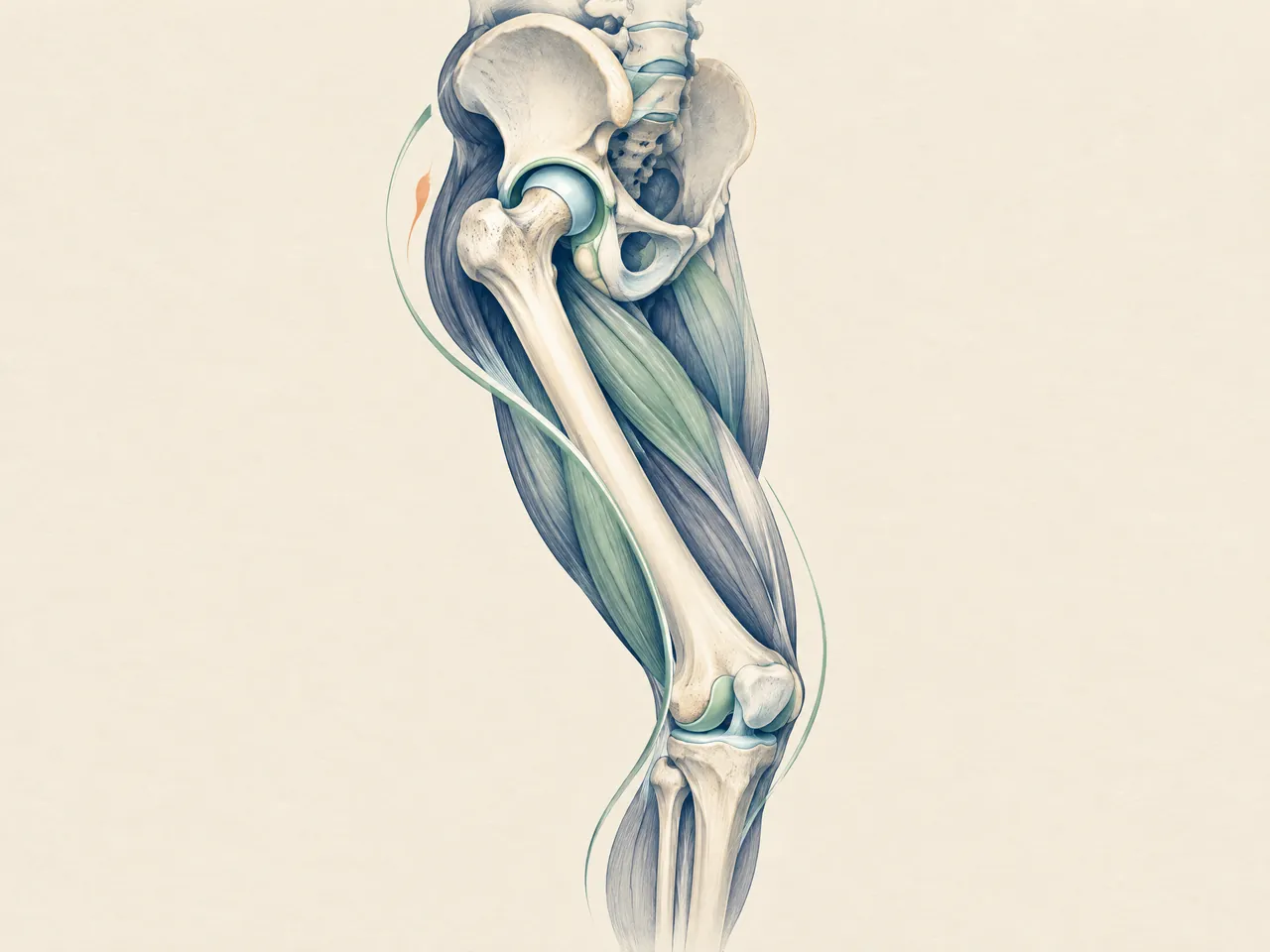
Pain in front of the knee can be linked with the kneecap area, tendons, overuse, injury or joint conditions, but pain location cannot diagnose the cause. Note which movements trigger it and whether there is swelling, stiffness, locking or instability. Seek urgent medical help for a misshapen knee, inability to bear weight, rapid swelling after injury, or a hot red knee with fever. Persistent or worsening symptoms need professional assessment.
Transparent pricing
See the fees.
Choose your care.
Explore our complete official price list, including first-trial prices, regular prices, packages and branch-specific options.
Opening WhatsApp prepares an enquiry; it does not send a message, take payment or confirm an appointment. Suitability and individual arrangements are confirmed during consultation.
Pain care
All prices in HKDExtracorporeal shockwave treatment
Shockwave treatment for deep-tissue and fascial care. The Kwun Tong clinic offers the multi-area options shown below.
Priced by branch
Branch-specific pricing
Prince Edward: HK$250 per area
Kwun Tong: HK$250 for 1 area / HK$450 for 2 areas / HK$600 for 3 areas
Pain care (manual therapy)
Includes Chinese medicine musculoskeletal assessment, manual joint techniques and tui na.
HK$580 (single session)
Chinese medicine musculoskeletal assessment
Pain care (acupuncture and manual therapy)
Combines acupuncture and manual therapy.
HK$680 (single session)
Combined care
Hair and scalp
All prices in HKDScalp health and hair-loss management
Includes AI scalp analysis, deep scalp and follicle cleansing, and scalp oil-control care.
HK$380 (first trial)
Regular price: HK$680
- 6 sessions: HK$3,480 (HK$580 per session)
- 12 sessions: HK$5,760 (HK$480 per session)
- 20 sessions: HK$8,600 (HK$430 per session)
- 30 sessions: HK$11,400 (HK$380 per session)
Hair acupuncture and Chinese herbal medicine package
Includes scalp acupuncture and 3 days of Chinese herbal medicine that does not require decoction.
HK$580 (single session)
Registered Chinese Medicine Practitioner consultation
- 6 sessions: HK$3,180 (HK$530 per session)
- 12 sessions: HK$5,760 (HK$480 per session)
- 20 sessions: HK$8,600 (HK$430 per session)
- 30 sessions: HK$11,400 (HK$380 per session)
Combined hair and scalp treatment
Combines acupuncture and Chinese herbal medicine with salon-level scalp and follicle care. Packages include complimentary hair-care shampoo and serum.
HK$1,260 (single session)
Combined treatment
- 8 sessions: HK$8,640 (HK$1,080 per session)
- 16 sessions: HK$15,680 (HK$980 per session)
- 20 sessions: HK$18,600 (HK$930 per session)
- 30 sessions: HK$26,400 (HK$880 per session)
Weight management
All prices in HKDFull-body acupoint embedding for weight management
Includes full-body acupoint embedding. Packages include complimentary Chinese herbal medicine for weight management, with the number of included days scaled to the package. Embedding material and the individual treatment arrangement are confirmed during consultation; this is not a cosmetic thread lift.
HK$980 (single session)
No trial session
- 10 sessions: HK$7,800 (HK$780 per session)
- 20 sessions: HK$14,600 (HK$730 per session)
- 30 sessions: HK$20,400 (HK$680 per session)
Facial acupuncture
All prices in HKDFacial acupuncture (basic)
Includes facial acupuncture and meridian-based facial care, including care for facial puffiness.
HK$480 (first trial)
Regular price: HK$680
- 10 sessions: HK$5,200 (HK$520 per session)
- 20 sessions: HK$9,600 (HK$480 per session)
- 30 sessions: HK$13,500 (HK$450 per session)
Facial acupuncture (advanced)
Includes enhanced facial acupuncture with a specially formulated moisturising mask and serum.
HK$780 (first trial)
Regular price: HK$1,180
- 10 sessions: HK$9,000 (HK$900 per session)
- 20 sessions: HK$16,600 (HK$830 per session)
- 30 sessions: HK$23,400 (HK$780 per session)
Chinese medicine
All prices in HKDAcupuncture and Chinese herbal medicine package
Includes a Chinese medicine consultation with pulse assessment, body acupuncture and 3 days of Chinese herbal granules that do not require decoction.
HK$580 (single session)
Chinese medicine consultation with pulse assessment
Pain in front of the knee: What does pain in different parts of the knee mean? — Reading location and function — knee pain swelling and stiffness
Pain mapping is a way to prepare for an assessment, not a way to label your own injury. Try to point with one finger to the most uncomfortable area, then note whether the pain stays there or spreads. A broad ache around the kneecap feels different from a tender spot below it, yet either may be described as front-knee pain. The same is true at the inner, outer and back edges: several structures sit close together, and swelling can make the source hard to localise. A broader overview of knee pain location can help you put your description into words before you seek care.
Function provides the second half of the picture. Ask what your knee will and will not let you do: walk on level ground, step down from a bus, use stairs, turn quickly, kneel, stand after sitting, or sleep comfortably. Also write down whether the discomfort started gradually after a change in activity or suddenly during a twist, fall, collision, or awkward landing. These details help a clinician distinguish a new injury from a pattern that has built up over time. They are more informative than trying to identify a ligament or cartilage problem from one online diagram.
Pain in front of the knee: What does pain in different parts of the knee mean? — Front, inner, outer and back pain — knee pain swelling and stiffness
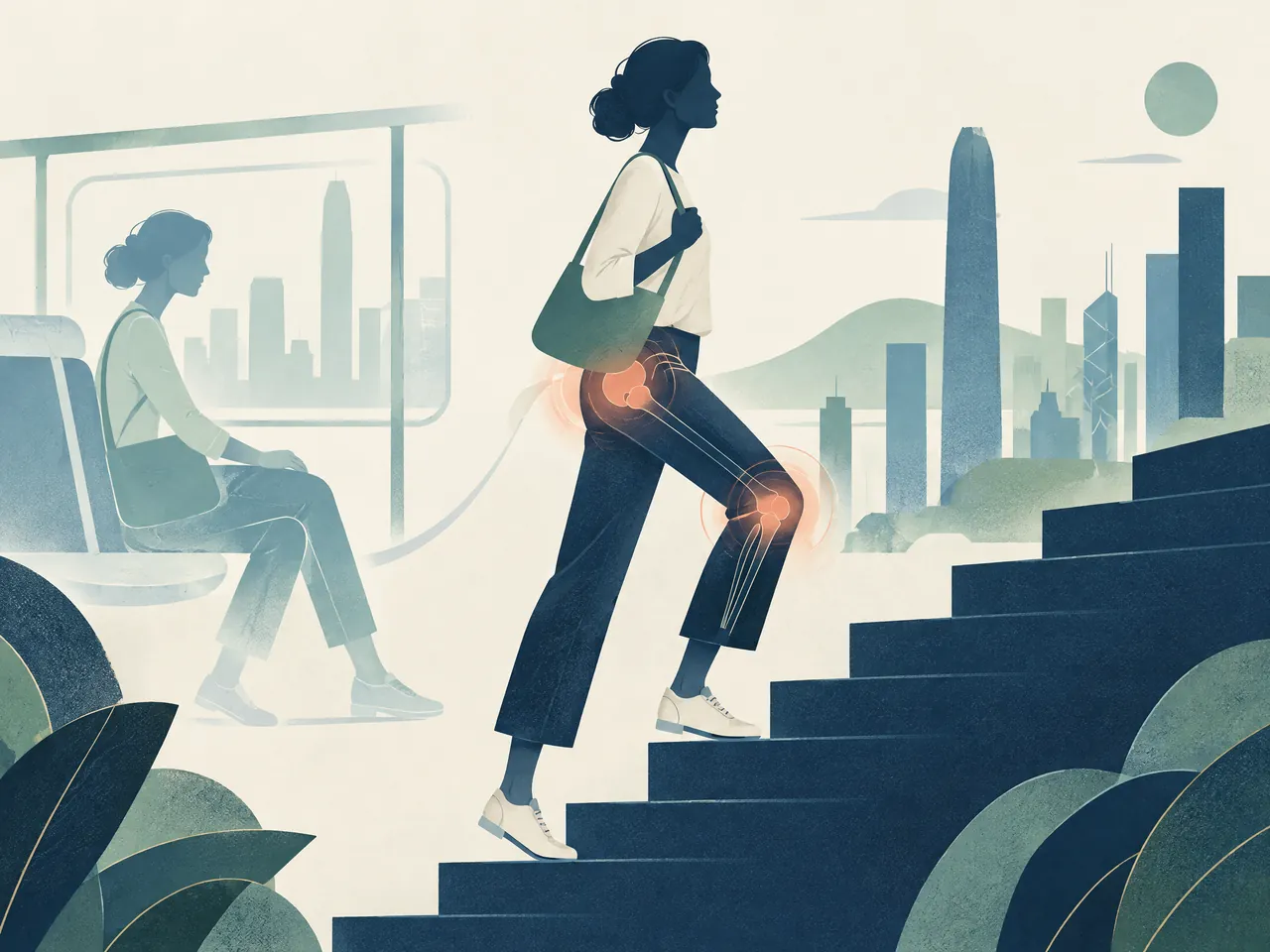
Front pain may be felt around, behind, above or below the kneecap. It can become obvious during repeated bending, such as stair climbing, downhill walking, squatting or getting up from a chair. Possible explanations can include pain related to the kneecap joint, tendon irritation, bursitis, overuse or arthritis, but the overlap is considerable. Cleveland Clinic lists several possible causes for front-knee pain and stresses that location is a clue rather than proof of a cause [3]. A new lump, marked swelling or pain after a direct blow changes the conversation and deserves timely assessment.
Inner-edge pain can follow a twist or a blow to the outside of the knee, but it may also occur with joint changes; outer-edge pain can occur with meniscus or ligament injury, arthritis or irritation of tissues on the side of the thigh. Pain behind the knee may be associated with tight muscles, tendon or ligament injury, arthritis, or a Baker’s cyst [3]. Those examples are not a checklist for self-diagnosis. Explain whether the pain is pinpoint, deep, pulling, sharp, aching or associated with a visible swelling, and whether one movement predictably sets it off.
Pain in front of the knee: What does pain in different parts of the knee mean? — Walking, stairs and weight-bearing clues — knee pain swelling and stiffness
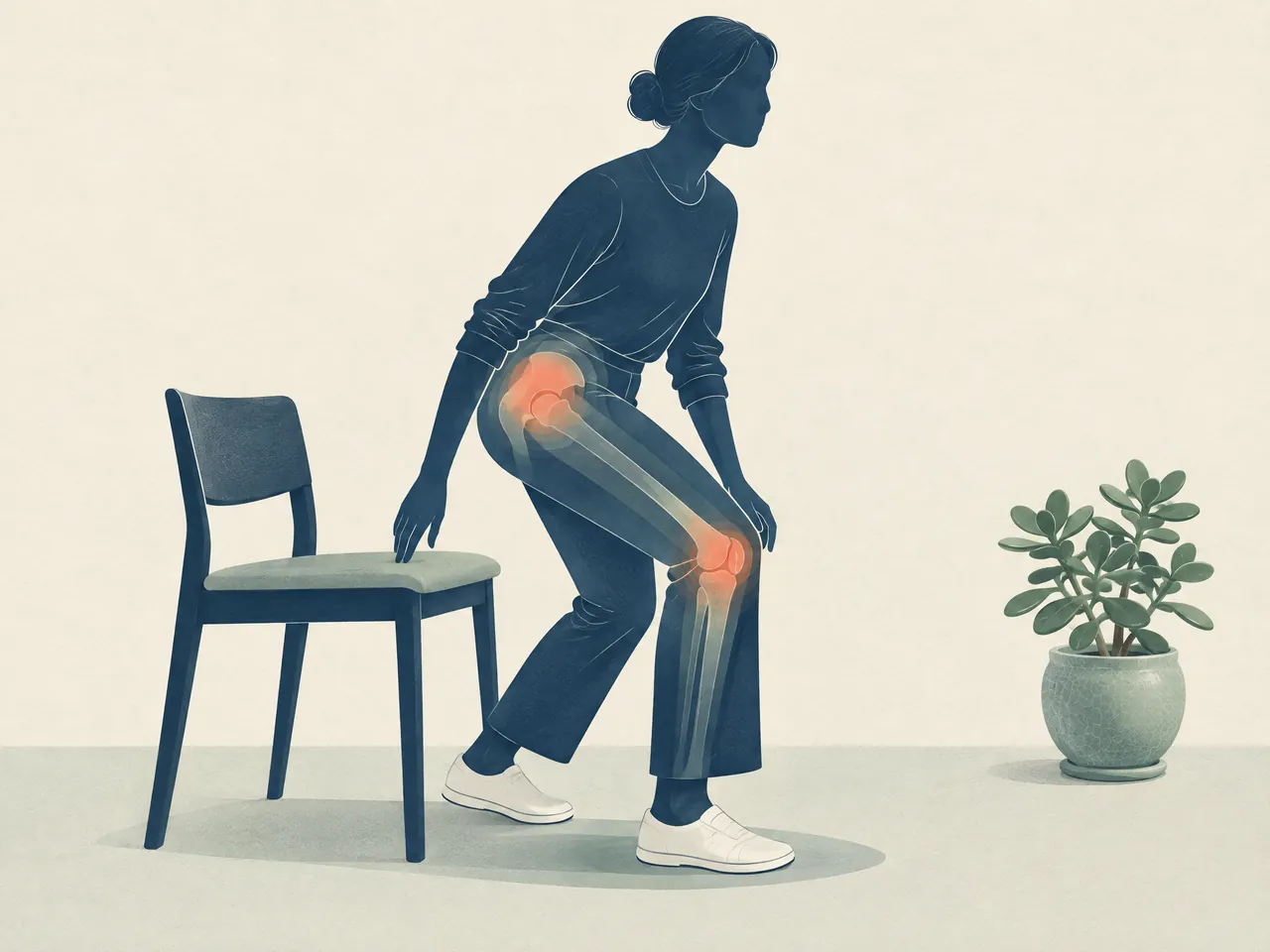
Everyday movement can reveal a useful pattern. Pain as the knee bends under load may show up when descending stairs, lowering into a chair, crouching at work, or carrying shopping downstairs. Pain that starts only after a longer walk or run may point to a load-related pattern, whereas pain that began at one clear moment during a twist should be described as such. Notice whether the knee feels weak, actually gives way, catches, locks, or simply hurts because you are avoiding bending it. The difference matters when deciding how promptly to seek help.
Weight-bearing is also a safety check. It is reasonable to reduce activities that sharply increase pain while arranging assessment, but do not test an injured knee repeatedly to prove you can manage. If you cannot put weight through the leg, cannot move the knee, or the knee is badly swollen or has changed shape, get urgent medical advice [1]. A knee that locks, gives way, or painfully clicks also needs prompt attention. For a more detailed symptom checklist, see knee pain symptoms.
Compare your options
| What to notice | Examples to record | Why it helps the assessment |
|---|---|---|
| Exact location | Around the kneecap, inner edge, outer edge, behind the knee, or more than one area | Shows the pattern without assuming a diagnosis from location alone |
| Onset and trigger | Gradual after more stairs or running; sudden during a twist, fall, jump or collision | Separates a load-related history from a possible acute injury |
| Swelling and skin changes | None, gradual swelling, rapid swelling, redness, warmth, bruising or a new lump | Helps identify features that may need more urgent assessment |
| Function | Walking, stairs, squatting, rising from a chair, kneeling, sleep, locking or giving way | Shows how symptoms affect daily life and weight-bearing |
| What has helped or worsened it | Rest, ice, heat, activity modification, specific movements or time of day | Supports a safe discussion about next steps and self-care |
On smaller screens, scroll the table sideways to compare all columns.
Knee pain swelling and stiffness: What does pain in different parts of the knee mean? — Common causes and warning signs — pain in front of the knee
Swelling and stiffness add important context to pain in front of the knee. A knee can feel stiff after sitting, after a busy day, or during a flare of an existing joint problem. Swelling may be mild and gradual, or it may appear quickly after an injury. Redness, warmth, bruising and the speed of change are all worth noting. Some causes are relatively minor, while others need prompt evaluation; a webpage cannot reliably separate a strain from a meniscus injury, inflammatory condition or infection. Use the symptom pattern to decide the next step, rather than assuming that age, sport or a familiar ache explains everything.
Common possibilities include a sprain or strain after overstretching or twisting, tendon problems after repetitive running or jumping, ligament or meniscus injury, bursitis, osteoarthritis, gout and infection. The NHS lists these among possible causes and advises people not to self-diagnose [1]. A person may have one condition, more than one source of discomfort, or a different explanation entirely. If you want background on the range of possibilities, read knee pain causes, then use a qualified clinician’s examination to decide what applies to you.
Knee pain swelling and stiffness: What does pain in different parts of the knee mean? — Injury, overuse and joint conditions — pain in front of the knee
A recent incident is often the clearest dividing line. A sudden turn, jump, tackle, fall or direct blow followed by swelling, a pop, instability, or trouble straightening the knee should be reported exactly as it happened. Do not rely on the absence of severe pain alone; an injured knee may still need examination, particularly if normal walking or weight-bearing is difficult. Until you are assessed, avoid returning to pivoting sport, deep squats or heavy lifting simply because the knee briefly feels better.
Overuse patterns often develop more gradually. A sudden increase in running, hill walking, jumping, kneeling, floor work, or repeated stairs can irritate a sensitive knee, and symptoms may appear only after the activity. Joint conditions may bring recurring pain, stiffness and reduced function, but these signs still need context. For people with osteoarthritis, NICE identifies therapeutic exercise, information and support, and weight management where appropriate as core management; a plan should reflect the person’s symptoms and function [4]. It should not be copied from someone else’s workout or online diagnosis.
Knee pain swelling and stiffness: What does pain in different parts of the knee mean? — When urgent medical help is needed — pain in front of the knee
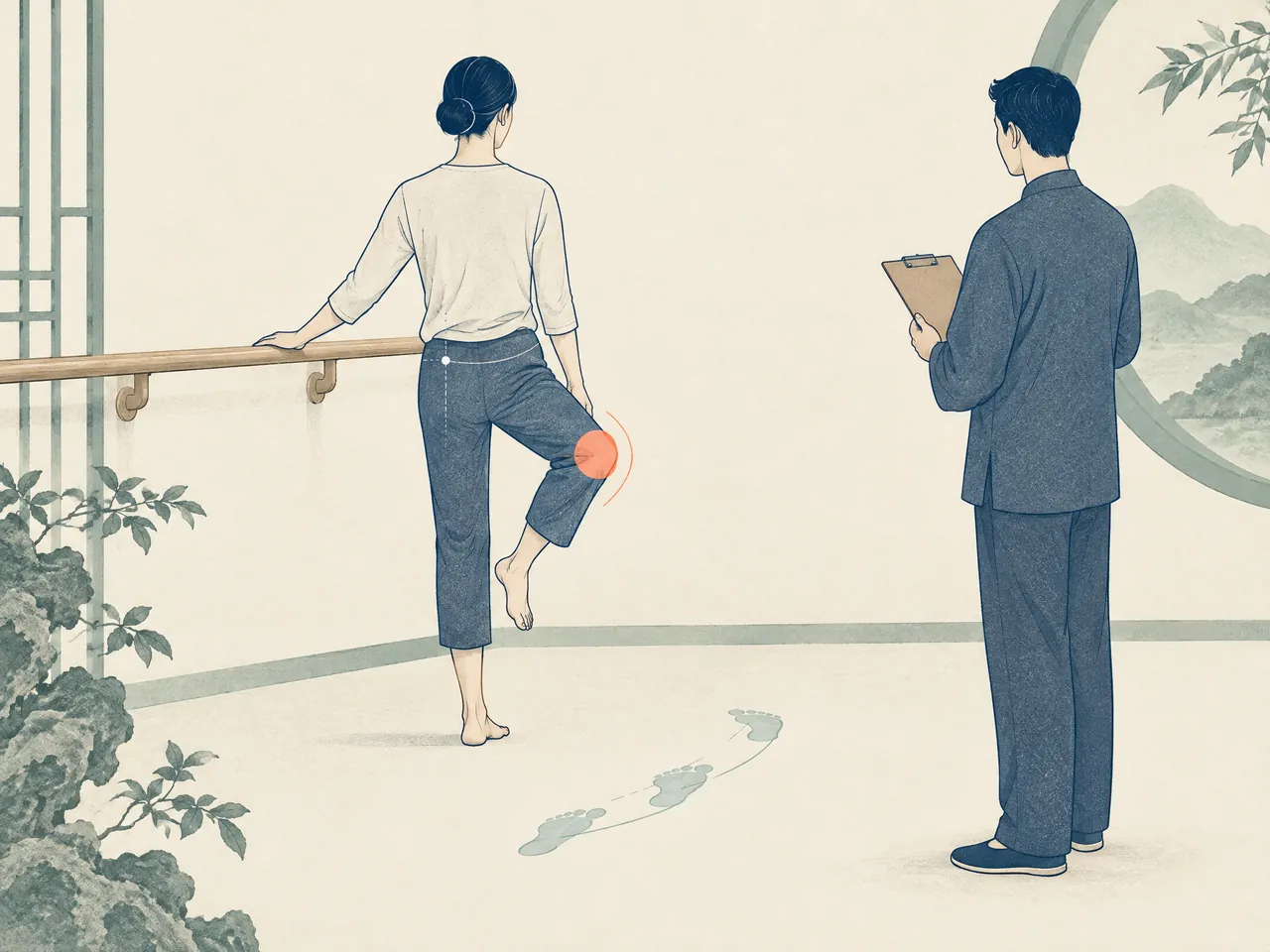
Seek urgent medical advice after significant trauma, if the knee looks misshapen, becomes immediately very swollen after a twisting injury, or cannot take weight. Urgent assessment is also appropriate if you cannot move the knee, it locks or repeatedly gives way, or it has changed shape [1] [2]. In Hong Kong, use the appropriate urgent or emergency service for the severity of the situation rather than waiting for a routine consultation. These signs can indicate a problem that needs a prompt medical examination or imaging decision.
A hot, red, swollen knee with a high temperature, chills, or feeling generally unwell is especially important not to manage at home. NHS guidance identifies fever together with redness or heat around the knee as a possible sign of infection [1]. Do not mask a worsening pattern with heat, strenuous stretching or repeated exercise. For severe pain, rapidly worsening swelling, new numbness, calf swelling, or symptoms that feel alarming, seek medical advice promptly. The page when to see a doctor for knee pain gives a focused reminder of situations that should not be delayed.
What does pain in different parts of the knee mean? Pain in front of the knee and knee pain swelling and stiffness — Assessment and daily care
A useful appointment starts with a simple timeline: when symptoms began, what was happening at the time, whether you heard or felt a pop, how swelling changed, and what is now limited. Bring a list of current medicines and relevant health conditions, particularly if there is a history of gout, inflammatory arthritis, bleeding problems, surgery or a previous knee injury. A clinician may examine how the knee moves, where it is tender and how you walk. Depending on the findings, they may recommend self-management, rehabilitation, medicines, tests or referral. The goal is not to chase a label from pain location, but to make a safe, practical plan.
For a new, non-urgent knee problem, reduce the tasks that clearly aggravate it while keeping gentle movement within what symptoms allow. NHS Inform advises reducing activity but moving as symptoms allow in the first 24 to 48 hours, avoiding long periods on your feet, and then gradually using the leg more as appropriate [2]. This is not an instruction to push through sharp pain, instability or marked swelling. If ordinary walking, work tasks or sleep remain difficult, or progress stalls, arrange professional advice rather than extending self-care indefinitely.
What does pain in different parts of the knee mean? Pain in front of the knee and knee pain swelling and stiffness — Traditional Chinese medicine assessment
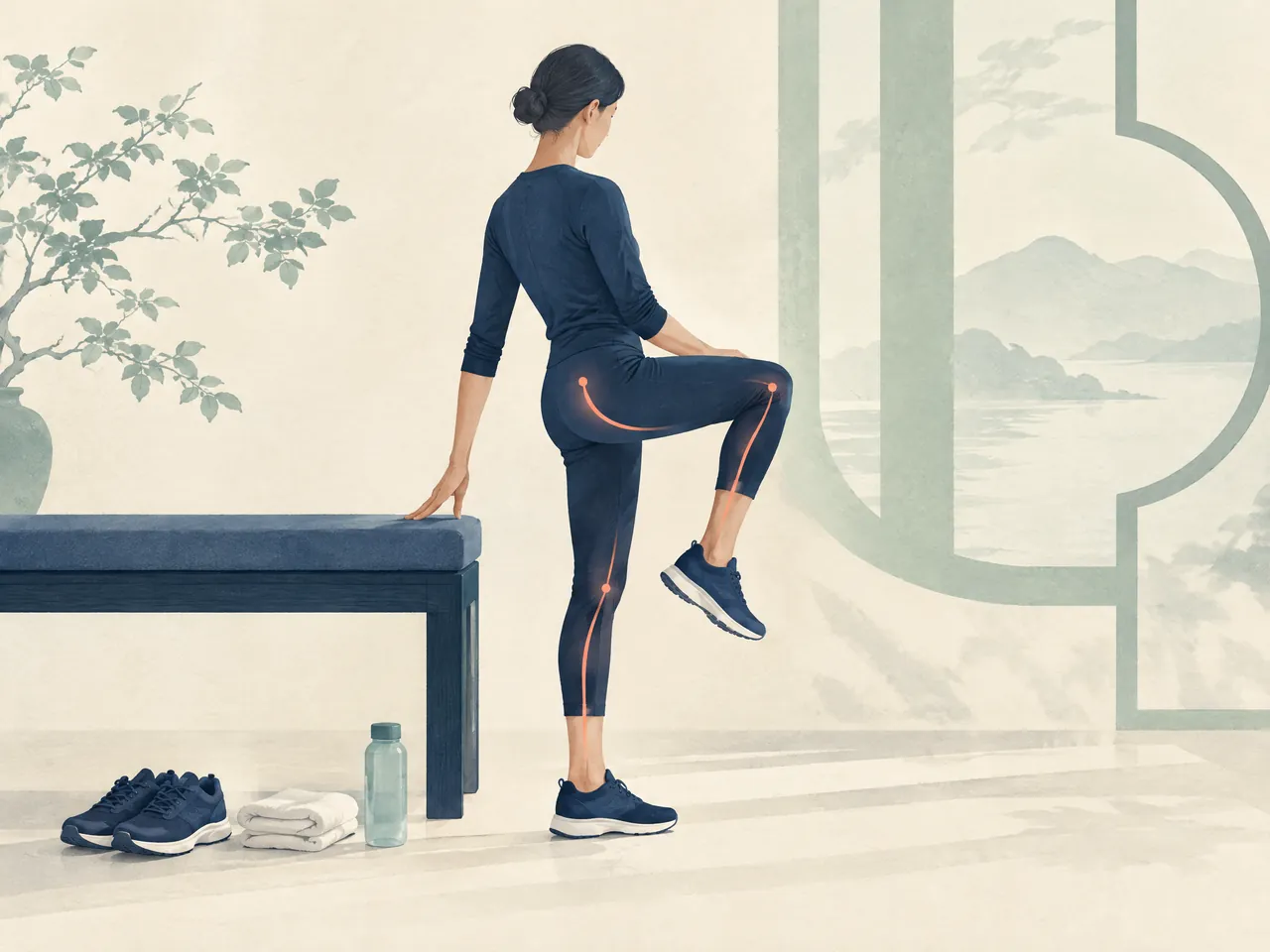
A Registered Chinese Medicine Practitioner may ask about the location and quality of discomfort, the start of symptoms, sensitivity to activity or weather, sleep, past injuries and other health history. They may observe gait and swelling and use palpation as part of a traditional assessment. In traditional Chinese medicine, patterns such as wind-cold-dampness, qi stagnation and blood stasis may be discussed. These are traditional interpretive terms, not modern medical diagnoses, and they do not replace assessment for a fracture, joint infection, major ligament injury or another structural concern.
If you are considering a traditional consultation, share any previous scans, diagnoses and medicines, and say clearly if the knee is hot, red, newly swollen or difficult to bear weight on. A responsible discussion starts after urgent conditions have been addressed. Acupuncture is sometimes raised as a supportive option, but recommendations are not uniform; NICE specifically advises against offering acupuncture or dry needling to manage osteoarthritis [4]. No approach should promise to cure every type of knee pain or substitute for medical care when warning signs are present.

What does pain in different parts of the knee mean? Pain in front of the knee and knee pain swelling and stiffness — Heat, ice and activity advice
Choose ice or heat for comfort, not as a diagnosis. For a recent injury with swelling, an ice pack may feel more suitable; for pain without swelling that is not linked to a recent injury, heat may feel helpful. NHS Inform advises placing a barrier such as a towel between the pack and skin, using heat or ice for up to 15 minutes, and leaving a few hours between treatments [2]. Stop if skin redness, discolouration, blistering or symptoms increase. People with circulation or sensation problems should seek advice before using either treatment.
Plan the day around tolerable movement. Use a handrail on stairs, break up long periods of standing, and temporarily reduce running, jumping, deep squats or kneeling if they provoke pain. Sitting still for hours can also make stiffness more noticeable, so change position and move gently if comfortable. The practical guidance in knee pain self-care can help you prepare questions for a clinician. Reassess the plan if swelling, instability or function deteriorates rather than trying to outlast the problem.
Care and health guide
Knee discomfort: care information
This directory brings together services, reading, and visit information related to knee discomfort, to help you prepare questions for a consultation.
When knee discomfort affects your day, noting when it occurs, its relation to activity, and what you have already tried can help prepare a consultation; Chinese medicine pain management Hong Kong is a relevant service or reading entry point.
Individual circumstances differ, and acupuncture Hong Kong offers related information to help you understand options and prepare questions.


Your questions, answered
Frequently asked questions
What does pain in different parts of the knee mean?
Location can offer clues, not certainty. Front pain may involve tissues around the kneecap; inner, outer and back pain have several possible explanations. The onset, swelling, movement triggers, injury history and ability to bear weight are all needed for a meaningful assessment.
When should I worry about knee pain swelling and stiffness?
Seek urgent medical advice if you cannot bear weight or move the knee, it looks deformed, is badly or rapidly swollen after injury, locks or gives way, or becomes hot and red with fever or chills. Persistent, worsening or function-limiting symptoms should also be assessed.
Is ice or heat better for pain in front of the knee?
For a recent injury with swelling, wrapped ice may be more comfortable. Heat may suit pain without swelling that is not linked to a recent injury. Use a towel barrier, keep applications brief, and stop if the skin or symptoms worsen. Neither option replaces assessment for red flags.
Can I see a Chinese medicine practitioner for knee pain?
A Registered Chinese Medicine Practitioner can discuss a traditional assessment after urgent issues have been addressed. Bring details of injuries, diagnoses, scans and medicines. Traditional terms are not the same as a modern medical diagnosis, and no treatment should be presented as a guaranteed cure for every knee condition.
Sources and further information
- [1] [1] NHS — Knee pain
Referenced for: Possible causes, self-care with ice, and urgent symptoms including inability to bear weight, deformation, locking, giving way, redness, heat and fever.
- [2] [2] NHS Inform — Knee problems
Referenced for: Activity adjustment, heat or ice precautions, 15-minute applications, barriers, and help-seeking signs.
- [3] [3] Cleveland Clinic — Knee Pain
Referenced for: Examples of possible causes by front, inner, outer and back knee location, and the limitations of location alone.
- [4] [4] NICE — Osteoarthritis in over 16s: diagnosis and management
Referenced for: Core osteoarthritis management, therapeutic exercise and weight management where appropriate, and NICE's acupuncture recommendation.