
TCM Lab · Health reading
acute lower back pain home care: When to Use Heat or Ice
Published Updated
Sudden back pain can make a simple choice feel urgent: ice pack or hot water bottle? For acute lower back pain home care, start with the pattern rather than a rule. A wrapped cold pack can be a reasonable comfort option after a recent minor strain or when pain comes with visible swelling. Gentle warmth may suit a back that feels guarded, stiff or in spasm. Neither option identifies the cause or replaces assessment. Protect your skin, use short sessions, keep moving within a comfortable range, and act promptly if warning symptoms appear.
Appointments are confirmed through WhatsApp. If you have language requirements, please mention them in your enquiry.
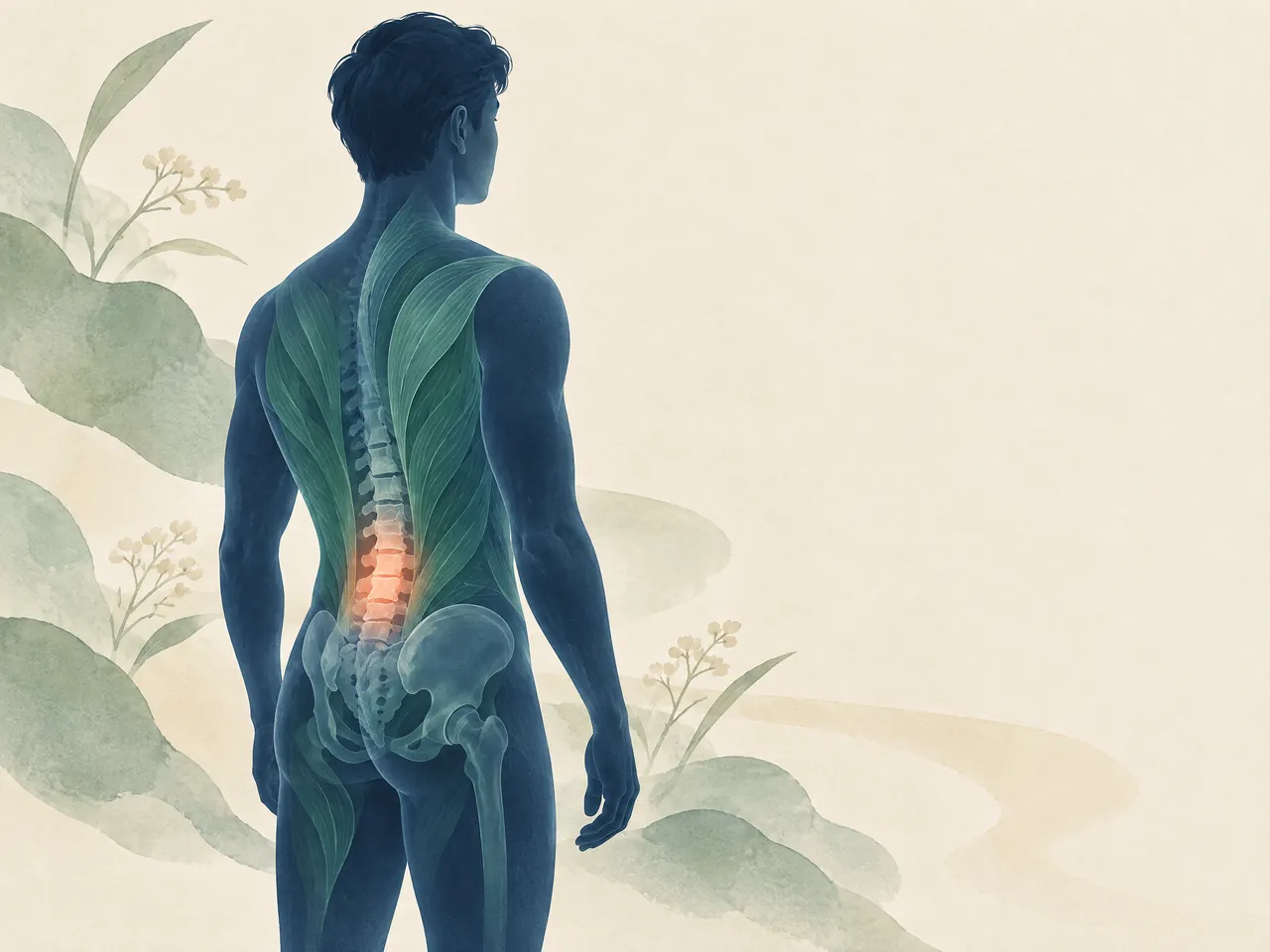
The short answer
For acute lower back pain home care, use a wrapped cold pack if pain began after a recent minor strain or is accompanied by swelling; choose gentle heat when tightness, stiffness or muscle spasm is the main problem. Keep each session short, with a cloth barrier between the pack and skin. Stop if it makes symptoms worse. New weakness in both legs, saddle-area numbness, bladder or bowel changes, chest pain, feverish illness, major trauma or rapid worsening needs urgent medical assessment.
Transparent pricing
See the fees.
Choose your care.
Explore our complete official price list, including first-trial prices, regular prices, packages and branch-specific options.
Opening WhatsApp prepares an enquiry; it does not send a message, take payment or confirm an appointment. Suitability and individual arrangements are confirmed during consultation.
Pain care
All prices in HKDExtracorporeal shockwave treatment
Shockwave treatment for deep-tissue and fascial care. The Kwun Tong clinic offers the multi-area options shown below.
Priced by branch
Branch-specific pricing
Prince Edward: HK$250 per area
Kwun Tong: HK$250 for 1 area / HK$450 for 2 areas / HK$600 for 3 areas
Pain care (manual therapy)
Includes Chinese medicine musculoskeletal assessment, manual joint techniques and tui na.
HK$580 (single session)
Chinese medicine musculoskeletal assessment
Pain care (acupuncture and manual therapy)
Combines acupuncture and manual therapy.
HK$680 (single session)
Combined care
Hair and scalp
All prices in HKDScalp health and hair-loss management
Includes AI scalp analysis, deep scalp and follicle cleansing, and scalp oil-control care.
HK$380 (first trial)
Regular price: HK$680
- 6 sessions: HK$3,480 (HK$580 per session)
- 12 sessions: HK$5,760 (HK$480 per session)
- 20 sessions: HK$8,600 (HK$430 per session)
- 30 sessions: HK$11,400 (HK$380 per session)
Hair acupuncture and Chinese herbal medicine package
Includes scalp acupuncture and 3 days of Chinese herbal medicine that does not require decoction.
HK$580 (single session)
Registered Chinese Medicine Practitioner consultation
- 6 sessions: HK$3,180 (HK$530 per session)
- 12 sessions: HK$5,760 (HK$480 per session)
- 20 sessions: HK$8,600 (HK$430 per session)
- 30 sessions: HK$11,400 (HK$380 per session)
Combined hair and scalp treatment
Combines acupuncture and Chinese herbal medicine with salon-level scalp and follicle care. Packages include complimentary hair-care shampoo and serum.
HK$1,260 (single session)
Combined treatment
- 8 sessions: HK$8,640 (HK$1,080 per session)
- 16 sessions: HK$15,680 (HK$980 per session)
- 20 sessions: HK$18,600 (HK$930 per session)
- 30 sessions: HK$26,400 (HK$880 per session)
Weight management
All prices in HKDFull-body acupoint embedding for weight management
Includes full-body acupoint embedding. Packages include complimentary Chinese herbal medicine for weight management, with the number of included days scaled to the package. Embedding material and the individual treatment arrangement are confirmed during consultation; this is not a cosmetic thread lift.
HK$980 (single session)
No trial session
- 10 sessions: HK$7,800 (HK$780 per session)
- 20 sessions: HK$14,600 (HK$730 per session)
- 30 sessions: HK$20,400 (HK$680 per session)
Facial acupuncture
All prices in HKDFacial acupuncture (basic)
Includes facial acupuncture and meridian-based facial care, including care for facial puffiness.
HK$480 (first trial)
Regular price: HK$680
- 10 sessions: HK$5,200 (HK$520 per session)
- 20 sessions: HK$9,600 (HK$480 per session)
- 30 sessions: HK$13,500 (HK$450 per session)
Facial acupuncture (advanced)
Includes enhanced facial acupuncture with a specially formulated moisturising mask and serum.
HK$780 (first trial)
Regular price: HK$1,180
- 10 sessions: HK$9,000 (HK$900 per session)
- 20 sessions: HK$16,600 (HK$830 per session)
- 30 sessions: HK$23,400 (HK$780 per session)
Chinese medicine
All prices in HKDAcupuncture and Chinese herbal medicine package
Includes a Chinese medicine consultation with pulse assessment, body acupuncture and 3 days of Chinese herbal granules that do not require decoction.
HK$580 (single session)
Chinese medicine consultation with pulse assessment
acute lower back pain home care: Choosing Cold or Heat by Symptoms
Acute describes a recent onset, not a diagnosis. A sore back may follow lifting a suitcase, a long drive, an unfamiliar exercise session, a slip, or a movement that seemed minor at the time. It can also begin without a clear event. The NHS suggests a wrapped ice pack for pain and swelling, and a wrapped heat pack or hot water bottle for joint stiffness or muscle spasms. [1] For a wider comparison of the two approaches, see heat or ice for lower back pain.
Before using either, pause for a brief safety check. Pain that is very severe from the outset, is worsening quickly, or comes with feeling hot, cold, shivery or generally unwell is not a situation to manage by repeatedly changing packs. [1] The same applies after a significant accident or when pain has a pattern that worries you. In uncomplicated symptoms, temperature therapy is only one part of acute lower back pain home care: the aim is to make gentle movement, getting dressed, sitting down and changing position more manageable, not to prove that a particular tissue has been injured.
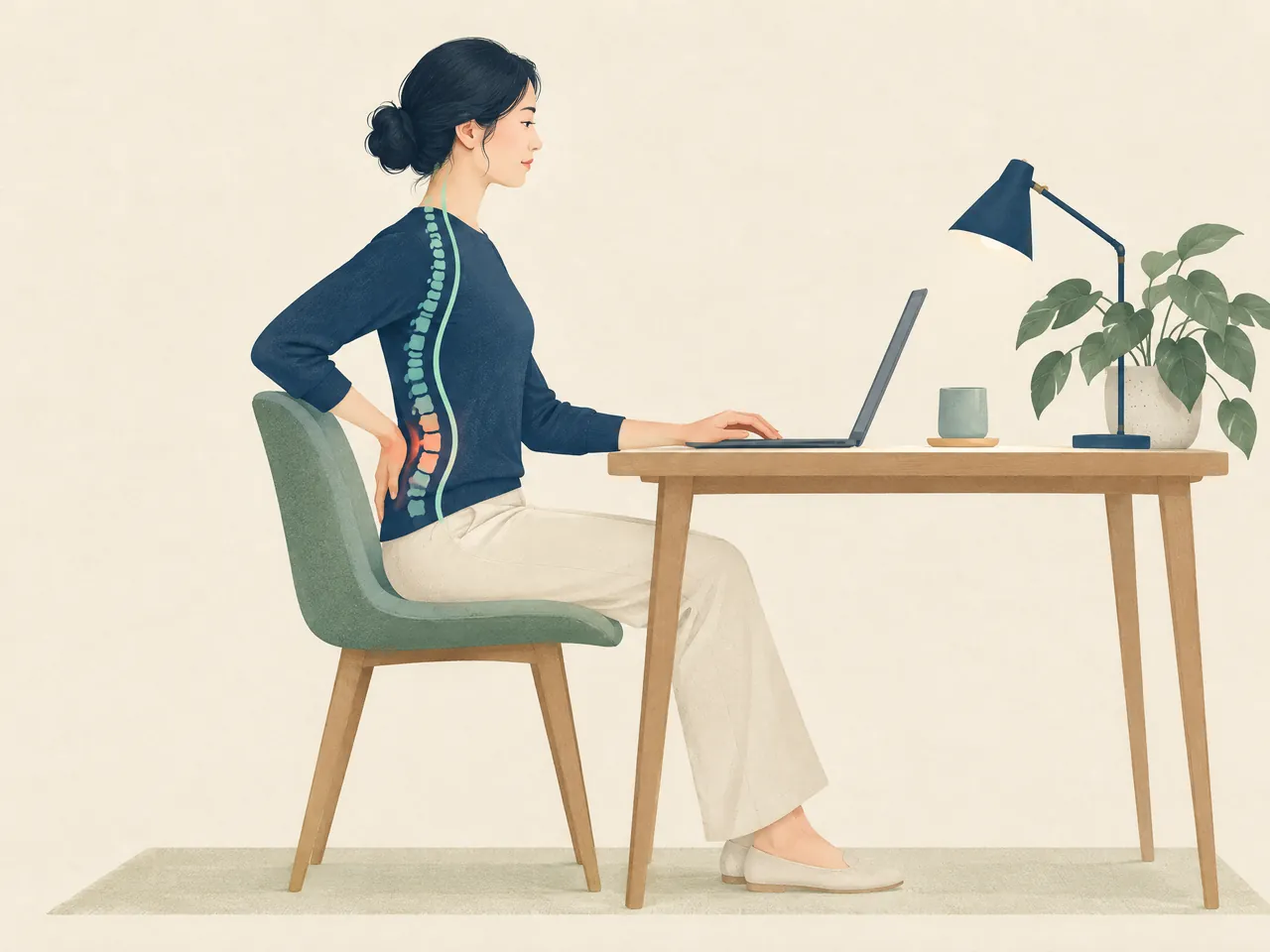
acute lower back pain home care for Sudden Pain, Swelling or a New Strain
Cold is often the more intuitive choice when discomfort is new and the area feels puffy, tender after a minor strain, or more sore following a recent activity. It may temporarily dull the sensation enough for you to settle into a supported position or take a short walk around the room. Use a commercial cold pack or a bag of frozen food only after wrapping it in a cloth. Do not press through intense pain, and do not place ice directly on bare skin. NHS guidance specifically recommends an ice pack or frozen peas wrapped in a tea towel for pain and swelling. [1]
Pay attention to the change after the pack comes off. If the back feels less irritable and you can move a little more easily, that is useful information for the next short session. If the area becomes sharply uncomfortable, excessively numb, blotchy, or more painful, remove the pack and let the skin return to its usual temperature. Cold is not a test of toughness and it does not make it safe to return immediately to heavy lifting, a demanding gym session or a long period of fixed sitting. Reduce the aggravating task for the day, then reintroduce ordinary movement in small, tolerable amounts.
acute lower back pain home care for Muscle Tightness and Stiffness
Heat may feel more helpful when the main complaint is a clenched, stiff or cramping sensation rather than visible swelling. Examples include waking with a guarded back after sleeping awkwardly, feeling locked after a desk-heavy day, or noticing muscles tighten around an already sore area. The NHS lists a heat pack or a hot water bottle, wrapped in a tea towel, as an option for joint stiffness or muscle spasms. [1] That does not mean heat is required; it is a short comfort trial. A comfortably warm sensation is enough. A very hot pack that forces you to keep shifting position is not the goal.
Use the period of warmth to make a small, realistic movement easier, such as standing upright, walking to another room, or changing from sitting to lying without twisting abruptly. Avoid treating heat as permission to stretch aggressively into sharp pain. If stiffness is the recurring pattern rather than a one-day episode, explore lower back pain muscle stiffness for a fuller discussion of pacing and everyday triggers. Persistent or recurrent symptoms deserve a clinical conversation, especially when they are limiting sleep, work or normal activities.
Compare your options
| What you notice | A cautious home option | What to monitor next |
|---|---|---|
| Recent minor strain with pain or local swelling | Try a cold pack wrapped in a cloth for a short, timed session. | Stop for skin discomfort, increasing pain or persistent numbness; avoid returning straight to heavy lifting. |
| Tight, stiff or spasming muscles without obvious swelling | Try gentle, wrapped heat while awake and on a comfortable setting. | Stop if heat aggravates pain; use the comfortable window for easy movement, not forceful stretching. |
| Either method is not helping or symptoms are limiting daily life | Keep moving gently within tolerance and arrange a clinical assessment rather than extending pack time. | Note onset, triggers, leg symptoms, sleep impact and any change in function. |
| Both-leg weakness or numbness, saddle sensory change, bladder or bowel change, chest pain, serious trauma, or rapid worsening | Do not rely on home heat or ice. | Seek urgent or emergency medical assessment. [1] |
On smaller screens, scroll the table sideways to compare all columns.
acute lower back pain home care: Safe Timing and Skin Protection
The safest pack is one you can feel, supervise and remove. A towel or cloth barrier is not an optional extra: it separates the skin from a cold pack, a hot water bottle or a heating pad. HealthLink BC advises heat for 15 to 20 minutes at a time and says not to leave cold on for longer than 15 to 20 minutes. [2] The NHS likewise advises wrapping both cold and heat options in a tea towel. [1] Set a timer instead of estimating while distracted by a programme, work message or nap. This simple routine belongs in practical back pain self-care because it limits avoidable burns and cold injury.
Do not use temperature therapy while asleep. Heat can feel pleasant enough that it is easy to lose track of time, while cold can continue to irritate skin after it has become numb. HealthLink BC advises using an electric heating pad on low or medium rather than high and avoiding falling asleep while it is on. [2] Anyone with reduced skin sensation, difficulty judging temperature, fragile skin, an open wound or a circulation concern should ask a healthcare professional before using heat or cold. If you cannot reliably tell whether the pack is too hot or too cold, it is not a suitable unsupervised home treatment.
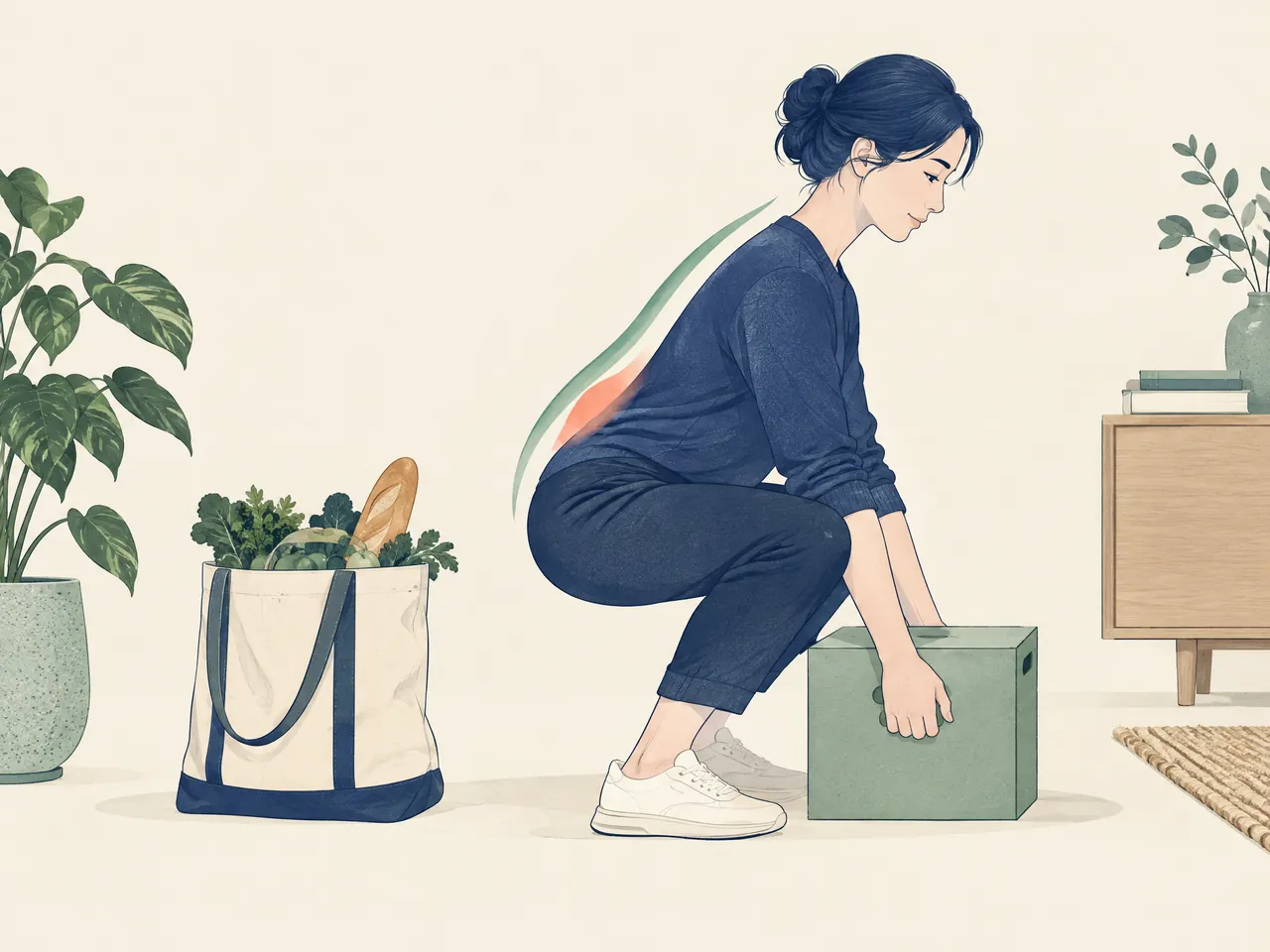
acute lower back pain home care with a Cold Pack or Ice Pack
Prepare cold before you need it. A flexible commercial pack, or a bag of frozen vegetables reserved for this purpose, can be placed inside a thin towel so it sits comfortably across the sore area. Set yourself up where you can change position easily rather than trying to hold the pack in place while bent over. A short cold session can be followed by a few calm steps around the room if that feels manageable. Do not use a hard pack to forcefully compress the spine, and do not lie on a pack if your body weight makes the pressure painful.
Check the skin before and after. Normal coolness should fade after the pack is removed. Stop immediately if you notice stinging, burning, unusual paleness, marked colour change or numbness that does not settle promptly. HealthLink BC advises keeping a damp cloth between the skin and cold pack and not sleeping with ice on the skin. [2] Leave time between sessions for the skin to recover. A stronger or longer application is not more effective simply because it feels more intense; the useful dose is the one that gives brief comfort without skin irritation.
acute lower back pain home care with a Heating Pad or Hot Water Bottle
For heat, choose a warm—not scalding—setting and keep the barrier in place. With a hot water bottle, check that the cap is secure and that the cover or towel remains dry enough to provide insulation. With an electric pad, follow the product instructions and keep cords, moisture and damaged wiring out of the equation. Heat should be an awake, time-limited activity: a chance to relax a guarded posture before a shower, an easy walk or a change of position. It should not be an overnight treatment or something used while your attention is elsewhere.
If gentle heat is comfortable but the pain reliably returns as soon as you stop moving, consider how you are loading your back through the day. A low chair, a wallet in a back pocket, repeated twisting when lifting groceries, or an hour without changing desk position can all be useful clues to discuss. You do not need to choose heat forever or cold forever. HealthLink BC notes that some people try heat and cold at different times, but switching is optional and should never substitute for assessment when symptoms are escalating. [2]
acute lower back pain home care: Activity, Assessment and Red Flags
When back pain first arrives, it is understandable to avoid every movement. Yet complete rest can make changing position feel harder. NHS guidance recommends staying active and trying to continue daily activities, while avoiding long periods in bed. [1] This does not mean pushing through sharp pain or pretending nothing happened. It means breaking tasks down: get up slowly, walk briefly, use support when needed, and change position before stiffness builds. The question Should I rest in bed with low back pain? is best answered with a middle path—short rests for comfort, not an all-day bed-rest plan.
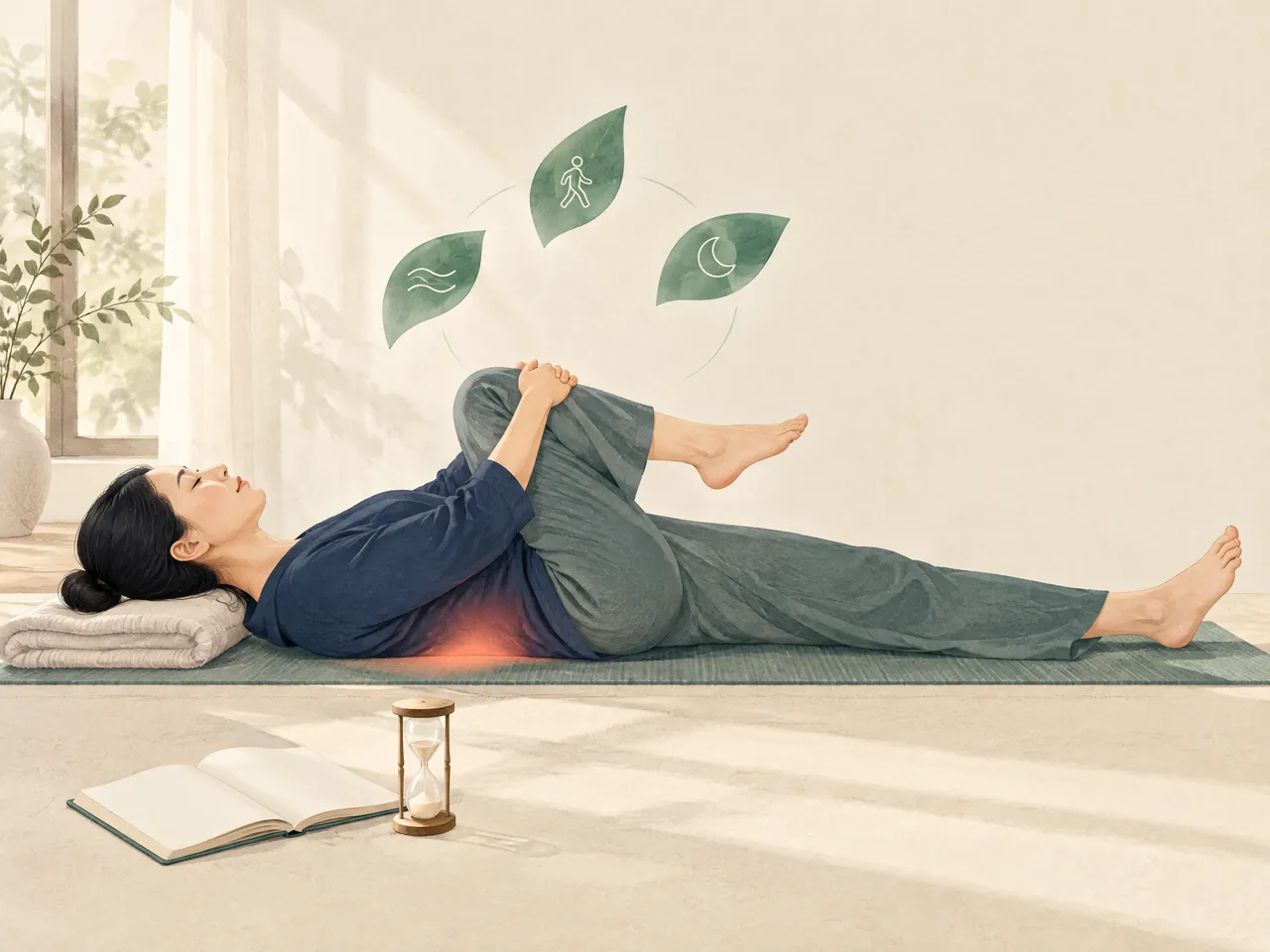
As symptoms settle, notice patterns rather than chasing a perfect posture. Does a short walk help? Does a certain chair make the pain worse? Is bending, coughing, turning in bed or sitting the main trigger? These details can make an assessment more useful. If pain is not improving after a few weeks of home care, stops you doing day-to-day activities, or leaves you worried or unable to cope, the NHS advises seeking medical advice. [1] Home measures can reduce discomfort while you arrange appropriate care, but they do not rule out conditions that need a different approach.
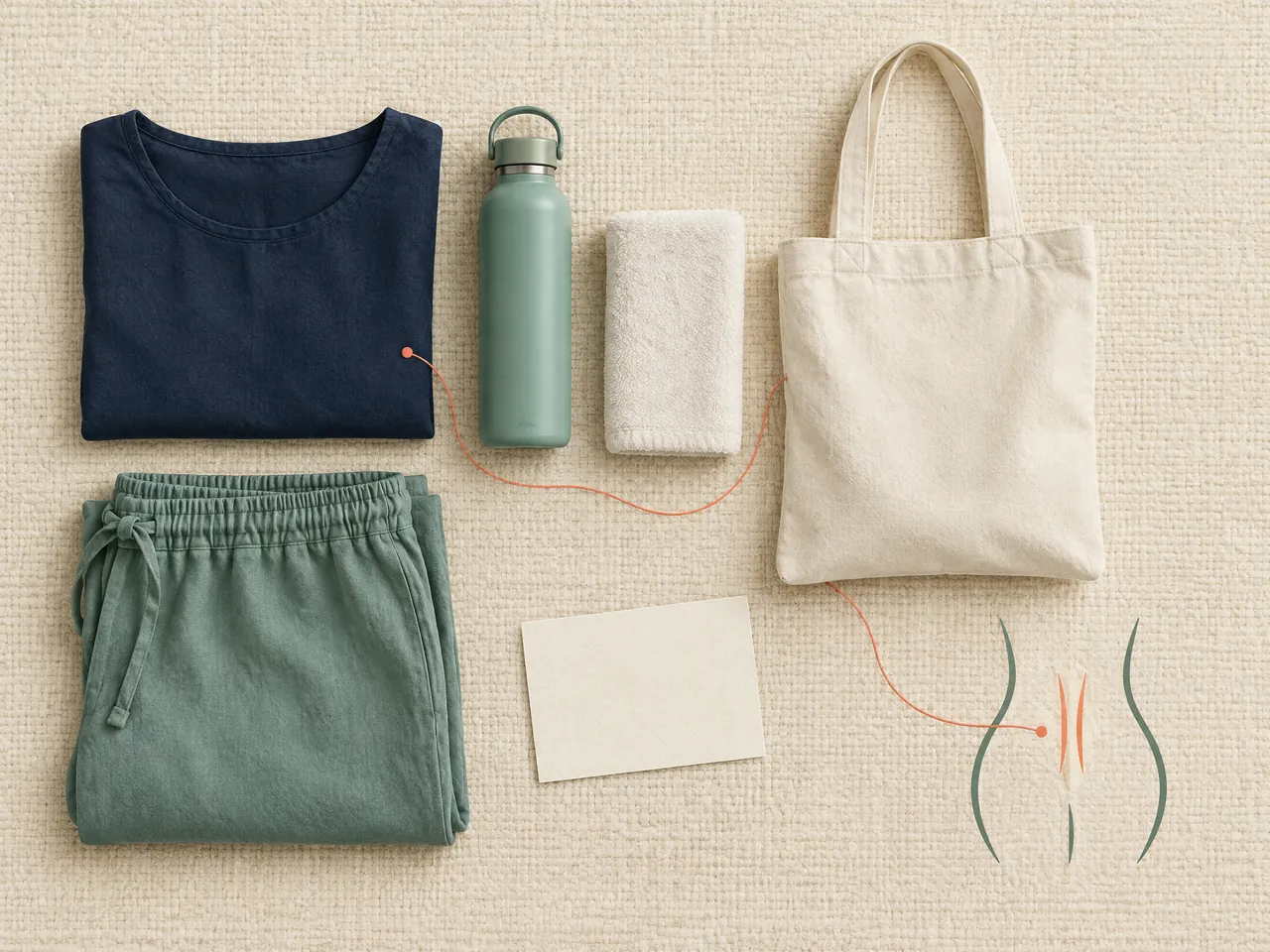
acute lower back pain home care and When to Seek Urgent Advice
Do not wait for a heat or cold trial to work if you have pain, tingling, weakness or numbness in both legs; loss of feeling around the genitals or anus; or a new change in bladder or bowel function. These symptoms need emergency assessment. The same is true of back pain with chest pain or after a serious accident. [1] New severe pain that starts suddenly, rapid deterioration, or feeling hot, cold, shivery or generally unwell also warrants urgent medical advice. [1] If one of these features is present, temperature therapy is not the priority.
Seek a timely clinical assessment for a lump or swelling in the back, unexplained weight loss, pain that is worse at night or does not improve with rest, or pain that is getting in the way of normal life. [1] Be ready to explain when the pain began, what you were doing, whether it travels into a leg, what movements change it, and any recent illness, accident or medication change. That is more useful than trying to label yourself with a particular diagnosis from a single symptom. A clinician can decide whether examination, monitoring, rehabilitation or another service is appropriate.

acute lower back pain home care and a Traditional Chinese Medicine Assessment
When urgent causes have been screened out, some people in Hong Kong choose to discuss ongoing back discomfort with a Registered Chinese Medicine Practitioner. A consultation may include questions about the exact site and quality of pain, recent activity, sleep, digestion, response to weather or rest, medical history and medicines, together with observation and examination within the practitioner’s scope. In traditional Chinese medicine, patterns may be described using terms such as cold-dampness, damp-heat, qi stagnation and blood stasis. These are traditional pattern descriptions, not modern medical diagnoses and not a substitute for medical assessment.
A consultation can be a place to review whether self-care is still sensible and what information should be shared with other clinicians. It should not involve a promise to cure back pain, a fixed number of visits or instructions to self-needle. Acupuncture may be discussed only after an individual assessment; recommendations differ across clinical guidance, so it is reasonable to ask about benefits, risks and alternatives. If you are deciding which route to start with, read low back pain Chinese medicine or doctor. Bring details of medicines, scans and previous diagnoses to support safe, coordinated care.
Care and health guide
Low back discomfort: care information
This directory brings together services, reading, and visit information related to low back discomfort, to help you prepare questions for a consultation.
When low back discomfort affects your day, noting when it occurs, its relation to activity, and what you have already tried can help prepare a consultation; acupuncture for low back pain is a relevant service or reading entry point.
Individual circumstances differ, and acupuncture Hong Kong offers related information to help you understand options and prepare questions.


Your questions, answered
Frequently asked questions
Is heat or ice better for sudden lower back pain?
Neither is automatically better. A wrapped cold pack may be the more suitable comfort option for pain after a recent minor strain or with swelling. Gentle wrapped heat may feel better for stiffness or muscle spasm. NHS guidance lists both uses. [1] Try one safely, note the response, and stop if symptoms worsen.
How long can I leave a cold pack or heating pad on my back?
Use short, supervised sessions. HealthLink BC advises heat for 15 to 20 minutes at a time and advises not leaving cold on longer than 15 to 20 minutes. Keep a cloth barrier between the pack and skin, and do not sleep with a heating pad or cold pack. [2]
Should I keep walking when my lower back hurts?
If there are no red flags and walking is tolerable, brief gentle movement is usually preferable to prolonged bed rest. NHS guidance recommends staying active and trying to continue daily activities while avoiding long periods in bed. [1] Reduce or stop an activity that clearly worsens pain, and seek advice if symptoms do not improve or limit daily life.
When is lower back pain an emergency?
Seek emergency assessment for pain, tingling, weakness or numbness in both legs; loss of feeling around the genitals or anus; new bladder or bowel changes; chest pain; or back pain after a serious accident. Rapidly worsening severe pain or feeling feverish, shivery or generally unwell also needs urgent medical advice. [1]
Sources and further information
- [1] NHS — Back pain
Referenced for: Supports self-care with wrapped ice or heat, staying active rather than prolonged bed rest, and escalation for urgent or emergency warning symptoms.
- [2] HealthLink BC — Use Heat or Ice to Relieve Low Back Pain
Referenced for: Supports short timed heat or cold use, skin barriers, heating-pad safety and the optional use of heat and cold at different times.