
TCM Lab · Health reading
can Chinese medicine help with period pain? What should I expect from a TCM assessment for period pain? Can I see a TCM practitioner while taking painkillers?
Published Updated
Period pain can be familiar without being something you simply have to endure. For many people, cramps begin just before bleeding or on the first day, then settle over the next few days. That pattern can still disrupt commuting, classes, sleep or work. Chinese medicine may be worth discussing as supportive care, particularly when you want a fuller conversation about the cycle, everyday symptoms and options such as acupuncture. It is not a substitute for finding out why pain is new, escalating or affecting life in a different way. A useful starting point is to record what happens before, during and after each period, and to bring that record, any test results and every medicine you use to both conventional and TCM appointments. This makes it easier to decide whether a TCM assessment can sit alongside ordinary care, or whether medical review should come first.
Appointments are confirmed through WhatsApp. If you have language requirements, please mention them in your enquiry.
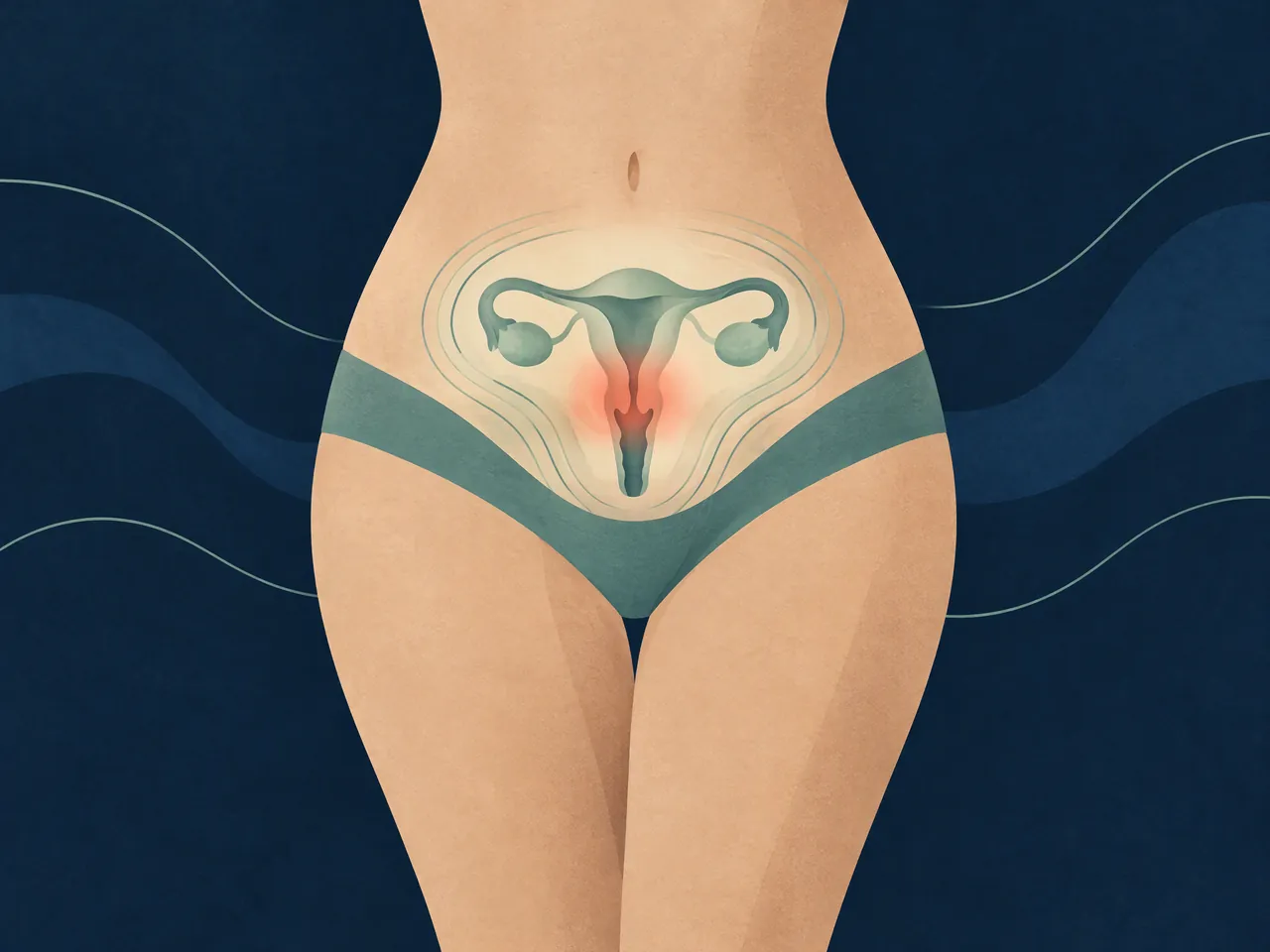
The short answer
Chinese medicine may be discussed as supportive care for period pain, but it cannot promise to cure cramps or replace a GP or gynaecology assessment. A TCM practitioner will usually ask about your pain, bleeding, cycle, general health and medicines, then may discuss options such as acupuncture. You can see a practitioner while taking painkillers, but bring the exact medicine details and do not stop or change prescribed treatment without the clinician who prescribed it.
Transparent pricing
See the fees.
Choose your care.
Explore our complete official price list, including first-trial prices, regular prices, packages and branch-specific options.
Opening WhatsApp prepares an enquiry; it does not send a message, take payment or confirm an appointment. Suitability and individual arrangements are confirmed during consultation.
Pain care
All prices in HKDExtracorporeal shockwave treatment
Shockwave treatment for deep-tissue and fascial care. The Kwun Tong clinic offers the multi-area options shown below.
Priced by branch
Branch-specific pricing
Prince Edward: HK$250 per area
Kwun Tong: HK$250 for 1 area / HK$450 for 2 areas / HK$600 for 3 areas
Pain care (manual therapy)
Includes Chinese medicine musculoskeletal assessment, manual joint techniques and tui na.
HK$580 (single session)
Chinese medicine musculoskeletal assessment
Pain care (acupuncture and manual therapy)
Combines acupuncture and manual therapy.
HK$680 (single session)
Combined care
Hair and scalp
All prices in HKDScalp health and hair-loss management
Includes AI scalp analysis, deep scalp and follicle cleansing, and scalp oil-control care.
HK$380 (first trial)
Regular price: HK$680
- 6 sessions: HK$3,480 (HK$580 per session)
- 12 sessions: HK$5,760 (HK$480 per session)
- 20 sessions: HK$8,600 (HK$430 per session)
- 30 sessions: HK$11,400 (HK$380 per session)
Hair acupuncture and Chinese herbal medicine package
Includes scalp acupuncture and 3 days of Chinese herbal medicine that does not require decoction.
HK$580 (single session)
Registered Chinese Medicine Practitioner consultation
- 6 sessions: HK$3,180 (HK$530 per session)
- 12 sessions: HK$5,760 (HK$480 per session)
- 20 sessions: HK$8,600 (HK$430 per session)
- 30 sessions: HK$11,400 (HK$380 per session)
Combined hair and scalp treatment
Combines acupuncture and Chinese herbal medicine with salon-level scalp and follicle care. Packages include complimentary hair-care shampoo and serum.
HK$1,260 (single session)
Combined treatment
- 8 sessions: HK$8,640 (HK$1,080 per session)
- 16 sessions: HK$15,680 (HK$980 per session)
- 20 sessions: HK$18,600 (HK$930 per session)
- 30 sessions: HK$26,400 (HK$880 per session)
Weight management
All prices in HKDFull-body acupoint embedding for weight management
Includes full-body acupoint embedding. Packages include complimentary Chinese herbal medicine for weight management, with the number of included days scaled to the package. Embedding material and the individual treatment arrangement are confirmed during consultation; this is not a cosmetic thread lift.
HK$980 (single session)
No trial session
- 10 sessions: HK$7,800 (HK$780 per session)
- 20 sessions: HK$14,600 (HK$730 per session)
- 30 sessions: HK$20,400 (HK$680 per session)
Facial acupuncture
All prices in HKDFacial acupuncture (basic)
Includes facial acupuncture and meridian-based facial care, including care for facial puffiness.
HK$480 (first trial)
Regular price: HK$680
- 10 sessions: HK$5,200 (HK$520 per session)
- 20 sessions: HK$9,600 (HK$480 per session)
- 30 sessions: HK$13,500 (HK$450 per session)
Facial acupuncture (advanced)
Includes enhanced facial acupuncture with a specially formulated moisturising mask and serum.
HK$780 (first trial)
Regular price: HK$1,180
- 10 sessions: HK$9,000 (HK$900 per session)
- 20 sessions: HK$16,600 (HK$830 per session)
- 30 sessions: HK$23,400 (HK$780 per session)
Chinese medicine
All prices in HKDAcupuncture and Chinese herbal medicine package
Includes a Chinese medicine consultation with pulse assessment, body acupuncture and 3 days of Chinese herbal granules that do not require decoction.
HK$580 (single session)
Chinese medicine consultation with pulse assessment
can Chinese medicine help with period pain — What should I expect from a TCM assessment for period pain? — Can I see a TCM practitioner while taking painkillers?: distinguishing common cramps from symptoms needing medical assessment
The first question is not whether pain is “normal” in the abstract, but whether your pattern has changed. Primary dysmenorrhea means cramping around menstruation without an identified pelvic disorder; uterine chemicals called prostaglandins are one reason cramps often peak near the beginning of bleeding and ease as the period continues. Secondary dysmenorrhea describes pain related to another reproductive-health condition and may become worse over time, begin earlier, last beyond the period or come with a different symptom pattern. Endometriosis, adenomyosis and fibroids are examples a clinician may consider, but only a clinician can assess the cause in an individual. [2] If your usual cramps are now heavier, more irregular, more persistent or less responsive to the measures that once helped, make medical assessment part of the plan rather than trying to “push through” another cycle.

can Chinese medicine help with period pain: primary and secondary patterns — What should I expect from a TCM assessment for period pain? — Can I see a TCM practitioner while taking painkillers?
A TCM conversation can be useful when it adds detail rather than labels every cramp the same way. In its traditional diagnostic language, a practitioner may ask whether pain feels tight, dull, sharp, heavy or cramping; whether warmth feels comforting; and whether the difficult part is the first day, the days beforehand or the end of bleeding. Those descriptions are not modern medical diagnoses, and terms sometimes used in TCM should not be treated as a replacement for a pelvic-health investigation. The practical value is that they help organise your lived experience. If pain during sex, bowel movements or urination, bleeding between periods, abdominal swelling, unexpected weight loss or altered bladder or bowel habits are present, tell a GP or gynaecologist. The NHS lists these changes as reasons to seek assessment. [1] For a focused related explainer, see painful periods and endometriosis.

can Chinese medicine help with period pain and cycle records — What should I expect from a TCM assessment for period pain? — Can I see a TCM practitioner while taking painkillers?: practical preparation
A short cycle record is more helpful than trying to remember several months in one consultation. Note the first and last day of bleeding, whether flow seems lighter, usual or heavier for you, and when pain starts and ends. Give pain a simple 0–10 rating if that is meaningful to you, but also write what it stopped you doing: leaving home, sleeping, concentrating at a desk, eating, exercise or intimacy. Record nausea, diarrhoea, headache, dizziness, fatigue or back pain when they occur. Finally, list what you tried—heat, rest, walking, medication or another strategy—and what happened. This kind of record gives both a TCM practitioner and a conventional clinician a clearer basis for discussion. It can also help you compare options without assuming that one unusually easy or difficult month tells the whole story. You can browse period pain relief options while building that record.
Compare your options
| What to note | Examples to write down | Why it helps the conversation |
|---|---|---|
| Timing | First and last bleeding day; when pain begins and settles | Shows whether pain tracks the start of bleeding or extends outside it. |
| Pain and impact | Location, sensation, spread, 0–10 score if useful, sleep/work/activity effects | Turns a general description into a pattern that can be discussed. |
| Bleeding and other symptoms | Change from your usual flow; nausea, bowel, urinary, headache or dizziness symptoms | Highlights changes that may need conventional medical assessment. |
| What you have used | Painkiller name and strength, heat, movement, contraception, supplements and observed effect | Supports safer coordination and avoids guessing what has already been tried. |
On smaller screens, scroll the table sideways to compare all columns.
What should I expect from a TCM assessment for period pain? — can Chinese medicine help with period pain — Can I see a TCM practitioner while taking painkillers?: what a TCM assessment can explore when period pain persists
Expect an assessment to begin with your reason for coming, not a promise that one treatment suits everyone. Explain what a difficult period looks like in real life: perhaps you miss a meeting, use a heat pad between tasks, wake at night or avoid a planned activity. The practitioner may ask about cycle timing, bleeding, clots, pain location and quality, digestion, sleep, appetite, mood, temperature preference and stress. They may also use observation and pulse-taking within a traditional TCM assessment. Be candid about pregnancies, contraception, surgery, allergies, chronic conditions and anything a GP or gynaecologist has already found. If you have imaging, laboratory results or discharge letters, take them or summarise the relevant points. The aim is to make an informed supportive-care discussion, not to overturn an established diagnosis or replace a recommended investigation.

What should I expect from a TCM assessment for period pain?: questions about pain, bleeding and whole-body symptoms — can Chinese medicine help with period pain — Can I see a TCM practitioner while taking painkillers?
Useful answers are specific. “Very painful” becomes clearer when you add where the pain sits, whether it spreads to the back or thighs, how long it lasts, and whether it begins before flow. “Heavy” becomes clearer when you describe a noticeable change from your usual bleeding and any symptoms such as dizziness or exhaustion. Mention pain between periods, pain during sex, fever, unusual discharge, a recent procedure, or a newly inserted contraceptive device. Do not minimise symptoms because you are attending a Chinese medicine appointment; this information helps decide whether conventional review should be prioritised. In conventional care, persistent pain that is not relieved with medication may prompt evaluation for a cause, which can include a pelvic examination, ultrasound or other assessment depending on the situation. [2] A consultation can therefore end with questions to take to another clinician, and that is a constructive outcome.

What should I expect from a TCM assessment for period pain? and supportive options such as acupuncture — can Chinese medicine help with period pain — Can I see a TCM practitioner while taking painkillers?
After hearing the history, a practitioner may discuss whether acupuncture is an appropriate supportive option and what the practical commitment would involve. ACOG includes acupuncture and acupressure among approaches that may be useful for painful periods. [2] That wording matters: “may be useful” is not a guarantee, and it does not identify who will benefit. Ask what the proposed approach is intended to support, how progress would be reviewed and what signs mean you should return to your GP or gynaecologist. If Chinese herbal medicine comes up, do not expect a website or a first conversation to replace an individual safety review. Ask how your medical history, pregnancy possibility, allergies, prescriptions and supplements will be considered. Needling should be delivered with appropriate hygiene and technique; nonsterile needles and improper delivery can cause harm. [3] Clear questions are part of safe consent, not a challenge to the practitioner.
Can I see a TCM practitioner while taking painkillers? — can Chinese medicine help with period pain — What should I expect from a TCM assessment for period pain?: coordinating TCM conversations with conventional care
Yes, you can ask for a TCM assessment while using painkillers, but coordination begins with accurate information. Bring the medicine name, strength, how many you take, the days of the cycle you use it, and whether it was prescribed or bought over the counter. Include hormonal contraception, anticoagulants, supplements, herbal products and medicines for conditions that may not seem related to periods. A photo of the label is often easier than relying on memory. This does not mean the TCM practitioner will tell you to stop conventional treatment. Changes to a prescribed medicine belong with the prescribing clinician. NHS guidance notes that severe pain that is worse than usual and not helped by painkillers needs urgent medical help; it also advises review when pain disrupts usual activities or bleeding and cycles change. [1] Treat that as a safety signal, not a reason to wait for a complementary appointment.
Planning the conversation before pain starts can make a difficult day less stressful. Save a short note on your phone with your usual pharmacy medicines, any allergies, current contraception and the contact details of the clinician managing a known condition. If you are deciding between approaches, separate the questions: what helps you function safely this cycle, what symptoms need investigation, and what support would you like to explore alongside that care? Heat, gentle movement, rest and clinician-advised medicines may all be part of a personal plan; none requires you to abandon an assessment that has been recommended. It is also reasonable to ask about timing. For example, if cramps predictably make travel hard on day one, tell the clinic when you enquire rather than booking around an assumption that treatment must take place during peak pain. A realistic appointment plan respects work, school and caring commitments, while leaving room to seek medical attention sooner if the pattern changes.

Can I see a TCM practitioner while taking painkillers?: medication information and safe coordination — can Chinese medicine help with period pain — What should I expect from a TCM assessment for period pain?
Think of the medication list as a handover between people involved in your care. It gives the practitioner context for what has already been tried and what side effects or gaps you have noticed. It also allows you to ask direct questions: Is acupuncture being considered alongside my present plan? Should I check anything with my pharmacist, GP or gynaecologist before adding a product? What information should I share back after this visit? Complementary approaches should not postpone seeing a healthcare provider for an unresolved problem; the U.S. National Center for Complementary and Integrative Health specifically advises discussing complementary approaches with healthcare providers so decisions can be shared and well informed. [3] Keep the focus on communication rather than choosing “TCM versus medicine.” If the pain affects your mobility, employment or caring responsibilities, say so plainly—impact matters as much as a pain score.

Can I see a TCM practitioner while taking painkillers? and period pain red flags — can Chinese medicine help with period pain — What should I expect from a TCM assessment for period pain?
Seek prompt medical advice when pelvic or period pain is severe or clearly worse than your usual pain, especially if pain relief has not helped. Arrange medical review for progressively painful, heavy or irregular periods; bleeding between periods; pain during sex or when passing urine or stool; a swollen abdomen; or other notable new changes. [1] These features do not diagnose a condition by themselves, but they deserve investigation rather than a self-treatment experiment. TCM can still be part of the wider conversation once appropriate assessment is underway. For practical arrangements, you can read about the Chinese medicine clinic Prince Edward or the Kwun Tong Chinese medicine clinic. If cost questions are affecting whether you enquire, the Chinese medicine clinic price list Hong Kong is the appropriate place to check published information. When messaging, share the main concern, medications and preferred location; appointment suitability can then be discussed individually.
Care and health guide
Pain-care information
This directory brings together services, reading, and visit information related to pain care, to help you prepare questions for a consultation.
When pain care affects your day, noting when it occurs, its relation to activity, and what you have already tried can help prepare a consultation; Chinese medicine pain management Hong Kong is a relevant service or reading entry point.
Individual circumstances differ, and acupuncture Hong Kong offers related information to help you understand options and prepare questions.


Your questions, answered
Frequently asked questions
Can Chinese medicine cure long-term period pain?
No practitioner can responsibly promise a cure, a fixed number of appointments or the same response for everyone. Long-term pain may have different causes and may need gynaecological assessment. Chinese medicine can be discussed as supportive care alongside a plan that addresses any diagnosed condition.
Should I stop ibuprofen or another painkiller before a TCM appointment?
Do not stop or change a prescribed medicine simply because you are seeking TCM support. Take the package or a photo showing the exact medicine and strength, explain how you use it, and ask the prescriber or pharmacist about any medication changes.
Will a TCM practitioner diagnose endometriosis from my symptoms?
A TCM assessment can explore your symptom pattern but does not replace a GP or gynaecologist’s investigation for endometriosis or another pelvic condition. Bring any existing test results, and seek medical review if pain is changing, severe, persistent or accompanied by red-flag symptoms.
Is acupuncture appropriate when my period pain is severe?
Acupuncture may be discussed as a supportive option after an individual assessment, but severe or worsening pain should be medically assessed rather than delayed. Ask what the proposed treatment is intended to support, how safety is considered with your medicines and when to seek conventional care.
Sources and further information
- [1] [1] NHS — Period pain
Referenced for: Official UK health guidance used for period-pain symptoms, self-care context, causes, and reasons to seek urgent or non-urgent medical assessment; it is not evidence of a TCM treatment effect.
- [2] [2] ACOG — Dysmenorrhea: Painful Periods
Referenced for: Professional obstetrics and gynaecology patient guidance used for primary and secondary dysmenorrhea, conventional assessment and the limited “may be useful” context for acupuncture or acupressure.
- [3] [3] NCCIH — Acupuncture: Effectiveness and Safety
Referenced for: U.S. National Institutes of Health information used for acupuncture safety, the importance of proper delivery, and coordination with healthcare providers; it does not establish effectiveness for this individual.