
TCM Lab · Health reading
Chinese Herbal Medicine, Chinese Medicine Therapies and Chinese Medicine Treatment Explained
Published Updated
Choosing between Chinese herbal medicine, Chinese medicine therapies and Chinese medicine treatment starts with the problem you want help understanding, not with a preselected formula or procedure. A consultation should consider how the concern began, what makes it better or worse, your everyday demands, medical history and every medicine or supplement you use. This makes room to discuss acupuncture, internal medicine or other supportive methods in context, while also identifying when medical assessment or urgent care should come first. The aim is a considered conversation about options, limits and practical safety—not a one-size-fits-all promise.
Appointments are confirmed through WhatsApp. If you have language requirements, please mention them in your enquiry.
The short answer
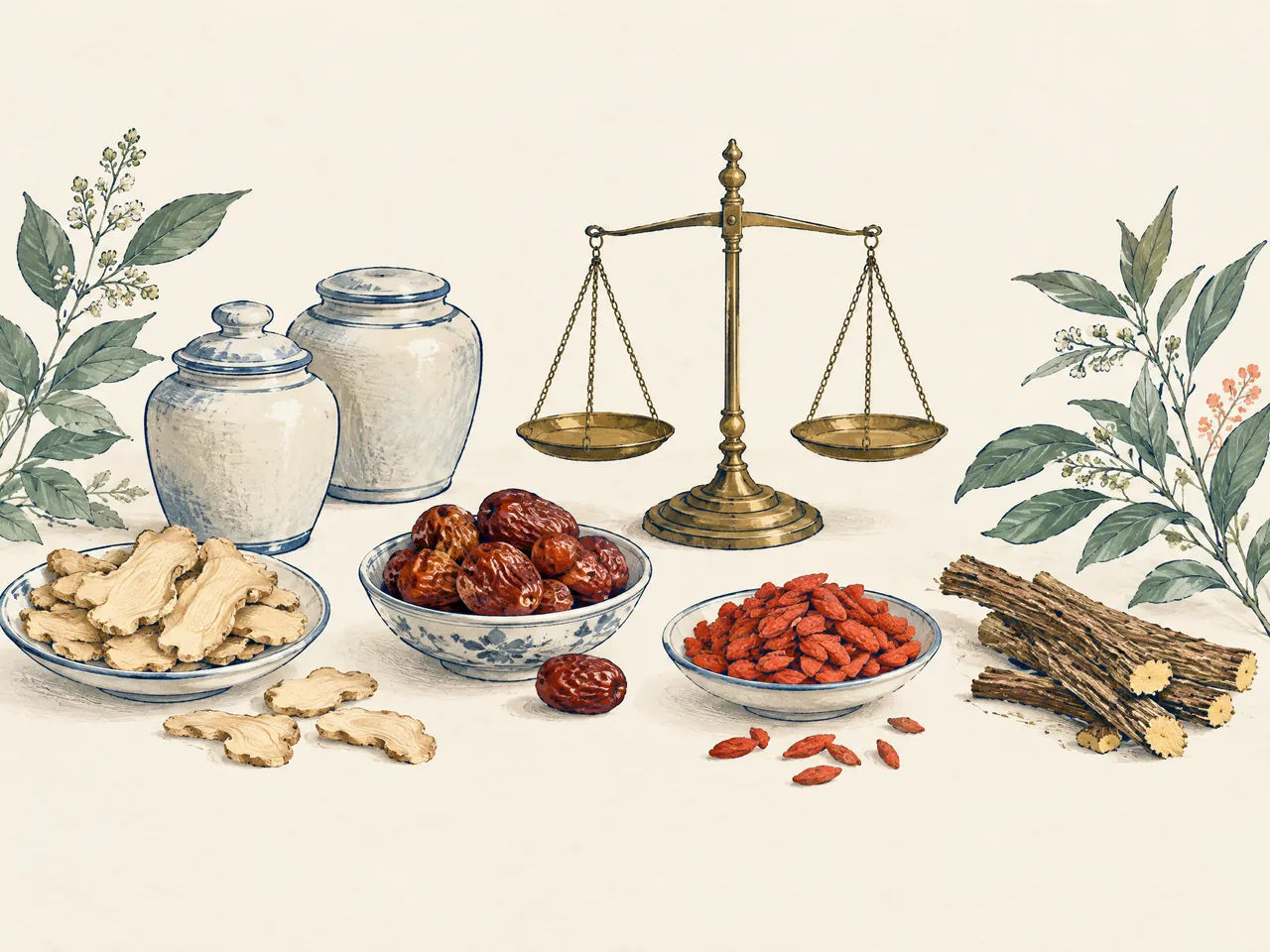
Chinese herbal medicine, Chinese medicine therapies and Chinese medicine treatment can include herbal prescriptions, acupuncture and complementary approaches, but the suitable option depends on the underlying concern and the individual. A practitioner should review symptom pattern, duration, existing diagnoses, medicines, pregnancy status and relevant risks before suggesting a plan. If a symptom is new, severe, worsening or unexplained, seek appropriate medical assessment rather than choosing a treatment from a webpage.
Transparent pricing
See the fees.
Choose your care.
Explore our complete official price list, including first-trial prices, regular prices, packages and branch-specific options.
Opening WhatsApp prepares an enquiry; it does not send a message, take payment or confirm an appointment. Suitability and individual arrangements are confirmed during consultation.
Chinese medicine
All prices in HKDAcupuncture and Chinese herbal medicine package
Includes a Chinese medicine consultation with pulse assessment, body acupuncture and 3 days of Chinese herbal granules that do not require decoction.
HK$580 (single session)
Chinese medicine consultation with pulse assessment
Hair and scalp
All prices in HKDScalp health and hair-loss management
Includes AI scalp analysis, deep scalp and follicle cleansing, and scalp oil-control care.
HK$380 (first trial)
Regular price: HK$680
- 6 sessions: HK$3,480 (HK$580 per session)
- 12 sessions: HK$5,760 (HK$480 per session)
- 20 sessions: HK$8,600 (HK$430 per session)
- 30 sessions: HK$11,400 (HK$380 per session)
Hair acupuncture and Chinese herbal medicine package
Includes scalp acupuncture and 3 days of Chinese herbal medicine that does not require decoction.
HK$580 (single session)
Registered Chinese Medicine Practitioner consultation
- 6 sessions: HK$3,180 (HK$530 per session)
- 12 sessions: HK$5,760 (HK$480 per session)
- 20 sessions: HK$8,600 (HK$430 per session)
- 30 sessions: HK$11,400 (HK$380 per session)
Combined hair and scalp treatment
Combines acupuncture and Chinese herbal medicine with salon-level scalp and follicle care. Packages include complimentary hair-care shampoo and serum.
HK$1,260 (single session)
Combined treatment
- 8 sessions: HK$8,640 (HK$1,080 per session)
- 16 sessions: HK$15,680 (HK$980 per session)
- 20 sessions: HK$18,600 (HK$930 per session)
- 30 sessions: HK$26,400 (HK$880 per session)
Weight management
All prices in HKDFull-body acupoint embedding for weight management
Includes full-body acupoint embedding. Packages include complimentary Chinese herbal medicine for weight management, with the number of included days scaled to the package. Embedding material and the individual treatment arrangement are confirmed during consultation; this is not a cosmetic thread lift.
HK$980 (single session)
No trial session
- 10 sessions: HK$7,800 (HK$780 per session)
- 20 sessions: HK$14,600 (HK$730 per session)
- 30 sessions: HK$20,400 (HK$680 per session)
Facial acupuncture
All prices in HKDFacial acupuncture (basic)
Includes facial acupuncture and meridian-based facial care, including care for facial puffiness.
HK$480 (first trial)
Regular price: HK$680
- 10 sessions: HK$5,200 (HK$520 per session)
- 20 sessions: HK$9,600 (HK$480 per session)
- 30 sessions: HK$13,500 (HK$450 per session)
Facial acupuncture (advanced)
Includes enhanced facial acupuncture with a specially formulated moisturising mask and serum.
HK$780 (first trial)
Regular price: HK$1,180
- 10 sessions: HK$9,000 (HK$900 per session)
- 20 sessions: HK$16,600 (HK$830 per session)
- 30 sessions: HK$23,400 (HK$780 per session)
Pain care
All prices in HKDExtracorporeal shockwave treatment
Shockwave treatment for deep-tissue and fascial care. The Kwun Tong clinic offers the multi-area options shown below.
Priced by branch
Branch-specific pricing
Prince Edward: HK$250 per area
Kwun Tong: HK$250 for 1 area / HK$450 for 2 areas / HK$600 for 3 areas
Pain care (manual therapy)
Includes Chinese medicine musculoskeletal assessment, manual joint techniques and tui na.
HK$580 (single session)
Chinese medicine musculoskeletal assessment
Pain care (acupuncture and manual therapy)
Combines acupuncture and manual therapy.
HK$680 (single session)
Combined care
Chinese Herbal Medicine, Chinese Medicine Therapies and Chinese Medicine Treatment: How to Choose an Approach
People often search for Chinese herbal medicine after a recurring discomfort begins to interrupt work, sleep, exercise or meals. Others have already tried a general remedy and want to know whether acupuncture, herbs or another approach makes more sense. The useful question is not simply “Which treatment works?” but “What is happening, what has already been tried, and what needs checking before a treatment is considered?” Hong Kong’s Health Bureau describes Chinese medicine consultation as taking a holistic view rather than concentrating solely on one symptom [2]. That perspective still needs to be grounded in the details of your own situation.
Start by separating a stable, familiar concern from a sudden or changing one. New chest discomfort, breathing difficulty, fainting, severe pain, weakness, high fever, heavy bleeding, a serious allergic reaction, or thoughts of self-harm need prompt conventional medical attention. A persistent symptom also deserves assessment when it is worsening, repeatedly returning, interfering with normal function or accompanied by unexplained weight loss. Chinese medicine care should not be used to delay that step [1] [3]. For non-urgent concerns, a well-prepared consultation can help clarify what kind of support is reasonable to discuss.
Chinese Herbal Medicine, Chinese Medicine Therapies and Chinese Medicine Treatment: Start with the Main Concern
Describe the main concern in ordinary, observable terms. For example, note whether a headache follows long screen sessions, whether stiffness is worse after sitting, whether sleep is interrupted at a similar time, or whether a digestive symptom relates to meals. Include onset, frequency, intensity, triggers and what eases it. This is more helpful than arriving with a treatment request alone. It also allows a practitioner to ask whether the pattern suggests a need for examination, referral or another type of care before any Chinese medicine treatment is selected.
Daily context matters as well. Shift work, caring duties, training schedules, travel, caffeine or alcohol intake, hydration and stress can affect how a concern presents and what a realistic plan looks like. A person asking about Chinese herbal medicine for low energy, for instance, should say whether they have also noticed palpitations, breathlessness, poor appetite, a recent infection or changes in mood. Bringing this fuller picture helps avoid treating a label while overlooking a change that needs medical investigation.
Chinese Herbal Medicine, Chinese Medicine Therapies and Chinese Medicine Treatment: Why Individual Assessment Matters
Individual assessment is especially important because identical symptoms may sit alongside very different health histories. Diabetes, kidney or liver disease, cardiovascular conditions, autoimmune disease, a history of fainting, allergies and previous surgery can all change the questions that need to be asked. Pregnancy, breastfeeding and plans to treat a child also call for a careful discussion with the relevant health-care providers [1]. A treatment plan is therefore an outcome of assessment, not a product that can be safely chosen from a symptom list.
Make a complete medicines list part of that assessment. Include prescriptions, over-the-counter pain relief, sleep aids, vitamins, protein powders, teas, herbal products and supplements, along with dose and how often they are used. This is relevant even when products are bought as “natural”. NCCIH notes safety concerns reported for some Chinese herbal products, including contamination, incorrect herbs and undeclared ingredients [1]. For a focused discussion of this issue, see can Chinese herbal medicine be taken with Western medicine; do not make changes or combine products on the basis of general information alone.
Compare your options
| Approach or consultation focus | What may be discussed | Helpful information to bring or ask |
|---|---|---|
| Chinese herbal medicine / Internal Medicine in CM | Whether an individually considered herbal approach fits the concern and other care | Complete medicine and supplement list; allergies; existing diagnoses; how products would be used and reviewed |
| Acupuncture | Whether needling is appropriate after considering the concern, skin and health history | Bleeding or bruising tendency, relevant medicines, fainting history, pregnancy, skin changes and prior reactions |
| Tui-na, cupping, moxibustion or other external methods | What the method involves and whether it is appropriate for the body area and current condition | Recent injury, fever, rash, broken skin, altered sensation, circulation concerns and activity limits |
| Medical assessment or referral | Whether new, severe, progressive or unexplained symptoms need investigation first | Symptom timeline, red flags, examination results, hospital or clinic letters, and questions for the next provider |
On smaller screens, scroll the table sideways to compare all columns.
Chinese Herbal Medicine, Chinese Medicine Therapies and Chinese Medicine Treatment: Common Options
Chinese medicine is not one single intervention. Its options may include internal medicine with herbal products, acupuncture, moxibustion, tui-na, cupping or other external methods, depending on the setting and the individual assessment. The Hong Kong Health Bureau uses the terms “Internal Medicine in CM” and “Acupuncture and Moxibustion in CM” for distinct service areas [2]. Names alone do not tell you whether an option is suitable, but they can make the consultation discussion clearer. You can also explore the broader range of traditional Chinese medicine treatments before deciding what questions to ask.
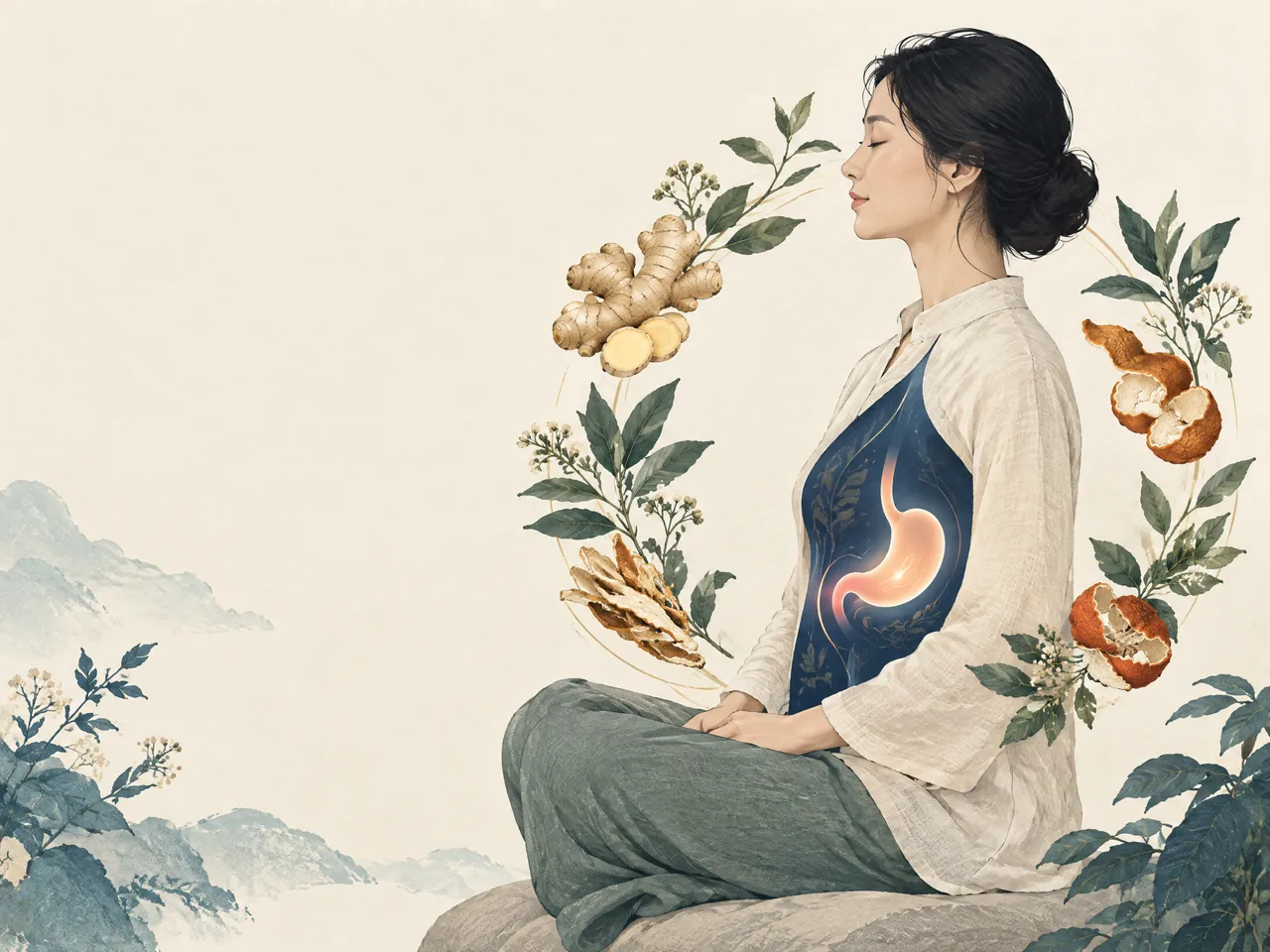
A practical comparison starts with what the approach involves, rather than assuming all options have the same purpose or risk profile. Ask what the proposed method is intended to address, how progress would be reviewed, what sensations or changes should be reported, and what alternatives are worth considering. The table below is a preparation guide rather than a prescription: it helps organise a conversation with a practitioner who has assessed your condition. No row should be taken as evidence that a method is suitable for every symptom or person.

Chinese Herbal Medicine, Chinese Medicine Therapies and Chinese Medicine Treatment: Acupuncture and Internal Medicine
Acupuncture involves inserting fine needles through the skin at selected points [3]. A person considering it should explain any tendency to faint, bleeding or bruising issues, use of medicines that affect bleeding, skin infection or broken skin near a proposed area, pregnancy, implanted devices, and previous reactions to needling. Local soreness, bruising or temporary tiredness may be discussed, but safety cannot be reduced to a checklist. Nonsterile needles and improper delivery have been linked to serious complications, so technique, hygiene and a suitably qualified practitioner matter [1] [3].
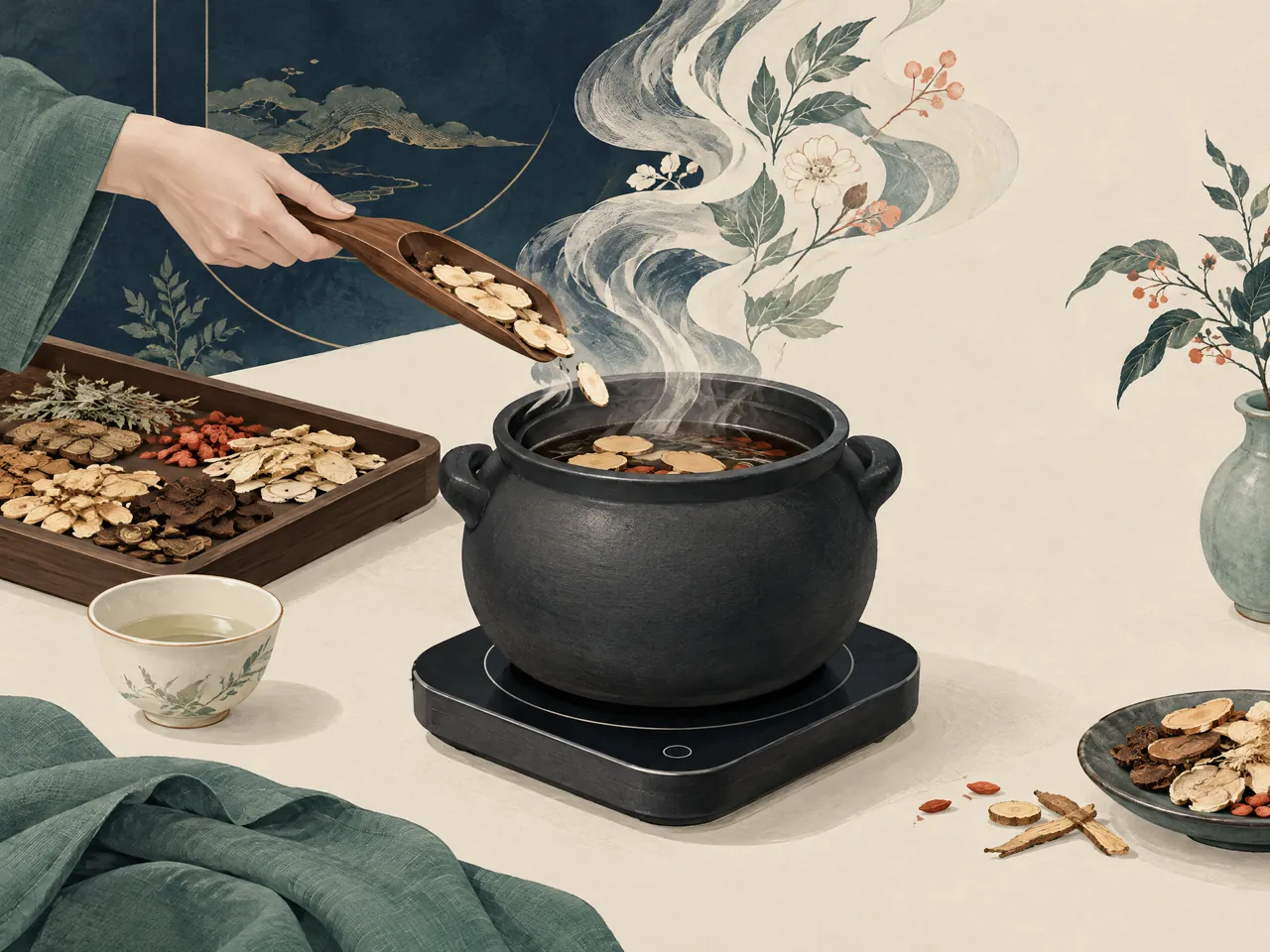
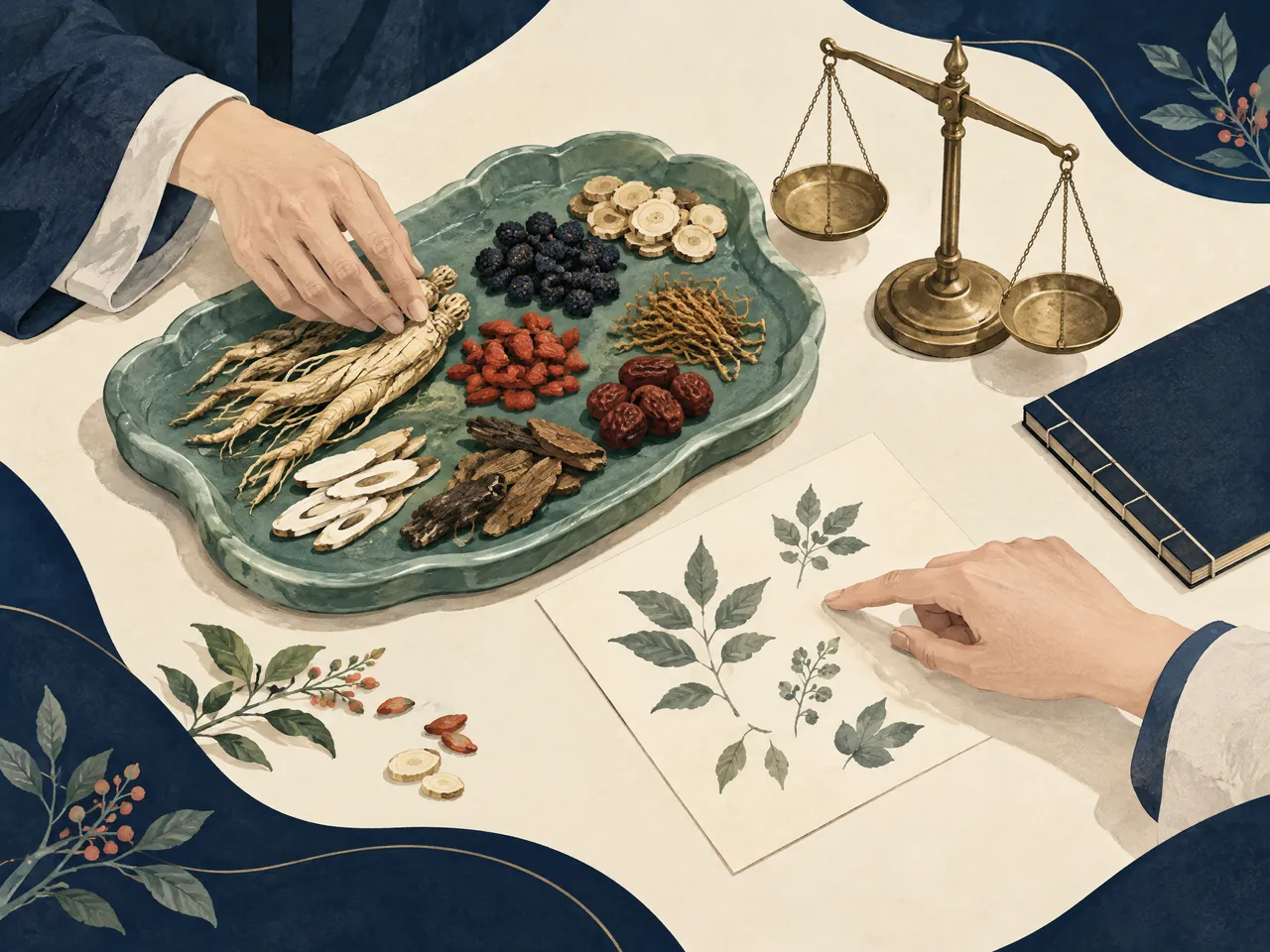
Chinese herbal medicine may be discussed when internal medicine is considered appropriate after consultation. The conversation should cover the form of the product, instructions for use, possible adverse effects, what to do if a reaction occurs, and how existing medicines will be taken into account. Do not assume that a familiar ingredient, a family recommendation or an online product is interchangeable with an individually considered prescription. If you are comparing forms before your appointment, the pages on Chinese herbs and granules and Chinese herbal medicine granules can help you frame practical questions about preparation and routine.
Chinese Herbal Medicine, Chinese Medicine Therapies and Chinese Medicine Treatment: Other Complementary Methods
Other Chinese medicine therapies may be discussed alongside, instead of, or after acupuncture and internal medicine. Depending on the clinical context, this can include moxibustion, tui-na, cupping or external methods. These are not interchangeable add-ons. A person with sensitive skin, an active rash, recent injury, reduced sensation, fever, frailty or a condition affecting circulation should say so before any hands-on or heat-based method is considered. Clarify what the method involves, which body areas are relevant, and what signs mean you should stop and seek advice.
Lifestyle conversation can also be part of Chinese medicine treatment, but it should be specific enough to use. Rather than receiving broad instructions to “rest more”, a person with desk-related tension might discuss movement breaks, sleep position, workload pacing and when to return to ordinary exercise. Someone with irregular meals might map their daily routine before changing several things at once. These discussions can be useful supportive care, but they do not replace testing, medication or specialist input that is clinically indicated. Good care leaves room for both Chinese and conventional medical information to be shared.
Chinese Herbal Medicine, Chinese Medicine Therapies and Chinese Medicine Treatment: Safety and Next Steps
Safety is a continuing part of treatment choice, not a formality at the first visit. Tell the practitioner about a new diagnosis, a changed prescription, an upcoming operation, pregnancy, breastfeeding, a new allergy or a reaction after a previous treatment. Tell your doctor and pharmacist about complementary approaches you use, too. Coordinated information can help clinicians notice possible overlap, interactions or reasons to change the plan [1] [3]. In Hong Kong, the Chinese Medicine Council is the statutory body responsible for regulatory measures intended to protect public health, consumer rights and professional standards [4].
The next step may be a consultation, further medical assessment, a different therapy or simply time to observe symptoms more carefully. It is reasonable to ask how the working assessment will be reviewed and which changes should prompt an earlier follow-up. A transparent conversation should allow you to ask why a method is being suggested, what its limits are, whether it fits with other care, and when a referral is appropriate. This is more useful than judging a Chinese medicine treatment only by its name or a single first-session experience.

Chinese Herbal Medicine, Chinese Medicine Therapies and Chinese Medicine Treatment: Limits, Risks and Contraindications
No Chinese medicine therapy can guarantee an outcome or substitute for emergency treatment, diagnostic testing or a specialist procedure when those are needed. Evidence also differs by therapy and condition. NCCIH says studies of Chinese herbal products for a range of medical conditions have had mixed results and that many studies have been poor quality, so firm conclusions cannot be made [1]. That uncertainty is a reason to talk clearly about the purpose of a proposed approach, rather than treating “natural” as a promise of benefit or safety.
Risks deserve prompt attention, not quiet persistence. Stop a product and seek timely medical advice for signs of a possible allergic reaction, such as swelling of the face or throat, trouble breathing, widespread rash or severe dizziness. After acupuncture, seek urgent care for severe or worsening symptoms rather than assuming they are a routine response. New weakness, loss of bladder or bowel control, escalating pain or fever also needs medical assessment. For a specific medication question, use can I take Chinese herbal medicine with Western medicine as a starting point for discussion, not as an individual interaction check.

Chinese Herbal Medicine, Chinese Medicine Therapies and Chinese Medicine Treatment: Preparing for a Consultation
Prepare a one-page note before the visit. Include the main concern, when it started, important changes, previous treatment, medical conditions, allergies, medicines and supplements. Bring relevant laboratory results, scan reports or discharge summaries if you have them. If your concern affects a particular activity, describe that activity: climbing stairs, turning in bed, typing, eating, travelling or caring for someone. This information is more useful than trying to decide in advance that you need a particular formula or procedure.
During the consultation, ask what the assessment suggests, what options are being considered, what you should expect in the short term, and what should lead you to contact a doctor or return sooner. If you prefer an in-person discussion, you may enquire with the Kwun Tong Chinese medicine clinic or the Chinese medicine clinic Prince Edward. You can also contact TCM Lab through WhatsApp at +852 6940 5663 to explain your concern and ask about an appointment; appointment arrangements and suitable care should be confirmed individually.
Care and health guide
Health service information
This directory brings together services, reading, and visit information related to health services, to help you prepare questions for a consultation.
If you are organising health questions, acupuncture Hong Kong is a starting point for learning about related services and preparing for a consultation.
People have different needs; Chinese medicine pain management Hong Kong provides further reading to help you understand options in your own context.


Your questions, answered
Frequently asked questions
What does Chinese herbal medicine involve?
Chinese herbal medicine involves herbal products or formulas considered as part of a Chinese medicine assessment. The discussion should include your symptoms, medical history, current medicines, supplements and possible safety concerns. It is not wise to choose, combine or change herbal products solely from online information.
Are Chinese medicine therapies suitable for everyone?
No. Suitability depends on the underlying concern, severity, health history, current medicines and the method being considered. Pregnancy, breastfeeding, bleeding or bruising issues, skin infection, serious chronic illness, allergies and new symptoms are all important to mention before a plan is discussed.
Can I use Chinese medicine treatment instead of medical care?
Chinese medicine treatment should not replace urgent care, needed tests or conventional treatment. New, severe, worsening or unexplained symptoms should be medically assessed. Keep your health-care providers informed about complementary approaches so that care can be coordinated.
What should I prepare before a Chinese medicine consultation?
Bring relevant reports, a list of every medicine and supplement, allergies, existing conditions and a simple timeline of the main symptom. Note what affects daily function and mention pregnancy, breastfeeding, bleeding concerns, recent procedures or reactions to past treatment.
Sources and further information
- [1] [1] National Center for Complementary and Integrative Health — Traditional Chinese Medicine: What You Need To Know
Referenced for: Supports general descriptions of TCM, limitations of evidence for Chinese herbal products, reported herbal-product safety concerns, and advice not to delay conventional care or omit complementary care from discussion with providers.
- [2] [2] Hong Kong Health Bureau — Chinese Medicine Clinical Services
Referenced for: Supports Hong Kong Chinese medicine service terminology, including Internal Medicine in CM and Acupuncture and Moxibustion in CM, and the stated holistic consultation perspective.
- [3] [3] National Center for Complementary and Integrative Health — Acupuncture: Effectiveness and Safety
Referenced for: Supports the description of acupuncture and safety points on nonsterile needles, improper delivery, potential serious complications and the importance of discussing complementary care with providers.
- [4] [4] Chinese Medicine Council of Hong Kong — Regulation of Chinese Medicines Practitioners
Referenced for: Supports the Council’s statutory regulatory role and stated purpose of protecting public health, consumers’ rights and professional standards.