
TCM Lab · Health reading
Chinese medicine lifestyle advice: what are Chinese medicine dietary recommendations and what happens at a Chinese medicine consultation
Published Updated
Good Chinese medicine lifestyle advice begins with the question behind the question: what is changing in your day, your body and your routine? People asking what are Chinese medicine dietary recommendations often want a simple food list. People asking what happens at a Chinese medicine consultation may be unsure how much detail to share. In practice, both conversations are personal. A practitioner considers your main concern alongside sleep, appetite, digestion, activity, stress, medicines and the pattern of the concern over time before discussing suitable directions.
Appointments are confirmed through WhatsApp. If you have language requirements, please mention them in your enquiry.
The short answer
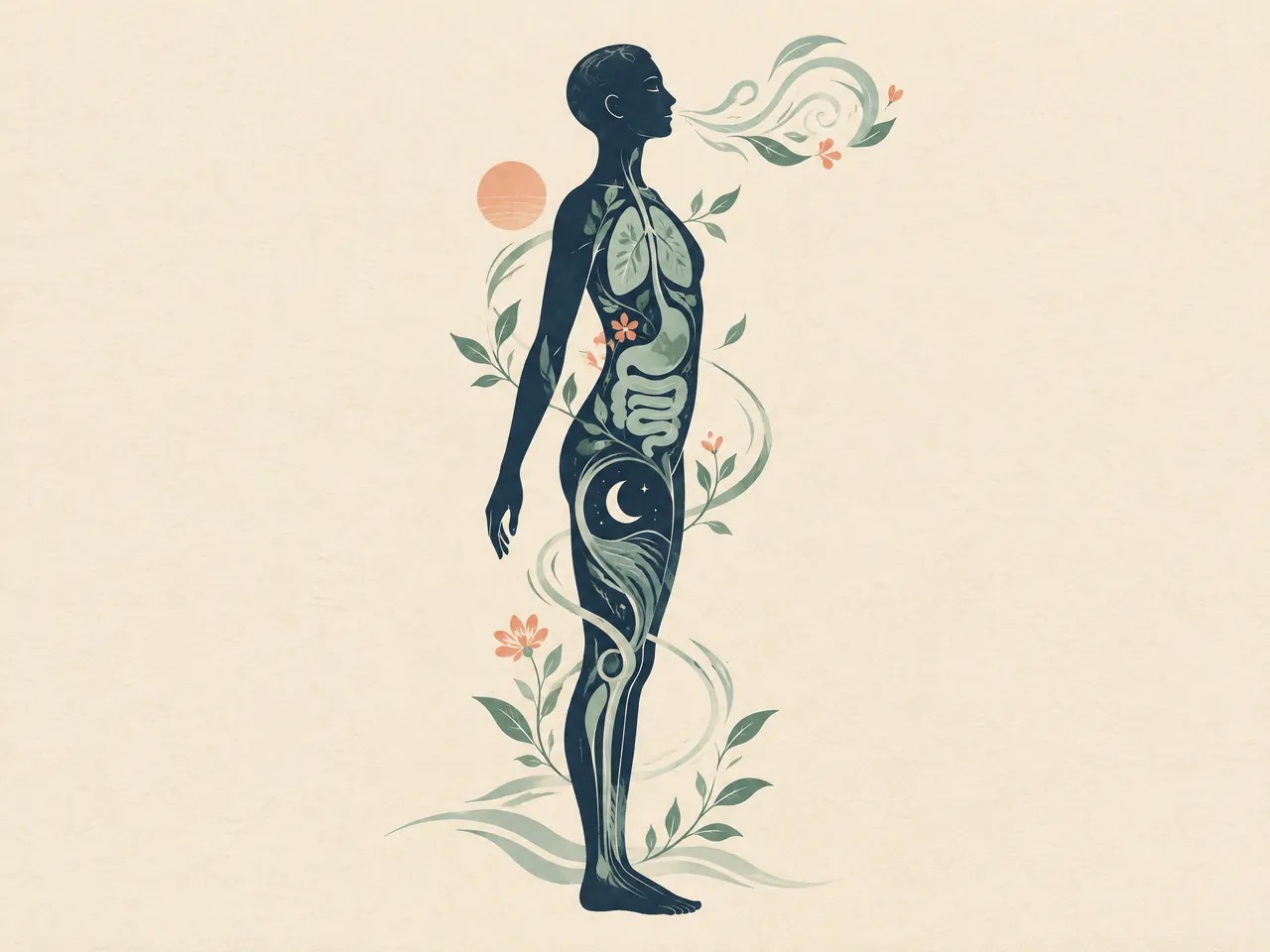
Chinese medicine lifestyle advice looks at daily rhythm, food habits, movement, rest, emotional load and seasonal change alongside a person’s current concern. Chinese medicine dietary recommendations are not one universal menu; they are discussed in the context of appetite, tolerance, health history and routine. At a Chinese medicine consultation, expect questions about symptoms and history, observation and, where appropriate, traditional examination methods before individual options are considered.
Transparent pricing
See the fees.
Choose your care.
Explore our complete official price list, including first-trial prices, regular prices, packages and branch-specific options.
Opening WhatsApp prepares an enquiry; it does not send a message, take payment or confirm an appointment. Suitability and individual arrangements are confirmed during consultation.
Chinese medicine
All prices in HKDAcupuncture and Chinese herbal medicine package
Includes a Chinese medicine consultation with pulse assessment, body acupuncture and 3 days of Chinese herbal granules that do not require decoction.
HK$580 (single session)
Chinese medicine consultation with pulse assessment
Hair and scalp
All prices in HKDScalp health and hair-loss management
Includes AI scalp analysis, deep scalp and follicle cleansing, and scalp oil-control care.
HK$380 (first trial)
Regular price: HK$680
- 6 sessions: HK$3,480 (HK$580 per session)
- 12 sessions: HK$5,760 (HK$480 per session)
- 20 sessions: HK$8,600 (HK$430 per session)
- 30 sessions: HK$11,400 (HK$380 per session)
Hair acupuncture and Chinese herbal medicine package
Includes scalp acupuncture and 3 days of Chinese herbal medicine that does not require decoction.
HK$580 (single session)
Registered Chinese Medicine Practitioner consultation
- 6 sessions: HK$3,180 (HK$530 per session)
- 12 sessions: HK$5,760 (HK$480 per session)
- 20 sessions: HK$8,600 (HK$430 per session)
- 30 sessions: HK$11,400 (HK$380 per session)
Combined hair and scalp treatment
Combines acupuncture and Chinese herbal medicine with salon-level scalp and follicle care. Packages include complimentary hair-care shampoo and serum.
HK$1,260 (single session)
Combined treatment
- 8 sessions: HK$8,640 (HK$1,080 per session)
- 16 sessions: HK$15,680 (HK$980 per session)
- 20 sessions: HK$18,600 (HK$930 per session)
- 30 sessions: HK$26,400 (HK$880 per session)
Weight management
All prices in HKDFull-body acupoint embedding for weight management
Includes full-body acupoint embedding. Packages include complimentary Chinese herbal medicine for weight management, with the number of included days scaled to the package. Embedding material and the individual treatment arrangement are confirmed during consultation; this is not a cosmetic thread lift.
HK$980 (single session)
No trial session
- 10 sessions: HK$7,800 (HK$780 per session)
- 20 sessions: HK$14,600 (HK$730 per session)
- 30 sessions: HK$20,400 (HK$680 per session)
Facial acupuncture
All prices in HKDFacial acupuncture (basic)
Includes facial acupuncture and meridian-based facial care, including care for facial puffiness.
HK$480 (first trial)
Regular price: HK$680
- 10 sessions: HK$5,200 (HK$520 per session)
- 20 sessions: HK$9,600 (HK$480 per session)
- 30 sessions: HK$13,500 (HK$450 per session)
Facial acupuncture (advanced)
Includes enhanced facial acupuncture with a specially formulated moisturising mask and serum.
HK$780 (first trial)
Regular price: HK$1,180
- 10 sessions: HK$9,000 (HK$900 per session)
- 20 sessions: HK$16,600 (HK$830 per session)
- 30 sessions: HK$23,400 (HK$780 per session)
Pain care
All prices in HKDExtracorporeal shockwave treatment
Shockwave treatment for deep-tissue and fascial care. The Kwun Tong clinic offers the multi-area options shown below.
Priced by branch
Branch-specific pricing
Prince Edward: HK$250 per area
Kwun Tong: HK$250 for 1 area / HK$450 for 2 areas / HK$600 for 3 areas
Pain care (manual therapy)
Includes Chinese medicine musculoskeletal assessment, manual joint techniques and tui na.
HK$580 (single session)
Chinese medicine musculoskeletal assessment
Pain care (acupuncture and manual therapy)
Combines acupuncture and manual therapy.
HK$680 (single session)
Combined care
Chinese medicine lifestyle advice: what are Chinese medicine dietary recommendations and what happens at a Chinese medicine consultation for everyday health
Everyday health is often where this conversation starts: a rushed breakfast, long hours at a screen, late dinners, restless sleep or a sense that energy changes across the week. Chinese medicine frames these details as connected rather than isolated. That does not mean every tired afternoon has one explanation. It means a useful discussion asks what happens before it, what makes it better or worse, and whether the pattern is new, recurring or changing. For a broader starting point, browse Chinese medicine health information alongside your own notes.
When readers ask what are Chinese medicine dietary recommendations, the most useful answer is not a rigid list of ‘good’ and ‘bad’ foods. The discussion may include meal timing, portion comfort, appetite, thirst, food temperature, cooking style and what happens after eating. A person who skips meals because of meetings has a different practical problem from someone whose appetite changes during a stressful period. Dietary guidance has to work in an ordinary Hong Kong day or it is unlikely to be followed.

Chinese medicine lifestyle advice also treats prevention as a daily practice rather than a promise that illness will not occur. The Hong Kong Health Bureau uses the terms health maintenance and preventive care within its Chinese medicine clinical-service overview [5]. Those terms can be a helpful reminder to pay attention early to routine, recovery and health questions. They should not be used to explain away persistent symptoms or to postpone a medical assessment when one is needed.
Chinese medicine lifestyle advice: what are Chinese medicine dietary recommendations and what happens at a Chinese medicine consultation for different constitutions, seasons and routines
In Chinese medicine, ‘constitution’ is a way of describing a person’s recurring tendencies and present state; it is not a self-diagnosis made from a quiz or a label that never changes. A consultation may explore whether someone tends to feel warm or cold, thirsty or not, hungry at regular times or irregularly, rested or unrefreshed. Weather, workload, travel, menstrual history where relevant, and changes in activity can add useful context. The goal is to understand a pattern, not to fit a person into a fashionable diet category.
Seasonal advice can be practical without being dramatic. In humid weather, for example, someone may notice that sleep, commuting, exercise and food preparation feel different; in a cooler period, warm meals may simply be more appealing. Rather than assuming a seasonal rule applies to everyone, note the change and discuss it. The Chinese Medicine Regulatory Office publishes public material on health preservation, seasonal health maintenance and the distinction between food tonics and herbal tonics [2]. Its inclusion of both topics is a useful reason to keep ordinary food advice separate from decisions about herbal products.

Chinese medicine lifestyle advice: what are Chinese medicine dietary recommendations and what happens at a Chinese medicine consultation when concerns change
A helpful home record is brief and factual: when the concern began, how often it appears, what you were doing at the time, related changes in sleep or appetite, and what has already been tried. Add any diagnosis, test result, prescription medicine, over-the-counter product, supplement or herb. This is more useful than trying to select your own treatment category before the visit. It also gives a practitioner a clearer starting point if the concern has changed since you booked.
Changing symptoms deserve changing questions. If discomfort begins to wake you, activity becomes harder, food intake drops, or a familiar issue becomes noticeably different, say so plainly. The consultation can then focus on whether lifestyle steps remain appropriate and whether another assessment is needed. If you are weighing the timing of a visit, when should I see a Chinese medicine practitioner offers a related discussion. Sudden severe pain, difficulty breathing, fainting, new weakness or rapidly worsening illness call for prompt medical help rather than waiting for routine advice.
Compare your options
| Topic to note | What to record in daily life | Why it helps at a consultation |
|---|---|---|
| Main concern | When it began, how it changes, what affects it and its effect on work, sleep or activity | Separates a long-standing pattern from a recent change and guides the first questions |
| Meals and drinks | Usual meal times, skipped meals, appetite, food reactions, restrictions and supplements | Makes dietary discussion specific rather than relying on a generic food list |
| Rest and workload | Bedtime, awakenings, shift pattern, screen time, caregiving and stressful periods | Shows where a realistic routine adjustment might fit |
| Movement and discomfort | Sitting, commute, lifting, exercise, posture triggers and activities that are difficult | Supports a whole-person discussion of daily load and flags changes worth assessing |
| Current care | Diagnoses, test results, prescribed medicines, over-the-counter products, herbs and allergies | Helps coordinate the conversation and identify information that should not be omitted |
On smaller screens, scroll the table sideways to compare all columns.
Chinese medicine lifestyle advice: what are Chinese medicine dietary recommendations and what happens at a Chinese medicine consultation from a whole-person view
A whole-person view is sometimes misunderstood as a vague promise to solve everything at once. A more grounded meaning is that a practitioner asks how parts of daily life interact. A late-night deadline can affect sleep; poor sleep can alter appetite, patience and willingness to move; reduced movement can make a desk-bound day feel more uncomfortable. Mapping this sequence can reveal a small, workable point for change, such as a regular meal break, a wind-down routine or a realistic movement break.
The Hong Kong regulator describes four Chinese medicine examination methods: inspecting, listening and smelling, questioning, and palpating [3]. In a lifestyle-focused visit, questioning may cover the onset of a concern, symptoms, previous illness and treatment. Observation and pulse-taking may also form part of the traditional assessment where appropriate. The details are gathered to form a picture; they are not a reason to assume that one observation alone proves a diagnosis or predicts an outcome.

Chinese medicine lifestyle advice: what are Chinese medicine dietary recommendations and what happens at a Chinese medicine consultation for sleep, stress, movement and balance
Sleep and stress are worth describing in practical terms. Instead of saying only ‘I sleep badly’, note the usual bedtime, time to fall asleep, awakenings, shift work, late caffeine, screen use, exercise timing and whether you feel restored in the morning. Movement can be described just as plainly: sitting duration, commute, lifting, training, caring responsibilities and what positions aggravate or ease discomfort. Specific details help turn a broad wish for balance into a conversation about habits that could actually fit your week.
Food questions benefit from the same precision. List a normal weekday’s meals and drinks, the time gaps, foods you avoid, symptoms after eating, and any reason for dietary restrictions. This is the setting for discussing Chinese medicine dietary recommendations as information tailored to a discussion rather than a blanket cleanse or a substitute for nutritional care. For ongoing conditions, pregnancy, breastfeeding, children, food allergy, or a restricted diet, involve the appropriate health professionals before making major changes.
Chinese medicine lifestyle advice: what are Chinese medicine dietary recommendations and what happens at a Chinese medicine consultation for upper-back discomfort
Upper-back discomfort is a good example of why context matters. It may be linked with prolonged sitting, screen height, a heavy bag, repetitive work, a new exercise routine, sleep position or stress-related muscle tension. Start with the timeline and functional effect: does turning, reaching, carrying, breathing deeply or working at a keyboard change it? A lifestyle conversation can examine pacing, workstation breaks, movement habits and recovery without pretending that one explanation fits every person.
Do not treat new chest pressure, shortness of breath, sweating, fainting, severe injury, fever with significant illness, or pain with new neurological symptoms as a routine upper-back lifestyle question. Seek urgent medical assessment. For non-urgent concerns, a practitioner may discuss the whole pattern and whether Chinese medicine care is suitable, but this cannot replace investigation when a different cause needs to be ruled out. The distinction protects both thoughtful self-care and timely escalation.
Chinese medicine lifestyle advice: what are Chinese medicine dietary recommendations and what happens at a Chinese medicine consultation in Hong Kong
In Hong Kong, it is reasonable to ask who is providing the consultation, what information is needed, what the proposed plan involves and what it may cost. The Chinese Medicine Regulatory Office says patients may ask about charges, be informed about diagnosis and treatment plans, receive information on objectives, common side-effects, risks and alternatives before an examination or treatment, and decide whether to accept Chinese medicines or treatments [4]. These are useful conversation points, not awkward questions.
The official GovHK Chinese medicine page links to lists of registered practitioners and to clinic information searchable by area, services and service hours [1]. Verifying registration and discussing your concern before committing to a plan are sensible steps. If herbs or other products are proposed, share every prescription and supplement you use. NCCIH notes potential safety issues with some Chinese herbal products and advises people to discuss complementary approaches with their health-care providers rather than replacing or delaying conventional care [6].

Chinese medicine lifestyle advice: what are Chinese medicine dietary recommendations and what happens at a Chinese medicine consultation before discussing personalised care
Bring the information that makes the account complete, not perfect: a timeline, relevant medical reports, medicines, supplements, allergies, previous treatments and questions you want answered. Mention if you are pregnant, breastfeeding, preparing for a procedure, managing a long-term condition or have had a recent change in symptoms. You can also say what you hope lifestyle guidance will help you manage, such as a more regular eating routine, a realistic movement plan or better preparation for a seasonal change.
Use the conversation to understand the proposed next step. Ask what the practitioner has heard as the main concern, which lifestyle changes are optional versus important, how they would fit your work and family routine, and when you should check back if the pattern changes. You do not need to agree to every option on the day. Clear information and time to decide support a more useful consultation than copying a friend’s food plan or taking a product without checking how it fits your own care.

Chinese medicine lifestyle advice: what are Chinese medicine dietary recommendations and what happens at a Chinese medicine consultation at TCM Lab Hong Kong
At TCM Lab Hong Kong, an enquiry about lifestyle or dietary questions can start by describing the main concern and whether you prefer to visit a Kwun Tong Chinese medicine clinic or a Chinese medicine clinic Prince Edward. Ask about an appointment, explain any language needs, and bring the notes and health information relevant to your question. The consultation is the place to discuss whether personalised Chinese medicine care is appropriate; it is not a guarantee of a fixed result or a fixed number of visits.
If cost is part of the decision, review the Chinese medicine clinic price list Hong Kong and raise any questions before arranging care. For readers seeking a broader routine-focused overview, Chinese medicine health maintenance is a useful companion. You can message TCM Lab on WhatsApp at +852 6940 5663 to ask about consultation availability at Prince Edward or Kwun Tong. Share urgent symptoms with an appropriate emergency or medical service instead of using an enquiry channel.
Care and health guide
Health service information
This directory brings together services, reading, and visit information related to health services, to help you prepare questions for a consultation.
If you are organising health questions, Chinese medicine clinic Hong Kong is a starting point for learning about related services and preparing for a consultation.
People have different needs; acupuncture Hong Kong provides further reading to help you understand options in your own context.


Your questions, answered
Frequently asked questions
What does Chinese medicine lifestyle advice usually cover, and what are Chinese medicine dietary recommendations?
It may cover regularity of meals, food tolerance, sleep, movement, stress, work patterns and seasonal change. Chinese medicine dietary recommendations are discussed in relation to the individual’s history and present concern, not as a universal diet. Keep conventional medical and nutrition advice in view, especially when you have an ongoing condition or dietary restriction.
What happens at a Chinese medicine consultation when lifestyle and diet are discussed?
Expect questions about your concern, its timeline, previous illness and treatment, medicines, daily routine and relevant records. The Hong Kong regulator describes traditional inspection, listening and smelling, questioning and palpating as examination methods [3]. A practitioner then discusses appropriate options; the visit does not promise a fixed treatment course or outcome.
How can I prepare for a Chinese medicine consultation in Hong Kong?
Write down the main concern and changes over time, and bring or photograph relevant reports, medicines, supplements and allergies. Ask about registration, charges, proposed options, risks and alternatives. The Hong Kong regulator says patients may enquire about charges and should be informed about treatment plans and relevant risks before examination or treatment [4].
When should I not wait for lifestyle advice or a routine consultation?
Seek prompt medical help for sudden, severe or rapidly worsening symptoms, such as severe chest pain, difficulty breathing, fainting, new weakness or a serious injury. Chinese medicine lifestyle advice is not emergency care. If you are considering herbal products, tell all relevant health-care providers; NCCIH advises against using TCM to replace or delay conventional care [6].
Sources and further information
- [1] [1] GovHK — Chinese Medicine
Referenced for: Official Hong Kong information on Chinese medicine clinics, practitioner lists and public health information.
- [2] [2] Chinese Medicine Regulatory Office — Public health pamphlets
Referenced for: Official Hong Kong consumer education on health maintenance, consultation and Chinese medicine use.
- [3] [3] Chinese Medicine Regulatory Office — Diagnostic Methods and Features of Chinese Medicine Practitioners
Referenced for: Official description of the four traditional examination methods and whole-person assessment.
- [4] [4] Chinese Medicine Regulatory Office — Patient's Rights and Obligations in Chinese Medicine Consultation
Referenced for: Official Hong Kong patient information on choosing practitioners, charges, information, consent and records.
- [5] [5] Hong Kong Health Bureau — Chinese Medicine Clinical Services
Referenced for: Official Hong Kong service terminology for health maintenance, preventive care and the limits of emergency services.
- [6] [6] NCCIH — Traditional Chinese Medicine: What You Need To Know
Referenced for: U.S. NIH consumer information on TCM approaches, herbal-product safety considerations and coordinated care.