
TCM Lab · Health reading
Eczema Flare-Up Management, Eczema and Conventional Treatment, and Chinese Medicine Treatment for Eczema
Published Updated
An eczema flare can change quickly, turning dry skin into hot, itchy or sore skin and disrupting sleep. Practical eczema flare-up management begins with noticing how serious the change is, protecting the skin barrier and using prescribed care as directed. Chinese medicine treatment for eczema can be discussed as a complementary option, but it should sit alongside—not replace—appropriate eczema and conventional treatment, especially when inflammation is intense or infection is possible.
Appointments are confirmed through WhatsApp. If you have language requirements, please mention them in your enquiry.
The short answer
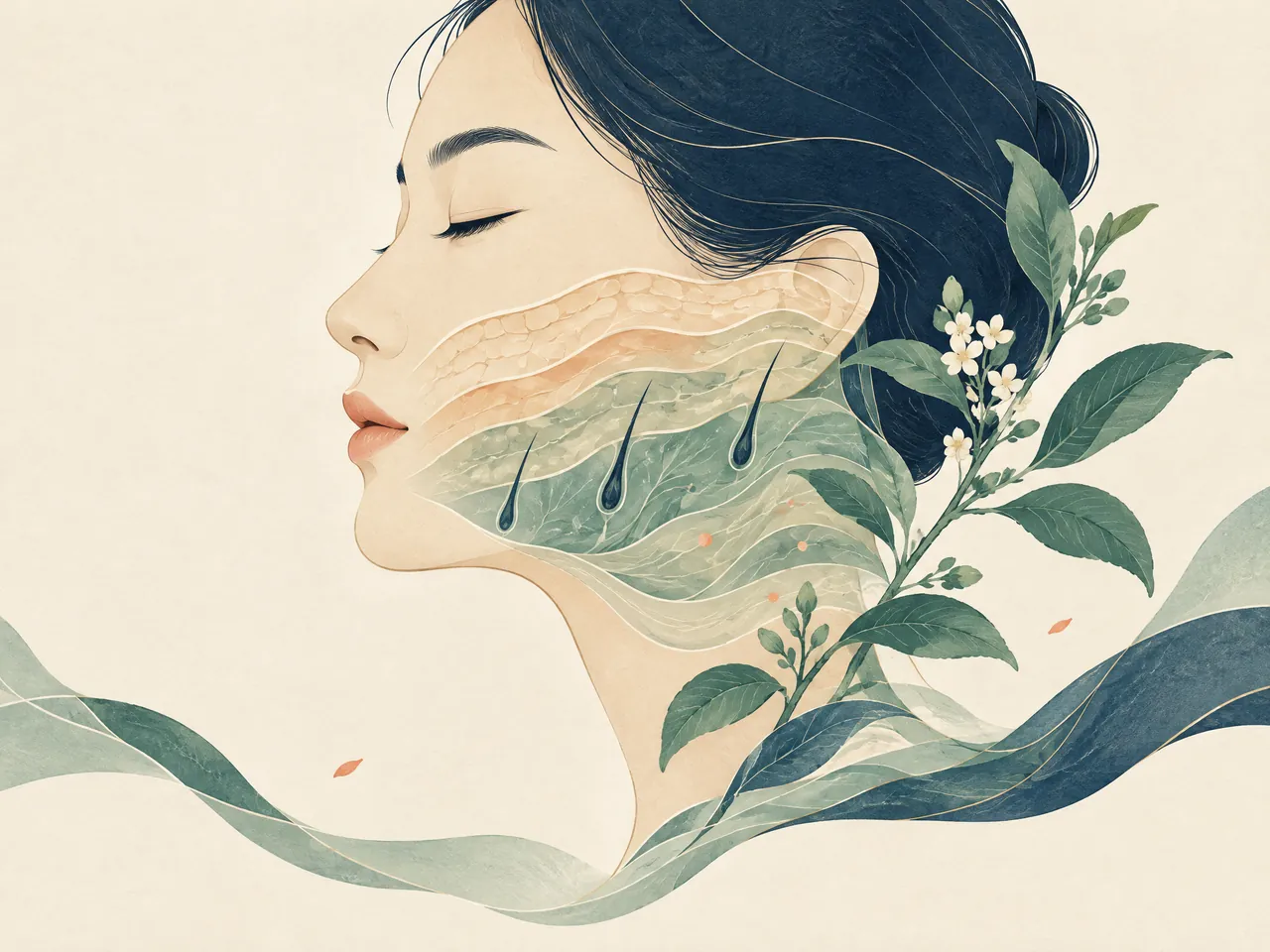
For eczema flare-up management, first check for painful, hot, leaking, crusted or rapidly spreading skin and seek prompt medical assessment if these occur. For less urgent flares, regular moisturising, gentle washing, trigger awareness and prescribed anti-inflammatory treatment are central. Chinese medicine treatment for eczema may be considered as complementary, individualised support, provided all practitioners know about current medicines and it does not delay eczema and conventional treatment.
Transparent pricing
See the fees.
Choose your care.
Explore our complete official price list, including first-trial prices, regular prices, packages and branch-specific options.
Opening WhatsApp prepares an enquiry; it does not send a message, take payment or confirm an appointment. Suitability and individual arrangements are confirmed during consultation.
Chinese medicine
All prices in HKDAcupuncture and Chinese herbal medicine package
Includes a Chinese medicine consultation with pulse assessment, body acupuncture and 3 days of Chinese herbal granules that do not require decoction.
HK$580 (single session)
Chinese medicine consultation with pulse assessment
Hair and scalp
All prices in HKDScalp health and hair-loss management
Includes AI scalp analysis, deep scalp and follicle cleansing, and scalp oil-control care.
HK$380 (first trial)
Regular price: HK$680
- 6 sessions: HK$3,480 (HK$580 per session)
- 12 sessions: HK$5,760 (HK$480 per session)
- 20 sessions: HK$8,600 (HK$430 per session)
- 30 sessions: HK$11,400 (HK$380 per session)
Hair acupuncture and Chinese herbal medicine package
Includes scalp acupuncture and 3 days of Chinese herbal medicine that does not require decoction.
HK$580 (single session)
Registered Chinese Medicine Practitioner consultation
- 6 sessions: HK$3,180 (HK$530 per session)
- 12 sessions: HK$5,760 (HK$480 per session)
- 20 sessions: HK$8,600 (HK$430 per session)
- 30 sessions: HK$11,400 (HK$380 per session)
Combined hair and scalp treatment
Combines acupuncture and Chinese herbal medicine with salon-level scalp and follicle care. Packages include complimentary hair-care shampoo and serum.
HK$1,260 (single session)
Combined treatment
- 8 sessions: HK$8,640 (HK$1,080 per session)
- 16 sessions: HK$15,680 (HK$980 per session)
- 20 sessions: HK$18,600 (HK$930 per session)
- 30 sessions: HK$26,400 (HK$880 per session)
Weight management
All prices in HKDFull-body acupoint embedding for weight management
Includes full-body acupoint embedding. Packages include complimentary Chinese herbal medicine for weight management, with the number of included days scaled to the package. Embedding material and the individual treatment arrangement are confirmed during consultation; this is not a cosmetic thread lift.
HK$980 (single session)
No trial session
- 10 sessions: HK$7,800 (HK$780 per session)
- 20 sessions: HK$14,600 (HK$730 per session)
- 30 sessions: HK$20,400 (HK$680 per session)
Facial acupuncture
All prices in HKDFacial acupuncture (basic)
Includes facial acupuncture and meridian-based facial care, including care for facial puffiness.
HK$480 (first trial)
Regular price: HK$680
- 10 sessions: HK$5,200 (HK$520 per session)
- 20 sessions: HK$9,600 (HK$480 per session)
- 30 sessions: HK$13,500 (HK$450 per session)
Facial acupuncture (advanced)
Includes enhanced facial acupuncture with a specially formulated moisturising mask and serum.
HK$780 (first trial)
Regular price: HK$1,180
- 10 sessions: HK$9,000 (HK$900 per session)
- 20 sessions: HK$16,600 (HK$830 per session)
- 30 sessions: HK$23,400 (HK$780 per session)
Pain care
All prices in HKDExtracorporeal shockwave treatment
Shockwave treatment for deep-tissue and fascial care. The Kwun Tong clinic offers the multi-area options shown below.
Priced by branch
Branch-specific pricing
Prince Edward: HK$250 per area
Kwun Tong: HK$250 for 1 area / HK$450 for 2 areas / HK$600 for 3 areas
Pain care (manual therapy)
Includes Chinese medicine musculoskeletal assessment, manual joint techniques and tui na.
HK$580 (single session)
Chinese medicine musculoskeletal assessment
Pain care (acupuncture and manual therapy)
Combines acupuncture and manual therapy.
HK$680 (single session)
Combined care
Eczema Flare-Up Management, Eczema and Conventional Treatment, and Chinese Medicine Treatment for Eczema: Severity and Skin Care
A flare is more than a label for an itchy patch. It is a change from a person’s usual skin state: itch may intensify, redness or colour change may spread, dry skin may crack, or sleep and concentration may deteriorate. Atopic eczema commonly waxes and wanes, and its appearance differs across skin tones; dry, cracked, scaly, thickened, blistered or bleeding areas can all occur. [1] A useful first step is to note where the rash is, how it feels, what has changed in the previous few days, and whether the person can still sleep and carry out ordinary tasks.
Severity is not decided by appearance alone. A small area on the hands can disrupt washing, food preparation or work, while widespread itch can leave a child or adult exhausted. Consider the extent of affected skin, the strength of itch or pain, weeping or cracks, the impact on sleep, and whether usual prescribed treatment is no longer helping. Heat, sweating, fragranced products, detergents, rough fabrics, stress, infections and weather shifts can aggravate eczema for some people, although not everyone will identify one clear trigger. [1]

Eczema Flare-Up Management, Eczema and Conventional Treatment, and Chinese Medicine Treatment for Eczema: Recognising Warning Signs
Arrange urgent medical assessment when eczema becomes blistered, crusty, leaks fluid, develops pus-filled spots, feels painful, swollen or warm, suddenly worsens or spreads, or occurs with a high temperature or feeling generally unwell. These changes can signal an infection or another serious skin problem. [1] In Hong Kong, do not wait for a complementary consultation to manage those signs. The guide to eczema infection warning signs can help you prepare a clear description of what has changed,
Less dramatic symptoms still deserve attention when they interrupt sleep most nights, make school or work difficult, cover a large area, or repeatedly return despite a sensible routine. Take photographs in consistent light if you can, noting the date and treatment already used; eczema may look quieter by the appointment than it did during the peak of a flare. Record new skin products, laundry products, swimming, travel, illness, pet contact or a change in medication, but do not test a suspected trigger by repeatedly exposing already inflamed skin. For itch-focused practical steps, see eczema itching relief alongside your clinician’s advice.

Eczema Flare-Up Management, Eczema and Conventional Treatment, and Chinese Medicine Treatment for Eczema: Moisturising Basics
Skin-barrier care is the part of eczema flare-up management that continues between appointments. Dermatologists recommend moisturiser for people with atopic dermatitis because well-moisturised skin is less prone to cracks and fissures that can worsen rash, itch or infection. [2] Choose a moisturiser that you can use regularly and that does not sting or seem to irritate your skin. Apply it gently rather than rubbing hard over sore areas. If a product consistently causes burning, worsening redness or discomfort, stop it and ask a clinician or pharmacist what to use instead.
Keep bathing and washing deliberately simple during a flare. Use lukewarm rather than hot water, avoid fragranced or harsh cleansers, and pat skin dry instead of scrubbing. Apply emollient promptly while the skin is still slightly damp, and keep using it even after visible redness has settled. NHS guidance also advises using an emollient rather than soap and moisturising frequently. [1] Soft, breathable clothing and short nails can reduce friction and damage from scratching. These measures will not diagnose a rash or replace prescribed medicines, but they make the daily routine less likely to add another irritant to already vulnerable skin.
Compare your options
| What you notice | Priority action | How Chinese medicine may fit |
|---|---|---|
| Skin is dry or itchy, but you feel otherwise well | Return to regular emollient use, gentle washing and your agreed flare plan; note possible irritants. | Discuss routines and symptom history as complementary support; keep conventional skin care in place. |
| Itch interrupts sleep or usual treatment is not helping | Arrange a non-urgent medical review and bring a symptom log and product list. | A coordinated consultation can consider the same history, medicines and treatment goals. |
| Skin is hot, painful, swollen, crusted, leaking, blistered or has pus | Seek prompt medical assessment for possible infection or another serious condition. | Do not delay assessment for a complementary appointment or start unlabelled remedies. |
| A child has recurring eczema and suspected food triggers | Ask the child’s doctor or an appropriate allergy or nutrition professional before removing foods. | Share the child’s complete medical and diet history; avoid using dietary theories as a substitute for assessment. |
| You are considering herbs or acupuncture | Tell your doctor or dermatologist about the plan and current products before starting. | Ask the practitioner about qualifications, product identity, safety, possible interactions and follow-up. |
On smaller screens, scroll the table sideways to compare all columns.
Eczema Flare-Up Management, Eczema and Conventional Treatment, and Chinese Medicine Treatment for Eczema: Coordinating Care
Eczema and conventional treatment are not an all-or-nothing choice. A medical clinician may recommend an emollient plan, topical anti-inflammatory medicine, treatment for infection when it is present, or referral for further assessment according to the severity and diagnosis. Topical corticosteroids are among the main treatments listed by the NHS; dermatology treatment plans also commonly combine skin care, trigger management and medication applied to the skin. [1] [2] If you have a prescription, use it exactly as you have been instructed and ask the prescriber before changing, reducing or stopping it. Fear, confusion or a previous unpleasant experience with a product are important topics to raise—not reasons to manage a severe flare alone.
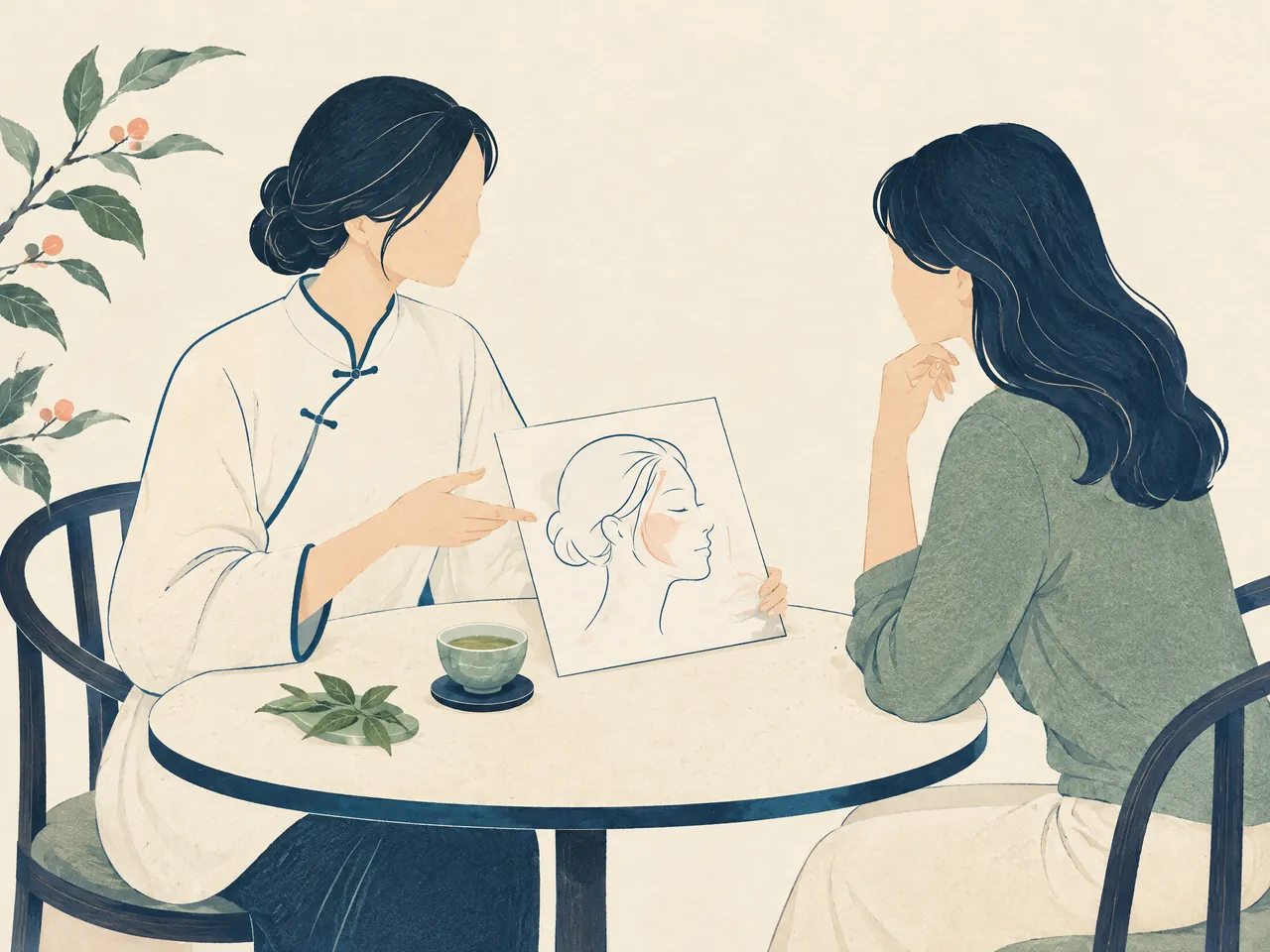
Coordinated care means each practitioner has the same essential picture. Tell a registered Chinese medicine practitioner about the diagnosis you have been given, current creams, tablets, supplements, allergies, pregnancy or breastfeeding, and any recent test results or medical advice. Tell your doctor or dermatologist if you are considering herbs, acupuncture or another complementary approach. This is particularly important for herbal products: the U.S. National Center for Complementary and Integrative Health notes mixed evidence for Chinese herbal products and advises people not to use traditional Chinese medicine to replace or delay conventional care. [3] Clear disclosure allows questions about safety and timing to be addressed before a new treatment is started.
Eczema Flare-Up Management, Eczema and Conventional Treatment, and Chinese Medicine Treatment for Eczema: Acute Symptoms
During an acute flare, make the immediate plan small and practical. Confirm whether warning signs need medical review, follow the treatment plan already supplied for flares, simplify the skin routine, and remove obvious irritants rather than adding several new remedies at once. New products make it difficult to tell what helped or harmed. If the skin is open, weeping, painful or thought to be infected, prioritise medical assessment. This is also not the moment to use an unlabelled herbal product, borrow a cream, or assume that a remedy is safe because it is described as natural.
Some people ask whether acupuncture should be used while they are flaring. The appropriate answer depends on the person’s diagnosis, skin condition and wider health circumstances, and should be discussed with qualified practitioners rather than decided from a general article. Current information from NCCIH describes research on traditional Chinese medicine as mixed for many conditions and highlights safety concerns when products or treatments are not properly managed. [3] Our page on does acupuncture help eczema explains the question in more detail. It should not be read as permission to postpone treatment for a painful, weeping or rapidly changing rash.
Eczema Flare-Up Management, Eczema and Conventional Treatment, and Chinese Medicine Treatment for Eczema: Daily Support
Between flares, a simple log can show what actually affects your skin. Write down the date, body areas, itch or pain, sleep disruption, products used, weather or heat exposure, and medicines applied. Add one short note about anything unusual, such as a new detergent or a respiratory illness. The purpose is not to achieve perfect control or to prove a food caused eczema; it is to make a repeatable pattern easier to see. Bring the log and photos to medical and Chinese medicine appointments so that recommendations can be based on the same recent history.
Daily support also includes making routines workable. Keep moisturiser where it will be used—by the sink, bedside or in a bag—and choose clothing and bedding that feel comfortable rather than abrasive. Plan a calm response to itch, such as gentle pressure or rubbing instead of scratching, a short cool-down after exercise, and a familiar night routine. If work requires frequent handwashing or exposure to cleaning products, explain that at an appointment; hand eczema may require tailored protection and treatment. Readers exploring a complementary discussion can start with atopic dermatitis Chinese medicine, while maintaining the treatment plan agreed with their medical clinician.
Eczema Flare-Up Management, Eczema and Conventional Treatment, and Chinese Medicine Treatment for Eczema: Assessment and Expectations
Chinese medicine treatment for eczema is often described in terms of a personalised assessment. In traditional Chinese medicine, practitioners may ask about the appearance and location of lesions, itch, oozing, heat sensitivity, sleep, digestion, recent routines and other symptoms, and may use traditional diagnostic methods. CUHK’s public eczema programme describes its four consultations as inspection, smelling/listening, inquiry and palpation, followed by an individual treatment and lifestyle plan. [4] These traditional pattern descriptions are not the same as a dermatological diagnosis, allergy test or infection assessment. They should complement, not displace, medical evaluation when that is needed.
A constructive consultation starts with realistic expectations. Eczema is a recurring inflammatory skin condition for many people, and no approach can promise a permanent cure. Complementary care may be of interest because the consultation can explore everyday routines and individual concerns in depth. That interest does not establish that a particular herb, acupuncture plan or dietary theory will work for every person. The key decision is whether the option can be used safely, openly and in a way that preserves essential skin care and prescribed treatment. For an overview of that balance, read Can Chinese medicine help eczema?.

Eczema Flare-Up Management, Eczema and Conventional Treatment, and Chinese Medicine Treatment for Eczema: Pattern-Based Assessment
Prepare for a pattern-based assessment by bringing the information a practitioner cannot see from the skin alone: a concise symptom timeline, photographs of a recent flare, a list or photos of every cream and oral product, known allergies, and details of any medical diagnosis or tests. State clearly what you most want help with, such as night-time itch, repeated hand flares, uncertainty about a routine or support alongside dermatology care. It also makes it easier to notice when a practitioner needs to refer you for a medical review rather than treating a new or unexplained symptom as eczema.
If herbal medicine is discussed, ask what the product is, how it is sourced and labelled, how it will be taken, possible adverse effects, and what to do if your skin or general health worsens. Share all other medicines and supplements rather than assuming topical products do not matter. NCCIH warns that some Chinese herbal products have had contamination, substitution or drug-related safety issues, and recommends discussing complementary approaches with all health-care providers. [3] Do not use an unlabelled formula, a friend’s prescription or an online remedy in place of a supervised plan. Careful communication is a safety step, not a barrier to asking about traditional care.

Eczema Flare-Up Management, Eczema and Conventional Treatment, and Chinese Medicine Treatment for Eczema: Children and Food Questions
Children need a lower threshold for professional advice because eczema can disturb sleep, play, learning and family routines, and their nutritional needs are still changing. The adult caring for a child should bring a full history of creams, symptoms, suspected reactions and growth or feeding concerns to the child’s doctor. If complementary Chinese medicine is being considered, the child’s medical clinician should know before herbs or other treatments are started. Seek urgent care for the infection warning signs described earlier, and do not interpret a child’s distress, fever or rapidly worsening rash as something to observe at home.
Food questions can be emotionally difficult because a flare often follows a meal by chance as well as by cause. Broad self-imposed avoidance can reduce variety and may create nutritional risk, especially for children. NHS guidance specifically advises not changing diet unless instructed by a doctor, including while breastfeeding a baby with eczema. [1] Instead, write down the food, timing, symptoms and any reproducible reaction, then seek advice from an appropriate clinician or dietitian. A Chinese medicine conversation about eating habits may be useful as part of the wider history, but it should not turn an unconfirmed suspicion into a restrictive diet.
Care and health guide
Health service information
This directory brings together services, reading, and visit information related to health services, to help you prepare questions for a consultation.
If you are organising health questions, acupuncture Hong Kong is a starting point for learning about related services and preparing for a consultation.
People have different needs; Chinese medicine pain management Hong Kong provides further reading to help you understand options in your own context.


Your questions, answered
Frequently asked questions
Can Chinese medicine permanently cure eczema?
No approach can guarantee a permanent cure for a recurrent eczema condition. Chinese medicine treatment for eczema may be explored as complementary, individualised support, but it should not be presented as a replacement for skin-barrier care, prescribed treatment or medical assessment when symptoms are severe.
Can I stop my steroid cream if I start Chinese medicine treatment for eczema?
Do not stop or alter prescribed treatment on your own. Ask the prescribing clinician how your flare plan should be used, and tell both practitioners about every treatment you use. Coordination is especially important during a painful, widespread or infected-looking flare.
When might eczema need urgent medical attention?
Seek urgent assessment if skin is blistered, crusty, leaking fluid, painful, swollen, warm, suddenly worse or spreading, or if there are pus-filled spots, fever or feeling generally unwell. These can be signs of infection or another serious skin condition. [1]
Should I remove foods from my child’s diet because of eczema?
Not without professional advice. Record any suspected reaction and discuss it with the child’s doctor, an appropriate allergy clinician or a dietitian. Broad food restriction may be unnecessary and can affect nutrition, so it should not be used as a self-directed eczema treatment.
Sources and further information
- [1] [1] NHS — Atopic eczema
Referenced for: Symptoms, flare-ups, moisturising and emollient guidance, trigger examples, treatment overview, diet caution and urgent infection-related warning signs.
- [2] [2] American Academy of Dermatology — Atopic dermatitis diagnosis and treatment
Referenced for: Moisturiser, skin-barrier care, trigger management, topical treatment context and planning for appointments.
- [3] [3] National Center for Complementary and Integrative Health — Traditional Chinese Medicine: What You Need To Know
Referenced for: Mixed evidence for Chinese herbal products, safety cautions and the need to coordinate complementary care with health-care providers.
- [4] [4] CUHK Integrative Medical Centre — Chinese Medicine Treatment for Eczema Program
Referenced for: Hong Kong Chinese medicine consultation terminology and the traditional four-examination assessment context; not used as proof of treatment effectiveness.