
TCM Lab · Health reading
Severe Period Pain, Heavy Periods and Period Pain, or Irregular Periods and Pelvic Pain: When to Seek Care
Published Updated
Period pain is common, but a changing pattern deserves attention. Severe period pain, heavy periods and period pain, or irregular periods and pelvic pain should be assessed when symptoms are new, worsening, disrupting sleep or daily life, or accompanied by bleeding outside a period. Record what happens across each cycle, then arrange medical care when that record shows a change. Do not wait for a routine appointment if pain is sudden and extreme, bleeding is uncontrolled, or pregnancy could be possible with pain or bleeding. This guide explains what to note, what to raise at an assessment, and where Chinese medicine may fit as support after urgent causes are addressed.
Appointments are confirmed through WhatsApp. If you have language requirements, please mention them in your enquiry.
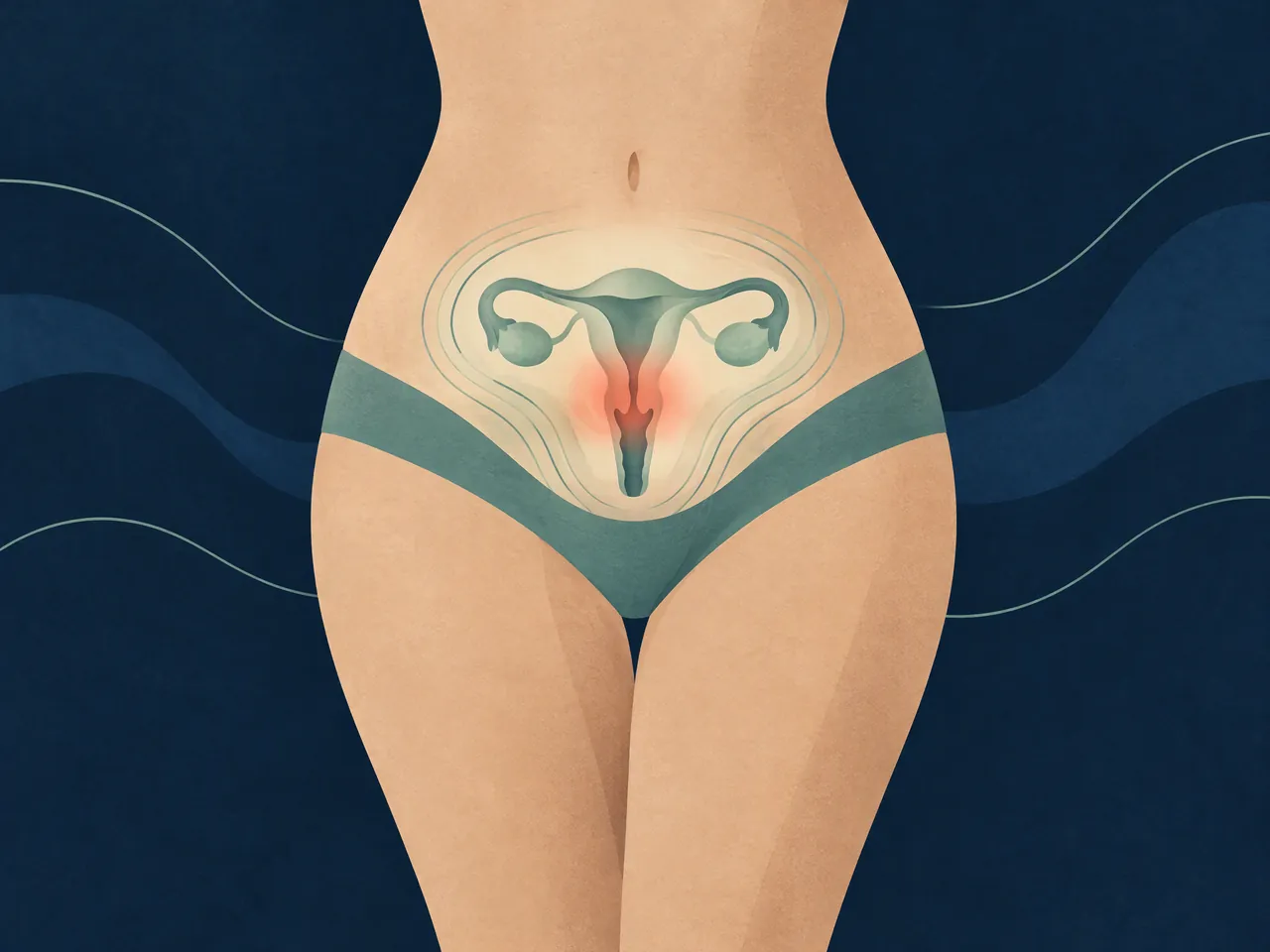
The short answer
Arrange a medical assessment when period pain becomes more severe, usual relief no longer helps, periods become heavier or irregular, or you have pelvic pain outside the usual pattern. Seek emergency care for sudden unbearable or one-sided pain, faintness, persistent vomiting, fever, very heavy uncontrolled bleeding, or possible pregnancy with pain or bleeding. A cycle-and-symptom record gives the clinician useful detail and can also support a later Chinese medicine consultation.
Transparent pricing
See the fees.
Choose your care.
Explore our complete official price list, including first-trial prices, regular prices, packages and branch-specific options.
Opening WhatsApp prepares an enquiry; it does not send a message, take payment or confirm an appointment. Suitability and individual arrangements are confirmed during consultation.
Pain care
All prices in HKDExtracorporeal shockwave treatment
Shockwave treatment for deep-tissue and fascial care. The Kwun Tong clinic offers the multi-area options shown below.
Priced by branch
Branch-specific pricing
Prince Edward: HK$250 per area
Kwun Tong: HK$250 for 1 area / HK$450 for 2 areas / HK$600 for 3 areas
Pain care (manual therapy)
Includes Chinese medicine musculoskeletal assessment, manual joint techniques and tui na.
HK$580 (single session)
Chinese medicine musculoskeletal assessment
Pain care (acupuncture and manual therapy)
Combines acupuncture and manual therapy.
HK$680 (single session)
Combined care
Hair and scalp
All prices in HKDScalp health and hair-loss management
Includes AI scalp analysis, deep scalp and follicle cleansing, and scalp oil-control care.
HK$380 (first trial)
Regular price: HK$680
- 6 sessions: HK$3,480 (HK$580 per session)
- 12 sessions: HK$5,760 (HK$480 per session)
- 20 sessions: HK$8,600 (HK$430 per session)
- 30 sessions: HK$11,400 (HK$380 per session)
Hair acupuncture and Chinese herbal medicine package
Includes scalp acupuncture and 3 days of Chinese herbal medicine that does not require decoction.
HK$580 (single session)
Registered Chinese Medicine Practitioner consultation
- 6 sessions: HK$3,180 (HK$530 per session)
- 12 sessions: HK$5,760 (HK$480 per session)
- 20 sessions: HK$8,600 (HK$430 per session)
- 30 sessions: HK$11,400 (HK$380 per session)
Combined hair and scalp treatment
Combines acupuncture and Chinese herbal medicine with salon-level scalp and follicle care. Packages include complimentary hair-care shampoo and serum.
HK$1,260 (single session)
Combined treatment
- 8 sessions: HK$8,640 (HK$1,080 per session)
- 16 sessions: HK$15,680 (HK$980 per session)
- 20 sessions: HK$18,600 (HK$930 per session)
- 30 sessions: HK$26,400 (HK$880 per session)
Weight management
All prices in HKDFull-body acupoint embedding for weight management
Includes full-body acupoint embedding. Packages include complimentary Chinese herbal medicine for weight management, with the number of included days scaled to the package. Embedding material and the individual treatment arrangement are confirmed during consultation; this is not a cosmetic thread lift.
HK$980 (single session)
No trial session
- 10 sessions: HK$7,800 (HK$780 per session)
- 20 sessions: HK$14,600 (HK$730 per session)
- 30 sessions: HK$20,400 (HK$680 per session)
Facial acupuncture
All prices in HKDFacial acupuncture (basic)
Includes facial acupuncture and meridian-based facial care, including care for facial puffiness.
HK$480 (first trial)
Regular price: HK$680
- 10 sessions: HK$5,200 (HK$520 per session)
- 20 sessions: HK$9,600 (HK$480 per session)
- 30 sessions: HK$13,500 (HK$450 per session)
Facial acupuncture (advanced)
Includes enhanced facial acupuncture with a specially formulated moisturising mask and serum.
HK$780 (first trial)
Regular price: HK$1,180
- 10 sessions: HK$9,000 (HK$900 per session)
- 20 sessions: HK$16,600 (HK$830 per session)
- 30 sessions: HK$23,400 (HK$780 per session)
Chinese medicine
All prices in HKDAcupuncture and Chinese herbal medicine package
Includes a Chinese medicine consultation with pulse assessment, body acupuncture and 3 days of Chinese herbal granules that do not require decoction.
HK$580 (single session)
Chinese medicine consultation with pulse assessment
Severe Period Pain, Heavy Periods and Period Pain, and Irregular Periods and Pelvic Pain: Recognising Your Pattern
A familiar cramp around the start of bleeding and a changing pelvic-pain pattern are not the same. Period pain may feel like lower-abdominal cramps that spread to the back or thighs, sometimes with tiredness, nausea, or looser stools. Those features do not identify a cause. Ask whether the timing, severity, location, flow, and effect on life are familiar or have changed. The Hong Kong Family Health Service contrasts a typical short menstrual pain pattern with pain linked to fever, unpleasant discharge, pain during sex, or poor response to simple relief [1]. Use the comparison to prompt assessment, not to diagnose yourself.
Describe practical impact instead of minimising it. Note if you missed class, left work, woke at night, could not stand upright, or cancelled plans. Heavy periods and period pain may occur together, but either change is worth mentioning: a longer bleed, flooding through protection, clots, or feeling drained can matter even with mild cramps. For a focused review prompt, see when to see a doctor for period pain. Your baseline helps turn “bad pain” into a useful account of what changed and when.
Severe Period Pain, Heavy Periods and Period Pain, and Irregular Periods and Pelvic Pain: What to Record
Keep a simple private record for each cycle. Mark the first and last day of bleeding, spotting between periods, and days when pain begins before or continues after a period. For pain, record the location—central lower abdomen, one side, back, or deeper pelvic discomfort—the sensation, and a consistent 0-to-10 rating. Note what you tried, including heat, rest, movement, or medicine, and whether it helped. Add nausea, vomiting, bowel or bladder pain, pain during sex, fever, unusual discharge, dizziness, or headaches. This converts a difficult memory into information a clinician can use.
Describe flow in ordinary terms. Record whether you changed protection more often than usual, passed clots, leaked overnight, or had to plan the day around a bathroom. The Family Health Service lists a prolonged period, frequent changes of highly absorbent protection, flooding, large clots, and dizziness, breathlessness, or tiredness as features relevant to heavy periods [1]. Mark any bleeding between periods separately rather than calling it simply irregular. If pregnancy is possible, note the last period and any test result, then tell the clinician even if you are unsure.

Severe Period Pain, Heavy Periods and Period Pain, and Irregular Periods and Pelvic Pain: Common Changes
Irregular periods and pelvic pain may mean a cycle starts much earlier or later than expected, a missed period is followed by unusual bleeding, or pain appears at an unfamiliar time. Stress, major weight change, vigorous exercise, some medicines, hormonal conditions, and life stages can influence timing [1]. That does not explain away a concerning symptom. New changes after previously predictable cycles, bleeding between periods or after sex, or pain outside menstruation warrant a specific discussion. Keep the record factual: dates, amount, and associated pain. It is more useful than trying to name the cause yourself.
Look for patterns, but do not wait to complete a diary if care is needed. Pain that intensifies month by month, starts days before bleeding and continues after it, or occurs with intercourse, urinating, or opening the bowels needs review. The NHS lists more painful, heavier, or irregular periods, pain during sex or toileting, and bleeding between periods as reasons to see a clinician [2]. This does not prove a serious condition; it means the pattern contains information. Our period pain warning signs page offers a concise prompt list before you seek care.
Compare your options
| What you notice | Why it is useful to mention | Appropriate next step |
|---|---|---|
| Cramps around the start of bleeding that match your familiar pattern | Timing, location, and effect on activity establish your baseline. | Record the pattern and use agreed self-care; seek review if it changes or becomes disruptive. |
| Pain is worsening, lasts longer than usual, or usual relief no longer helps | A changing pattern may need evaluation for secondary causes [2] [3]. | Arrange a medical assessment and bring a cycle-and-symptom record. |
| Heavier flow, flooding, clots, repeated leakage, or tiredness and dizziness | Flow changes and their impact can guide assessment of heavy periods [1]. | Book a clinical review; seek quicker advice if bleeding is difficult to control or you feel unwell. |
| Bleeding between periods, new pain with sex, urinating or bowel movements, or irregular cycles | These are features that should be discussed rather than assumed to be routine cramps [1] [2]. | Arrange an assessment; mention pregnancy possibility if relevant. |
| Sudden severe one-sided pain, fainting, intense dizziness, persistent vomiting, fever, or possible pregnancy with pain and bleeding | The combination can indicate an urgent condition and needs prompt medical evaluation [4]. | Seek emergency care now; do not wait for a routine or supportive-care appointment. |
On smaller screens, scroll the table sideways to compare all columns.
Severe Period Pain, Heavy Periods and Period Pain, and Irregular Periods and Pelvic Pain: When to Arrange an Assessment
Arrange an assessment if pain is severe or unlike your usual cramps, usual measures no longer help, or normal activities are repeatedly impossible. Book also when flow becomes much heavier, cycles are newly irregular, or bleeding occurs outside the expected period. These are assessment signals, not proof of one diagnosis. A gynaecology or primary-care visit can consider pregnancy where relevant, take a history, examine when appropriate, and decide on tests or referral. NHS guidance advises urgent review for severe or worse-than-usual pain unrelieved by painkillers, and assessment for changing bleeding or disrupted daily function [2].
Prepare two brief lists: what changed and what you fear it may affect. For example: pain began three days before bleeding in the last two cycles; flow differs from my usual period; or bowel movements are painful during menstruation. Bring the medicines and supplements you use, including hormonal contraception, and do not stop prescribed treatment merely to test symptoms. Mention if pregnancy is possible, you are trying to conceive, have an intrauterine device, or recently had a procedure. Asking whether an ultrasound or another assessment is appropriate is a sensible way to understand the plan without presuming a diagnosis.

Severe Period Pain, Heavy Periods and Period Pain, and Irregular Periods and Pelvic Pain: Symptoms That Need Review
Review is particularly important when pain causes missed commitments, progressively worsens, or occurs with a bleeding change. Mention a swollen abdomen, reduced appetite, unintentional weight loss, bladder or bowel changes, and pain with sex, even if the detail feels awkward. Be direct about bleeding between periods and after sex. New bleeding after periods have stopped for more than a year also needs medical advice. The Family Health Service specifically advises a doctor review for suddenly irregular periods, heavy periods, severe painful periods or abdominal pain, and bleeding between periods [1]. These points are reasons to book, not substitutes for a consultation.
Do not judge the need for care by comparing your pain score with someone else’s. A better threshold is disruption plus change: you cannot work, sleep, travel, or manage basic tasks as usual; pain relief has stopped working; or new features have appeared. Ask what should trigger earlier follow-up. If a period is late or pregnancy is possible, report pelvic pain and bleeding promptly rather than assuming an unusual period. A home test can be useful information, but a negative or uncertain result should not override concerning symptoms.

Severe Period Pain, Heavy Periods and Period Pain, and Irregular Periods and Pelvic Pain: Possible Causes to Discuss
Clinicians distinguish primary dysmenorrhoea—menstrual cramping without another identified pelvic disorder—from secondary dysmenorrhoea, in which pain relates to a reproductive or other condition. ACOG states that secondary pain tends to worsen and last longer than usual cramps, and may start before a period or continue after it [3]. Possible considerations include endometriosis, adenomyosis, fibroids, pelvic inflammatory disease, an intrauterine device-related issue, and non-gynaecological causes. Symptoms overlap, so no single painful cycle identifies one. History, examination, pregnancy testing, blood tests, ultrasound, or referral may be considered according to the situation.
Use precise observations rather than trying to name the cause. Instead of “I think I have endometriosis,” say that pain now begins before bleeding, continues after it, or occurs with sex, and ask what conditions should be considered. That keeps the conversation open while ensuring relevant symptoms are heard. If a scan or examination is normal but symptoms persist, ask what happens next and when to return. Diagnosis can take time, but persistent severe period pain, heavy periods and period pain, or irregular periods and pelvic pain still require a plan.
Severe Period Pain, Heavy Periods and Period Pain, and Irregular Periods and Pelvic Pain: Urgent Signs and Support
Seek emergency care now for sudden, intense or unbearable abdominal or pelvic pain, especially on one side, or pain with fainting, severe dizziness, collapse, persistent vomiting, fever, or bleeding that feels uncontrolled. If pregnancy is possible, pain with bleeding is urgent even if you think it is a period. The NHS identifies low one-sided abdominal pain and vaginal bleeding as possible ectopic-pregnancy symptoms, and sudden sharp pain with marked dizziness or fainting as emergency signs [4]. Do not drive if you feel faint. Contact emergency services, ask for help, or go to an emergency department rather than waiting for a routine appointment.
For pain that is not an emergency but affects your life, use measures a clinician or pharmacist has said are suitable for you, rest when necessary, use heat carefully, and plan lighter commitments for the hardest day if possible. Gentle movement may feel comfortable for some people, but it is not a test of whether pain is serious. Do not take more medicine than directed or combine products without advice. Bring your record to the appointment and write down the plan afterwards. Complementary support should sit alongside medical diagnosis and prescribed treatment, not replace either.

Severe Period Pain, Heavy Periods and Period Pain, and Irregular Periods and Pelvic Pain: Red Flags
Red flags concern speed and severity, not proving a cause at home. Sudden one-sided pain has several possible explanations; suddenness, intensity, and associated symptoms make immediate assessment important. Fever, repeated vomiting, faintness, shoulder-tip pain when pregnancy is possible, or rapidly increasing bleeding should move the decision from “monitor” to urgent help. Tell the emergency team the first day of the last period, pregnancy possibility, medicines, allergies, and the time symptoms began. If you soak through protection, pass very large clots, or feel breathless, dizzy, or unusually weak, say so clearly. Never delay emergency care to complete a record.
A symptom combination can be urgent even when each feature seems familiar alone. A late period with pelvic pain and spotting is different from predictable cramps. New severe pain after a positive pregnancy test also needs prompt assessment. Persistent pelvic pain with fever or unusual discharge should not be managed as routine cramps. If you are unsure, choose same-day medical assessment or emergency advice. The safe decision depends on what is happening now, especially if symptoms are escalating. After urgent causes are checked, follow-up can address ongoing pain, fertility questions, bleeding patterns, and a sustainable plan.

Severe Period Pain, Heavy Periods and Period Pain, and Irregular Periods and Pelvic Pain: Considering Chinese Medicine
After emergency concerns are addressed and medical assessment is underway, some people discuss Chinese medicine as supportive care. A Registered Chinese Medicine Practitioner may ask about cycle timing, flow, pain character and location, sleep, appetite, bowel habits, stress, medical history, pregnancy possibility, and all medicines or supplements. Traditional pattern terms are not interchangeable with biomedical diagnoses such as endometriosis or fibroids. Bring ultrasound reports or clinic letters if available, and continue relevant medical follow-up. Do not start, stop, or change prescribed pain medicine, hormonal treatment, or other medication on the basis of a webpage or without coordinating with the prescriber.
Acupuncture or Chinese herbal medicine should be discussed in relation to your individual circumstances, not promised as a cure or a replacement for investigation. ACOG says acupuncture and acupressure may be useful for painful periods [3], but significant or changing symptoms still need medical attention. For a non-urgent assessment enquiry, contact the Chinese medicine clinic Prince Edward or Kwun Tong Chinese medicine clinic. State whether you have seen a doctor and list current medicines so the next step can be clarified. For urgent symptoms, seek emergency medical care rather than waiting for an appointment.
Care and health guide
Pain-care information
This directory brings together services, reading, and visit information related to pain care, to help you prepare questions for a consultation.
When pain care affects your day, noting when it occurs, its relation to activity, and what you have already tried can help prepare a consultation; Chinese medicine pain management Hong Kong is a relevant service or reading entry point.
Individual circumstances differ, and acupuncture Hong Kong offers related information to help you understand options and prepare questions.


Your questions, answered
Frequently asked questions
When should I see a doctor for severe period pain?
Arrange an assessment if pain is worsening, lasts beyond your usual pattern, no longer responds to your usual relief, prevents normal activities, or occurs with heavier flow, irregular periods, or bleeding between periods. Seek emergency care for sudden unbearable or one-sided pain, fainting, severe dizziness, persistent vomiting, fever, uncontrolled bleeding, or possible pregnancy with pain or bleeding.
Are heavy periods and period pain always caused by the same problem?
No. They can occur together or separately, and symptoms alone cannot identify the cause. A clinician may consider the history, pregnancy possibility, examination, and tests such as ultrasound where appropriate. Record changes in flow and pain so the assessment is based on your actual pattern.
What is the difference between irregular periods and bleeding between periods?
Irregular periods usually describe a change in when expected menstrual bleeding starts. Bleeding between periods occurs outside the expected menstrual bleed. Both should be described with dates and amount, but they are not interchangeable labels. Tell a clinician about either, particularly when they are new or accompanied by pelvic pain.
Can I see a Chinese medicine practitioner while taking painkillers or hormonal medicine?
You may discuss a Chinese medicine assessment, but disclose every prescribed medicine, non-prescription painkiller, contraceptive, herbal product, and supplement. Do not stop or alter prescribed treatment yourself. Medication changes should be coordinated with the clinician who prescribed them, and urgent symptoms require medical care first.
Sources and further information
- [1] [1] Hong Kong Department of Health, Family Health Service — All about periods
Referenced for: Hong Kong public-health guidance on period pain, heavy bleeding, irregular periods, and reasons to seek medical advice.
- [2] [2] NHS — Period pain
Referenced for: Symptoms, review triggers, possible causes, self-care context, and ultrasound referral context.
- [3] [3] American College of Obstetricians and Gynecologists — Dysmenorrhea: Painful Periods
Referenced for: Primary and secondary dysmenorrhoea, clinical evaluation, and complementary-treatment context.
- [4] [4] NHS — Symptoms of an ectopic pregnancy
Referenced for: Urgent symptom context when pregnancy may be possible.