
Prince Edward & Kwun Tong clinics · Home-visit enquiries elsewhere

TCM Lab

TCM Lab · Beauty & lifestyle / Men’s everyday hair

Short textured hair that fits workouts and wash days

Content updated

A short textured haircut routine should survive more than the first styled morning. Compare a forward crop with a compact curly shape by what remains comfortable after exercise, gentle drying and an ordinary wash—not by how completely you can press the texture flat.

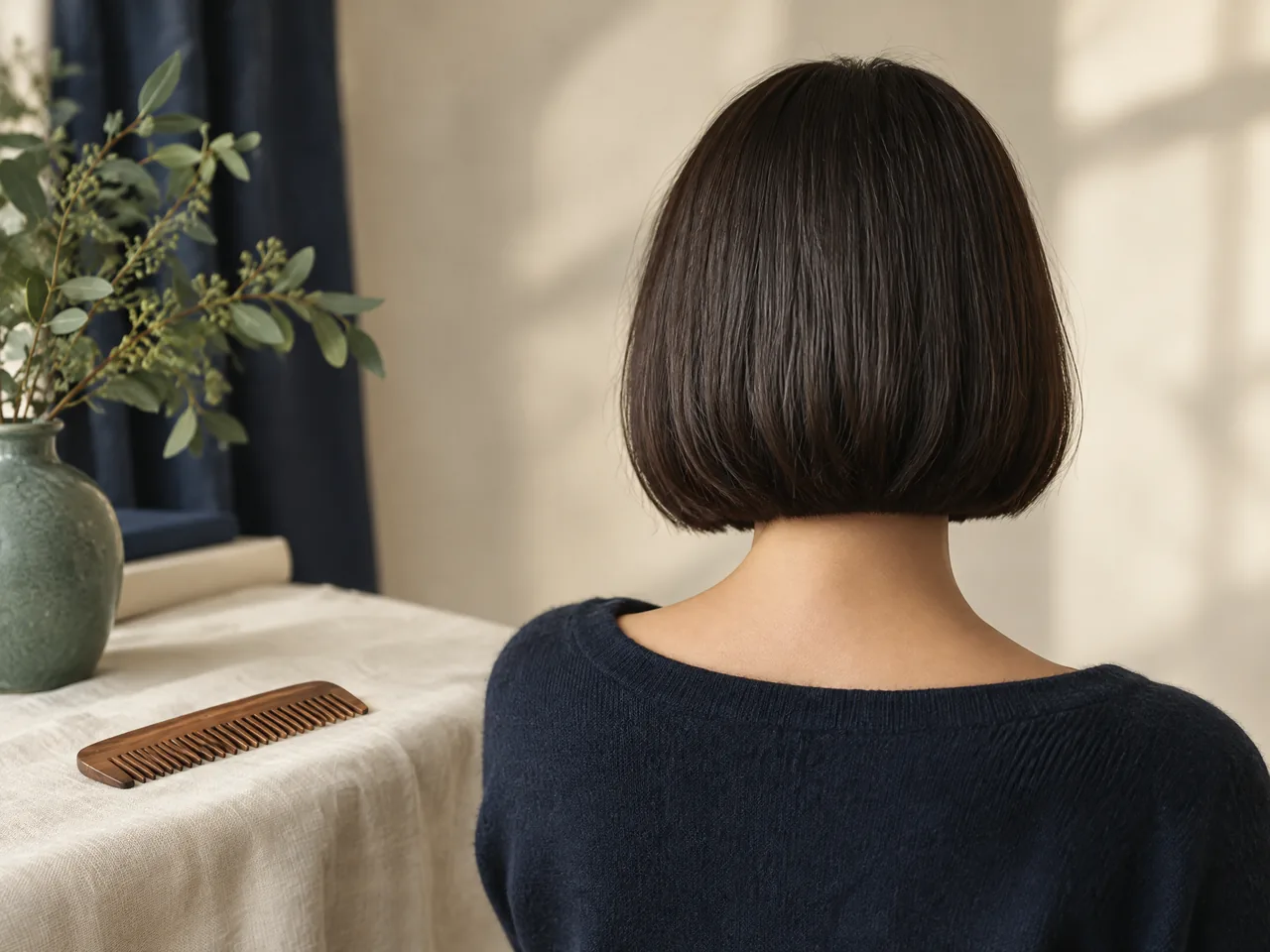
Illustrative short-hair silhouette
Illustrative hair-lifestyle concept; not a client record or a Vit So portfolio photograph.

The short answer

Choose a crop if you prefer a compact, forward front; keep more curl room if the bends and loops are the feature you enjoy. Test both against your unstyled dry hair. After exercise, check whether you need cleansing or just reshaping, absorb moisture gently, and avoid adding another full layer of product by habit.

Vit So is an external hair and beauty website under the same ownership as TCM Lab. Its beauty services are separate from Chinese medicine care. This section is for beauty and lifestyle education, not diagnosis or treatment.

Notice what changes after exercise before changing the cut

After your next workout, look at your hair before touching it. Is the front stuck against your forehead, are the roots still damp, or have separate curls become a wider, less defined shape? These are different observations. A damp fringe is not enough evidence that all the top length needs removing, especially if you like its shape once dry.

Repeat the check after gently absorbing moisture with a clean towel or T-shirt. Press and release rather than scrubbing back and forth. The American Academy of Dermatology recommends gentle moisture absorption because rough towel-rubbing can damage hair. [1] For your own styling comparison, this also gives you a clearer baseline than deliberately tousling everything before deciding that the cut is unmanageable.

Take a quick front and side photograph once the hair has dried. Compare it with an ordinary non-gym morning, using similar lighting rather than a flattering bathroom angle. Note the specific inconvenience: hair touching your glasses, a fringe you keep pushing away, or a top that needs constant reshaping. Focus on what interrupts your day, not every difference from a styled photograph.

Compare a forward crop with room for short curls

A crop and curly hair are not opposites: a compact forward shape can still show natural movement. The practical choice is how much front hair you want near your forehead and how much visible curl you want to retain. If you are exploring a textured crop haircut, use the resource to compare shapes, then test the idea against your own post-workout front rather than expecting its photographed separation to stay fixed.

A short forward fringe gives you less front length to arrange, but it may still sit against your forehead when damp. A curl-preserving top leaves more movement available, but its dry outline can be less straight and predictable. Neither must be perfectly flat to look intentional. Decide whether a softly uneven front is acceptable before choosing a crisp boundary that you will feel obliged to correct throughout the day.

When comparing curly haircuts for men, identify which curls you would miss if the top became much shorter. Watch where the front rests after your usual drying routine, without stretching it down. You may want a compact outline around the ears while keeping those front loops. That is a choice about existing texture, not a requirement to create new curls or straighten them.

Keep useful texture, not height you have to manufacture

Before choosing a longer top, ask what the extra length will do on a morning without styling. Will it retain a bend you like, let you move the front away from your eyes, or simply collapse into a shape you dislike? Keep length for a function you can identify. A photograph of a tall, airy top does not show how it behaves after its styling product is washed out.

Compare short hairstyles for men with two separate priorities in mind: how little you want to do each morning, and how much natural movement you want visible. Moving towards near-uniform shortness reduces the texture available to arrange; retaining a movable top gives you options but leaves more decisions after washing. The shortest version is not automatically the best fit for someone who enjoys curls.

Check the widest part of your outline from the front as well as the side. You might like the top and only dislike fullness above one ear. Avoid making the whole head shorter to solve that local annoyance. Likewise, do not keep a large raised front solely because you can force it into place at home; choose a relaxed version you would still wear after leaving the gym.

Separate cleansing from a small shape reset

Exercise is a useful moment to check cleanliness, not a universal shampoo timetable. If the scalp and hair feel dirty, oily or coated, choose cleansing rather than covering that feeling with more styling product. The AAD advises washing according to dirt and oiliness and concentrating shampoo on the scalp to remove accumulated product and excess oil. [1] A brief restyling step and a wash have different jobs.

If the hair feels clean but the front has been displaced, try a limited reset before adding anything. Lightly dampen the affected hair with clean water, arrange a few sections with your fingers and let them settle. This is a styling experiment, not a way to remove build-up. If a coated feeling remains, repeated wetting and reshaping will not substitute for cleansing.

Do not brush dry curls flat merely to make them look tidier. For actual tangles between washes, the AAD recommends thoroughly wetting curly hair, using leave-in conditioner and gently detangling with fingers or a suitable wide-toothed comb; it advises against dry brushing to reduce breakage and frizz. [2] A displaced curl that is not tangled may need only gentle repositioning, not a full detangling routine.

Reapply selectively rather than coating the whole top again

Before reapplying a styling product, remember what is already in your hair. Morning cream, lunchtime paste and an evening touch-up can leave a different finish from one careful application after washing. Try restoring the shape without more product first. If additional hold is needed, follow the product's instructions and target the strands that need it instead of repeating your full morning quantity across the head.

Leave-in conditioner is not interchangeable with styling paste or rinse-out conditioner. The AAD recommends a small amount on slightly damp hair, using the least that works and keeping it off the scalp to avoid build-up and possible irritation. [3] With a very short top, distribute it through your hands first so you can reach the hair without deliberately coating the roots. Do not turn rinse-out conditioner into a homemade leave-in spray.

Let the hair dry before deciding that it needs stronger hold. If you use a dryer, keep the finish modest enough that you are not repeatedly reheating the front to force a precise shape. The AAD recommends limiting heat styling, using low or medium heat and a heat-protection product. [1] Check the packaging rather than assuming every curl cream provides heat protection.

Judge the cut on gym days and no-styling mornings

Review the shape in three ordinary situations: after exercise, after a familiar wash and on a morning when you skip styling product. Record one inconvenience in each, alongside what you like. For example, you may enjoy the front curls on wash day but find that they touch your glasses after exercise. That points towards a front-length decision, not automatically removing all the texture.

Change one routine detail at a time when you can: gentler towel handling, less product, or a smaller front reset. Otherwise, you cannot tell whether the improvement came from the cut or the new finish. The goal is not identical hair in every situation. It is a shape you find presentable without repeatedly flattening or rebuilding it during an active day.

Vit So is an external hair and beauty website under the same ownership as TCM Lab; its services are not Chinese medicine care. The linked resources offer hairstyle context, not evidence of medical effects. This article concerns everyday cosmetic handling of existing texture, without requiring a salon treatment.

Take it into everyday life

A practical checklist

  • Photograph your dry front and sides after exercise and on a non-gym morning.
  • Identify whether the annoyance is dampness, placement, unwanted width or a coated feeling.
  • Choose the front curls or bends you want to keep before reducing length.
  • Press moisture out gently; avoid scrubbing or dry-brushing curls flat.
  • Try a small shape reset before adding more product; cleanse when needed.
  • Compare the cut without product as well as after your usual wash.

Questions & answers

Must I shampoo after every workout if my hair is short?

Not simply because it is short. Check how dirty or oily your scalp and hair feel and how much product is present. Washing and a small shape refresh serve different purposes; a water-only reset does not remove accumulated product as shampoo does.

Can a cropped fringe still show natural curls?

Yes, if enough of your existing movement remains visible at the chosen length. A crop describes an outline, not an obligation to have straight hair. Assess the front in its usual dry position rather than judging only stretched or wet length.

Should I add more curl cream whenever the roots look flat?

Not automatically. First check whether the roots are still damp or already coated. More cream may not address either issue. Let the hair settle, then use product only where needed and according to its directions.

What if I need to go straight from the gym to work?

Carry a clean small towel and allow time for drying. If cleansing is needed, plan for it rather than layering product over the problem. Choose an acceptable relaxed finish so readiness does not depend on rebuilding a tall or precisely separated top.

How do I know whether my cut or my towel routine needs changing?

Compare the same cut after gentle pressing instead of vigorous rubbing, keeping your products familiar. If the handling change helps, keep it. If dry hair still repeatedly reaches your eyes or projects where you dislike it, reconsider that specific part of the outline.

Sources & further context

Numbered references follow the order in which the sources are listed below. Service websites provide beauty-service context, not medical evidence.

  1. [1] American Academy of Dermatology — Tips for healthy hair
  2. [2] American Academy of Dermatology — 6 curly hair care tips from dermatologists
  3. [3] American Academy of Dermatology — Dermatologists' top tips for using leave-in conditioner
  4. [4] Vit So — Textured Crop Haircut: A Short Fringe with Shape
  5. [5] Vit So — Short Hairstyles for Men: What to Keep on Top
  6. [6] Vit So — Curly Haircuts for Men: Plan for the Dry Shape

Turn your observations into a precise haircut brief

Before your next cut, mark two priorities beside your dry-hair photographs: what to keep and what to shorten. For example, write that you want the front loop to remain visible but do not want it resting on your glasses. Add whether the photograph followed exercise or your normal wash. This gives the discussion a specific starting point instead of treating every uneven part of the outline as a problem.

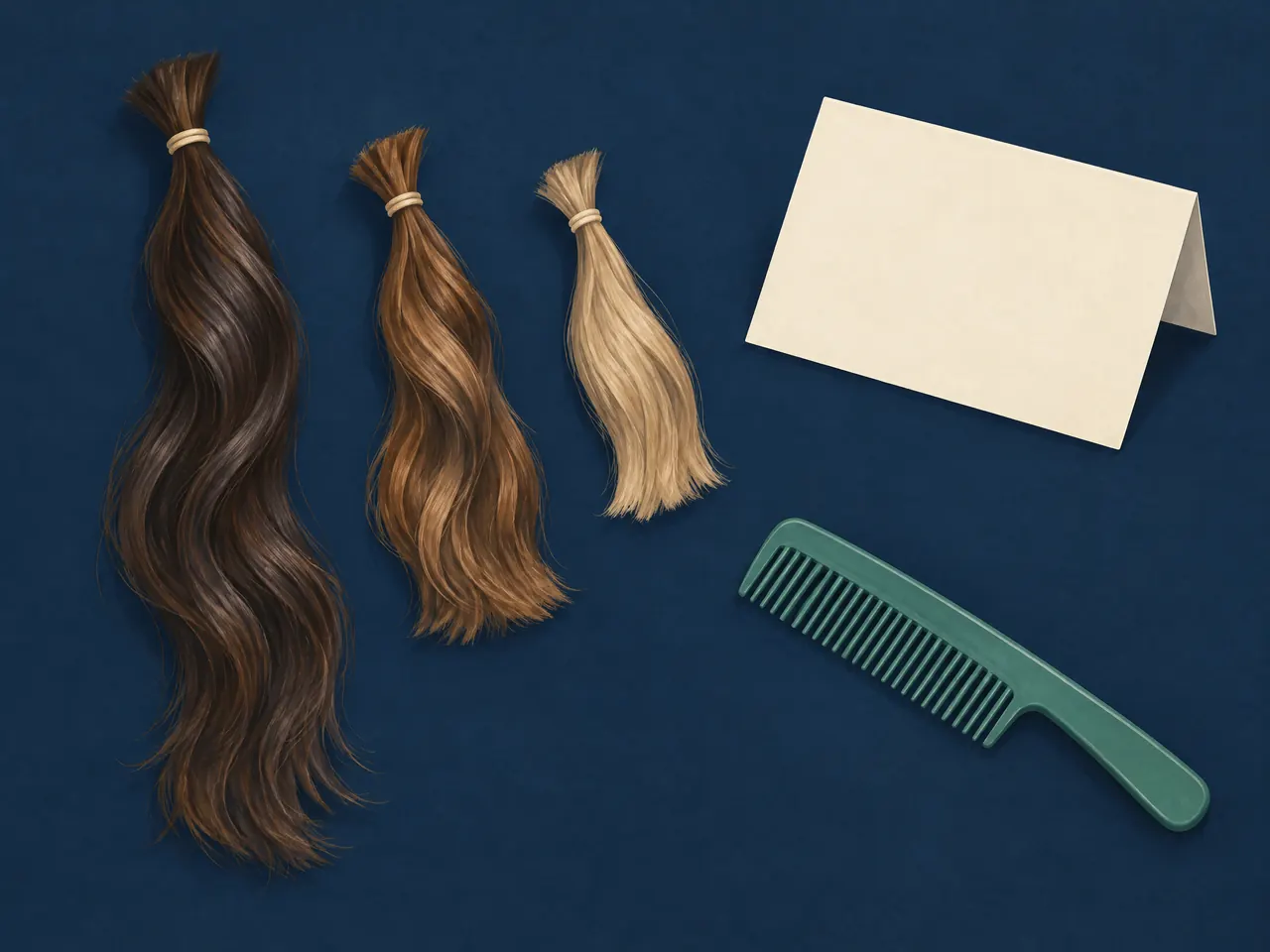
Describe length by the place where the dry hair rests, not only by a number or a wet reference photograph. Separate your fringe preference from the length around the ears. Ask which adjustment would address the contact point while retaining the movement you enjoy, and whether that version would require a different daily finish. Practice fringe pieces and separate length samples illustrate those two questions; they are not predictions of how your own curls will sit.
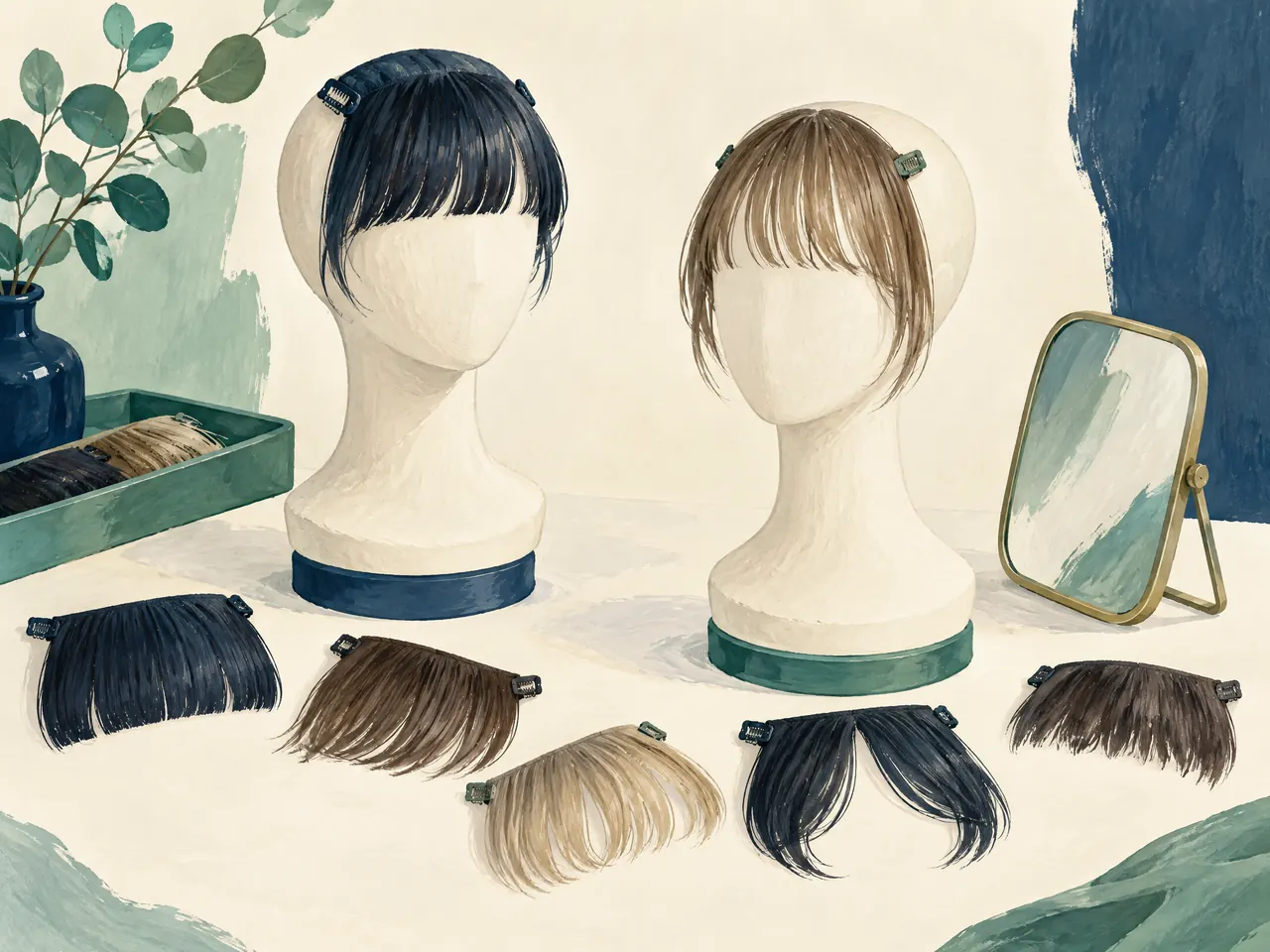
Two featureless mannequin forms with separate practice fringe pieces and a small mirror
A fringe-planning illustration for discussing what to keep near the forehead; not a client haircut or a promised result.Generated illustrative image
Three separate practice hair tresses of different lengths beside a blank card and comb
Separate length samples help distinguish a length preference from a styled finish; not a measurement guide for your own curls.Generated illustrative image

Pack for the reset you actually use

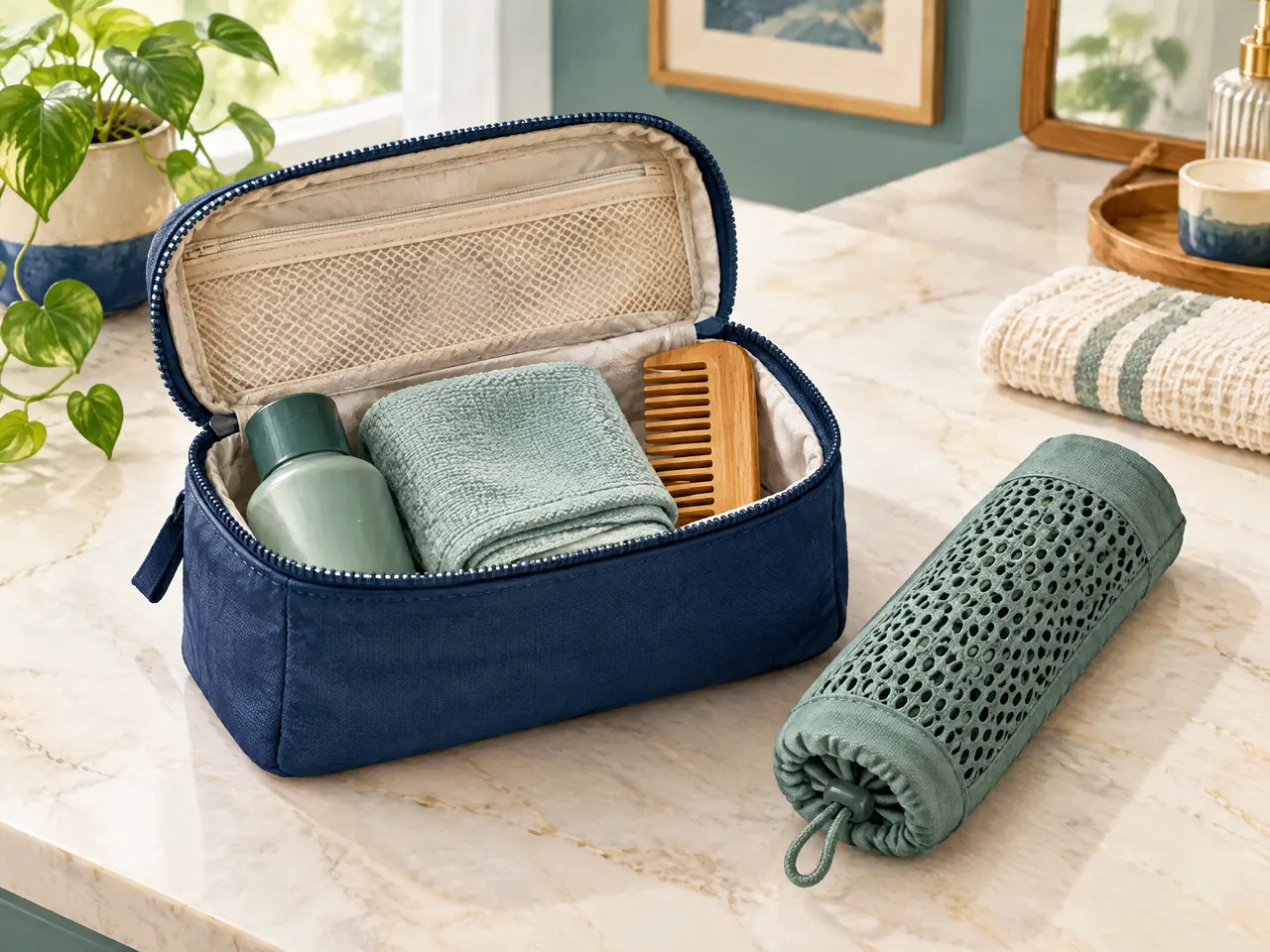
Build your gym-to-work kit from the steps you have already found useful. If a small front reset is enough, take a clean cloth and only the product you genuinely use, in packaging suitable for carrying it. If you expect to wash, check that you will have a basin or shower and enough time afterwards. A pouch full of extra styling products does not solve missing wash facilities or a departure time that leaves no room for drying.

Give the used cloth a separate place for the journey home rather than packing it against your clean spare. Follow the cloth's care instructions before using it again. Keep product directions accessible so a smaller travel container does not become a reason to guess the application method. The basin illustration represents a wash option; the open pouch represents preparation away from home. Neither means that every workout requires the same routine.
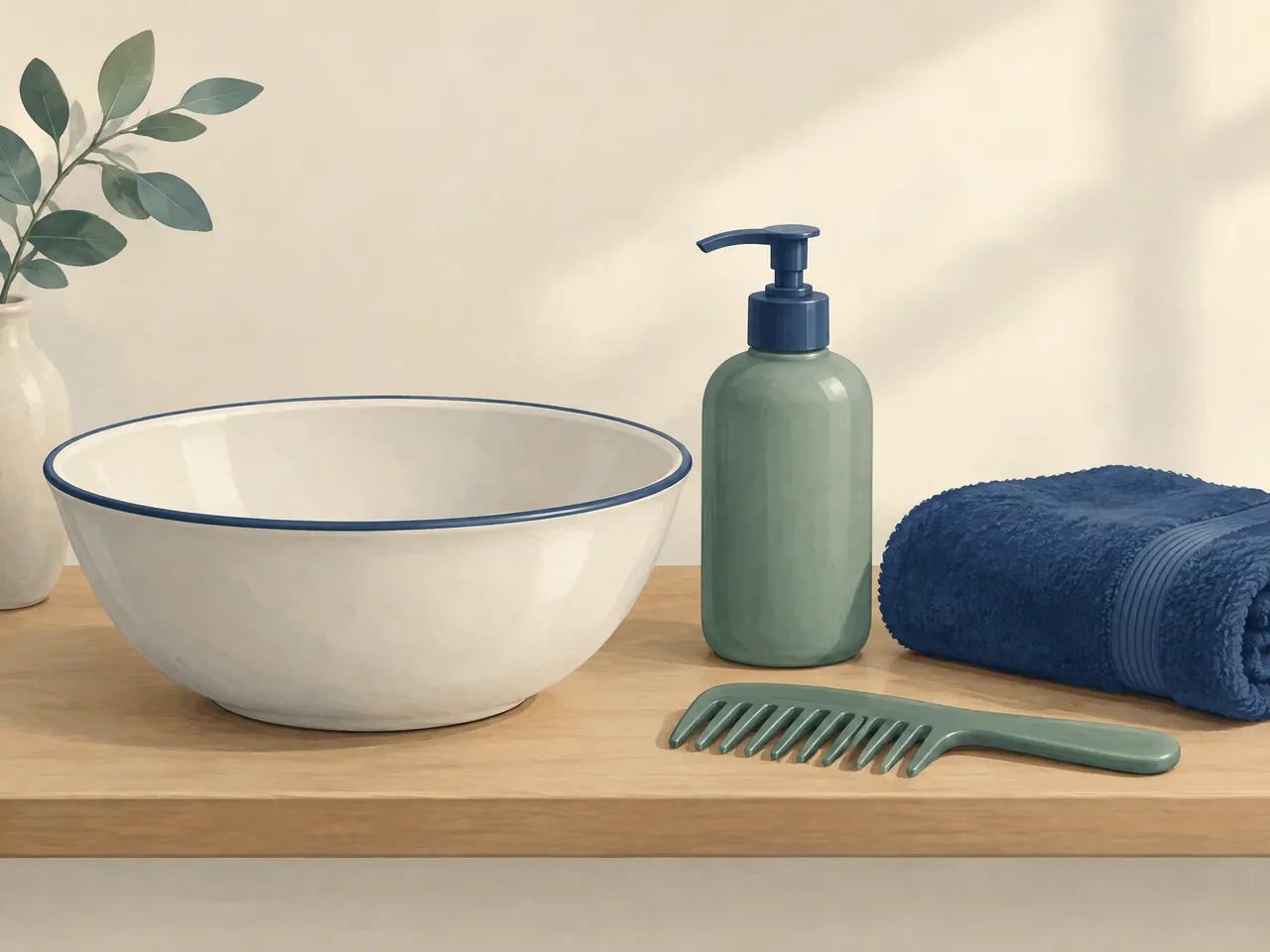
Plain wash basin with an unbranded pump bottle, folded towel and wide-tooth comb
Illustrative washing equipment for planning access and drying time; not a recommended product set.Generated illustrative image
Open travel pouch with a capped bottle, folded cloth and comb beside a separate ventilated sleeve
Illustrative travel-care objects for packing the reset you use and keeping a spare cloth separate.Generated illustrative image

Choose tools for the texture you want to keep

If your preferred finish involves a dryer, ask to see the attachment and setting used rather than remembering only the finished outline. Explain which equipment you have at home and which actions you can repeat comfortably. The illustrated dryer, nozzle and diffuser are objects to discuss, not a promise that buying an attachment will reproduce a photographed style. Keep heat handling consistent with the AAD's low- or medium-heat and heat-protection advice. [1]

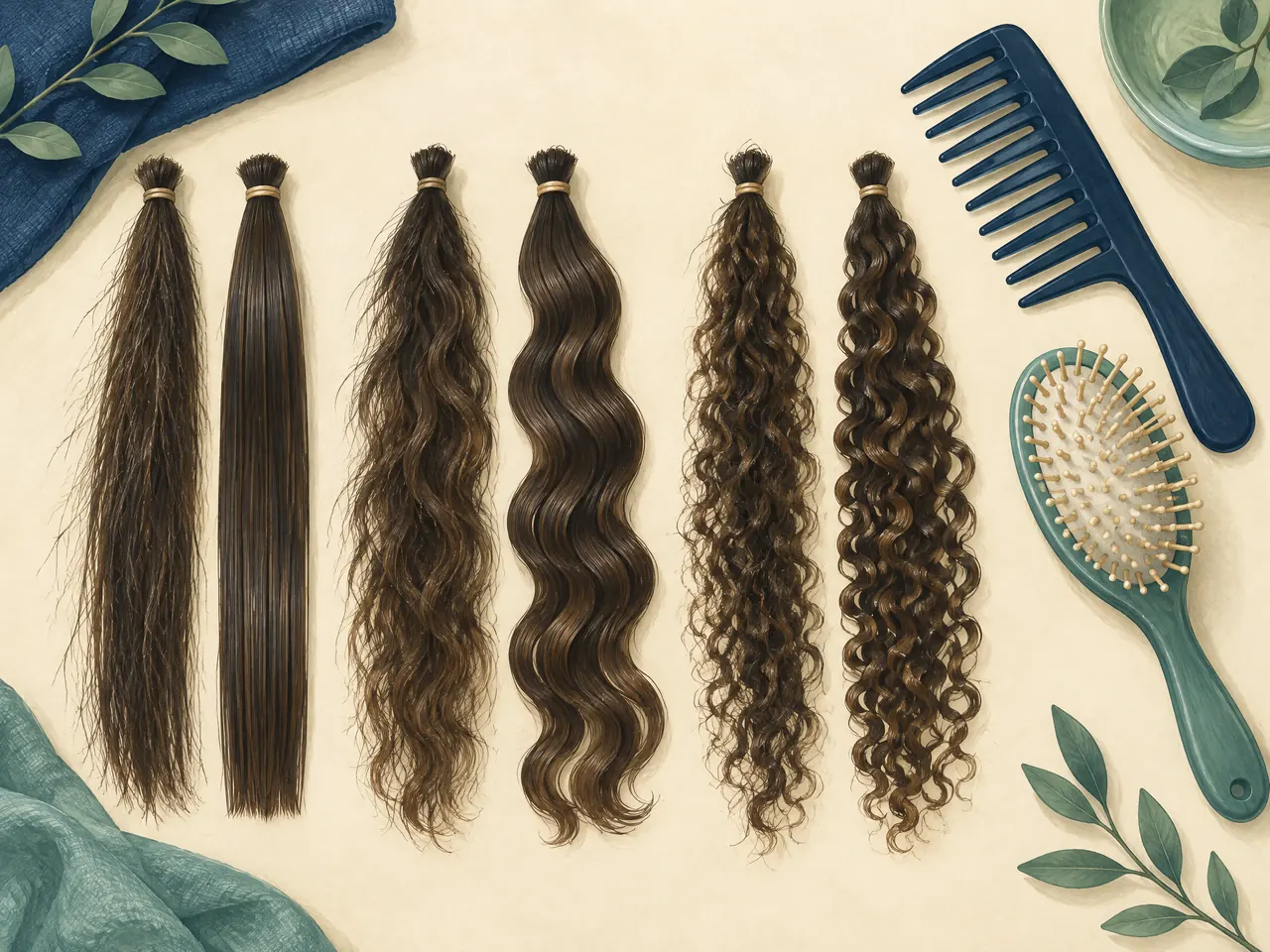
Choose the comb or brush for the task, not because it appears in a styling photograph. Ask whether you are arranging the front or dealing with an actual tangle, and how the tool should be used with your texture. The separate straight, wavy and curly practice tresses show different shapes, not a test that assigns your hair to a product. A brush beside those samples is not an instruction to brush dry curls; the AAD's curly-hair guidance advises against that. [2]
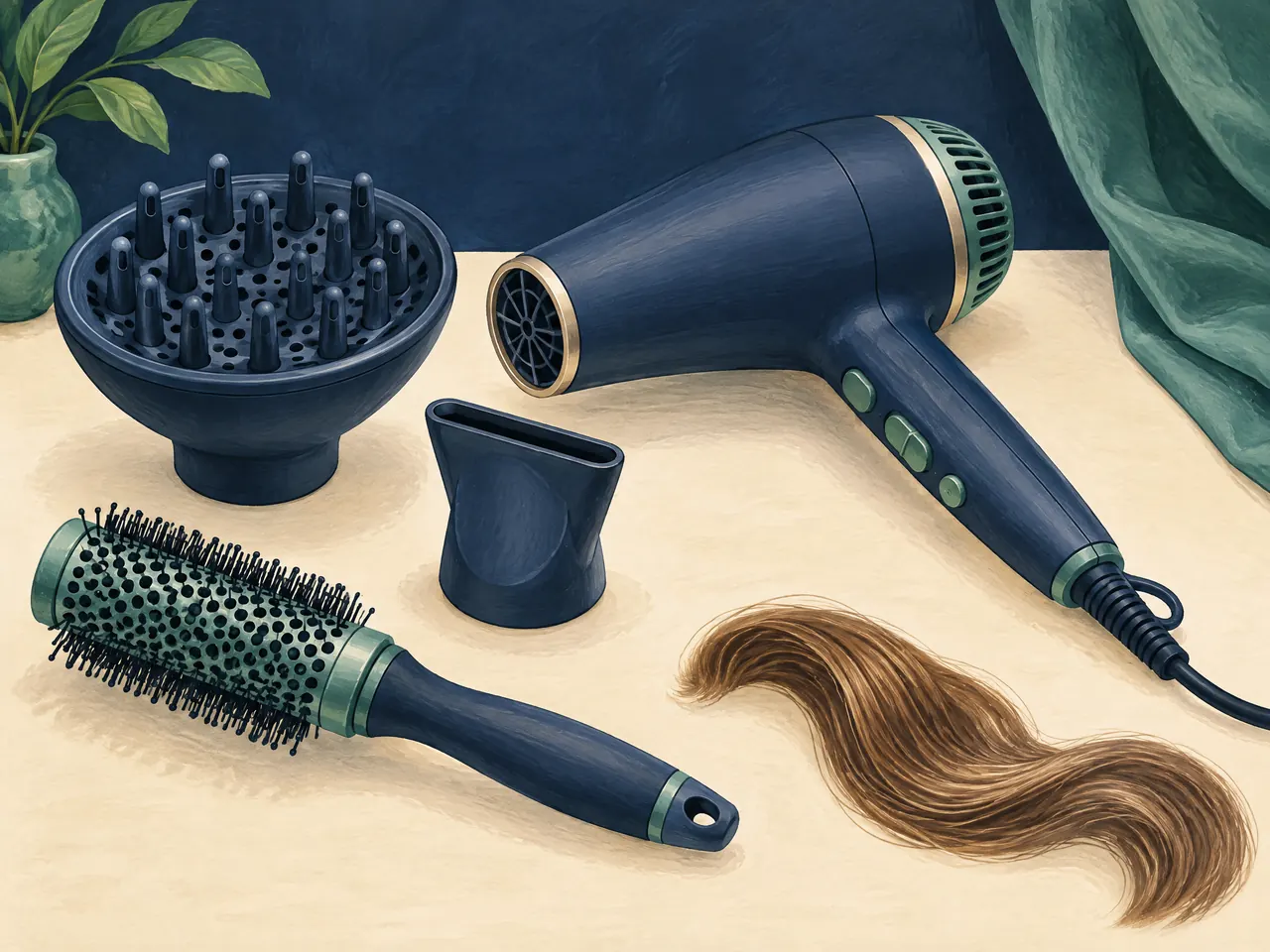
Unplugged unbranded hair dryer with diffuser and nozzle beside a round brush and loose practice hair tress
Illustrative dryer attachments and styling tools for discussing repeatable home handling; not a guaranteed finish.Generated illustrative image
Separate straight, wavy and curly practice hair tresses beside a wide-tooth comb and soft brush
Practice textures illustrate handling questions; the pictured brush is not a recommendation to brush dry curls.Generated illustrative image

Clinic enquiries

Contact and appointment arrangements

Clinics
Prince Edward and Kwun Tong
Opening hours
11:00–21:00
WhatsApp and telephone
+852 6940 5663

Appointments, practitioner availability and service arrangements are confirmed via WhatsApp.

Please mention any consultation language needs in your WhatsApp enquiry so that arrangements can be confirmed.

Enquire via WhatsApp
Food, gifts and floral lifeWhatsApp enquiry