
TCM Lab · Health reading
How long should I use an ice pack for hip pain?
Published Updated
An ice pack is not meant to stay on a painful hip until it feels completely numb. If there has been no serious injury and no urgent warning sign, wrap the cold pack in a towel, use it for no longer than 20 minutes, then leave a few hours before another application. Take it off earlier if it is uncomfortable. The safer question is not only how long to ice, but whether self-care fits what is happening to your hip.
Appointments are confirmed through WhatsApp. If you have language requirements, please mention them in your enquiry.
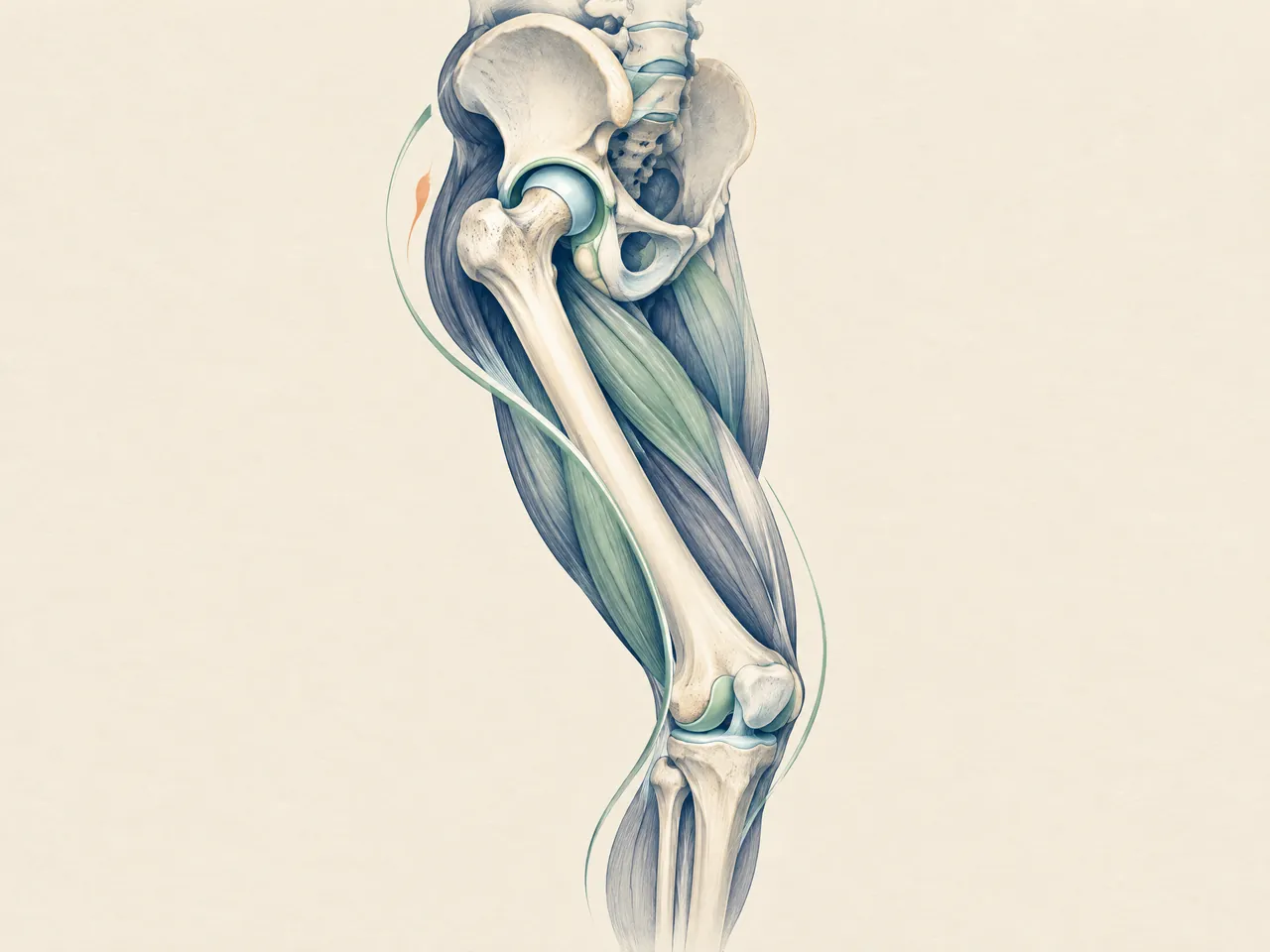
The short answer
For hip pain without urgent warning signs, use an ice pack wrapped in a towel for no more than 20 minutes at one time, leaving a few hours between applications. Do not place ice directly on skin. Stop if pain increases or the skin becomes increasingly red, discoloured, blistered, or uncomfortable. Do not self-treat with ice if you have impaired sensation or circulation; seek prompt assessment after serious injury, inability to bear weight, or a hot swollen hip with illness.
Transparent pricing
See the fees.
Choose your care.
Explore our complete official price list, including first-trial prices, regular prices, packages and branch-specific options.
Opening WhatsApp prepares an enquiry; it does not send a message, take payment or confirm an appointment. Suitability and individual arrangements are confirmed during consultation.
Pain care
All prices in HKDExtracorporeal shockwave treatment
Shockwave treatment for deep-tissue and fascial care. The Kwun Tong clinic offers the multi-area options shown below.
Priced by branch
Branch-specific pricing
Prince Edward: HK$250 per area
Kwun Tong: HK$250 for 1 area / HK$450 for 2 areas / HK$600 for 3 areas
Pain care (manual therapy)
Includes Chinese medicine musculoskeletal assessment, manual joint techniques and tui na.
HK$580 (single session)
Chinese medicine musculoskeletal assessment
Pain care (acupuncture and manual therapy)
Combines acupuncture and manual therapy.
HK$680 (single session)
Combined care
Hair and scalp
All prices in HKDScalp health and hair-loss management
Includes AI scalp analysis, deep scalp and follicle cleansing, and scalp oil-control care.
HK$380 (first trial)
Regular price: HK$680
- 6 sessions: HK$3,480 (HK$580 per session)
- 12 sessions: HK$5,760 (HK$480 per session)
- 20 sessions: HK$8,600 (HK$430 per session)
- 30 sessions: HK$11,400 (HK$380 per session)
Hair acupuncture and Chinese herbal medicine package
Includes scalp acupuncture and 3 days of Chinese herbal medicine that does not require decoction.
HK$580 (single session)
Registered Chinese Medicine Practitioner consultation
- 6 sessions: HK$3,180 (HK$530 per session)
- 12 sessions: HK$5,760 (HK$480 per session)
- 20 sessions: HK$8,600 (HK$430 per session)
- 30 sessions: HK$11,400 (HK$380 per session)
Combined hair and scalp treatment
Combines acupuncture and Chinese herbal medicine with salon-level scalp and follicle care. Packages include complimentary hair-care shampoo and serum.
HK$1,260 (single session)
Combined treatment
- 8 sessions: HK$8,640 (HK$1,080 per session)
- 16 sessions: HK$15,680 (HK$980 per session)
- 20 sessions: HK$18,600 (HK$930 per session)
- 30 sessions: HK$26,400 (HK$880 per session)
Weight management
All prices in HKDFull-body acupoint embedding for weight management
Includes full-body acupoint embedding. Packages include complimentary Chinese herbal medicine for weight management, with the number of included days scaled to the package. Embedding material and the individual treatment arrangement are confirmed during consultation; this is not a cosmetic thread lift.
HK$980 (single session)
No trial session
- 10 sessions: HK$7,800 (HK$780 per session)
- 20 sessions: HK$14,600 (HK$730 per session)
- 30 sessions: HK$20,400 (HK$680 per session)
Facial acupuncture
All prices in HKDFacial acupuncture (basic)
Includes facial acupuncture and meridian-based facial care, including care for facial puffiness.
HK$480 (first trial)
Regular price: HK$680
- 10 sessions: HK$5,200 (HK$520 per session)
- 20 sessions: HK$9,600 (HK$480 per session)
- 30 sessions: HK$13,500 (HK$450 per session)
Facial acupuncture (advanced)
Includes enhanced facial acupuncture with a specially formulated moisturising mask and serum.
HK$780 (first trial)
Regular price: HK$1,180
- 10 sessions: HK$9,000 (HK$900 per session)
- 20 sessions: HK$16,600 (HK$830 per session)
- 30 sessions: HK$23,400 (HK$780 per session)
Chinese medicine
All prices in HKDAcupuncture and Chinese herbal medicine package
Includes a Chinese medicine consultation with pulse assessment, body acupuncture and 3 days of Chinese herbal granules that do not require decoction.
HK$580 (single session)
Chinese medicine consultation with pulse assessment
How long should I use an ice pack for hip pain? Start with the situation
A wrapped ice pack may be a reasonable comfort measure when a hip is sore after activity or there is mild local swelling, provided there has not been a significant injury and you have no urgent symptoms. The limit is 20 minutes at a time, followed by a few hours without another application.[1] It is a maximum, not something to endure. If the cold feels sharply unpleasant, makes the pain worse, or produces a skin change, remove it. This practical timing is useful for a short-lived flare, but it cannot tell you whether the source is a muscle, tendon, joint, back, or something else. For a broader comparison before choosing a temperature, see hip pain ice or heat.
Location and pattern give more useful context than the word “hip” alone. Some people point to the groin, outer hip, buttock, upper thigh, or even the knee. Pain may follow a long walk, climbing stairs, lifting, a change in exercise, a fall, or no clear event. Stiffness after sitting and pain with weight-bearing are also worth noting. These clues are not a home diagnosis: adult hip pain has many possible causes, and similar symptoms can overlap.[2] Use an ice pack only as one limited step for comfort. Do not use the temporary feeling after icing as proof that it is safe to return immediately to running, deep squats, or a heavy work task.
If your main question is whether to ice after a familiar, manageable activity-related ache, begin by lowering the load that triggered it. Choose comfortable footwear and break up prolonged standing where possible. Gentle movements that do not sharply increase symptoms can be more useful than guarding the hip completely. The NHS advises reducing activity while moving as symptoms allow in the first day or two of a new hip problem, then gradually building back toward normal activity.[1] Observe the trend over the next day or days rather than repeatedly testing the same painful task. Our related hip pain self-care guide can help organise those everyday adjustments.
Cold can feel especially appealing when an area feels sore after use, while warmth may feel more comfortable when stiffness or muscle tightness is the dominant complaint. Either may be used for symptoms if it is safe for you; NHS Inform advises choosing whichever is most helpful and says both can reduce pain.[1] There is no requirement to alternate heat and ice, and no temperature response confirms inflammation, arthritis, bursitis, or a strain. If you are considering heat instead, keep the same sensible precautions: protect the skin, use a short session, and stop for a skin reaction. The decision should stay secondary to the bigger question of whether the pain is improving and whether normal walking remains possible.
How long should I use an ice pack for hip pain? Consider pain and swelling
Think of the cold pack as a time-limited comfort tool, not treatment that repairs an injury. A person who notices an ache and mild puffiness after an unfamiliar walk may try a towel-wrapped pack for up to 20 minutes, then reassess how the hip feels when they stand, walk across a room, and sit down later. Do not press the pack tightly into the side of the hip or lie on it to make it feel colder. If a normal, short session is followed by more pain, stop rather than shortening the interval and applying more cold. In contrast, if the hip is mainly stiff after sitting and there is no concerning feature, warmth might simply feel better. For another practical explanation of a wrapped pack, read hip pain cold pack.
How long should I use an ice pack for hip pain? Recognise urgent warning signs
Do not spend the day cycling through ice packs when the situation calls for urgent medical assessment. Seek urgent help after a fall or injury if there is severe hip pain, you cannot walk or put weight through the leg, or there is tingling or loss of feeling after the injury.[2] A sudden severe hip pain without a fall, a hip that is hot and swollen, a change in skin colour around the hip, or hip pain with fever or feeling generally unwell also needs prompt assessment.[2] These are not problems to settle with a longer cold session. Keep movement to what feels safe while arranging help, rather than forcing a range-of-motion check. For a clear decision pathway, visit when to see a doctor for hip pain.
Compare your options
| What you notice | Cold-pack decision | What to do next |
|---|---|---|
| Manageable soreness after activity, with no serious injury or warning sign | A towel-wrapped pack may be used for up to 20 minutes, then leave a few hours before considering another session.[1] | Reduce the aggravating load and observe walking, sitting, and skin response. |
| Stiffness or muscle tightness without urgent symptoms | Choose cold or warmth only if it feels helpful; neither response identifies the cause.[1] | Use comfortable, gentle movement and avoid forcing a painful stretch. |
| Skin becomes increasingly red, discoloured, blistered, painful, or uncomfortable | Stop the pack immediately; do not restart on the same irritated skin.[1] | Seek advice if the reaction does not settle or pain is worsening. |
| Severe pain after a fall, inability to bear weight, numbness after injury, or a hot swollen hip with illness | Do not use ice as a delay tactic. | Seek urgent medical assessment.[2] |
On smaller screens, scroll the table sideways to compare all columns.
How long should I use an ice pack for hip pain? Use it safely
Set up the cold pack before you sit down: choose a pack that stays contained, wrap it in a dry towel, and position yourself so you do not have to twist or hold an awkward posture. Place it lightly over the sore region rather than directly over bare skin. Keep a clock or phone timer nearby and remove the pack at or before 20 minutes. NHS Inform specifically recommends a barrier such as a towel, no more than 20 minutes at a time, and a few hours between treatments.[1] A bag of frozen food is not automatically safer because it is familiar; it still needs a cloth barrier and the same time limit. Do not fall asleep with a cold pack against your hip or use elastic wrapping to keep it there.
Build the rest period into the plan. If you need another application, wait a few hours, then decide afresh whether cold still feels useful and whether the skin has returned to normal. Repeated cold every time discomfort returns can distract from the pattern that matters: is walking easier later, unchanged, or increasingly limited? During the break, select simple positions that do not provoke the pain. For example, avoid a very low chair if standing up loads the hip, and take short, unforced changes of position rather than one long bout of sitting. NHS guidance also advises avoiding heavy lifting while hip pain is settling and keeping moving without overdoing the strain.[2] A cold pack should support a calmer day, not enable an activity that repeatedly makes the hip worse.

The table below separates an ordinary cold-pack decision from situations where timing is no longer the priority. It is not a diagnosis tool. If you are unsure which row resembles your situation, choose caution and arrange clinical advice instead of experimenting with longer, colder, or more frequent sessions.
How long should I use an ice pack for hip pain? Keep a cloth barrier
The towel is part of the treatment, not an optional extra. It moderates the contact between a very cold pack and the skin, helping protect against a cold injury. Use a clean, dry layer that covers the whole area of contact. Check that condensation has not made the layer wet, because a wet barrier can feel much colder and irritate the skin. The pack does not need to cover the entire hip or be placed over clothing so thick that you cannot notice discomfort. A light barrier lets you monitor your response. If you cannot comfortably position it without bending, twisting, or holding your breath, ask for practical help or choose another way to rest rather than forcing the position.
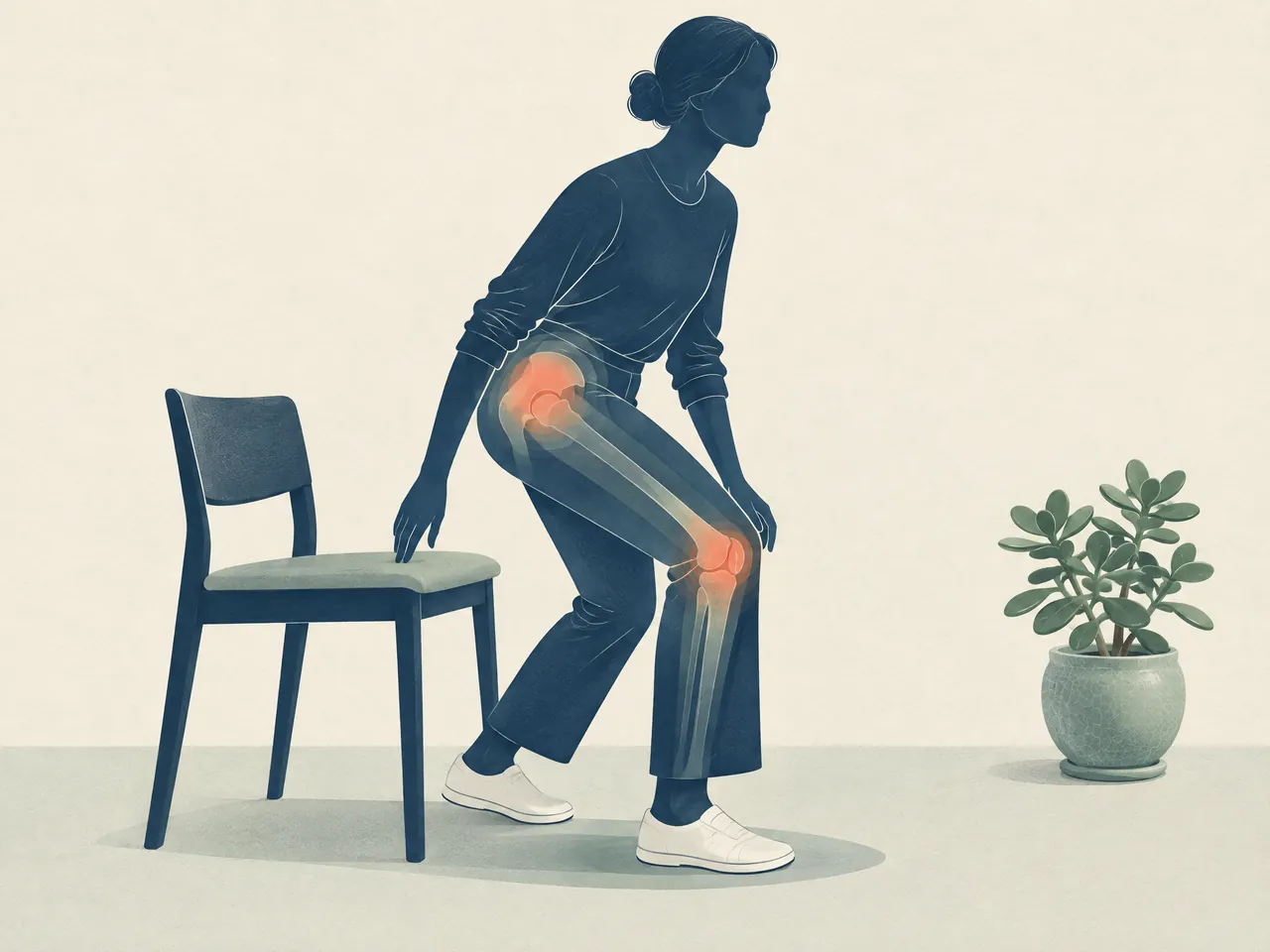
How long should I use an ice pack for hip pain? Check your skin and sensation
Look at and feel the skin before and after a session. Stop cold or heat treatment if you notice increasing redness, discolouration, or blistering, as NHS Inform advises.[1] Stop as well if the area becomes painful or otherwise uncomfortable. People with circulation problems or reduced sensation should not use heat or ice for hip pain without professional guidance, because they may not receive the normal warning signals from the skin.[1] That includes a person who cannot reliably tell whether the pack is painfully cold. Never compensate for numbness by keeping the pack on longer. If a skin reaction does not settle, or if pain is escalating, obtain medical advice rather than restarting with a new pack.
How long should I use an ice pack for hip pain? Review what happens next
After the pack is off, give more weight to function than to a brief cooling sensation. Ask whether you can take ordinary steps, get in and out of a chair, sleep, and manage necessary tasks with less difficulty than before. Notice whether pain returns only with one particular movement or begins at rest as well. A single comfortable session does not mean the hip has recovered, and one unhelpful session does not identify the cause. A simple note can prevent guesswork: record the time, whether you used cold or warmth, the activity beforehand, skin response, and how walking felt later. This is more useful to a clinician than trying to remember several fluctuating days from memory.

Adjust the day around a clear aggravator. If a long market walk worsens the pain, shorten the next walk or divide it into shorter trips; if stairs hurt, use a handrail and take them steadily rather than rushing. Avoid a sudden leap from minimal movement to sport, heavy lifting, deep hip rotation, or long standing because the pack briefly dulled the soreness. NHS Inform encourages a gradual return to normal activity after the initial period of a new hip problem, while avoiding sport or heavy lifting until discomfort is lower and movement is good.[1] For ideas about pacing daily tasks without turning cold therapy into the whole plan, explore hip pain home treatment.

It is reasonable to arrange an assessment when hip pain is getting worse, keeps returning, affects sleep or normal activities, or has not improved after two weeks of home treatment.[2] The assessment may consider the pain location, injury history, walking, stiffness, medication, and any examination findings; an ice response alone is not enough to classify a condition. Bring your activity-and-symptom record and explain how long you used ice and whether movement changed. This keeps the conversation specific and avoids overstating a temporary response as a diagnosis.

How long should I use an ice pack for hip pain? Track walking and daily activity
Use ordinary activities as a low-pressure check, not a challenge. On the same day, compare a short level walk, standing to prepare a drink, getting up from a chair, and turning in bed with what was normal for you before the flare. Write down whether pain is in the groin, outer hip, buttock, or travels down the thigh; whether it is sharp, aching, burning, or stiff; and whether it appears during the movement or later. Also record visible swelling or a skin change separately from the cold-pack response. A pattern of steadily better function supports gradual pacing. New weakness, altered sensation, inability to bear weight, or a sharp decline in walking ability should not be managed by extending the cold-pack schedule.

How long should I use an ice pack for hip pain? Know when to arrange assessment
Contact a healthcare professional rather than relying on repeated ice if symptoms are worsening, recurring, disturbing sleep, or limiting normal life; the NHS also advises seeking help if hip pain has not improved after two weeks of home care.[2] If you want to discuss non-urgent hip discomfort in Hong Kong, TCM Lab can be contacted on WhatsApp at +852 6940 5663 to explain your symptoms and ask about an appointment. Consultations may be arranged at the Chinese medicine clinic Prince Edward or the Kwun Tong Chinese medicine clinic, subject to appointment availability. Urgent warning signs need urgent medical care instead of waiting for a clinic consultation.
Care and health guide
Pain-care information
This directory brings together services, reading, and visit information related to pain care, to help you prepare questions for a consultation.
When pain care affects your day, noting when it occurs, its relation to activity, and what you have already tried can help prepare a consultation; Chinese medicine pain management Hong Kong is a relevant service or reading entry point.
Individual circumstances differ, and acupuncture Hong Kong offers related information to help you understand options and prepare questions.


Your questions, answered
Frequently asked questions
How long should I use an ice pack for hip pain?
Use a towel-wrapped ice pack for no longer than 20 minutes at a time and leave a few hours between sessions.[1] Twenty minutes is the maximum, not a target. Remove it sooner if it feels unpleasant, pain increases, or the skin changes.
Can I put an ice pack directly on my hip?
No. Place a towel or other cloth barrier between the pack and skin. NHS Inform says never to put heat or ice directly on skin, because the barrier helps protect against a heat or ice burn.[1]
Can I use an ice pack if my hip is numb or I have circulation problems?
Not without professional advice. NHS Inform advises against using heat or ice for hip pain when there are problems with circulation or sensation.[1] Reduced feeling can make it hard to notice skin injury or excessive cold.
Should I use ice or heat for hip pain?
When is hip pain too serious for self-care?
Seek urgent help after a fall or injury when pain is severe, you cannot walk or bear weight, or there is tingling or loss of feeling. Urgent assessment is also needed for sudden severe pain without injury, a hot swollen hip, skin colour change, or hip pain with fever or feeling unwell.[2]
Sources and further information
- [1] [1] NHS Inform — Hip problems
Referenced for: Supports the 20-minute maximum, several-hours interval, towel barrier, skin-stop signs, circulation and sensation precaution, activity guidance, and heat-or-ice choice.
- [2] [2] NHS — Hip pain in adults
Referenced for: Supports adult hip-pain warning signs, home ice-pack wording, activity considerations, and when to seek assessment.
- [3] Alberta Health Services — Hip Arthritis: Care Instructions
Referenced for: Provides corroborating public-health consumer guidance on using a thin cloth between ice and skin and choosing heat or cold according to comfort.