
TCM Lab · Services and individual assessment
Tui-na Hong Kong: Tui na consultation and Chinese medicine tui-na
Published Updated
Tui-na is a hands-on Chinese medicine approach that may be discussed for a muscle, joint, movement or day-to-day discomfort concern. A tui na consultation starts with what you feel, when it began, what changes it, your health background and current care before Chinese medicine tui-na is considered. This page explains how to make a useful tui-na Hong Kong enquiry, what to share, and when medical assessment should come first. TCM Lab has Prince Edward and Kwun Tong locations; a home-visit enquiry may be considered elsewhere in Hong Kong, subject to availability.
Appointments are confirmed through WhatsApp. If you have language requirements, please mention them in your enquiry.
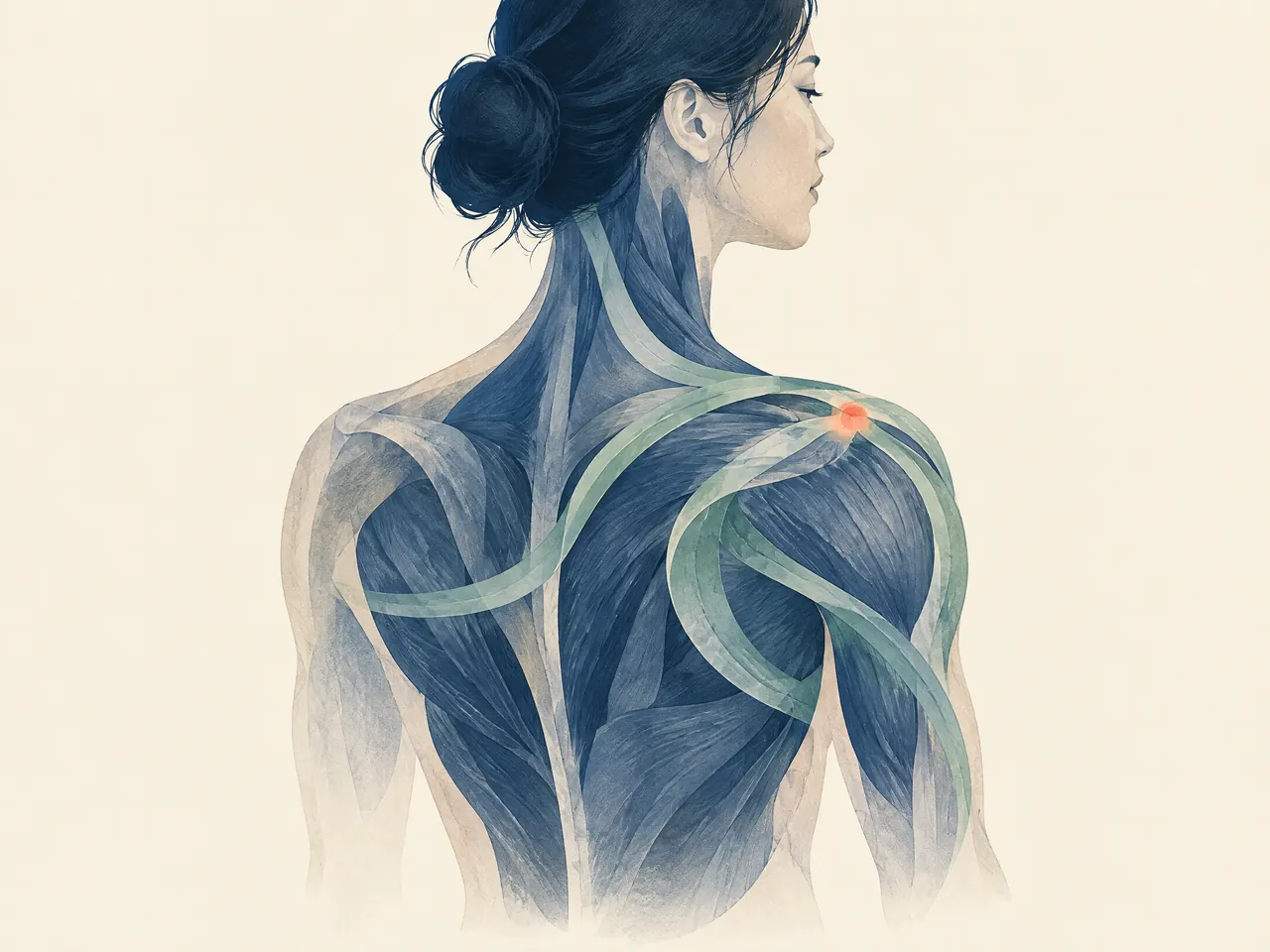
The short answer
A tui na consultation considers your main concern, symptom history, daily demands, health background and medicines before Chinese medicine tui-na is discussed. It is not a promise that hands-on care is suitable or that a particular result will follow. For tui-na Hong Kong enquiries, TCM Lab can discuss arrangements at Prince Edward or Kwun Tong, or a possible home visit elsewhere, subject to availability.
Transparent pricing
See the fees.
Choose your care.
Explore our complete official price list, including first-trial prices, regular prices, packages and branch-specific options.
Opening WhatsApp prepares an enquiry; it does not send a message, take payment or confirm an appointment. Suitability and individual arrangements are confirmed during consultation.
Chinese medicine
All prices in HKDAcupuncture and Chinese herbal medicine package
Includes a Chinese medicine consultation with pulse assessment, body acupuncture and 3 days of Chinese herbal granules that do not require decoction.
HK$580 (single session)
Chinese medicine consultation with pulse assessment
Hair and scalp
All prices in HKDScalp health and hair-loss management
Includes AI scalp analysis, deep scalp and follicle cleansing, and scalp oil-control care.
HK$380 (first trial)
Regular price: HK$680
- 6 sessions: HK$3,480 (HK$580 per session)
- 12 sessions: HK$5,760 (HK$480 per session)
- 20 sessions: HK$8,600 (HK$430 per session)
- 30 sessions: HK$11,400 (HK$380 per session)
Hair acupuncture and Chinese herbal medicine package
Includes scalp acupuncture and 3 days of Chinese herbal medicine that does not require decoction.
HK$580 (single session)
Registered Chinese Medicine Practitioner consultation
- 6 sessions: HK$3,180 (HK$530 per session)
- 12 sessions: HK$5,760 (HK$480 per session)
- 20 sessions: HK$8,600 (HK$430 per session)
- 30 sessions: HK$11,400 (HK$380 per session)
Combined hair and scalp treatment
Combines acupuncture and Chinese herbal medicine with salon-level scalp and follicle care. Packages include complimentary hair-care shampoo and serum.
HK$1,260 (single session)
Combined treatment
- 8 sessions: HK$8,640 (HK$1,080 per session)
- 16 sessions: HK$15,680 (HK$980 per session)
- 20 sessions: HK$18,600 (HK$930 per session)
- 30 sessions: HK$26,400 (HK$880 per session)
Weight management
All prices in HKDFull-body acupoint embedding for weight management
Includes full-body acupoint embedding. Packages include complimentary Chinese herbal medicine for weight management, with the number of included days scaled to the package. Embedding material and the individual treatment arrangement are confirmed during consultation; this is not a cosmetic thread lift.
HK$980 (single session)
No trial session
- 10 sessions: HK$7,800 (HK$780 per session)
- 20 sessions: HK$14,600 (HK$730 per session)
- 30 sessions: HK$20,400 (HK$680 per session)
Facial acupuncture
All prices in HKDFacial acupuncture (basic)
Includes facial acupuncture and meridian-based facial care, including care for facial puffiness.
HK$480 (first trial)
Regular price: HK$680
- 10 sessions: HK$5,200 (HK$520 per session)
- 20 sessions: HK$9,600 (HK$480 per session)
- 30 sessions: HK$13,500 (HK$450 per session)
Facial acupuncture (advanced)
Includes enhanced facial acupuncture with a specially formulated moisturising mask and serum.
HK$780 (first trial)
Regular price: HK$1,180
- 10 sessions: HK$9,000 (HK$900 per session)
- 20 sessions: HK$16,600 (HK$830 per session)
- 30 sessions: HK$23,400 (HK$780 per session)
Pain care
All prices in HKDExtracorporeal shockwave treatment
Shockwave treatment for deep-tissue and fascial care. The Kwun Tong clinic offers the multi-area options shown below.
Priced by branch
Branch-specific pricing
Prince Edward: HK$250 per area
Kwun Tong: HK$250 for 1 area / HK$450 for 2 areas / HK$600 for 3 areas
Pain care (manual therapy)
Includes Chinese medicine musculoskeletal assessment, manual joint techniques and tui na.
HK$580 (single session)
Chinese medicine musculoskeletal assessment
Pain care (acupuncture and manual therapy)
Combines acupuncture and manual therapy.
HK$680 (single session)
Combined care
From enquiry to individual assessment
Start with an enquiry
Tell us your main concern, preferred clinic and possible times. Ask about fees and any language requirements.
Discuss your assessment
Bring your medical history, current medicines and questions. The practitioner assesses which options may be suitable.
Agree on the next step
Discuss the proposed care, fees, risks and follow-up. Arrangements depend on the assessment and appointment confirmation.
Tui-na Hong Kong: what Chinese medicine tui-na involves in a tui na consultation
Chinese medicine tui-na is not simply a pressure preference selected from a menu. In Hong Kong’s official Chinese medicine terminology, Tui-na is listed with bone-setting and functional training as an interventional measure in Orthopedics and Traumatology in CM [2]. That is useful local context, not a decision about one person’s care. A consultation begins with the concern that brought you there: stiffness after desk work, discomfort with training, a difficult movement or a longer-running problem. Its purpose is to understand that story rather than label one body part.
A clear account is more useful than a dramatic description. Explain where the concern is, when you noticed it, whether it was sudden or gradual, what eases or worsens it, and how it affects sleep, work, walking, lifting or exercise. Mention a fall, collision, recent procedure, new workout, repetitive task or major routine change. If you have seen another clinician or had tests, say so and bring relevant information. This gives the practitioner a fuller starting point instead of requiring a conclusion from one symptom word.

Tui-na Hong Kong assessment in a tui na consultation for Chinese medicine tui-na
A Chinese medicine consultation commonly uses observation, listening and smelling, questioning and palpation; the Health Bureau describes these as four diagnostic methods and says decisions consider more than symptoms alone [1]. In a tui na consultation, questions may cover the timing and character of the concern, daily activity, previous injuries, rest or other health changes. You do not need a perfect explanation. A short timeline—when it began, how it has changed and what you have tried—is a sound place to start.
Relevant health details protect the discussion. Mention a recent injury, fracture, operation, fever, skin irritation or infection in the area, a bleeding tendency, pregnancy, serious long-term illness, and medicines, herbs or supplements. Say if you are having rehabilitation, injections or other treatment elsewhere. This is not a test you must pass. It may lead to a gentler conversation, a different option, a request to obtain medical advice, or a decision not to proceed with hands-on care. If unsure whether a detail matters, raise it.
Some symptoms need prompt medical help rather than a routine tui-na Hong Kong enquiry. Seek urgent attention for severe or worsening pain after a significant injury, new weakness, numbness around the groin, loss of bladder or bowel control, chest pain, breathlessness, fainting, sudden facial droop or difficulty speaking. A sudden hot swollen limb or unexplained fever also deserves timely assessment. Massage or manual care should not postpone evaluation of a potentially serious problem, in line with NCCIH consumer guidance [3]. Where a cause is unclear, the most appropriate first step may be medical assessment.

How Chinese medicine tui-na is discussed during a tui na consultation for tui-na Hong Kong
After hearing your history, the practitioner can explain what Chinese medicine tui-na may involve in your situation and why it is, or is not, being considered. The conversation may cover the area, the type of contact, how to communicate discomfort, and how current care or daily routines fit into the picture. Ask what the approach is intended to address, what alternatives may be relevant, and what would change the plan. It is easier to make an informed decision when you know the reason for a recommendation rather than assuming every consultation leads to the same service.
It is reasonable to describe comfortable pressure, request an explanation before a technique starts, or pause if something feels wrong. A website cannot predict an individual response. NCCIH says harmful effects from massage therapy appear uncommon, but rare serious adverse events have been reported, including in situations involving vigorous massage or people at increased risk [3]. This is a reason to give an honest history and speak up during care, not a prediction that harm will occur. Careful discussion is more useful than a promise about relief, recovery time or visit numbers.
Compare your options
| Situation or question | Useful information to share | Why it changes the discussion |
|---|---|---|
| A new or changing discomfort | Where it is, when it started, what worsens or eases it, and any effect on normal activities. | It helps distinguish a general enquiry from a concern that may need medical assessment first. |
| A recent injury, fall or procedure | The event, date, diagnosis if known, care already received and current restrictions. | Fresh trauma or recovery needs may affect whether hands-on care is discussed at all. |
| Medicines or relevant health history | Prescriptions, herbs, supplements, allergies, pregnancy, bleeding concerns and serious conditions. | These details support a safer, more individual conversation about suitability and precautions. |
| Choosing a Hong Kong arrangement | Prince Edward, Kwun Tong or a possible home-visit district, plus mobility or timing needs. | The team can clarify an appropriate appointment arrangement and availability without assuming a local branch. |
On smaller screens, scroll the table sideways to compare all columns.
Tui-na Hong Kong suitability: Chinese medicine tui-na and your tui na consultation
Suitability concerns the person and situation, not whether an online symptom list offers a match. Familiar tightness after screen work raises different questions from new pain after a fall, neurological symptoms, a medical condition or treatment already underway. A tui na consultation separates the practical question—what is bothering you and what do you want to discuss?—from whether Chinese medicine tui-na is appropriate at this time. It can also identify constraints such as difficulty lying in one position, a sensitive area, work duties or transport after an appointment.
A consultation is not an outcome guarantee. Chinese medicine approaches may be discussed as part of individual care, but they do not replace emergency treatment, necessary imaging, surgery, prescribed medicines or specialist review. The Health Bureau describes Chinese medicine practice within an approach of diagnosis, treatment, prevention or alleviation; that does not make every technique right for every cause [4]. Bring an existing diagnosis if you have one. Otherwise, explain your symptoms plainly and remain open to the possibility that referral or another assessment is the sensible next step.

When a tui na consultation may consider Chinese medicine tui-na for tui-na Hong Kong
A consultation may be useful when you want professional discussion of a non-emergency movement, muscle or joint concern and can share your health and current care. It can also help when desk work, carrying a child, commuting, standing or returning to exercise may be relevant. The point is not to prove an activity caused the problem, but to understand repeated loads and positions. If you want a broader service description, Chinese therapeutic massage Hong Kong explains a related enquiry route without replacing individual assessment.
Hands-on care may be deferred after fresh trauma, suspected fracture, marked swelling, open skin, unexplained rash, active infection, severe osteoporosis risk, a clotting concern or new unevaluated symptoms. Do not hide medication or history in the hope of receiving the service you expected. Ask instead: Does this need another assessment first? Is a different position or lighter approach necessary? What warning signs should prompt medical review? Such questions allow a cautious decision without treating tui-na as universally suitable or automatically unsuitable.

Questions to raise about tui-na Hong Kong care and Chinese medicine tui-na in a tui na consultation
Ask questions linked to your own concern: What information is still needed? Why is tui-na being discussed? What should I report during care? When should I contact another healthcare professional? You can also ask about the consultation setting, clothing, access needs, a sensitive area, and practical follow-up. Do not feel obliged to choose a package or number of visits before these basics are clear. A useful answer should separate what is known from your history from what cannot be decided until individual assessment.
If bone or joint injury is central to your concern, do not assume that every hands-on service means the same thing. The bone-setting Hong Kong page gives its specific enquiry context; a tui na consultation may still be the place to explain the history and ask which discussion fits. You can also check practical access at the Kwun Tong Chinese medicine clinic or Chinese medicine clinic Prince Edward. Choosing a location you can realistically attend helps make any later plan workable.
Tui-na Hong Kong visits: planning Chinese medicine tui-na after a tui na consultation
Preparation does not require a long medical file. Note your main concern, dates or changes you remember, relevant diagnoses or injuries, and medicines and supplements. Include investigations or advice already received if they relate to the issue. Consider practical factors too: whether travel is difficult, whether you must return to physical work, whether certain clothing or positions are uncomfortable, and whether a time-sensitive event is approaching. These details make an enquiry more efficient and reduce the need to make assumptions.
Decide what you want from the first conversation. You may want to know whether Chinese medicine tui-na should be discussed at all, or to clarify the difference between a clinic visit and a home-visit enquiry. State that aim directly. TCM Lab has physical locations in Prince Edward and Kwun Tong. In another district, home visit tui na Hong Kong is an enquiry option, not a promise of a local branch or automatic availability. Share the district, access considerations and preferred timing so the team can check what may be possible.
What to share before a tui na consultation for Chinese medicine tui-na and tui-na Hong Kong
A short WhatsApp message is enough to begin. State whether you prefer Prince Edward, Kwun Tong or are asking about a home visit; briefly describe the concern; say whether it is new, worsening or linked to injury; and flag an important factor such as pregnancy, blood-thinning medicine, recent operation or skin issue. You need not send highly sensitive documents in an initial message. The aim is to ask what can be arranged and what information may be needed at consultation, not to obtain a remote diagnosis. Mention language or mobility needs so arrangements are discussed rather than assumed.
Keep accessible anything that will help you answer follow-up questions: a referral letter, scan report, prescription list, specialist’s name, or a note of movements that trigger the problem. Include Chinese herbs, over-the-counter pain medicine and supplements. Do not stop prescribed medication because you are considering Chinese medicine tui-na. The Regulatory Office says that registered Chinese medicine practitioners must complete approved training or equivalent and pass a licensing examination [4]. Credentials are important, but an individual plan still depends on individual assessment.

Finding a tui-na Hong Kong clinic for Chinese medicine tui-na and a tui na consultation
Location is not only a map question. Consider the journey when discomfort makes sitting, walking or changing transport difficult, whether you need an accompanying person, and whether a visit fits safely around work, school or caregiving. If Kwun Tong is convenient, begin with Kwun Tong tui na information, then enquire about a suitable arrangement. If Prince Edward is easier, say so. TCM Lab can discuss appointments at either physical location; it does not imply that every practitioner is present at every time.
Cost is a valid planning question, but should not dictate a clinical decision before your questions are answered. Review the Chinese medicine clinic price list Hong Kong for published information, then confirm what applies to your own situation. On WhatsApp at +852 6940 5663, say you are enquiring about tui-na Hong Kong care, your preferred location and main concern. The team can clarify availability and the next conversation. An online enquiry cannot guarantee suitability, a particular practitioner or a treatment result.
Care and health guide
Pain-care information
This directory brings together services, reading, and visit information related to pain care, to help you prepare questions for a consultation.
When pain care affects your day, noting when it occurs, its relation to activity, and what you have already tried can help prepare a consultation; Chinese medicine pain management Hong Kong is a relevant service or reading entry point.
Individual circumstances differ, and acupuncture Hong Kong offers related information to help you understand options and prepare questions.


Your questions, answered
Frequently asked questions
What happens during a tui na consultation?
The practitioner discusses your main concern, its timeline, relevant health history, medicines and current care before considering whether Chinese medicine tui-na is appropriate. You can ask why a hands-on approach is being discussed, what needs extra caution and whether another assessment should come first.
Is Chinese medicine tui-na suitable for everyone?
No. Suitability depends on the cause and severity of the concern, injuries, skin condition, health history, medicines and current symptoms. New or severe symptoms, significant trauma or warning signs may need prompt medical assessment rather than routine hands-on care.
What should I tell the practitioner before tui-na?
Share the symptom timeline, relevant diagnoses or injuries, recent procedures, medicines, herbs, supplements, allergies, pregnancy where relevant, and other care you are receiving. Mention if pressure, positions or travel are difficult for you.
Where can I enquire about tui-na in Hong Kong?
TCM Lab can discuss tui-na consultation arrangements at its Prince Edward and Kwun Tong locations. If you are elsewhere in Hong Kong, you may ask about a home visit, subject to availability. Contact WhatsApp at +852 6940 5663 with your preferred location and a short description of the concern.
Sources and further information
- [1] [1] Hong Kong Health Bureau — Chinese Medicine Clinical Services: Consultation
Referenced for: Supports the official description of Chinese medicine consultation and its four diagnostic methods; it does not establish suitability or outcomes for an individual service.
- [2] [2] Hong Kong Health Bureau — Chinese Medicine Clinical Services: Specialised CM Services
Referenced for: Supports Hong Kong terminology that lists Tui-na among commonly adopted measures in Orthopedics and Traumatology in CM; it does not verify TCM Lab services or treatment results.
- [3] [3] National Center for Complementary and Integrative Health — Massage Therapy: What You Need To Know
Referenced for: Supports the stated general massage safety cautions and the advice not to delay medical evaluation. It is not evidence of tui-na effectiveness for a particular condition.
- [4] [4] Hong Kong Chinese Medicine Regulatory Office — Regulation of Chinese Medicine Practitioner
Referenced for: Supports the description of Hong Kong regulation and registration requirements for Chinese medicine practitioners; it is not a review of any individual practitioner or consultation.