

Prince Edward & Kwun Tong clinics · Home-visit enquiries elsewhere

TCM Lab

TCM Lab · Beauty & lifestyle / Men’s perm design

Men’s top texture and side control do different jobs

Content updated

A wavy top and compact sides can appear in the same haircut, but they solve different design problems. Learn to judge the outline, preserve useful length and compare the actual work in a quote. Vit So is an external hair-styling website under the same ownership; its services are cosmetic, not TCM medical care.

Illustrative waves and curly-hair silhouette
Illustrative hair-lifestyle concept; not a client record or a Vit So portfolio photograph.

The short answer

Top texture changes the visible movement of retained hair; side control concerns how far the sides stand away from the head. A haircut changes length and outline, so consider it before assuming chemical work is needed. If you want both top movement and closer sides, identify them separately and confirm coverage, cutting, suitability and the total quote rather than assuming one package includes everything.

Vit So is an external hair and beauty website under the same ownership as TCM Lab. Its beauty services are separate from Chinese medicine care. This section is for beauty and lifestyle education, not diagnosis or treatment.

Read the top and side outlines separately

Start with two ordinary views: your hair after its usual wash and dry, then your normal finished style. Keep the camera position similar. In the front view, look at the highest point of the top and the widest point of each side. In the side view, notice whether that width comes from the hair above the ear or from longer top hair falling over it. These observations describe appearance; they do not diagnose hair or scalp conditions.

Now name the top change without mentioning the sides. Perhaps you want the fringe to divide into looser pieces, or a straight-looking top to show a visible bend without becoming taller. Movement and height are not interchangeable: a low wavy shape can have texture, while a brushed-up straight shape can have height. The men's perm resource is a starting point for exploring top-movement coverage, not evidence that every textured reference needs chemical styling. [3]

Next describe the side problem on its own. Is it a small projecting patch, general width, or an untidy outline where two lengths meet? Compare it with the top arranged forwards and in your usual parting. If changing the top's position also changes the apparent side width, the overlap between those sections deserves attention before treating the sides. A reference photograph may conceal that overlap with product, lighting or a particular camera angle.

Decide what cutting can change before altering the side shape

Cutting removes length and can change the relationship between the top, sides and back. It also changes coverage: a shorter outline may reveal more of the ear or skin than you intended. Instead of asking only for 'less bulk', decide whether you want the ear edge visible, the temple covered, or the sideburn retained. Those choices prevent a narrower silhouette from becoming a much shorter haircut by accident.

If the existing length is useful but its outward position is the concern, down perm describes a side-control service to discuss. Its resource distinguishes that aim from extra top curls or crown height. [4] This is still an option, not a required step: compare the retained-length goal with cutting and temporary styling. If a simpler cut gives you the coverage and outline you like, there is no design reason to add chemical work merely because it appears in a trend reference.

Avoid making the shortest possible sides your default solution. You may value their coverage when wearing glasses or when the fringe is swept back. Equally, retaining length is not automatically preferable if you enjoy a close crop and regular trims. A useful decision is which feature you would miss: side coverage, easy short-hair styling, or the fuller connection to the top. Choose around that preference rather than the name of a service.

Check the whole silhouette before making the sides flatter

A narrower side outline can make the same top look more prominent by comparison; that visual contrast is not added hair volume. If you already wear a high fringe, closer sides may emphasise its height more than you expected. Review the shape with the top at your normal height, not only with it pressed down for a side photograph. Decide whether you want a gentle taper in the overall silhouette or a stronger top-to-side contrast.

The join between the top and side matters as much as the ear area. A compact lower side beneath a wide shelf of longer hair can still look broad from the front. When exploring haircut and down perm, discuss how the cut connects those sections as well as which retained side areas might be treated. This resource covers cutting and side-control planning; it does not establish that a separate top-texture service is included. [4]

Test a reference against two everyday looks: the fringe in its usual position and the forehead more exposed. A shape that looks balanced with a forward fringe may feel different when swept away from the face. You do not need identical fullness on both sides if the parting deliberately creates an uneven outline. The practical priority is a result you like in the positions you actually wear, not symmetry in a single carefully arranged photograph.

Compare quoted work, not just the service names

Compare three possible briefs: keep the current cut and address the sides; redesign the cut with side control; or request cutting, side control and top movement. These are different amounts and types of work, even when the reference image is identical. A standalone request is most useful when you can explain what should remain unchanged. A combined-service request needs the same clarity about retained lengths and the separate top and side goals.

Use the down perm price resource to check the named entries before comparing quotes. The published menu distinguishes standalone Down Perm from a men's wash, cut, blow-dry and Down Perm combination, and lists a separate full-head-perm combination. [5] That does not establish a package containing all your preferred changes. Do not add package headlines together or treat the word 'perm' as proof that both top movement and side control are covered.

Ask for the proposed areas and included work in plain language: which side sections, what haircut changes, whether top work is separate, and whether washing and finishing are included. Confirm the applicable total and the full appointment allowance. If assessment changes the plan, get the revised scope and charge before agreeing. A lower quote can still be the wrong comparison if it leaves out the haircut needed to connect the shape or adds movement you never wanted.

Plan for changing length and section-specific aftercare

Keep a simple record of where earlier colour, bleach, straightening or perming remains, including home products. Short sides should not be assumed untreated just because they have been trimmed. The American Academy of Dermatology warns that appearance-enhancing treatments can leave hair dry and brittle. It also advises following package instructions and immediately removing perm solution and consulting a dermatologist if excessive stinging or burning occurs. [1] Tell the stylist immediately rather than enduring discomfort for a cosmetic result.

Ask for aftercare matched to the actual products and procedure, including first-wash timing and how to arrange the top and sides afterwards. Do not transfer a fixed online waiting period from another treatment. For general handling, the Academy recommends conditioner after shampoo, absorbing water without towel rubbing, and the lowest heat setting when heat tools are used. [2] These are damage-reduction habits, not promises that a style will last longer or that already damaged hair can be permanently repaired.

As length changes, check which part of the design needs attention: hair reaching the ear, width at the top-side join, or top bends sitting differently after trimming. New growth and retained treated lengths may contribute differently to the outline, so one fixed repeat-treatment interval is not useful here. Compare ordinary dry-hair views before seeking a reassessment. A trim, a different styling approach or leaving the shape alone may be preferable to automatically repeating chemical work on every section.

Take it into everyday life

A practical checklist

  • Compare your ordinary dry hair with your finished style from consistent front and side views.
  • Write one top goal and one side goal; mark any area you want left unchanged.
  • Decide how much ear, temple and sideburn coverage you want to retain.
  • Check the top-side connection with the fringe both forwards and away from the forehead.
  • Compare quotes for the same cutting, treatment areas, washing and finishing; identify separate top work.
  • Record previous chemical work and obtain product-specific aftercare before leaving.

Questions & answers

Can closer sides make my top look fuller without perming it?

They may make the top look more prominent through contrast, but that is not new volume or added texture. Compare the whole silhouette with your usual fringe height. If that contrast is enough, additional top movement may not be part of your preferred design.

My hair sticks out only where the longer top meets the sides. Is that a side-control problem?

It may be an overlap or cutting-design issue rather than the lower side sections alone. Show that exact join with the top in its everyday position. Discuss how the retained lengths connect before assuming that flattening the area above the ear will solve the width.

Does a haircut with side control include waves on top?

Do not assume so. Cutting, side control and top movement are separate requests. Ask which areas the proposed service covers and whether adding top work is suitable, available and separately quoted. A reference containing all three features is not a list of agreed inclusions.

Can I keep fuller temples while making the area above the ears closer?

That is a specific design goal worth showing, rather than asking for the whole side to be flat. Identify the preserved area and the projecting patch. Whether cutting, temporary styling or a local chemical approach can meet that boundary needs individual assessment.

Should I repeat side treatment whenever I get a haircut?

Not automatically. A haircut and a chemical repeat address different changes, and trimming can alter the treated lengths you retain. Review where width has returned and share the earlier treatment areas. Ask whether cutting alone is sufficient before agreeing to further processing.

Sources & further context

Numbered references follow the order in which the sources are listed below. Service websites provide beauty-service context, not medical evidence.

  1. [1] American Academy of Dermatology — Coloring and perming tips for healthier-looking hair
  2. [2] American Academy of Dermatology — How to stop damaging your hair
  3. [3] Vit So — Men's Perm
  4. [4] Vit So — Haircut and Down Perm
  5. [5] Vit So — Hair Salon Price List and Hair Salon Packages

Turn your reference into a boundary map

On a copy of your current photograph, mark the top, temple and area above the ear separately. Write what should stay beside each area before describing a change. For example, you might keep the fringe length, preserve temple coverage and discuss only one projecting patch. Use this as a conversation aid, not a chemical-treatment instruction: the stylist still needs to assess the actual boundary and how it joins the back. [4]

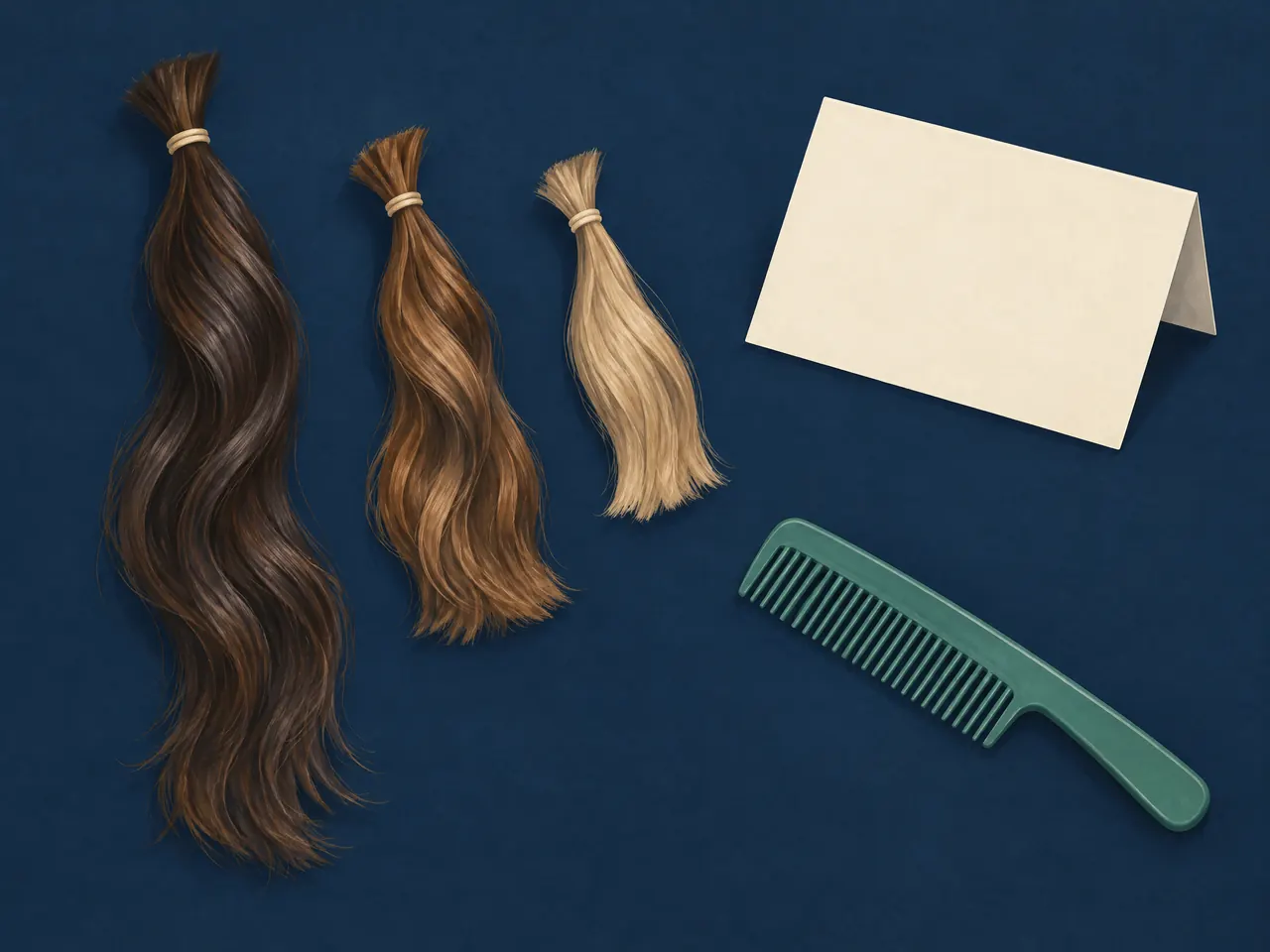
Add a second note showing where the ends should finish after cutting. A length reference answers a different question from a texture reference: one shows how much hair remains, while the other shows how that hair is arranged. If the chosen photograph has shorter sides than you want, identify that mismatch explicitly. Ask for the retained-length plan before considering whether the desired top movement or side position needs any additional work.
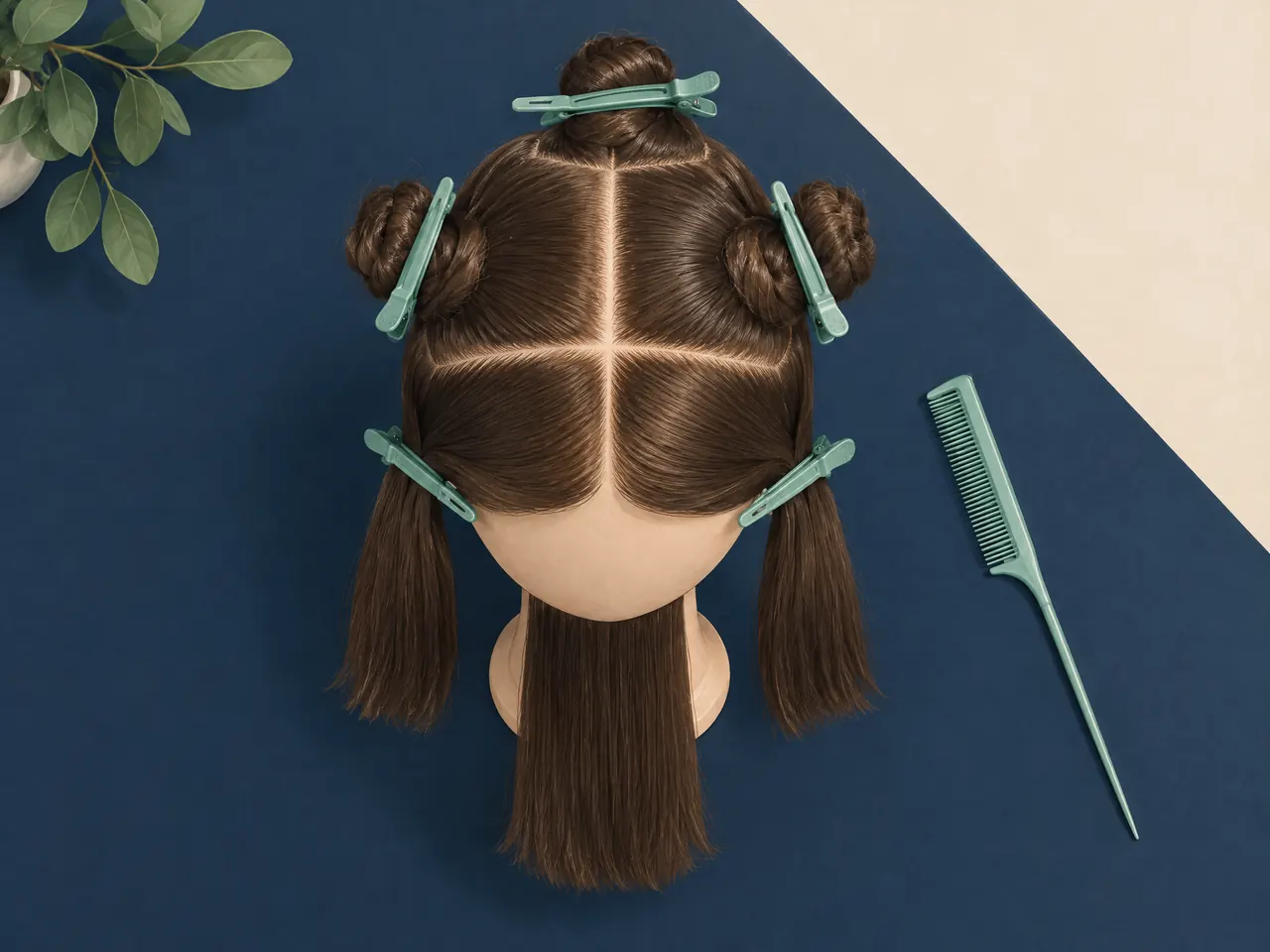
Faceless practice mannequin viewed from above with hair divided into clipped sections and a tail comb beside it
Separate areas make it easier to discuss what should change and what should remain; this practice illustration is not a proposed treatment map.Generated illustrative image
Three separate practice hair tresses of different lengths beside a blank consultation card and comb
Discuss retained length separately from the movement or direction shown in a hairstyle reference. Practice samples, not a client result.Generated illustrative image

Rehearse the fringe and drying steps you will actually use

Choose the fringe position you would wear on a rushed morning and compare it with the carefully arranged reference. Note whether you normally open a parting, guide the front sideways or leave it forwards. Then ask which actions belong to the top and which belong to the sides. A design that requires separate daily attention to both areas should be judged against your routine, not only its appearance at the end of the appointment.

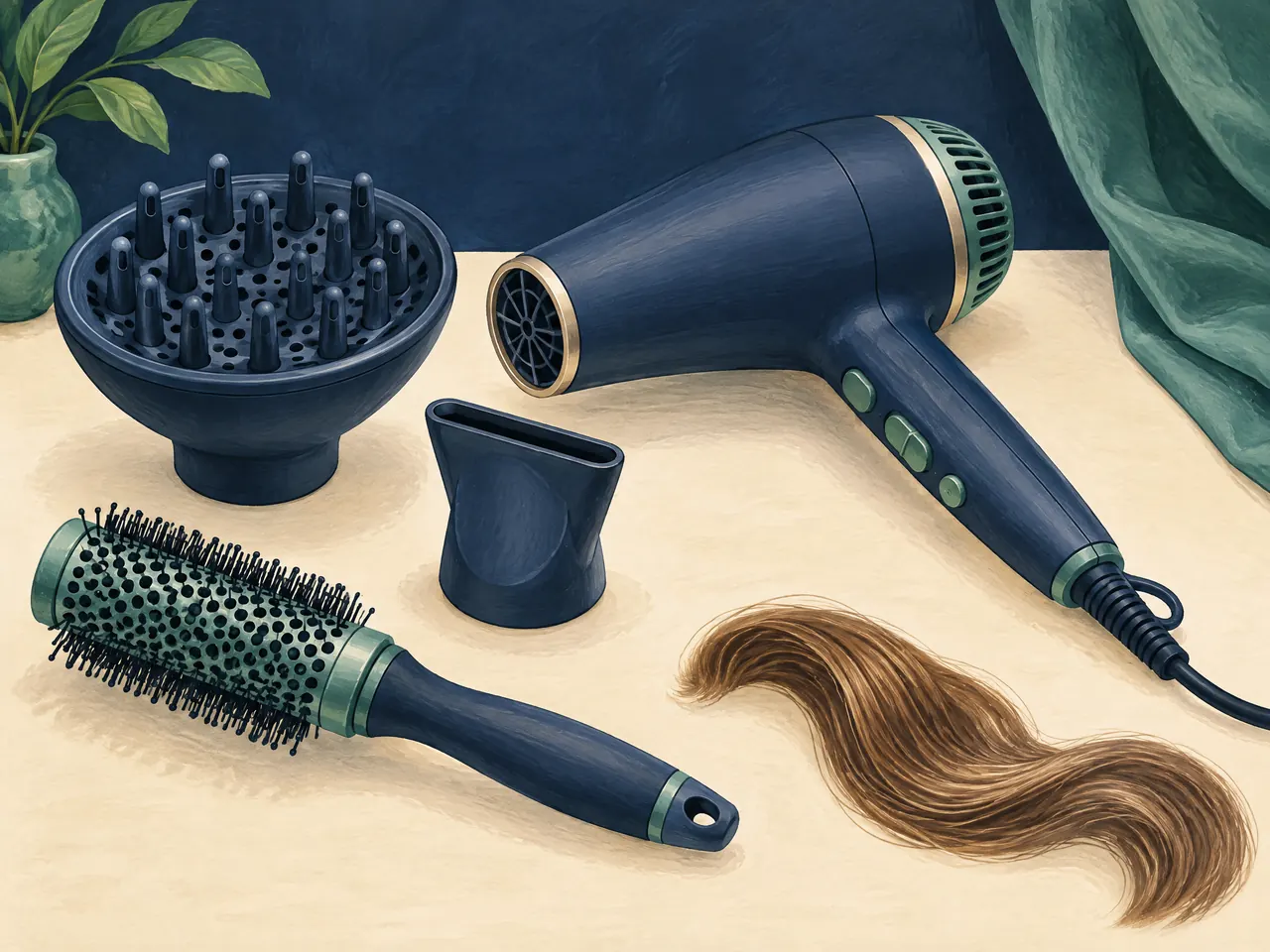
Describe the dryer and brush you already use. If a demonstration involves a nozzle, diffuser or round brush, ask which steps you would need to repeat with your own equipment and which are simply part of the salon finish. Try explaining those steps back before leaving. Ask how to handle each area gently without sacrificing the preferred top shape; general dermatology guidance favours air drying when possible and the lowest heat setting when using heat. [2]
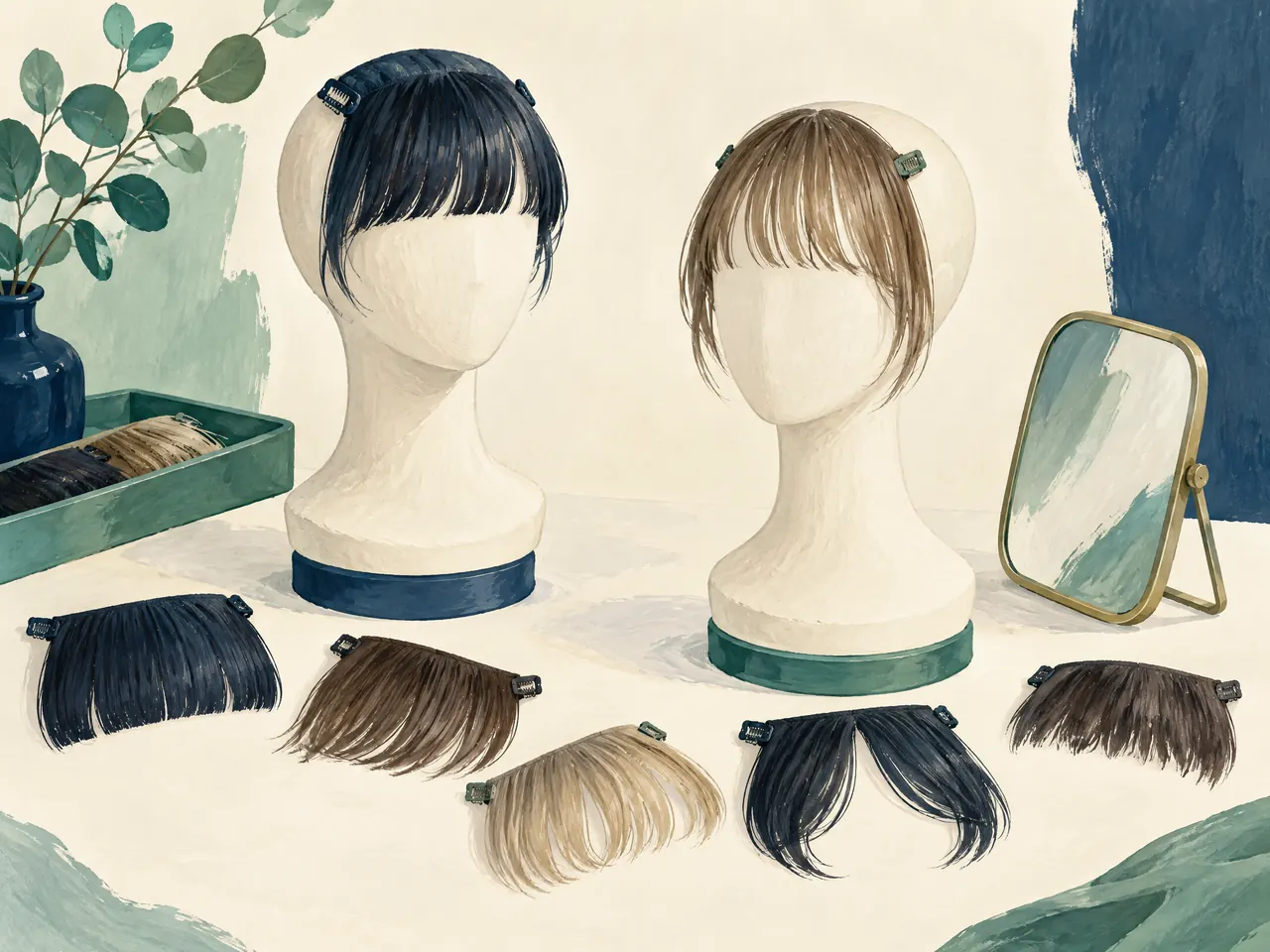
Two featureless mannequin forms with detachable practice fringe pieces and a small mirror arranged for a design comparison
Use a fringe comparison to explain the position you will wear in everyday life. Mannequin study, not a promised hairstyle.Generated illustrative image
Unplugged unbranded hair dryer with a diffuser and nozzle beside a round brush and loose practice hair tress
Ask which drying steps fit your equipment and skills; the illustrated attachments do not establish a required tool or a guaranteed finish.Generated illustrative image

Write wash and combing notes for the top and sides

Keep the service-specific first-wash instruction separate from the ordinary washing routine. Once washing is permitted, ask how to handle the retained top and shorter sides without repeatedly rubbing the lengths. The American Academy of Dermatology recommends gently massaging shampoo into the scalp, letting the rinse flow through the lengths and using conditioner after shampoo. [2] A plain bottle or towel in an illustration cannot identify the product used in your service or establish its waiting period.

Do not assume that one combing instruction suits every texture on your head. The Academy advises letting straight hair dry a little before gentle wide-tooth combing, while textured hair or tight curls are combed damp. [2] Ask how that general guidance applies to your actual top texture and retained side lengths; a loose bend is not automatically a tight curl. Record the demonstrated method rather than copying a routine merely because its photograph looks similar.
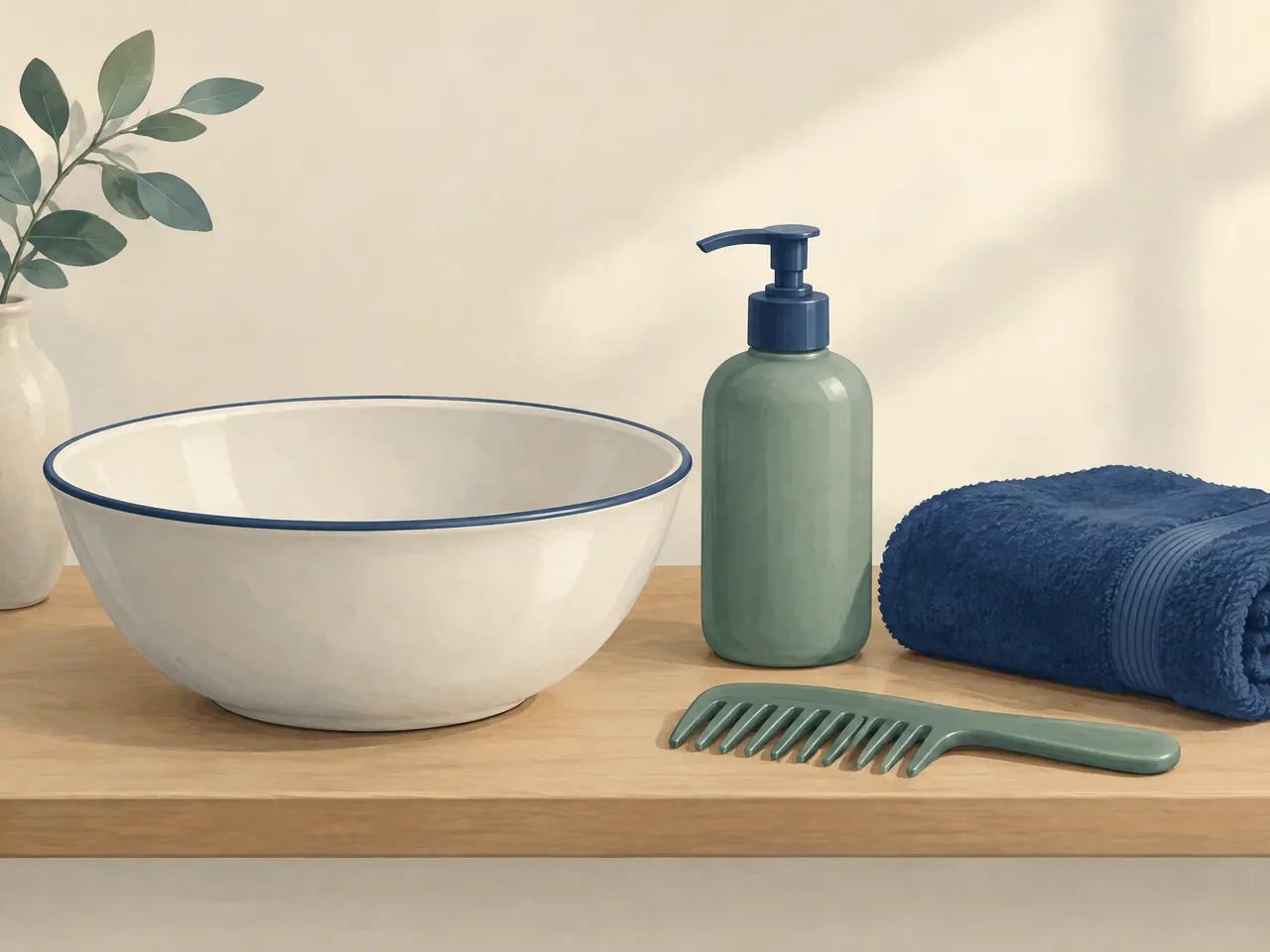
Plain wash basin, unbranded pump bottle, folded soft towel and wide-tooth comb on a cream shelf
Confirm the actual first-wash instruction separately from general gentle washing habits. Unbranded care objects, not product recommendations.Generated illustrative image
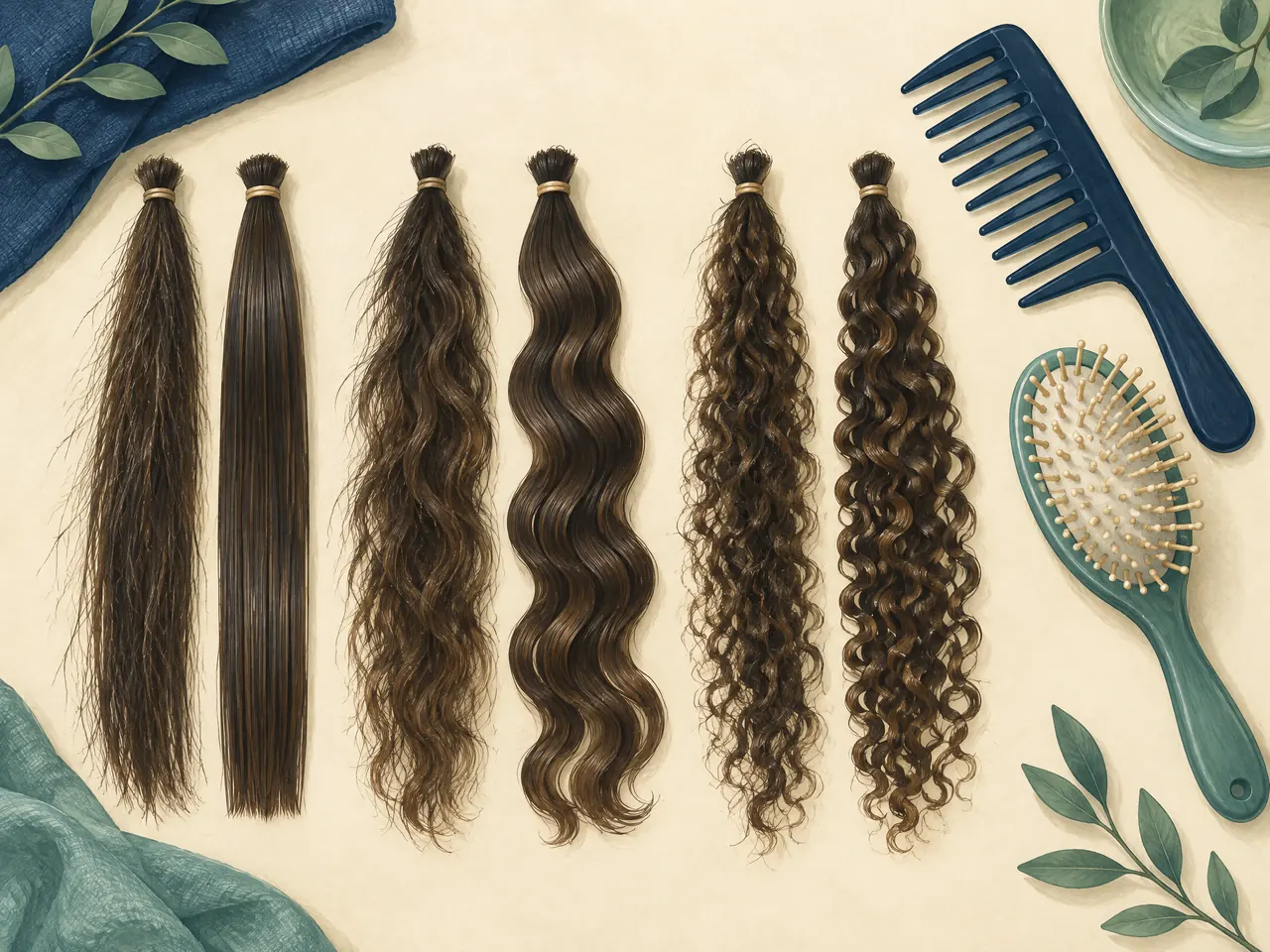
Separate straight, wavy and curly practice hair tresses beside a wide-tooth comb and soft brush
Use the texture samples to ask about handling your actual top and sides, not to identify a treatment or predict its result.Generated illustrative image

Clinic enquiries

Contact and appointment arrangements

Clinics
Prince Edward and Kwun Tong
Opening hours
11:00–21:00
WhatsApp and telephone
+852 6940 5663

Appointments, practitioner availability and service arrangements are confirmed via WhatsApp.

Please mention any consultation language needs in your WhatsApp enquiry so that arrangements can be confirmed.

Enquire via WhatsApp
Food, gifts and floral lifeWhatsApp enquiry