
TCM Lab · Health reading
Acupuncture for Tailbone Pain, Coccyx Cushion for Tailbone Pain and Chronic Tailbone Pain: A Practical Guide
Published Updated
Tailbone pain is easy to dismiss as a sitting problem, yet the detail that started it matters. A hard fall, a difficult birth, long hours at a desk, cycling, or a pain that appeared without an obvious injury can call for different next steps. Acupuncture for tailbone pain may be discussed as supportive symptom care after the likely cause has been assessed; it cannot mend a fracture, correct a major displacement, or replace needed medical investigation. Meanwhile, a coccyx cushion for tailbone pain can reduce direct pressure during sitting. Chronic tailbone pain that disrupts ordinary life, or arrives with neurological or systemic warning signs, deserves medical review rather than repeated self-treatment.
Appointments are confirmed through WhatsApp. If you have language requirements, please mention them in your enquiry.
The short answer
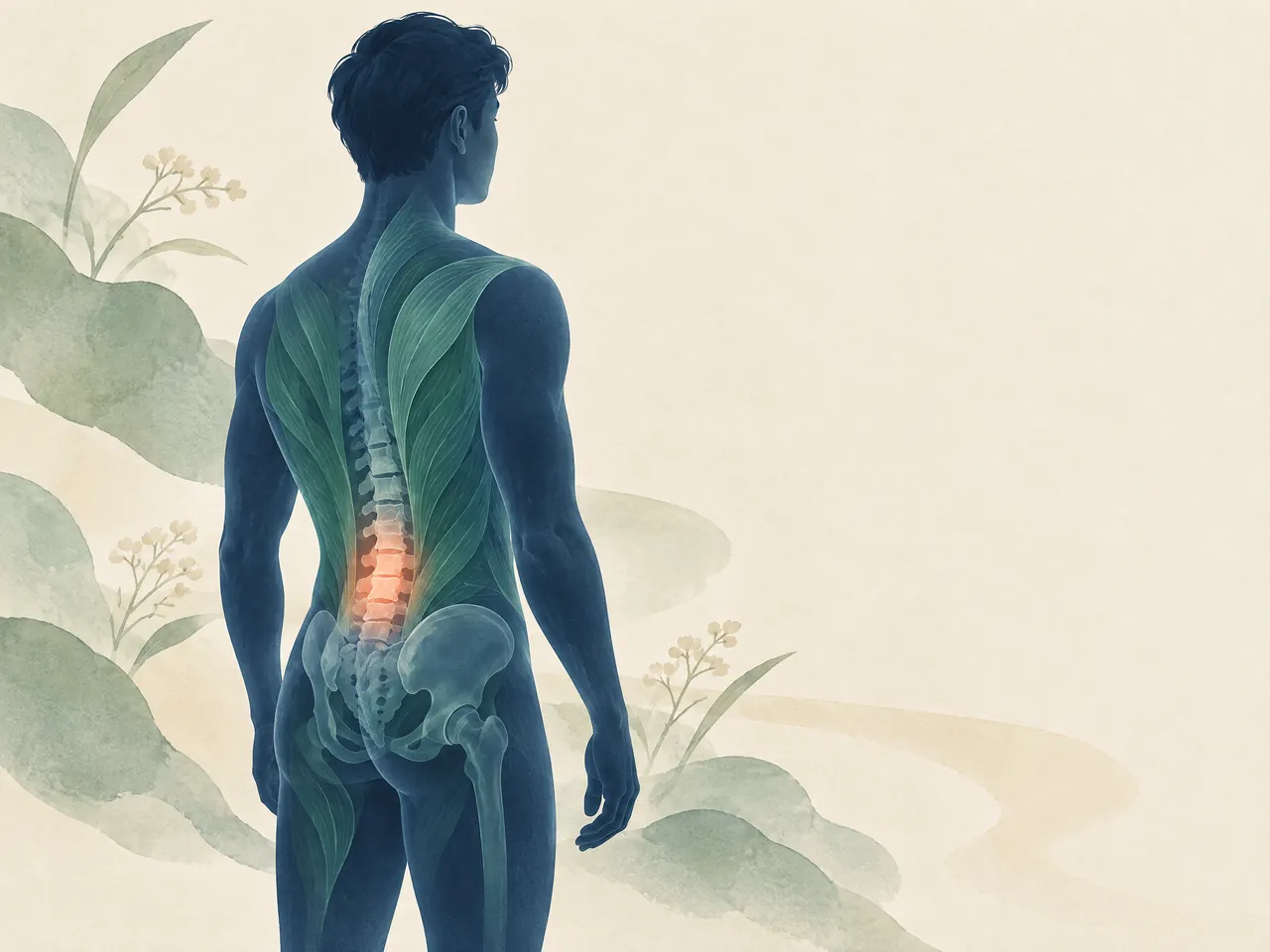
Acupuncture for tailbone pain can be considered as a supportive option for some people after assessment, particularly when muscle tension and pain management are part of the picture. It does not repair a fracture, severe dislocation, or other structural change. A coccyx cushion for tailbone pain, posture changes, and shorter sitting periods may ease pressure while the cause is clarified. Seek prompt medical care after significant trauma or for numbness, weakness, bowel or bladder changes, fever, or unexplained weight loss.
Transparent pricing
See the fees.
Choose your care.
Explore our complete official price list, including first-trial prices, regular prices, packages and branch-specific options.
Opening WhatsApp prepares an enquiry; it does not send a message, take payment or confirm an appointment. Suitability and individual arrangements are confirmed during consultation.
Pain care
All prices in HKDExtracorporeal shockwave treatment
Shockwave treatment for deep-tissue and fascial care. The Kwun Tong clinic offers the multi-area options shown below.
Priced by branch
Branch-specific pricing
Prince Edward: HK$250 per area
Kwun Tong: HK$250 for 1 area / HK$450 for 2 areas / HK$600 for 3 areas
Pain care (manual therapy)
Includes Chinese medicine musculoskeletal assessment, manual joint techniques and tui na.
HK$580 (single session)
Chinese medicine musculoskeletal assessment
Pain care (acupuncture and manual therapy)
Combines acupuncture and manual therapy.
HK$680 (single session)
Combined care
Hair and scalp
All prices in HKDScalp health and hair-loss management
Includes AI scalp analysis, deep scalp and follicle cleansing, and scalp oil-control care.
HK$380 (first trial)
Regular price: HK$680
- 6 sessions: HK$3,480 (HK$580 per session)
- 12 sessions: HK$5,760 (HK$480 per session)
- 20 sessions: HK$8,600 (HK$430 per session)
- 30 sessions: HK$11,400 (HK$380 per session)
Hair acupuncture and Chinese herbal medicine package
Includes scalp acupuncture and 3 days of Chinese herbal medicine that does not require decoction.
HK$580 (single session)
Registered Chinese Medicine Practitioner consultation
- 6 sessions: HK$3,180 (HK$530 per session)
- 12 sessions: HK$5,760 (HK$480 per session)
- 20 sessions: HK$8,600 (HK$430 per session)
- 30 sessions: HK$11,400 (HK$380 per session)
Combined hair and scalp treatment
Combines acupuncture and Chinese herbal medicine with salon-level scalp and follicle care. Packages include complimentary hair-care shampoo and serum.
HK$1,260 (single session)
Combined treatment
- 8 sessions: HK$8,640 (HK$1,080 per session)
- 16 sessions: HK$15,680 (HK$980 per session)
- 20 sessions: HK$18,600 (HK$930 per session)
- 30 sessions: HK$26,400 (HK$880 per session)
Weight management
All prices in HKDFull-body acupoint embedding for weight management
Includes full-body acupoint embedding. Packages include complimentary Chinese herbal medicine for weight management, with the number of included days scaled to the package. Embedding material and the individual treatment arrangement are confirmed during consultation; this is not a cosmetic thread lift.
HK$980 (single session)
No trial session
- 10 sessions: HK$7,800 (HK$780 per session)
- 20 sessions: HK$14,600 (HK$730 per session)
- 30 sessions: HK$20,400 (HK$680 per session)
Facial acupuncture
All prices in HKDFacial acupuncture (basic)
Includes facial acupuncture and meridian-based facial care, including care for facial puffiness.
HK$480 (first trial)
Regular price: HK$680
- 10 sessions: HK$5,200 (HK$520 per session)
- 20 sessions: HK$9,600 (HK$480 per session)
- 30 sessions: HK$13,500 (HK$450 per session)
Facial acupuncture (advanced)
Includes enhanced facial acupuncture with a specially formulated moisturising mask and serum.
HK$780 (first trial)
Regular price: HK$1,180
- 10 sessions: HK$9,000 (HK$900 per session)
- 20 sessions: HK$16,600 (HK$830 per session)
- 30 sessions: HK$23,400 (HK$780 per session)
Chinese medicine
All prices in HKDAcupuncture and Chinese herbal medicine package
Includes a Chinese medicine consultation with pulse assessment, body acupuncture and 3 days of Chinese herbal granules that do not require decoction.
HK$580 (single session)
Chinese medicine consultation with pulse assessment
Acupuncture for Tailbone Pain, Coccyx Cushion for Tailbone Pain and Chronic Tailbone Pain: Start with the Cause
The coccyx sits at the base of the spine and is a point where muscles, ligaments, and tendons attach. A direct blow can bruise it and, less commonly, fracture or dislocate it. Repeated pressure can also matter: prolonged sitting, driving, cycling, rowing, or leaning back on a hard chair can irritate the area. Pregnancy and childbirth can place strain on the tissues around the coccyx. These are recognised patterns, but they are not interchangeable explanations. The most useful first question is not simply “what treatment works?” but “what changed before the pain began?” [1] [2]
It can help to separate the trigger from the factor that keeps the pain going. A bruise after a fall may later be aggravated by a long commute, a soft sofa that lets the pelvis sink, constipation-related straining, or guarding that makes nearby muscles feel tense. Conversely, pain after months of sitting may be local coccyx irritation, but it can also overlap with symptoms from the lower back or pelvis. Note what position produces the first twinge, what happens after you stand, and whether walking relieves it. The broader overview of back pain symptoms may help you put those observations into words, but new or progressive neurological symptoms always need medical assessment rather than online comparison.

Acupuncture for Tailbone Pain, Coccyx Cushion for Tailbone Pain and Chronic Tailbone Pain: Common Triggers
Think back to the first episode. A slip onto the buttocks, an accident, or a painful landing warrants a different level of caution from soreness that crept up during a demanding period of sitting. After a fall, note whether there was immediate bruising, marked tenderness, trouble walking, or pain that has not settled. Do not assume an acupuncture session or a cushion can establish whether a bone is intact. A clinician may decide that examination and, in selected cases, imaging are appropriate when fracture, dislocation, inflammation, infection, or another cause is a concern. Cleveland Clinic describes X-ray or CT as possible tests for fracture and MRI or a bone scan for some other suspected causes. [2]
Acupuncture for Tailbone Pain, Coccyx Cushion for Tailbone Pain and Chronic Tailbone Pain: Symptoms to Note
Tailbone pain is often felt as a pinpoint ache or tenderness at the very bottom of the spine, with sharper pain when sitting down or standing up. Some people notice it when bending forward, passing stool, or leaning back in a car seat. Record whether the pain stays local or spreads into the lower back, buttock, leg, or groin. It is also worth noting whether sleep, work, travel, exercise, or toileting is affected. The NHS lists pain and tenderness at the base of the spine, with aggravation during sitting and moving between sitting and standing, among typical features. [1]
Compare your options
| What you notice | Useful first step | Why it matters |
|---|---|---|
| Pain began after a fall or other direct impact | Arrange medical assessment, especially if pain is severe or function is limited | Bruising, fracture, or displacement cannot be judged reliably from cushion response alone |
| Ache is worse after desk work, driving, or a hard seat | Try shorter sitting blocks, posture support, and a pressure-relieving coccyx cushion | Reducing direct loading may make sitting more tolerable while the cause is clarified |
| Symptoms persist, recur, or interfere with work, sleep, or toileting | Book a clinical review and bring a timeline of triggers and prior care | Chronic tailbone pain benefits from a cause-focused assessment rather than repeated guesswork |
| Numbness, weakness, bowel or bladder change, fever, or unexplained weight loss | Seek prompt medical help; emergency care may be appropriate for severe symptoms | These warning signs need medical assessment and should not be managed with self-care alone |
On smaller screens, scroll the table sideways to compare all columns.
Acupuncture for Tailbone Pain, Coccyx Cushion for Tailbone Pain and Chronic Tailbone Pain: Assessment and Care
Chronic tailbone pain means more than an inconvenient chair. When discomfort persists, returns repeatedly, or changes how you work, sleep, travel, exercise, or use the toilet, a structured review helps prevent guesswork. Bring a short timeline: injury date if there was one, changes after pregnancy or childbirth if relevant, positions that provoke pain, previous treatments, and results from any prior medical assessment. The broader pattern matters too. A practitioner needs to know about fever, unexplained weight change, a lump, altered sensation, leg weakness, difficulty urinating, bowel changes, medicines, and conditions that may affect treatment choices. See the related guide to tailbone pain causes for a cause-focused starting point, but do not use an article in place of an examination.

Acupuncture for Tailbone Pain, Coccyx Cushion for Tailbone Pain and Chronic Tailbone Pain: What an Assessment Covers
An appropriate assessment begins with listening rather than assuming that the coccyx is the only source. The discussion may cover whether the painful point is truly at the tailbone, the effect of sitting posture, pelvic or lower-back symptoms, activity load, and whether an injury needs conventional medical assessment first. Examination and any request for imaging are decisions for the relevant clinician; they are not substitutes for each other. For example, a history of a substantial fall and very focal pain calls for greater attention to structural injury than a gradual ache linked to long screen-based work. If pain overlaps with lumbar discomfort or radiating symptoms, the information in lower back pain can help you describe the pattern clearly at a consultation.
Bring existing records rather than trying to interpret them yourself. This may include an emergency department summary after a fall, a radiology report, a physiotherapy note, a medication list, or a brief symptom diary. It is useful to say whether heat, cold, side-lying, a cushion, gentle walking, or standing changes the pain, and whether any earlier approach made it worse. Assessment is also the time to mention pain with bowel movements or sexual activity, since these details can affect which health professional should be involved. A thoughtful plan may include conventional medical review, physiotherapy, adapted activity, or complementary care; it is not a choice between ignoring the problem and assuming one modality must manage every aspect.

Acupuncture for Tailbone Pain, Coccyx Cushion for Tailbone Pain and Chronic Tailbone Pain: What Treatment Can and Cannot Do
When a Registered Chinese Medicine Practitioner judges it appropriate, acupuncture for tailbone pain may be discussed as one part of symptom management. In a traditional Chinese medicine consultation, the practitioner may ask about the injury history, pain quality, aggravating factors, sleep, movement, and general health before considering an individual approach. Needles used for acupuncture should be sterile and single-use. The U.S. National Center for Complementary and Integrative Health notes that acupuncture may be helpful for several pain conditions, while also saying that its mechanism is not fully understood and that poor delivery can cause serious adverse effects. [3] This general pain evidence does not prove effectiveness for every case of coccydynia.
If acupuncture is offered, ask what the immediate aim is and how progress will be judged in day-to-day terms. For one person, that may mean sitting through a meal with less guarding; for another, it may mean returning to an easier work routine while continuing another clinician’s plan. It is reasonable to ask about positioning, hygiene, possible short-term soreness, and what change should prompt contact with a health professional. Do not accept a promised number of sessions or a guaranteed result. A clear explanation of coccyx pain treatment options can help prepare questions, but treatment selection remains individual and should change if symptoms worsen or the diagnosis is uncertain.
Acupuncture for Tailbone Pain, Coccyx Cushion for Tailbone Pain and Chronic Tailbone Pain: Daily Support and Red Flags
Daily changes are not a cure, but they can reduce unnecessary compression while you arrange an assessment or follow the plan already discussed with a clinician. Break up long periods of sitting instead of trying to endure them until the pain spikes. Keep both feet supported, avoid repeatedly slumping backward onto the tailbone, and experiment with a small forward shift of weight if it is more comfortable. Resting on your side can take pressure off the coccyx. The NHS also advises good posture with lower-back support, avoiding long sitting periods, and using a specially designed coccyx cushion. [1] These measures should make daily tasks more manageable, not persuade you to ignore worsening symptoms.

Plan the working day around movement rather than waiting until pain forces a break. Before a meeting, journey, or film, decide where you can stand briefly and bring the cushion that worked best at home if carrying it is practical. Adjust chair height so the feet are stable instead of reaching for the floor, and keep screens and frequently used items close enough that you are not repeatedly twisting or leaning backward. A short symptom note can show whether changes are helping: record the setting, duration of sitting, cushion used, pain level in plain words, and recovery after standing. This is more informative than testing several new products at once. Avoid aggressive manipulation directly over the tailbone, especially after injury or while waiting for medical review.

Acupuncture for Tailbone Pain, Coccyx Cushion for Tailbone Pain and Chronic Tailbone Pain: Using a Pressure-Relieving Cushion
A coccyx cushion for tailbone pain is best viewed as a trial of pressure management. A U-shaped or rear cut-out design aims to keep the tender tailbone from pressing directly into the seat; some people prefer a wedge-style cushion that changes their sitting angle. There is no single shape that is right for everyone. Test it on the chair, vehicle seat, or work surface that usually triggers your symptoms. You should still be able to sit upright with the lower back supported. If a cushion forces you to perch, twist, lean heavily to one side, or gives you new hip or back pain, it may not suit that setting.
Cushions also have limits. A portable cushion cannot protect the coccyx during every transfer, turn a painful long journey into a safe one, or correct a fracture. It should complement regular position changes, not extend a sitting session indefinitely because the first few minutes feel better. For some people, alternating between a supported chair and short standing tasks is more realistic than finding a single perfect seat. If you are considering an in-person discussion of symptom support, you can ask about the Kwun Tong Chinese medicine clinic or Chinese medicine clinic Prince Edward when messaging TCM Lab. Mention any recent serious injury or red flag first, because that may change the appropriate next step.

Acupuncture for Tailbone Pain, Coccyx Cushion for Tailbone Pain and Chronic Tailbone Pain: When to Seek Medical Help
Put medical assessment ahead of self-care after serious trauma, with intense or steadily worsening pain, or if ordinary activities are becoming difficult. Seek urgent help for new leg numbness or weakness, loss of bowel or bladder control, altered sensation around the groin, fever with pain, or other concerning systemic symptoms. A persistent unexplained pain, a new lump, or pain accompanied by unexplained weight loss also needs medical evaluation. These signs do not identify one diagnosis by themselves; they indicate that a cushion, massage, or acupuncture should not be the only response. The NHS advises seeing a clinician when tailbone pain has not improved after a few weeks of home measures or is affecting daily activities. [1]
For a non-urgent enquiry, state the practical facts in one message: when the pain began, whether there was a fall or childbirth, the positions that trigger it, any scan or medical diagnosis, current medicines, and your preferred location. You can review the Chinese medicine clinic price list Hong Kong for general charge information, but an enquiry does not confirm a treatment recommendation or appointment. TCM Lab can be contacted by WhatsApp at +852 6940 5663 to ask about current assessment arrangements. If symptoms are severe or urgent, contact an appropriate medical service rather than waiting for a reply.
Care and health guide
Pain-care information
This directory brings together services, reading, and visit information related to pain care, to help you prepare questions for a consultation.
When pain care affects your day, noting when it occurs, its relation to activity, and what you have already tried can help prepare a consultation; Chinese medicine pain management Hong Kong is a relevant service or reading entry point.
Individual circumstances differ, and acupuncture Hong Kong offers related information to help you understand options and prepare questions.


Your questions, answered
Frequently asked questions
Can acupuncture help with tailbone pain?
Acupuncture may be considered as a supportive symptom-management option after the likely cause and any warning signs have been assessed. A practitioner should consider the injury history, pain pattern, current health information, and whether medical investigation is needed first. It cannot repair a tailbone fracture, a major displacement, or degenerative structural change.
What type of coccyx cushion should I choose for tailbone pain?
Choose for pressure relief and posture, not for a guarantee. A U-shaped or rear cut-out cushion may reduce direct contact at the tailbone. Test it in the place where sitting is difficult, keep the lower back supported, and stop using it if it causes slumping, twisting, or new pain. Break up sitting time even if the cushion helps.
When does tailbone pain become chronic?
There is no useful self-diagnosis label based on one exact day count. If tailbone pain persists beyond the expected early recovery period, keeps returning, or affects work, sleep, travel, exercise, or toileting, arrange a clinical review. A timeline of onset, triggers, injuries, childbirth, and prior treatments will make that review more useful.
Can I massage the painful tailbone myself?
Avoid forceful self-massage directly over the coccyx, particularly after an injury or when the cause is unclear. Strong pressure may aggravate a sensitive area and does not rule out structural injury. Ask a qualified clinician which movements or physical therapies are suitable after assessment, especially if pain is severe, persistent, or accompanied by neurological symptoms.
Sources and further information
- [1] NHS — Tailbone coccyx pain
Referenced for: National Health Service guidance on tailbone pain symptoms, causes, self-care, coccyx cushions, and when to seek medical advice.
- [2] Cleveland Clinic — Tailbone Pain coccydynia
Referenced for: Medically reviewed academic medical-centre overview of coccydynia causes, symptoms, diagnostic tests, and treatment categories.
- [3] NCCIH — Acupuncture Effectiveness and Safety
Referenced for: U.S. federal health information on acupuncture evidence, sterile single-use needles, risks, and the importance of not postponing health care.