
TCM Lab · Health reading
How can I sleep better during menopause? When should I see a doctor for menopause insomnia? Why do hot flashes and night sweats affect sleep?
Published Updated
Menopause-related sleep problems are rarely only about one bad night. You may wake overheated and sweaty, then become alert while worrying about tomorrow or checking the time. A cooler routine, a few steady habits and a brief symptom record can reduce avoidable disruption and show what needs attention. They also help you decide when persistent insomnia, snoring, mood changes or other symptoms call for medical assessment rather than an assumption that every sleep problem is caused by menopause.
Appointments are confirmed through WhatsApp. If you have language requirements, please mention them in your enquiry.
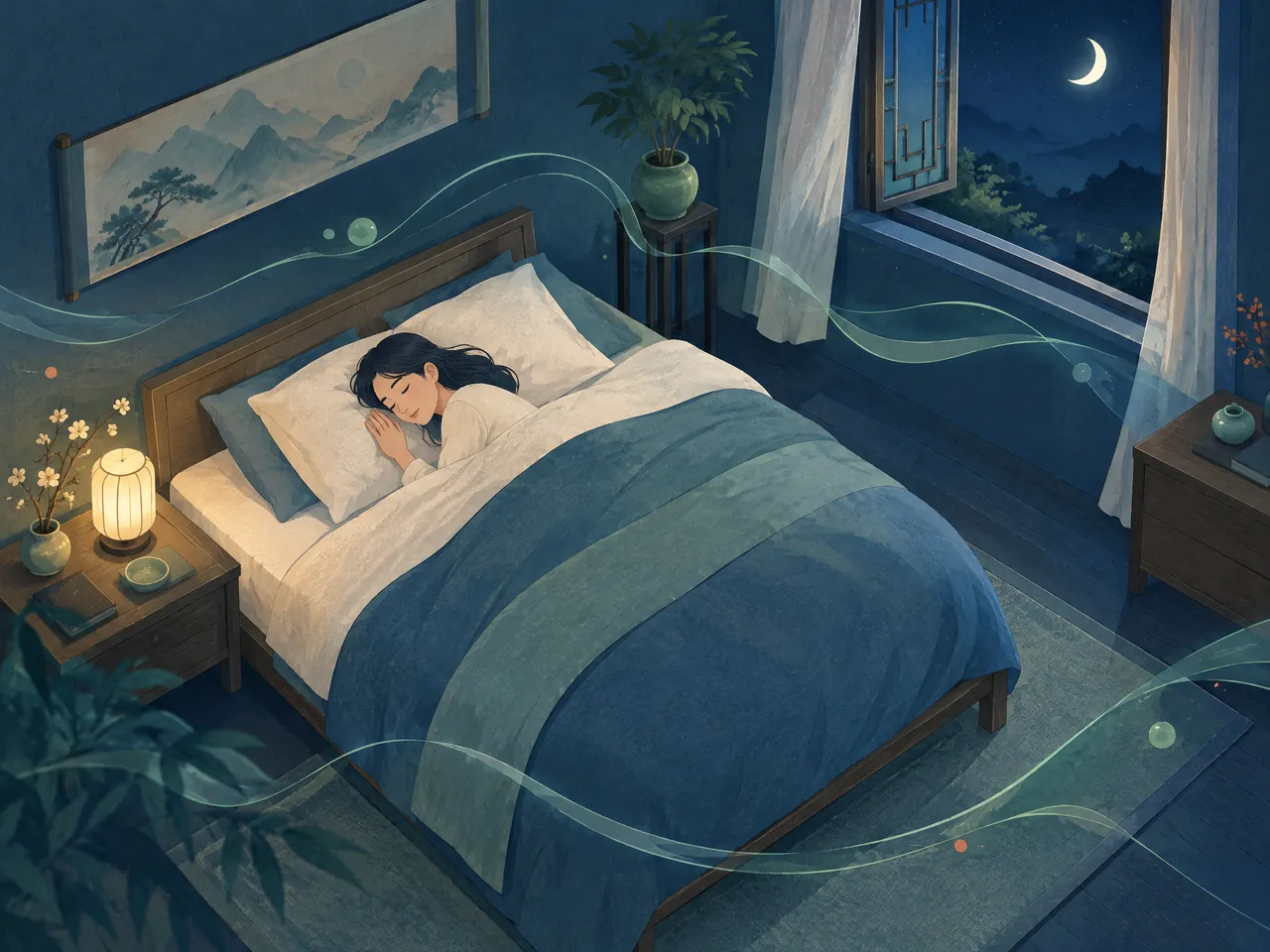
The short answer
To sleep better during menopause, keep wake and sleep times steady, make the bedroom cool and quiet, use breathable bedding, and note whether night sweats, caffeine, alcohol, stress or medicines precede waking. See a doctor when poor sleep persists, affects daytime safety or mood, or comes with concerning symptoms such as loud snoring or postmenopausal bleeding. Chinese medicine can be discussed as supportive, individualised symptom management alongside appropriate medical review.
Transparent pricing
See the fees.
Choose your care.
Explore our complete official price list, including first-trial prices, regular prices, packages and branch-specific options.
Opening WhatsApp prepares an enquiry; it does not send a message, take payment or confirm an appointment. Suitability and individual arrangements are confirmed during consultation.
Chinese medicine
All prices in HKDAcupuncture and Chinese herbal medicine package
Includes a Chinese medicine consultation with pulse assessment, body acupuncture and 3 days of Chinese herbal granules that do not require decoction.
HK$580 (single session)
Chinese medicine consultation with pulse assessment
Hair and scalp
All prices in HKDScalp health and hair-loss management
Includes AI scalp analysis, deep scalp and follicle cleansing, and scalp oil-control care.
HK$380 (first trial)
Regular price: HK$680
- 6 sessions: HK$3,480 (HK$580 per session)
- 12 sessions: HK$5,760 (HK$480 per session)
- 20 sessions: HK$8,600 (HK$430 per session)
- 30 sessions: HK$11,400 (HK$380 per session)
Hair acupuncture and Chinese herbal medicine package
Includes scalp acupuncture and 3 days of Chinese herbal medicine that does not require decoction.
HK$580 (single session)
Registered Chinese Medicine Practitioner consultation
- 6 sessions: HK$3,180 (HK$530 per session)
- 12 sessions: HK$5,760 (HK$480 per session)
- 20 sessions: HK$8,600 (HK$430 per session)
- 30 sessions: HK$11,400 (HK$380 per session)
Combined hair and scalp treatment
Combines acupuncture and Chinese herbal medicine with salon-level scalp and follicle care. Packages include complimentary hair-care shampoo and serum.
HK$1,260 (single session)
Combined treatment
- 8 sessions: HK$8,640 (HK$1,080 per session)
- 16 sessions: HK$15,680 (HK$980 per session)
- 20 sessions: HK$18,600 (HK$930 per session)
- 30 sessions: HK$26,400 (HK$880 per session)
Weight management
All prices in HKDFull-body acupoint embedding for weight management
Includes full-body acupoint embedding. Packages include complimentary Chinese herbal medicine for weight management, with the number of included days scaled to the package. Embedding material and the individual treatment arrangement are confirmed during consultation; this is not a cosmetic thread lift.
HK$980 (single session)
No trial session
- 10 sessions: HK$7,800 (HK$780 per session)
- 20 sessions: HK$14,600 (HK$730 per session)
- 30 sessions: HK$20,400 (HK$680 per session)
Facial acupuncture
All prices in HKDFacial acupuncture (basic)
Includes facial acupuncture and meridian-based facial care, including care for facial puffiness.
HK$480 (first trial)
Regular price: HK$680
- 10 sessions: HK$5,200 (HK$520 per session)
- 20 sessions: HK$9,600 (HK$480 per session)
- 30 sessions: HK$13,500 (HK$450 per session)
Facial acupuncture (advanced)
Includes enhanced facial acupuncture with a specially formulated moisturising mask and serum.
HK$780 (first trial)
Regular price: HK$1,180
- 10 sessions: HK$9,000 (HK$900 per session)
- 20 sessions: HK$16,600 (HK$830 per session)
- 30 sessions: HK$23,400 (HK$780 per session)
Pain care
All prices in HKDExtracorporeal shockwave treatment
Shockwave treatment for deep-tissue and fascial care. The Kwun Tong clinic offers the multi-area options shown below.
Priced by branch
Branch-specific pricing
Prince Edward: HK$250 per area
Kwun Tong: HK$250 for 1 area / HK$450 for 2 areas / HK$600 for 3 areas
Pain care (manual therapy)
Includes Chinese medicine musculoskeletal assessment, manual joint techniques and tui na.
HK$580 (single session)
Chinese medicine musculoskeletal assessment
Pain care (acupuncture and manual therapy)
Combines acupuncture and manual therapy.
HK$680 (single session)
Combined care
How can I sleep better during menopause? Practical sleep habits and symptom tracking — How can I sleep better during menopause? | When should I see a doctor for menopause insomnia? | Why do hot flashes and night sweats affect sleep?
Menopause-related insomnia can mean trouble falling asleep, repeated waking, early waking or tiredness that spills into the next day. Night sweats may be an obvious trigger, but work pressure, mood, medicines and sleep habits can add to the pattern. The National Institute on Aging says hot flashes, especially night sweats, and mood changes can contribute to poor sleep [1]. Start with routines that make the pattern easier to read rather than trying to force perfect sleep.
Use a stable wake time as an anchor and keep the bed for sleep and intimacy rather than work or scrolling. Make the room dark, quiet and comfortably cool. Breathable sleepwear and layered bedding can be changed after sweating without bright lights or a long interruption. Repeat a modest wind-down routine, such as washing, reading and dimming lights. Consistency matters more than finding a perfect ritual.
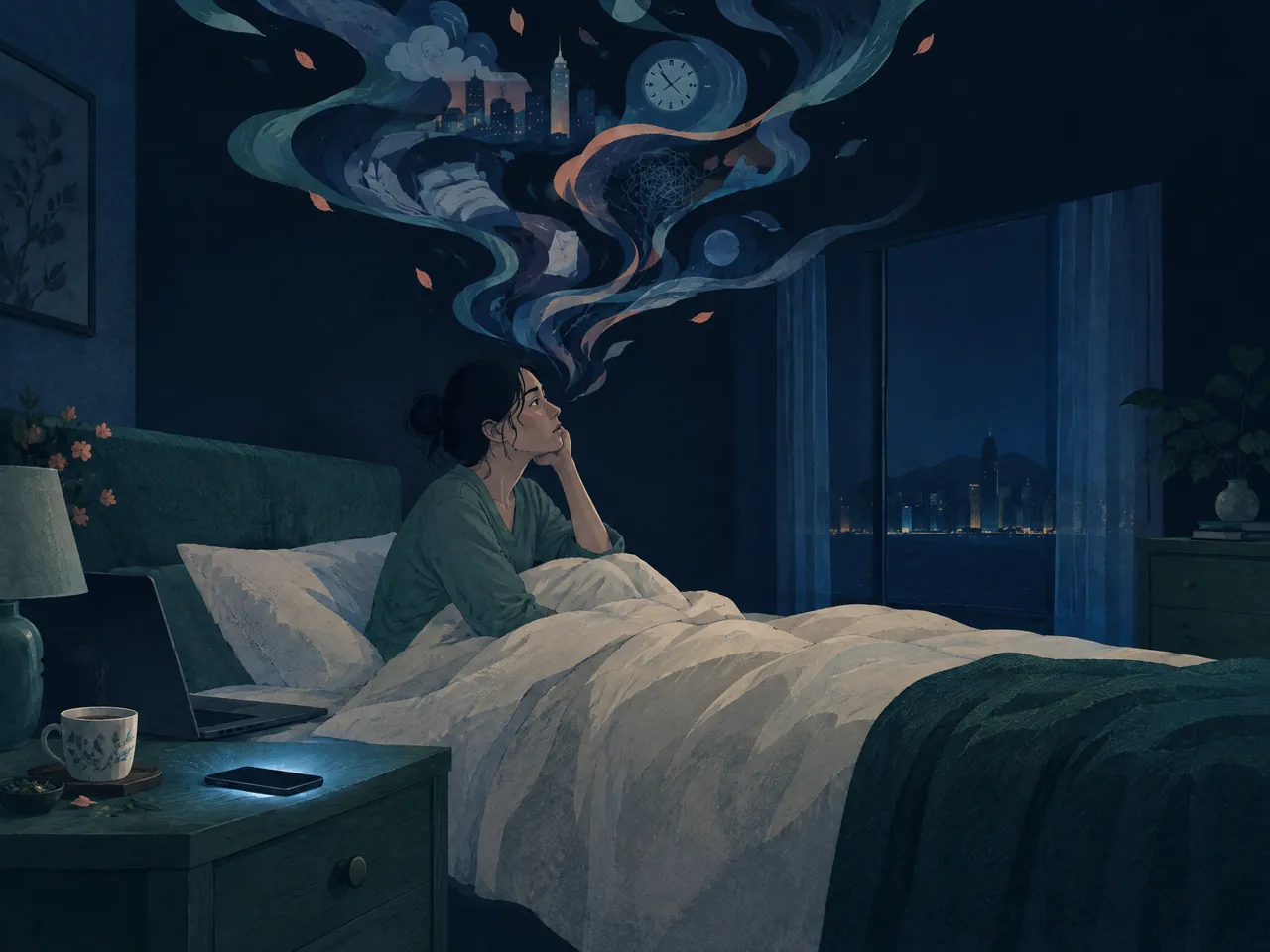
Treat habits as small experiments. The NIA recommends a regular schedule, limiting late caffeine, alcohol and large meals, keeping devices out of the bedroom, and exercising away from bedtime [1]. Test one likely change over several days. Our guide to menopause sleep hygiene offers a manageable starting point.
Keep a two-week note of bedtime, waking, heat or sweating, late food or drink, medicines and next-day alertness. Add major events such as travel, a deadline or a medication change. The diary creates a useful account for a consultation: does waking follow alcohol, a hot room, a new medicine, a stressful period or no identifiable trigger?

How can I sleep better during menopause? Create a cooler, steadier bedtime routine — How can I sleep better during menopause? | When should I see a doctor for menopause insomnia? | Why do hot flashes and night sweats affect sleep?
Set up the room for quick comfort. Light, breathable layers, a dry top nearby and a quiet, comfortably cool environment may make a night-sweat wake-up less disruptive. Use ventilation or a fan if it suits you, but avoid becoming so cold that you wake shivering. Respond briefly in low light, then return to the same calm routine instead of starting a new activity.
Create a buffer between responsibilities and bed. Late work, conflict or vigorous exercise can leave you alert. Use a simple, enjoyable transition and put hard exercise earlier if it disrupts sleep. If sleep does not come, remain quiet until drowsiness returns.
Try to reduce sleep effort. Turn the clock away and keep the phone out of reach so an ordinary awakening does not become a calculation about hours remaining. If planning thoughts recur, write a short reminder earlier in the evening. When insomnia persists despite routine changes, the NIA identifies trained cognitive behavioural therapy for insomnia, or CBT-I, as an option for women with menopausal symptoms [1].
How can I sleep better during menopause? Notice caffeine, alcohol, stress and medicines — How can I sleep better during menopause? | When should I see a doctor for menopause insomnia? | Why do hot flashes and night sweats affect sleep?
Look for caffeine beyond coffee: tea, cola, energy drinks, chocolate and some supplements can matter, especially late in the day. Alcohol may make you sleepy initially but can make staying asleep harder; the NIA warns that even small amounts can do this [1]. Choose one probable exposure and record it, rather than changing everything at once and creating a plan that cannot last.
Stress and mood deserve the same attention as bedroom temperature. The NHS notes that difficulty getting or staying asleep can affect daily life and may be worse with night sweats [2]. Tell a clinician if you are persistently anxious, low, tearful or unable to function normally. Support for mood and sleep often needs to work together; an over-the-counter sleep aid is not a substitute for understanding why sleep changed.
Review all medicines and supplements when sleep changes after something starts or its timing alters. Include herbal products, pain remedies, decongestants and products bought online. Do not stop, double or combine medicines yourself. If you are exploring Chinese medicine for menopause symptoms, share the exact products with every clinician. That shared information is a safety measure.
Compare your options
| What to note | A useful plain-language record | How it may guide the next step |
|---|---|---|
| Sleep timing | Approximate bedtime, wake time and periods awake | Shows whether the schedule is drifting or wakefulness is recurring |
| Heat and sweating | Whether you woke hot, sweaty, chilled or needed to change layers | Helps distinguish a night-sweat pattern from a general waking pattern |
| Evening factors | Late caffeine, alcohol, a large meal, screens, exercise, stress or a new medicine | Creates specific routine changes to test rather than broad restrictions |
| Daytime effect | Sleepiness, low mood, irritability, concentration, driving safety and work impact | Shows when a medical review or more structured insomnia support is needed |
| Other symptoms | Snoring, gasping, palpitations, bleeding changes, pain or breathlessness | Prompts timely assessment for concerns that should not be assumed to be menopause |
On smaller screens, scroll the table sideways to compare all columns.
Why do hot flashes and night sweats affect sleep? Understanding symptoms and assessment — How can I sleep better during menopause? | When should I see a doctor for menopause insomnia? | Why do hot flashes and night sweats affect sleep?
Hot flashes and night sweats are abrupt physical experiences as well as uncomfortable ones. The NHS describes hot flushes as sudden heat or cold in the face, neck and chest that can include sweating, palpitations, anxiety or dizziness; episodes at night are called night sweats [2]. Waking overheated and anticipating another episode can fragment sleep. The NIA also notes that waking itself may sometimes trigger hot flashes, so a diary can help clarify the order of events [1].
An awakening can turn into insomnia when returning to sleep becomes a repeated struggle. After several bad nights, it is tempting to go to bed much earlier, nap late or use alcohol to compensate. Those choices may make the pattern harder to read. A steadier rising time, practical heat management and a low-stimulation response to waking are more useful starting points while causes are assessed.
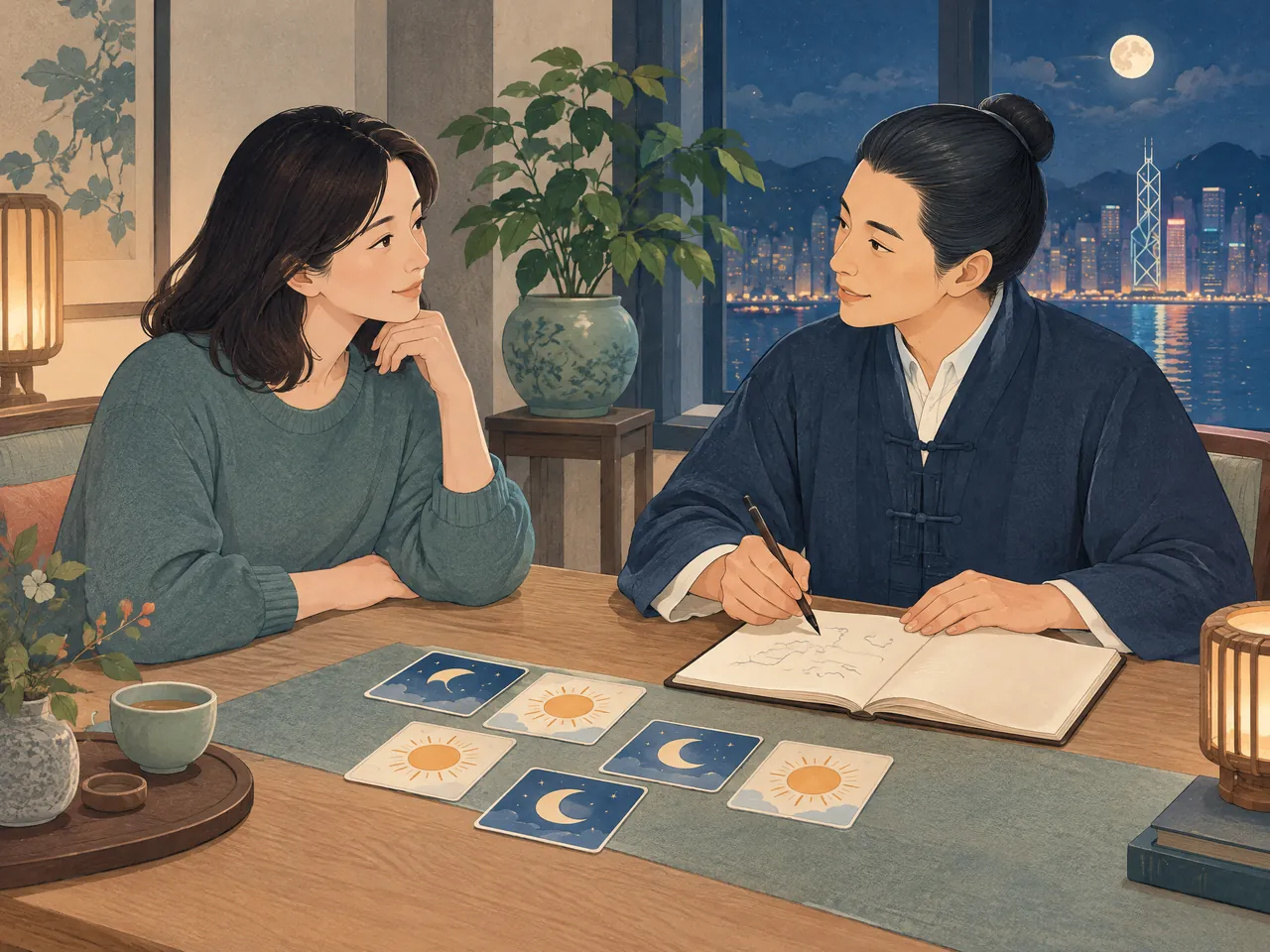
Symptoms vary widely. You may have night sweats with irregular periods, mood changes, headaches, palpitations or no obvious period change, particularly if contraception affects bleeding. The NHS advises speaking to a clinician if you think you have menopause or perimenopause symptoms and want to understand your options [2]. Our overview of menopause insomnia explains related patterns. Bring the onset, nightly sequence, medicine list and daytime effect to an appointment.
Do not overlook other explanations. Loud snoring, gasping, marked daytime sleepiness, restless legs, severe pain, new breathlessness or a racing heart need medical discussion. Medication effects, thyroid concerns, depression and anxiety can also contribute. Routine changes may support sleep, but a clinician decides whether persistent or unusual symptoms need tests, referral or a different treatment approach. A page cannot diagnose these possibilities.

Why do hot flashes and night sweats affect sleep? How awakenings can become insomnia — How can I sleep better during menopause? | When should I see a doctor for menopause insomnia? | Why do hot flashes and night sweats affect sleep?
A single wake-up is common. Difficulty grows when discomfort is followed by thoughts such as ‘tomorrow is ruined.’ This reaction is understandable, but it raises alertness. Keep the room dim, make a simple comfort adjustment and use a neutral focus such as slow breathing or quiet reading. If wakefulness is prolonged, a calm change of place until drowsy may be less frustrating than lying awake in bed.
Daytime effects are useful evidence. Note errors, missed deadlines, dozing in meetings, unsafe driving or loss of enjoyment. The NIA says inadequate sleep can affect mood, memory and accident risk [1]. This does not make every tired day urgent, but recurring impairment deserves discussion. A doctor can distinguish an occasional difficult phase from insomnia that needs structured help, including CBT-I, rather than only sedating products.
Why do hot flashes and night sweats affect sleep? What a Chinese medicine consultation considers — How can I sleep better during menopause? | When should I see a doctor for menopause insomnia? | Why do hot flashes and night sweats affect sleep?
A registered Chinese medicine practitioner may ask about sleep onset, waking, heat, sweating, palpitations, mood, digestion, pain and daytime function, then view this information through traditional pattern differentiation. Terms such as yin, yang and qi are a traditional approach, not an endocrine diagnosis or a promise to ‘balance hormones’. A thorough history can identify changes to track and information that another clinician needs.
Following assessment, acupuncture or herbal medicine may be discussed as supportive symptom management. They should not be presented as a cure, a fixed course or a guaranteed result. Evidence needs careful wording: a published paper often cited for acupuncture in menopausal insomnia is a trial protocol proposing a sham-controlled study, not a results paper [4]. Ask about the aim, how progress will be reviewed, what requires medicine checking and when medical assessment takes priority.
Coordination matters if you use sleeping tablets, antidepressants, hormone treatment, blood thinners, diabetes medicines or several supplements. Bring packages or label photos and tell each clinician about the others involved. Hong Kong integrative menopause services may combine family physicians and registered Chinese medicine practitioners [3], but clinics differ. At TCM Lab, Chinese medicine discussion does not replace diagnosis or investigation of warning signs.
When should I see a doctor for menopause insomnia? Coordinating appropriate care — How can I sleep better during menopause? | When should I see a doctor for menopause insomnia? | Why do hot flashes and night sweats affect sleep?
Arrange a medical review when poor sleep continues despite sensible routine changes, repeatedly affects daytime function or causes substantial distress. A family doctor or gynaecology clinician can review the history and medicines, consider whether menopause is likely, and look for other contributors. The NHS encourages people with menopause or perimenopause symptoms to seek advice about their options [2].
Seek prompt help if daytime sleepiness makes driving or equipment use unsafe, if mood deteriorates sharply, or if you have thoughts of harming yourself. Discuss breathing pauses, gasping, loud snoring with daytime sleepiness, persistent palpitations, breathlessness or new neurological symptoms. These are reasons for assessment, not self-diagnosis. If you feel acutely unwell or at immediate risk, use urgent local medical services.
Bleeding needs separate attention. Menstrual changes can occur during perimenopause, but the NHS says any vaginal bleeding after 12 months without periods should be checked, even if it happens only once or is light [2]. Do not assume that night sweats or a sleep problem explains postmenopausal bleeding. Tell a doctor or gynaecology clinician about bleeding changes, hormone treatment and contraception use.
Bring the sleep record, a complete medicine and supplement list, and a plain description of what a poor night means the next day. State your priority: staying functional at work, reducing bedtime worry, checking snoring or understanding treatment choices. If you want complementary support, say so. A clear next step is more helpful than a vague instruction to sleep better.

When should I see a doctor for menopause insomnia? Warning signs and daytime impact — How can I sleep better during menopause? | When should I see a doctor for menopause insomnia? | Why do hot flashes and night sweats affect sleep?
Consider impact as well as duration. A short run of poor sleep during a heatwave or family crisis may settle with recovery and regularity. Repeated nights that leave you unable to concentrate, emotionally overwhelmed or unsafe on the road need earlier discussion. The NHS notes that sleep problems can leave people irritable, stressed and anxious [2]. Explaining the impact helps a clinician judge urgency.
Ask what else is being considered. Useful questions include whether symptoms fit the menopausal transition, whether a medicine could contribute, whether sleep assessment is appropriate, and whether counselling or CBT-I may help. Doctors may discuss hormonal and non-hormonal options according to individual circumstances. A Chinese medicine consultation can complement that plan only when providers have a complete picture. Do not delay assessment for warning signs to try more self-directed treatments.
When should I see a doctor for menopause insomnia? Sharing medicines with different clinicians — How can I sleep better during menopause? | When should I see a doctor for menopause insomnia? | Why do hot flashes and night sweats affect sleep?
Keep one current list of prescriptions, over-the-counter products, vitamins, teas, powders, concentrated herbal products, hormone treatments and occasional sleep aids. Add the dose or a label photo, timing and reason for each. Give the list to the doctor, pharmacist and registered Chinese medicine practitioner. When someone suggests a change, ensure the others can be told. ‘Natural’ products belong on this list too.
Do not change or stop prescribed sleeping medicine, antidepressants or hormone-related treatment without the prescriber’s advice. Ask a Chinese medicine practitioner about the symptom-management goal, what to monitor and what would trigger review or referral. For a consultation enquiry, contact the Kwun Tong Chinese medicine clinic or Chinese medicine clinic Prince Edward. Location choice should never delay medical review for warning signs.
Cost questions can be separate from clinical decisions. Review the Chinese medicine clinic price list Hong Kong and use WhatsApp to ask what is needed for an appointment. A consultation can discuss symptoms and options; it cannot promise that acupuncture or herbs will correct every cause of insomnia. Realistic expectations and complete communication support safer, more practical decisions.
Care and health guide
Health service information
This directory brings together services, reading, and visit information related to health services, to help you prepare questions for a consultation.
If you are organising health questions, Chinese medicine clinic Hong Kong is a starting point for learning about related services and preparing for a consultation.
People have different needs; acupuncture Hong Kong provides further reading to help you understand options in your own context.


Your questions, answered
Frequently asked questions
How long does Chinese medicine care for menopause-related insomnia take to work?
There is no reliable fixed timetable. Response can vary with the sleep pattern, severity of hot flashes or mood symptoms, other health conditions, medicines and daily routines. A practitioner should explain the symptom-management aim and agree when to review it, rather than promise a set number of visits. Seek medical assessment if poor sleep continues or daytime function worsens.
Can Chinese herbal medicine balance menopause hormones?
Traditional Chinese medicine pattern terms are not the same as an endocrine diagnosis, so it is not accurate to promise that herbs will ‘balance hormones’. A practitioner may discuss herbs after an individual assessment as supportive symptom management. Tell both the practitioner and your doctor about every prescribed medicine, hormone treatment, over-the-counter product and supplement before starting anything new.
Can acupuncture help insomnia linked with menopause hot flashes?
Acupuncture can be discussed as a possible supportive option after assessment, but it should not be presented as a guaranteed solution. Research needs careful interpretation; a frequently cited published paper on menopausal insomnia is a trial protocol rather than results [4]. Acupuncture should not replace assessment of loud snoring, medication effects, thyroid concerns, mood symptoms or other possible contributors to poor sleep.
If I take prescribed sleeping tablets, can I also consult a Chinese medicine practitioner?
You can discuss Chinese medicine, but disclose the exact medicine, dose and timing to the practitioner and to the prescriber. Do not stop or alter prescribed sleeping tablets yourself. Bring a list or photographs of every medicine and supplement so that providers can consider safety and decide whether further medical review is needed.
Sources and further information
- [1] [1] National Institute on Aging: Sleep Problems and Menopause: What Can I Do?
Referenced for: Supports menopause sleep habits, the relationship of hot flashes, night sweats and mood to sleep, daytime consequences of poor sleep, and discussion with a doctor or trained CBT-I professional.
- [2] [2] NHS: Symptoms of menopause and perimenopause
Referenced for: Supports descriptions of hot flushes, night sweats, sleep and mood symptoms, advice to seek assessment, and the need to check postmenopausal bleeding.
- [3] [3] CUHK Medical Centre: Holistic Medical Care for Menopause (Integrative Medicine)
Referenced for: Supports the statement that Hong Kong integrative menopause services may use collaboration between family physicians and registered Chinese medicine practitioners; it does not describe TCM Lab services.
- [4] [4] Li et al.: Effect of acupuncture on insomnia in menopausal women: a study protocol for a randomized controlled trial
Referenced for: Supports the limited statement that this publication is a study protocol and not efficacy results.