
TCM Lab · Health reading
Sciatica Diagnosis and Examination: Should I Go to the Hospital for Sciatica?
Published Updated
Pain that shoots from the buttock down a leg can make a normal commute, desk day or night’s sleep feel uncertain. In many cases, mild sciatica without warning signs can be watched while you keep gently moving. The decision changes when pain is worsening, function is slipping, or new nerve symptoms appear. This guide explains what sciatica diagnosis and examination can involve, how to separate a clinic appointment from an emergency visit, and why red flags should never be managed from internet advice alone.
Appointments are confirmed through WhatsApp. If you have language requirements, please mention them in your enquiry.
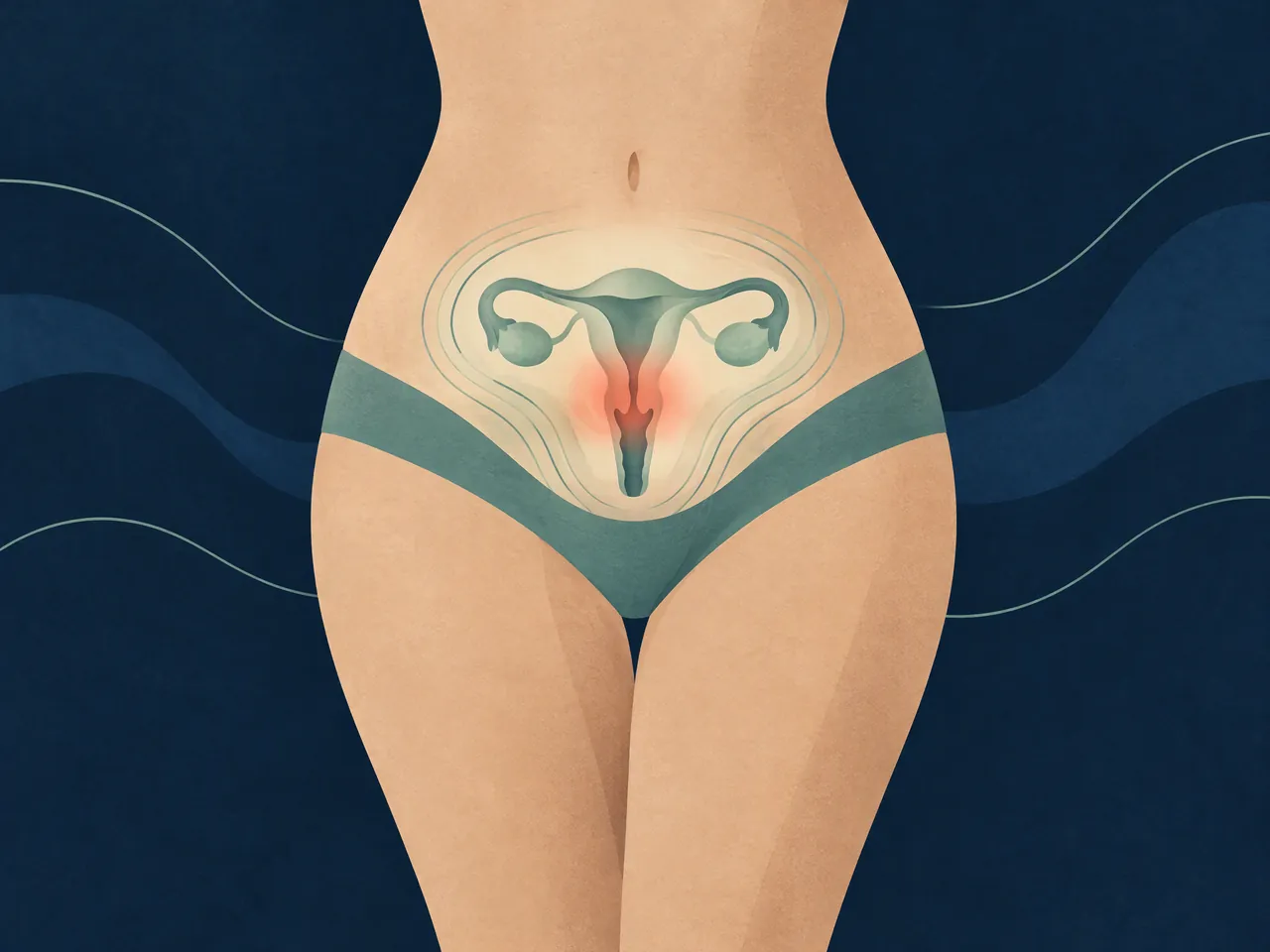
The short answer
For mild, short-lived sciatica without numbness in the saddle area, bladder or bowel changes, progressive weakness, or symptoms in both legs, it is reasonable to stay gently active and observe the pattern. Arrange a clinic assessment if pain persists for weeks, worsens, returns often, or interferes with work, sleep or ordinary movement. Go to an emergency department immediately for bilateral symptoms, worsening weakness, altered saddle sensation, or new difficulty controlling urination or bowel movements.
Transparent pricing
See the fees.
Choose your care.
Explore our complete official price list, including first-trial prices, regular prices, packages and branch-specific options.
Opening WhatsApp prepares an enquiry; it does not send a message, take payment or confirm an appointment. Suitability and individual arrangements are confirmed during consultation.
Pain care
All prices in HKDExtracorporeal shockwave treatment
Shockwave treatment for deep-tissue and fascial care. The Kwun Tong clinic offers the multi-area options shown below.
Priced by branch
Branch-specific pricing
Prince Edward: HK$250 per area
Kwun Tong: HK$250 for 1 area / HK$450 for 2 areas / HK$600 for 3 areas
Pain care (manual therapy)
Includes Chinese medicine musculoskeletal assessment, manual joint techniques and tui na.
HK$580 (single session)
Chinese medicine musculoskeletal assessment
Pain care (acupuncture and manual therapy)
Combines acupuncture and manual therapy.
HK$680 (single session)
Combined care
Hair and scalp
All prices in HKDScalp health and hair-loss management
Includes AI scalp analysis, deep scalp and follicle cleansing, and scalp oil-control care.
HK$380 (first trial)
Regular price: HK$680
- 6 sessions: HK$3,480 (HK$580 per session)
- 12 sessions: HK$5,760 (HK$480 per session)
- 20 sessions: HK$8,600 (HK$430 per session)
- 30 sessions: HK$11,400 (HK$380 per session)
Hair acupuncture and Chinese herbal medicine package
Includes scalp acupuncture and 3 days of Chinese herbal medicine that does not require decoction.
HK$580 (single session)
Registered Chinese Medicine Practitioner consultation
- 6 sessions: HK$3,180 (HK$530 per session)
- 12 sessions: HK$5,760 (HK$480 per session)
- 20 sessions: HK$8,600 (HK$430 per session)
- 30 sessions: HK$11,400 (HK$380 per session)
Combined hair and scalp treatment
Combines acupuncture and Chinese herbal medicine with salon-level scalp and follicle care. Packages include complimentary hair-care shampoo and serum.
HK$1,260 (single session)
Combined treatment
- 8 sessions: HK$8,640 (HK$1,080 per session)
- 16 sessions: HK$15,680 (HK$980 per session)
- 20 sessions: HK$18,600 (HK$930 per session)
- 30 sessions: HK$26,400 (HK$880 per session)
Weight management
All prices in HKDFull-body acupoint embedding for weight management
Includes full-body acupoint embedding. Packages include complimentary Chinese herbal medicine for weight management, with the number of included days scaled to the package. Embedding material and the individual treatment arrangement are confirmed during consultation; this is not a cosmetic thread lift.
HK$980 (single session)
No trial session
- 10 sessions: HK$7,800 (HK$780 per session)
- 20 sessions: HK$14,600 (HK$730 per session)
- 30 sessions: HK$20,400 (HK$680 per session)
Facial acupuncture
All prices in HKDFacial acupuncture (basic)
Includes facial acupuncture and meridian-based facial care, including care for facial puffiness.
HK$480 (first trial)
Regular price: HK$680
- 10 sessions: HK$5,200 (HK$520 per session)
- 20 sessions: HK$9,600 (HK$480 per session)
- 30 sessions: HK$13,500 (HK$450 per session)
Facial acupuncture (advanced)
Includes enhanced facial acupuncture with a specially formulated moisturising mask and serum.
HK$780 (first trial)
Regular price: HK$1,180
- 10 sessions: HK$9,000 (HK$900 per session)
- 20 sessions: HK$16,600 (HK$830 per session)
- 30 sessions: HK$23,400 (HK$780 per session)
Chinese medicine
All prices in HKDAcupuncture and Chinese herbal medicine package
Includes a Chinese medicine consultation with pulse assessment, body acupuncture and 3 days of Chinese herbal granules that do not require decoction.
HK$580 (single session)
Chinese medicine consultation with pulse assessment
Sciatica Diagnosis and Examination: Should I Go to the Hospital for Sciatica When Symptoms Are Mild?
The starting point is the pattern, not simply the word “sciatica”. Typical symptoms may include sharp or burning pain travelling from the buttock down the back of one leg, with tingling, numbness or weakness. A cough, sneeze, movement or a long spell in one position can make symptoms more noticeable. Lower-back pain may occur at the same time, but back pain without leg symptoms is less typical of sciatica. [1] Describing exactly where a sensation begins, how far it travels, and whether it is pain, pins and needles, numbness or weakness gives a clinician more useful information than a single pain score.
When symptoms are mild, recent, tolerable and clearly free of emergency signs, hospital attendance is not automatically necessary. The practical aim is to avoid two unhelpful extremes: forcing through a sharp flare, or becoming inactive for days. The NHS advises carrying on normal activities as much as possible and avoiding prolonged sitting or lying; gentle movement can be more useful than staying in bed. [1] Break up a long desk session, change position during a commute, and choose a pace that does not cause a clear, sustained escalation. Make a brief note of triggers, sleep disruption and changes in leg control so that the next decision is based on a pattern rather than a single difficult hour.

Sciatica Diagnosis and Examination: Should I Go to the Hospital for Sciatica or Observe at Home?
Observation at home is only a short-term, active choice, not a promise that symptoms will disappear on schedule. It may fit a person whose one-sided leg pain is mild, who can walk and manage usual personal care, and who has no new numbness around the genitals or anus, no bladder or bowel change, and no worsening loss of leg strength. Use ordinary activities as a guide: can you rise from a chair, take a short walk, sleep in a workable position and move around the home? Keep movements small and regular rather than testing the painful limit. Heat or cold may be used only if it feels comfortable; stop if either plainly aggravates symptoms. Avoid trying forceful stretches, self-manipulation or a new exercise video merely because it promises a quick “nerve release”. If you are unsure whether a symptom is a red flag, it is safer to seek urgent medical advice than to continue observing.

Sciatica Diagnosis and Examination: Should I Go to the Hospital for Sciatica If Pain Affects Daily Life?
Arrange a non-emergency clinical assessment when symptoms have not improved after several weeks of home measures, are getting worse, or are stopping normal activities. Those are the practical thresholds set out by the NHS. [1] “Affects daily life” is more than pain during sport: it can mean cutting a work shift short because sitting is impossible, waking repeatedly at night, avoiding stairs, or needing help with ordinary tasks. Recurrent episodes also deserve attention, even if each flare eventually settles, because a clinician can review the history and consider other causes of leg pain. For a broader decision guide, see when to see a doctor for sciatica. A planned consultation creates time to explain the sequence of symptoms, discuss safer activity changes and decide whether further assessment is appropriate; it is different from an emergency response to sudden neurological change.
Compare your options
| Situation | What to notice | Appropriate next step | Why |
|---|---|---|---|
| Mild one-sided leg pain with no red flags | Symptoms are tolerable; you can manage ordinary movement and personal care. | Keep gently active, avoid long periods in one position, and observe the pattern. | Normal activity is generally encouraged when emergency signs are absent. [1] |
| Pain is worsening or disrupts work, sleep or daily tasks | Home measures have not helped after weeks, or episodes keep returning. | Arrange a non-emergency clinical assessment. | An assessment can review function, history and other possible causes. [1] |
| Uncertain weakness, numbness or change in walking | A leg gives way, the foot catches, or sensation is clearly altered. | Seek timely clinical advice; seek urgent help if symptoms are progressing. | A neurological examination can distinguish pain-limited movement from concerning loss of function. |
| Both legs affected, saddle numbness, or bladder or bowel change | Severe or worsening bilateral symptoms; changed urination or bowel control. | Go to an emergency department immediately. | These are serious warning signs that require hospital assessment. [1] |
On smaller screens, scroll the table sideways to compare all columns.
Sciatica Diagnosis and Examination: Should I Go to the Hospital for Sciatica With Red Flags?
Red flags are symptoms that shift the question from “How can I get through today?” to “Do I need emergency assessment now?” In sciatica, the key concern is serious compression affecting the lower spinal nerves. It is uncommon, but delay can matter. Symptoms on both sides, severe or worsening numbness or weakness in both legs, numbness around or under the genitals or anus, trouble starting to urinate, inability to urinate, or loss of bladder or bowel control need immediate hospital assessment. [1] Do not wait to see whether these settle after a massage, stretching, a hot pack or an acupuncture appointment.
A person may notice only one change at first, such as an unfamiliar loss of sensation when cleaning the genital or anal area, a leg that is suddenly giving way, or altered awareness of the need to pass urine or stool. Treat a new change as meaningful in context, especially if it is progressing. Ask someone to help with transport if needed and use emergency services rather than driving yourself when weakness or numbness makes driving unsafe. The following comparison is not a diagnosis tool, but it can help turn a vague description into an appropriate next step.

Sciatica Diagnosis and Examination: Should I Go to the Hospital for Sciatica With Bilateral Leg Symptoms?
Pain down one leg is the more familiar sciatica pattern. Symptoms affecting both legs, particularly new weakness or numbness that is severe or worsening, are different and require urgent assessment. [1] Bilateral does not mean you must prove that both sides feel identical; one leg may hurt more while the other feels weak, heavy, numb or unreliable. Do not use the ability to take a few steps as reassurance if leg control is deteriorating. Tell emergency staff when the symptoms started, whether they progressed over hours or days, and whether you have had injury, fever, unexplained illness, cancer history or a recent procedure. These details do not establish a cause by themselves, but they help the treating team assess for serious alternatives as well as nerve compression. NICE also advises clinicians to consider causes such as cancer, infection, trauma and inflammatory disease when symptoms are new or changed. [2]

Sciatica Diagnosis and Examination: Should I Go to the Hospital for Sciatica After Bladder or Bowel Changes?
Yes. New difficulty starting urination, not being able to urinate, loss of urinary control, loss of bowel control, or not noticing the need to open the bowels are emergency symptoms when they occur with possible sciatica. Numbness around the saddle area—the genitals, inner buttocks or anus—also requires urgent care. [1] This is not the same as long-standing urinary symptoms that have already been assessed for another reason, but a new or clearly changed pattern should not be self-triaged online. If you are unsure whether the change is relevant, say exactly what is different when requesting urgent help rather than trying to label it yourself. Our focused guide to cauda equina syndrome symptoms and the page on sciatica emergency symptoms can help you recognise the terms, but neither replaces an emergency examination.
Sciatica Diagnosis and Examination: Should I Go to the Hospital for Sciatica Before Supportive Care?
A clinic assessment is useful because “sciatica” describes a symptom pattern, not one guaranteed cause. The consultation usually begins with your story: when the pain began, where it travels, what brings it on, what relieves it, and how it has changed. A clinician may then assess walking, leg strength, sensation and reflexes, alongside the back and hip. The purpose is not to make you endure a painful test. It is to look for signs that point to a nerve problem, assess impact on function and decide whether another explanation or a more urgent pathway needs consideration.
Scans are sometimes helpful, but not every painful episode needs a picture of the spine. NICE says not to routinely offer imaging in a non-specialist setting for low-back pain with or without sciatica. In specialist care, imaging should be considered only if the result is likely to change management. [2] This helps explain why an MRI is not a pass-or-fail test for every person with leg pain. A clinician may first use the history and examination to decide whether conservative management, specialist referral or investigation makes sense. If an MRI is discussed, our explanation of a sciatica MRI scan sets out the questions to take into that conversation.

Sciatica Diagnosis and Examination: Should I Go to the Hospital for Sciatica to Check Nerve Function?
A nerve-function examination can be particularly valuable when you cannot tell whether a leg feels weak because it hurts to move, because it feels numb, or because the muscles are actually losing power. Be ready to report practical examples: catching the toe on a step, being unable to stand from a chair as usual, a foot that seems to slap the floor, or a different sensation on one side. Also mention recent trauma, fever, an unexplained change in general health, cancer history, immune suppression or medicines that may matter to the assessor. Do not start or stop prescribed medication on the basis of a web page. Bring a list of medicines and prior scan reports if you have them, but do not delay urgent care while searching for paperwork. Clear information helps the clinician decide whether a same-day, routine or specialist route is needed.

Sciatica Diagnosis and Examination: Should I Go to the Hospital for Sciatica Before Considering Acupuncture?
Yes—emergency symptoms must be assessed in hospital before any supportive care is considered. For non-emergency symptoms, a conversation about acupuncture or Chinese medicine should follow, not replace, an appropriate medical assessment. Traditional Chinese medicine uses its own pattern-based approach; it is not a substitute for a neurological diagnosis or for interpreting an MRI. It should not be used to reassure someone with progressive weakness, bilateral symptoms, saddle numbness or bladder or bowel changes. A practitioner should know the current symptom pattern, relevant diagnoses, medicines and whether you have already been assessed. Do not attempt self-needling or accept promises of a fixed cure or guaranteed number of visits.
Evidence should be described precisely. NICE does not recommend acupuncture for managing low-back pain with or without sciatica in its guideline. [2] The U.S. National Center for Complementary and Integrative Health discusses research on acupuncture for back or neck pain, but that is not evidence that it will resolve sciatic nerve compression or replace a surgical or medical pathway. [3] Acupuncture can also cause serious adverse effects when delivered improperly or with nonsterile needles. [3] If you want to discuss non-emergency supportive options with TCM Lab, state your symptoms and any prior assessment first. You can also ask about an appointment at the Kwun Tong Chinese medicine clinic or the Chinese medicine clinic Prince Edward; urgent symptoms should go to emergency care instead.
Care and health guide
Sciatica: care information
This directory brings together services, reading, and visit information related to sciatica, to help you prepare questions for a consultation.
When sciatica affects your day, noting when it occurs, its relation to activity, and what you have already tried can help prepare a consultation; acupuncture for sciatica is a relevant service or reading entry point.
Individual circumstances differ, and acupuncture Hong Kong offers related information to help you understand options and prepare questions.


Your questions, answered
Frequently asked questions
Should I go to the hospital for sciatica if I can still walk?
Being able to walk does not rule out an emergency. Go to hospital immediately if you have symptoms in both legs with severe or worsening weakness or numbness, numbness around the genitals or anus, or new bladder or bowel control changes. If those signs are absent but walking is becoming difficult or pain is escalating, arrange prompt clinical advice. [1]
What will happen during a sciatica examination?
A clinician will usually ask how symptoms started, where they travel and how they affect activity. They may assess walking, leg power, feeling and reflexes, and consider the back and hip. Imaging is not automatic; NICE recommends considering it in specialist care only when it is likely to change management. [2]
Can I rest in bed until the pain goes away?
Long periods sitting or lying down are generally discouraged when there are no emergency warning signs. Continue normal activity as much as you can tolerate, use gentle movement, and avoid activities that clearly worsen symptoms. Seek an assessment if pain does not improve after a few weeks, worsens or prevents normal activities. [1]
Can acupuncture replace a hospital assessment for sciatica?
No. Acupuncture must not delay emergency assessment for red flags or substitute for medical evaluation of new weakness, bilateral symptoms, saddle numbness, or bladder or bowel changes. NICE does not recommend acupuncture for low-back pain with or without sciatica. [2] Any non-emergency supportive discussion should follow a clear review of symptoms and relevant medical assessment.
Sources and further information
- [1] [1] NHS: Sciatica
Referenced for: Typical symptoms, remaining active, non-urgent review thresholds and urgent warning signs.
- [2] [2] NICE guideline NG59: Low back pain and sciatica in over 16s
Referenced for: Assessment of alternative diagnoses, imaging recommendations, activity advice and acupuncture recommendation.
- [3] [3] National Center for Complementary and Integrative Health: Acupuncture—Effectiveness and Safety
Referenced for: Scope of acupuncture research for back pain and safety considerations.