
TCM Lab · Health reading
lateral elbow pain acupuncture — tennis elbow (lateral epicondylitis) — acupuncture for lateral epicondylitis: what to consider
Published Updated
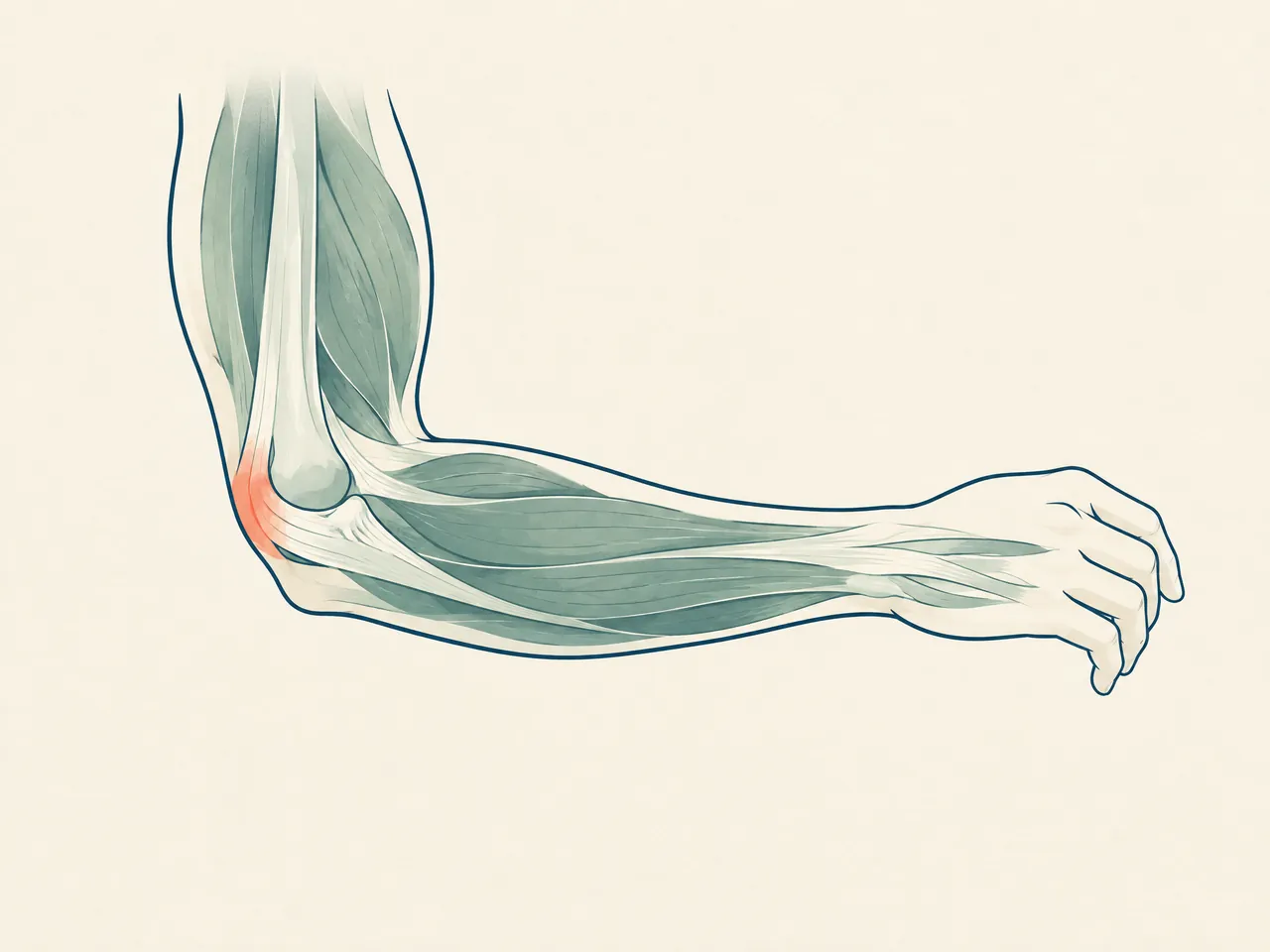
Pain on the outside of the elbow can make a coffee mug, mouse, shopping bag or wrung-out cloth unexpectedly difficult. If the pattern suggests tennis elbow (lateral epicondylitis), lateral elbow pain acupuncture may be discussed as part of symptom management, not as a shortcut around assessment or changes to the load that keeps provoking the area. This page explains what the pattern can look like, how acupuncture for lateral epicondylitis is usually approached in a TCM consultation, and when medical assessment should come first. The practical question is whether the elbow has been checked, which everyday movement drives symptoms, and what a safer next step looks like.
Appointments are confirmed through WhatsApp. If you have language requirements, please mention them in your enquiry.
The short answer
Acupuncture may be considered for symptoms associated with tennis elbow (lateral epicondylitis) after the pattern of pain, activity load and possible injury have been assessed. It is best discussed alongside reducing aggravating wrist and forearm tasks, rather than as a replacement for evaluation. Sudden injury, significant swelling, marked heat or redness, deformity, or symptoms that persist or worsen should prompt medical assessment first.
Transparent pricing
See the fees.
Choose your care.
Explore our complete official price list, including first-trial prices, regular prices, packages and branch-specific options.
Opening WhatsApp prepares an enquiry; it does not send a message, take payment or confirm an appointment. Suitability and individual arrangements are confirmed during consultation.
Pain care
All prices in HKDExtracorporeal shockwave treatment
Shockwave treatment for deep-tissue and fascial care. The Kwun Tong clinic offers the multi-area options shown below.
Priced by branch
Branch-specific pricing
Prince Edward: HK$250 per area
Kwun Tong: HK$250 for 1 area / HK$450 for 2 areas / HK$600 for 3 areas
Pain care (manual therapy)
Includes Chinese medicine musculoskeletal assessment, manual joint techniques and tui na.
HK$580 (single session)
Chinese medicine musculoskeletal assessment
Pain care (acupuncture and manual therapy)
Combines acupuncture and manual therapy.
HK$680 (single session)
Combined care
Hair and scalp
All prices in HKDScalp health and hair-loss management
Includes AI scalp analysis, deep scalp and follicle cleansing, and scalp oil-control care.
HK$380 (first trial)
Regular price: HK$680
- 6 sessions: HK$3,480 (HK$580 per session)
- 12 sessions: HK$5,760 (HK$480 per session)
- 20 sessions: HK$8,600 (HK$430 per session)
- 30 sessions: HK$11,400 (HK$380 per session)
Hair acupuncture and Chinese herbal medicine package
Includes scalp acupuncture and 3 days of Chinese herbal medicine that does not require decoction.
HK$580 (single session)
Registered Chinese Medicine Practitioner consultation
- 6 sessions: HK$3,180 (HK$530 per session)
- 12 sessions: HK$5,760 (HK$480 per session)
- 20 sessions: HK$8,600 (HK$430 per session)
- 30 sessions: HK$11,400 (HK$380 per session)
Combined hair and scalp treatment
Combines acupuncture and Chinese herbal medicine with salon-level scalp and follicle care. Packages include complimentary hair-care shampoo and serum.
HK$1,260 (single session)
Combined treatment
- 8 sessions: HK$8,640 (HK$1,080 per session)
- 16 sessions: HK$15,680 (HK$980 per session)
- 20 sessions: HK$18,600 (HK$930 per session)
- 30 sessions: HK$26,400 (HK$880 per session)
Weight management
All prices in HKDFull-body acupoint embedding for weight management
Includes full-body acupoint embedding. Packages include complimentary Chinese herbal medicine for weight management, with the number of included days scaled to the package. Embedding material and the individual treatment arrangement are confirmed during consultation; this is not a cosmetic thread lift.
HK$980 (single session)
No trial session
- 10 sessions: HK$7,800 (HK$780 per session)
- 20 sessions: HK$14,600 (HK$730 per session)
- 30 sessions: HK$20,400 (HK$680 per session)
Facial acupuncture
All prices in HKDFacial acupuncture (basic)
Includes facial acupuncture and meridian-based facial care, including care for facial puffiness.
HK$480 (first trial)
Regular price: HK$680
- 10 sessions: HK$5,200 (HK$520 per session)
- 20 sessions: HK$9,600 (HK$480 per session)
- 30 sessions: HK$13,500 (HK$450 per session)
Facial acupuncture (advanced)
Includes enhanced facial acupuncture with a specially formulated moisturising mask and serum.
HK$780 (first trial)
Regular price: HK$1,180
- 10 sessions: HK$9,000 (HK$900 per session)
- 20 sessions: HK$16,600 (HK$830 per session)
- 30 sessions: HK$23,400 (HK$780 per session)
Chinese medicine
All prices in HKDAcupuncture and Chinese herbal medicine package
Includes a Chinese medicine consultation with pulse assessment, body acupuncture and 3 days of Chinese herbal granules that do not require decoction.
HK$580 (single session)
Chinese medicine consultation with pulse assessment
lateral elbow pain acupuncture — tennis elbow (lateral epicondylitis) — acupuncture for lateral epicondylitis: Causes, symptoms and everyday elbow load
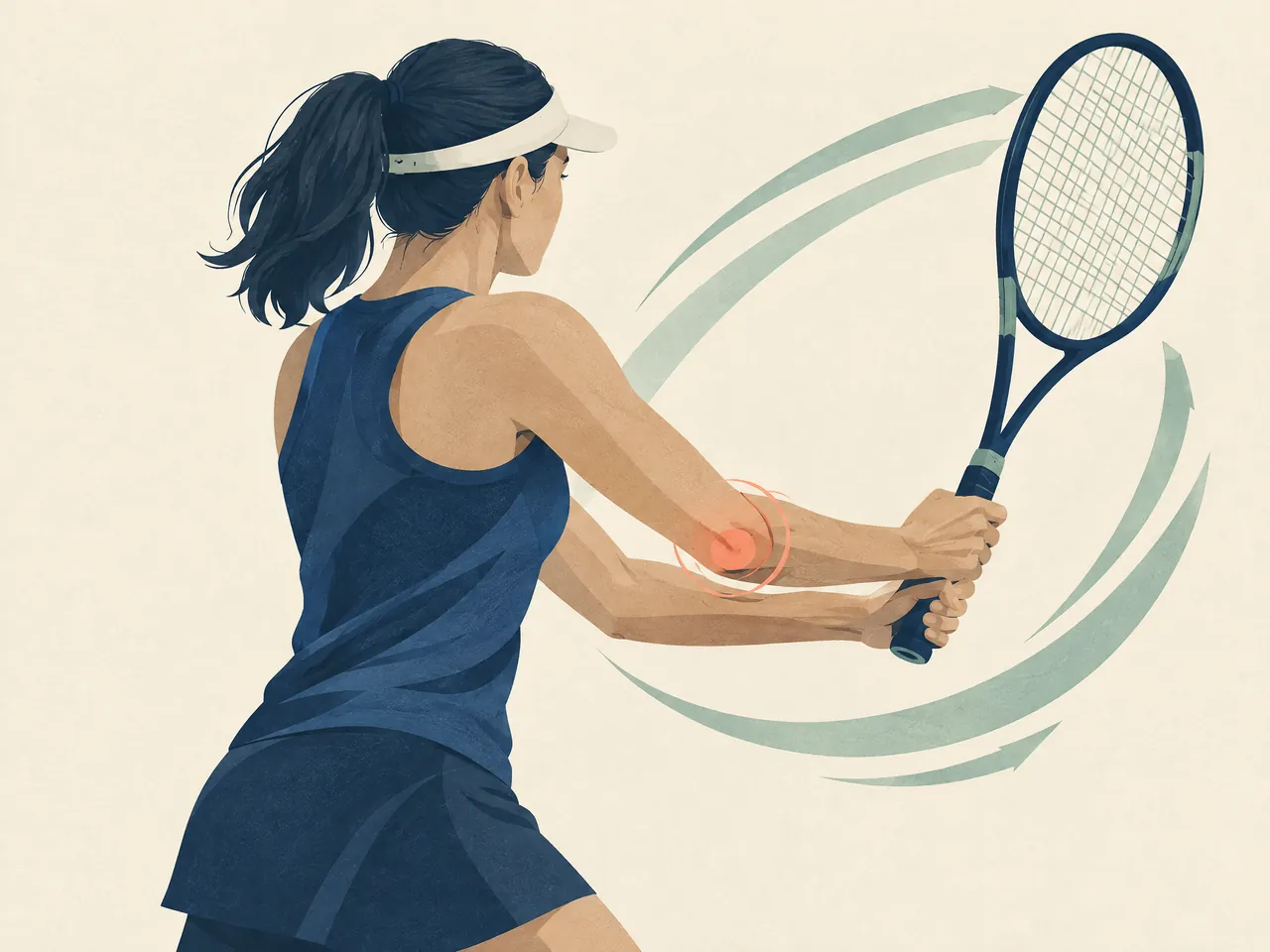
Tennis elbow is the common name for lateral epicondylitis, a pain pattern around the bony outer elbow where forearm muscles and tendons work during wrist and finger extension. Tennis is not required. The Hong Kong College of Orthopaedic Surgeons describes pain or pressure with gripping, lifting heavy objects and wringing a towel, and notes that frequent rigorous wrist use can place people at risk [1]. An intense new sport session is one clue, but so are a long mouse-and-keyboard day, screwdriver work, carrying bags with the palm down, food preparation, cleaning, sewing or repeated lifting at work. For a broader starting point on related patterns, see elbow pain.
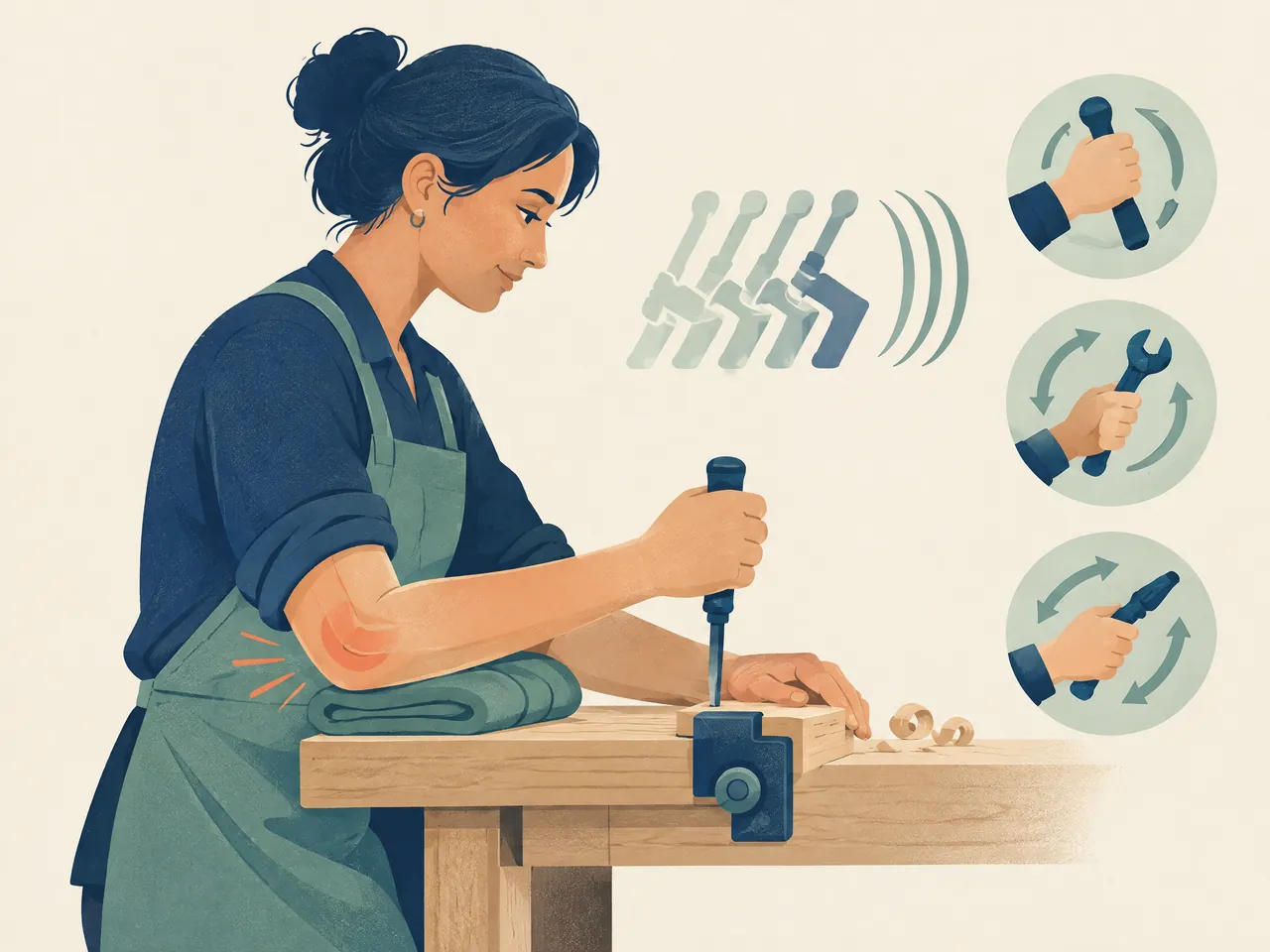
Load is more than the weight in a hand. Grip force, wrist angle, elbow position, repetition and a recent rise in workload can all change how a task feels. Someone may tolerate a kettle with the elbow bent but feel a sharp pull lifting a bag with the arm straight. These differences do not prove a diagnosis, but they give a consultation something concrete to investigate. Rather than call every activity ‘overuse’, identify the movement, duration, tool or grip that reliably brings pain on. This makes a discussion about activity adjustment more useful.
lateral elbow pain acupuncture — tennis elbow (lateral epicondylitis) — acupuncture for lateral epicondylitis: Why gripping, lifting and repetitive wrist use can matter
The forearm muscles used to lift the wrist and fingers also work when the hand steadies an object. A tight jar lid, a trolley handle, a phone held for a long time, a tennis backhand or a heavy pan can therefore be more demanding than it looks. The difficulty is often a combination of grip and wrist position rather than one dramatic event. The NHS similarly lists lifting or bending the arm, gripping objects and moving the wrist among movements that can worsen tennis-elbow symptoms [2]. This is why a treatment discussion should begin with what the arm actually does, not with an assumption based on a job title or sport.
A short load review can be revealing. Consider whether equipment, work-surface height, tool diameter, hand position or break pattern changed before symptoms began. Divide a demanding task into shorter periods where possible, use the other hand for a share of the work, and avoid repeatedly ‘testing’ a painful grip. If the problem appears to be tennis elbow, tennis elbow pain relief can be explored in the context of pacing, assessment and gradual return to valued tasks. The aim is to reduce the particular dose of activity that is currently provoking pain.
lateral elbow pain acupuncture — tennis elbow (lateral epicondylitis) — acupuncture for lateral epicondylitis: How outer-elbow symptoms are usually described
People commonly point to tenderness near the outside of the elbow, sometimes with discomfort travelling into the upper forearm. They may call it a stab, pulling pain, ache or weakness, although a painful grip can feel weak even when actual strength has not been formally measured. Everyday examples are often more informative than a pain score: shaking hands, raising a mug, turning a key, opening a jar, lifting groceries or wringing a cloth. A clear description includes when pain occurs, whether it settles after activity stops, whether it interrupts sleep, and whether the elbow can still bend and straighten normally.
Outer-elbow pain should not automatically be labelled by location alone. Symptoms after a fall or direct blow, a visibly altered joint, rapidly increasing swelling, a very hot or red area, fever, numbness, or a sudden loss of usual hand or arm function need prompt medical attention instead of a routine appointment. Where the picture is less urgent but pain remains after rest and self-care, the NHS advises seeing a clinician after at least two weeks [2]. That is a cue to reassess, not a promise that everyone will recover on the same timetable.
Compare your options
| What to notice | Example to record | Why it helps the discussion |
|---|---|---|
| Exact location and sensation | Tender outer-elbow spot; ache into the upper forearm; pain only when gripping | Helps distinguish a local load-related pattern from a less typical description. |
| Triggering action | Lifting a kettle, using a mouse, turning a key, wringing a cloth or playing tennis | Identifies the grip, wrist position or repetition that may need adjustment. |
| Timing | Started after a new task; worsens late in the day; settles after stopping | Shows whether symptoms relate to a recent change in activity or accumulate with use. |
| Function | Can hold a cup but avoids a shopping bag; sleep is or is not affected | Makes a functional goal and need for reassessment easier to discuss. |
| Warning signs or injury history | Fall, sudden pull, deformity, rapidly increasing swelling, heat, redness, fever or numbness | Signals when medical or urgent assessment may take priority over routine care. |
On smaller screens, scroll the table sideways to compare all columns.
lateral elbow pain acupuncture — tennis elbow (lateral epicondylitis) — acupuncture for lateral epicondylitis: Assessment before considering a treatment approach
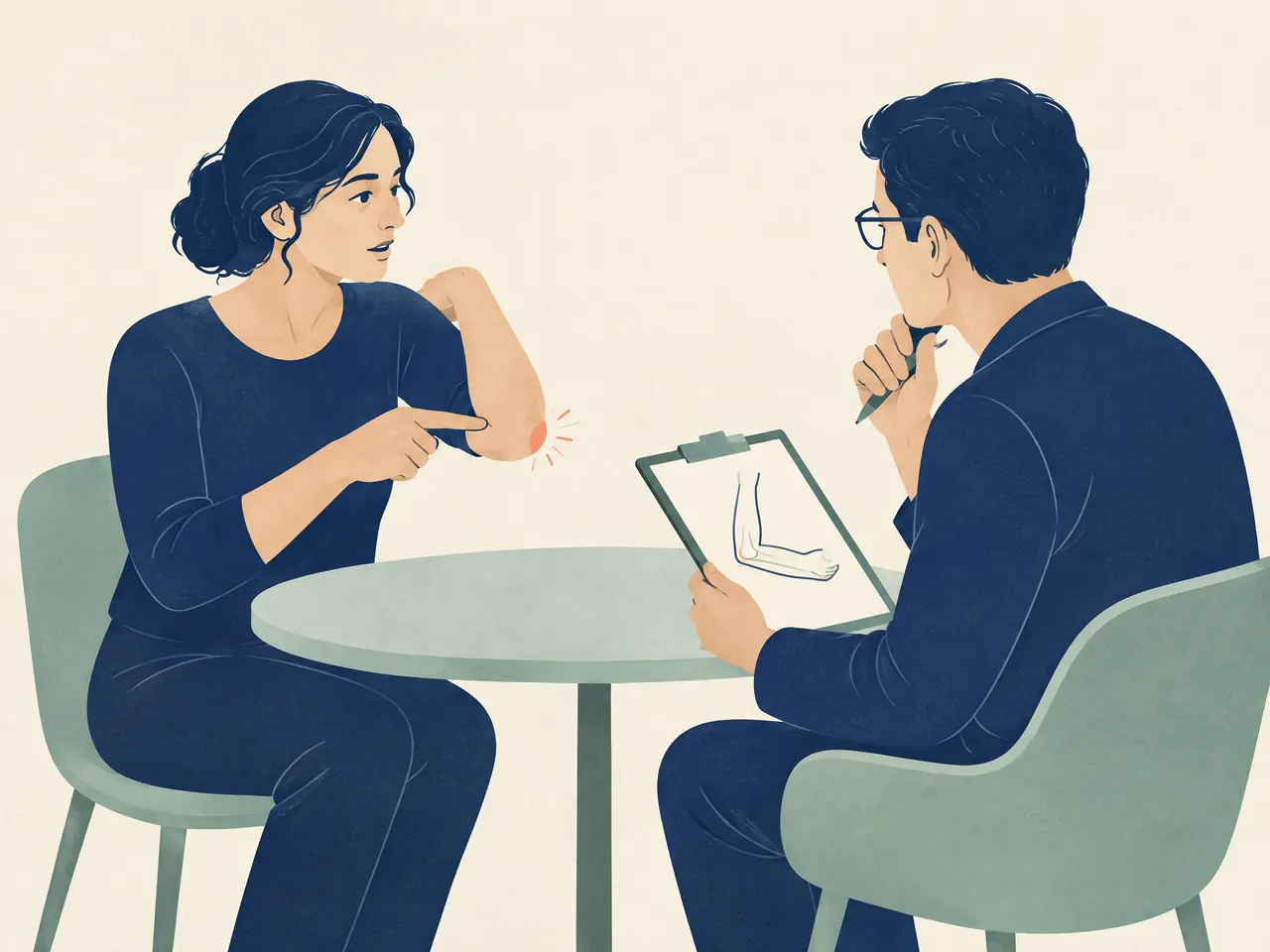
Assessment distinguishes a familiar load-related story from a condition that needs a different route. A clinician may ask when symptoms started, whether there was one incident or a gradual build-up, and what changed at work, home or sport. They may look at the elbow and forearm, compare movement and ask about painful gripping or resisted wrist movement. The Hong Kong College of Orthopaedic Surgeons states that diagnosis begins with history taking and physical examination; it also explains that an X-ray may be used to exclude other causes such as fracture or osteoarthritis when indicated [1]. Assessment is not an obstacle before acupuncture; it makes a subsequent discussion more responsible.
Bring a concise account rather than trying to self-diagnose. Say whether a task causes pain during movement, later that day or the next morning. Mention prior elbow, neck, wrist or hand problems; relevant health conditions; and any injury or change in sensation. A person considering a TCM consultation can also review tennis elbow acupuncture for another explanation of why symptoms and activity load should be considered together. The information supports clinical reasoning, but it does not turn an online checklist into a diagnosis.
lateral elbow pain acupuncture — tennis elbow (lateral epicondylitis) — acupuncture for lateral epicondylitis: What a TCM assessment may explore
In a TCM consultation, the practitioner may ask about the site and quality of pain, sensitivity to cold or warmth, sleep, energy, digestion and the wider health picture, alongside the local history of the elbow. They may observe how the arm moves and gently assess tender areas before deciding whether acupuncture is appropriate to discuss. In TCM terms, repetitive strain may be described through impaired local circulation or a blockage pattern; these are traditional explanatory concepts, not a substitute for an orthopaedic diagnosis or imaging when structural injury is suspected. The consultation should make room for both the person’s whole health context and the mechanical details of the task that has become painful.
The discussion should also cover factors that can alter suitability or require care, including pregnancy, bleeding or clotting concerns, medicines that affect bleeding, fainting with needles, skin infection or broken skin at a proposed treatment area, and recent procedures or injuries. Sharing this information early allows the practitioner to decide whether to defer, modify or avoid needling. The important outcome is an individual plan, not a pre-set number of visits or a claim that every lateral elbow problem has the same cause. If the expected pattern is unclear, another assessment may be the safer next step.

lateral elbow pain acupuncture — tennis elbow (lateral epicondylitis) — acupuncture for lateral epicondylitis: When medical imaging or urgent assessment comes first
Medical assessment should take priority when a fracture, dislocation, infection, significant joint problem or another structural cause is possible. A recent fall, a forceful pull, a deformity, inability to use the arm in the usual way, escalating pain, major swelling, fever or marked redness and heat are reasons not to assume an overuse problem. Depending on the clinical findings, a doctor may decide that imaging is useful. The Hong Kong orthopaedic guidance notes that X-ray is not usually necessary to make a routine tennis-elbow diagnosis, but can help exclude other causes including fracture and osteoarthritis; ultrasound or MRI may be used for particular questions [1].
Imaging is a decision made for the clinical situation, not a test that must be requested for every sore elbow. Equally, a normal-looking elbow should not be repeatedly loaded through worsening pain just because someone hopes it is minor. A person whose symptoms are persistent, changing or not behaving as expected should return for reassessment. For an evidence-aware discussion of the narrower question, Is acupuncture helpful for tennis elbow? explains why acupuncture is best considered alongside, rather than instead of, appropriate care and activity management.
lateral elbow pain acupuncture — tennis elbow (lateral epicondylitis) — acupuncture for lateral epicondylitis: What an acupuncture discussion may involve
If assessment supports a non-urgent, load-related lateral elbow pain pattern, acupuncture can be discussed as one component of symptom management. A practitioner may explain the proposed areas, ask for consent and use sterile single-use needles, with an approach tailored to the individual assessment. The conversation should remain realistic. UCLA Health’s review of earlier research describes mixed findings and uncertainty about how long any response may last; it characterises acupuncture as one of several modalities and notes the difficulty of separating its contribution from physical therapy and time [3]. Discuss comfort, function and response over time rather than a cure or a fixed result.
Some people seek a way to continue work or sport while symptoms settle. A useful plan does not permit repeating the exact trigger without change. It may set a goal, such as returning to a modified computer task or gradually resuming a recreational activity. New swelling, altered pain, declining function or no progress should change the plan. Readers comparing perspectives may also find Can acupuncture help tennis elbow? useful before deciding what questions to take to a consultation.

lateral elbow pain acupuncture — tennis elbow (lateral epicondylitis) — acupuncture for lateral epicondylitis: Needles, possible sensations and individual variation
Before needling, ask what will happen, where needles may be placed, how you can signal discomfort and what to do afterwards. People can experience a brief prick on insertion or local sensations described as dullness, heaviness, tingling or an ache. Others feel very little. None of these sensations measures whether treatment will work, and intense or unexpected discomfort should be reported immediately. Positioning, needle choice and the decision to continue should be based on the person in front of the practitioner rather than a standard script.
Response also varies from session to session. It can be useful to track a small set of meaningful markers: which task is easier, which movement remains provocative, how long symptoms settle after activity, and whether normal sleep or work is still disrupted. Avoid interpreting a temporarily easier day as proof that the underlying load problem has disappeared. Conversely, a lack of immediate change does not justify adding more treatment without reviewing the working diagnosis, the activity pattern and other care options. Clear communication lets the practitioner adjust, pause or refer when appropriate.

lateral elbow pain acupuncture — tennis elbow (lateral epicondylitis) — acupuncture for lateral epicondylitis: Rest, activity adjustment and realistic expectations
Rest does not have to mean doing nothing with the arm. For many people, it means reducing the motions that consistently flare pain while keeping comfortable daily movement. The NHS recommends avoiding or reducing activities that make symptoms worse and mentions simple arm movement and supports as possible self-care options [2]. The Hong Kong orthopaedic guidance similarly advises refraining from aggravating repetitive or overuse activity and refers to stretching and braces within non-surgical management [1]. A clinician or physiotherapist can advise whether a particular exercise, strap or brace suits the individual presentation; blindly copying an exercise online can aggravate symptoms.
Set expectations around function rather than deadlines. Agree on one or two relevant activity changes, such as using a lighter grip, sharing a task, changing a workstation setup, pausing before fatigue makes form worse or delaying a return to demanding sport. Then review what changed. If pain becomes more severe, spreads in an unusual way or function declines, seek reassessment rather than increasing treatment on your own. To discuss symptoms and the activity pattern with TCM Lab, send an enquiry through WhatsApp; appointments may be arranged at the Kwun Tong Chinese medicine clinic or the Chinese medicine clinic Prince Edward subject to appointment availability.
Care and health guide
Pain-care information
This directory brings together services, reading, and visit information related to pain care, to help you prepare questions for a consultation.
When pain care affects your day, noting when it occurs, its relation to activity, and what you have already tried can help prepare a consultation; Chinese medicine pain management Hong Kong is a relevant service or reading entry point.
Individual circumstances differ, and acupuncture Hong Kong offers related information to help you understand options and prepare questions.


Your questions, answered
Frequently asked questions
Is tennis elbow (lateral epicondylitis) only caused by playing tennis?
No. The name comes from a sporting association, but repeated gripping, wrist movement and forearm use in work, home tasks or hobbies can all be relevant. The activity pattern matters more than whether someone plays tennis.
Does acupuncture for lateral epicondylitis replace an examination or scan?
No. Assessment comes first when the cause is uncertain or injury is possible. A clinician decides whether examination alone is enough or whether imaging is useful for a particular concern. Acupuncture should not delay evaluation of a possible fracture, joint injury, infection or other structural problem.
What might lateral elbow pain acupuncture feel like?
People may feel a brief prick, then local dullness, heaviness, tingling or an ache, while others notice very little. Sensations vary. Tell the practitioner at once if pain is intense or unexpected, and share health factors that could affect suitability before treatment begins.
Can I use my arm after an acupuncture session?
Comfortable daily activity may be possible, but it is sensible to avoid immediately returning to the task that reliably provokes pain, especially heavy gripping or vigorous repetitive wrist use. Follow the individual advice given after assessment and seek reassessment if symptoms worsen or function falls.
Sources and further information
- [1] Hong Kong College of Orthopaedic Surgeons — Tennis Elbow
Referenced for: Supports descriptions of tennis-elbow symptoms, assessment, imaging considerations and non-surgical activity-management language; it does not support acupuncture efficacy claims.
- [2] NHS — Tennis elbow
Referenced for: Supports general symptom descriptions, reducing provoking activity and advice to seek clinical assessment for persistent symptoms; it does not establish an acupuncture outcome.
- [3] UCLA Health — Can acupuncture ease the pain of tennis elbow?
Referenced for: Supports the careful statement that published acupuncture evidence discussed in the article is mixed and that acupuncture may be one modality, not a guarantee of sustained benefit.