
TCM Lab · Health reading
Can you walk with a torn meniscus? Do I need surgery for a meniscus tear? When should I see a doctor for a meniscus tear?
Published Updated
Being able to walk after twisting a knee can feel reassuring, but it does not rule out a meniscus tear or tell you whether the knee will settle without further care. Some people remain mobile at first, while others notice pain, delayed swelling, stiffness, catching or a loss of confidence on stairs. Surgery is not an automatic answer to the words "meniscus tear". The more useful questions are what happened, whether the knee locks or gives way, how much ordinary activity is limited, and what a clinical examination shows. This page explains how to respond safely while arranging the right assessment.
Appointments are confirmed through WhatsApp. If you have language requirements, please mention them in your enquiry.
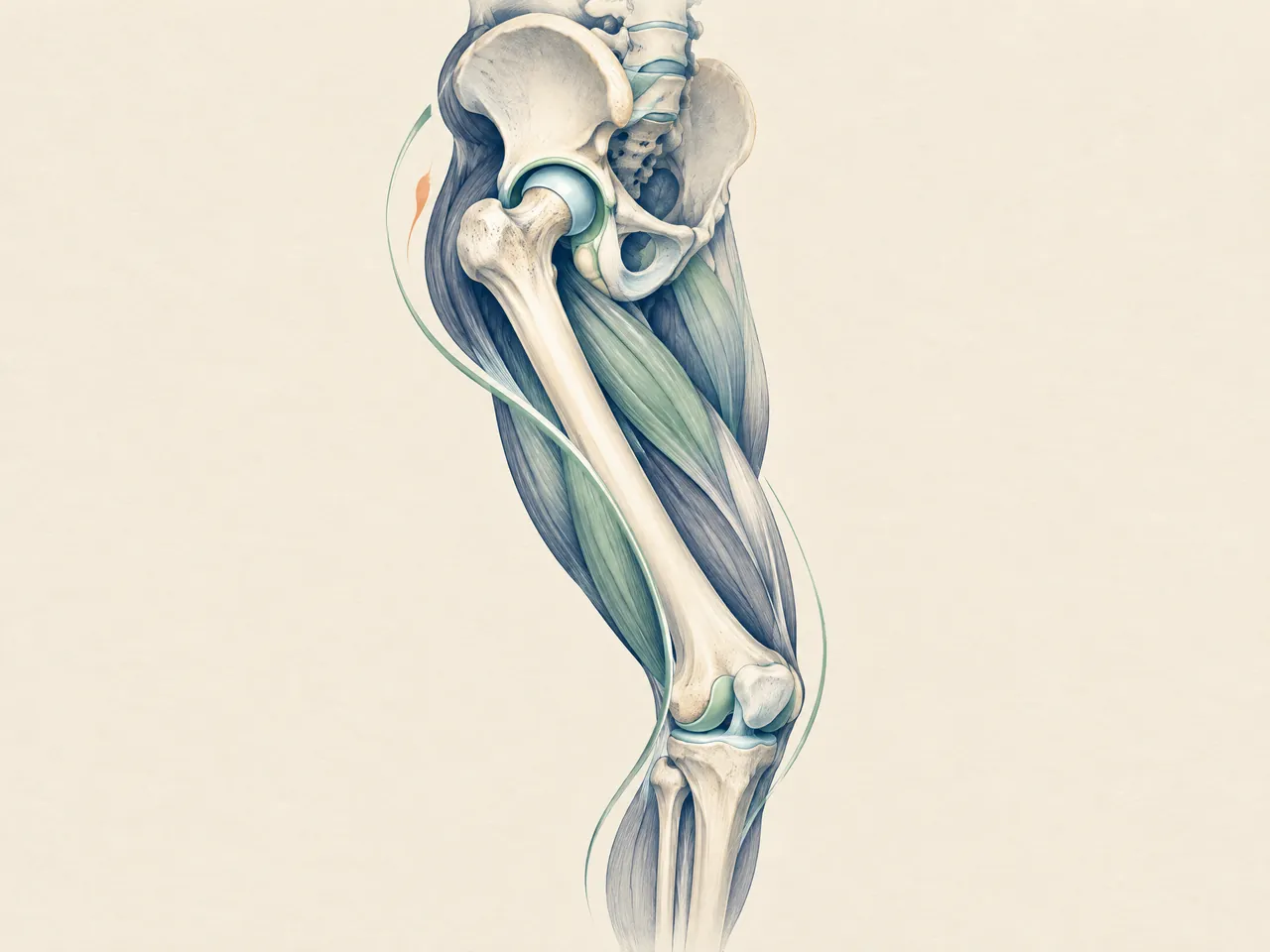
The short answer
Yes, some people can walk with a torn meniscus, especially soon after the injury, but walking does not show how severe the tear is. Surgery is not always needed; the decision depends on symptoms, knee function, examination findings and the injury pattern. Arrange prompt medical assessment for severe pain, rapid swelling, inability to bear weight, a hot swollen knee, or a knee that cannot fully bend or straighten. A locked or misshapen knee needs urgent care.
Transparent pricing
See the fees.
Choose your care.
Explore our complete official price list, including first-trial prices, regular prices, packages and branch-specific options.
Opening WhatsApp prepares an enquiry; it does not send a message, take payment or confirm an appointment. Suitability and individual arrangements are confirmed during consultation.
Pain care
All prices in HKDExtracorporeal shockwave treatment
Shockwave treatment for deep-tissue and fascial care. The Kwun Tong clinic offers the multi-area options shown below.
Priced by branch
Branch-specific pricing
Prince Edward: HK$250 per area
Kwun Tong: HK$250 for 1 area / HK$450 for 2 areas / HK$600 for 3 areas
Pain care (manual therapy)
Includes Chinese medicine musculoskeletal assessment, manual joint techniques and tui na.
HK$580 (single session)
Chinese medicine musculoskeletal assessment
Pain care (acupuncture and manual therapy)
Combines acupuncture and manual therapy.
HK$680 (single session)
Combined care
Hair and scalp
All prices in HKDScalp health and hair-loss management
Includes AI scalp analysis, deep scalp and follicle cleansing, and scalp oil-control care.
HK$380 (first trial)
Regular price: HK$680
- 6 sessions: HK$3,480 (HK$580 per session)
- 12 sessions: HK$5,760 (HK$480 per session)
- 20 sessions: HK$8,600 (HK$430 per session)
- 30 sessions: HK$11,400 (HK$380 per session)
Hair acupuncture and Chinese herbal medicine package
Includes scalp acupuncture and 3 days of Chinese herbal medicine that does not require decoction.
HK$580 (single session)
Registered Chinese Medicine Practitioner consultation
- 6 sessions: HK$3,180 (HK$530 per session)
- 12 sessions: HK$5,760 (HK$480 per session)
- 20 sessions: HK$8,600 (HK$430 per session)
- 30 sessions: HK$11,400 (HK$380 per session)
Combined hair and scalp treatment
Combines acupuncture and Chinese herbal medicine with salon-level scalp and follicle care. Packages include complimentary hair-care shampoo and serum.
HK$1,260 (single session)
Combined treatment
- 8 sessions: HK$8,640 (HK$1,080 per session)
- 16 sessions: HK$15,680 (HK$980 per session)
- 20 sessions: HK$18,600 (HK$930 per session)
- 30 sessions: HK$26,400 (HK$880 per session)
Weight management
All prices in HKDFull-body acupoint embedding for weight management
Includes full-body acupoint embedding. Packages include complimentary Chinese herbal medicine for weight management, with the number of included days scaled to the package. Embedding material and the individual treatment arrangement are confirmed during consultation; this is not a cosmetic thread lift.
HK$980 (single session)
No trial session
- 10 sessions: HK$7,800 (HK$780 per session)
- 20 sessions: HK$14,600 (HK$730 per session)
- 30 sessions: HK$20,400 (HK$680 per session)
Facial acupuncture
All prices in HKDFacial acupuncture (basic)
Includes facial acupuncture and meridian-based facial care, including care for facial puffiness.
HK$480 (first trial)
Regular price: HK$680
- 10 sessions: HK$5,200 (HK$520 per session)
- 20 sessions: HK$9,600 (HK$480 per session)
- 30 sessions: HK$13,500 (HK$450 per session)
Facial acupuncture (advanced)
Includes enhanced facial acupuncture with a specially formulated moisturising mask and serum.
HK$780 (first trial)
Regular price: HK$1,180
- 10 sessions: HK$9,000 (HK$900 per session)
- 20 sessions: HK$16,600 (HK$830 per session)
- 30 sessions: HK$23,400 (HK$780 per session)
Chinese medicine
All prices in HKDAcupuncture and Chinese herbal medicine package
Includes a Chinese medicine consultation with pulse assessment, body acupuncture and 3 days of Chinese herbal granules that do not require decoction.
HK$580 (single session)
Chinese medicine consultation with pulse assessment
Can you walk with a torn meniscus? Do I need surgery for a meniscus tear? When should I see a doctor for a meniscus tear? — Symptoms and movement
The menisci are two pieces of fibrocartilage that sit between the thighbone and shinbone. They help cushion the knee, transmit load and contribute to stability. A tear can follow a forceful pivot, a fall or another sporting injury, but it can also occur in tissue that has changed over time; even an awkward twist while standing may be enough for some people. The beginning of the story matters. A knee that hurt immediately after a tackle or a sudden turn calls for a different conversation from a knee that became gradually sore with repeated kneeling or getting up from a chair. Write down the movement, any pop you noticed, when swelling began, and any previous knee injury. These are clues for a clinician, not a way to diagnose the exact tear yourself. [2]
It is understandable to look for one decisive sign, such as being able to walk to the MTR, drive home or sleep through the night. In practice, knee function is more nuanced. Try to separate what you can do once from what you can repeat without increasing pain, swelling or instability later that day. A shopper may cope with a level floor yet find a crowded platform, a quick change of direction or a long descent uncomfortable. A parent may be able to carry out basic tasks but avoid kneeling or lifting a child. Recording those differences gives an assessor a more useful description than simply saying the knee is "good" or "bad". It also helps you choose sensible temporary adjustments instead of either complete inactivity or a premature return to sport.

Can you walk with a torn meniscus? Do I need surgery for a meniscus tear? When should I see a doctor for a meniscus tear? — Weight-bearing clues
Walking is a measure of what you can do at that moment, not a reliable measure of the structure inside the knee. The American Academy of Orthopaedic Surgeons notes that many people can still walk on an injured knee, and that stiffness and swelling may become more apparent over the following days. [2] A person may manage a short flat walk but struggle when turning, stepping down, rising from a low chair or carrying a bag. Another person may limp only after sitting for a while. Notice the difference between discomfort that settles with a small reduction in activity and pain that repeatedly stops normal tasks, interrupts sleep or causes you to change the way you walk. If pain is stopping everyday activity, worsening or returning, it is sensible to arrange a medical review rather than simply testing the knee again and again. [1]
Can you walk with a torn meniscus? Do I need surgery for a meniscus tear? When should I see a doctor for a meniscus tear? — Locking and range of motion
People use the word "locking" in different ways. A brief click or a cautious pause because bending hurts is not the same as a knee that physically will not bend or straighten. Be precise: can you eventually move through the restriction slowly, or does the joint stop at the same point and refuse to move? Also mention catching, a crunching sensation, stiffness, swelling, giving way and whether you can fully straighten the leg. These are recognised symptoms that can occur with a meniscus tear, although similar symptoms can have other causes. [1] The related guide to meniscus tear symptoms can help you put your observations into words before an appointment. Do not force a blocked knee straight, ask someone to twist it, or treat a pain-free interval as proof that the problem has disappeared.
Compare your options
| What you notice | What to record | What not to conclude | Reasonable next step |
|---|---|---|---|
| You can walk but limp after a twist | Which surface, distance, turns and stairs make the limp appear | Walking means there is no significant injury | Reduce aggravating activity and arrange a review if symptoms persist, worsen or limit normal life |
| Swelling or stiffness appears later | When it started, whether it is increasing and how it affects bending or straightening | Delayed symptoms are unrelated to the original movement | Discuss the timeline and examination findings with a clinician |
| Catching, giving way or a blocked feeling | Whether the knee actually stops moving or you can move it after a pause | Every click is a locked knee, or every lock will settle safely at home | Seek prompt assessment; inability to bend or straighten needs urgent advice |
| Severe pain or inability to bear weight | The injury mechanism, visible changes, numbness and any fever or hot skin | It is safe to wait for a routine complementary-care appointment | Seek urgent medical assessment |
| Symptoms keep returning despite activity changes | Daily limitations, sleep disturbance, treatments tried and prior imaging | A scan label alone decides whether surgery is needed | Ask a clinician how symptoms, function and injury findings affect the options |
On smaller screens, scroll the table sideways to compare all columns.
Can you walk with a torn meniscus? Do I need surgery for a meniscus tear? When should I see a doctor for a meniscus tear? — Assessment before treatment
The phrase "meniscus tear" does not make a treatment plan by itself. A clinical review joins together your account of the injury, the site of pain, swelling, movement and stability with an examination of the knee. Depending on the situation, imaging may be used to clarify what else could be involved. X-rays are useful for looking at bone and other possible causes of knee pain, but they do not show a meniscus tear; MRI assesses soft tissue such as the menisci, cartilage, tendons and ligaments. [2] That is why a scan result should be considered alongside how the knee functions, rather than used as a stand-alone instruction to have surgery or to ignore symptoms. Bring reports you already have, but also describe the practical problem that led you to seek help.
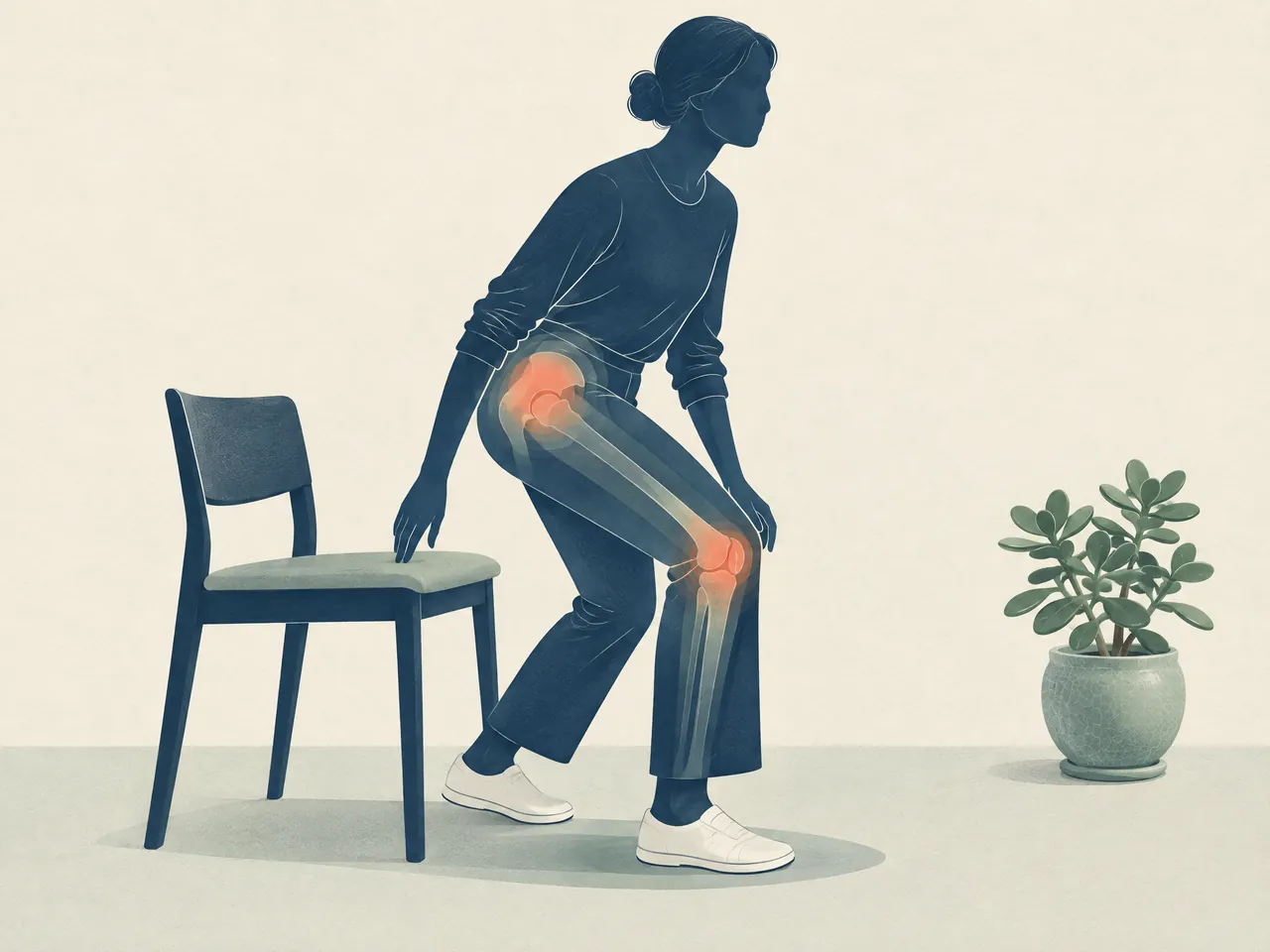
The same report can mean different practical things for different people. One person may mainly want to walk comfortably at work; another may need confidence to pivot during sport, climb flights of stairs or work safely on uneven ground. Say what you need the knee to do and what it currently prevents. It is also worth distinguishing fear of movement from a true mechanical block, although both deserve a careful conversation. Ask the clinician to explain the working diagnosis in plain language, what signs led to it, and whether the next step is time, rehabilitation, imaging, an orthopaedic opinion or another form of review. This makes the decision process visible and reduces the temptation to choose treatment from the scan wording alone.
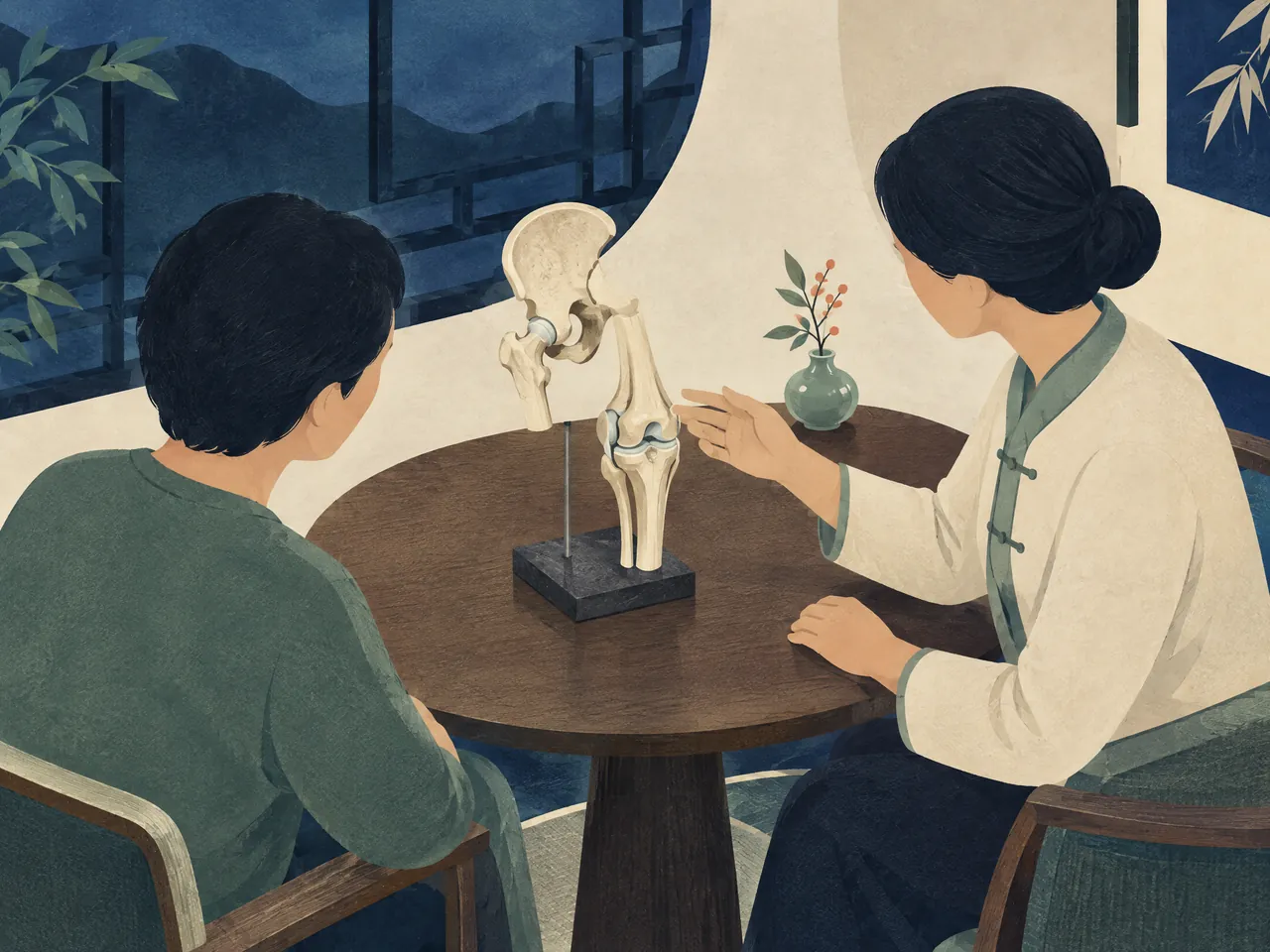
Can you walk with a torn meniscus? Do I need surgery for a meniscus tear? When should I see a doctor for a meniscus tear? — What a clinical review considers
A useful appointment starts with a clear timeline. Explain whether the injury happened during a turn, squat, fall or impact; whether the knee swelled straight away or later; and which movements are now limited. Mention pain on the inner or outer joint line, episodes of giving way, prior surgery, arthritis, anticoagulant medicines and any fever or feeling unwell. The clinician may assess tenderness, bending and straightening, walking and stability, and decide whether a referral or imaging is appropriate. AAOS describes the examination as beginning with the symptoms and medical history, then checking the knee for signs such as joint-line tenderness; imaging can help confirm the diagnosis because other injuries can feel similar. [2] If pain is not clearly centred in the knee, mapping the wider pattern, including hip pain location, may prevent an overly narrow explanation of your symptoms.
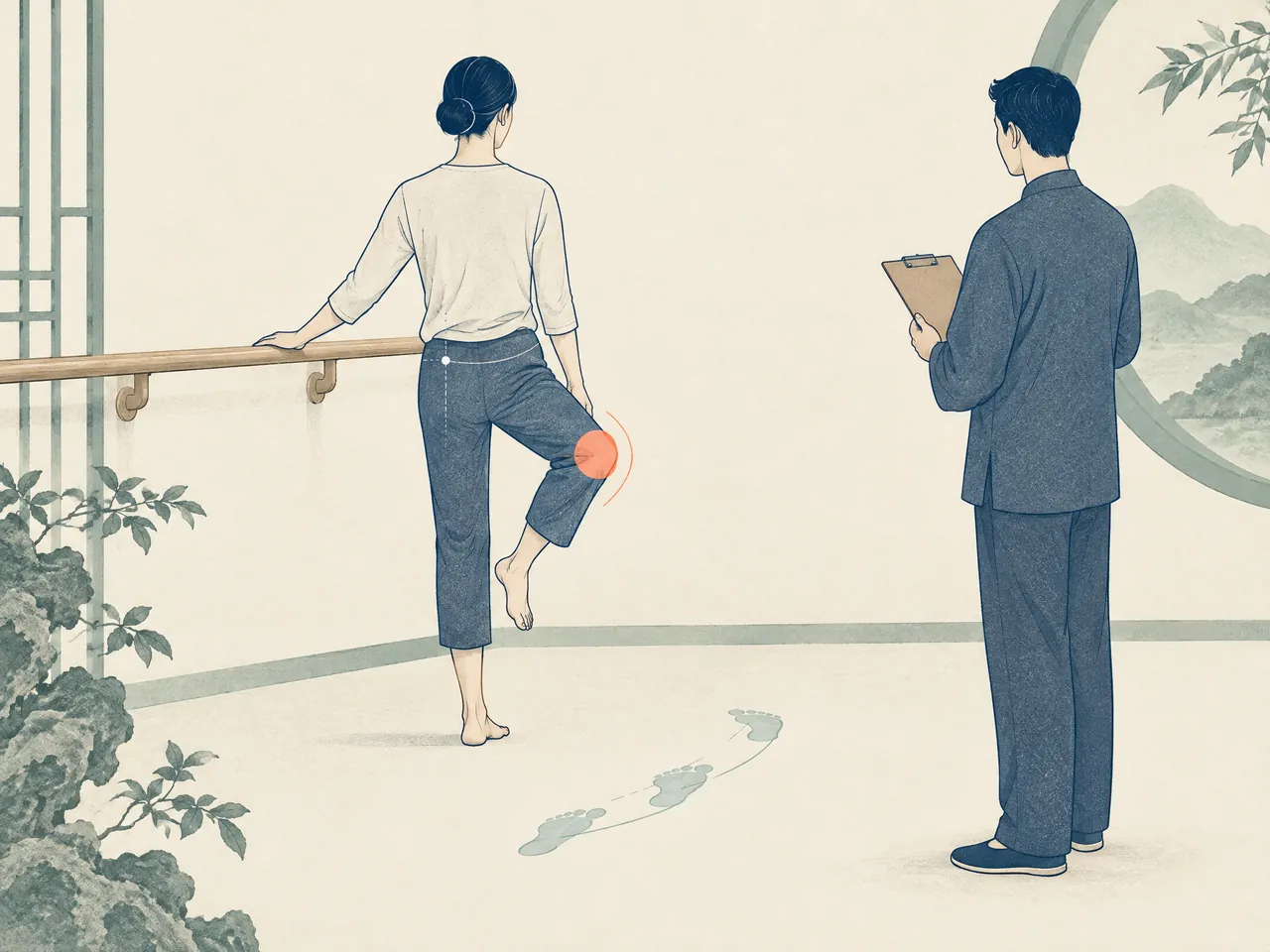
Can you walk with a torn meniscus? Do I need surgery for a meniscus tear? When should I see a doctor for a meniscus tear? — Conservative care and its limits
For a recent, non-emergency knee injury, short-term steps often focus on reducing irritation while assessment is arranged: pause the activity that caused the pain, use a wrapped cold pack rather than placing ice directly on skin, consider support or compression if appropriate, and elevate the leg when resting. The NHS also advises gentle knee movement after the first few days rather than complete immobilisation, and advises checking with a pharmacist or clinician about pain relief that is suitable for you. [1] These measures may make daily life more manageable, but they do not identify the tear pattern or replace an examination when symptoms are substantial. Avoid a self-imposed plan built around a deadline, such as a race, a hiking trip or returning to a physically demanding job. The correct pace of activity depends on the individual injury and advice from the clinician who assesses you.
Can you walk with a torn meniscus? Do I need surgery for a meniscus tear? When should I see a doctor for a meniscus tear? — Deciding when to seek help
Whether surgery is discussed depends on more than pain on one day. AAOS states that treatment takes account of factors including symptoms, activity level and the type, size and location of the injury. It also notes that many tears do not need immediate surgery when symptoms do not persist and there is no locking or swelling; persistent symptoms may lead to discussion of arthroscopic surgery. [2] Surgery may involve repair or trimming, and the suitable option cannot be predicted from a search result. If you are comparing supportive options, read acupuncture for a meniscus tear with the same distinction in mind: symptom support is not a way to stitch or restore torn meniscus tissue. Keep the medical assessment central when a structural knee injury is possible.
A decision can change as the picture becomes clearer. Initial pain and swelling may make examination difficult, while later recovery or persistent symptoms can alter what needs to be considered. Keep follow-up advice and seek it earlier if the pattern changes: for example, a knee that was improving becomes newly swollen, it starts giving way, or its range of movement reduces. If surgery is raised, useful questions include what problem the procedure is intended to address, what alternatives are reasonable in your case, what rehabilitation would involve and how the decision relates to your own work or activity goals. These questions are not a substitute for a specialist opinion; they help you take part in that discussion with realistic expectations.

Can you walk with a torn meniscus? Do I need surgery for a meniscus tear? When should I see a doctor for a meniscus tear? — Urgent warning signs
Seek urgent medical help after an injury if you have very severe knee pain, cannot walk or put weight through the knee, cannot bend or straighten the leg, or if the skin around the knee is swollen and hot. Knee pain with a high temperature or feeling hot, cold or shivery also needs prompt assessment. [1] Go for immediate emergency care if the knee has moved out of place, changed shape or points at an unusual angle, or if there is tingling or loss of feeling in the knee, leg or toes. [1] These signs can point to problems that need faster evaluation than a routine discussion about conservative care. If you are in doubt about the urgency, choose a timely medical assessment. Do not drive yourself if the knee is unstable, the leg feels numb or the injury makes safe driving difficult.

Can you walk with a torn meniscus? Do I need surgery for a meniscus tear? When should I see a doctor for a meniscus tear? — Planning your next conversation
For symptoms that are not emergencies, prepare three short questions: what findings are most likely to explain the problem, what activity is safe while it is being assessed, and what would make referral or a surgical opinion appropriate? Add a simple note of pain location, swelling, locking or giving-way episodes, distance walked, stair difficulty and medicines tried. If you later want to discuss supportive Chinese medicine care for pain or restricted movement, the page on acupuncture for meniscus injury explains its supportive role and limitations. Take any imaging reports to the appointment and tell every practitioner about current treatments. That makes it easier to coordinate rather than treating each option as a substitute for necessary orthopaedic or medical review.
Care and health guide
Health service information
This directory brings together services, reading, and visit information related to health services, to help you prepare questions for a consultation.
If you are organising health questions, Chinese medicine clinic Hong Kong is a starting point for learning about related services and preparing for a consultation.
People have different needs; acupuncture Hong Kong provides further reading to help you understand options in your own context.


Your questions, answered
Frequently asked questions
Can I walk on a torn meniscus without making it worse?
Walking ability differs from person to person and does not show the injury’s severity. Avoid painful pivoting, running, deep squatting and other movements that clearly aggravate the knee while you arrange advice. A clinician can give activity guidance after considering your symptoms and examination.
Does a locked knee always mean I need surgery?
A knee that cannot bend or straighten needs urgent medical assessment, but surgery is not something that can be decided from one symptom online. The cause, examination and sometimes imaging guide the decision. Do not try to force a locked knee back into position.
When should I see a doctor for a meniscus tear if the pain is mild?
Arrange a review if knee pain is stopping normal activities or sleep, is getting worse or repeatedly returning, symptoms have not improved with sensible home care, or morning stiffness lasts beyond a short period. Seek help sooner if swelling, instability or range-of-motion problems are increasing.
Can acupuncture repair a torn meniscus?
No. Acupuncture does not stitch or regrow torn meniscus tissue. After necessary medical assessment, it may be discussed as supportive care for symptoms such as pain or restricted movement, but it should not delay care for a locked knee, inability to bear weight, marked swelling or another urgent warning sign.
Sources and further information
- [1] NHS — Meniscus tear (knee cartilage damage)
Referenced for: Official guidance on meniscus-tear symptoms, self-care, urgent warning signs and when medical assessment may be needed.
- [2] American Academy of Orthopaedic Surgeons — Meniscus Tears
Referenced for: Orthopaedic information on meniscus function, causes, examination, imaging and factors used to consider non-surgical or surgical care.