
TCM Lab · Health reading
Sciatica Red Flags, Sciatica Self-Care: What Causes Sciatica?
Published Updated
Pain running from the low back or buttock into one leg can be alarming, especially when it interrupts a commute, desk work or sleep. Sciatica is a symptom pattern rather than a diagnosis by itself. This guide answers What causes sciatica?, separates sensible sciatica self-care from forced exercise, and makes sciatica red flags easy to spot. New bladder or bowel changes, numbness around the groin or anus, symptoms on both sides, or worsening weakness need urgent medical assessment rather than a wait-and-see approach.
Appointments are confirmed through WhatsApp. If you have language requirements, please mention them in your enquiry.
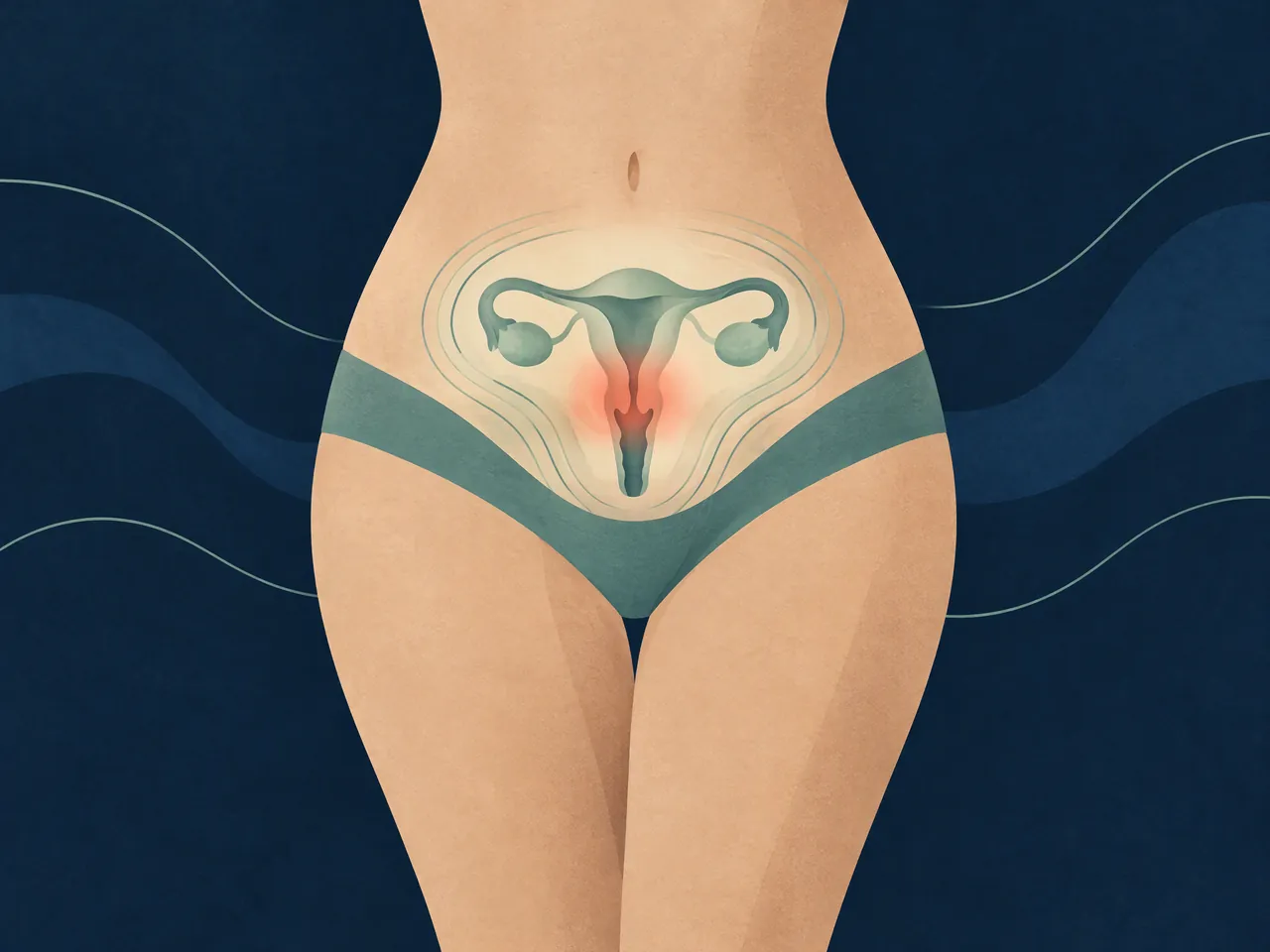
The short answer
What causes sciatica? It can occur when a nerve running from the lower back is irritated or compressed, for example by a slipped disc, spinal narrowing, a vertebra that has slipped, or an injury. Sciatica self-care is usually about keeping gently mobile within tolerance and recording changes, not pushing through severe symptoms. Sciatica red flags include bilateral leg symptoms, progressive weakness, saddle numbness, and new bladder or bowel changes; seek urgent assessment if these occur.
Transparent pricing
See the fees.
Choose your care.
Explore our complete official price list, including first-trial prices, regular prices, packages and branch-specific options.
Opening WhatsApp prepares an enquiry; it does not send a message, take payment or confirm an appointment. Suitability and individual arrangements are confirmed during consultation.
Pain care
All prices in HKDExtracorporeal shockwave treatment
Shockwave treatment for deep-tissue and fascial care. The Kwun Tong clinic offers the multi-area options shown below.
Priced by branch
Branch-specific pricing
Prince Edward: HK$250 per area
Kwun Tong: HK$250 for 1 area / HK$450 for 2 areas / HK$600 for 3 areas
Pain care (manual therapy)
Includes Chinese medicine musculoskeletal assessment, manual joint techniques and tui na.
HK$580 (single session)
Chinese medicine musculoskeletal assessment
Pain care (acupuncture and manual therapy)
Combines acupuncture and manual therapy.
HK$680 (single session)
Combined care
Hair and scalp
All prices in HKDScalp health and hair-loss management
Includes AI scalp analysis, deep scalp and follicle cleansing, and scalp oil-control care.
HK$380 (first trial)
Regular price: HK$680
- 6 sessions: HK$3,480 (HK$580 per session)
- 12 sessions: HK$5,760 (HK$480 per session)
- 20 sessions: HK$8,600 (HK$430 per session)
- 30 sessions: HK$11,400 (HK$380 per session)
Hair acupuncture and Chinese herbal medicine package
Includes scalp acupuncture and 3 days of Chinese herbal medicine that does not require decoction.
HK$580 (single session)
Registered Chinese Medicine Practitioner consultation
- 6 sessions: HK$3,180 (HK$530 per session)
- 12 sessions: HK$5,760 (HK$480 per session)
- 20 sessions: HK$8,600 (HK$430 per session)
- 30 sessions: HK$11,400 (HK$380 per session)
Combined hair and scalp treatment
Combines acupuncture and Chinese herbal medicine with salon-level scalp and follicle care. Packages include complimentary hair-care shampoo and serum.
HK$1,260 (single session)
Combined treatment
- 8 sessions: HK$8,640 (HK$1,080 per session)
- 16 sessions: HK$15,680 (HK$980 per session)
- 20 sessions: HK$18,600 (HK$930 per session)
- 30 sessions: HK$26,400 (HK$880 per session)
Weight management
All prices in HKDFull-body acupoint embedding for weight management
Includes full-body acupoint embedding. Packages include complimentary Chinese herbal medicine for weight management, with the number of included days scaled to the package. Embedding material and the individual treatment arrangement are confirmed during consultation; this is not a cosmetic thread lift.
HK$980 (single session)
No trial session
- 10 sessions: HK$7,800 (HK$780 per session)
- 20 sessions: HK$14,600 (HK$730 per session)
- 30 sessions: HK$20,400 (HK$680 per session)
Facial acupuncture
All prices in HKDFacial acupuncture (basic)
Includes facial acupuncture and meridian-based facial care, including care for facial puffiness.
HK$480 (first trial)
Regular price: HK$680
- 10 sessions: HK$5,200 (HK$520 per session)
- 20 sessions: HK$9,600 (HK$480 per session)
- 30 sessions: HK$13,500 (HK$450 per session)
Facial acupuncture (advanced)
Includes enhanced facial acupuncture with a specially formulated moisturising mask and serum.
HK$780 (first trial)
Regular price: HK$1,180
- 10 sessions: HK$9,000 (HK$900 per session)
- 20 sessions: HK$16,600 (HK$830 per session)
- 30 sessions: HK$23,400 (HK$780 per session)
Chinese medicine
All prices in HKDAcupuncture and Chinese herbal medicine package
Includes a Chinese medicine consultation with pulse assessment, body acupuncture and 3 days of Chinese herbal granules that do not require decoction.
HK$580 (single session)
Chinese medicine consultation with pulse assessment
Sciatica Red Flags, Sciatica Self-Care and What Causes Sciatica?
Sciatica describes a pattern of symptoms, usually pain travelling from the lower back or buttock down the back of one leg. It may feel sharp, burning, electric or aching, and can come with tingling, numbness or weakness. Having low-back pain alone does not automatically mean sciatica. A useful first question is where the sensation travels: does it stay local, reach the thigh, pass the knee, or extend towards the foot? The route, side of the body, onset and effect on walking provide more useful clues than the intensity label alone. The NHS describes one-leg pain with sensory symptoms or weakness as a typical pattern and notes that coughing, sneezing or movement may aggravate it [1].
The symptom route is not the only detail that matters. Say whether the problem began suddenly after a lift, gradually over several days, or after an injury, and whether previous episodes have felt the same. Mention fever, feeling generally unwell, significant trauma, a history of cancer, unexplained weight loss, recent spinal procedures, medicines that affect immunity, or pain that is unrelenting at night. These features do not prove a particular cause, but they are relevant to timely clinical triage. NICE includes infection, fracture and cancer among serious conditions whose signs may overlap with sciatica [2].
Urgent does not always mean pain is at its highest. A person can have a manageable pain score yet notice a new loss of foot control, a growing area of numbness, or a change in urinary sensation. Conversely, a severe one-sided flare without those signs still deserves thoughtful assessment when it is getting worse or prevents normal activity. If the situation feels unsafe, do not drive yourself while symptoms affect leg control or awareness. Ask for urgent help. Red flags are not designed for self-diagnosis; they identify situations where it is safer to be assessed quickly than to continue experimenting with home care.

Sciatica Red Flags, Sciatica Self-Care and What Causes Sciatica?: Which Symptoms Need Urgent Attention?
Some symptoms change the priority from self-management to urgent assessment. Do not try to stretch through symptoms on both sides, rapidly worsening leg weakness, or marked numbness in both legs. Numbness around the genitals, anus or inner thighs is often called saddle numbness because of the area that would touch a saddle. A new problem starting urination, inability to pass urine, reduced awareness of bladder or bowel sensations, or new loss of bladder or bowel control also needs urgent attention. These features can occur with serious nerve compression and need hospital-level assessment as soon as possible rather than an acupuncture, massage or routine clinic visit.
Sciatica Self-Care, Sciatica Red Flags and What Causes Sciatica?: Start by Mapping Symptoms
Before an appointment, draw a simple outline from the waist to the foot and mark where pain, tingling, numbness or heaviness appears. Add whether it is only on one side and whether it arrives with sitting, standing, walking, bending, coughing or sleep. Then describe function rather than guessing at a diagnosis: for example, whether you catch a toe on a step, cannot tolerate a short walk, or need to change position after a few minutes at a desk. The sciatica symptoms guide can help you organise this description without treating it as a diagnosis.
Compare your options
| What you notice | What to record or avoid | Appropriate next step |
|---|---|---|
| One-sided pain from buttock or back into the leg, without new weakness or numbness | Map the pain route, triggers, easing positions and effect on daily activities; avoid prolonged bed rest. | Use tolerable movement and arrange assessment if it persists, worsens or limits normal activity. |
| Tingling or numbness in one leg that is new, spreading or affecting walking | Record the area, timing and changes in strength; do not force stretches that worsen symptoms. | Seek a timely clinical assessment to clarify the cause and appropriate plan. |
| Symptoms on both sides, severe or progressive leg weakness, or saddle numbness | Do not wait to see whether a home routine, massage or exercise will settle it. | Seek urgent medical assessment. |
| New difficulty starting urine, inability to urinate, or new bladder or bowel control changes | Treat the change as urgent, especially when it occurs with back or leg symptoms. | Seek urgent medical assessment immediately. |
On smaller screens, scroll the table sideways to compare all columns.
Sciatica Red Flags and Sciatica Self-Care: What Causes Sciatica?
What causes sciatica? A nerve may be irritated or compressed where it leaves the lower spine. A slipped disc is one common cause; narrowing of the spinal canal, a vertebra that has moved out of position and back injury are other possibilities [1]. That does not mean every pain travelling into the leg has the same cause. In Hong Kong, hospital information also distinguishes true sciatica from sciatica-like pain, which may have a different source and pattern [3]. A clinician uses the history and examination to decide what needs further attention; imaging or another test is not something to self-prescribe from a symptom checklist.
Patterns can differ across the day. Sitting may irritate symptoms for one person, while standing or walking brings them on for another. Notice whether leaning forward, getting up from a chair, using stairs, turning in bed or riding on public transport changes the leg symptoms. This does not identify the structure involved by itself, but it gives an assessor practical information about load and function. Keep notes brief enough to use: date, the main activity, the furthest point symptoms travelled, any numbness, and whether strength or balance seemed different. A clear record is more useful than repeatedly testing a painful movement to see whether it still hurts.

Make self-care adjustments one at a time where possible. For example, set a reminder to stand up after a period at the computer, reduce a heavy carrying task, or split a necessary journey with a chance to change position. This is not a rule to avoid every movement. The point is to find a level of activity that remains tolerable while you observe the trend. If a gentle walk settles symptoms but a longer walk makes numbness spread, record that distinction. If there is no red flag, a clinician or physiotherapist can use these details to discuss activity, rehabilitation and other options without relying on memory alone.
What Causes Sciatica?, Sciatica Red Flags and Sciatica Self-Care: Track Symptoms Along the Leg
A short daily record makes change visible. Write down the furthest point the pain travels, whether numbness has appeared in a new area, and whether your leg feels less steady when climbing stairs or getting out of a chair. Note the activity before the flare, but do not assume the last movement was the original cause. A long car ride, a day of lifting, an unfamiliar workout or a cough may expose an already irritated nerve. If one-sided pain becomes bilateral, strength declines, or the map expands into the saddle area, stop treating the log as a self-care tool and seek urgent assessment.

Sciatica Self-Care, Sciatica Red Flags and What Causes Sciatica?: Staying Active Safely
In the absence of red flags, the aim is usually tolerable movement rather than complete rest or a punishing flexibility routine. The NHS advises carrying on with normal activities as much as possible and avoiding long periods of sitting or lying down [1]. Break a desk day with brief position changes, use a short walk if it feels manageable, and choose everyday tasks that do not sharply increase the leg symptoms. “Active” does not mean ignoring a clear deterioration. A stretch, gym session, heavy lift or prolonged drive that repeatedly increases radiating pain, numbness or weakness is a reason to stop and reassess the plan.
What Causes Sciatica? Sciatica Red Flags and Sciatica Self-Care Choices
Good decisions separate three questions: Is this an emergency? Does the pattern need timely medical assessment? What can be done comfortably while arranging care? Use the red flags first. If they are absent but pain is getting worse, has not improved after a period of home care, or is stopping ordinary activities, arrange a clinical assessment rather than endlessly changing stretches. Bring the route map, symptom timeline, relevant injury history, medicine list and any previous scans or reports. If you are unsure whether the main problem is nerve-related leg pain or local low-back pain, read sciatica vs back pain before the consultation, then describe what you actually feel rather than selecting a label.
Preparing for assessment is different from deciding that every person needs the same test or treatment. Bring or list current pain medicines, supplements and treatments, including anything you have stopped because of side effects. Describe whether you are pregnant, recently gave birth, have diabetes, use anticoagulants, have had cancer, or have had a recent injury if these apply. Explain how symptoms affect ordinary decisions: whether you can sit through work, stand in a queue, sleep, walk to transport or safely lift a child. Those practical limits help a clinician understand the impact and decide whether monitoring, conservative care or another route is appropriate.

If you want to discuss a non-urgent Chinese medicine consultation after red flags have been excluded, start with the assessment question rather than a promise of a particular treatment. You can review the Chinese medicine clinic price list Hong Kong for practical planning, then message the clinic with the symptom route and relevant medical care already in place. TCM Lab has locations for a Kwun Tong Chinese medicine clinic or a Chinese medicine clinic Prince Edward enquiry. Neither location is an alternative to emergency services when urgent neurological symptoms are present.

Sciatica Red Flags, Sciatica Self-Care and What Causes Sciatica?: Decisions About Assessment
An assessment commonly begins with the story of the pain and a neurological examination, including how the leg moves and feels. Depending on the findings, a clinician may discuss exercises, physiotherapy, medicines, imaging, specialist referral or other options. The right sequence depends on the symptoms and examination, not on a universal timeline. The sciatic nerve pain page may help you prepare the details to mention, while the broader sciatica topic explains related reading paths. Any suggestion of cauda equina symptoms needs urgent assessment; NICE lists bowel or bladder dysfunction, progressive neurological weakness, saddle anaesthesia and sudden bilateral radicular leg pain among red flags that raise concern [2].

What Causes Sciatica?, Sciatica Self-Care and Sciatica Red Flags: Acupuncture as an Adjunct
For non-urgent symptoms, some people ask whether acupuncture can sit alongside an assessment and rehabilitation plan. This is a discussion about an adjunct, not a substitute for neurological examination, prescribed care, physiotherapy or urgent referral when those are needed. A systematic review of acupuncture for sciatica reported limitations in the available trials, including small samples and methodological weaknesses, and called for more rigorous research [4]. That uncertainty is a reason to keep the goal specific: discuss what is changing, disclose medicines and other treatments, and agree which symptoms should trigger medical review. Do not use an adjunctive treatment to delay care for worsening weakness, bilateral symptoms or bladder, bowel or saddle changes.
Care and health guide
Sciatica: care information
This directory brings together services, reading, and visit information related to sciatica, to help you prepare questions for a consultation.
When sciatica affects your day, noting when it occurs, its relation to activity, and what you have already tried can help prepare a consultation; acupuncture for sciatica is a relevant service or reading entry point.
Individual circumstances differ, and acupuncture Hong Kong offers related information to help you understand options and prepare questions.


Your questions, answered
Frequently asked questions
What are the most important sciatica red flags?
Urgent sciatica red flags include symptoms affecting both legs, severe or worsening weakness or numbness in both legs, saddle numbness, difficulty starting to urinate, inability to urinate, or new loss of bladder or bowel control. These signs need urgent medical assessment and should not be managed with stretching or a routine appointment.
What causes sciatica if I have pain from my buttock to my foot?
Sciatica can occur when a nerve from the lower spine is irritated or compressed. A slipped disc, spinal stenosis, spondylolisthesis and back injury are recognised causes. However, pain that travels into the leg may also have another explanation, so the pattern, neurological findings and function should guide assessment.
Should I rest completely during a sciatica flare?
Usually, prolonged bed rest is not advised when there are no red flags. Aim for everyday movement that remains tolerable, such as brief walks or regular position changes, and avoid forcing a stretch or exercise that worsens radiating pain, numbness or weakness. Get assessed if symptoms worsen, persist or restrict normal activity.
Can acupuncture replace medical assessment for sciatica?
No. Acupuncture may be discussed as an adjunct for non-urgent symptoms after an appropriate assessment, but it cannot replace neurological evaluation, physiotherapy, medicines, imaging or specialist care when those are indicated. Seek urgent medical care first for red flags such as bilateral symptoms, progressive weakness, saddle numbness or bladder or bowel changes.
Sources and further information
- [1] NHS — Sciatica
Referenced for: Official health guidance for typical symptoms, common causes, activity advice and urgent symptoms requiring immediate assessment.
- [2] NICE Clinical Knowledge Summaries — Sciatica: Red flag symptoms and signs
Referenced for: Clinical red-flag terminology and the serious conditions that can overlap with sciatica.
- [3] Hong Kong Adventist Hospital — Sciatica
Referenced for: Hong Kong hospital information on sciatica-like pain, structural causes, symptoms and assessment context.
- [4] Liu et al. — Effectiveness of Acupuncture for Treating Sciatica: A Systematic Review and Meta-Analysis
Referenced for: Systematic-review evidence limitations relevant to cautious discussion of acupuncture as an adjunct.