
TCM Lab · Health reading
Pain Assessment, Tui Na for pain and acupuncture for pain: A Practical Guide
Published Updated
A painful shoulder after swimming, a low back that stiffens after a commute, and knee discomfort on stairs can all interrupt ordinary life, yet they do not necessarily have the same cause or response. A pain assessment looks beyond the point that hurts to the timeline, movement limits, triggers, medical history and warning signs. It helps a Registered Chinese Medicine Practitioner explain whether Tui Na for pain, acupuncture for pain, shockwave therapy, self-care, further medical assessment or referral is the sensible next step.
Appointments are confirmed through WhatsApp. If you have language requirements, please mention them in your enquiry.
The short answer
Pain assessment should happen before choosing Tui Na for pain or acupuncture for pain. It usually considers the painful area, onset, pattern, aggravating and easing factors, daily function, previous injuries, medicines and relevant health history. It also checks for warning signs that may call for urgent medical care or further investigation. Only then can a practitioner discuss whether manual therapy, acupuncture, shockwave therapy, self-care, another service or referral is an appropriate next step.
Transparent pricing
See the fees.
Choose your care.
Explore our complete official price list, including first-trial prices, regular prices, packages and branch-specific options.
Opening WhatsApp prepares an enquiry; it does not send a message, take payment or confirm an appointment. Suitability and individual arrangements are confirmed during consultation.
Pain care
All prices in HKDExtracorporeal shockwave treatment
Shockwave treatment for deep-tissue and fascial care. The Kwun Tong clinic offers the multi-area options shown below.
Priced by branch
Branch-specific pricing
Prince Edward: HK$250 per area
Kwun Tong: HK$250 for 1 area / HK$450 for 2 areas / HK$600 for 3 areas
Pain care (manual therapy)
Includes Chinese medicine musculoskeletal assessment, manual joint techniques and tui na.
HK$580 (single session)
Chinese medicine musculoskeletal assessment
Pain care (acupuncture and manual therapy)
Combines acupuncture and manual therapy.
HK$680 (single session)
Combined care
Hair and scalp
All prices in HKDScalp health and hair-loss management
Includes AI scalp analysis, deep scalp and follicle cleansing, and scalp oil-control care.
HK$380 (first trial)
Regular price: HK$680
- 6 sessions: HK$3,480 (HK$580 per session)
- 12 sessions: HK$5,760 (HK$480 per session)
- 20 sessions: HK$8,600 (HK$430 per session)
- 30 sessions: HK$11,400 (HK$380 per session)
Hair acupuncture and Chinese herbal medicine package
Includes scalp acupuncture and 3 days of Chinese herbal medicine that does not require decoction.
HK$580 (single session)
Registered Chinese Medicine Practitioner consultation
- 6 sessions: HK$3,180 (HK$530 per session)
- 12 sessions: HK$5,760 (HK$480 per session)
- 20 sessions: HK$8,600 (HK$430 per session)
- 30 sessions: HK$11,400 (HK$380 per session)
Combined hair and scalp treatment
Combines acupuncture and Chinese herbal medicine with salon-level scalp and follicle care. Packages include complimentary hair-care shampoo and serum.
HK$1,260 (single session)
Combined treatment
- 8 sessions: HK$8,640 (HK$1,080 per session)
- 16 sessions: HK$15,680 (HK$980 per session)
- 20 sessions: HK$18,600 (HK$930 per session)
- 30 sessions: HK$26,400 (HK$880 per session)
Weight management
All prices in HKDFull-body acupoint embedding for weight management
Includes full-body acupoint embedding. Packages include complimentary Chinese herbal medicine for weight management, with the number of included days scaled to the package. Embedding material and the individual treatment arrangement are confirmed during consultation; this is not a cosmetic thread lift.
HK$980 (single session)
No trial session
- 10 sessions: HK$7,800 (HK$780 per session)
- 20 sessions: HK$14,600 (HK$730 per session)
- 30 sessions: HK$20,400 (HK$680 per session)
Facial acupuncture
All prices in HKDFacial acupuncture (basic)
Includes facial acupuncture and meridian-based facial care, including care for facial puffiness.
HK$480 (first trial)
Regular price: HK$680
- 10 sessions: HK$5,200 (HK$520 per session)
- 20 sessions: HK$9,600 (HK$480 per session)
- 30 sessions: HK$13,500 (HK$450 per session)
Facial acupuncture (advanced)
Includes enhanced facial acupuncture with a specially formulated moisturising mask and serum.
HK$780 (first trial)
Regular price: HK$1,180
- 10 sessions: HK$9,000 (HK$900 per session)
- 20 sessions: HK$16,600 (HK$830 per session)
- 30 sessions: HK$23,400 (HK$780 per session)
Chinese medicine
All prices in HKDAcupuncture and Chinese herbal medicine package
Includes a Chinese medicine consultation with pulse assessment, body acupuncture and 3 days of Chinese herbal granules that do not require decoction.
HK$580 (single session)
Chinese medicine consultation with pulse assessment
Pain assessment, Tui Na for pain and acupuncture for pain: Understanding the whole picture
Pain is a signal, not a diagnosis. Neck or knee pain may describe a short-lived strain, repetitive load problem, referred pain, a flare of a known condition or something needing medical attention. A good pain assessment starts with your description: where it is felt, whether it is sharp, dull, burning or stiff, when it appeared, and whether it is changing. The aim is not to force every experience into one explanation, but to identify details that make the next decision safer.
For musculoskeletal concerns, the practical impact often reveals more than a pain score. Can you turn your head to check traffic, carry a bag, grip a kettle, sleep in a usual position, climb stairs or return to exercise? These examples describe function without pretending to diagnose the cause from an online checklist. Hong Kong’s Health Bureau includes low back pain and knee osteoarthritis in its reference approach for common musculoskeletal problems [3]. Pain management is broader than one body part or one procedure.
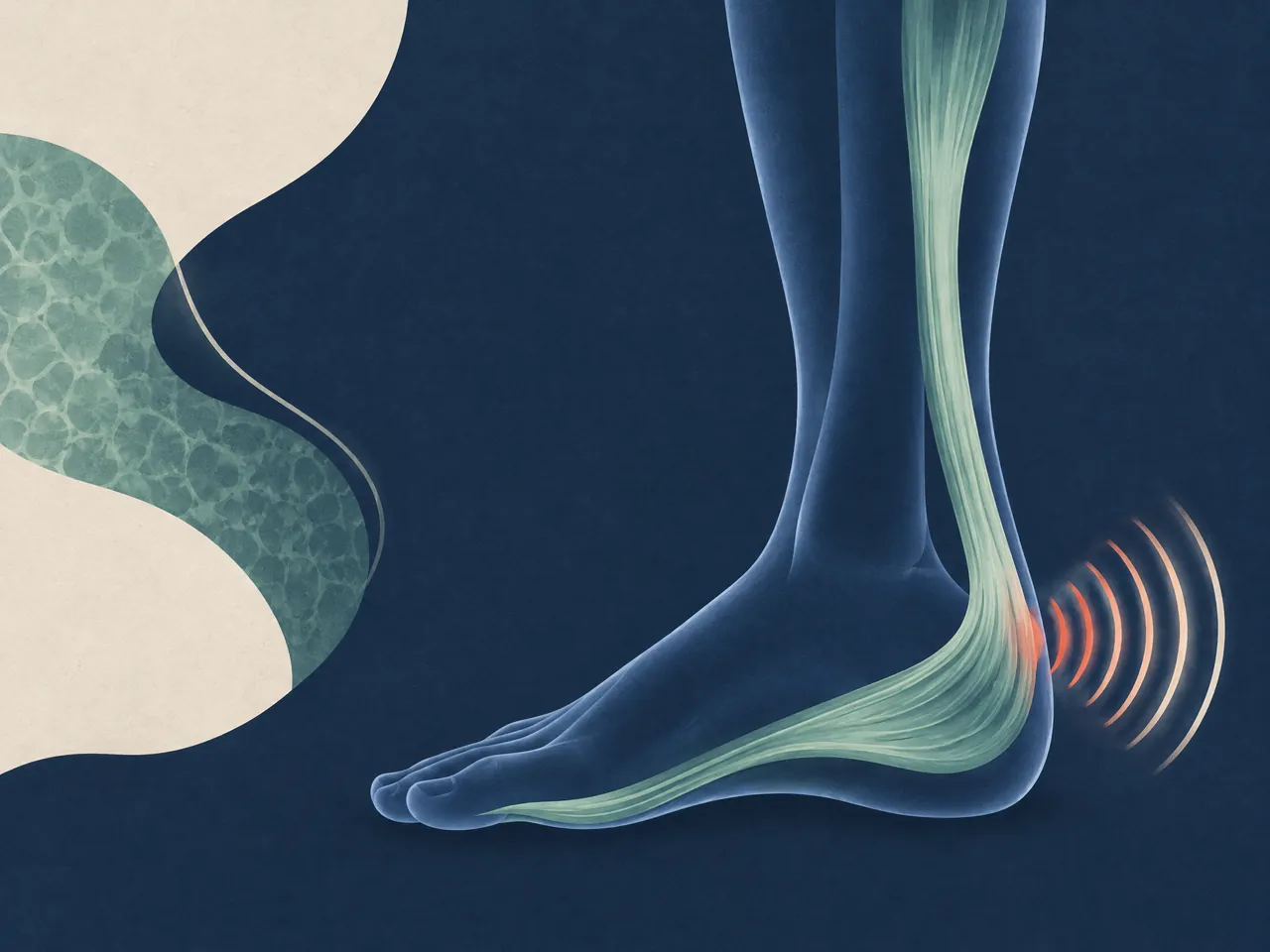
Chinese medicine may discuss the whole pattern around a painful area, including activity, rest, recovery, general health and treatment preferences. That does not mean every detail causes pain. It means a practitioner can ask what changed around symptom onset and what is realistic in your day. A person alternating screen work and long bus journeys has different physical demands from a warehouse worker, a parent lifting a child or a recreational runner. The conversation should remain connected to the concern that brought you in.
How pain assessment, Tui Na for pain and acupuncture for pain relate to musculoskeletal concerns
Tui Na is a form of Chinese manual therapy. When Tui Na for pain is raised, it should be a hands-on option with a clear purpose and practical considerations, not a catch-all answer. The practitioner may ask whether touch or pressure is tolerable, whether the area is acutely swollen or injured, whether there are skin concerns, and whether movement changes the symptom. A painful elbow after repeated gripping needs a different conversation from a shoulder that became painful after a fall.
Acupuncture for pain is also specific: fine needles are inserted into the skin by a practitioner. The U.S. National Center for Complementary and Integrative Health says acupuncture may be helpful for several conditions, including back or neck pain and knee pain associated with osteoarthritis, but findings cannot be applied to every painful symptom or person [1]. Assessment is where the relevance and limits of evidence, plus your goals, can be discussed. Ask why acupuncture is considered, what alternatives exist and how a plan would be reviewed.

Why pain assessment comes before considering Tui Na for pain or acupuncture for pain
A treatment preference can start the conversation, but it cannot replace history. Before manual therapy or needles, a practitioner needs to know about recent trauma, previous surgery, fever or illness, unexplained weight change, altered sensation, weakness, medicines that affect bleeding and previous diagnoses. They may ask about sleep disruption or ordinary tasks. This can change the choice from treatment now to referral, a modified approach, or planned review after another clinician has checked the problem.
This sequence prevents a focus on the location while missing the context. It also prevents a fixed number of sessions from being assumed before symptoms have been assessed. Explore Chinese medicine pain management for an overview, or read about musculoskeletal pain management before an appointment. Neither page replaces personal assessment when a symptom is new, severe or changing quickly.
Compare your options
| What to describe | Why it matters to the discussion | Possible next-step conversation |
|---|---|---|
| Location, onset and pattern of pain | Shows whether the symptom is new, recurrent, stable or changing | Further history, examination, monitoring or medical review before a treatment choice |
| Movement limits and daily tasks affected | Connects the concern to real function such as work, sleep, walking or lifting | A practical goal and suitable self-care or treatment discussion |
| Recent injury, illness, health history and medicines | May introduce precautions or indicate that another clinician should be involved | Modified approach, referral, or postponing a procedure |
| Preference about needles, touch, pressure or equipment-based care | Makes consent and comfort part of the decision | Discussion of Tui Na, acupuncture, shockwave therapy, another option or no procedure |
| Sudden severe symptoms or neurological, chest or breathing changes | May signal a need for urgent assessment rather than routine care | Seek urgent medical care according to the symptoms and local emergency guidance |
On smaller screens, scroll the table sideways to compare all columns.
Pain assessment, Tui Na for pain and acupuncture for pain: Choosing an appropriate approach
After the initial history and examination, the question becomes what is appropriate today. A practitioner may conclude that an area needs medical assessment first, that conservative self-care and monitoring are enough, or that a Chinese medicine option can be discussed alongside existing care. If Tui Na, acupuncture or shockwave therapy is mentioned, ask what it is intended to address, what it involves, what precautions apply and what changes would prompt reassessment. A clear answer is more useful than a broad promise.
Treatment choices can also be shaped by comfort and logistics. Some people do not want needle-based care. Others are comfortable with acupuncture but prefer not to receive strong manual pressure. Work, travel, an existing physiotherapy plan, medication changes and caring responsibilities can influence what is workable. The decision should allow for those preferences. It should also leave room to say no, ask for time to consider the information, or seek a second clinical opinion.

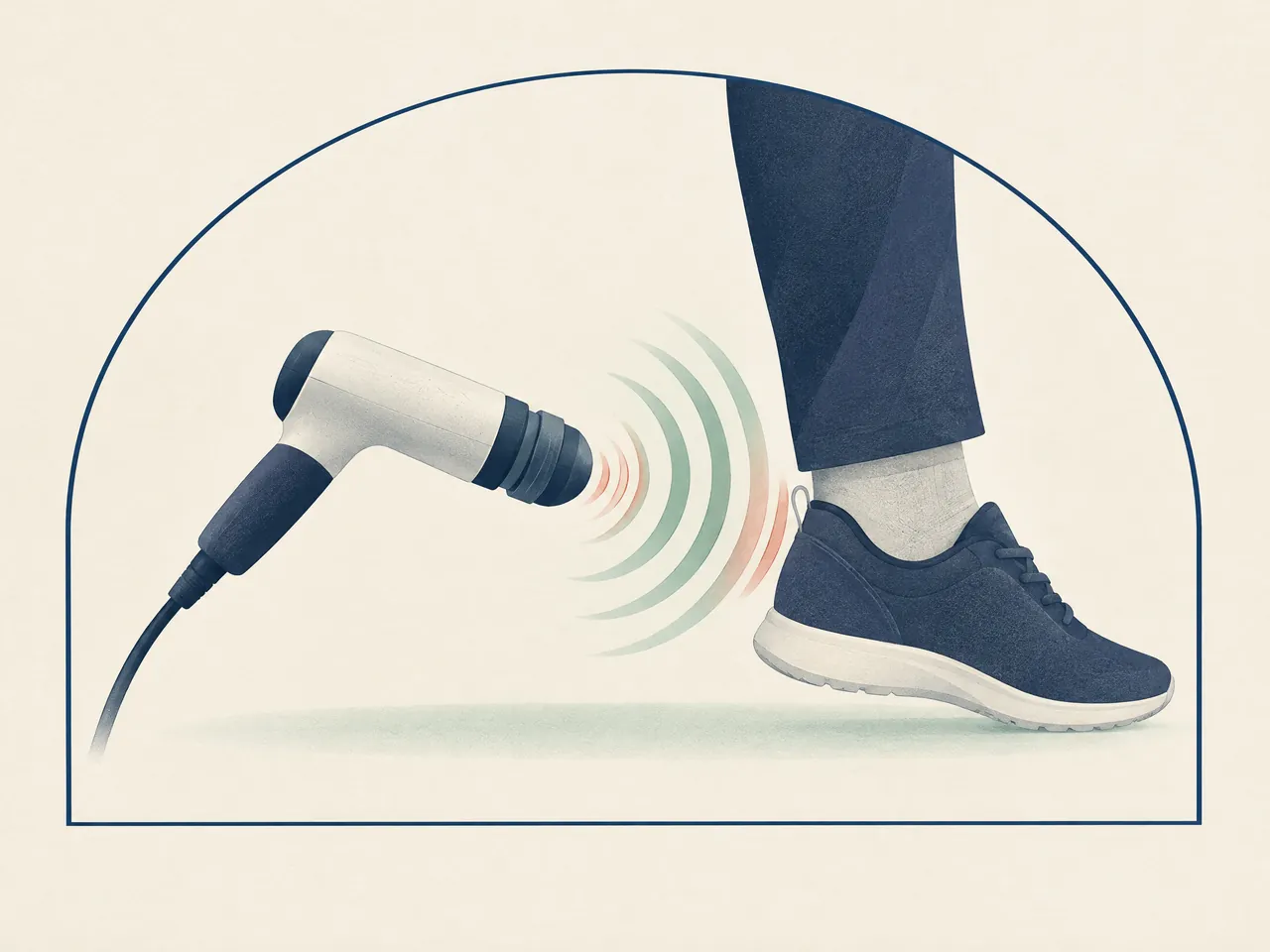
Shockwave therapy is another term people may encounter while searching for pain care. It is not interchangeable with Tui Na or acupuncture, and it should not be assumed to be suitable because pain has lasted a certain number of days. The page on shockwave therapy Hong Kong explains the service topic, while what is ESWT offers a starting point for questions about extracorporeal shockwave therapy. In an assessment, the relevant issues are the body area, suspected problem, symptom history, health considerations and whether another form of evaluation should come first.
What pain assessment may consider before Tui Na for pain or acupuncture for pain
A useful preparation is a simple symptom record rather than a self-diagnosis. Write down the date or event that you associate with onset, the exact area or areas involved, activities that bring symptoms on, and what makes them settle. Note whether discomfort travels, whether there is tingling or numbness, and what it prevents you from doing. Include previous episodes and whether you have already tried rest, an exercise programme, medicines, physiotherapy, an injection, acupuncture or other care. If you have a scan report or referral letter, bring it rather than relying on memory.
Health information matters even when the painful area seems straightforward. Tell the practitioner about pregnancy or the possibility of pregnancy, a bleeding or bruising tendency, blood-thinning medicines, skin infection or wounds in the proposed area, implanted devices, diabetes, immune concerns and significant heart, lung or neurological conditions. These details do not automatically decide the outcome. They allow the practitioner to consider whether a treatment should be adapted, deferred or avoided, and whether the person needs coordinated advice from another health professional. Open information is more valuable than trying to guess what is relevant.

How pain assessment guides discussion of Tui Na for pain and acupuncture for pain
For a manual approach, the conversation can cover the desired level of pressure, areas to avoid, ease of changing position and how the person responds during treatment. It should be possible to speak up if something is uncomfortable. For acupuncture, ask how the procedure would be carried out, what sensations may occur, and what you should do if you feel faint, anxious or unwell. NCCIH notes that complications from acupuncture have been reported when treatment is improperly delivered, including from nonsterile needles, and that acupuncture needles regulated in the United States are sterile and labelled for single use [1]. Safe practice and an informed conversation are essential, not optional extras.
A plan should have a purpose and a review point rather than a guarantee. You might agree to track whether a daily activity is easier, whether sleep is less interrupted, or whether a particular movement is more comfortable. Such observations are not proof of a cure, but they are clearer than a vague sense of progress. If symptoms worsen, change character or no longer fit the original picture, contact an appropriate clinician instead of simply repeating the same approach. The number and timing of appointments should be considered progressively according to the assessment, response, goals and safety considerations.
Pain assessment, Tui Na for pain and acupuncture for pain: Safety, self-care and next steps
Safety is part of pain assessment from the first conversation. It is not a separate box to tick after a treatment choice has been made. A painful back after a minor change in routine may be managed very differently from back pain after a serious accident, pain with chest symptoms, or pain paired with rapidly progressing weakness. If symptoms are alarming, sudden or severe, do not wait to see whether a routine pain service will help. Seek urgent medical care. For a fuller explanation of escalation questions, see when should I seek urgent care for pain?.
When there are no red flags and a clinician has advised that self-management is appropriate, daily habits can support rather than compete with a care plan. The NHS advises people with back pain to stay active and continue daily activities where possible, rather than staying in bed for long periods; it also describes wrapped cold packs for pain and swelling and heat packs for stiffness or muscle spasm [2]. These are broad back-pain suggestions, not a rule for every injury, diagnosis or body area. If an exercise, stretch, heat or cold makes symptoms clearly worse, stop and seek individual advice.

Red flags identified during pain assessment before Tui Na for pain or acupuncture for pain
Urgent assessment is particularly important after a significant accident, with chest pain or breathing difficulty, or when pain is severe and starts suddenly or is worsening quickly. For back pain, NHS guidance also identifies immediate-care symptoms including pain, tingling, weakness or numbness in both legs; loss of feeling around the genitals or anus; and changes in bladder or bowel control [2]. These signs require urgent medical attention rather than a routine appointment for Tui Na or acupuncture. Do not drive yourself if emergency care is needed; follow local emergency advice.
Other changes deserve prompt medical review even if they are not an emergency. Examples include persistent unexplained pain, a new lump or swelling, unplanned weight loss, feeling feverish or generally unwell, pain that is worse at night, a noticeable change in body shape, or pain that is increasingly limiting ordinary tasks. The meaning depends on the whole picture, which is why an article cannot sort every symptom safely. Mention these details when arranging care and follow the advice of the medical professional who assesses you. Referral is a responsible result of a pain assessment, not a failure of treatment.

Daily guidance to discuss alongside pain assessment, Tui Na for pain and acupuncture for pain after a pain assessment
Make activity changes small enough to test. A desk worker might change position between calls, use a brief walk to break up a long sitting period, or organise frequently used items within easy reach. Someone whose symptoms appear during sport may need to note the stage of activity, surface, footwear, load or recovery pattern rather than simply pushing through discomfort. For lifting tasks, record which grip, height or movement is difficult. These details give the practitioner something concrete to discuss and may help you notice whether a change is improving, worsening or leaving the pattern unchanged.
Keep a brief record after the appointment: the activity you were trying to improve, what advice you followed, any unusual reaction and any new symptom. Bring that record to the next discussion rather than trying to remember it under pressure. If you would like to enquire about a pain assessment with TCM Lab, you can review the Kwun Tong Chinese medicine clinic and Chinese medicine clinic Prince Edward pages, then message WhatsApp +852 6940 5663 with your main concern, important precautions and preferred location. Appointments and the appropriate next step are confirmed individually.
Care and health guide
Pain-care information
This directory brings together services, reading, and visit information related to pain care, to help you prepare questions for a consultation.
When pain care affects your day, noting when it occurs, its relation to activity, and what you have already tried can help prepare a consultation; Chinese medicine pain management Hong Kong is a relevant service or reading entry point.
Individual circumstances differ, and acupuncture Hong Kong offers related information to help you understand options and prepare questions.


Your questions, answered
Frequently asked questions
Is every painful condition suitable for Chinese medicine?
No. A pain assessment should first consider likely causes, severity, medical history, functional effect and warning signs. Some presentations may be appropriate to discuss within Chinese medicine care, while others need medical investigation, another professional service or urgent treatment first.
How many sessions of Tui Na or acupuncture will I need?
There is no fixed number that applies to everyone. The decision should be made progressively after assessment, taking account of the condition, any changes in symptoms, your goals, response to care and relevant safety considerations. An online article cannot set an individual treatment schedule.
When should pain be assessed urgently?
Seek urgent medical help after significant trauma, for chest pain or breathing difficulty, sudden severe or rapidly worsening pain, or sudden weakness or numbness. For back pain, urgent symptoms also include changes in bladder or bowel control, loss of sensation around the genitals or anus, or symptoms affecting both legs.
Can online information diagnose the cause of my pain?
No. The same painful area can have different causes and different levels of urgency. Online information can help you prepare questions, but an individual assessment is needed to consider your symptoms, movement, health history, medicines and any examination or tests that may be relevant.
Do I have to choose acupuncture if I book a pain assessment?
No. You can explain that you want information first or that you prefer to avoid needles. The assessment may lead to discussion of Tui Na, acupuncture, shockwave therapy, self-care, referral or another option, depending on what is appropriate.
Sources and further information
- [1] NCCIH — Acupuncture: Effectiveness and Safety
Referenced for: Supports the procedural description of acupuncture, condition-specific evidence context for selected pain conditions, and safety information about nonsterile needles and improper delivery.
- [2] NHS — Back pain
Referenced for: Supports general back-pain self-care wording and the urgent red-flag examples concerning serious injury, chest pain, bilateral neurological symptoms and bladder or bowel changes.
- [3] Hong Kong Health Bureau — Common Musculoskeletal Problems
Referenced for: Supports Hong Kong primary-care terminology for common musculoskeletal problems, including low back pain and knee osteoarthritis.