
TCM Lab · Health reading
Slipped Disc and Sciatica: Slipped Disc Lower Back Pain and Acupuncture for Lower Back Pain
Published Updated
A slipped disc and sciatica can be frightening because pain may start in the lower back and then travel through the buttock into one leg. A disc that bulges or herniates can irritate a nearby nerve, but the pattern of pain, tingling, numbness or weakness still needs individual assessment. Acupuncture for lower back pain may have a place in cautious symptom management when appropriate; it cannot put a disc back in place or reverse disc degeneration. The immediate priority is to recognise symptoms that need medical assessment rather than trying to manage a possible nerve emergency at home.
Appointments are confirmed through WhatsApp. If you have language requirements, please mention them in your enquiry.
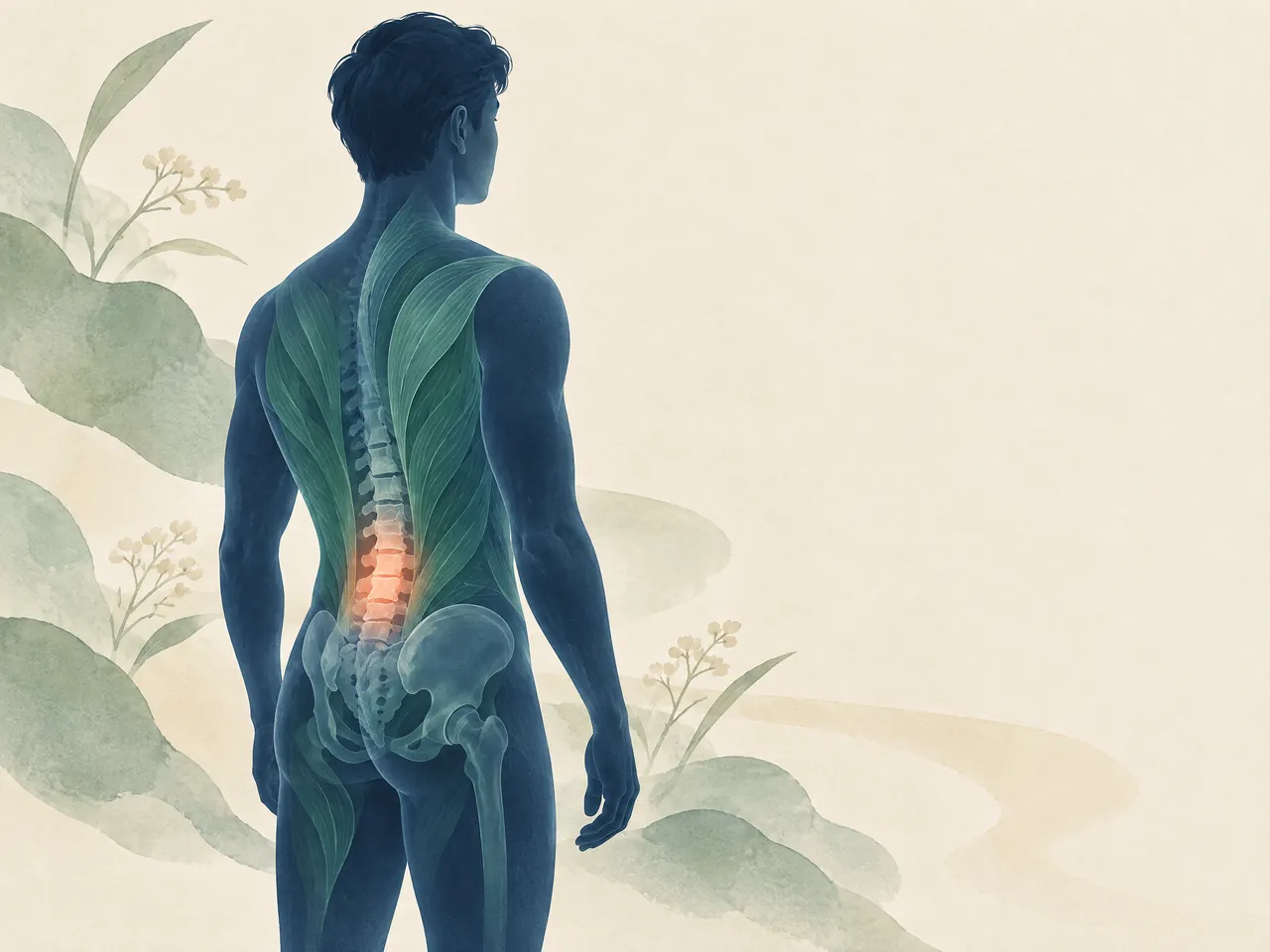
The short answer
Acupuncture for lower back pain may be considered as part of symptom management for slipped disc lower back pain, especially where muscle guarding and movement-related discomfort are present. It does not repair, reposition or reverse a slipped disc. Assessment should come first if pain spreads, numbness or weakness is developing, or daily function is changing. New bladder or bowel problems, numbness around the genitals or buttocks, or major leg weakness require urgent medical care rather than acupuncture first.
Transparent pricing
See the fees.
Choose your care.
Explore our complete official price list, including first-trial prices, regular prices, packages and branch-specific options.
Opening WhatsApp prepares an enquiry; it does not send a message, take payment or confirm an appointment. Suitability and individual arrangements are confirmed during consultation.
Pain care
All prices in HKDExtracorporeal shockwave treatment
Shockwave treatment for deep-tissue and fascial care. The Kwun Tong clinic offers the multi-area options shown below.
Priced by branch
Branch-specific pricing
Prince Edward: HK$250 per area
Kwun Tong: HK$250 for 1 area / HK$450 for 2 areas / HK$600 for 3 areas
Pain care (manual therapy)
Includes Chinese medicine musculoskeletal assessment, manual joint techniques and tui na.
HK$580 (single session)
Chinese medicine musculoskeletal assessment
Pain care (acupuncture and manual therapy)
Combines acupuncture and manual therapy.
HK$680 (single session)
Combined care
Hair and scalp
All prices in HKDScalp health and hair-loss management
Includes AI scalp analysis, deep scalp and follicle cleansing, and scalp oil-control care.
HK$380 (first trial)
Regular price: HK$680
- 6 sessions: HK$3,480 (HK$580 per session)
- 12 sessions: HK$5,760 (HK$480 per session)
- 20 sessions: HK$8,600 (HK$430 per session)
- 30 sessions: HK$11,400 (HK$380 per session)
Hair acupuncture and Chinese herbal medicine package
Includes scalp acupuncture and 3 days of Chinese herbal medicine that does not require decoction.
HK$580 (single session)
Registered Chinese Medicine Practitioner consultation
- 6 sessions: HK$3,180 (HK$530 per session)
- 12 sessions: HK$5,760 (HK$480 per session)
- 20 sessions: HK$8,600 (HK$430 per session)
- 30 sessions: HK$11,400 (HK$380 per session)
Combined hair and scalp treatment
Combines acupuncture and Chinese herbal medicine with salon-level scalp and follicle care. Packages include complimentary hair-care shampoo and serum.
HK$1,260 (single session)
Combined treatment
- 8 sessions: HK$8,640 (HK$1,080 per session)
- 16 sessions: HK$15,680 (HK$980 per session)
- 20 sessions: HK$18,600 (HK$930 per session)
- 30 sessions: HK$26,400 (HK$880 per session)
Weight management
All prices in HKDFull-body acupoint embedding for weight management
Includes full-body acupoint embedding. Packages include complimentary Chinese herbal medicine for weight management, with the number of included days scaled to the package. Embedding material and the individual treatment arrangement are confirmed during consultation; this is not a cosmetic thread lift.
HK$980 (single session)
No trial session
- 10 sessions: HK$7,800 (HK$780 per session)
- 20 sessions: HK$14,600 (HK$730 per session)
- 30 sessions: HK$20,400 (HK$680 per session)
Facial acupuncture
All prices in HKDFacial acupuncture (basic)
Includes facial acupuncture and meridian-based facial care, including care for facial puffiness.
HK$480 (first trial)
Regular price: HK$680
- 10 sessions: HK$5,200 (HK$520 per session)
- 20 sessions: HK$9,600 (HK$480 per session)
- 30 sessions: HK$13,500 (HK$450 per session)
Facial acupuncture (advanced)
Includes enhanced facial acupuncture with a specially formulated moisturising mask and serum.
HK$780 (first trial)
Regular price: HK$1,180
- 10 sessions: HK$9,000 (HK$900 per session)
- 20 sessions: HK$16,600 (HK$830 per session)
- 30 sessions: HK$23,400 (HK$780 per session)
Chinese medicine
All prices in HKDAcupuncture and Chinese herbal medicine package
Includes a Chinese medicine consultation with pulse assessment, body acupuncture and 3 days of Chinese herbal granules that do not require decoction.
HK$580 (single session)
Chinese medicine consultation with pulse assessment
Slipped Disc and Sciatica: Slipped Disc Lower Back Pain Symptoms and Acupuncture for Lower Back Pain
The expression “slipped disc” usually refers to a disc that bulges or herniates rather than literally moving out of the spine. Discs sit between spinal bones and can become painful when they press on or inflame nearby nerve tissue. The NHS lists lower back pain, difficulty bending or straightening, tingling or numbness, muscle weakness, and buttock or leg pain when the sciatic nerve is involved among possible features [1]. Some disc changes cause no symptoms, so the presence of an imaging finding does not by itself tell you why a particular day feels worse.
For a person searching about slipped disc and sciatica, the useful question is not only “Where does it hurt?” but “What has changed?” A new pain line running from the back into the calf or foot, a foot that feels less reliable on stairs, or symptoms that appear with coughing, sitting or bending are details worth bringing to an assessment. If a disc diagnosis has already been discussed, our related guide to acupuncture for herniated disc explains the same conservative-care boundary in more detail.
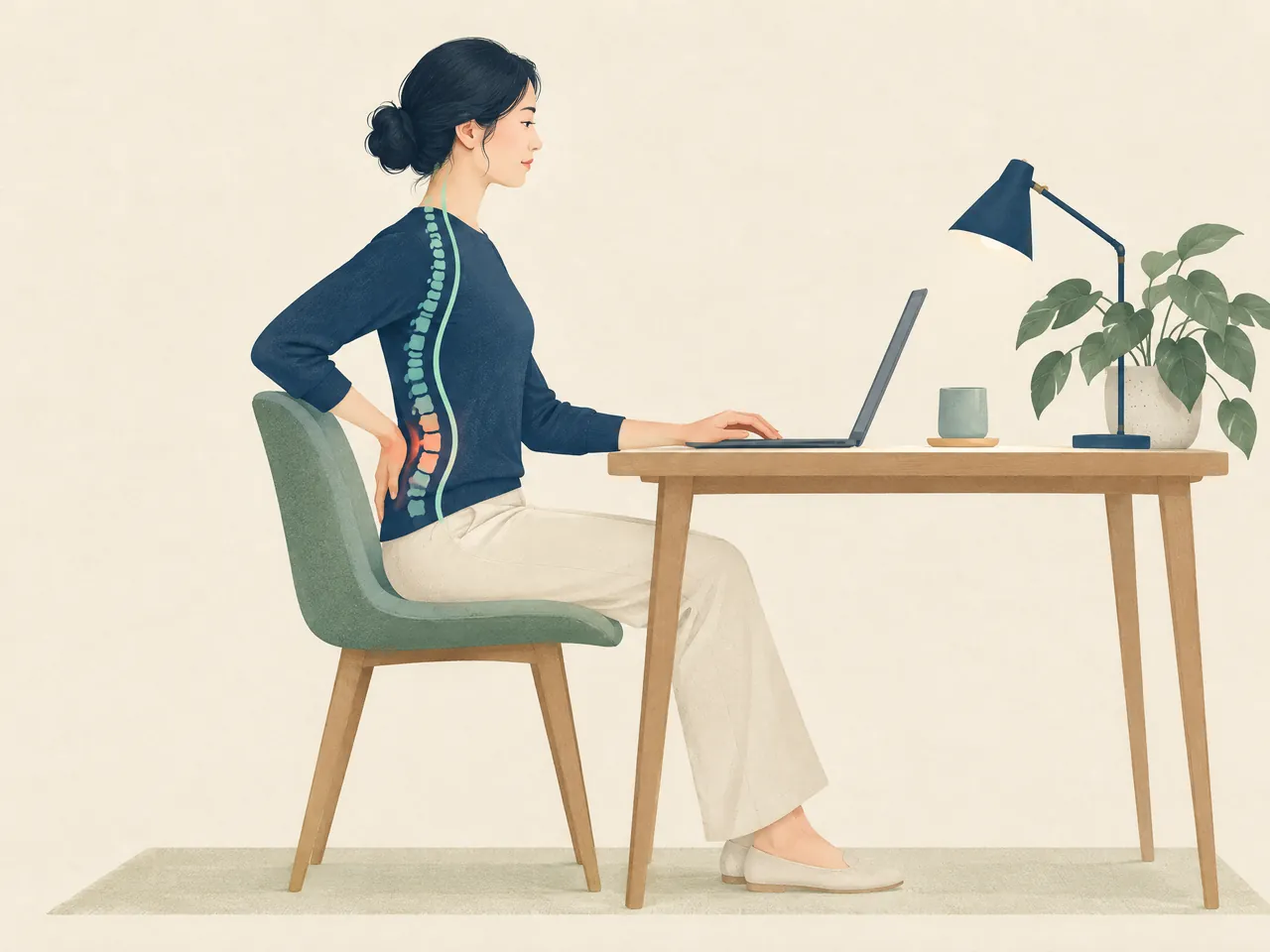
Slipped Disc and Sciatica Signs in Slipped Disc Lower Back Pain and Acupuncture for Lower Back Pain Considerations
Sciatica is a symptom pattern, not a verdict on the cause. It often feels like pain, burning, pins and needles, numbness or an electric sensation travelling from the low back or buttock down one leg. A person may have mainly leg symptoms, mainly back pain, or both. The exact route matters: pain that stops at the buttock has a different pattern from pain that passes below the knee into the foot. A comparison with the usual activity level is also useful. Can you stand to cook, get in and out of a car, or walk at the same pace? For more detail on this nerve-pain pattern, read sciatica from a herniated disc.
Acupuncture for lower back pain should be considered only after the current symptom picture is understood. Local low-back tightness may coexist with nerve-related leg pain, yet the treatment conversation is not the same when there is progressive weakness or a spreading sensory change. Bring any previous MRI or X-ray report if available, but also describe what the report cannot show on its own: when symptoms began, whether they are constant or intermittent, which positions aggravate them, and whether sleep or walking has changed. This makes it easier to decide whether conservative symptom support is reasonable or a medical review should come first.
Slipped Disc and Sciatica, Slipped Disc Lower Back Pain Triggers, and Acupuncture for Lower Back Pain Questions
A flare is often linked to a combination of load and position rather than one dramatic event. Long car journeys, sitting through meetings, repeated forward bending, lifting with the load held away from the body, or suddenly doing more after a quiet period can all be relevant history. The NHS also notes ageing, heavy lifting performed poorly, prolonged sitting or driving, inactivity and excess weight as factors associated with slipped discs [1]. This does not mean every episode has an obvious cause, or that you should assume a disc is responsible without assessment.
Questions before arranging care can be practical: Did the pain begin after a fall or serious accident? Is it worse at night or accompanied by fever, unexplained weight loss, or feeling unwell? Which pain medicines or blood-thinning medicines are currently being used? Have numbness, balance or leg strength changed since yesterday? Recording these details avoids relying on a vague memory once pain settles temporarily. It also prevents a visit focused only on sore back muscles when the more important issue is a change in nerve function.
Compare your options
| What you notice | Why it changes the discussion | Practical next step |
|---|---|---|
| Stable low-back ache with no new numbness or weakness | A conservative discussion may be possible when function is stable and there are no warning signs. | Describe activity limits, triggers and previous care at the assessment. |
| Pain travels into the leg with tingling or altered sensation | The distribution and any progression help assess possible nerve involvement. | Record where symptoms travel and arrange a timely clinical assessment. |
| New foot weakness, stumbling or clearly changed walking | Motor change can require medical evaluation rather than routine symptom treatment. | Seek prompt medical advice and do not rely on self-testing. |
| Numbness around the genitals or buttocks, inability to pass urine, or loss of bladder or bowel control | These are emergency warning signs for serious nerve compression. | Seek emergency medical care immediately; do not try acupuncture first. |
On smaller screens, scroll the table sideways to compare all columns.
Acupuncture for Lower Back Pain with Slipped Disc and Sciatica or Slipped Disc Lower Back Pain
A realistic discussion of acupuncture starts with its limits. Needling cannot reduce a protrusion by pushing it back, regenerate a degenerated disc, or guarantee that radiating pain will disappear. In suitable cases, the aim may instead be to help manage local muscular tension, movement-related discomfort and the guarded way a person moves while following a wider plan. That plan may include medical review, advice about activity, prescribed medicines, physiotherapy or specialist follow-up, depending on the assessment. A single treatment should never be framed as a substitute for investigating significant neurological symptoms.
Evidence about acupuncture for low-back pain does not turn a disc problem into a simple treatment choice. The U.S. National Center for Complementary and Integrative Health notes that guideline discussions include acupuncture among nondrug options for low-back pain, while the quality and applicability of evidence vary by acute or chronic presentation [2]. That general evidence is not proof that acupuncture corrects disc anatomy or is right for every person with sciatica. A good decision links the option to the current symptoms and does not postpone necessary care.

Acupuncture for Lower Back Pain: What It Can and Cannot Address in Slipped Disc and Sciatica and Slipped Disc Lower Back Pain
What it may address is the symptom experience around a back episode: tight protective muscles, soreness with certain movements and a sense that moving cautiously is difficult. What it cannot address is a red-flag cause of nerve compression, an infection, a fracture after significant trauma, or a loss of bladder or bowel control. Expectations matter because a calmer back on one day is not evidence that a disc has been structurally repaired. Follow-up should focus on practical changes, such as whether walking, sleeping, sitting or a prescribed rehabilitation programme is becoming more manageable, alongside whether numbness or weakness is changing.
It is also important not to treat every buttock-and-leg complaint as a disc issue. Hip, muscle and other spinal conditions can produce overlapping symptoms. If the story is more about buttock pain aggravated by certain positions, a clinician may consider other causes; our page on piriformis syndrome treatment describes one separate topic, not a self-diagnosis shortcut. Likewise, age-related spinal changes can need a different discussion; see acupuncture for lumbar spondylosis for that distinct condition.

Acupuncture for Lower Back Pain Assessment for Slipped Disc and Sciatica and Slipped Disc Lower Back Pain
An assessment should map the problem before considering treatment. Expect questions about the first day of pain, whether it followed lifting or a fall, where it travels, and whether coughing or sitting changes it. Movement may be observed, along with how comfortably you can stand, sit, turn, bend or raise a leg. A practitioner should also ask about tingling, areas of reduced sensation, perceived weakness, walking changes, sleep disruption, long-term conditions and current medicines. Existing medical letters, imaging reports and rehabilitation advice provide useful context; they do not need to be replaced by repeating the same tests without reason.
The key outcome of assessment is triage, not simply deciding where needles would be placed. Mild, stable symptoms with preserved function may allow a conservative plan and review of response. Persistent, escalating or neurologically changing symptoms may call for a medical clinician, physiotherapist or specialist first. The process is similar to the questions outlined in How is lumbar spondylosis assessed?: location, function, examination and available investigations all contribute. Tell the practitioner promptly if symptoms change between booking and the appointment.
Slipped Disc Lower Back Pain Safety: Slipped Disc and Sciatica and Acupuncture for Lower Back Pain Decisions
Safety is about noticing change early, not being afraid of every ache. If pain is stable and there are no warning signs, completely stopping all movement for a long time can make ordinary tasks feel harder. The NHS advises gradually returning to gentle movement, such as walking, swimming or yoga, provided it does not worsen back pain [1]. The right activity is individual: a short, comfortable walk may be more useful than forcing a stretch that sends symptoms further down the leg. A clinician can help adapt activity to the current presentation.
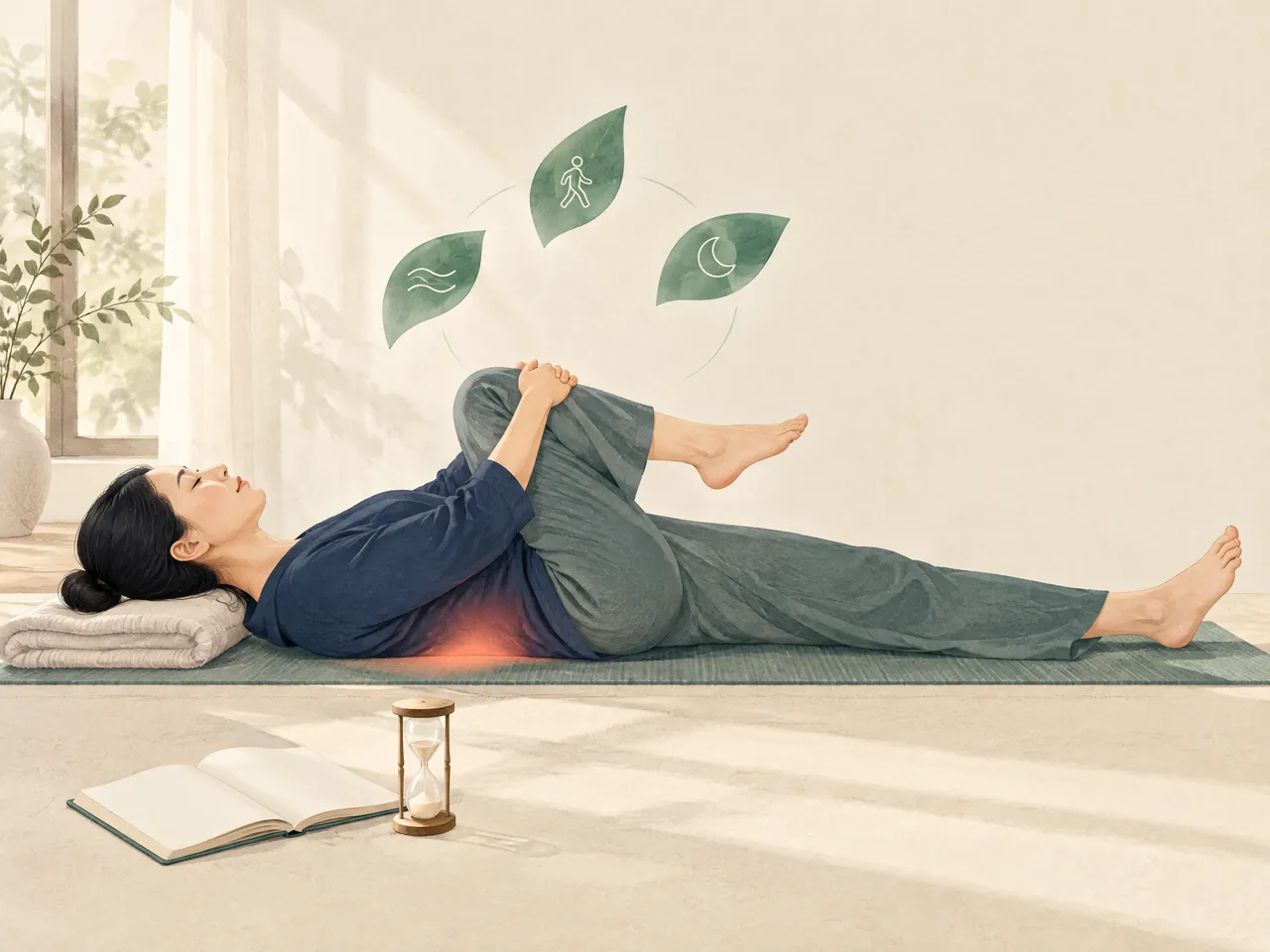
Use the direction of symptoms as a safety clue. Pain that becomes more severe, travels further, is joined by new numbness, or interferes with reliable walking warrants prompt reassessment rather than simply adding more sessions. Avoid trying to “test” the back with heavy lifting after a better morning. Instead, break tasks into smaller loads, keep frequently used items within easy reach, and take position changes during prolonged sitting. These measures reduce unnecessary strain but are not a cure or a replacement for a clinician’s advice.

Slipped Disc Lower Back Pain Self-Checks for Slipped Disc and Sciatica Before Acupuncture for Lower Back Pain
Before an appointment, make a brief symptom note rather than repeatedly provoking the pain. Write down the back and leg areas involved, whether the feeling is aching, burning, tingling or numb, and whether one side differs from the other. Note simple functional changes: difficulty putting on shoes, a new need to hold a rail on stairs, or a foot that catches unexpectedly. Record recent illness, fever, trauma, medicines and prior scans. Do not perform forceful stretches, home manipulations or strength tests to prove whether a nerve is involved; those efforts can confuse the picture or aggravate symptoms.
This note can make the consultation safer and more specific. It helps separate a familiar, stable ache from a new pattern that deserves referral. If you are considering acupuncture, mention previous reactions to needles, bleeding problems, medicines that affect clotting, pregnancy, implanted electrical devices if any adjunctive electrical treatment has been proposed, and all current medical care. NCCIH advises discussing complementary approaches with health-care providers and notes that serious complications can occur if acupuncture is performed improperly [2].

Slipped Disc Lower Back Pain Red Flags, Slipped Disc and Sciatica Referral, and Acupuncture for Lower Back Pain Limits
Do not wait for acupuncture if you have numbness around the bottom or genitals, cannot pass urine, lose control of urine or stool, lose feeling in one or both legs, or developed severe back pain after a serious accident. The NHS lists these as reasons for immediate emergency assessment [1]. New or worsening leg weakness, difficulty walking, fever with back pain, or pain that is relentlessly worsening also needs prompt medical evaluation. These problems can have causes that are not safely managed as a routine back-pain visit.
Cauda equina syndrome is one reason bladder, bowel and saddle-area symptoms matter. Cleveland Clinic describes it as an emergency caused when lower spinal nerve roots are compressed; leg weakness, altered saddle sensation, urinary retention and urinary or faecal incontinence are among the symptoms requiring immediate emergency care [3]. This page cannot diagnose that condition. The practical rule is simple: if these changes are new, sudden or progressing, seek urgent medical care first and do not wait to see whether acupuncture relieves the pain.
Care and health guide
Sciatica: care information
This directory brings together services, reading, and visit information related to sciatica, to help you prepare questions for a consultation.
When sciatica affects your day, noting when it occurs, its relation to activity, and what you have already tried can help prepare a consultation; acupuncture for sciatica is a relevant service or reading entry point.
Individual circumstances differ, and acupuncture Hong Kong offers related information to help you understand options and prepare questions.


Your questions, answered
Frequently asked questions
Can acupuncture push a slipped disc back into place?
No. Acupuncture does not reposition a protruding disc or reverse degeneration. It may be discussed as part of symptom management for some people, but it is not a structural repair and should not replace medical assessment or specialist follow-up when needed.
Should I get an MRI before acupuncture for slipped disc lower back pain?
Not everyone needs an MRI before a conservative-care discussion. A clinician considers the symptom pattern, examination, function and red flags when deciding whether imaging is appropriate. Bring any existing scan report, but do not assume a scan result alone determines the cause or treatment.
What should I prepare for a first assessment?
Prepare a short timeline of onset, any fall or lifting event, the route of pain, numbness or weakness, what aggravates or eases it, current medicines and prior reports. Mention fever, unexplained weight loss, new walking difficulty or changes in bladder and bowel function immediately.
When is urgent medical care more important than acupuncture?
Seek urgent medical care for new bladder or bowel control problems, inability to pass urine, numbness around the saddle area, loss of sensation in the legs, severe pain after major trauma, or new and worsening weakness. These symptoms need prompt medical assessment rather than a routine acupuncture appointment.
Sources and further information
- [1] NHS — Slipped disc
Referenced for: Symptoms, self-care context, assessment, and urgent red-flag information for slipped disc and sciatica.
- [2] National Center for Complementary and Integrative Health — Acupuncture: What You Need To Know
Referenced for: Evidence context and safety considerations for acupuncture; not evidence that acupuncture repairs a herniated disc.
- [3] Cleveland Clinic — Cauda Equina Syndrome
Referenced for: Emergency symptom context for possible cauda equina syndrome and nerve compression.